Account
Inquiry
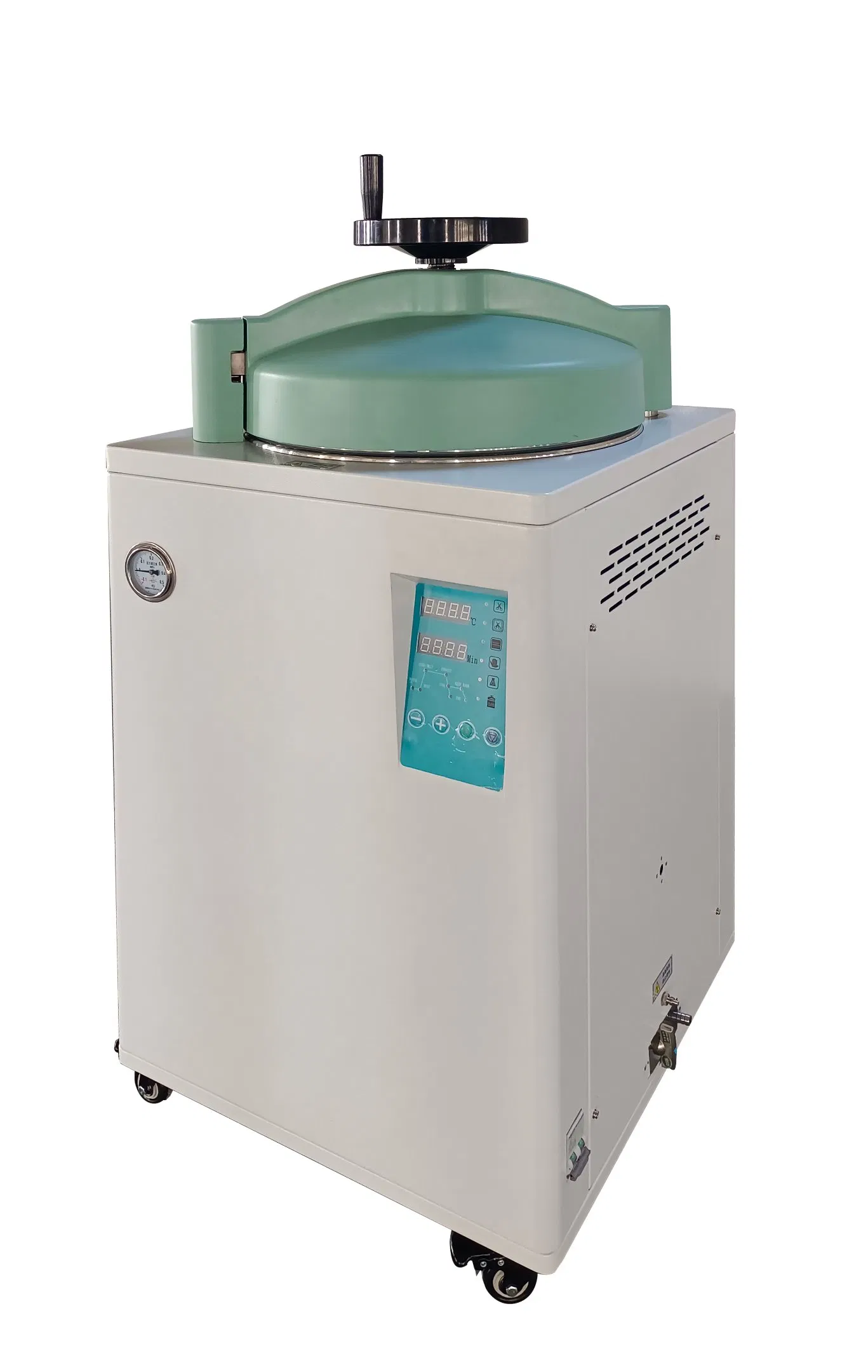
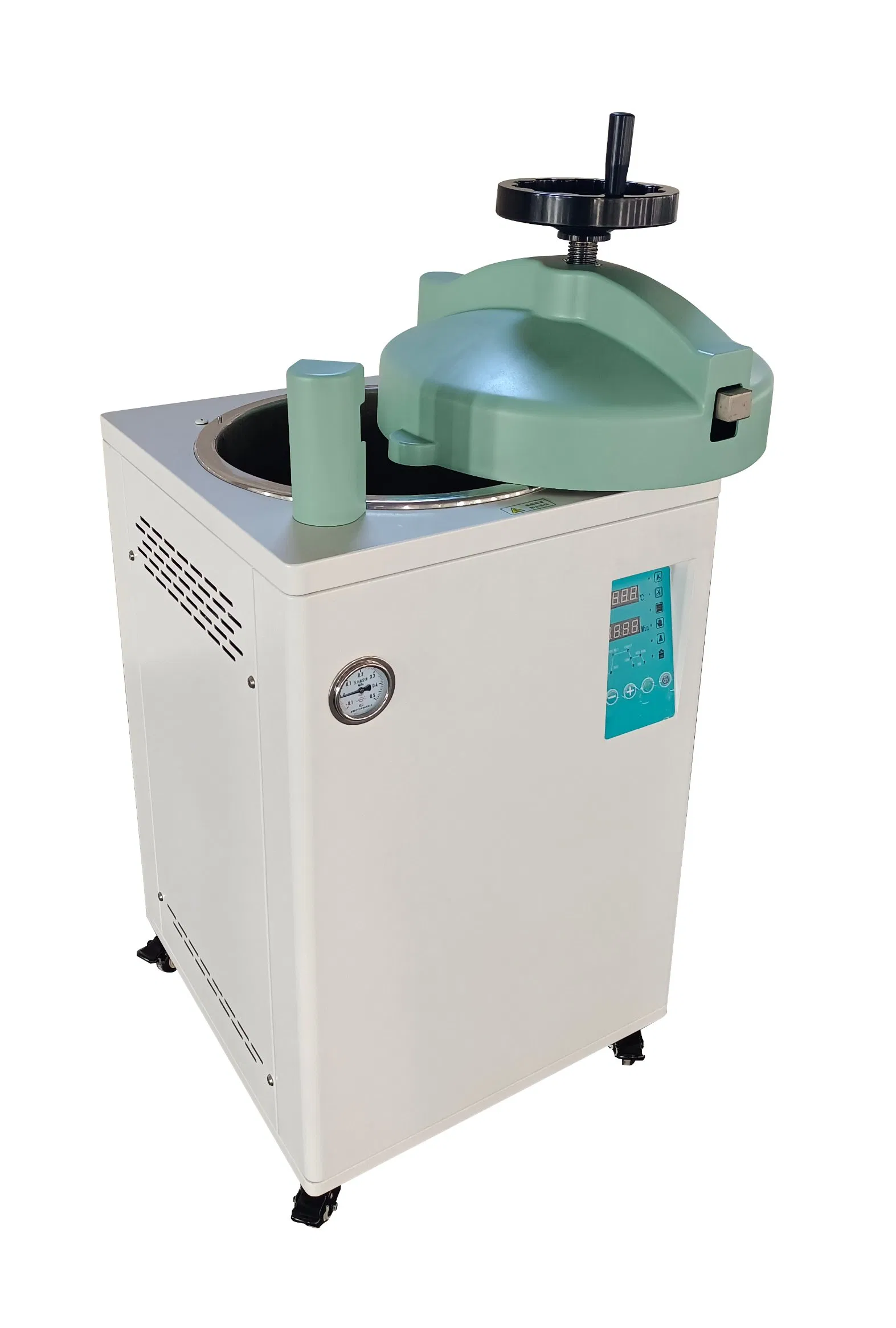
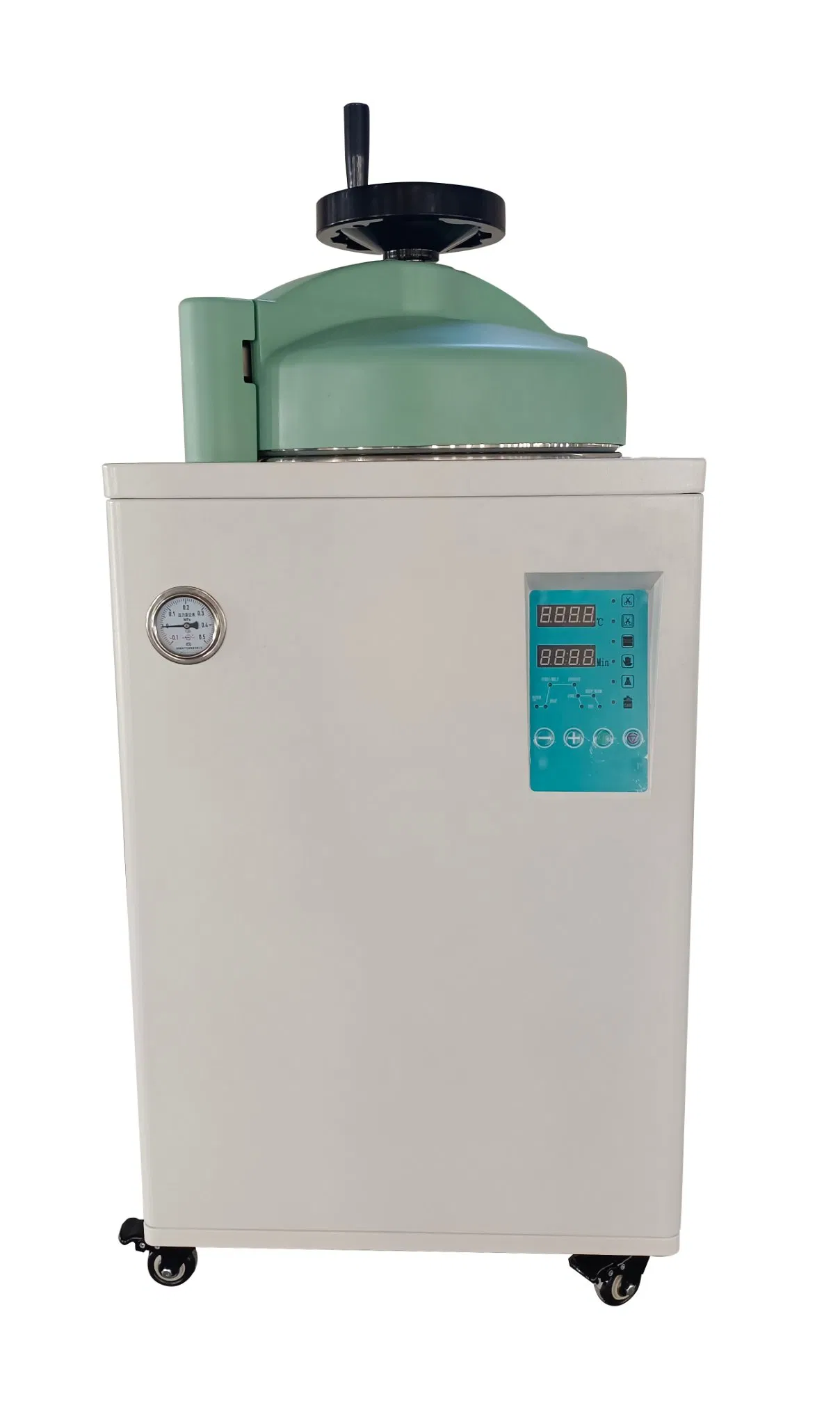
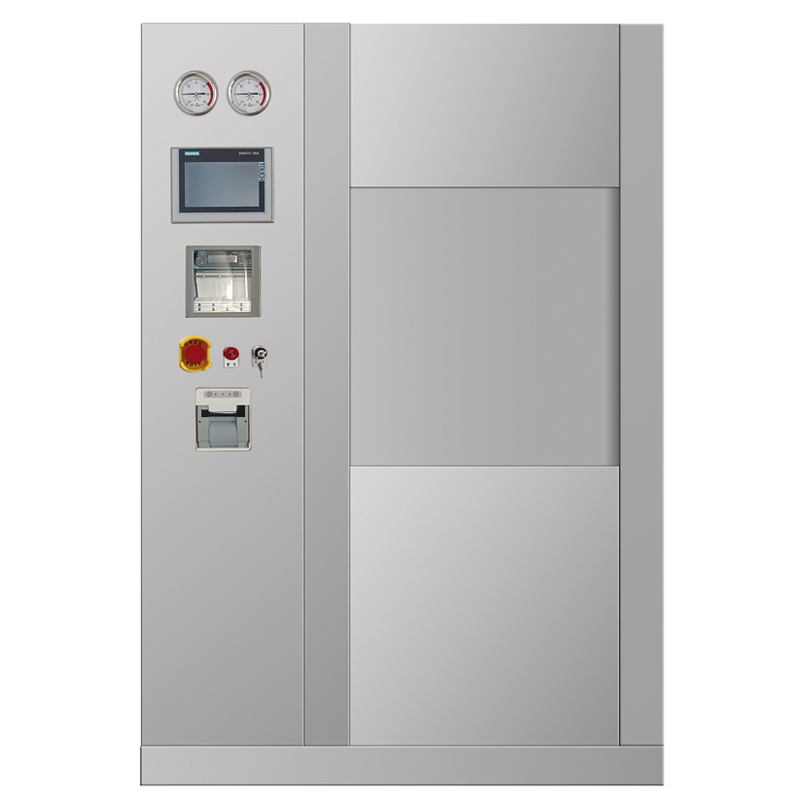
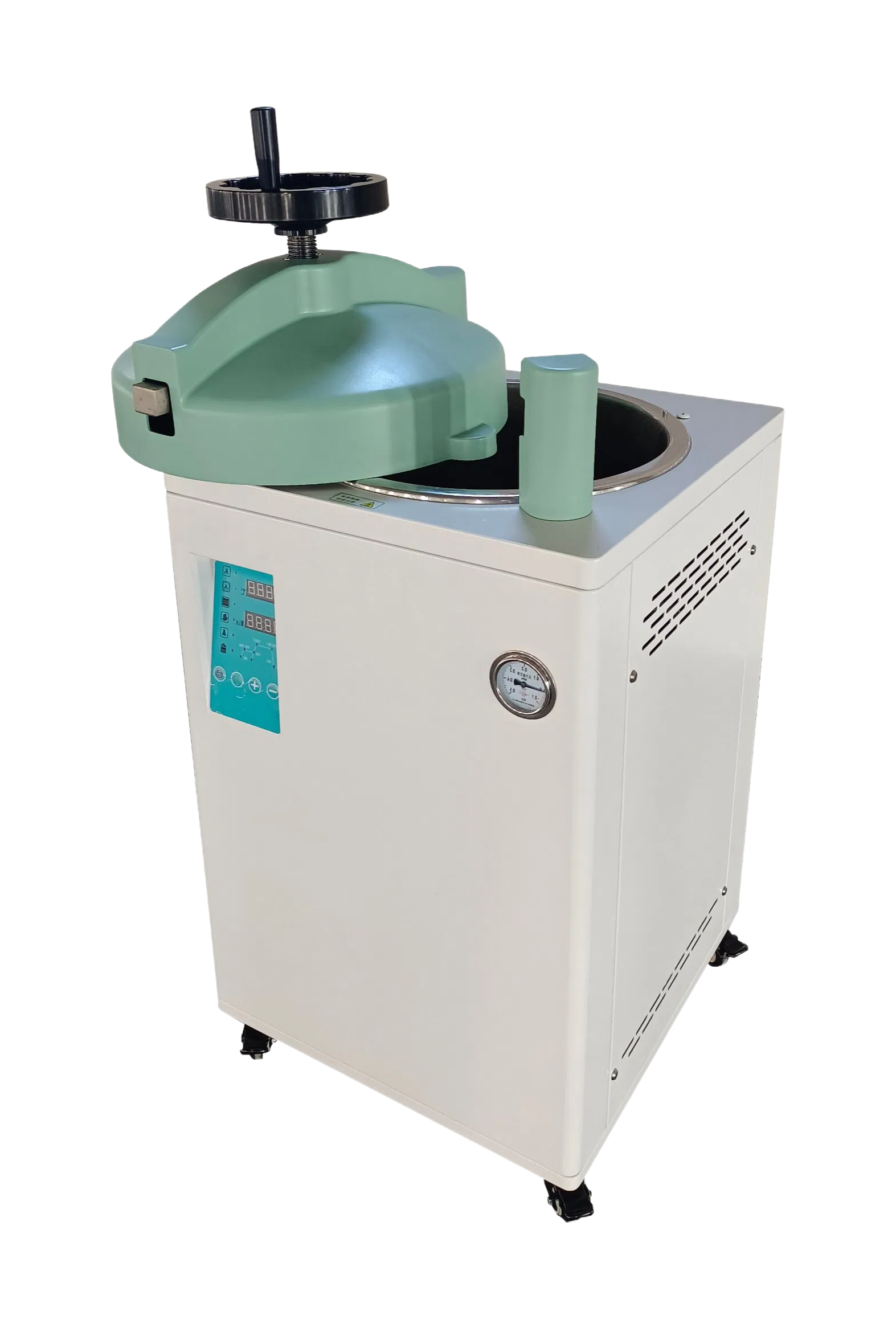
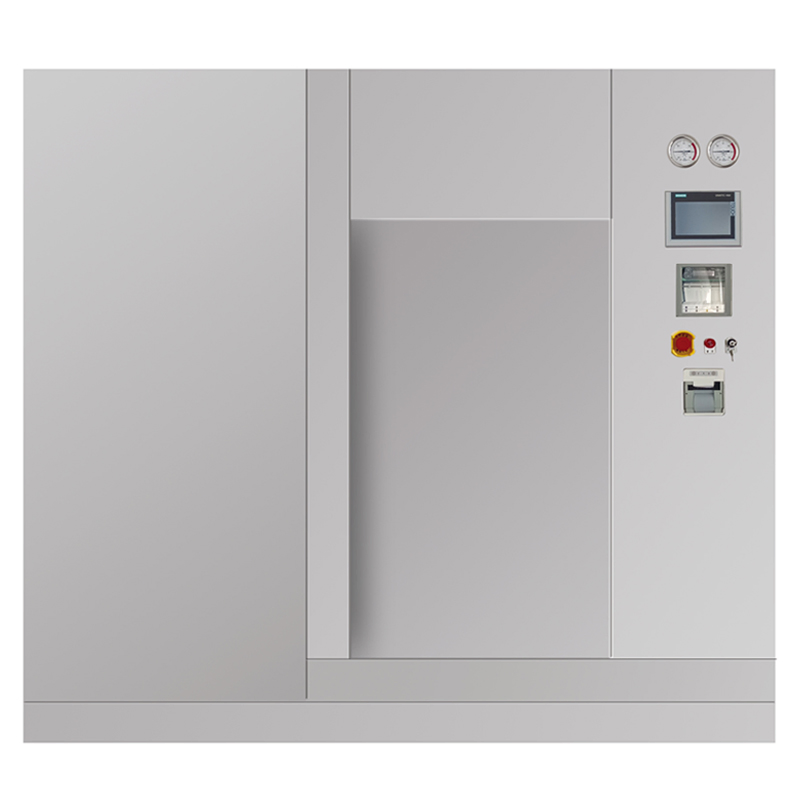
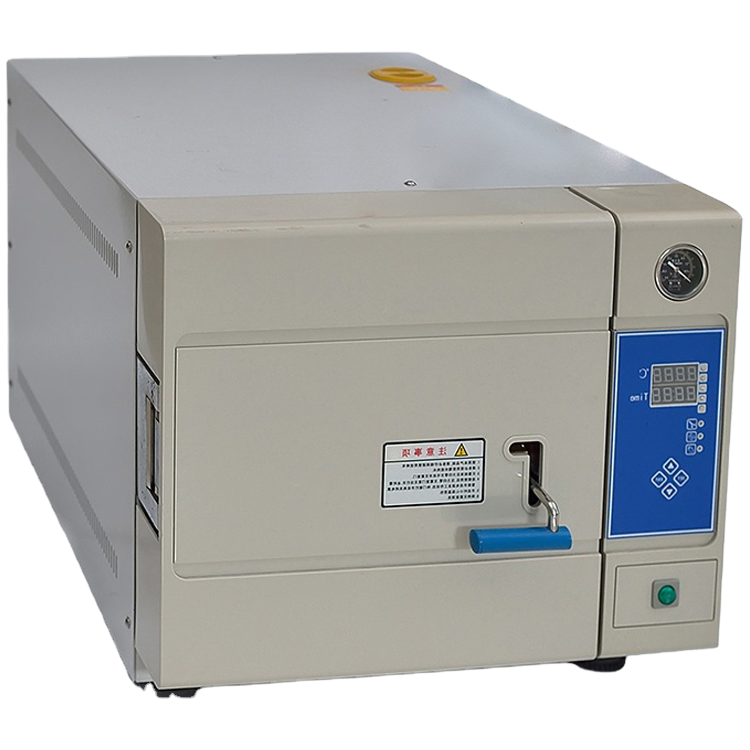
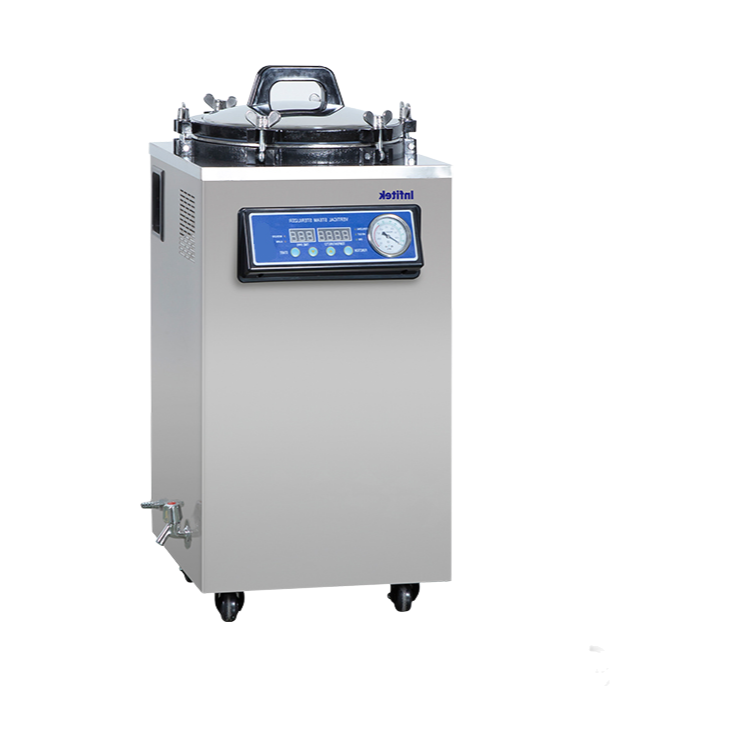
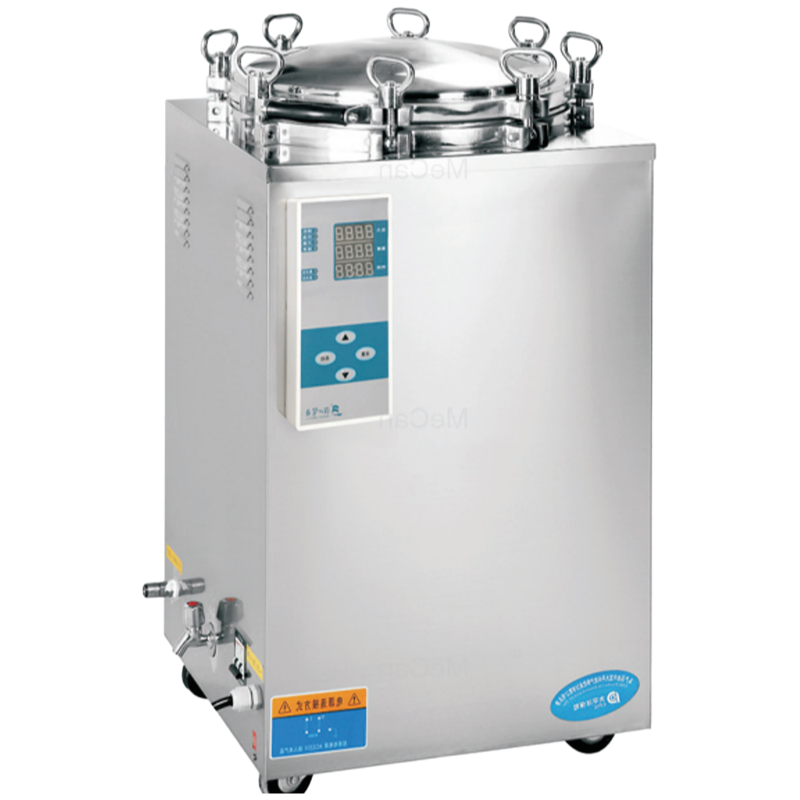
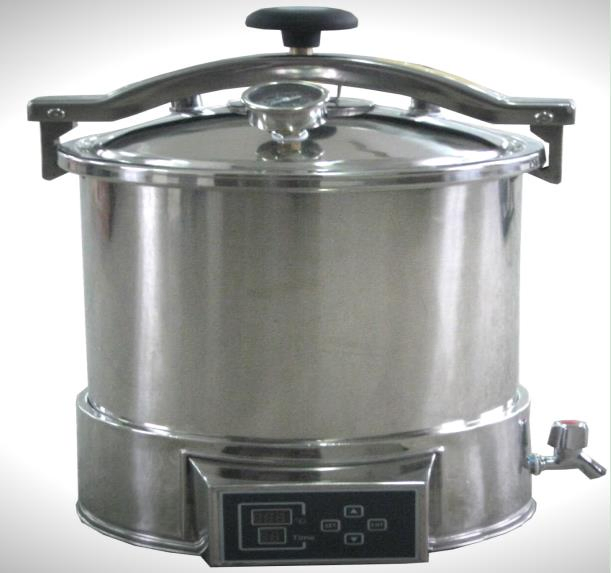
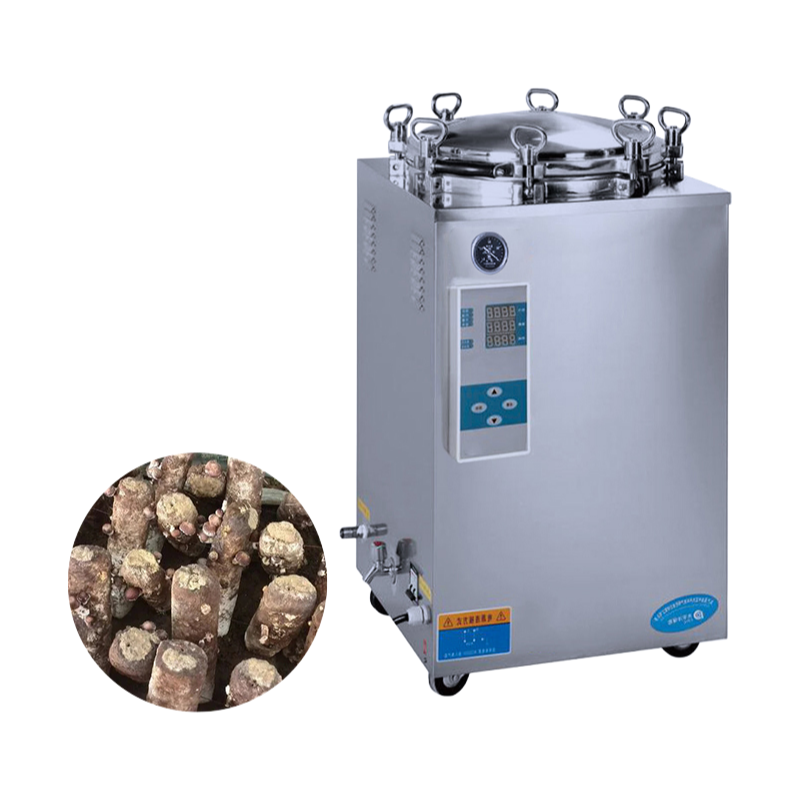
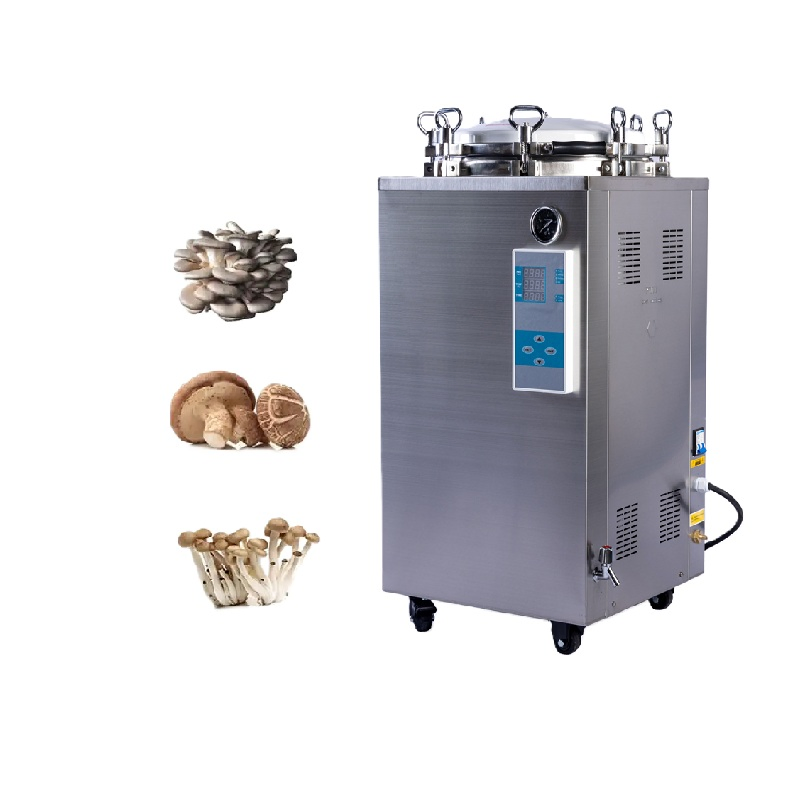
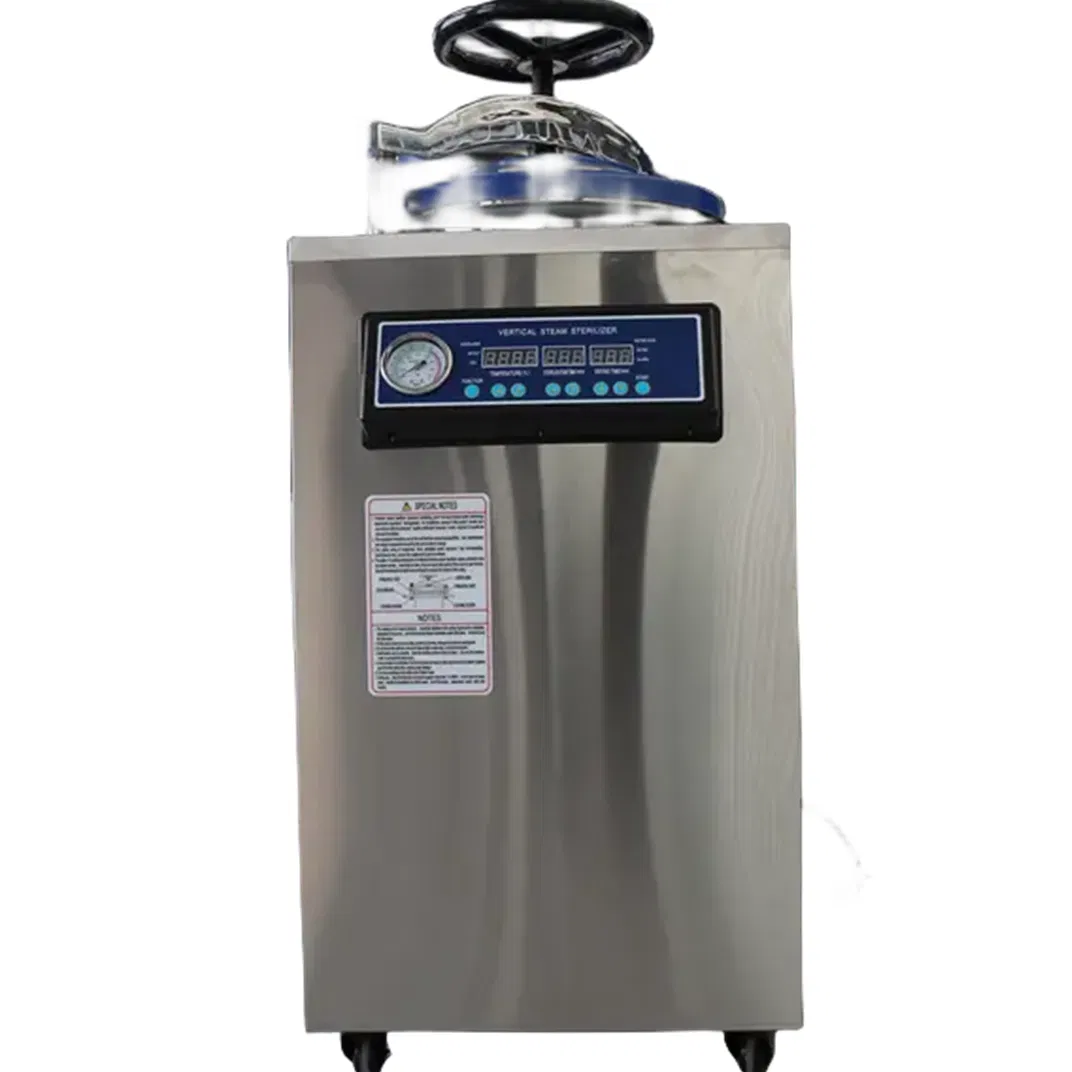
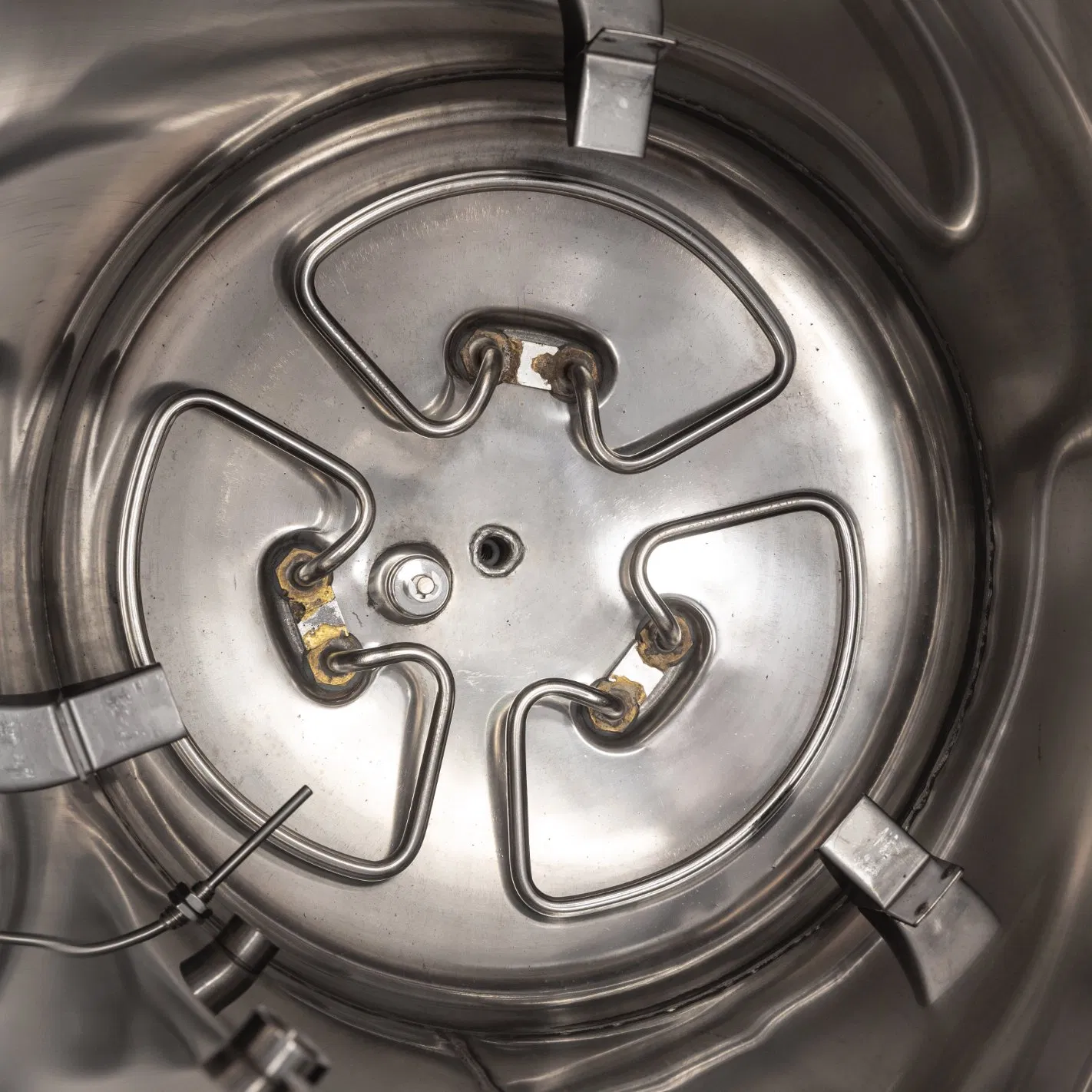
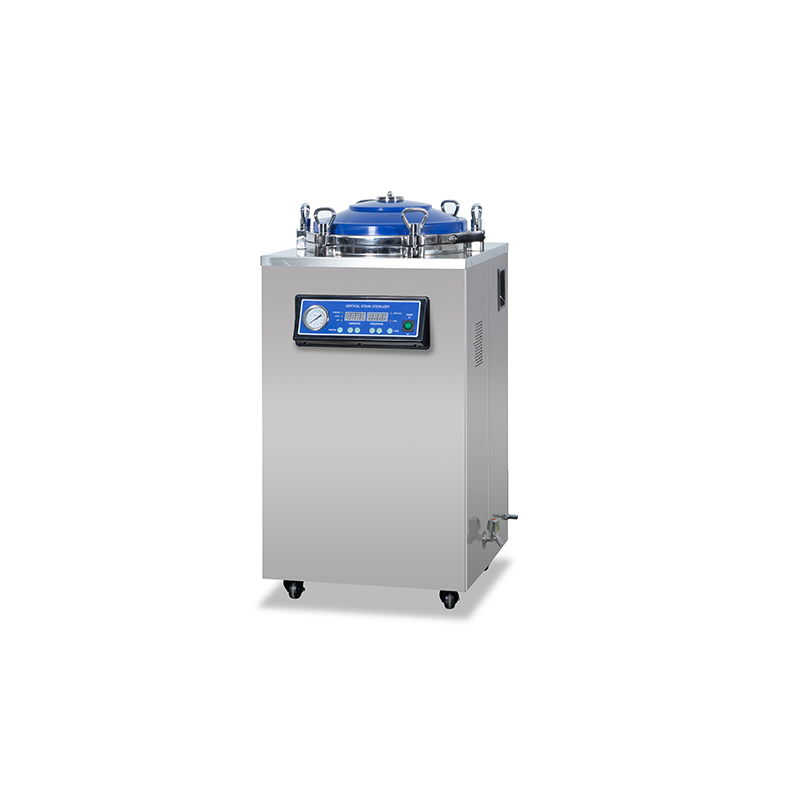
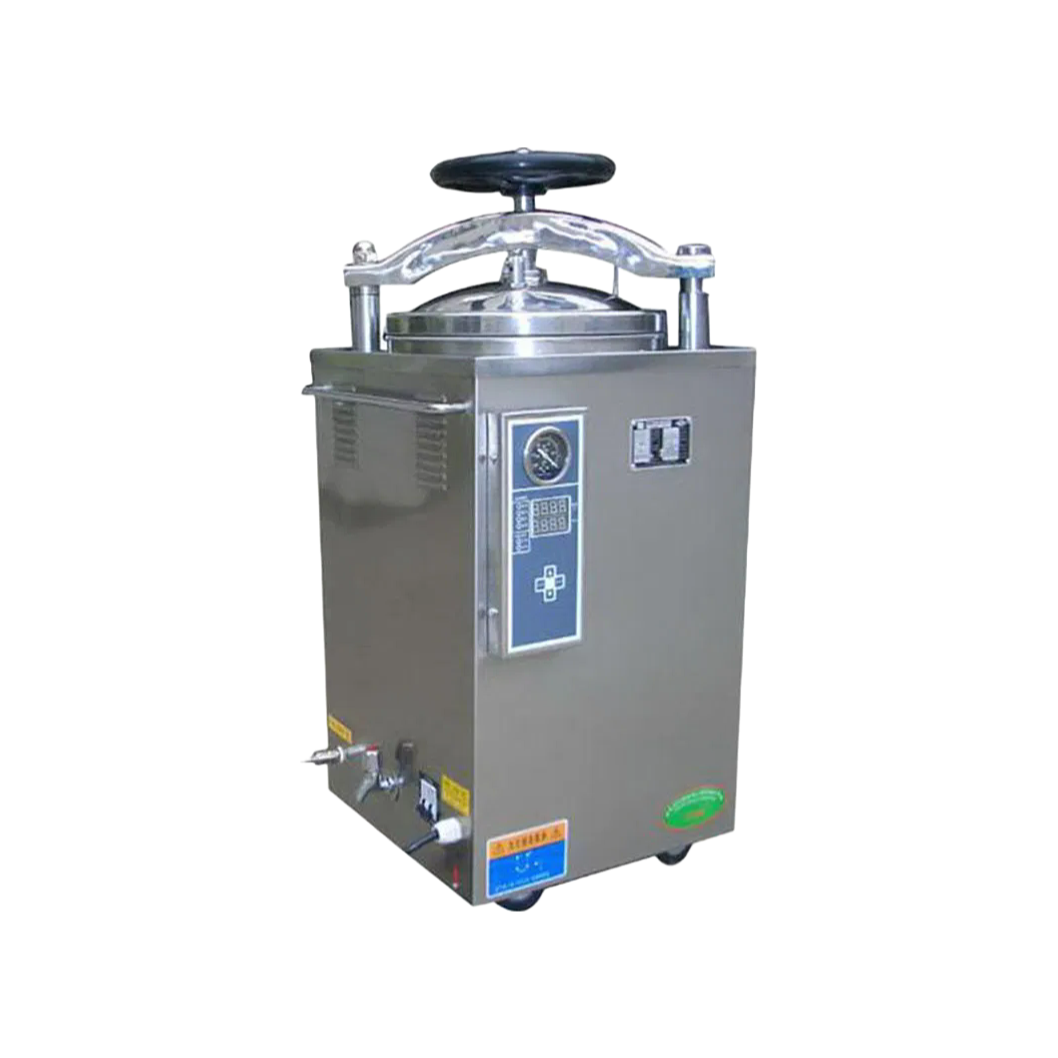
Runs through a full sterilization cycle—water injection, heating, sterilization, exhaust, drying—with microcomputer program control and a touch-button LED display, so you set it and walk away.
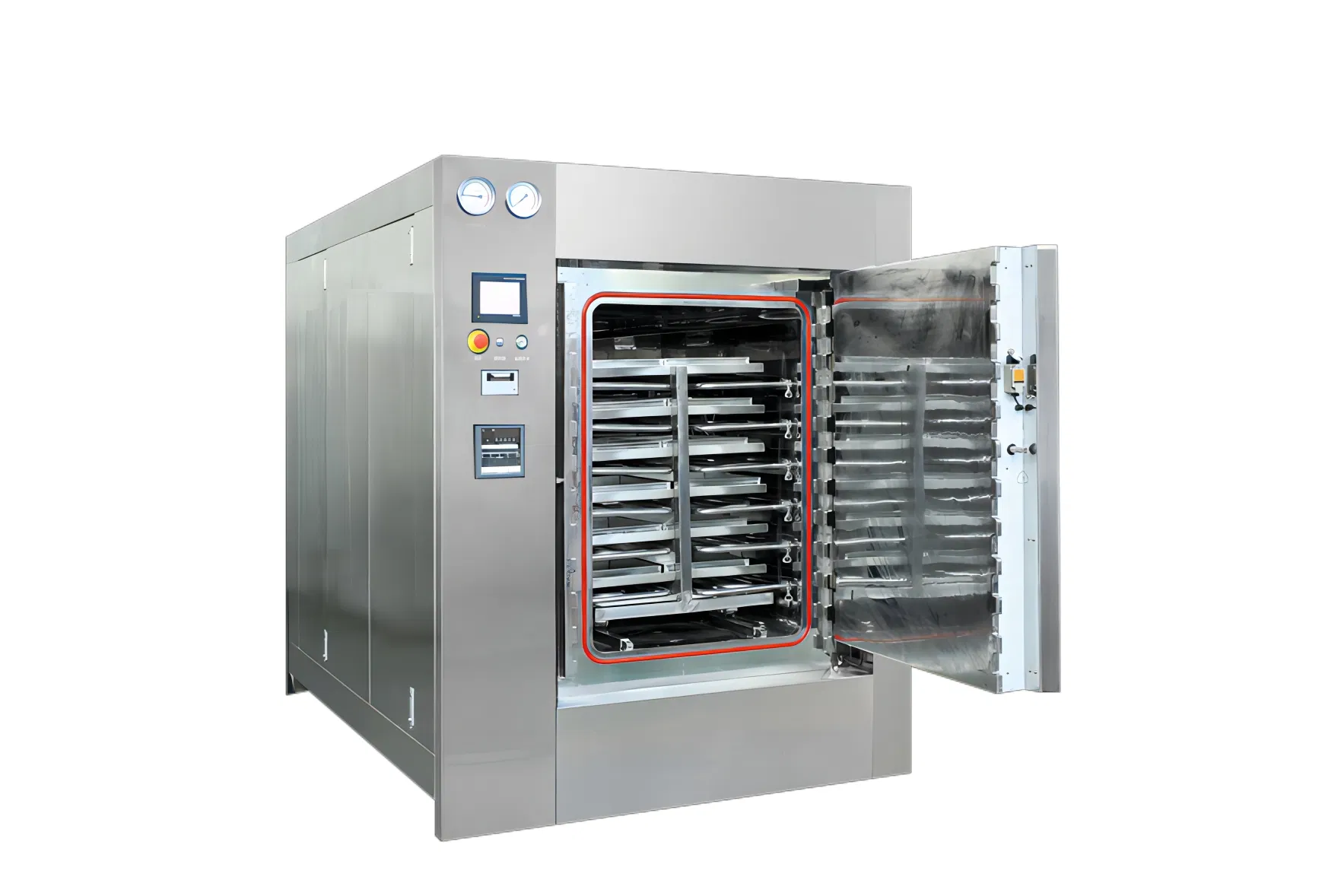
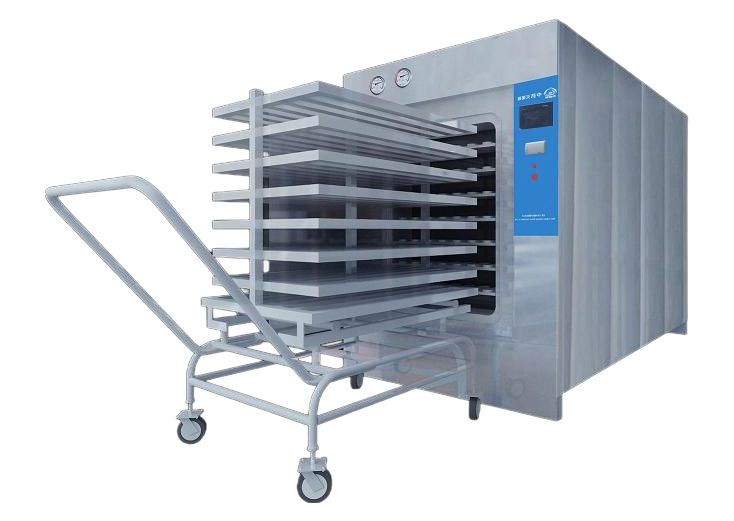
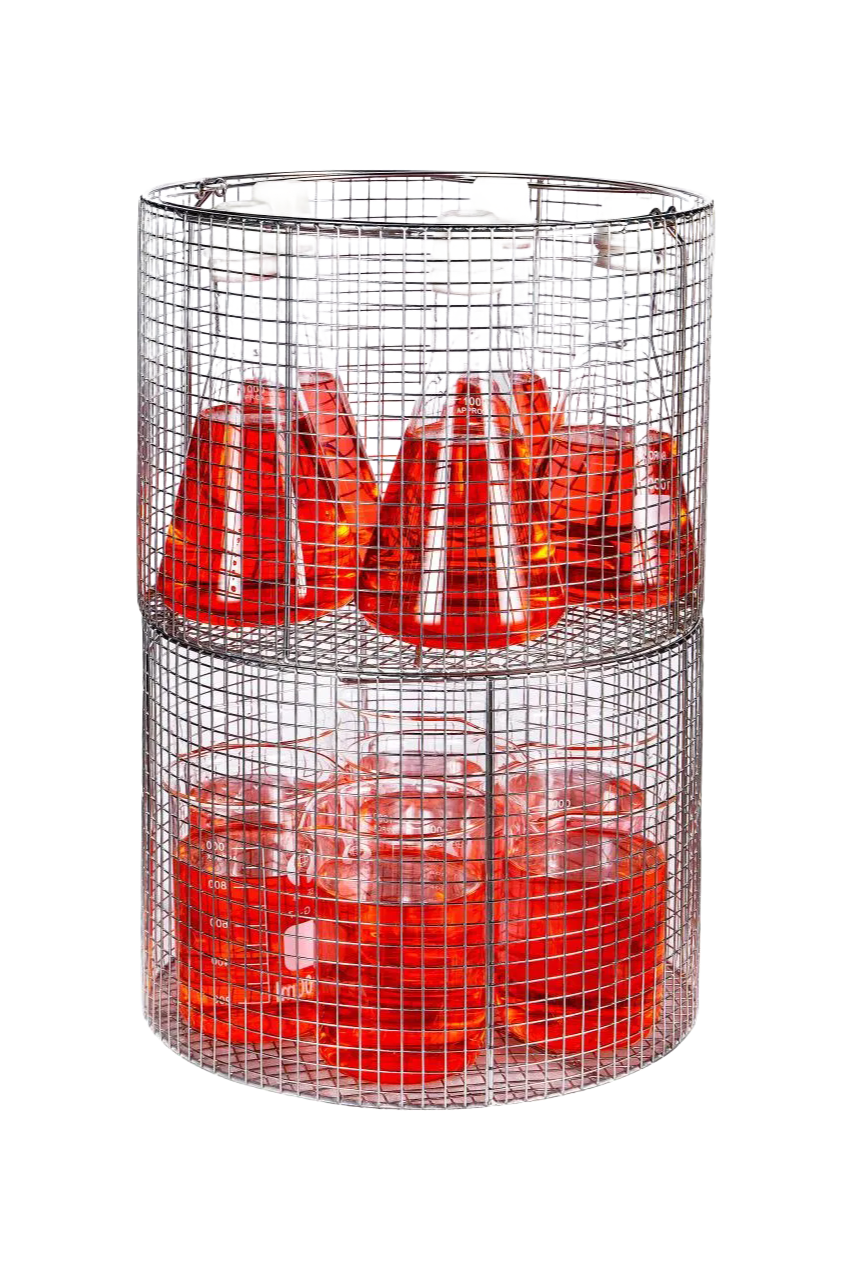
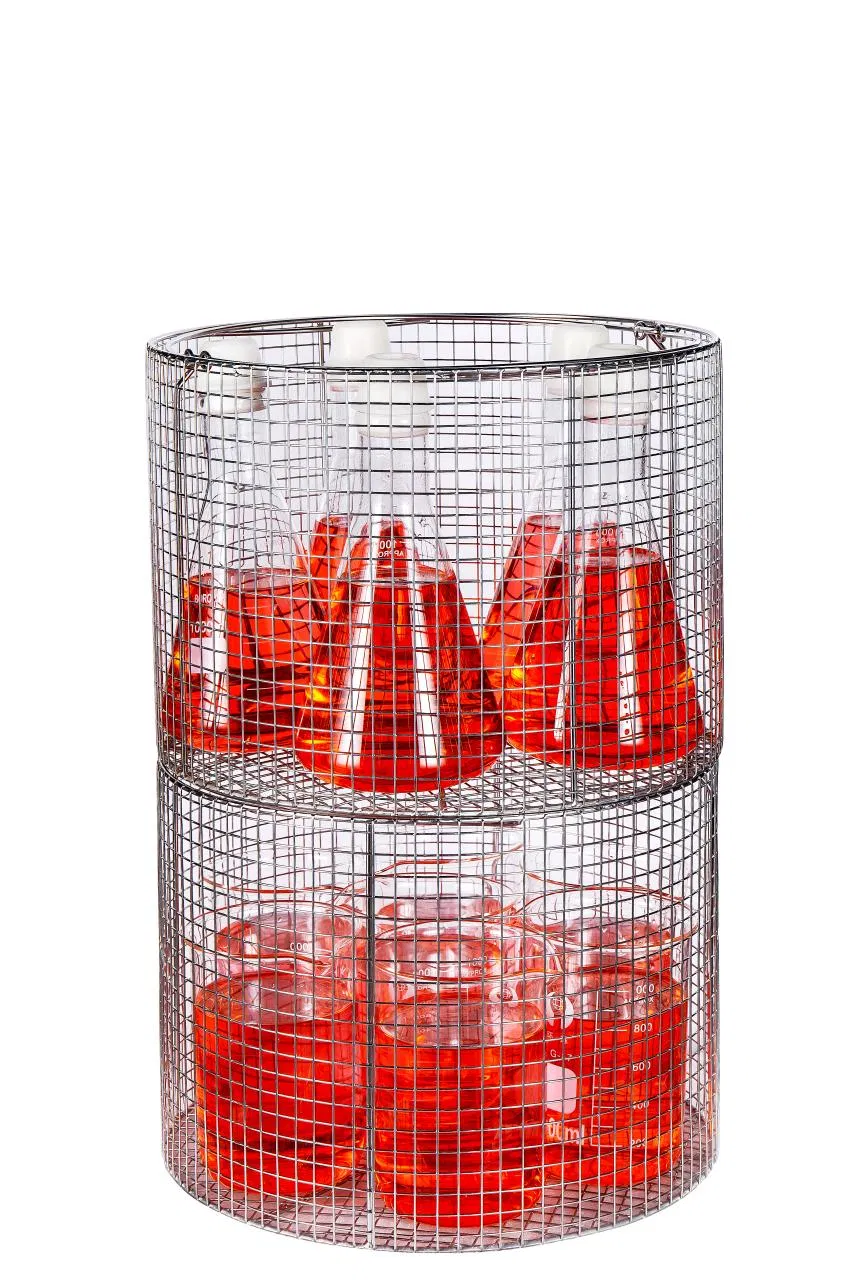
We've seen these used daily for media prep, instrument packs, and liquid loads in pharma QC labs and biotech R&D; the 35L is fine for small batches, but most buyers go with the 80L or 100L when running culture media or waste decontamination.
Chamber volumes are 35, 50, 80, or 100 liters—pick base on your typical load size—and you get a working pressure of 0.23 MPa with a sterilization range form 105 to 138°C. It's not suited for porous loads like textiles unless you run a slow exhaust cycle, but for sealed liquids or wrapped instruments it's fine.
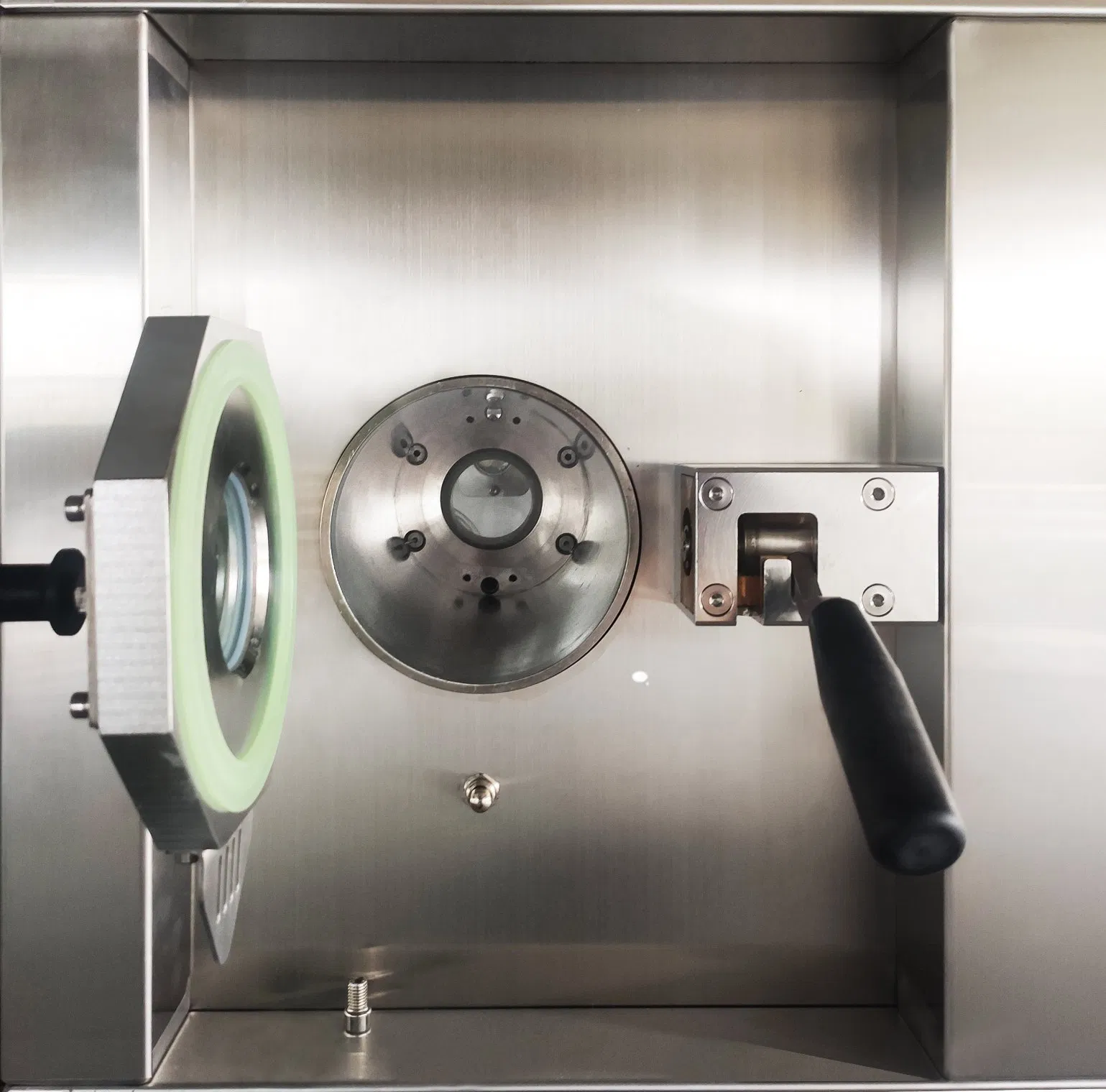
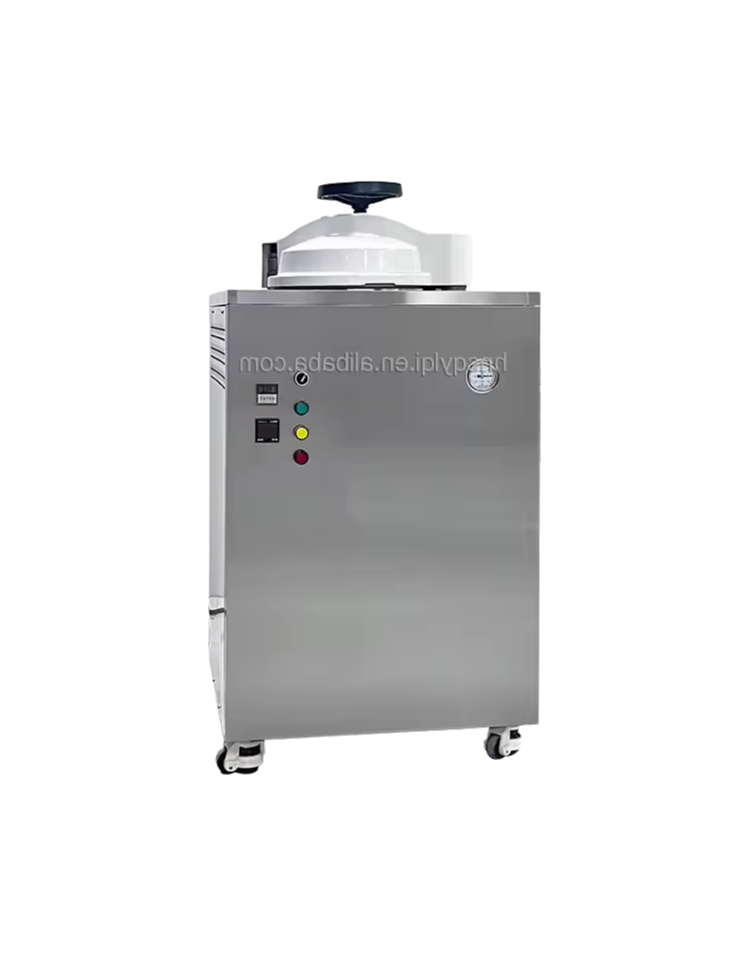
Safety features include door interlock, overpressure relief, and anti-dry burning protection; the digital display shows failure codes if something goes wrong, which saves troubleshooting time. Matrial options are AISI316L or 304, and it's CE and ISO13485 certified—usually ships with a COA and calibration report.
One thing you might not think to ask: teh door seal is a silicone gasket that holds up to repeated cycles, but we've had a few users replace it after about 500 runs or so—check lead time if you need extras. Lead time is typically 4-6 weeks from China, and we can do 220V or 380V depending on your facility.
We offer four sizes: 35L, 50L, 80L, and 100L. Pick the one that matches your lab's typical load.
Yes, you can set it anywhere from 105°C to 138°C, depending on what you're sterilizing.
It's CE, EEC, and ISO13485 certified, so it meets international quality and safety standards for medical devices.
Absolutely — both are available. AISI316L offers better corrosion resistance, while AISI304 is more cost-effective.
It includes overtemperature protection, antidry burning protection, door interlock, and overpressure relief to keep operation safe.
Unexpectedly swift delivery was the first thing that impressed me. The courier service was efficient, and the packaging was exceptionally secure, ensuring the unit arrived in pristine condition without a single scratch or dent. Regarding the build quality, it is undeniably robust and feels very durable, exactly as one would expect for professional laboratory equipment. The stainless steel construction appears to be of a high grade. The customer service team was also uncommonly helpful and responsive during the ordering process, answering all preliminary queries promptly and clearly. Overall, a very satisfactory experience from start to finish.
Very impressed with the overall experience. The delivery was remarkably swift and handled with great care. The courier service provided consistent updates, which made tracking the shipment effortless and transparent. Upon arrival, the packaging was secure and professional, showing no signs of damage or mishandling during transit. The item itself appears to be constructed with high-grade materials, reflecting solid craftsmanship and a focus on durability. Initial inspection suggests excellent build quality that aligns with the descriptions provided. Customer support has been responsive and courteous in all preliminary communications, answering queries promptly and thoroughly. While I have not yet put the equipment into operational use, the initial unboxing and visual assessment are highly positive. The logistical execution was seamless, and the perceived quality from a physical standpoint meets expectations. The service interaction thus far has been professional and reassuring. This initial phase of the purchase inspires confidence in the supplier and the product’s potential performance in a demanding laboratory environment. The entire process, from ordering to receipt, was managed efficiently.
My experience with this purchase was primarily defined by the shipping and handling. The delivery timeline was communicated clearly from the outset, and the package arrived precisely within the estimated window. The logistics partner handled the sizable crate with evident care, as there were no signs of external damage upon arrival. Unpacking revealed that all components were securely fastened and well-protected with ample cushioning material. The overall packaging was robust and appropriate for such a substantial piece of laboratory equipment. While the transit period felt standard, the reliability and lack of complications were noteworthy. The carrier provided consistent tracking updates, which allowed for easy monitoring of the shipment’s progress. The delivery personnel were professional and assisted in moving the heavy crate to the designated receiving area. From a logistical standpoint, the process was seamless and met all practical expectations for a commercial shipment of this nature. The efficiency in this aspect provided a solid foundation for the overall transaction. The attention to detail in securing the item for transport was apparent and contributed significantly to a stress-free receipt of the goods. The entire shipping procedure was executed competently, reflecting well on the operational standards behind the sale. It was a straightforward and satisfactory experience from the point of order confirmation to the moment the item was physically in our facility.
Rapid delivery and excellent packaging. The courier service was prompt and the item arrived well within the estimated timeframe. The packaging was robust and secure, ensuring the product was protected during transit. There were no delays or complications with the shipping process, which was a relief. Regarding the product itself, the build quality appears to be very solid and sturdy. The materials used seem high-grade and suitable for a laboratory environment. It has a substantial feel, and the finish is professional. As for customer service, my initial inquiry was answered quickly and politely. The representative was knowledgeable and provided clear information. Overall, a very satisfactory experience from order to delivery. The logistical execution was flawless, the physical quality of the unit is impressive upon unboxing, and the support team was responsive. I look forward to seeing its performance in our lab.
Fantastic experience from start to finish. The delivery was remarkably swift and handled with great care. The courier service provided consistent updates, which made tracking the shipment effortless and transparent. Upon arrival, the packaging was impeccable, clearly designed to protect such a specialized piece of equipment. Every component was securely fastened and well-protected, showing a high level of consideration for safe transit. Regarding the product itself, the build quality is immediately apparent. The materials feel robust and durable, with a finish that suggests precision manufacturing. It has a substantial, professional feel that inspires confidence for laboratory use. All fittings and seals appear to be of high standard, which is crucial for performance and safety. The customer service team deserves special mention. They were exceptionally responsive and knowledgeable from the initial inquiry. Any questions I had prior to and following the purchase were answered promptly and thoroughly, demonstrating a clear commitment to customer support. The overall process was seamless, efficient, and professional. The combination of reliable logistics, apparent product integrity, and outstanding support makes for a highly satisfactory procurement experience. I would not hesitate to recommend this supplier based on these aspects alone.
Shipping was incredibly fast and efficient. The entire process from order placement to delivery was seamless, with regular updates provided at every stage. The courier service was professional and handled the package with care, ensuring it arrived in perfect condition. I was particularly impressed by the punctuality, as the item arrived exactly on the promised date. The packaging itself was robust and secure, clearly designed to protect the contents during transit. There were no delays or complications, which is often a concern with larger equipment. Overall, the logistics experience was outstanding and hassle-free, setting a high standard for future purchases. The quality of the item is exceptional. Upon unboxing, it was immediately apparent that great attention had been paid to craftsmanship and material selection. The construction feels solid and durable, suggesting it is built to last. All components fit together perfectly, with no visible defects or imperfections. The finish is professional and clean, exactly as depicted in the product listings. It clearly meets the high standards required for its intended environment. This level of quality provides significant confidence in its long-term reliability and performance. It feels like a worthwhile investment that will serve its purpose effectively for years to come. Customer service has been exemplary throughout this transaction. The support team was responsive, knowledgeable, and genuinely helpful from the initial inquiry stage. They answered all questions promptly and with clear, detailed information, making the selection process much easier. After the sale, they followed up to ensure everything was satisfactory and offered assistance if needed. This proactive and courteous approach is commendable and greatly enhances the overall buying experience. It is reassuring to know that such reliable support is available, should any future questions or needs arise. In summary, every aspect of this purchase—from the swift shipping and secure delivery to the superior product quality and outstanding customer support—has been thoroughly positive. This experience has definitely fostered trust and satisfaction, and I would not hesitate to recommend this supplier to others based on these strong pillars of service.
Excellent delivery speed, the package arrived much earlier than expected. Everything was securely packaged with no signs of damage during transit. The build quality feels robust and durable, exactly as described. Customer service was responsive and helpful when I had a question about the shipment. Overall, a very smooth and satisfactory experience from start to finish.
Quick delivery and excellent packaging. The courier service was prompt and the item arrived ahead of the estimated schedule, which was a pleasant surprise. The outer box was sturdy and showed no signs of mishandling during transit. Upon unboxing, everything was securely packed with ample protective materials, ensuring the product was in perfect condition. The quality of the sterilizer itself appears robust and well-manufactured, with a solid construction that inspires confidence for laboratory use. Customer service was responsive and helpful when I had a query about the shipping status, providing clear and timely updates. Overall, a very satisfactory experience from order to delivery, with no issues encountered. The attention to detail in both logistics and initial product presentation is commendable. I would certainly consider purchasing from this supplier again based on this smooth transaction.
Naturally, I must commend the exceptional service provided throughout the entire process. The customer support team was incredibly responsive and helpful, addressing all my queries promptly and professionally. Regarding logistics, the delivery was impressively fast and well-handled; the package arrived ahead of schedule and in perfect condition, with clear tracking updates that made the wait stress-free. As for quality, the product appears robust and well-crafted, meeting high standards as expected for such equipment. Overall, a seamless experience from start to finish, and I highly recommend this for anyone in need of reliable sterilization solutions.