Account
Inquiry
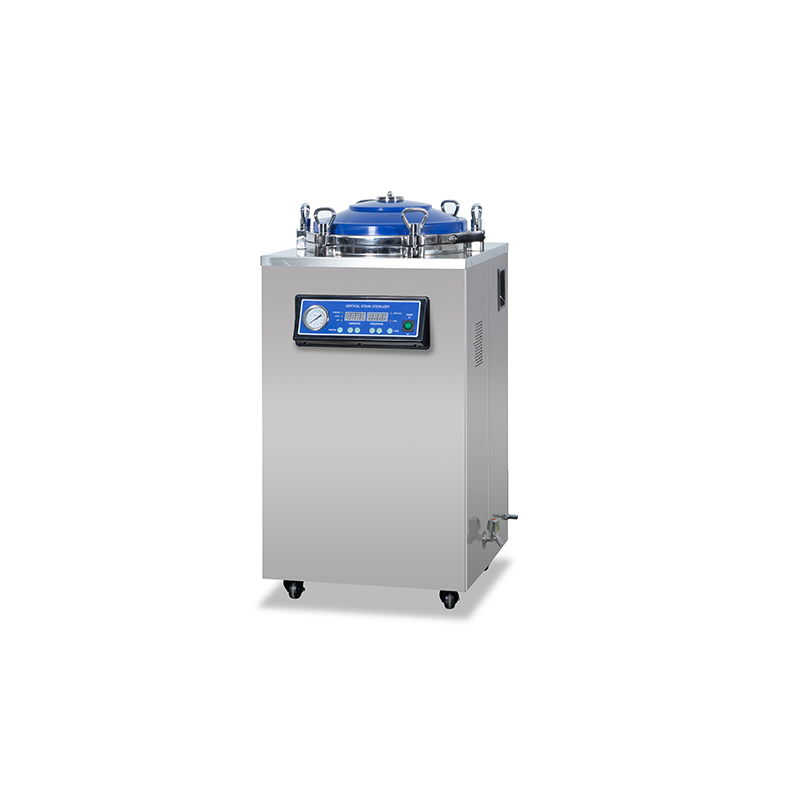
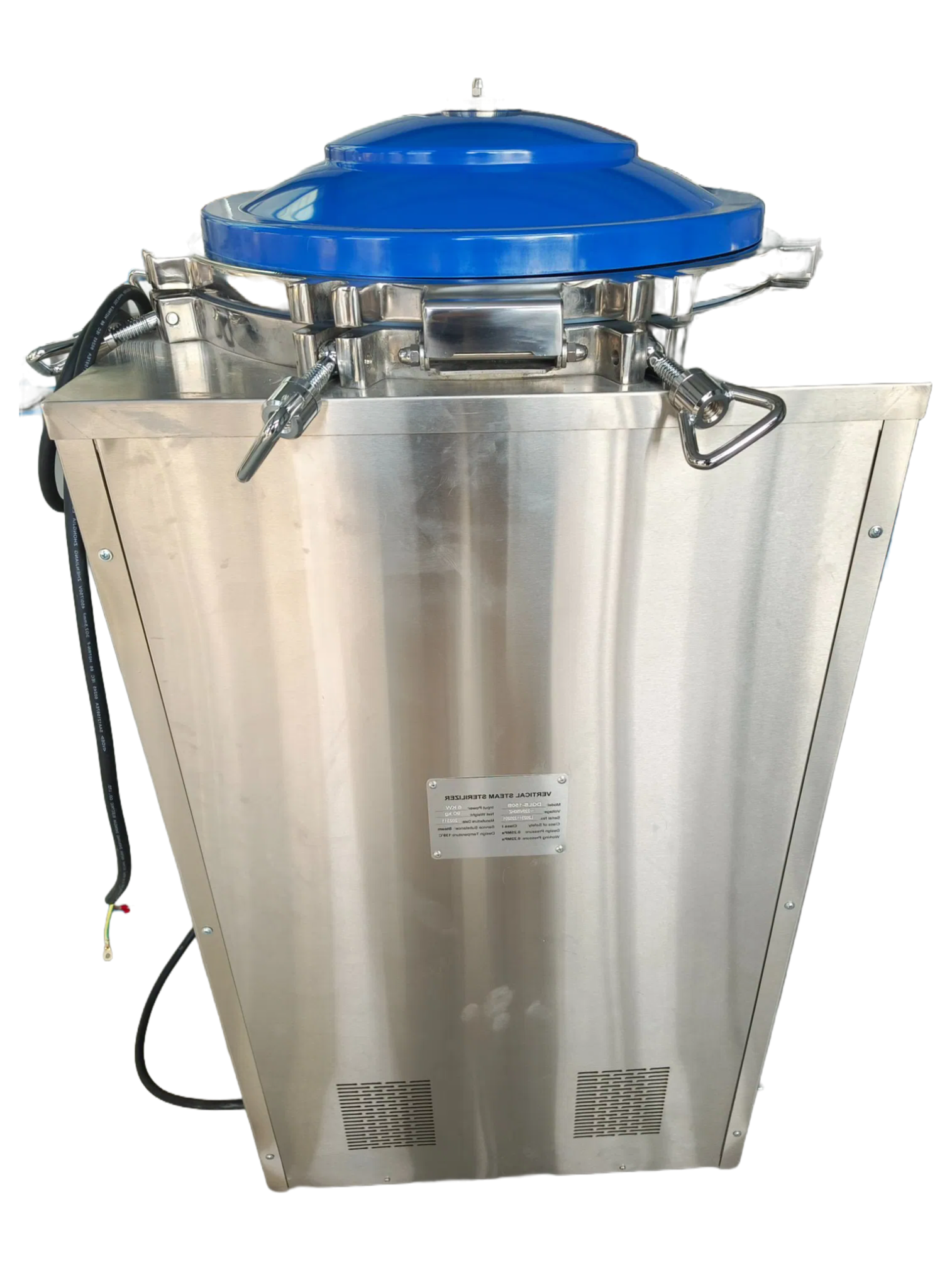
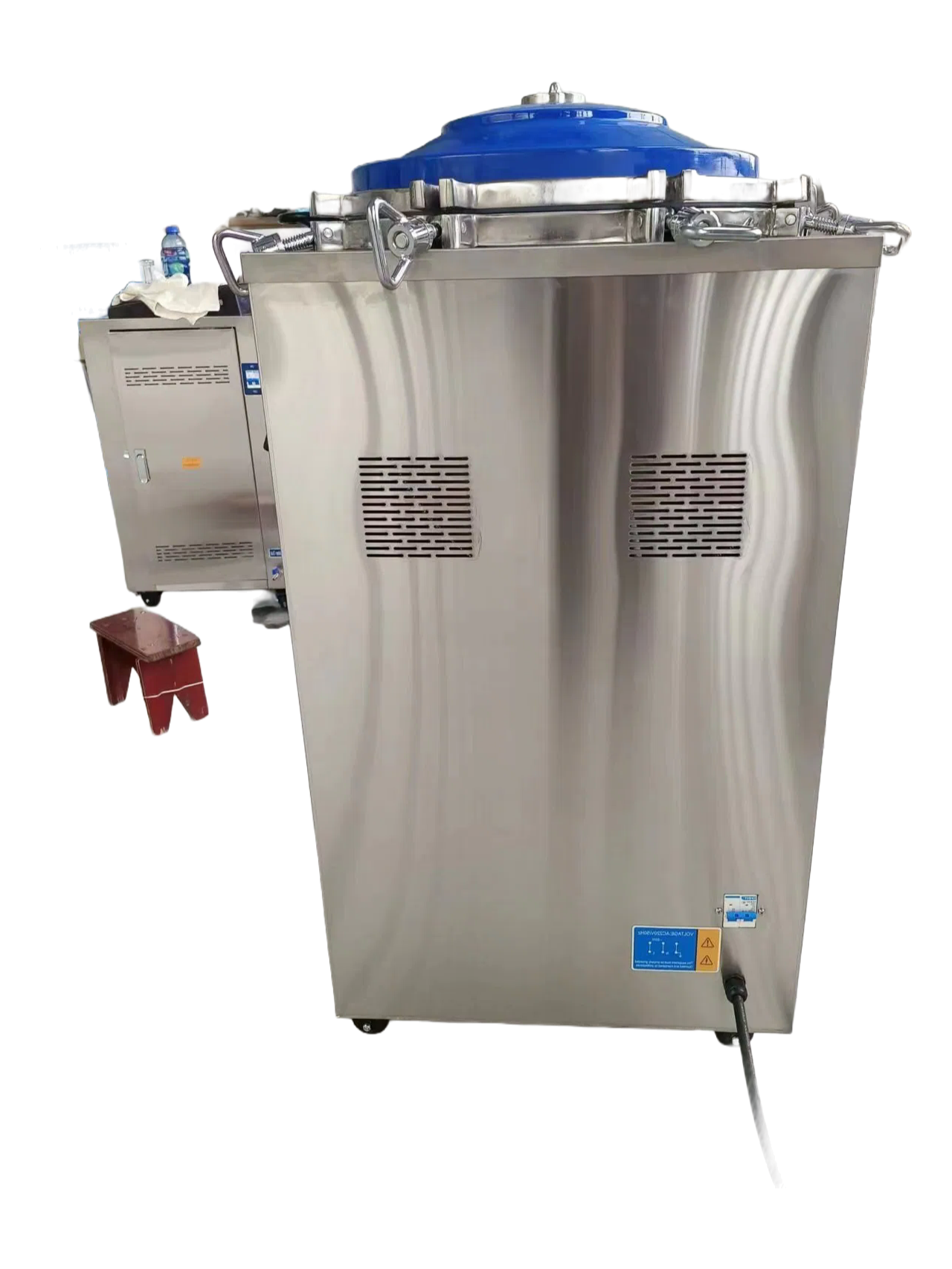
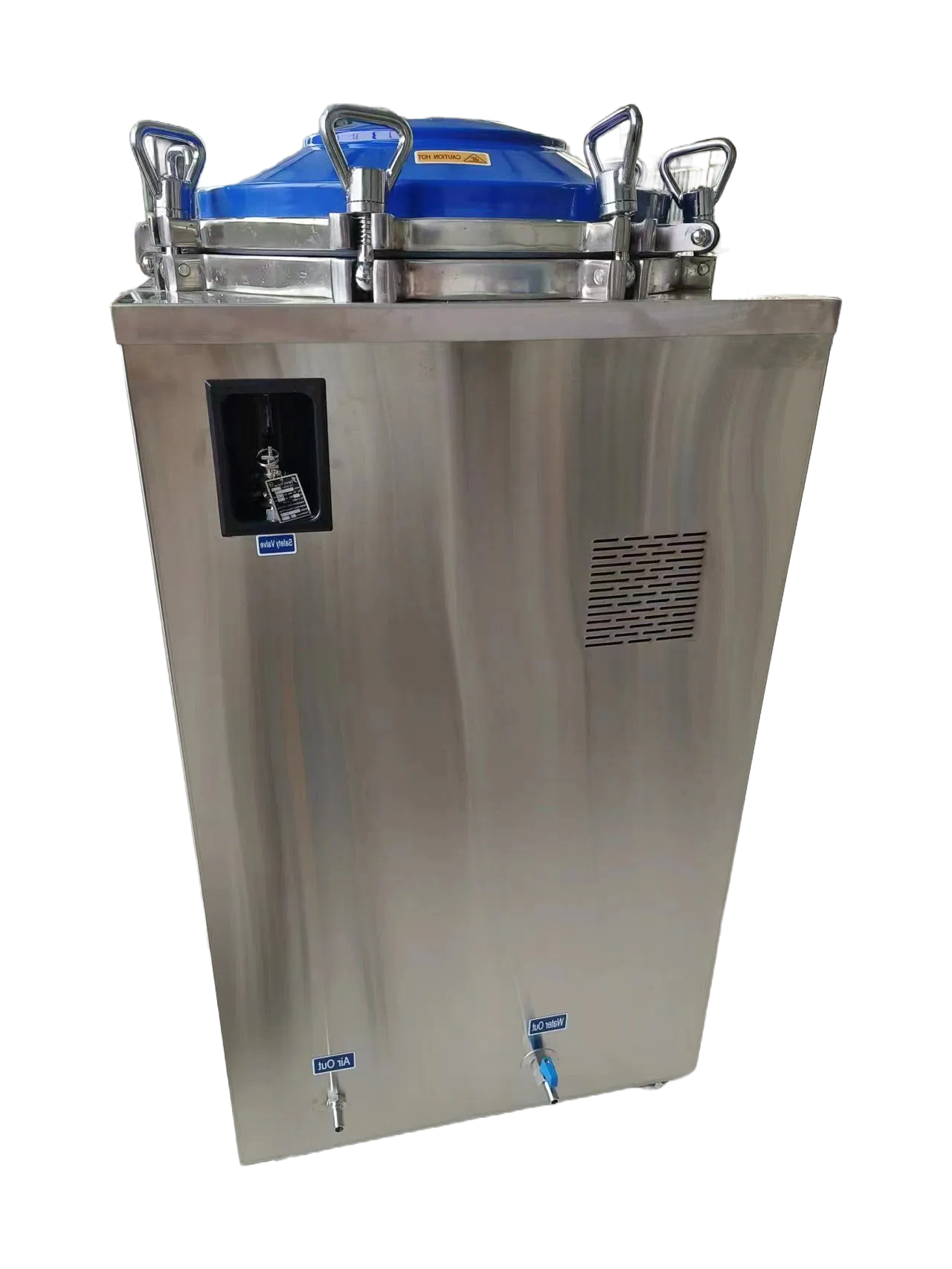
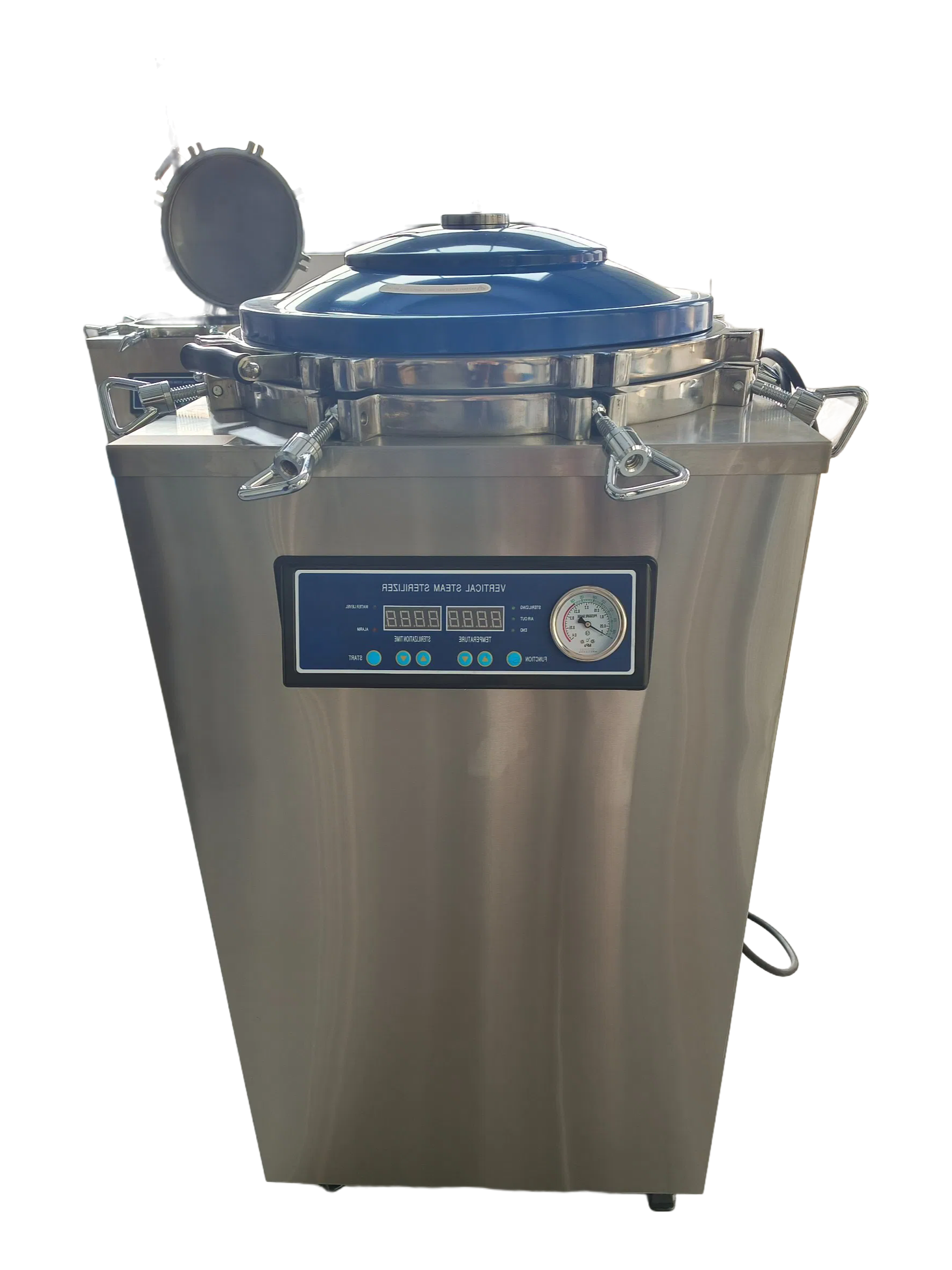
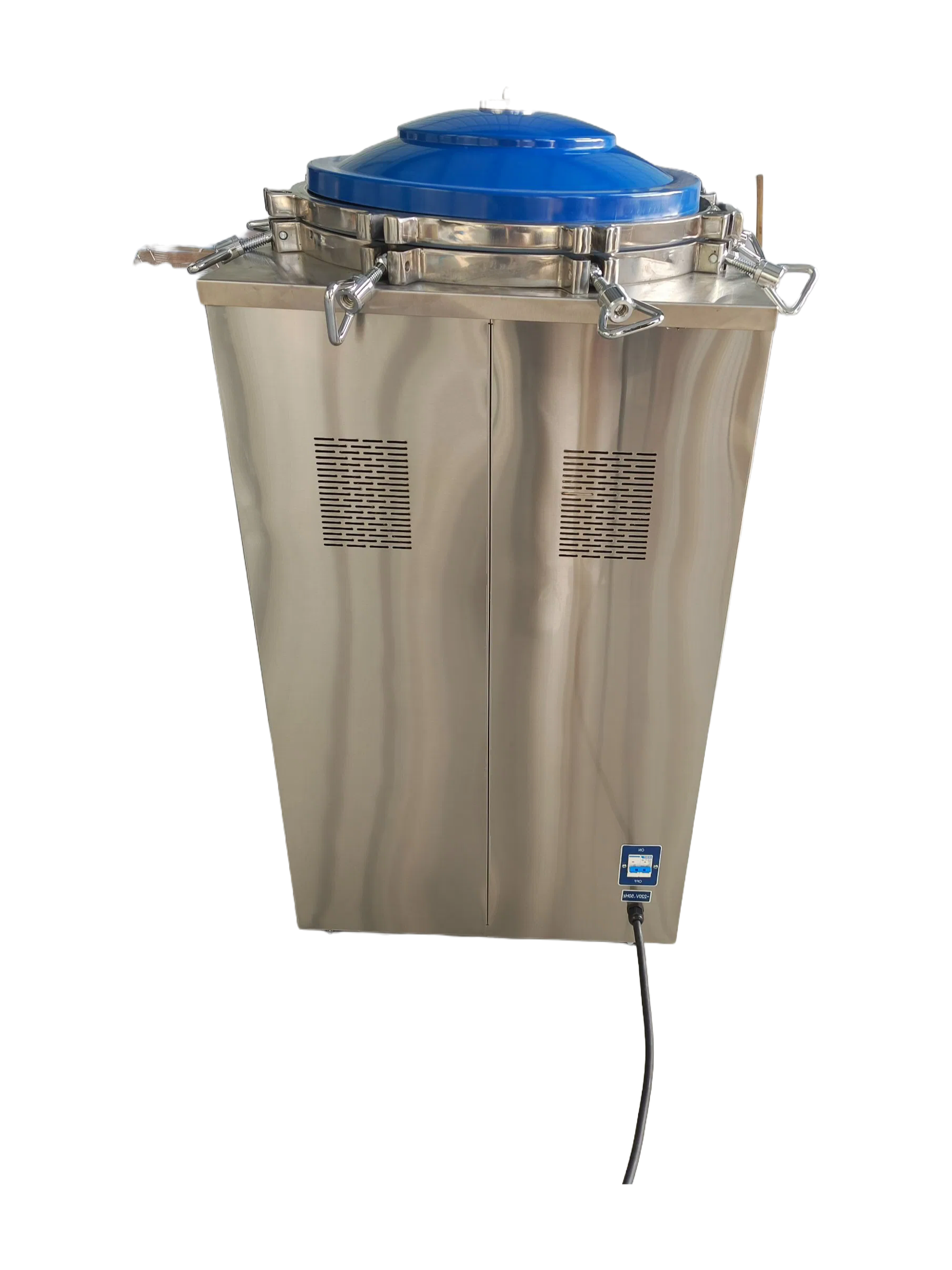
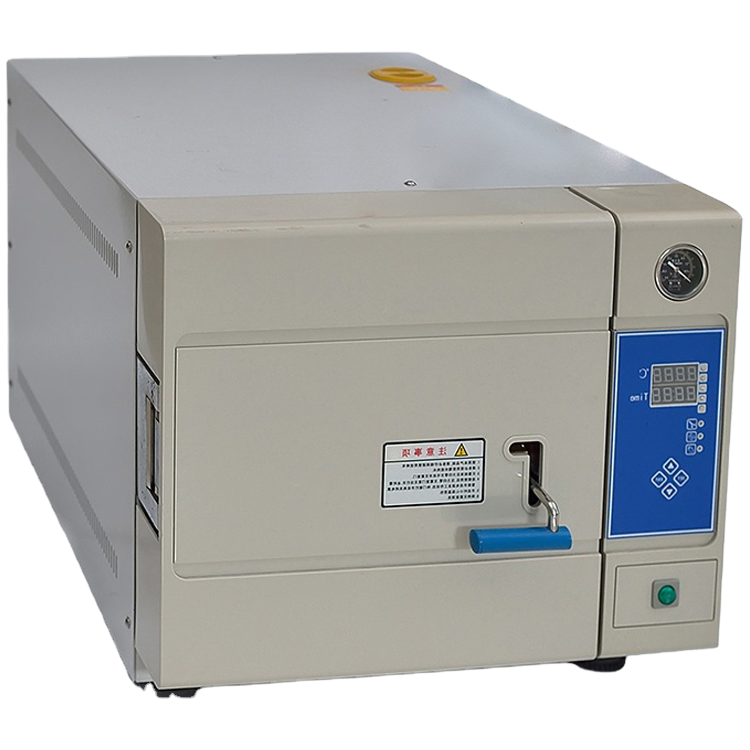
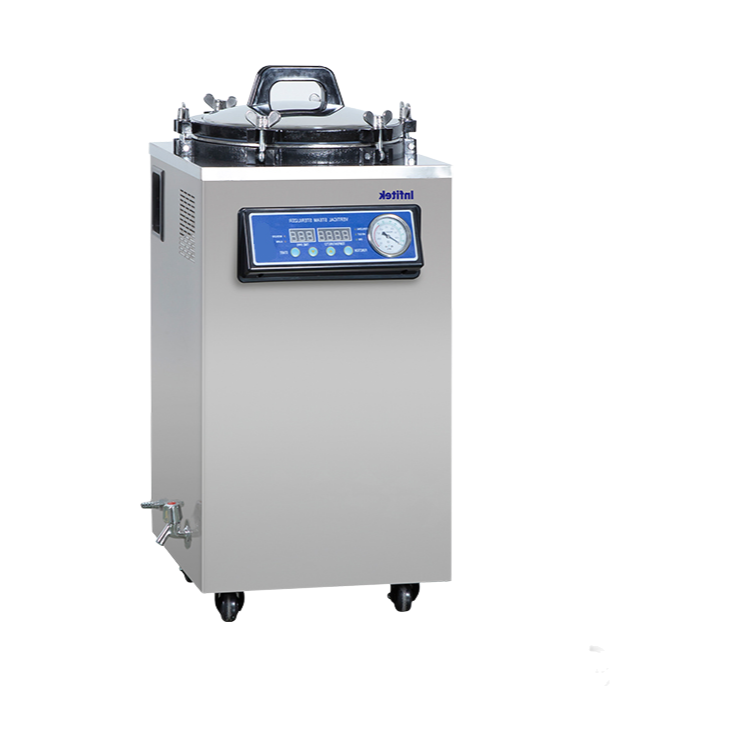
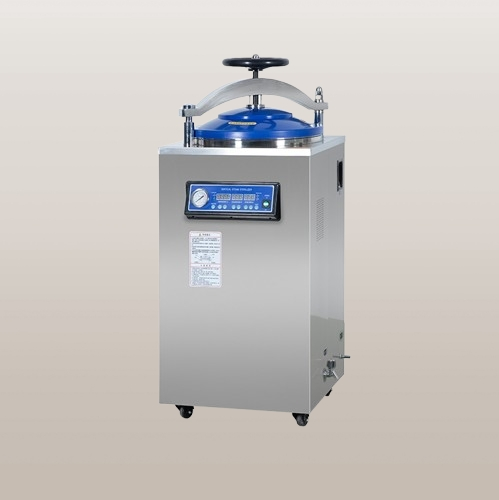
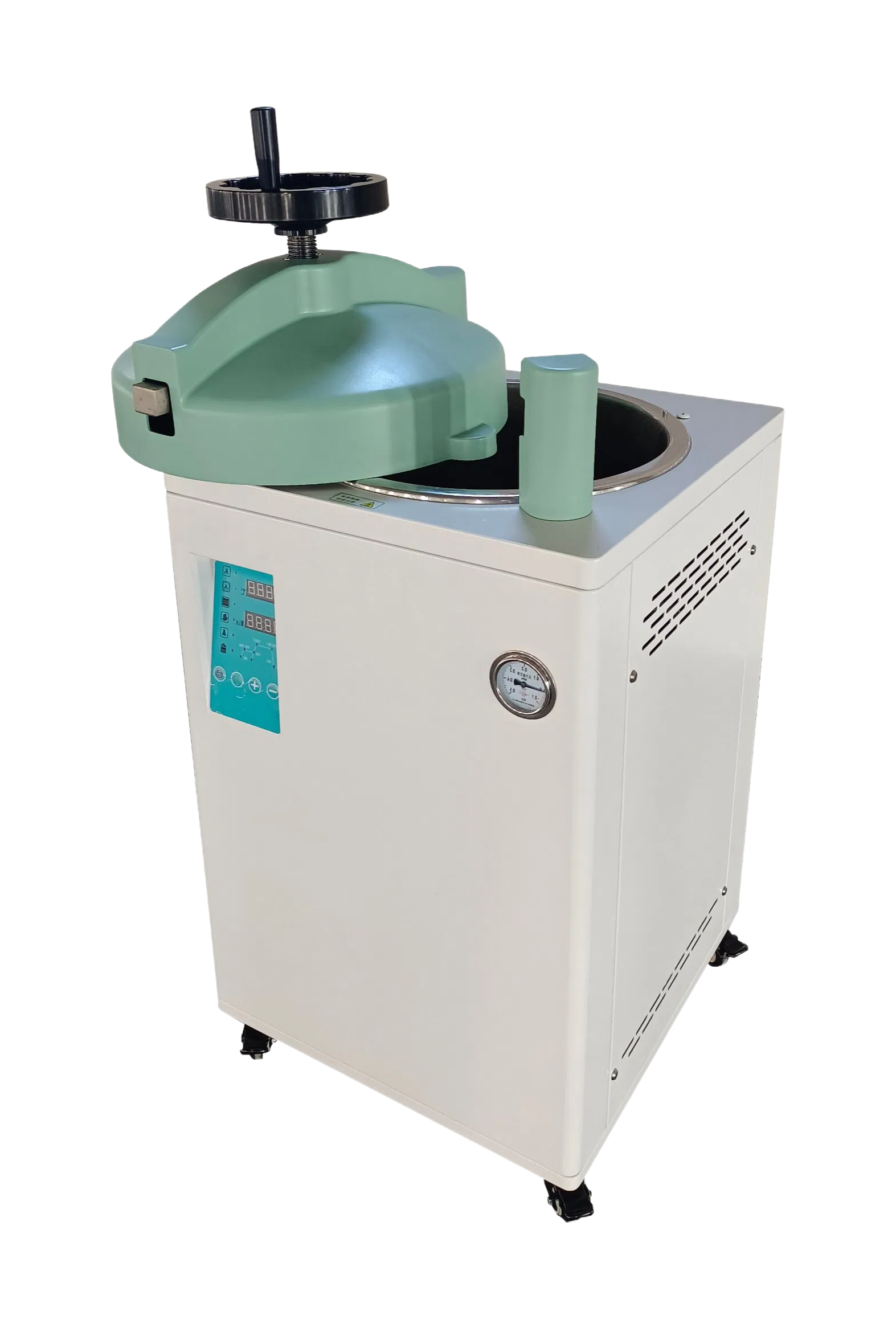
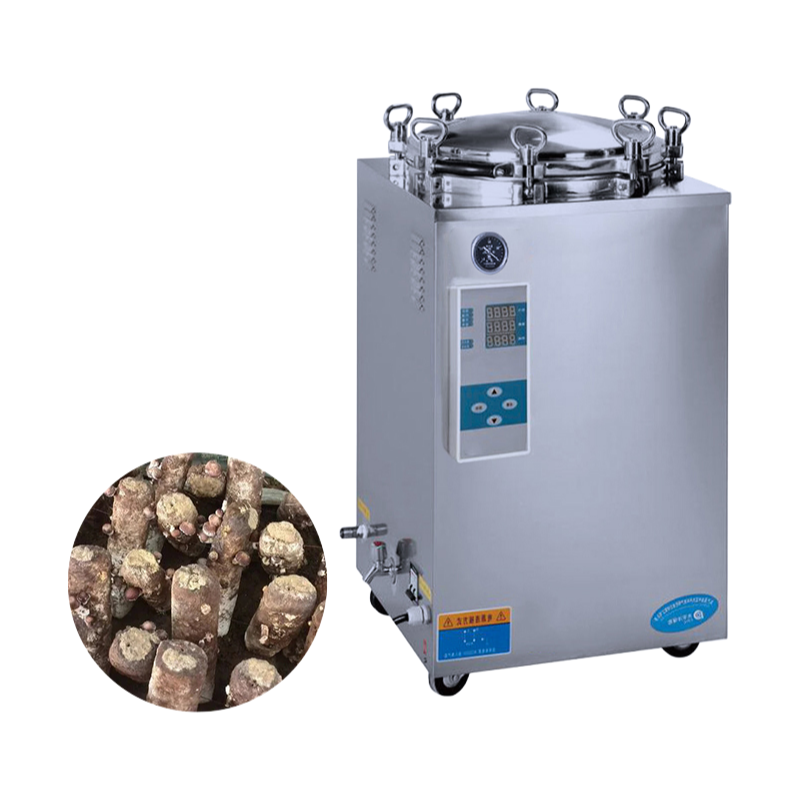
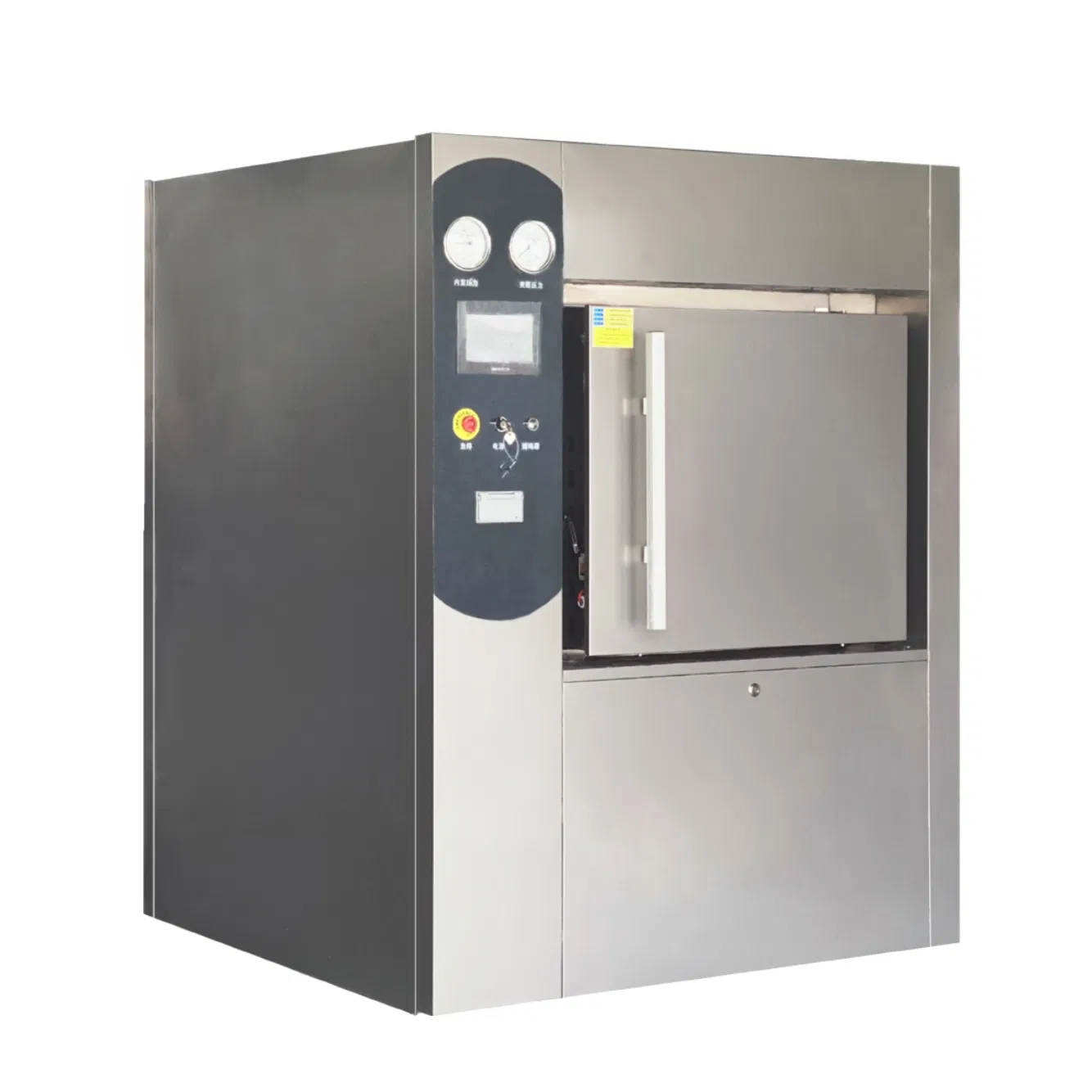
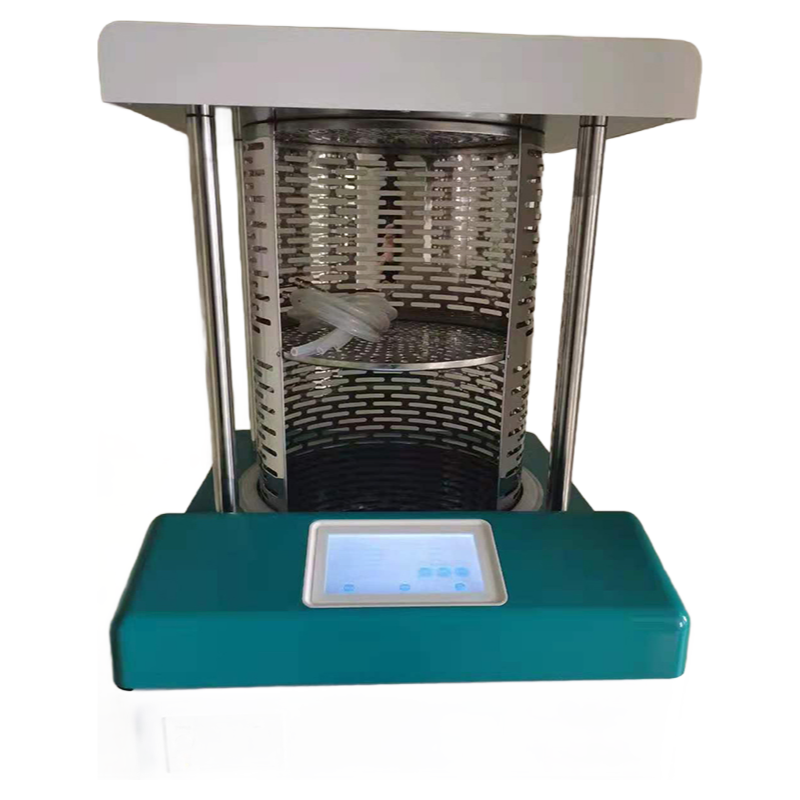
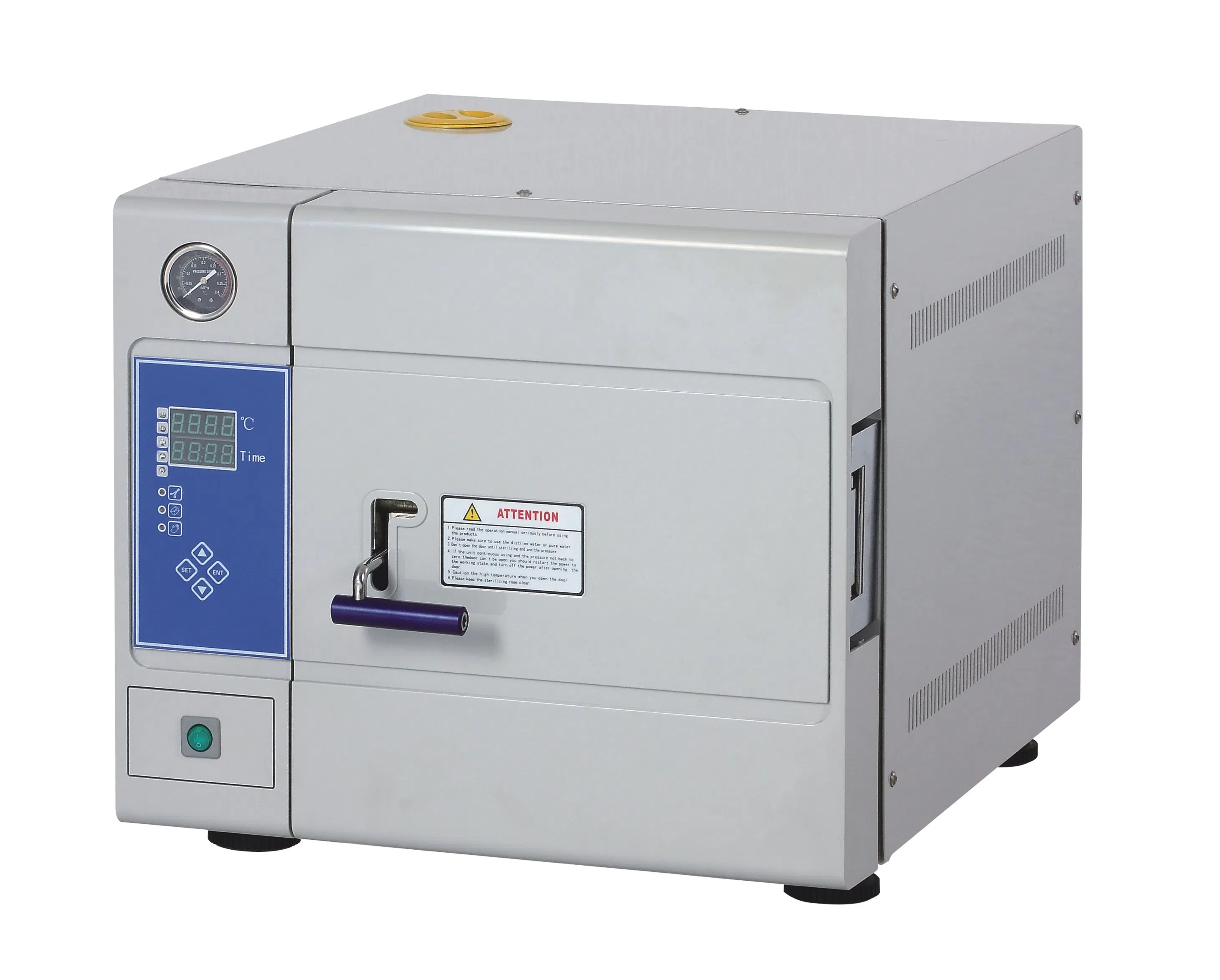
For smaller labs or clinics running 20-30 cycles a week, the vertical autoclave is basically your standard workhorse — it's not meant for high-throughput central sterile supply but handles surgical packs and glassware fine when you don't need a pass-through setup.
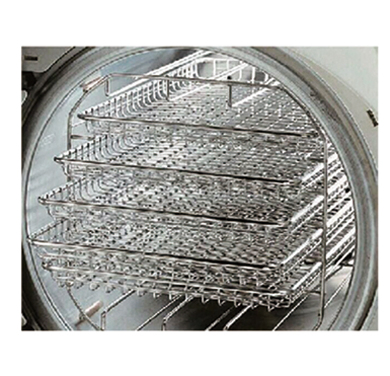
You're getting 29L or 45L capacty in 304 stainles steel, with a microcomputer that manages the cycle from 0 to 80 minutes or so, and the LCD touchscreen makes setting parameters pretty straightforward compared to the old knob-twiddling models.
Max working temperature sits at 126-129°C with auto-discharge built-in between 0.145 and 0.165MPa, so you don't have to babysit the over-pressure release (some buyers worry about this, but we've never seen a failure on batch shipments).
Safety protections include over-temperature and over-pressrue cutoffs, plus low water and anti-dry burning — one thing that catches people is the optional printer, which we usually have stock on but confirm lead time if you need data logging.
It's CE and ISO13485 certified, runs on 220V with electric heating and a drying function that's integrated into the chamber; we've had a handful of users ask about running it for non-medical items, and it works fine for lab glass but cycle is too aggressive for some plastics.
We typically require a minimum order of 5 units, but we can be flexible for first-time buyers or sample orders—just reach out and we'll work something out.
Standard lead time is about 15-20 working days. Yes, we can add the printing function for data recording—just let us know when you place the order, and we'll include it at no extra charge.
Absolutely, we provide both CE and ISO13485 certificates with every unit. You'll get the paperwork along with the shipment, no extra steps needed.
The max working temperature is 126-129°C. The autoclave auto-discharges pressure between 0.145-0.165MPa, so you don't have to manually vent—it handles it safely on its own.
Yes, both the 29L and 45L models run on standard 220V power. We pack each unit in a sturdy export carton with foam padding to prevent damage during transit.