Account
Inquiry
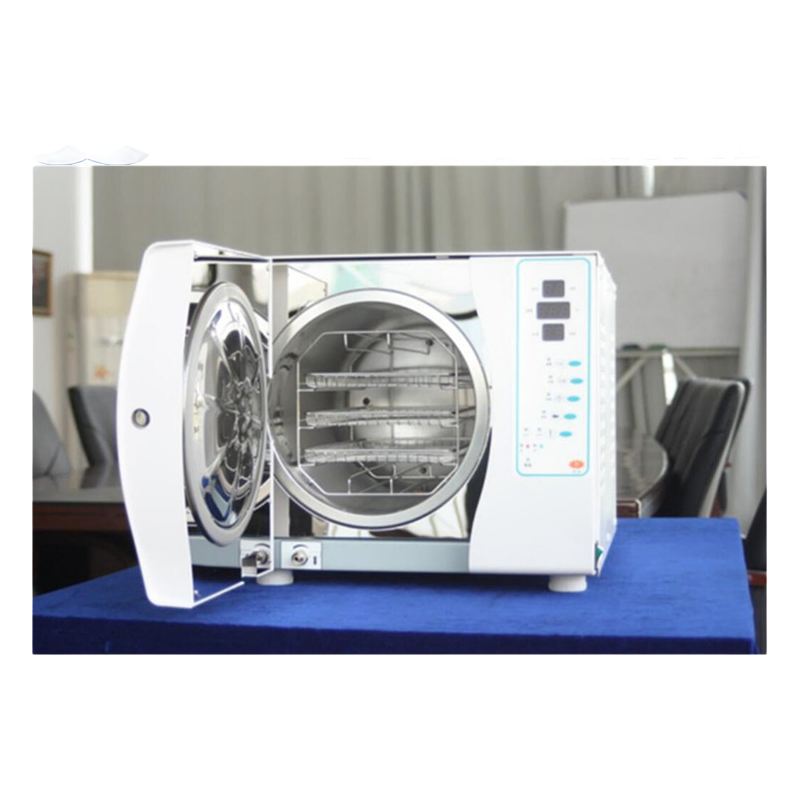
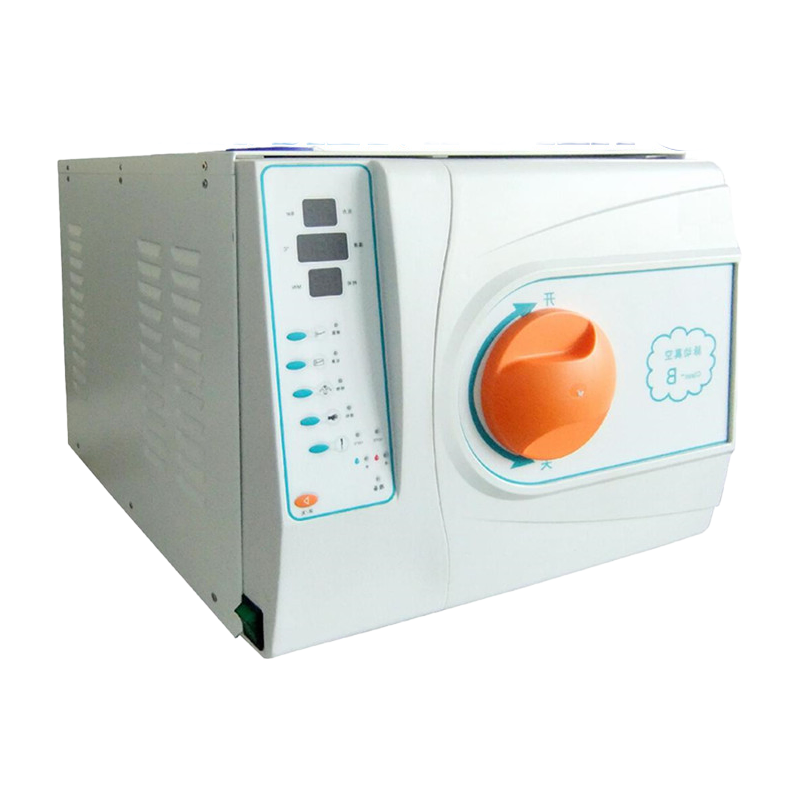
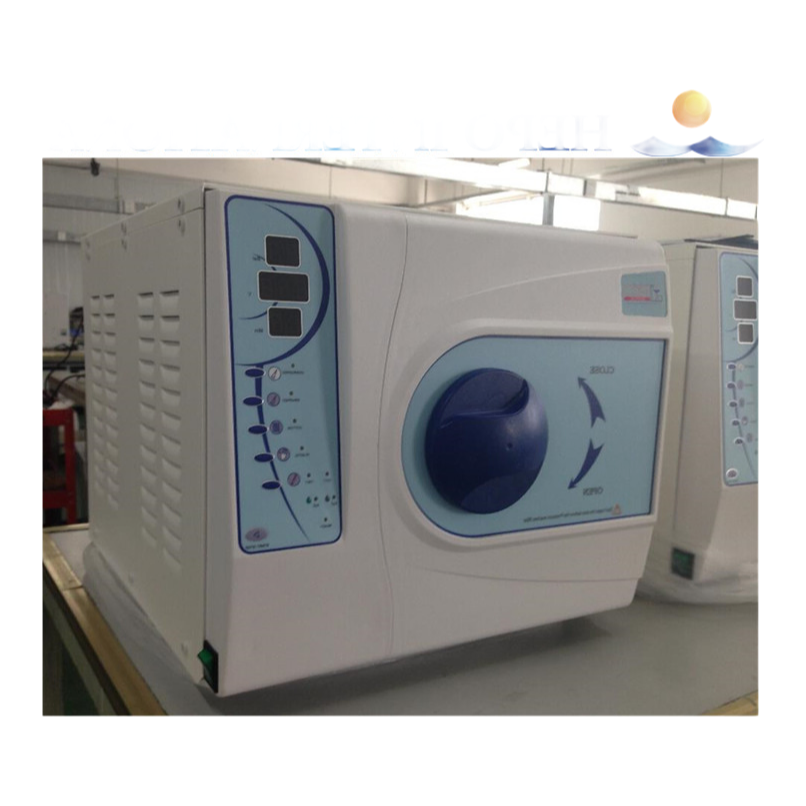
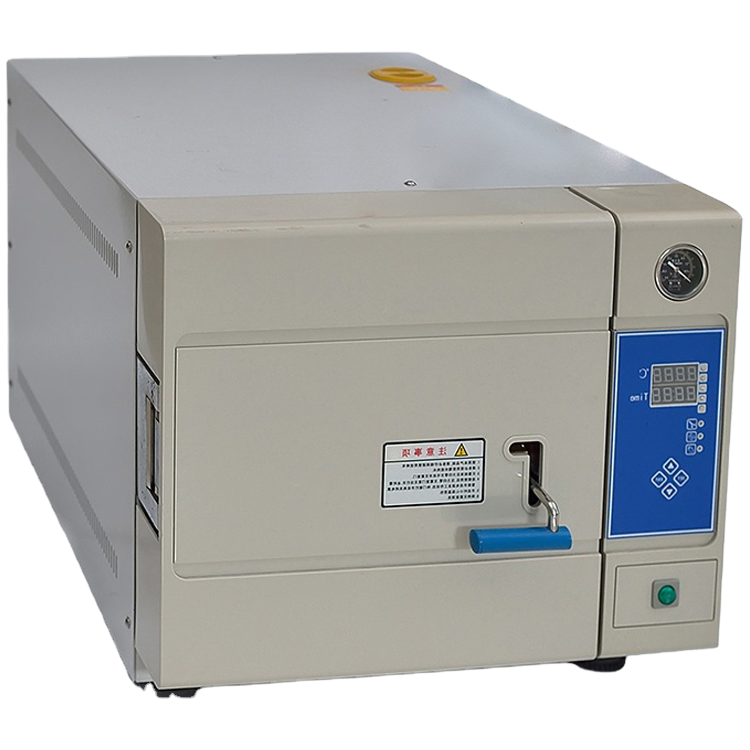
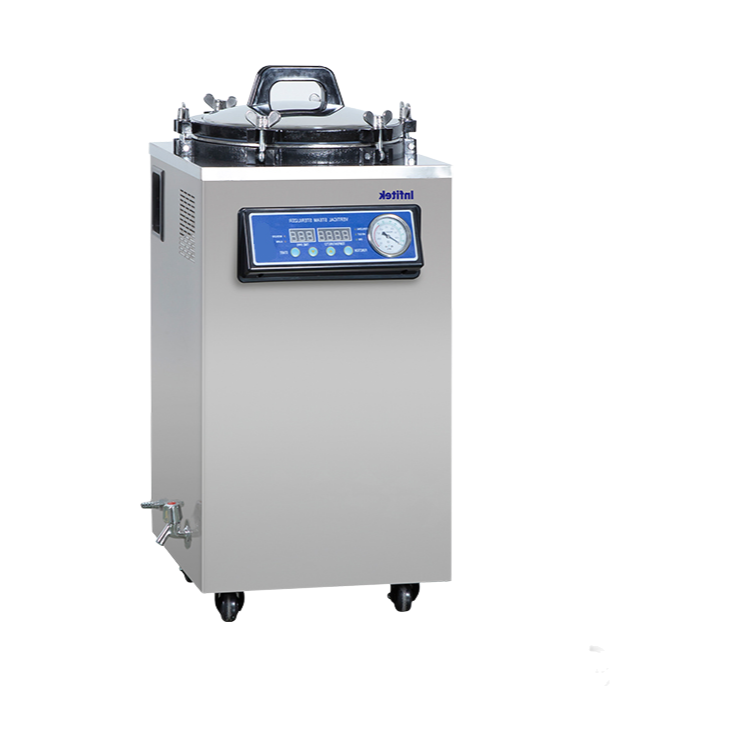
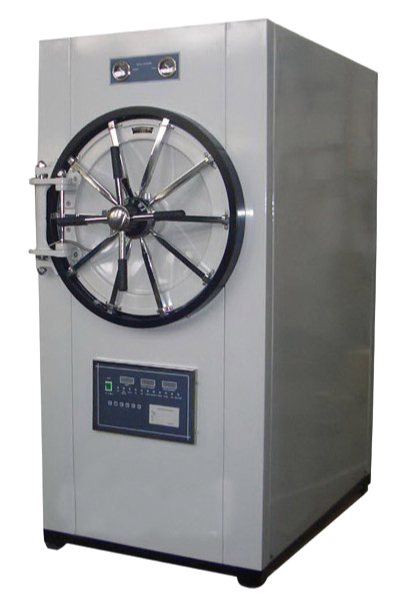
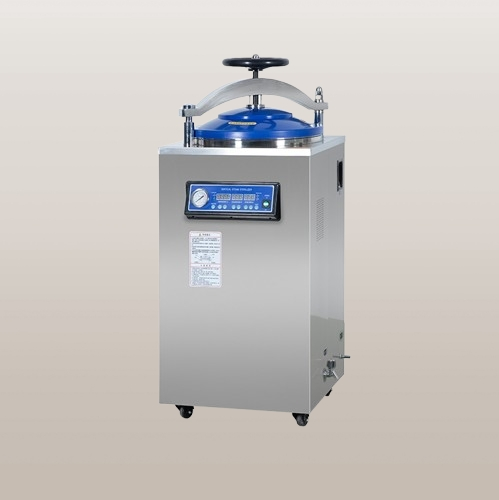
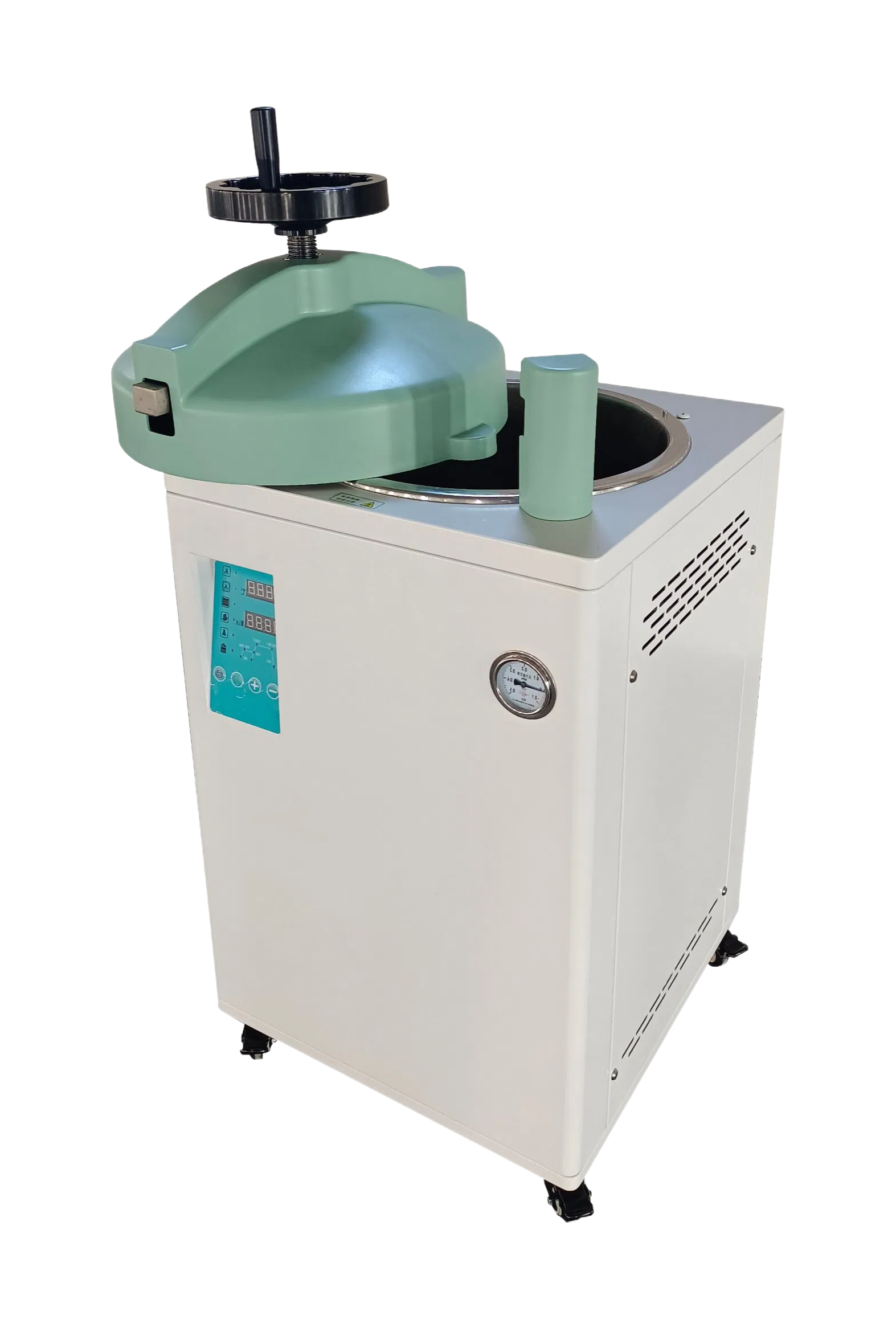
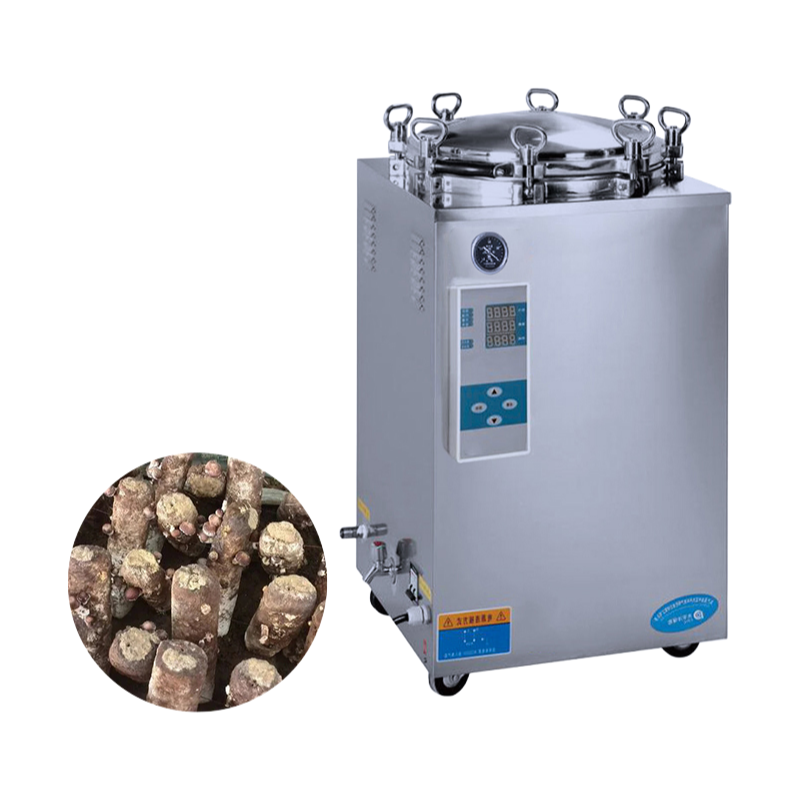
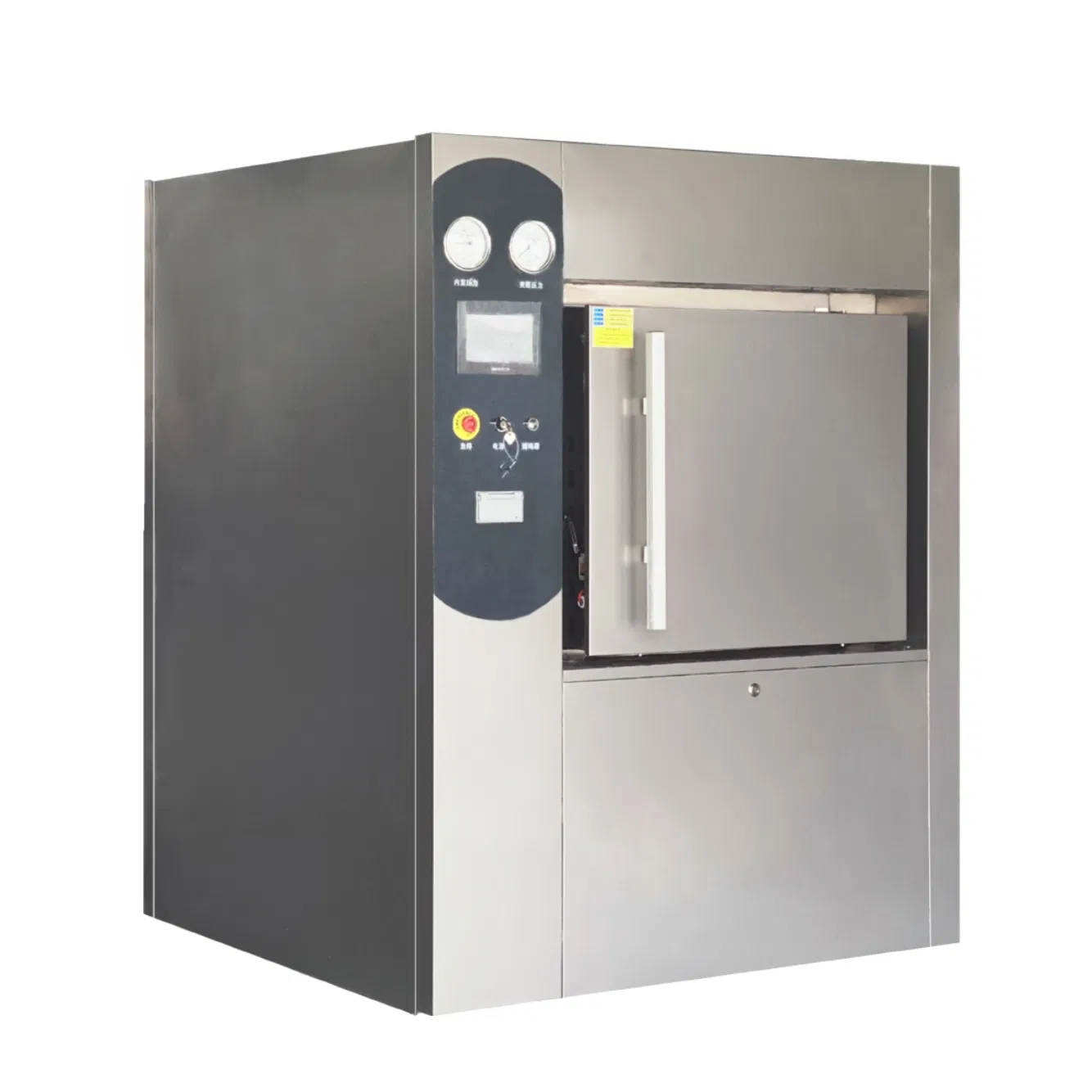
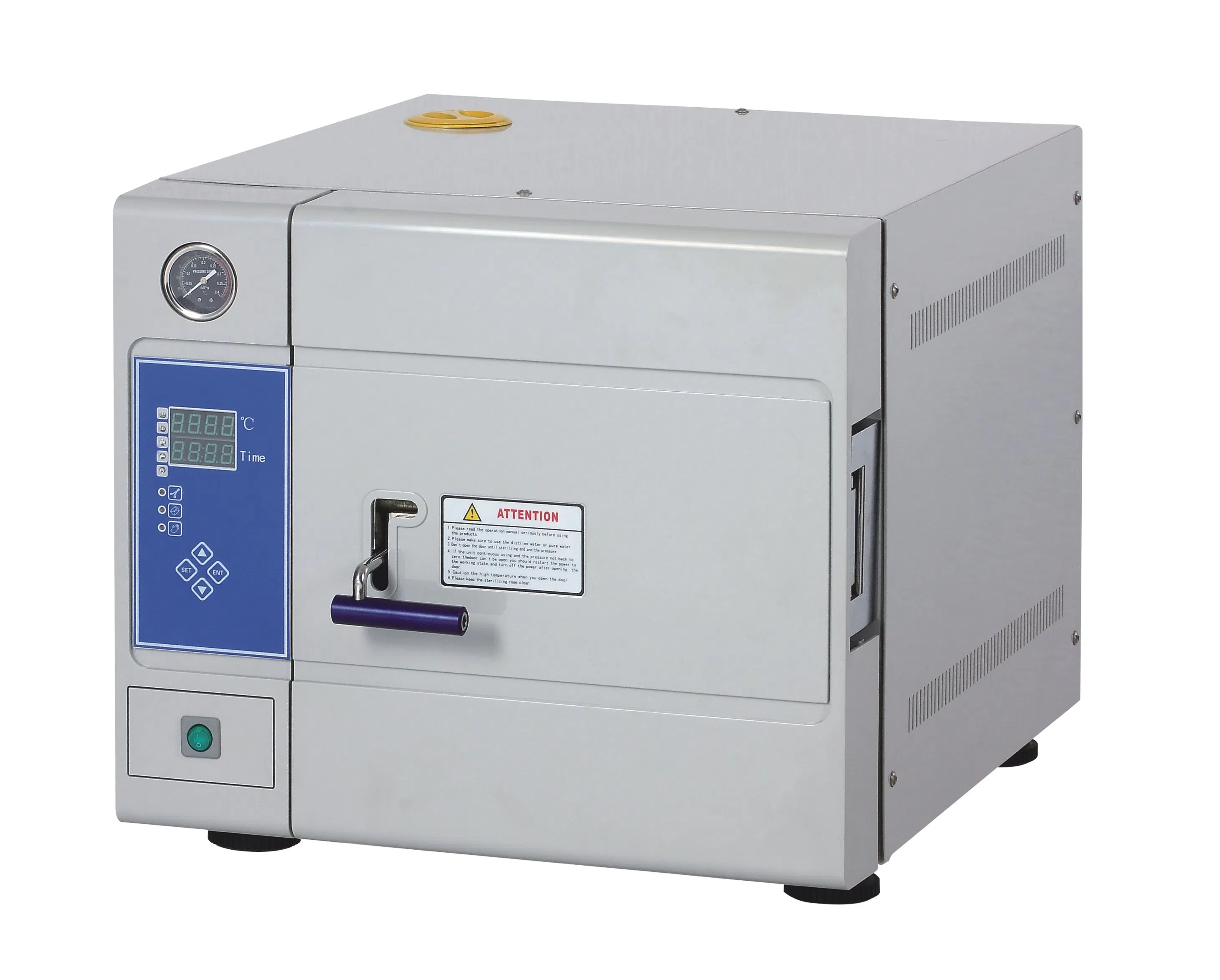
We've been getting a lot of queries about sterilizing complex hollow instruments lately, and HP-PVS-BI series handles that pretty well — it's a Class B unit under EN 13060, so it actually pulls a triple pre-vacuum impulse cycle before the steam even hits the load, which is critical for porous loads and wrapped packs where air pockets can ruin a cycle.
The 0.23MPa working pressrue gets you up to 134°C, and the vacuum goes down to -0.08MPa, so it's basically pulling a deep vacuum before and after the sterilization phase, which most buyers don't think to ask about but matters a lot for drying wrapped instruments at the end.
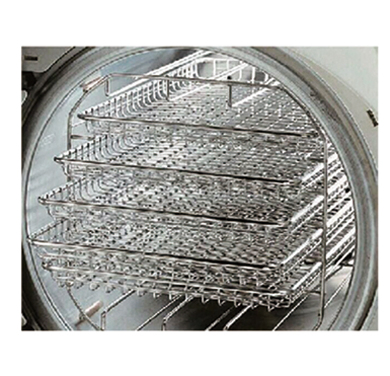
You'll see the 80L, 100L, and 190L models — we usually have stock on the 100L, but confirm lead time on the 190L, which is about 20 days or so. Chamber is SUS304 stainles steel, nothing exotic but it's what you want for repeated steam cycles without corrosion issues.
One thing we've noticed form handling these units is that the microprocessor with LCD control makes programming cycles straightforward, but the real safety net is the triple protection — over-temperature, over-pressure, and water level — because if the water runs out mid-cycle, basically nobody's happy.
Power supply is 380V, 50Hz, so check your facility wiring before ordering — it's not a plug-and-play 220V unit, and that's actually a common gotcha for smaller labs that assume all autoclaves run on standard wall outlets.
We can start with a single unit for the HP-PVS-BI series, so there's no strict MOQ. For bulk orders, we can discuss better pricing.
Typically, the 190L model ships within 15-20 working days after order confirmation, depending on stock levels. Smaller volumes like 80L or 100L might be faster.
Yes, the HP-PVS-BI series is CE certified per EN 13060, and we include the certification documents with each shipment. You'll get the full compliance paperwork.
No, the 105-134°C range is fixed for this model to maintain Class B standards and safety. Customizing that would require a different design.
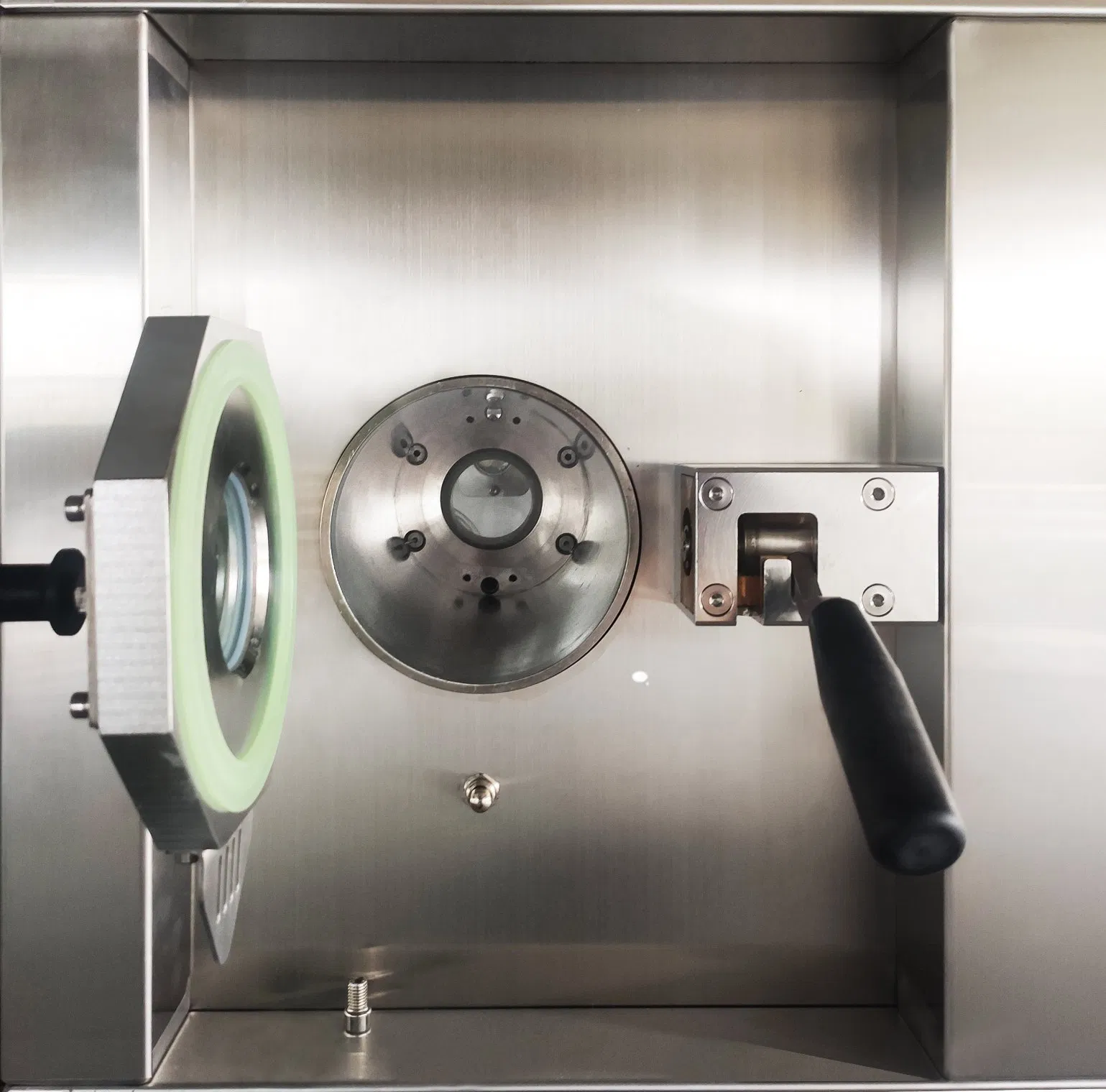
Store it in a dry, clean area at room temperature, away from moisture and dust. Keep the chamber door slightly open to prevent seal damage, and avoid freezing conditions.
Just received the HP-PVS Series Medical Steam Sterilizer. The delivery was incredibly fast and handled with great care. The packaging was secure and professional, ensuring the equipment arrived in perfect condition. I am thoroughly impressed with the build quality; it feels robust and well-constructed, exactly what you would expect for a critical piece of hospital equipment. The communication from the seller was prompt and helpful throughout the entire process, answering all my pre-purchase questions clearly. Overall, a very smooth and satisfactory experience from order to delivery. This level of service and attention to detail gives me great confidence in both the product and the company behind it. I look forward to seeing its performance in our lab setting.
Great experience overall with this purchase. The shipping was incredibly fast and efficient. My order arrived well ahead of the estimated delivery date, which was a very pleasant surprise. The packaging was exceptionally secure and professional, ensuring the unit was completely protected during transit. Regarding the product itself, the build quality appears outstanding. It feels robust and well-constructed, exactly as one would expect for professional medical equipment. The finish is clean and the components seem high-grade. Customer service was also very good. I had a couple of pre-sale questions, and the responses were prompt, knowledgeable, and helpful. The entire process from ordering to delivery was seamless. I am thoroughly satisfied and would confidently recommend this supplier based on this transaction. The attention to detail in logistics and the evident quality of the item are commendable. A truly smooth and reliable purchasing journey from start to finish.
Xcellent experience from start to finish. The delivery was remarkably prompt and handled with great care. The courier service provided clear tracking updates and the unit arrived exactly within the promised timeframe, which was crucial for our clinic setup schedule. Upon unboxing, the build quality immediately impressed. The stainless steel construction feels robust and durable, exactly what you would expect for critical medical equipment. The fit and finish are superb, with no visible flaws or imperfections. All components were securely packed and arrived in perfect condition. Regarding service, the communication from the sales and logistics team was outstanding. They were responsive, professional, and proactive in providing necessary documentation and answering pre-delivery queries. The post-delivery support has also been very accessible. Overall, this was a seamless transaction. The combination of efficient logistics, apparent high manufacturing quality, and attentive customer service makes this supplier highly recommendable for anyone sourcing professional medical sterilization equipment. The process instilled confidence, which is paramount when investing in such an important piece of hospital infrastructure.
Came exactly as described and arrived ahead of schedule, which was a fantastic start. The packaging was exceptionally secure, ensuring the unit was perfectly protected during transit. Communication from the seller was prompt and professional throughout the entire process. Regarding the product itself, the build quality feels robust and solid, exactly what you would expect for professional medical equipment. The finish is clean and the components appear to be of high-grade materials. The ordering and delivery experience was seamless from start to finish. Overall, a very satisfactory purchase based on the logistics, the apparent quality of the item, and the excellent customer service provided. Would confidently recommend this seller for their efficiency and attention to detail.
Xcellent experience overall. The delivery was remarkably fast and handled with great care. The packaging was secure and professional, ensuring the unit arrived in perfect condition without any delays. Regarding the product itself, the build quality feels exceptionally sturdy and reliable, exactly what you would expect for medical-grade equipment. The materials used appear to be of high standard, promising durability. Customer service was also very responsive and helpful during the ordering process, answering all preliminary questions promptly and courteously. While I cannot comment on the operational performance or technical specifications yet, the initial impressions regarding the logistics, apparent construction quality, and support have been very positive and satisfactory.
Absolutely impressed with the delivery speed of this medical steam sterilizer; it arrived much faster than anticipated, which was crucial for our hospital's needs. The packaging was secure and professional, ensuring the equipment was in perfect condition upon arrival. As for quality, the build feels robust and durable, meeting the high standards we expect for medical devices. The customer service team was exceptionally responsive and helpful, answering all our queries promptly and ensuring a smooth purchasing process. Overall, a fantastic experience from start to finish.
Zippy delivery made this a standout experience; the package arrived ahead of schedule, which was a pleasant surprise. Zero issues with the quality—everything felt robust and well-crafted upon inspection. Zestful customer service was evident throughout, with prompt responses to my inquiries. Zoning in on the overall process, it was seamless from order to receipt. Zany as it sounds, I'd definitely recommend this for anyone needing reliable sterilization gear without the wait.
Prompt delivery and excellent packaging ensured the sterilizer arrived safely without any delays. The build quality is robust and durable, meeting high standards for hospital use. Customer service was responsive and helpful throughout the process, addressing all my queries efficiently. Overall, a very satisfactory experience with this product.
Great experience with this purchase! The shipping was incredibly fast and reliable, arriving well before the estimated date without any delays. Goods arrived in perfect condition, securely packaged to prevent any damage during transit. The quality of the product is outstanding; it feels durable and well-made, exceeding my expectations for such equipment. Customer service was exceptional too—they were responsive, helpful, and addressed all my queries promptly. Overall, a smooth and satisfying transaction from start to finish. Highly recommend for anyone needing reliable sterilization solutions.
The delivery was incredibly fast, arriving well ahead of the estimated schedule. Tracking updates were clear and frequent, which made it easy to plan for the arrival. The packaging was secure and professional, ensuring that the item was protected throughout transit. Overall, I'm thoroughly impressed with the efficiency and reliability of the shipping process. The quality of the product is outstanding, with a solid build and premium materials that inspire confidence in its durability. It feels robust and well-crafted, meeting high standards for performance. As for the service, the support team was responsive and helpful, addressing my inquiries promptly and courteously. They provided clear information and followed up to ensure satisfaction. This level of care and attention to detail makes the entire experience seamless and trustworthy. I would highly recommend this for anyone seeking dependable solutions in their operations.