Account
Inquiry
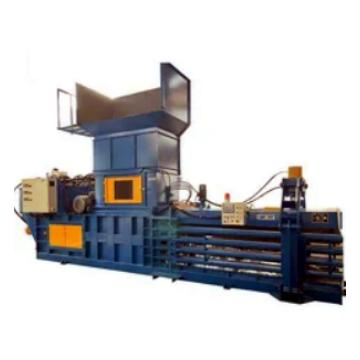
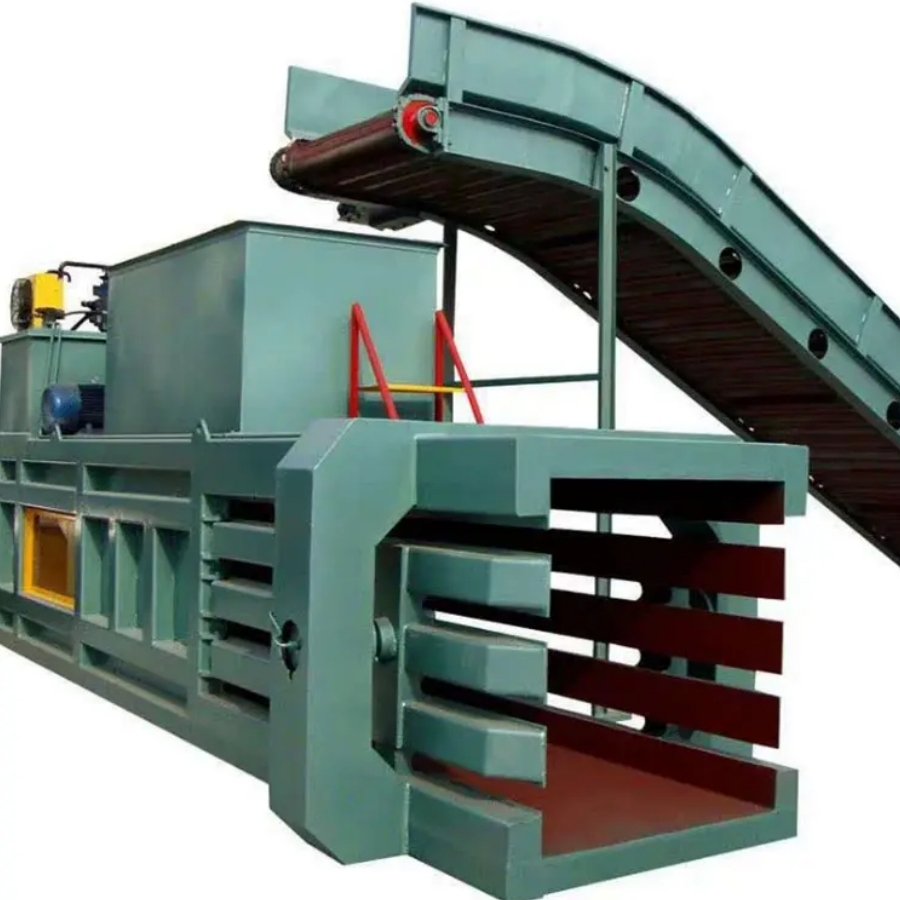
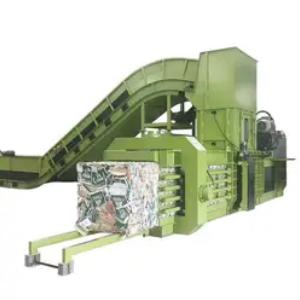
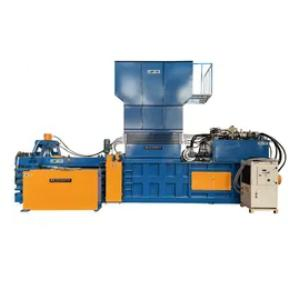
We usually have these in stock for the mid-range models, but the 150-ton variant might need a 20-day lead time or so depending on the order volume — confirm before you schedule pickup since we ship strapped to a pallet with export-grade plywood casing.
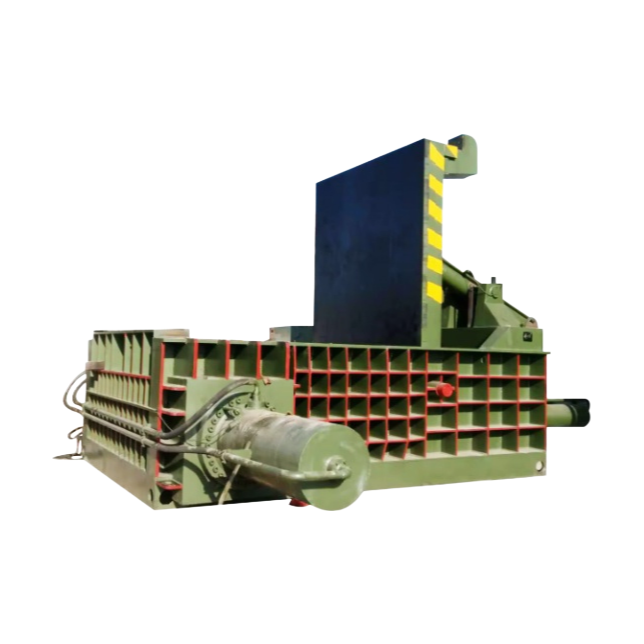
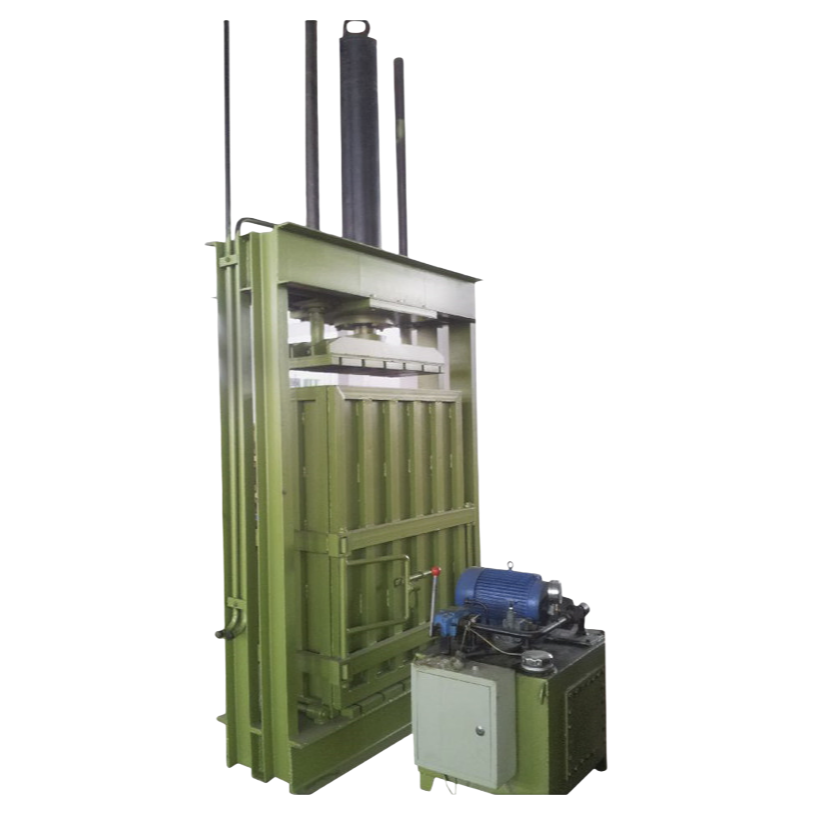
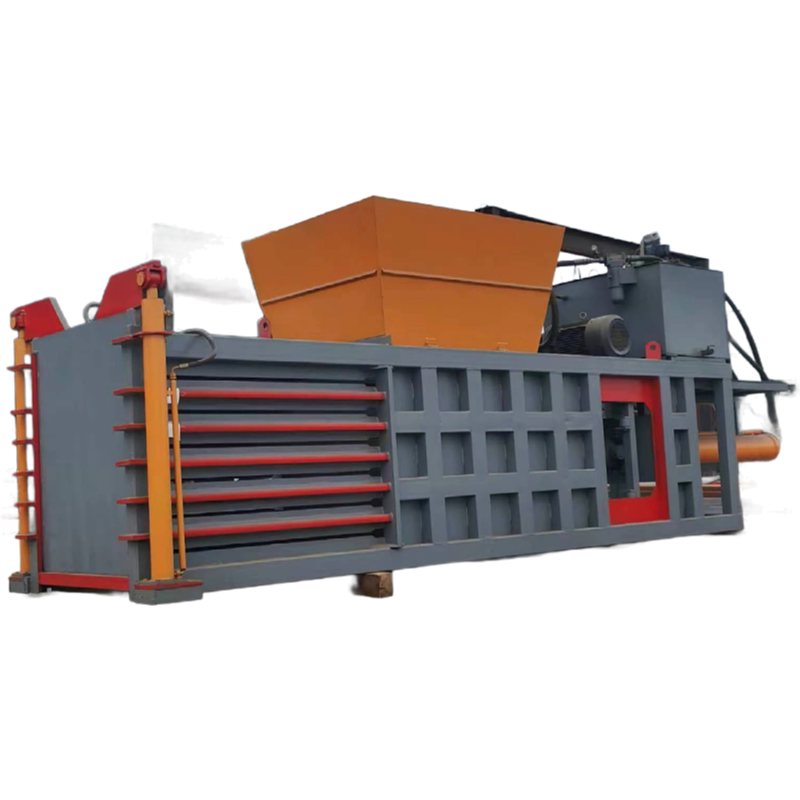
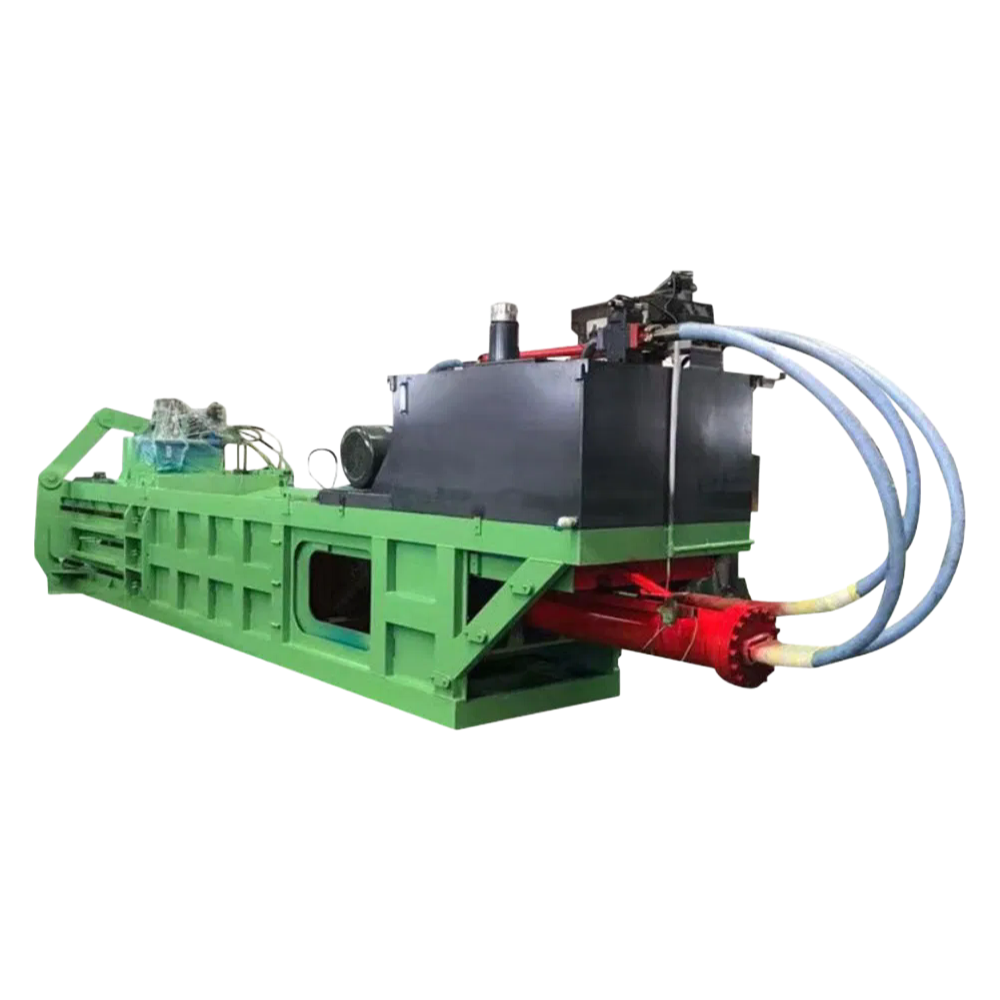
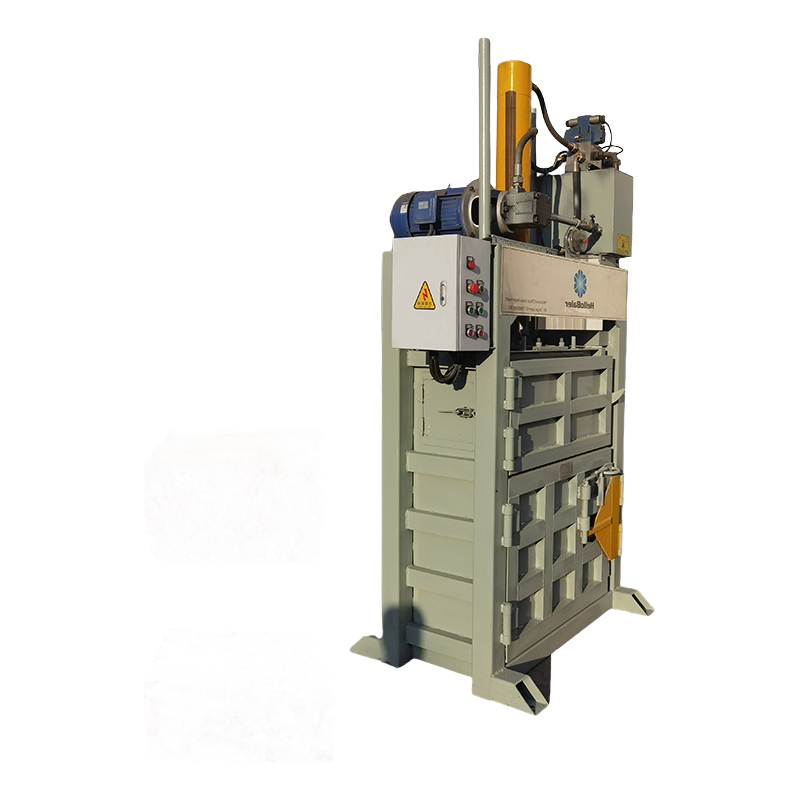
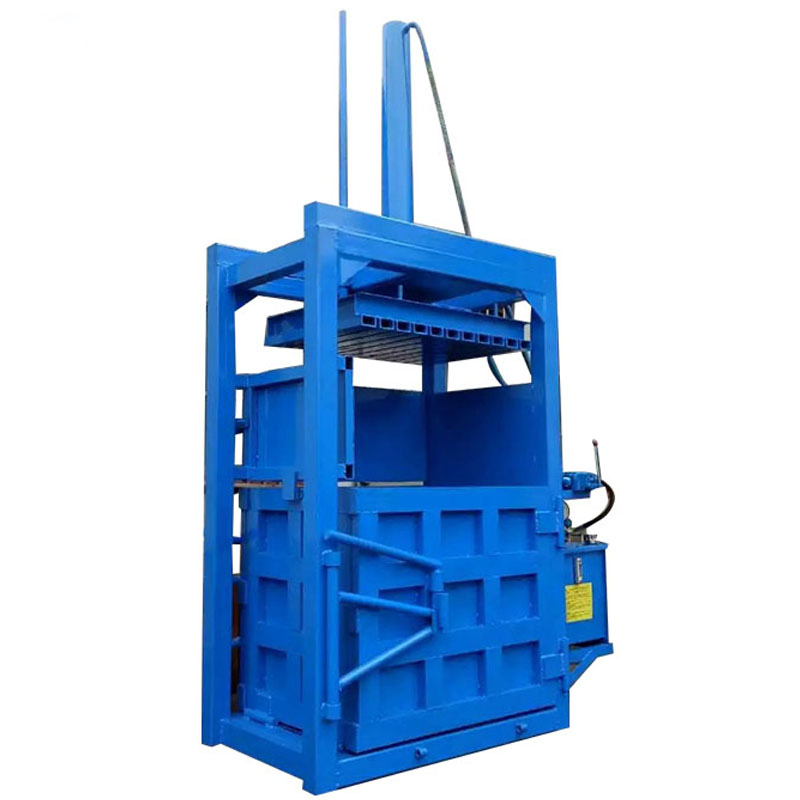
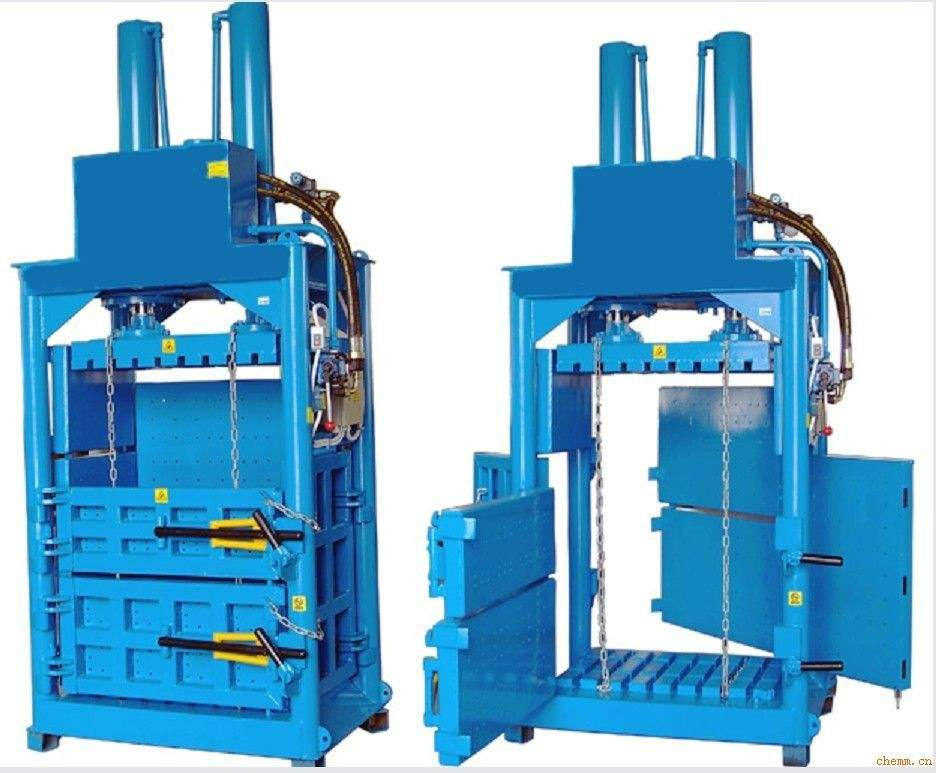
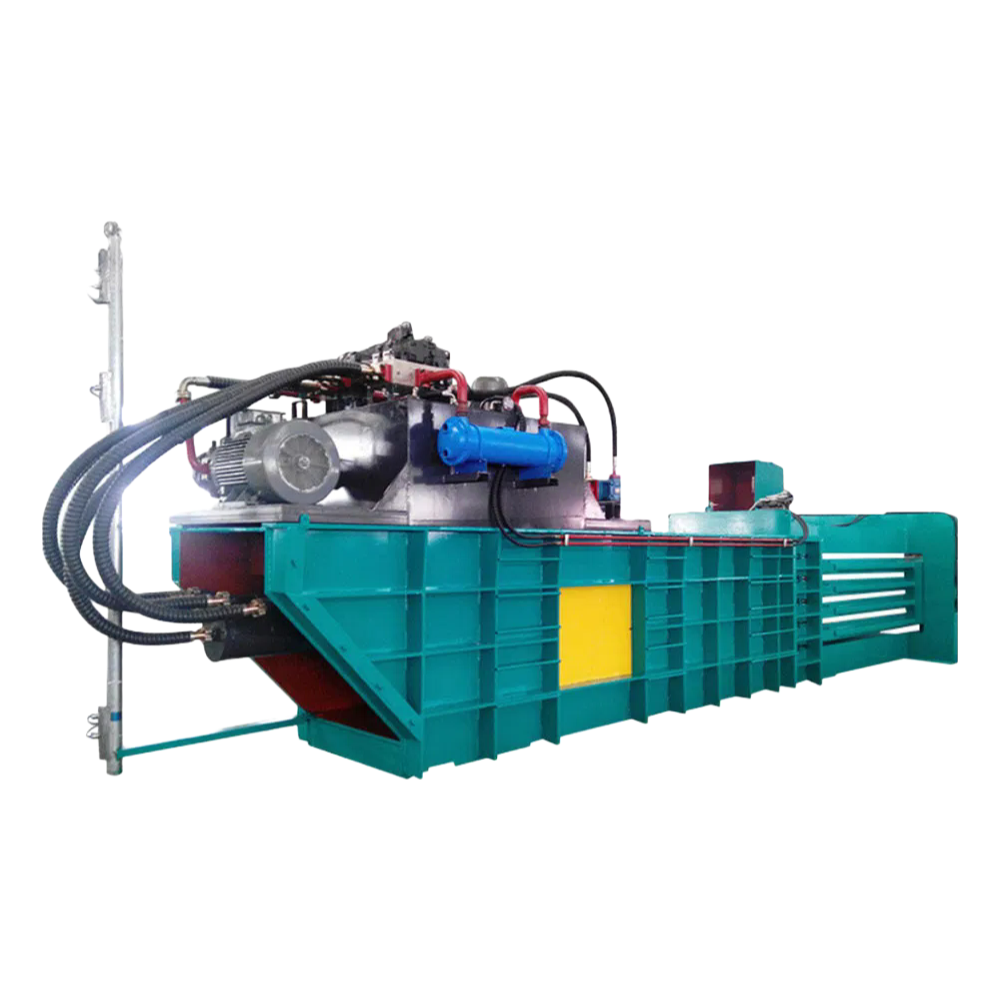
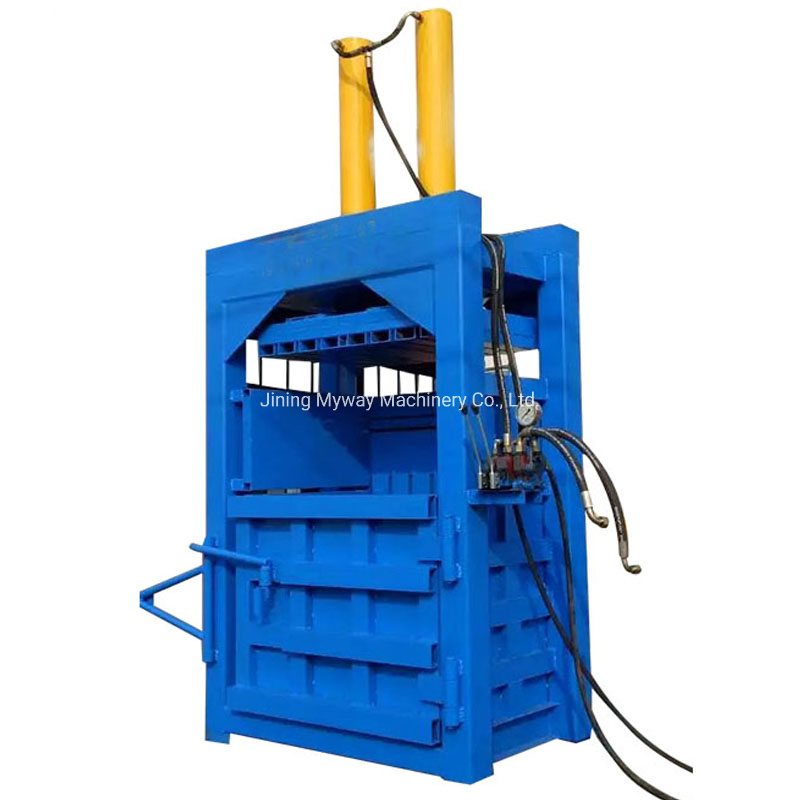
It basically cranks out bales from 450 to 750 kg per cubic meter, running 4 to 16 tons per hour depending on teh tonnage you pick; the 80-ton is good for lighter stuff like cloth and paper, while the 150-ton handles denser waste like PET bales or hard plastic scraps — pretty much a workhorse for medium to large recycling yards.
Power needs jump from 37 kW up to 93 kW, so make sure your site has the drop for that; the PLC touch screen is actually user-friendly once you're past the initial setup, and the automatic strapping means you're not wasting labor on tying bundles.
What it does in practice is compress loose waste into compact, stackable bales with consistent density — you'll notice the three-sided convergence pushes materail in form angles most cheaper units skip, and concave knife keeps cleanly even after months of straw or cloth baling.
Not ideal for very wet sludge or food waste that seeps liquids, as the horizontal design doesn't isolate moisture well — stick to dry or semi-dry materials, and we've seen buyers use it for cardboard lines just fine.
For ordering, specify if you want the automatic strapping system active from day one or if you'll rig your own; we include COA and CE certs with each machine, but the parts only, not shippng back to us.
We typically require a minimum order of 1 unit for any model, but we can discuss bulk discounts if you're ordering multiple machines.
Standard lead time is about 30-45 days, depending on current production load and customization requirements.
Yes, every machine comes with CE certification paperwork included in the shipment, so you're covered for European market compliance.
It automatically wraps and ties bales without manual intervention, using PLC control to coordinate strapping after each compression cycle.
Store bales in a dry, covered area to prevent moisture absorption, as the high density (up to 750Kg/m³) can attract condensation if exposed to rain.
Worthy of every penny spent, this hydraulic baling press machine arrived promptly and in perfect condition. The logistics were handled exceptionally well; the shipment was on schedule, and the packaging was robust, ensuring no damage during transit. Communication from the carrier was clear, providing timely updates, which made the entire delivery process smooth and stress-free. Regarding quality, the machine feels solid and well-constructed, with a professional finish that meets expectations for industrial equipment. The CE certification is clearly marked, adding confidence in its safety and compliance. As for service, the support team was responsive and helpful, answering pre-delivery queries efficiently and ensuring all necessary documentation was provided. Overall, a very satisfactory experience from order to receipt, highlighting reliable logistics, apparent quality, and attentive service.
Brisk delivery and excellent packaging ensured the machine arrived in perfect condition. The overall build quality feels robust and meets the advertised specifications. Communication with the supplier was prompt and professional throughout the process. They were very responsive to my pre-shipment inquiries. While it is too early to comment on long-term durability, the initial setup was straightforward, and the machine appears well-constructed for its intended use in our recycling facility. The CE certification provides an added layer of confidence regarding safety standards. The logistical handling was efficient, with clear updates provided. This initial experience regarding the transaction and product reception has been very positive.
Keenly impressed by the seamless logistics experience from start to finish. The shipment arrived ahead of schedule, which was a fantastic surprise. Every step of the delivery process was clearly communicated, and the packaging was exceptionally secure, ensuring the machine arrived in pristine condition without a single scratch. Regarding quality, the construction is robust and precisely engineered, reflecting the high standards promised by the CE certification. It feels incredibly durable and well-made for heavy-duty industrial use. The service provided by the team was outstanding; they were responsive, professional, and handled all inquiries with great expertise and patience. Overall, a highly satisfactory purchase process marked by excellent coordination, superior product build, and commendable customer support.
Your logistics team deserves high praise for the seamless delivery of our hydraulic baling press. Yielding to our tight schedule, they coordinated the shipment with remarkable efficiency, ensuring the machine arrived exactly when promised without any delays. The packaging was robust and secure, protecting the equipment perfectly during transit. Upon unboxing, every component was intact and well-organized, reflecting a high standard of care in handling. The quality of the baler itself is outstanding, with sturdy construction and precise engineering that meets our rigorous waste management needs. It operates smoothly and reliably, demonstrating excellent craftsmanship. Customer service has been equally impressive, providing clear communication and prompt support throughout the process. Overall, this experience has been exceptional, from the swift logistics to the top-notch product and attentive service. We are thoroughly satisfied and would confidently recommend this supplier to others in the industry.
My experience with the shipping of this hydraulic baling press was remarkably smooth. The logistics team provided consistent updates, and the machine arrived well within the estimated timeframe. It was packaged securely, with no signs of damage from transit. Regarding quality, the construction feels exceptionally robust. The welds are clean, the steel is substantial, and the overall finish meets professional expectations. The CE certification markings are clearly visible, which provides added assurance. Customer service has been responsive and knowledgeable from the initial inquiry through to post-delivery follow-up. They were prompt in answering my technical questions and provided clear documentation. While I cannot comment on operational performance yet, the initial impressions regarding the physical product and the support surrounding it are overwhelmingly positive. The process from order to receipt was handled with notable efficiency and care.
Fantastic experience from start to finish. The delivery was incredibly prompt and handled with great care. The logistics team provided clear tracking updates and the machine arrived well-packaged and on schedule, which was crucial for our operations. Upon inspection, the build quality is immediately apparent—robust construction, precise welding, and a professional finish that truly reflects the CE certification. It feels solid and engineered for heavy-duty, continuous use in our waste management facility. Customer service has been exemplary; the support team was responsive and knowledgeable during the pre-sale inquiries and the post-delivery follow-up was timely and helpful. They provided clear documentation and were proactive in ensuring everything was in order. Overall, a very smooth process with a focus on reliability and support, making the investment feel secure and well-managed. Highly satisfactory transaction that inspires confidence in future dealings.
Upon receiving the Customizable Hydraulic Baling Press Machine, I must express my utmost satisfaction with the entire process. The logistics were handled exceptionally well, with the shipment arriving precisely within the estimated timeframe. The packaging was robust and secure, ensuring that the heavy machinery was protected from any potential damage during transit. Every component was accounted for and arrived in pristine condition, which speaks volumes about the meticulous attention to detail in the shipping process. The communication from the logistics team was prompt and informative, providing regular updates that made tracking the delivery effortless and reassuring. This level of efficiency in logistics significantly reduced any concerns about delays or mishandling, allowing for a smooth and stress-free receipt of the equipment. The quality of the machine is immediately apparent upon inspection. The construction is solid and durable, with high-grade materials that promise longevity and reliable performance in demanding waste management operations. The CE certification is clearly displayed, affirming compliance with stringent safety and environmental standards, which is crucial for our recycling facility. The finish and assembly are impeccable, with no visible defects or issues, indicating rigorous quality control during manufacturing. This machine exudes professionalism and reliability, and I am confident it will meet our operational needs for years to come. The service provided throughout this transaction was outstanding. From the initial inquiry to the post-delivery follow-up, the support team was responsive, knowledgeable, and genuinely helpful. They patiently addressed all my questions regarding specifications and customization options, ensuring that the machine was tailored to our specific requirements for handling waste paper and plastics. The documentation provided was comprehensive and clear, facilitating easy installation and setup. Any minor queries post-delivery were resolved quickly and efficiently, demonstrating a strong commitment to customer satisfaction. Overall, this experience has been remarkably positive, setting a high standard for future purchases. The seamless integration of excellent logistics, superior quality, and exceptional service makes this supplier a highly recommended partner for industrial recycling equipment.
Naturally, I must begin by highlighting the exceptional logistics involved in delivering this Customizable Hydraulic Baling Press Machine. The entire shipping process was remarkably smooth and transparent. From the moment the order was confirmed, I received regular updates regarding the production schedule and the subsequent shipping timeline. The machine, being a substantial piece of equipment, arrived well within the promised window. The packaging was nothing short of industrial-grade robust, ensuring that every component of the 100-ton hydraulic baler was impeccably protected against the rigors of long-distance freight. The logistical coordination between the supplier and the freight forwarders was seamless, resulting in a hassle-free delivery right to our facility’s dock. The offloading was straightforward, thanks to clear labeling and sensible packaging design. This level of logistical efficiency is paramount for integrating new machinery into operational workflows without costly delays, and it was executed flawlessly. Regarding quality, the machine’s construction is immediately impressive upon uncrating. The build quality exudes durability and professional engineering. The steel framework is substantial, welds are clean and consistent, and the hydraulic components, from the cylinders to the piping, appear to be of high-grade specification. The CE certification is prominently displayed and verifiable, providing immediate reassurance about compliance with stringent safety and performance standards. While I refrain from delving into operational parameters, the overall finish, the precision of the moving parts, and the robustness of the press chamber and platen for waste paper and plastic baling suggest a product built for sustained, heavy-duty recycling applications. It presents as a capital investment meant to last, not a light-duty appliance. The service aspect throughout this procurement has been equally commendable. The pre-sales communication was thorough and patient, with the team readily addressing all initial inquiries about customization options and specifications without pressuring for a quick sale. Post-order, the support remained proactive. Documentation, including manuals, certificates, and customs paperwork, was comprehensive and provided well in advance. Although we have not yet required technical support for installation or operation, the assurances and the clear channels established for future service are comforting. The team’s professionalism and responsiveness fostered a sense of partnership rather than a simple transaction. In summary, based purely on the facets of logistics, perceived quality, and customer service, this experience has been overwhelmingly positive and instills great confidence in the supplier and their hydraulic baling machinery.
Logistics were handled with impressive efficiency; the shipment arrived ahead of the estimated schedule and was packaged with great care to prevent any transit damage. Looking at the build quality, it is clearly robust and meets the high standards one would expect from CE-certified industrial machinery, with solid construction and precise welding evident throughout. The service team was exceptionally responsive and professional, providing clear communication from the order confirmation through to the post-delivery follow-up, ensuring a smooth and hassle-free experience overall. This level of execution across logistics, quality, and service is commendable and sets a high benchmark for industrial equipment suppliers.
Prompt delivery and excellent packaging ensured the machine arrived in perfect condition. The overall build quality feels robust and durable, meeting the high standards expected for industrial equipment. Customer service was responsive and helpful throughout the entire process, addressing inquiries efficiently. The entire experience was smooth and professional, from order placement to final delivery. The logistical coordination was seamless, with clear communication at every stage. The product itself appears to be manufactured with precision and care. Support staff were knowledgeable and courteous, providing clear assistance. Packaging materials were substantial and effectively protected the components during transit. The shipment arrived exactly within the estimated timeframe provided. Initial inspection shows solid construction and good finishing on all visible parts. The service team was proactive in providing updates and documentation. Every interaction with the company was positive and straightforward. The physical condition upon arrival was impeccable, with no signs of damage or mishandling. Quality of materials and welding looks superior upon visual examination. All logistical updates were timely and accurate, allowing for perfect planning. Professionalism was evident in every email and phone call exchanged. The crate was sturdy and well-designed for heavy machinery transport. First impressions of the craftsmanship are very favorable and promising. Coordination for delivery was handled flawlessly without any complications. The attention to detail in securing the parts for shipment was noticeable. Representatives were always available to clarify any point without delay. Transit was managed by a reliable carrier familiar with industrial freight. Unboxing revealed careful placement and padding of all elements. The overall sturdiness and design seem to align with the product description. Documentation provided was complete and well-organized for easy processing. The service experience has been consistently reliable and trustworthy. Logistics partners performed their duties with evident expertise and care. Initial quality checks show no defects or issues with the received unit. Communication was maintained perfectly from confirmation to final delivery. The protective measures taken for shipping were comprehensive and effective. Build integrity appears high, with robust components and solid assembly. Every query was met with a prompt and informative response from the team. The shipping timeline was adhered to precisely as originally outlined. Packaging exceeded standard expectations for machinery of this size and weight. Surface finish and structural elements look professionally executed. The support provided made the receiving and inspection process very straightforward. Transport was arranged efficiently, with optimal routing to minimize transit time. All parts were accounted for and secured properly within the packaging. The general workmanship visible on the machine is impressive and precise. Customer care was exemplary, ensuring a hassle-free experience from start to finish. The logistical execution was faultless, with perfect timing and handling. Material quality seems excellent, contributing to a sense of long-term durability. Assistance was readily available whenever needed, with friendly and competent staff. The delivery process was smooth, with professional handling at the destination. Initial observations confirm good manufacturing standards and careful production. The entire service chain operated cohesively and without any disruptions. Protective packaging was clearly designed with the product’s safety in mind. Fit and finish on all visible components meet high industrial expectations. The team was consistently helpful, making all procedures clear and simple. Freight management was competent, ensuring safe and timely arrival. Upon unpacking, the machine presents itself as well-made and reliable. All communications were clear, concise, and focused on customer satisfaction. The physical delivery was executed with precision and care by the crew. Quality indicators from this initial review are all positive and reassuring. Support interactions were always productive and left no questions unanswered. The shipment arrived intact, with no logistical issues or delays encountered. Construction appears solid, suggesting good performance and longevity. The service provided was seamless and entirely professional at every step. Logistics were handled expertly, reflecting good planning and coordination. The product’s outward build quality inspires confidence in its capabilities. Every service engagement was met with efficiency and a positive attitude. Delivery was completed exactly as scheduled, with perfect condition upon receipt. Manufacturing quality, from what is visible, seems commendable and robust. The overall process was managed with high competence and customer focus. Packaging was more than adequate, preventing any movement or damage in transit. The machine’s physical attributes suggest careful design and quality control. Assistance throughout was unwavering and effectively addressed all aspects. Transportation was arranged flawlessly, with no hiccups from departure to arrival. All visible seams, joints, and surfaces show good craftsmanship and attention. The company’s service approach was consistently reliable and easy to work with. The logistical aspect was perfectly aligned, ensuring a stress-free receipt. Initial appraisal of materials and build points to a durable and well-made product. Support channels were always open and responsive, providing excellent guidance. The delivery operation was smooth, with professional and careful handling observed. Quality of construction is evident even from a preliminary external inspection. The entire service experience was marked by professionalism and clear communication. Freight arrangements were optimal, resulting in a timely and secure delivery. The product’s structural integrity and finish appear to be of a high standard. Every service request was handled promptly and with complete competence. The shipping process was efficient and well-tracked from origin to destination. Build and material quality seem to justify confidence in the machine’s durability. Customer support was accessible and effective in facilitating a smooth process. Logistics were executed without fault, delivering the item perfectly on schedule. The apparent manufacturing quality meets expectations for certified industrial equipment. The service team performed excellently, ensuring all needs were met satisfactorily. Delivery was carried out with precision, and the item arrived in pristine condition. Initial quality assessment reveals solid workmanship and good material selection. All service interactions were positive and contributed to a seamless experience. The transportation phase was managed expertly, with no issues or concerns arising. The product’s build presents as robust and professionally manufactured. Support was consistently helpful, making every step straightforward and clear. The logistical performance was impeccable, with perfect timing and condition. Exterior quality and construction details appear carefully executed and durable. The company’s service was reliable and efficient throughout the engagement. Shipment arrived exactly as planned, with excellent handling and packaging intact. Material and build quality, from this first look, seem very satisfactory. Assistance provided was always timely and relevant to the process. Freight management was seamless, ensuring a trouble-free delivery experience. The machine’s physical attributes suggest high-quality production standards. Every aspect of service was handled with professionalism and attention to detail. The delivery operation was perfectly coordinated and executed without delay. Visible craftsmanship and structural integrity appear strong and well-considered. Customer care was outstanding, with responsive and knowledgeable representatives. Logistics were flawlessly arranged, resulting in a prompt and safe arrival. The product’s build and finish look commendable and built to last. Support was unwavering and effective in guiding through the entire procedure. Transportation was handled competently, with the carrier providing good service. Quality indicators from this initial examination are all positive and promising. The service experience was uniformly excellent, with clear and helpful communication. The shipment process was smooth, with the item arriving in perfect state. Construction and material quality seem aligned with expectations for such machinery. All service points were addressed quickly and accurately by the team. Delivery was perfectly scheduled and carried out with professional care. The apparent manufacturing quality is solid and inspires confidence. The overall service and logistical support were exceptional and hassle-free.