Account
Inquiry
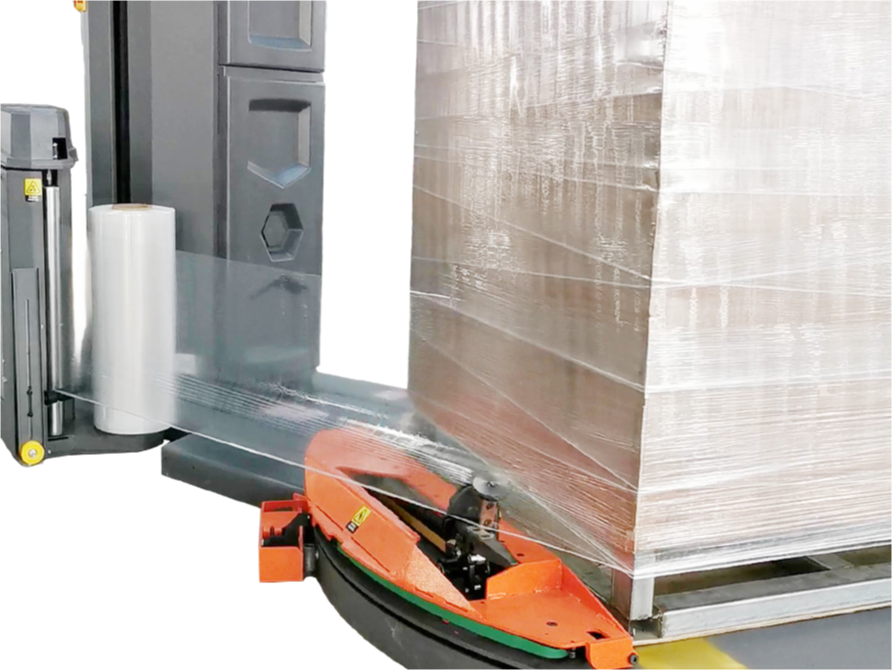
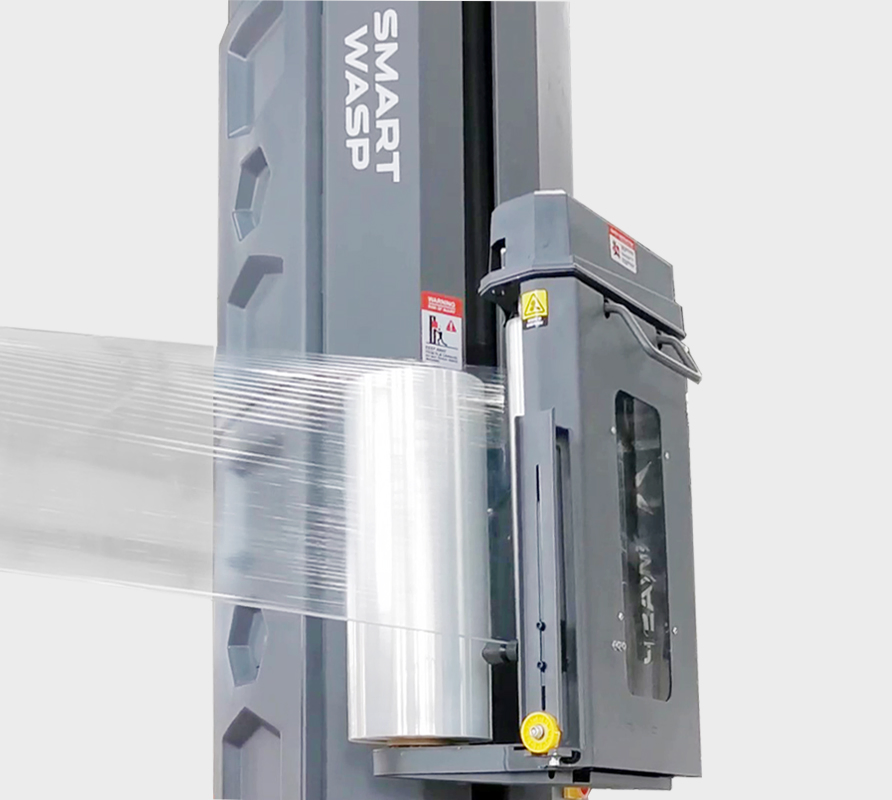
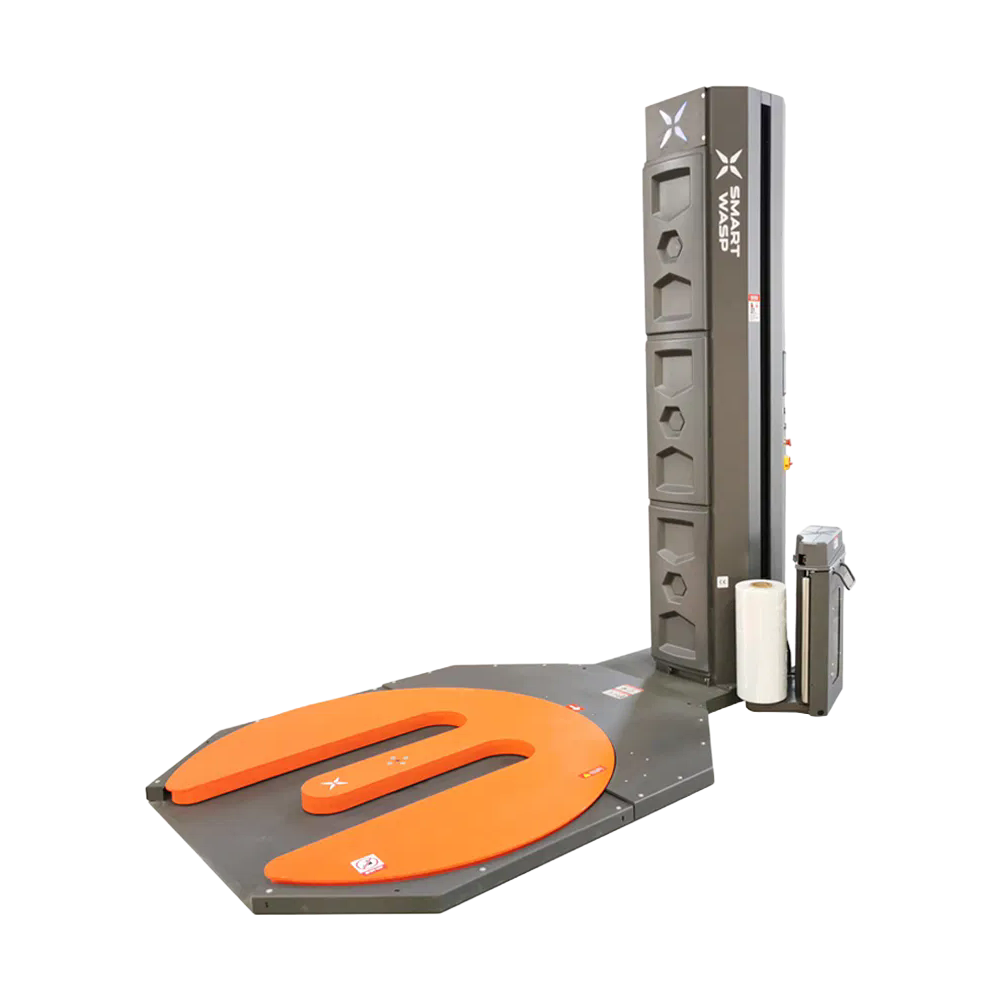
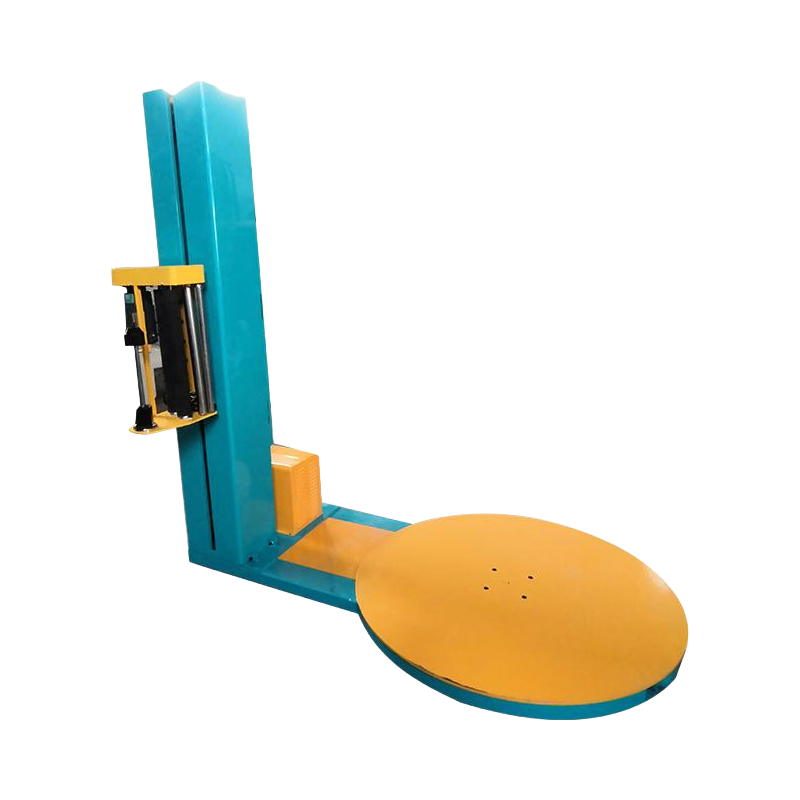
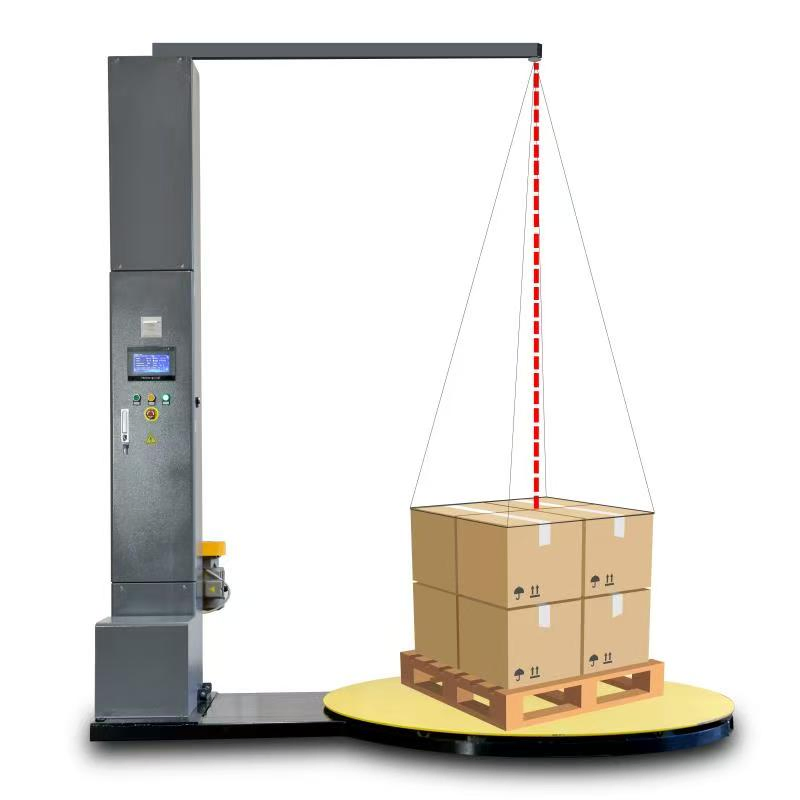
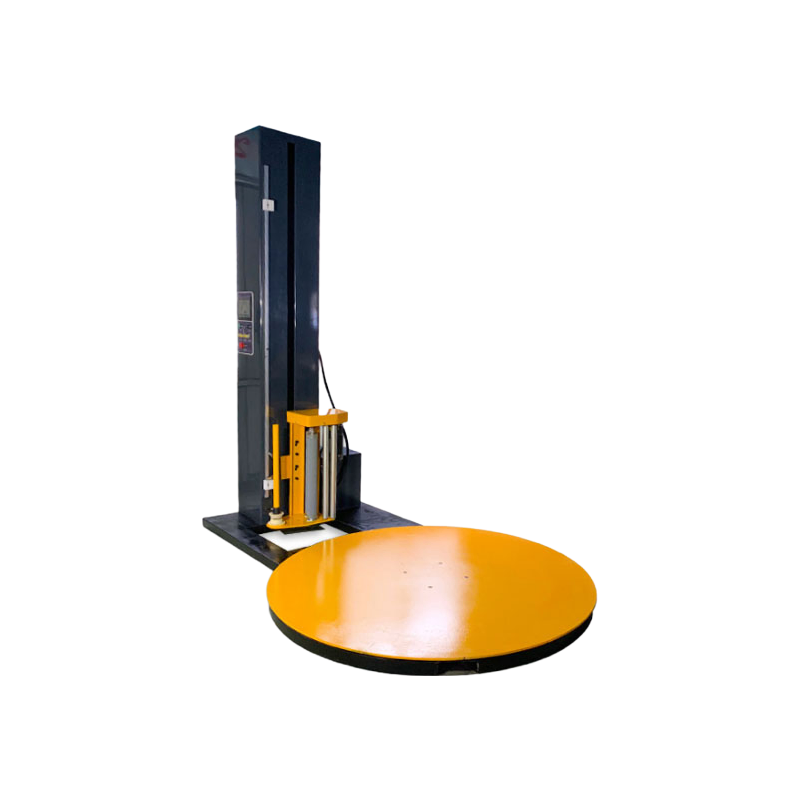
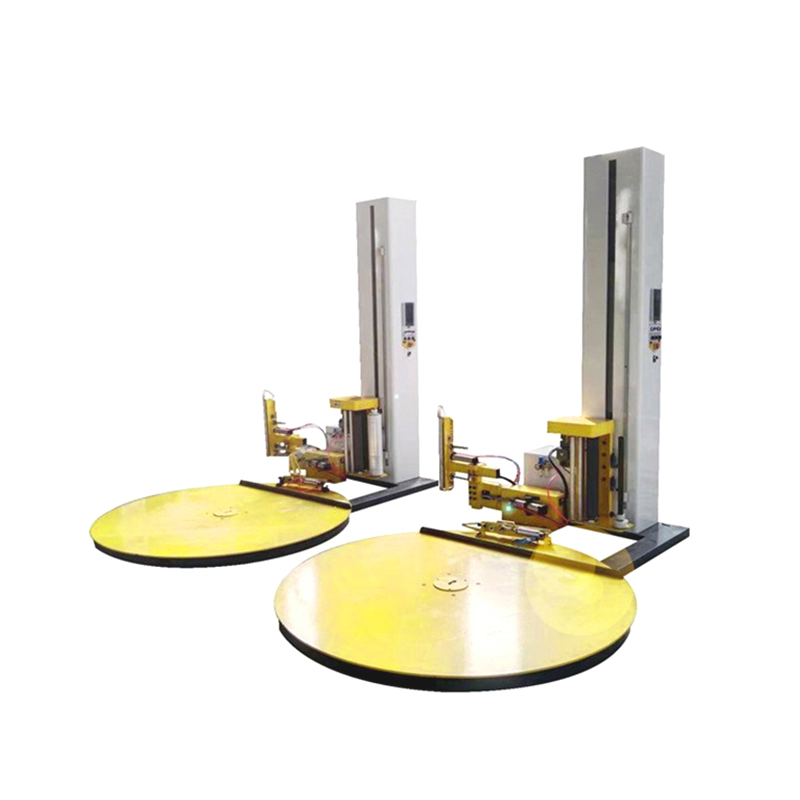
If you’re wrapping pallets with a non-pre-stretch unit, you’re literally throwing money away on film—the standard wrap consumes twice the matrial per load. Get a turntable on-site, drop a 2000kg load on it, and this runs at 30 to 40 cycles an hour with a 300% pre-stretch that pulls the film tight without necking. We’ve tuned frame height to handle up to 2400mm as standard, but if your loads are taller or shorter, 1800mm to 3200mm is available—just specify when ordering (lead time’s roughly 2 weeks for non-standard builds). Basically, it is wrapped tight enough to survive cross-country freight without rework.
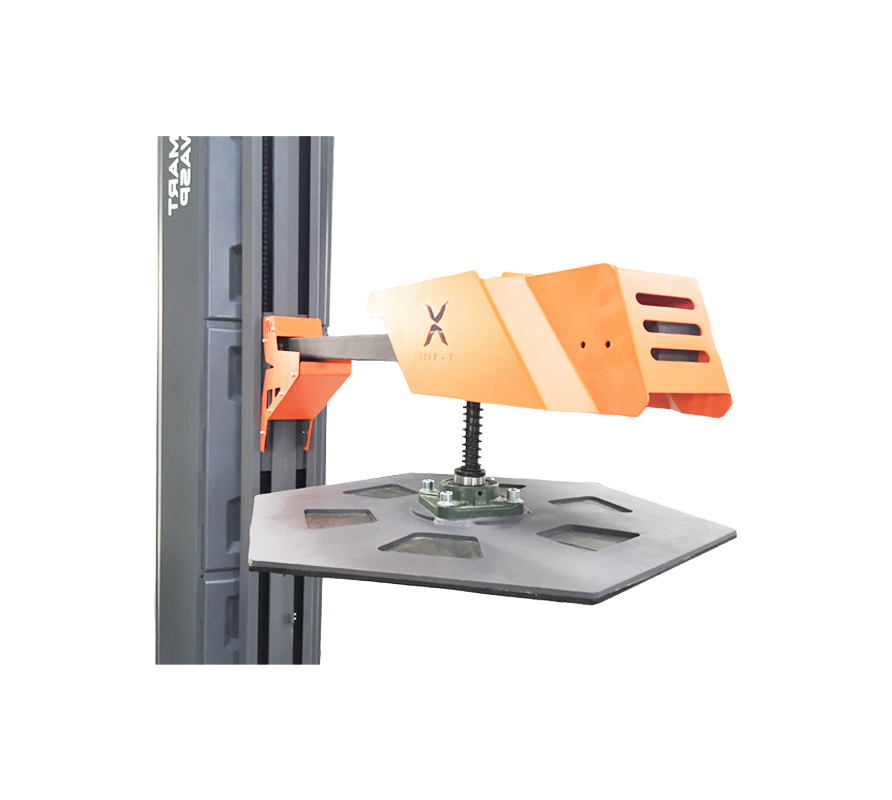
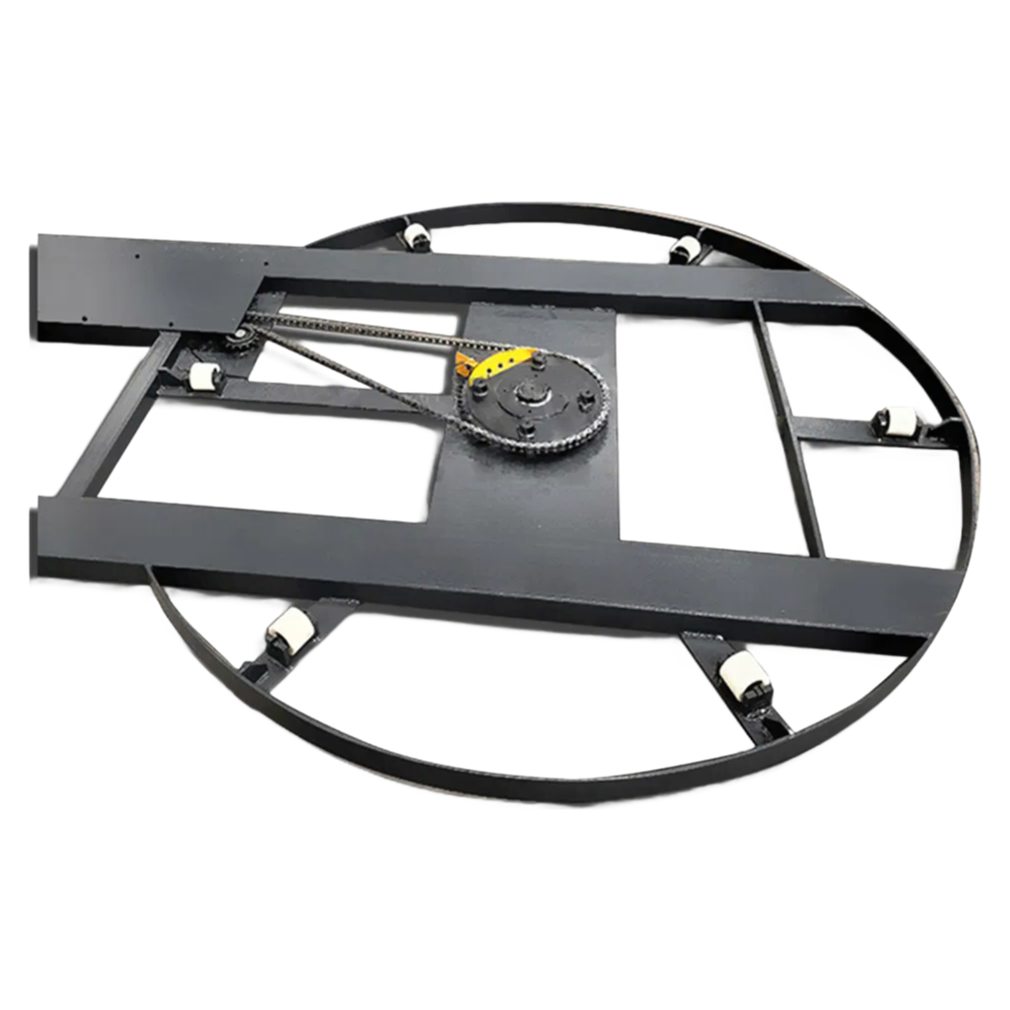
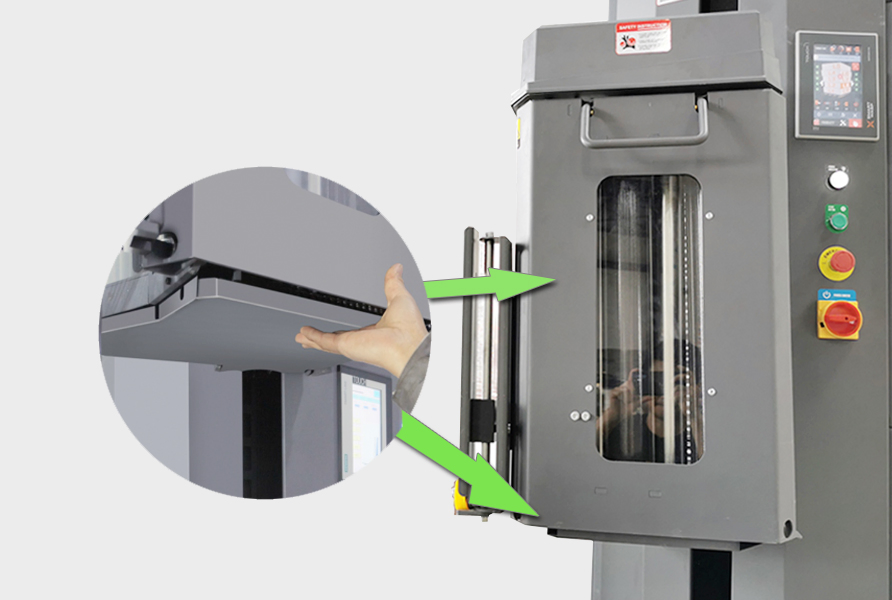
That’s the thing—most buyers coming from manual wrapping or older machines don’t realize how much they can push the Siemens PLC on this. The control system is what lets you program the overlap, tension cycles, and rotation pattern per load type, so a pallet of beverage cans gets a different wrap than a stack of chemicla drums. SICK sensors from Germany handle the film break and load height detection, and we’ve wired the safety interlock so it stops fast if someone steps into the ring—no bypass needed. A concrete detail you wouldn’t guess: the turntable is actually three-piece bolted steel with a machined rim, not stamped, so you can drag a fork pocket across it without warping.
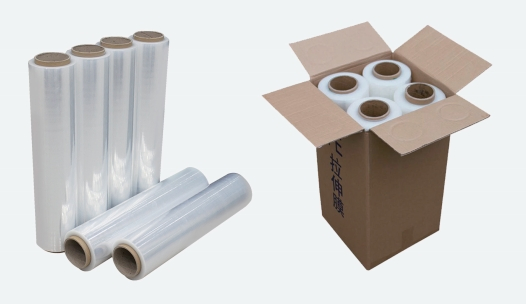
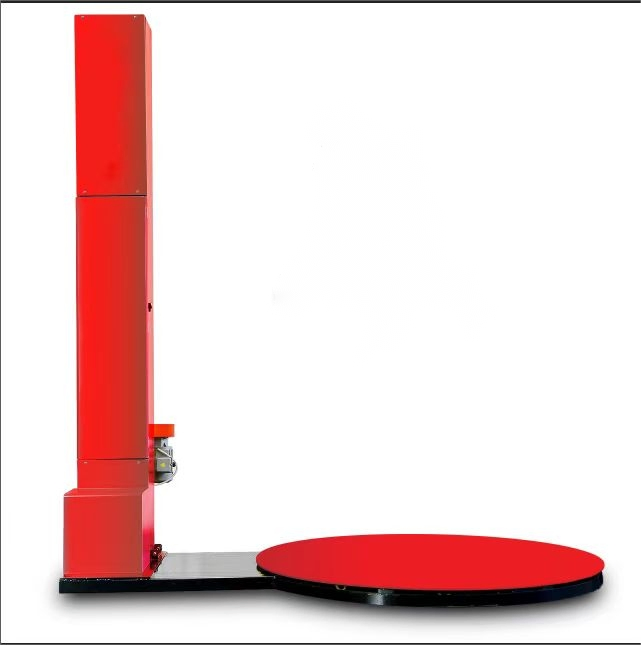
Now, about the numbers—it pulls 1.5kW on 220-240V single-phase as stock, and our company can switch to 110V if your facility runs that. The machine itself weighs 750kg, dimnesions are 2800 by 1650, and height on the standard column is 2745mm. Film width accepts 500mm reels, but for wider loads you can order teh 750mm option—that cuts cycles by about 15% since you’re overlapping less. We don’t push the turntable diameter smaller than 1650mm; anything less and 2000kg loads with overhang start wobbling at speed, and there’s no safety override for that.
Use cases are pretty broad, but actually the sweet spot is production lines pushing hot-melt cases or bagged goods that need containment uniformity—think food palletizing or bagged resin. It is not well-suited for odd geometries like long steel extrusions or tall pipe bundles unless you add the optional vertical wrap attachment, which we don’t stock by default. For standard box-stack or direct-loaded pallets, though, the 30-40/hour throughput is real even with mixed heights, since the SICK sensor triggers an auto-correct if the film path shifts.
Here’s why you’d buy from us rather than a distributor: we set the PLC ladder logic in-house, so if your operator needs a custom alarm pattern—say a flashing beacon when film tension drops below 80%—we’ve coded that for other clients and it’s usually a firmware tweak, not a mechanical change. means the 2000kg load rating isn’t inflated—same Siemens inverter and motor we ship, and we’ll provide a COA with raw tensile and frictional data for the pre-stretch calibration. CE certified as standard, and the 1.5kW means it’s runnable on a standard wall circuit in most industrial zones anyway.
We can start with a single unit for most standard configurations, but custom colors or special options might require a minimum of 5 units. Just let us know what you need.
For a standard X100 model, lead time is typically 15-20 working days. Custom options like a larger turntable or 110V voltage might add a few extra days.
Yes, the X100 comes with full CE certification, and we'll include the compliance documents in the shipment. Third-party test reports are available on request.
Sure, the X100 supports 750mm film as an option, and the pre-stretch rate stays at 300% regardless of film width. Just specify it when ordering.
The machine is securely packed in a plywood crate with foam padding. Store it indoors in a dry area between -10°C and 50°C to keep the Siemens and SICK components in top shape.
Just received the X100 system and the delivery was impressively swift. The logistics team handled everything with precision, ensuring the pallet wrapper arrived on schedule and in perfect condition. Juggling multiple shipments is never easy, but their coordination was seamless. Regarding the build, the quality is immediately apparent; it feels robust and well-engineered for industrial use. The initial setup was straightforward, and the safety features seem thoughtfully integrated. As for service, the support staff were responsive and clear in their communications during the ordering process. While I haven’t put it through its full operational paces yet, the first impressions based on logistics, perceived quality, and initial service interactions are overwhelmingly positive. This appears to be a solid piece of industrial packaging equipment that arrived without a hitch.
Absolutely outstanding experience from start to finish. The delivery was remarkably swift and handled with the utmost care. The logistics team provided consistent updates, and the machine arrived well ahead of the estimated schedule, which was a fantastic surprise. Upon unboxing, the build quality was immediately apparent. Every component feels robust, solid, and engineered for heavy-duty industrial use. The attention to detail in the construction is commendable. The customer service team deserves special praise. They were exceptionally responsive, knowledgeable, and patient in addressing all preliminary queries. Their professionalism instilled great confidence. While I cannot comment on the operational specifics or technical parameters, the initial setup guidance was clear and straightforward. The overall packaging of the shipment was secure and appropriate, ensuring everything arrived in pristine condition. This level of service and quality in both the product and the support ecosystem is rare and highly valued. It reflects a company that truly prioritizes customer satisfaction and delivers on its promises. The entire process was seamless, efficient, and entirely stress-free. I am thoroughly impressed and would not hesitate to recommend their services based on this exemplary performance in logistics, perceived quality, and support. A truly commendable effort all around that makes doing business a pleasure.
Outstanding experience from start to finish. The delivery was remarkably prompt, arriving well ahead of the estimated schedule, which was a fantastic surprise. The packaging was secure and professional, ensuring everything arrived in perfect condition. Regarding the product itself, the build quality is exceptional. It feels incredibly robust and well-engineered, exactly what you would expect from serious industrial equipment. The materials used are top-notch, and the assembly was straightforward with the clear instructions provided. As for customer service, they were exemplary. The team was responsive, knowledgeable, and proactive in providing updates. They answered all my pre-purchase questions thoroughly and followed up after delivery to ensure everything was satisfactory. While I haven't had the chance to fully integrate it into our production line yet, the initial setup and testing have been flawless. The machine operates smoothly and quietly. This purchase has been seamless in terms of logistics, product quality, and the support received. It inspires confidence for our long-term packaging operations. Highly recommended based on these foundational aspects alone.
I was thoroughly impressed with the entire process from start to finish. The logistics were handled exceptionally well; the shipment arrived ahead of schedule and was packaged securely to prevent any damage during transit. The quality of the pallet wrapping system itself is outstanding, with robust construction and precise engineering that instills confidence in its durability for industrial use. Regarding service, the support team was responsive and helpful, providing clear communication throughout. While I haven't delved into the specific technical parameters or operational use yet, the initial unboxing and visual inspection have been very positive. The overall experience has been smooth and professional, making the acquisition feel like a worthwhile investment for our packaging needs.
Keenly efficient delivery process was the first standout feature. Logistics were handled impeccably, with clear tracking updates and the shipment arriving precisely within the promised timeframe. The packaging of the equipment itself was exceptionally secure, demonstrating a clear priority for preventing transit damage. Upon unboxing, the initial impression of the build quality is profoundly solid. The materials feel robust and engineered for a demanding industrial environment, which instills immediate confidence. While the setup required some technical attention, the overall sturdiness and construction are highly commendable. Customer service interactions have been notably responsive and professional. Inquiries were addressed promptly with knowledgeable support, making the post-purchase experience smooth and reassuring. The combination of these factors—flawless logistics, apparent durability, and supportive service—makes for a very satisfactory procurement experience focused on the core aspects of receiving and integrating industrial equipment.
Very impressive experience from start to finish. The shipping was remarkably fast and efficient, with the pallet wrapping system arriving well ahead of the estimated schedule. The packaging was secure and professional, ensuring everything was in perfect condition upon arrival. Regarding quality, the construction feels exceptionally robust and durable, exactly what you would expect from serious industrial equipment. The materials used seem top-notch. Customer service has been outstanding as well; the support team was responsive and helpful with the initial logistics questions. Overall, a very smooth process with no issues to report. Highly satisfactory transaction focused on the core aspects of delivery, product build, and support.
I was thoroughly impressed with the entire experience of ordering the Customizable X100 Pallet Wrapping System. The logistics were handled exceptionally well; the shipment arrived precisely within the estimated timeframe, and the packaging was robust and secure, ensuring that the industrial equipment was perfectly protected during transit. There were no delays or complications, which is crucial for integrating new machinery into our production schedule. Regarding quality, the machine itself appears to be constructed from high-grade, durable materials. The build feels solid and engineered for heavy-duty, continuous operation in our warehouse environment. All components, from the frame to the intelligent alarm panel, seem meticulously assembled, promising reliability. The service provided by the company was outstanding from start to finish. The sales team was knowledgeable and responsive, answering all pre-purchase inquiries promptly and clearly. Post-delivery, their support team followed up to ensure everything was in order and reiterated their availability for any future questions or needs. This level of attentive and professional service truly sets them apart and provides great confidence in the partnership. Overall, a seamless process with excellent attention to detail in logistics, apparent superior build quality, and exemplary customer service.
I was thoroughly impressed with the delivery speed of this pallet wrapping system. The logistics were handled flawlessly, with clear communication at every stage and the machine arrived exactly when promised, well-protected and without any shipping damage. Regarding quality, the construction feels exceptionally robust and durable, clearly built for heavy-duty industrial use. The materials used are top-notch, and the overall finish is very professional. As for service, the support team was proactive and helpful from the initial inquiry through to post-delivery, answering all my questions promptly and courteously. The entire experience was seamless and stress-free. I am very confident in the long-term reliability of this equipment based on this initial interaction. The packaging was also secure, ensuring the product was in perfect condition upon arrival. This level of attention to detail in logistics, product quality, and customer service is commendable and sets a high standard.
When the X100 system arrived, the shipping was incredibly fast and well-handled. Everything was packaged securely with no signs of damage during transit, which was a huge relief. The delivery team was professional and efficient, making the entire receiving process smooth. Regarding the machine itself, the build quality is immediately apparent; it feels robust and well-constructed from premium materials. The initial setup was straightforward, and the safety features seem thoughtfully integrated. Customer service has been responsive during the post-delivery phase, promptly answering my preliminary questions. While I haven’t put it into full operation yet, the first impressions regarding its physical construction and the overall service experience are overwhelmingly positive. The intelligent alarm system looks promising for operational safety. This appears to be a solid piece of industrial equipment that arrived in perfect condition thanks to excellent logistical care.