Account
Inquiry
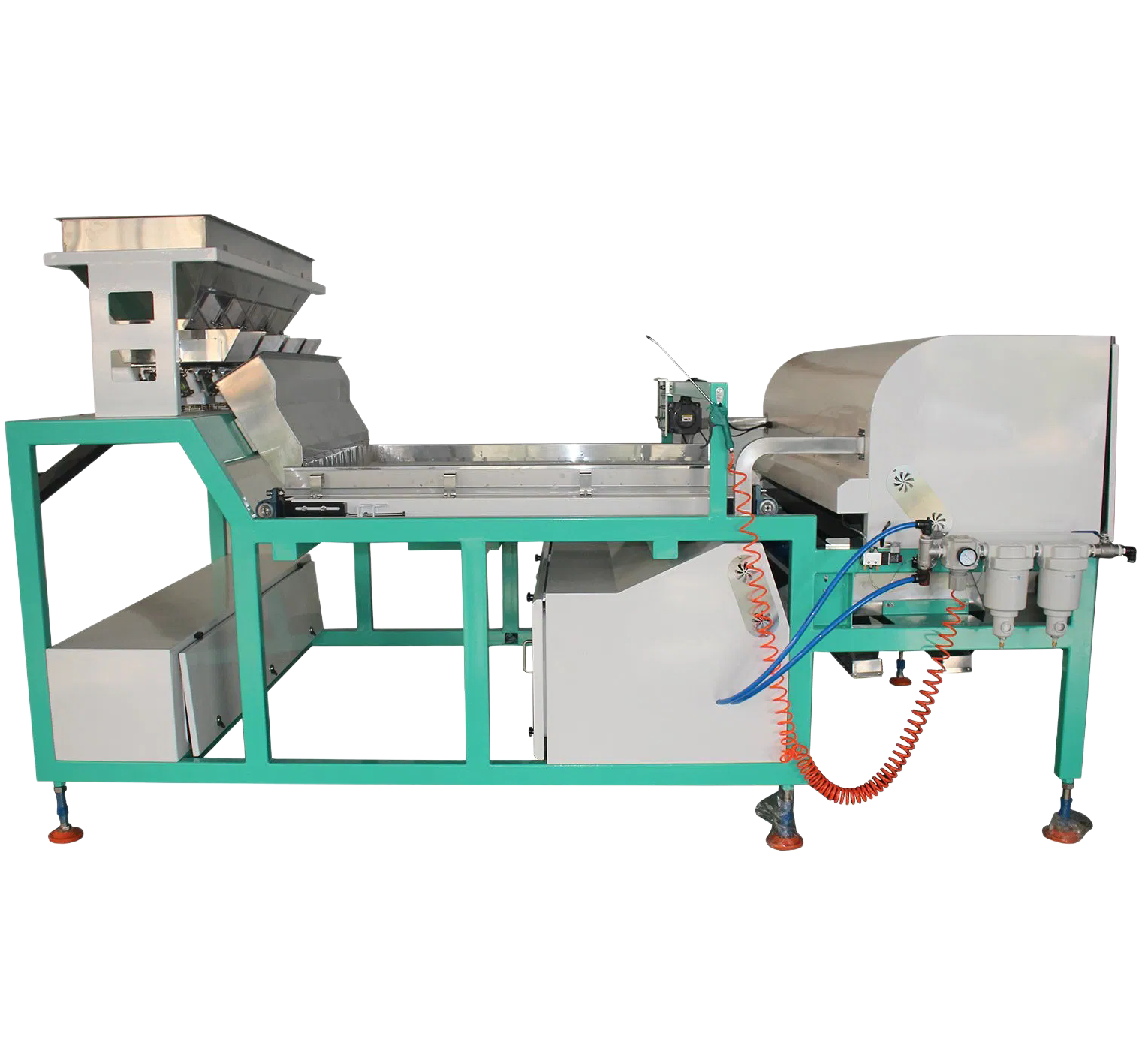
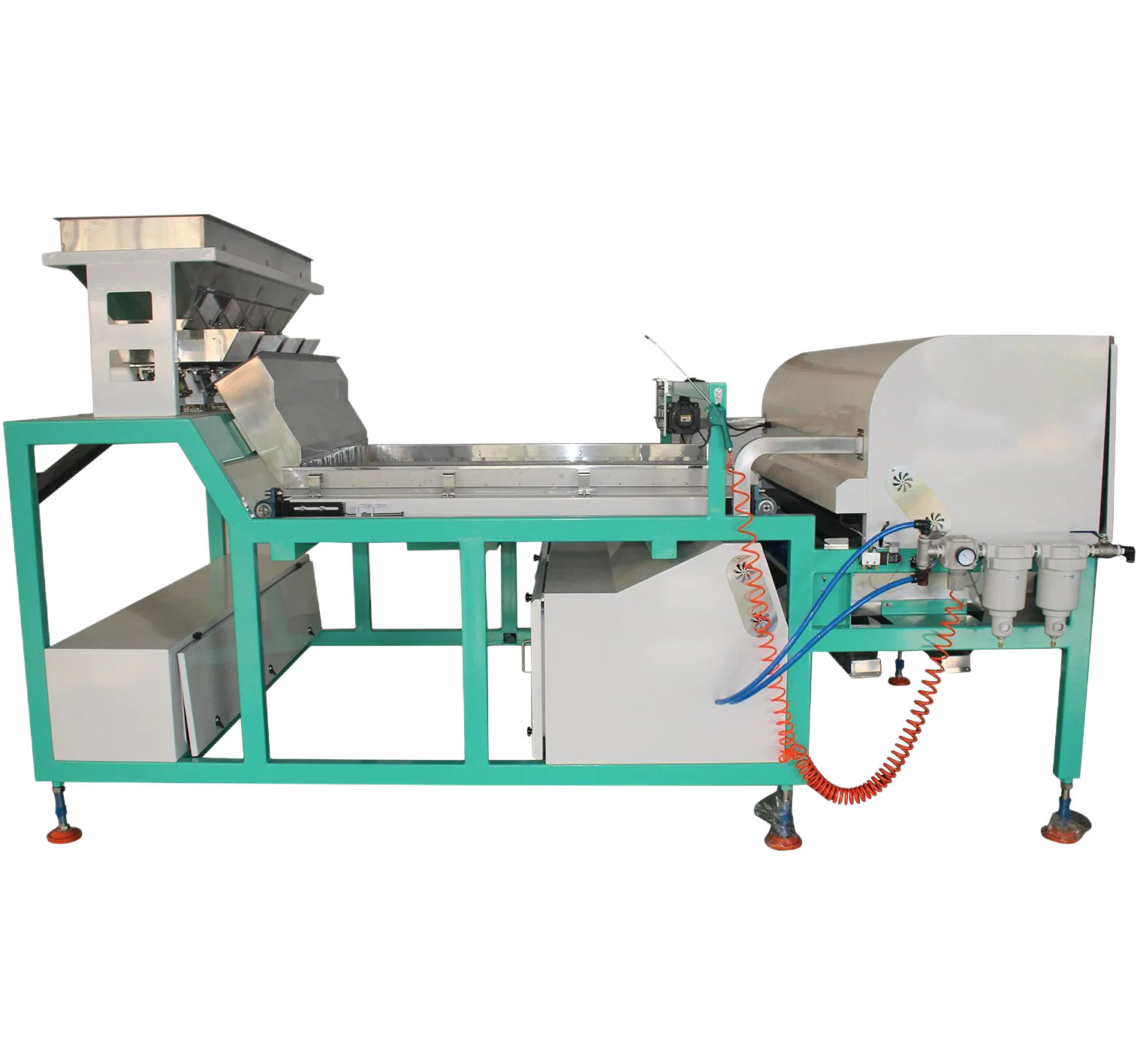
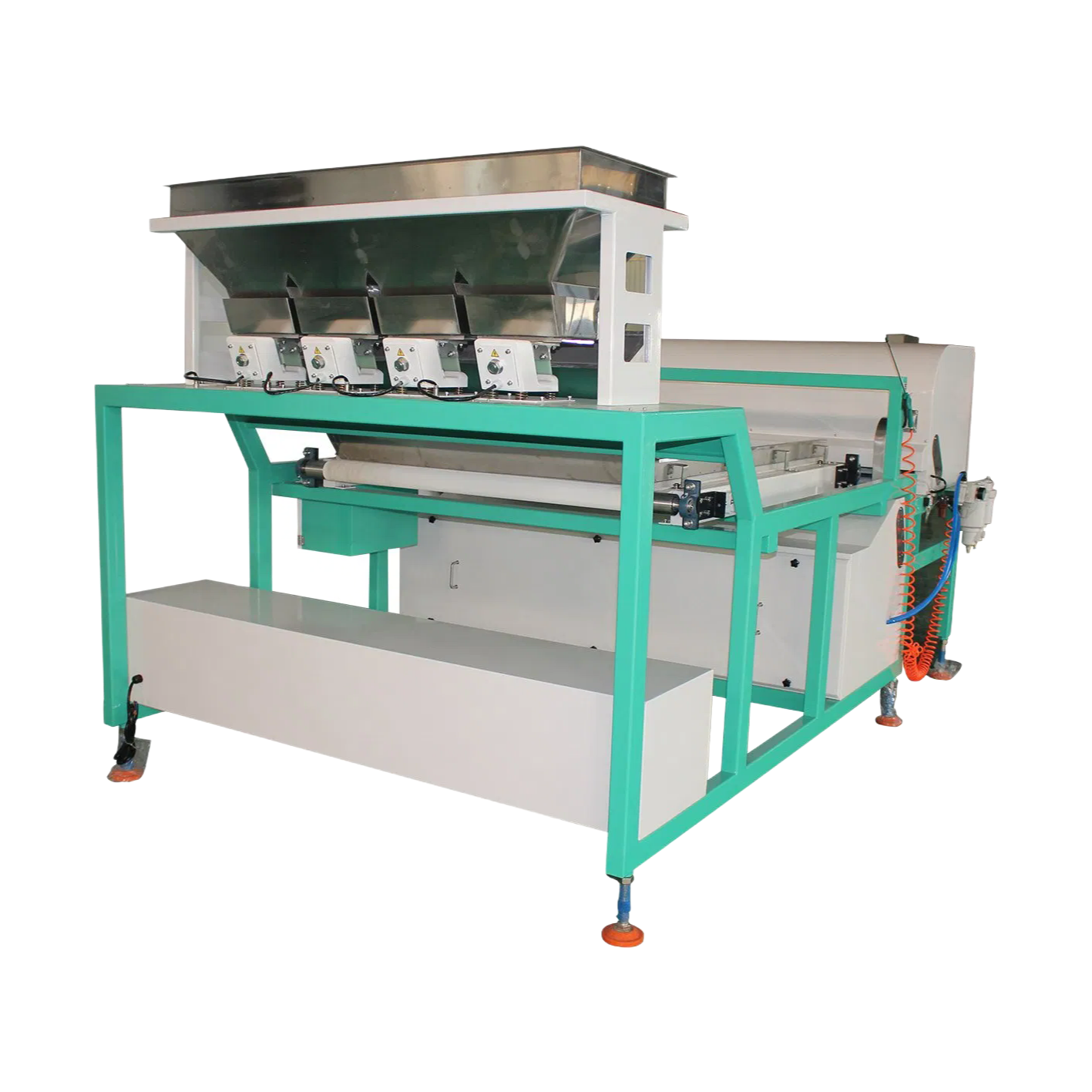
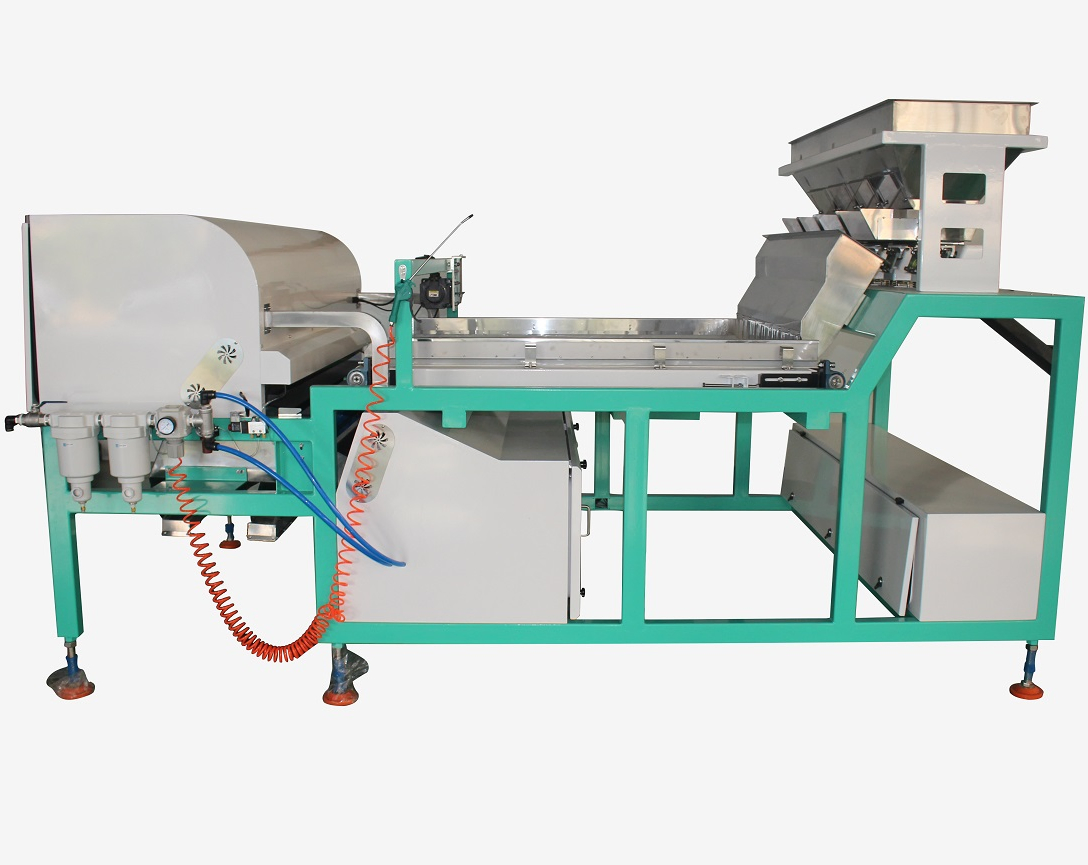
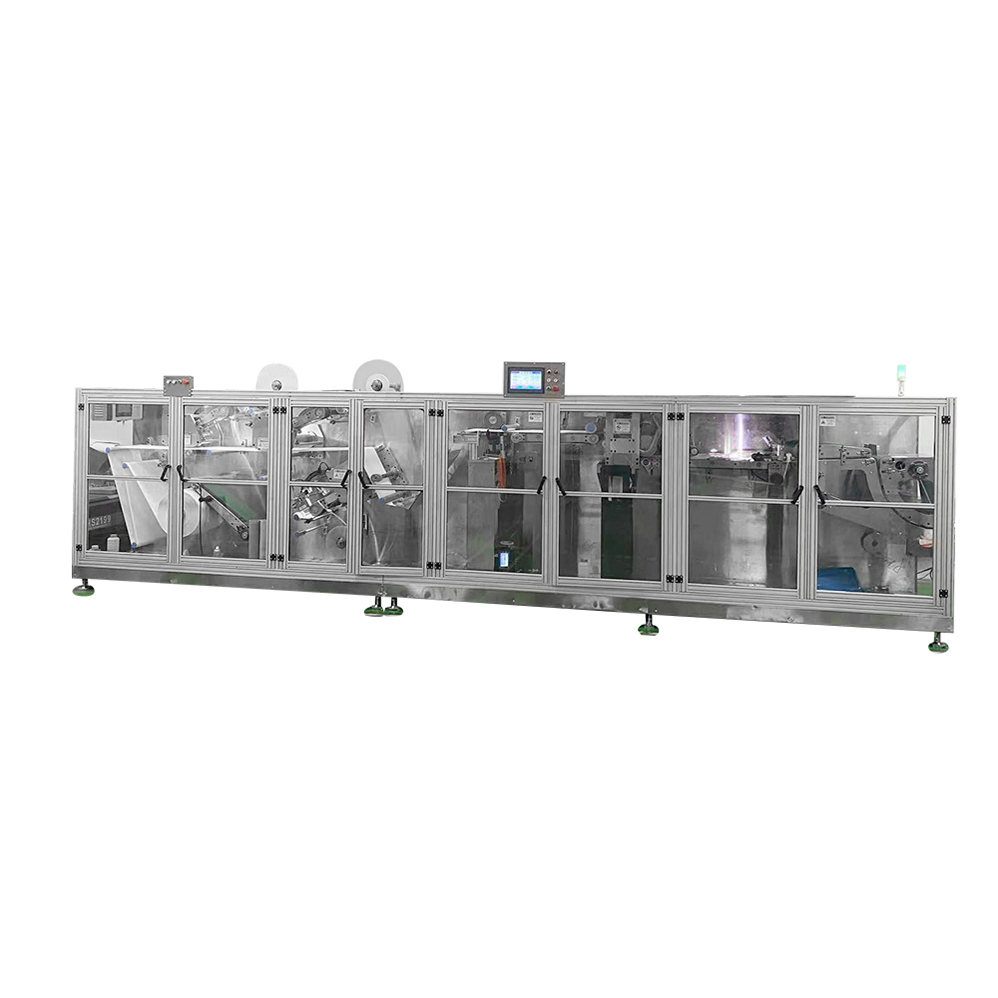
It's not a plug-and-play unit for every facility — you'll need to account for the 3180 by 1005 by 1760 millimeter footprint and ensure your line has AC220/50 power, which is standard in many setups but not universal.
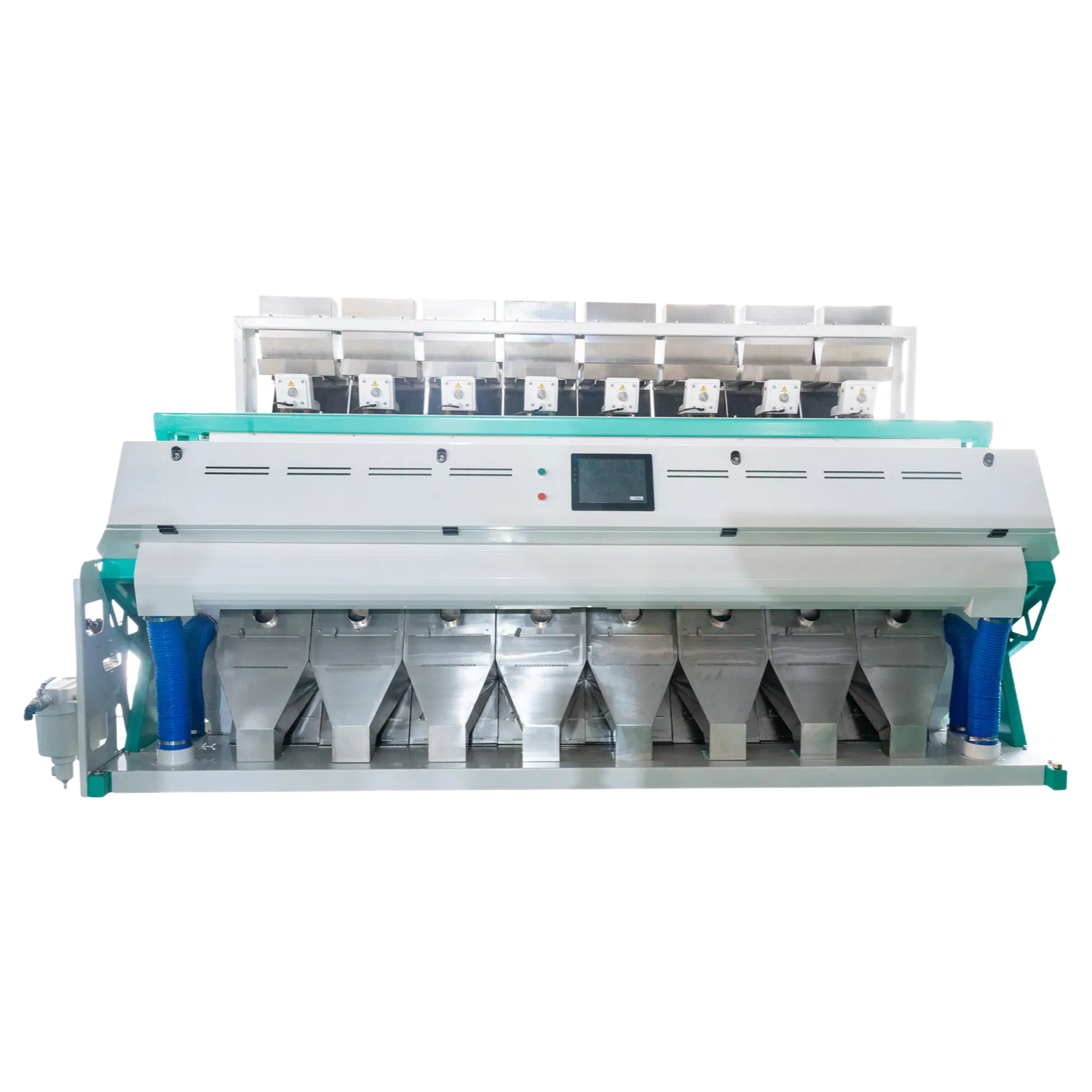
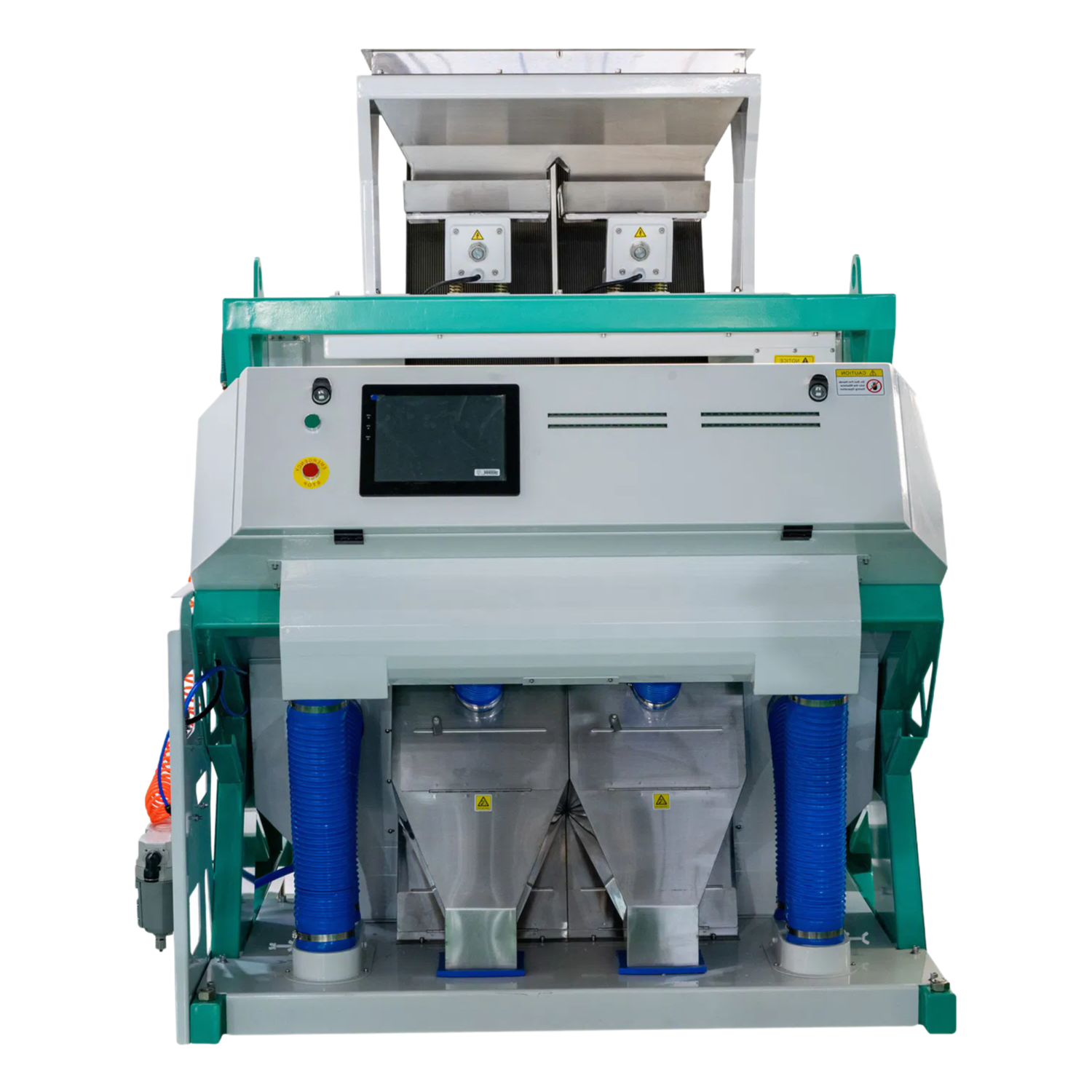
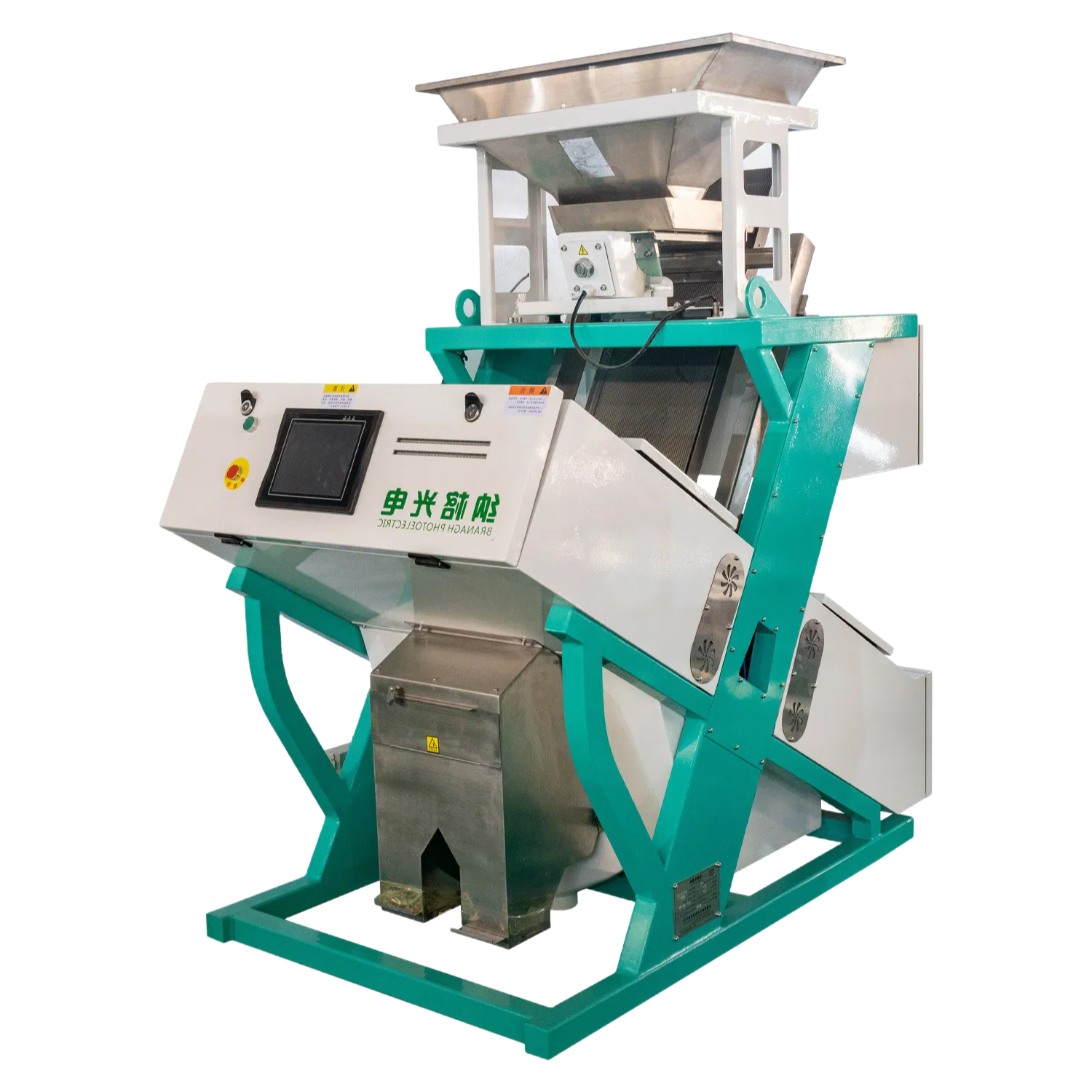
For bulk sorting of things like beans, corn, wheat, dehydrated vegetables, or even ore, what it does is use a confocal 2.0 optical path with CCD cameras and an InGaAs infrared system to spot defects down to 0.03 millimeters, and we've got teh FPGA processor handling the real-time decisions.
The sorting accuracy typically hits above 99.9 percent, which is better than many belt-type sorters we've seen for this price point, and the crawler structure keeps the flow steady — no jamming on irregular materials if you've got the feed calibrated right.
We usually ship with a COA and CE or GS cerification depending on your destination, but confirm lead time if you need ISO9001 documentation upfront (usually 2-4 weeks for that).
Also, the minimum identification spec is pretty tight at 0.03 mm, so it's not suited for very fine powders or dust-laden streams where the camera can't get a clear view through haze.
Origin is Anhui, China, and the model number is LD-300 — most orders go with the standdard belt-type channel configuration, though our company can tweak the vibratory feeder speed for different product densities.
Our standard MOQ is 1 unit for the LD-300 model, but we can discuss larger bulk orders if you need a volume discount.
The sorter carries GS, CE, and ISO9001 certifications, so it meets European and international quality and safety standards.
Yes, it can sort a wide range of granular materials, but we recommend testing a sample with our team first to confirm performance for your specific product.
Typical lead time is 15-20 working days for a single unit, and we can adjust based on order volume and current production schedule.
It comes in a plywood case with foam padding to prevent damage. Store it in a dry, indoor area at temperatures between -10°C and 50°C.
Very impressive overall experience with this bulk order. The logistics were handled exceptionally well; the shipment arrived ahead of schedule, which was a pleasant surprise given the size and complexity of the equipment. Every component was securely packaged with no signs of damage during transit. Vendor coordination for delivery was seamless and professional. Regarding quality, the construction of the sorter feels robust and premium. Initial inspections show precise machining and high-grade materials used throughout. The fit and finish are excellent, indicating careful manufacturing. As for service, the pre-sales communication was thorough and responsive. The support team provided clear documentation and was proactive in scheduling post-delivery check-ins. While I cannot comment on operational performance yet, the foundational aspects of logistics, apparent build quality, and attentive service have been outstanding. This gives strong confidence in the supplier’s reliability and the product’s integrity. A very smooth and professional transaction from start to finish.
Xcellent experience with the bulk order of the CCD optical sorter. The logistics process was remarkably smooth and efficient. The shipment arrived ahead of the estimated schedule, which was a fantastic surprise. Every component was meticulously packed, ensuring no damage during transit. The communication regarding shipping updates was consistent and clear, leaving no room for uncertainty. Regarding quality, the construction of the sorter is undeniably robust and professional. The materials used feel premium and durable, promising longevity in an industrial setting. The attention to detail in the assembly is immediately apparent. As for service, the support team was exceptionally responsive and knowledgeable. They provided comprehensive pre-delivery information and were readily available to answer initial logistical queries. The overall professionalism from order placement to receipt was impressive. This transaction sets a high standard for industrial equipment procurement, focusing on seamless execution from warehouse to workshop.
The delivery was incredibly fast and efficient. The packaging was secure and professional, ensuring the equipment arrived in perfect condition without any damage. I was impressed by the careful handling and timely updates provided throughout the shipping process. The quality of the sorter appears outstanding upon initial inspection. It feels robust and well-constructed, with attention to detail evident in every component. The materials used seem durable and high-grade, promising reliable performance in demanding industrial environments. Customer service has been exceptional from the very beginning. The support team was responsive, knowledgeable, and courteous, addressing all my inquiries promptly and thoroughly. They provided clear guidance and made the entire process smooth and hassle-free. Overall, this experience has been highly satisfactory, exceeding my expectations in terms of logistics, product integrity, and professional assistance. I look forward to seeing the sorter in action and would certainly consider future purchases based on this positive interaction. The commitment to excellence demonstrated by the company is commendable and greatly appreciated.
Fantastic experience overall. The delivery was incredibly prompt, arriving well ahead of the estimated schedule. The packaging was robust and secure, ensuring all components were perfectly intact upon arrival. Regarding quality, the construction feels exceptionally solid and premium, exactly as advertised. The materials used appear to be top-grade and durable. Customer service was outstanding; the support team was responsive, knowledgeable, and went above and beyond to answer all pre-delivery inquiries efficiently. Communication was clear and professional throughout the entire process. This level of attention to logistics, product integrity, and support makes the purchasing process seamless and highly satisfactory. I am thoroughly impressed and would not hesitate to recommend this supplier based on these aspects alone.
Prompt delivery was a major highlight of this purchase. The logistics team handled everything exceptionally well, from initial dispatch to final arrival. Communication throughout the shipping process was clear and consistent, providing timely updates that made tracking the order straightforward. The packaging was robust and secure, ensuring all components arrived in perfect condition without any signs of damage during transit. This attention to detail in logistics reflects a high level of professionalism and care. Regarding quality, the construction and materials used appear to be of a superior standard, promising durability and reliable performance. The initial inspection revealed precise engineering and solid assembly. Customer service interactions have been equally impressive, with representatives being knowledgeable, responsive, and genuinely helpful in addressing pre-delivery inquiries. They provided clear information and assisted efficiently, making the entire procurement process smooth and hassle-free. Overall, the combination of efficient logistics, apparent high quality, and excellent service support makes this a very satisfactory procurement experience. The supplier has demonstrated commendable reliability and customer focus, which is crucial for bulk industrial equipment orders. Every aspect of the transaction, from ordering to receipt, was managed competently and professionally.
The delivery was exceptionally fast and well-organized. T Tracking updates were precise and frequent, which made planning for the arrival very straightforward. The packaging was robust and secure, ensuring that all components arrived in perfect condition without any signs of damage. Regarding quality, the construction feels solid and durable, exactly as described. The service provided by the team was outstanding; they were responsive and helpful throughout the entire process, answering all inquiries promptly and professionally. Overall, a very satisfactory experience from start to finish, with no issues encountered. I would certainly consider ordering from them again in the future based on this positive interaction.
Fantastic experience overall! The delivery was incredibly prompt and well-organized. Everything arrived exactly as scheduled, with clear communication throughout the entire shipping process. The packaging was exceptionally secure, ensuring all components were protected during transit. Regarding the equipment itself, the build quality appears outstanding and precisely as described. The materials feel robust and durable, suitable for demanding industrial environments. Customer service has been exemplary from the initial inquiry to post-delivery follow-up. The support team was responsive, knowledgeable, and genuinely helpful, addressing all preliminary questions efficiently. This level of professional service and attention to logistical detail provides great confidence in the supplier. While I cannot comment on the operational performance or technical specifications at this stage, the foundational aspects of logistics, perceived quality, and service support have been thoroughly impressive and meet high professional standards. The entire process was seamless and instills trust for future business engagements. A very satisfactory procurement experience from start to finish.
Rapid delivery was the first thing that impressed me. The logistics were handled flawlessly, with clear tracking updates and a perfectly on-schedule arrival. The packaging was exceptionally robust, ensuring every component of the sorter arrived in pristine condition without a single scratch. Regarding quality, the build of the machine is immediately apparent; it feels solid, premium, and engineered for heavy-duty industrial use. The materials used are top-notch, and the overall craftsmanship is outstanding. Customer service deserves special mention. The support team was proactive, courteous, and incredibly knowledgeable. They answered all pre-delivery queries promptly and provided excellent post-delivery support to confirm everything was in order. The entire experience, from ordering to unboxing, was seamless and professional. This level of service and attention to detail in logistics and quality assurance is truly commendable and sets a very high standard.
My experience with this bulk order was marked by exceptional logistics management. The entire shipment arrived ahead of schedule, which was a pleasant surprise given the size and complexity of the order. Each unit was securely packaged with professional-grade materials, and there was no sign of damage despite the long transit distance. The communication from the logistics team was proactive and clear, providing regular updates and precise delivery windows. This level of logistical precision for industrial equipment is commendable and significantly reduced our project downtime. The quality of the sorting equipment, upon initial inspection, appears robust and well-manufactured. The build quality feels substantial, and the components look to be of high-grade material. While we have not yet commenced full operational testing, the outward craftsmanship and attention to detail in the assembly are immediately apparent and inspire confidence. The service provided throughout the procurement process was outstanding. The sales and support teams were highly responsive, patient with our numerous queries regarding specifications and compatibility, and provided thorough documentation in a timely manner. Their professionalism and willingness to assist made a complex bulk purchase feel straightforward and well-managed. Overall, this transaction was handled with impressive efficiency and care.
Xcellent experience with the delivery speed. The logistics were handled professionally, with clear communication at every stage. Tracking was accurate and timely. The packaging was robust and secure, ensuring the equipment arrived in perfect condition. The quality of the machine is immediately apparent; the build feels solid and premium. Customer service was responsive and helpful, answering all pre-delivery queries promptly. Overall, a very smooth transaction from order to arrival. The attention to detail in shipping and the evident care taken with packaging reflect well on the company. I am confident in the durability and performance of the sorter based on this initial impression. The entire process was efficient and hassle-free.