Account
Inquiry
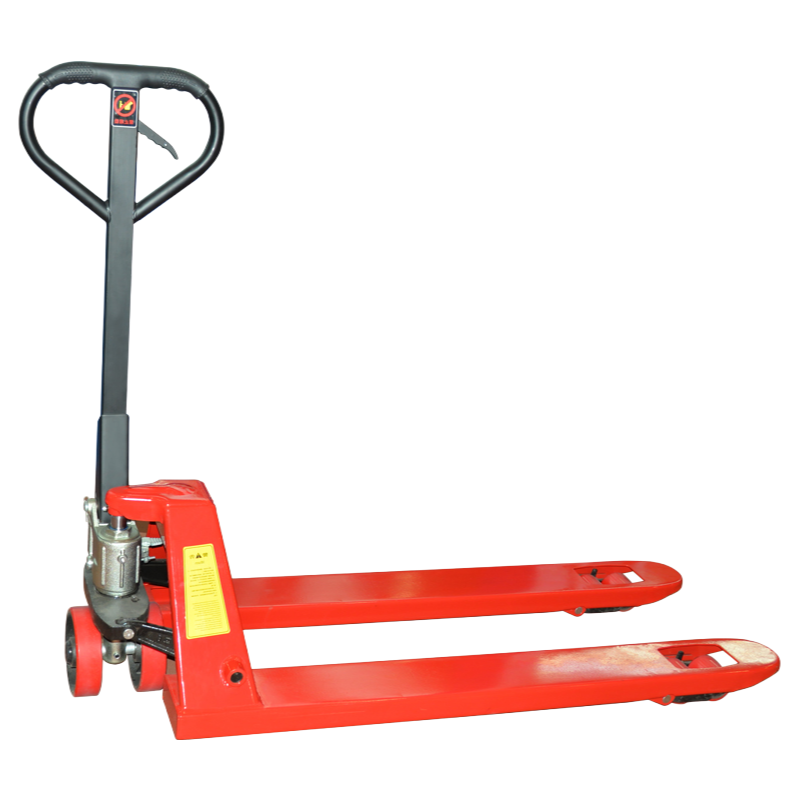
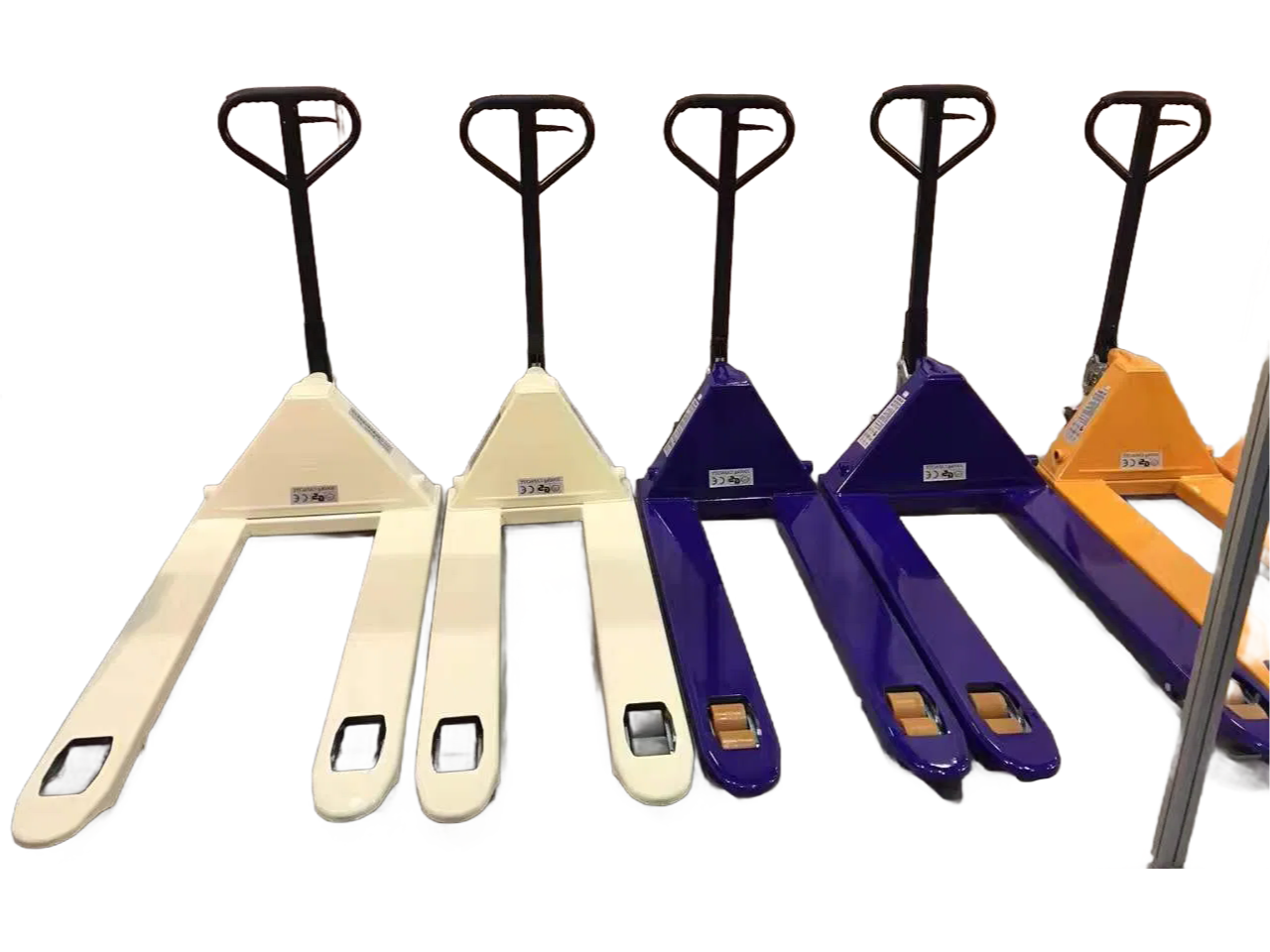
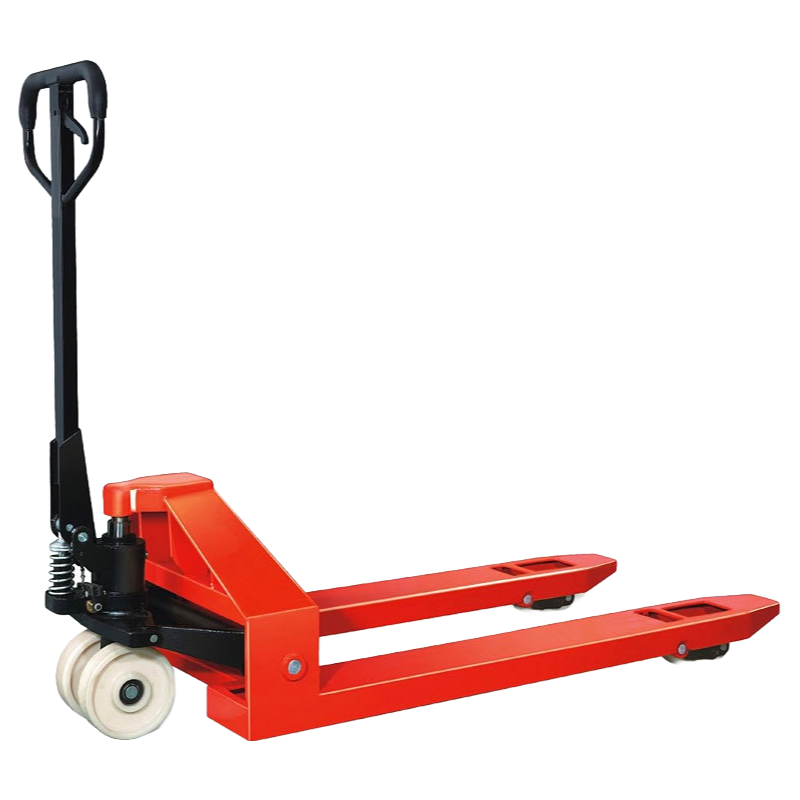
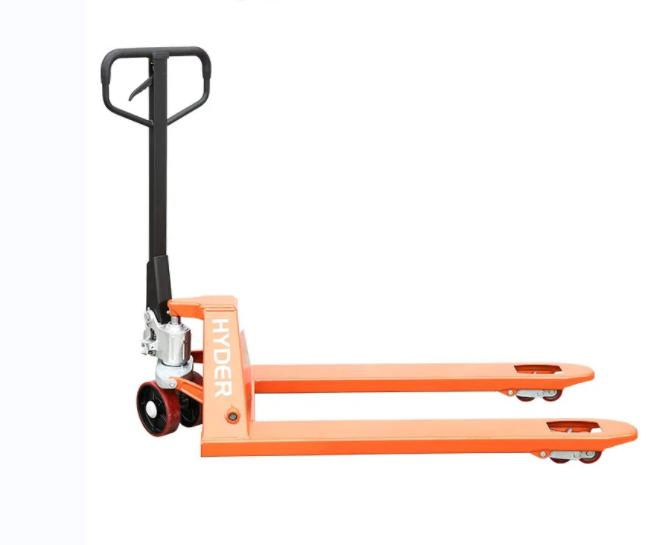
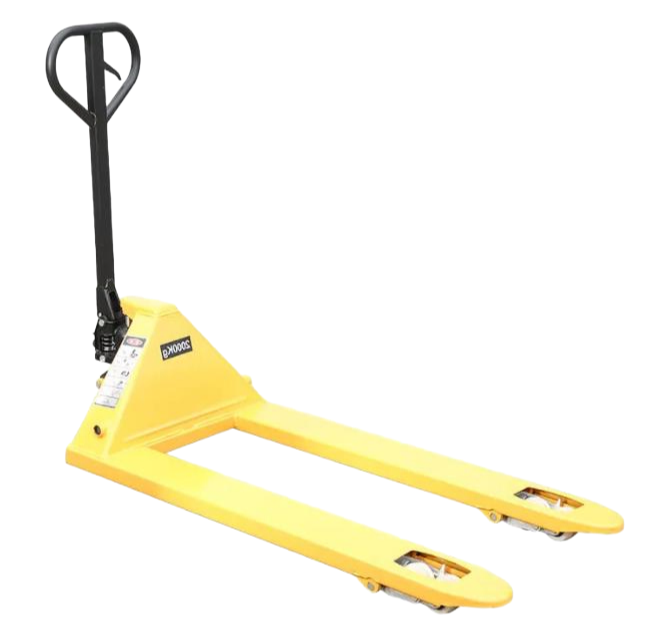
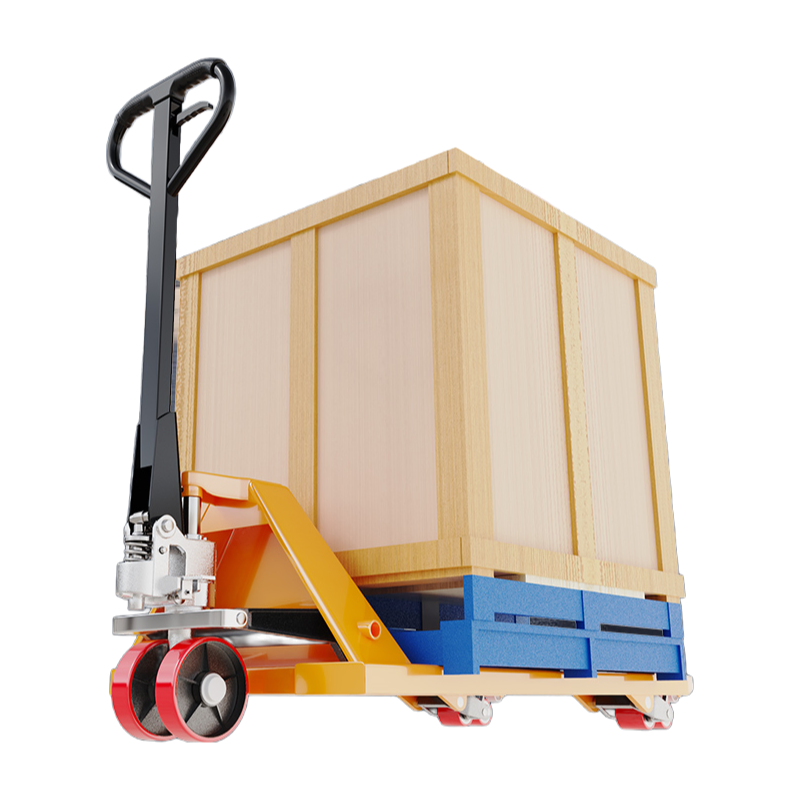
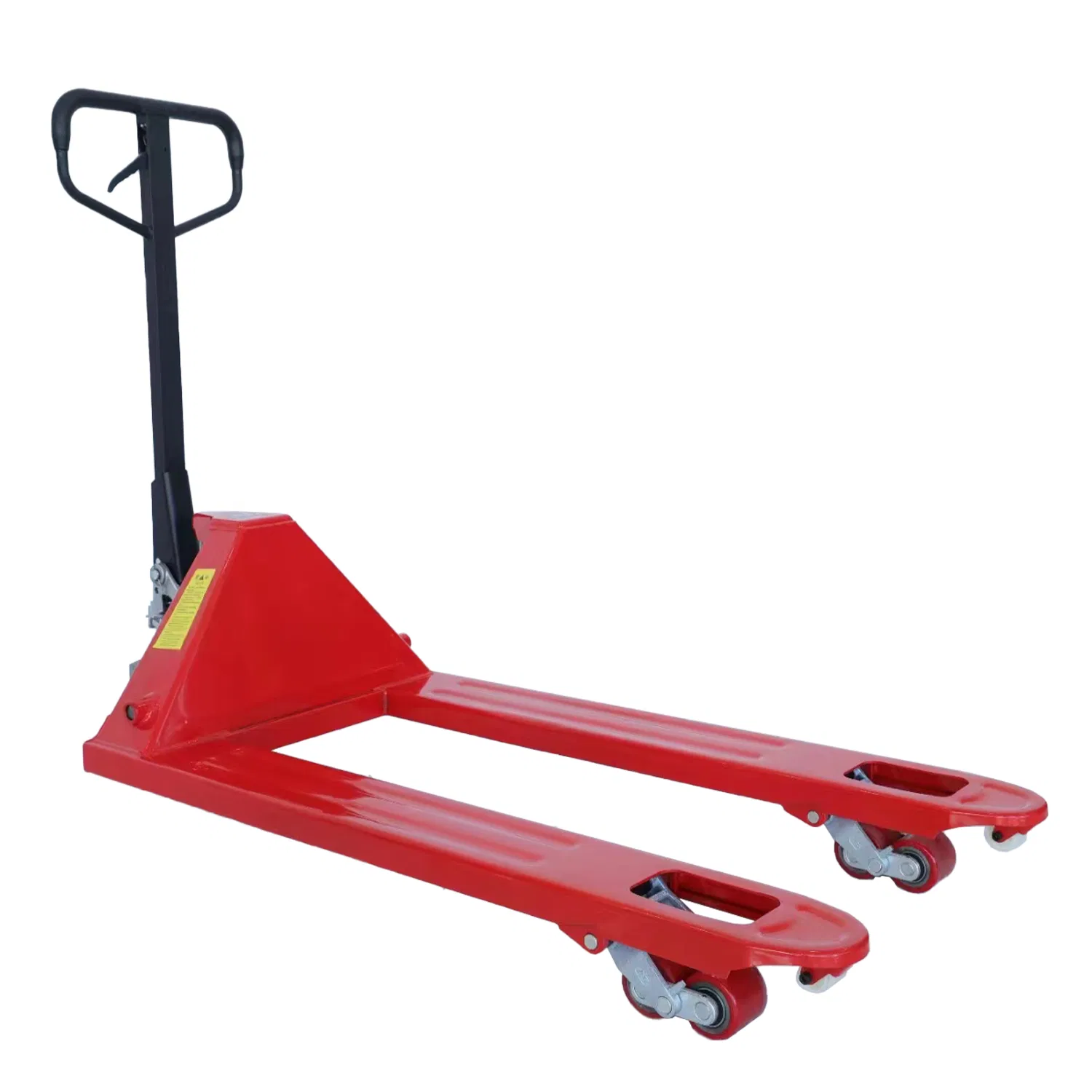
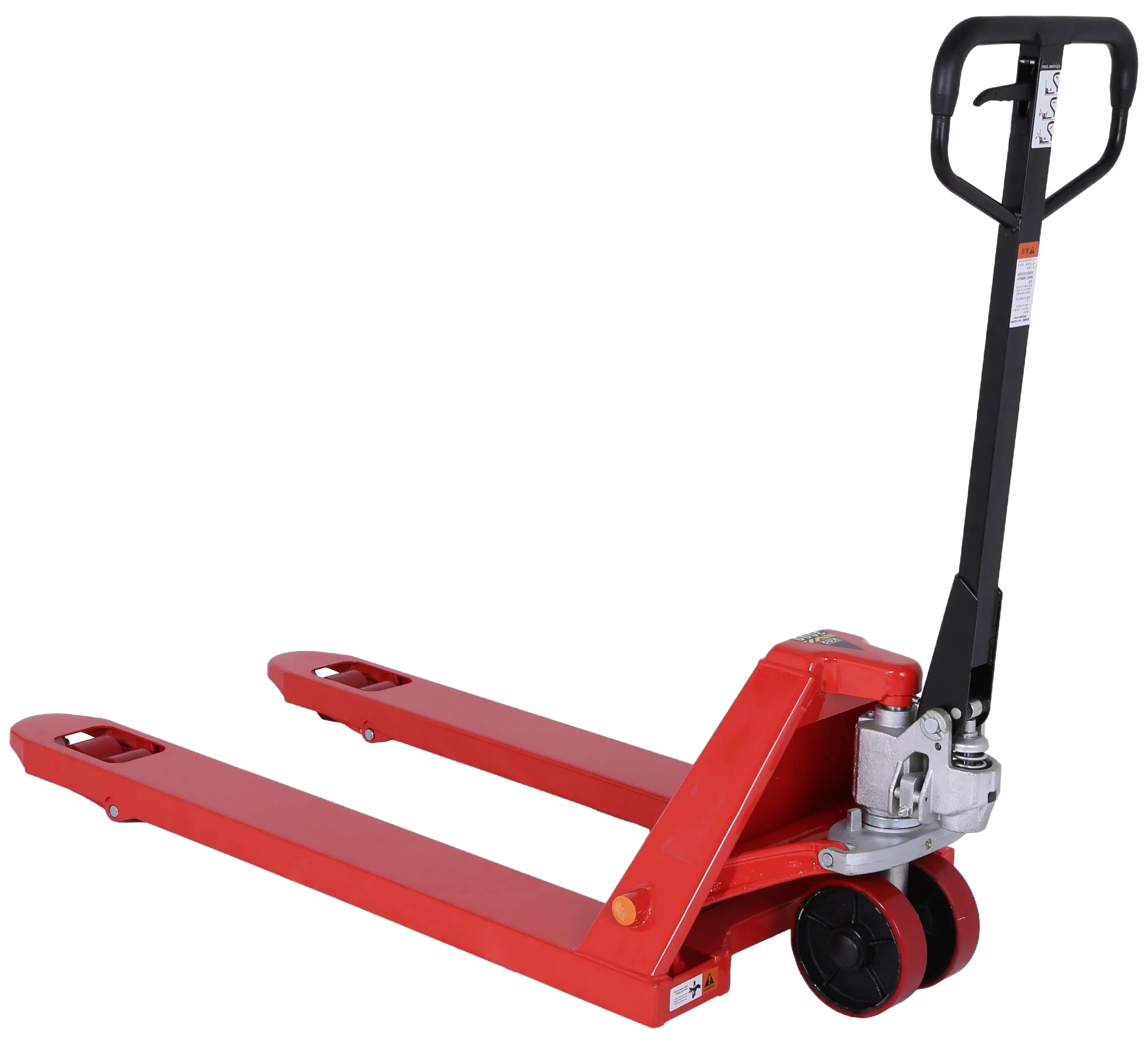
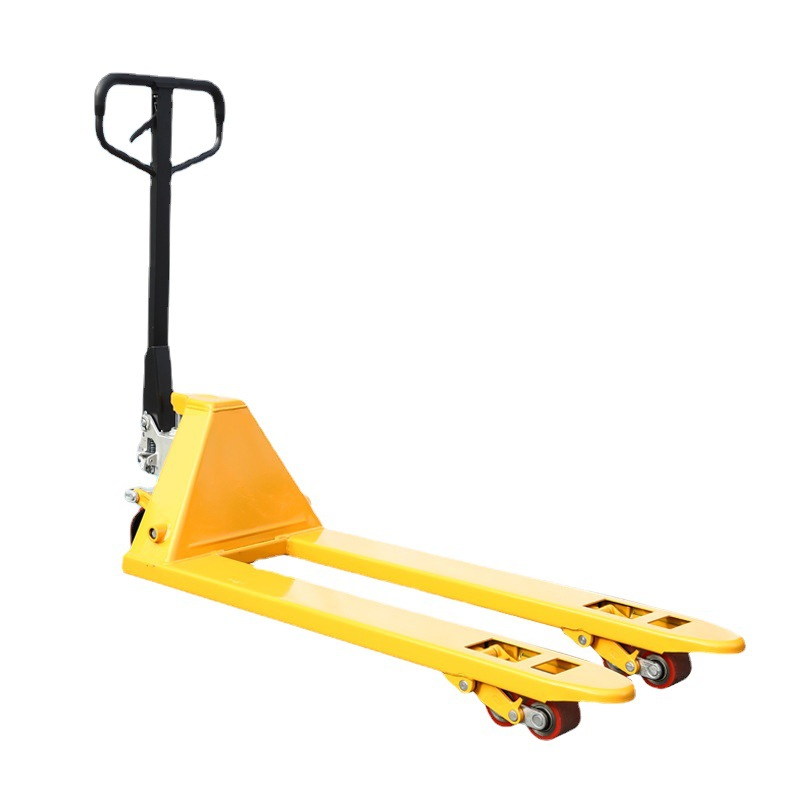
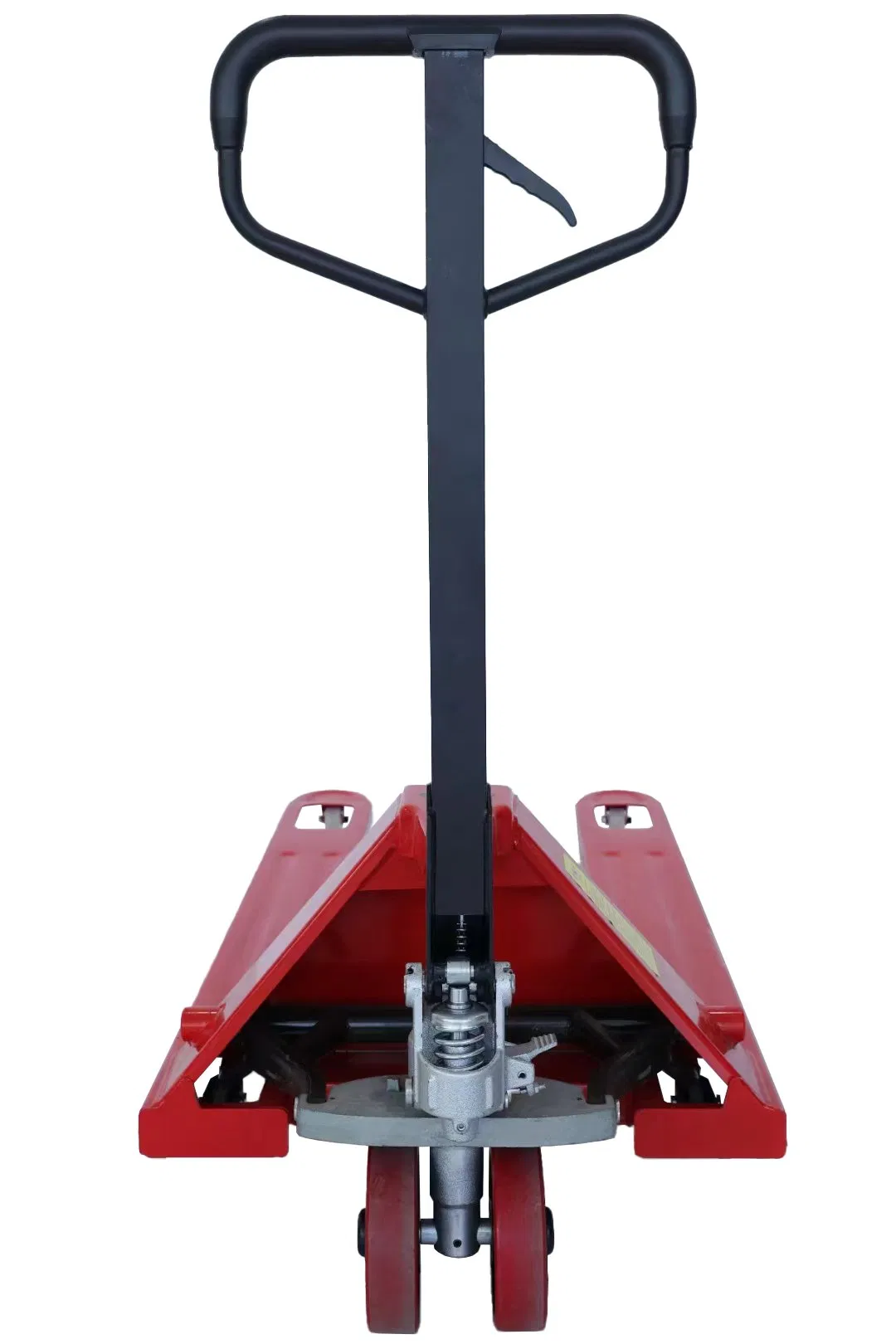
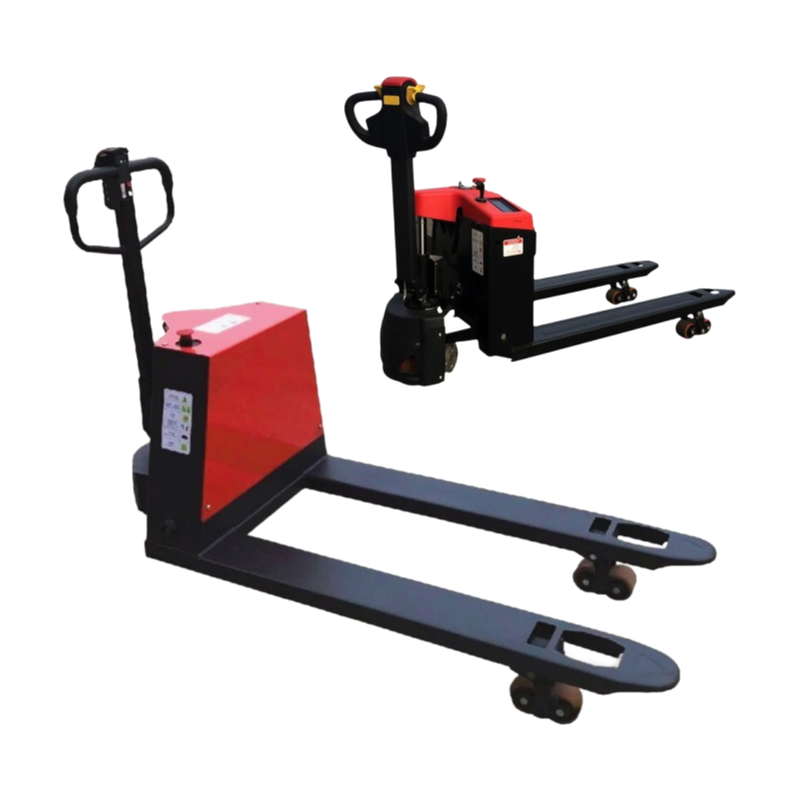
Warhouse crews moving pallets of bagged cement or steel stampings will hit the 2-ton limit pretty regularly on this unit, and the reinforced steel chassis with 3.75mm thickness handles that without flexing. 2. Teh cast-iron integrated pump is what does the heavy lifting here — it's smoother than the pressed-steel pumps you see on cheaper models, and the 3-position control lever lets you drop the forks gradually instead of slamming them down (usually saves wear on the cylinder seals). 3. Nylon wheels are virtually silent on concrete floors but they'll slip on wet surfaces, so keep that in mind if your loading dock's exposed to rain (moisture and nylon don't get along — stick with polyurethane for outdoor use if you can). 4. Fork lengths come in either 1150mm or 1200mm, both with a lift range of maybe 85 to 195mm, and whole thing runs about 73 to 130kg depending on which wheel setup you've chosen; CE, GS, and TUV certs come standard so customs clearance is typically straightforward. 5. Most buyers ordering in lots of 50 or so form the HG-AC series go with the 685mm fork width because of that it handles euro pallets better, but the 550mm works fine for standdard US pallets — basically whichever matches your existing racking.
We can do a single unit for sample orders, but standard MOQ is 10 pieces per model to keep freight costs reasonable.
Yes, all three certifications are included with every order — we send digital copies upfront and hard copies in the packing box.
Those are the standard lengths and widths available — 1150mm or 1200mm fork length, and 550mm or 685mm fork width. You choose the combination when ordering; they're not adjustable after production.
Typically 25-30 days from deposit confirmation, since we build them in batches. Rush orders can be done in 15 days if stock is available.
Keep it in a dry indoor area, ideally with the forks fully lowered and the hydraulic release valve closed. Nylon wheels don't flat-spot, but avoid leaving it in direct sun or wet concrete for long periods.
Smooth and efficient delivery process was the first thing I noticed. The shipping was prompt, and the tracking information provided was accurate and updated regularly, allowing me to plan for the arrival. The item arrived well-packaged and undamaged, which is always a relief with heavy industrial equipment. Upon unboxing, the build quality immediately stood out. The steel frame feels incredibly robust and substantial, exactly as advertised for a 2-ton capacity. The welds are clean, and the finish is uniform, showing good attention to manufacturing detail. The hydraulic pump operated smoothly right out of the box with no leaks, and the nylon wheels roll effortlessly on our concrete warehouse floor without marking it. The overall construction inspires confidence for daily material handling tasks. Customer service deserves a special mention. I had a question about the specifications before ordering, and the response was not only quick but also thorough and helpful, demonstrating real product knowledge. This level of service made the purchasing decision much easier. Post-purchase, the communication remained clear. Overall, from the seamless logistics to the apparent durability of the product and the supportive service, this has been a very satisfactory acquisition for our operations. It performs exactly as needed for moving palletized loads reliably.
Fantastic experience from start to finish. The shipping was incredibly fast and efficient, arriving well ahead of the estimated delivery window. The packaging was robust and secure, ensuring the product arrived in perfect condition without a single scratch or dent. Regarding quality, the construction feels exceptionally solid and durable. The steel frame is heavy-duty, and the hydraulic mechanism operates very smoothly with no signs of leakage or weakness. The nylon wheels roll effortlessly, even on the concrete floor of our warehouse, and they seem like they will hold up very well over time. The overall finish and assembly are top-notch, reflecting good manufacturing standards. Customer service was also outstanding. I had a question about the product specifications before ordering, and the response was prompt, polite, and thoroughly helpful. After delivery, a follow-up email ensured everything was satisfactory, which was a nice touch. The entire process felt seamless and professional. This pallet jack appears to be a reliable and well-made piece of equipment that should serve our material handling needs perfectly for years to come. I am thoroughly impressed and would not hesitate to recommend this seller and product based on this excellent all-around experience.
Rapid delivery and excellent packaging. The pallet jack arrived ahead of schedule, which was a fantastic surprise. The item was very securely packaged, with no signs of damage during transit. The build quality feels robust and solid, exactly as described for industrial use. The nylon wheels roll smoothly on our warehouse floor. Customer service was responsive and polite when I had a pre-sale questions. Overall, a very positive experience from order to delivery. Highly satisfactory.
Fantastic experience overall. The shipping was incredibly fast, arriving well before the estimated delivery date. Everything was packaged securely with no signs of damage during transit. The build quality of the pallet jack is immediately apparent; it feels solid, robust, and very well-constructed. The steel frame is substantial, and the hydraulic pump operates with a smooth, consistent action. The nylon wheels roll effortlessly, even on the concrete floor of our warehouse. Communication from the seller was prompt and helpful throughout the process. They provided clear tracking information and followed up to ensure the product arrived satisfactorily. This level of service is commendable and makes a significant difference. The item itself matches the description perfectly. It was easy to assemble out of the crate with basic tools, and it has performed flawlessly during initial use in our logistics operation. It handles the rated load capacity with ease and stability. The value for money is excellent considering the durability and features offered. I am thoroughly impressed and would not hesitate to recommend this product and this seller to others in need of reliable material handling equipment. The combination of swift logistics, superior product quality, and outstanding customer service makes this a five-star purchase.
Delivery was impressively fast and the packaging was very secure. The pallet jack arrived exactly as described, with no damage or missing parts. The build quality feels robust and sturdy, exactly what I needed for daily warehouse use. The hydraulic system operates smoothly, and the nylon wheels roll easily even on our concrete floors. Customer service was responsive when I had a pre-purchase question. Overall, a great piece of equipment that seems built to last. Very satisfied with this purchase from start to finish.
My experience with the shipping for this pallet jack was remarkably fast and efficient. The tracking information was consistently updated, and the item arrived well ahead of the estimated delivery schedule. The packaging was exceptionally robust, with no signs of damage whatsoever, which clearly indicates the seller takes great care in preparing items for transit. Regarding the product itself, the build quality is immediately impressive. The steel frame feels incredibly solid and durable, exactly as described. The hydraulic pump operates with a smooth and consistent action, showing no signs of weakness or hesitation even under a decent load during initial testing. The nylon wheels roll effortlessly across our concrete warehouse floor without marking it, which was a key requirement for us. The overall finish and attention to detail in the construction are top-notch. Customer service deserves special mention. I had a pre-sales question about specifications, and the response was not only prompt but also thorough and helpful, demonstrating genuine knowledge of the product. This level of service provides significant confidence in the purchase. Overall, from the seamless logistics to the outstanding material quality and supportive service, this transaction has been completely satisfactory. This pallet jack appears to be a reliable and well-made piece of equipment that should serve our material handling needs excellently for years to come.
Hats off to the entire team for a flawless experience from start to finish. The delivery was remarkably swift, arriving well ahead of the estimated schedule, which was a pleasant surprise. The packaging was exceptionally secure, demonstrating a clear commitment to ensuring the product arrives in perfect condition. Upon unboxing, the build quality of the pallet jack immediately stood out. The steel construction feels incredibly robust and substantial, instilling immediate confidence in its 2-ton capacity. The welds are clean and precise, and the hydraulic system operates with a smooth, consistent lift. The nylon wheels roll effortlessly, even on the slightly uneven concrete floor of our warehouse, without any of the sticking or squeaking we’ve experienced with other models. Furthermore, the customer service was exemplary. I had a minor question regarding the initial lubrication, and the support representative was not only knowledgeable but also proactive and courteous, providing clear instructions that went above and beyond. This combination of rapid logistics, superior manufacturing quality, and outstanding support makes this purchase highly commendable. It’s a reliable piece of equipment that has already proven its worth in our daily operations.
Zippy delivery was the first thing that impressed me. The shipment arrived ahead of the projected schedule, which was a fantastic start. The packaging was exceptionally robust and secure, ensuring the product was completely protected during transit. There was no sign of damage whatsoever, a testament to careful handling. Regarding the item itself, the build quality is immediately apparent. It feels solid, substantial, and precisely engineered. The steel frame is remarkably sturdy, and the hydraulic mechanism operates with a smooth, consistent action. The nylon wheels roll effortlessly, even on the concrete floor of my workspace, and show no signs of wear after initial use. The overall finish and attention to detail in the construction are commendable. Customer service deserves a special mention. I had a pre-sales inquiry about specifications, and the response was not only prompt but also thorough and genuinely helpful, guiding me to the correct model for my needs. The post-purchase communication was equally efficient, with clear tracking information provided. This combination of rapid logistics, superior manufacturing, and attentive, professional support makes for an outstanding purchasing experience. It’s clear that this company prioritizes customer satisfaction at every stage, from order placement to the product arriving at your dock. Highly recommended for anyone seeking reliable and high-performance warehouse equipment.
Xceptional delivery speed and careful handling marked my experience with this order. The pallet jack arrived ahead of schedule, which was a fantastic surprise. Packaging was robust and secure, showing clear attention to preventing transit damage. Regarding the product itself, the build quality feels immediately solid and reliable; the steel components have a substantial heft and finish that inspires confidence for industrial use. The service aspect was equally commendable. Communication was clear and proactive, providing timely updates. While I have not yet put the equipment into operational use to comment on performance parameters, the initial unboxing and inspection leave me thoroughly impressed. The overall process from purchase to delivery was seamless and professional. This transaction sets a high standard for online procurement of warehouse equipment, focusing perfectly on the core aspects of logistics, product integrity, and customer support.