Account
Inquiry
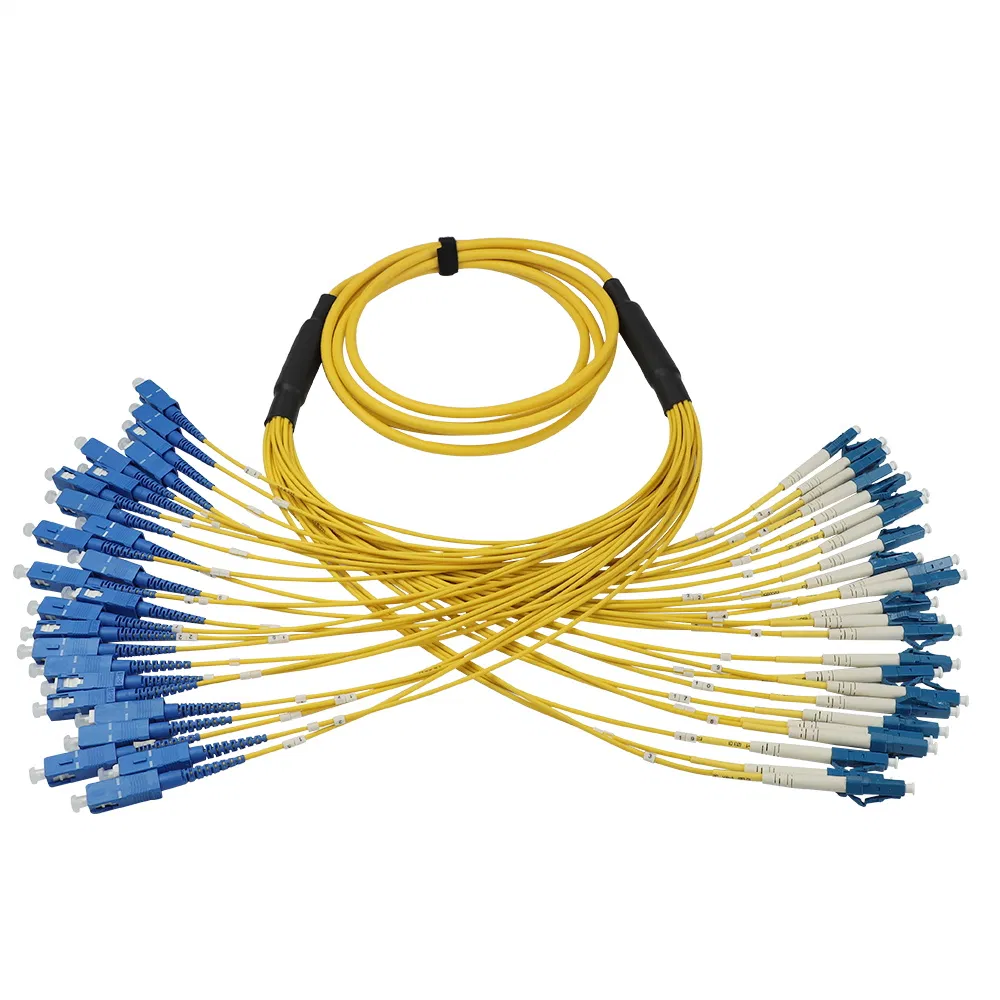
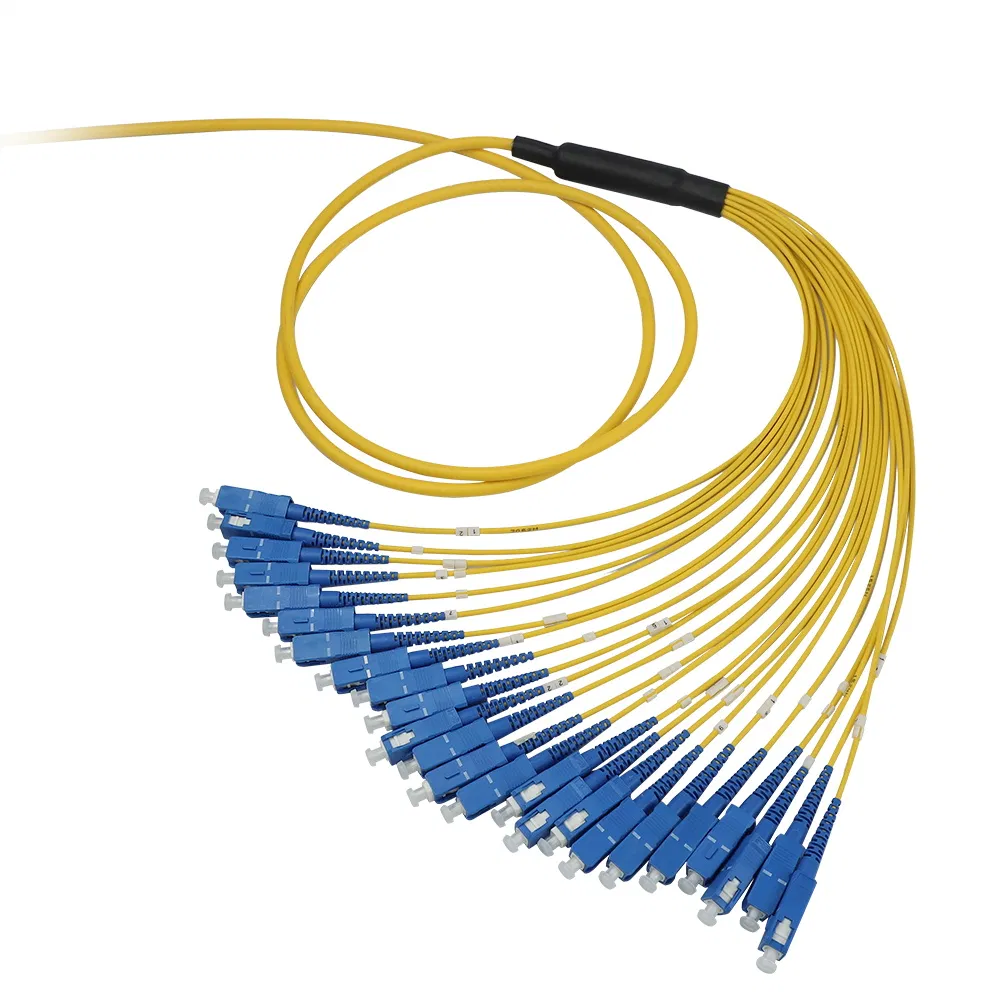
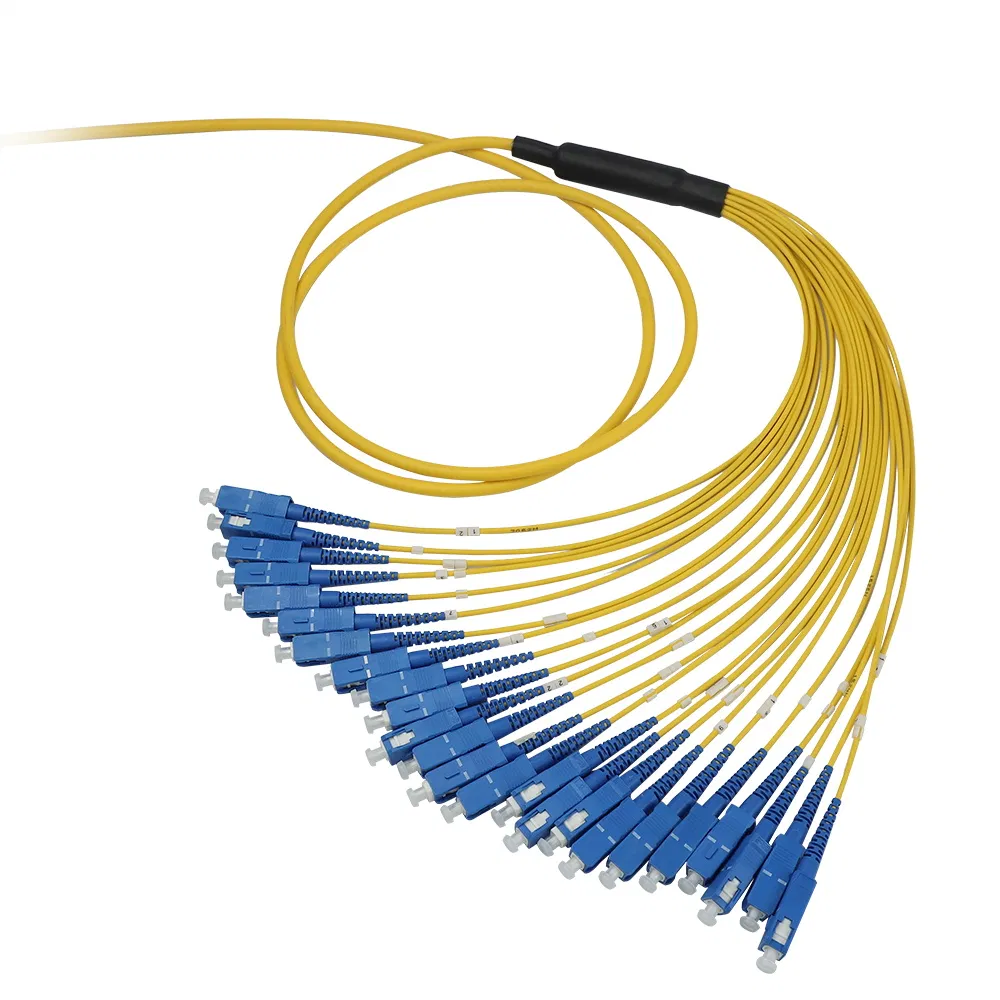
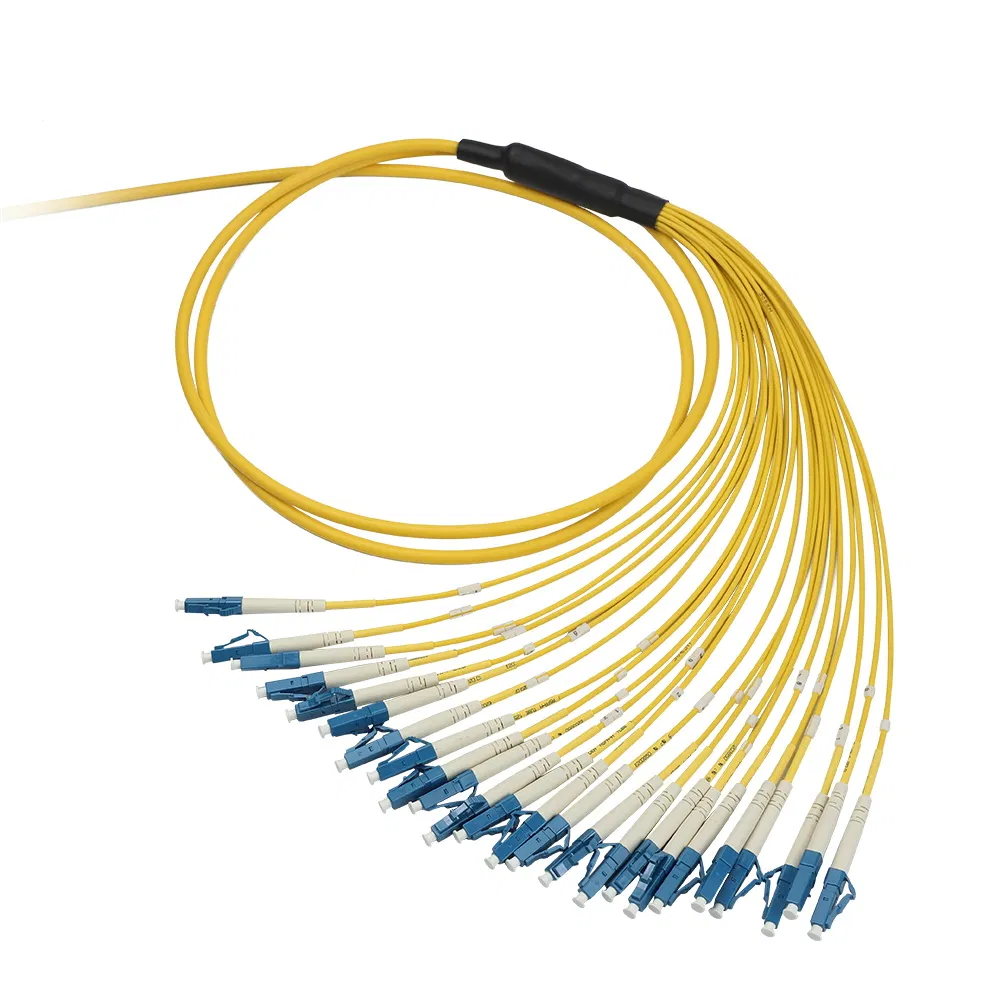
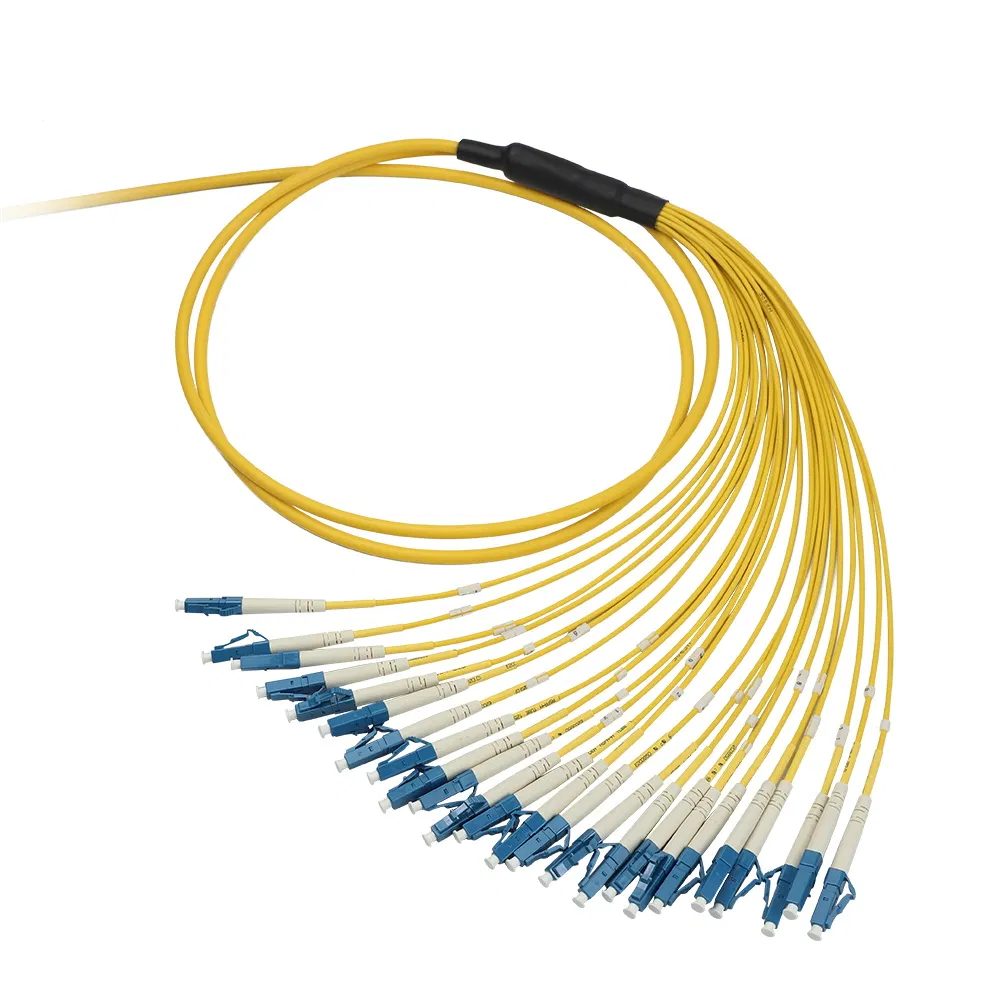
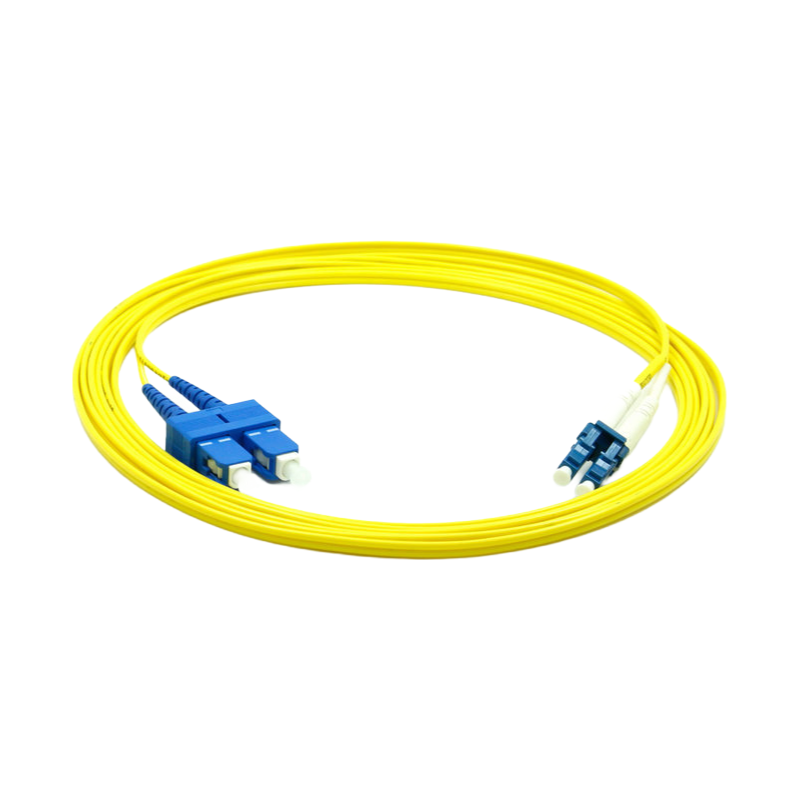
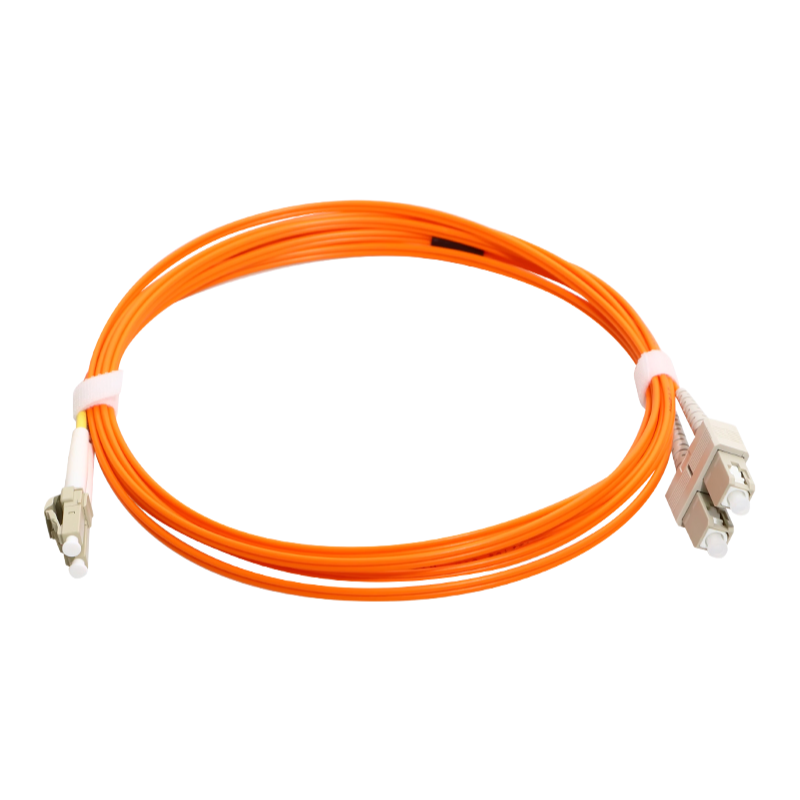
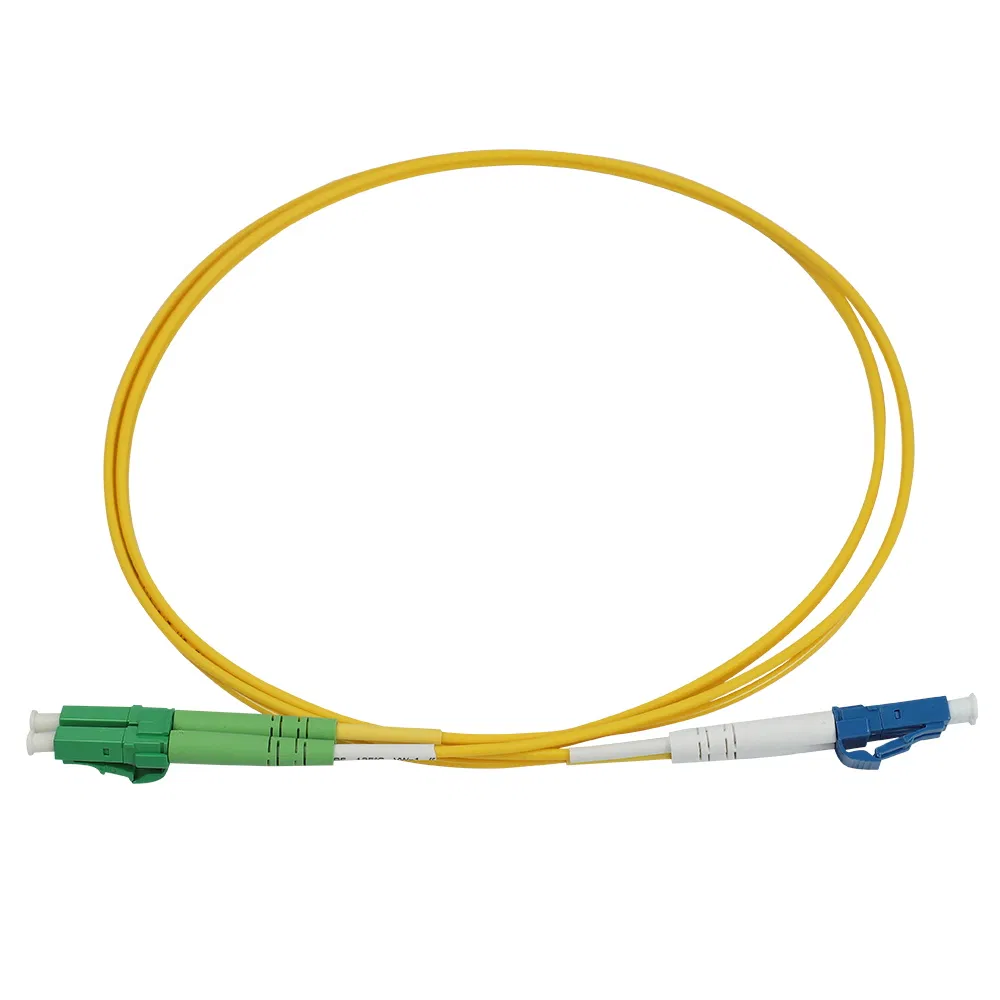
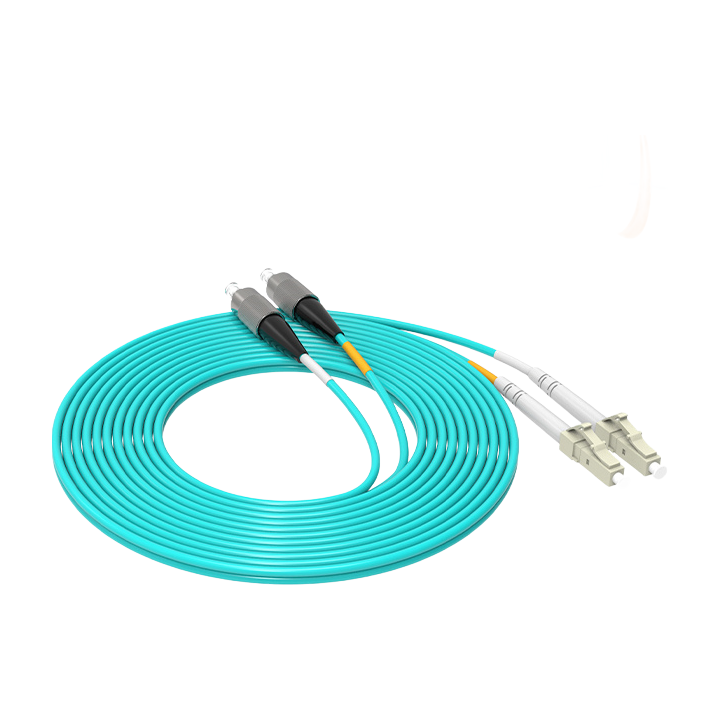
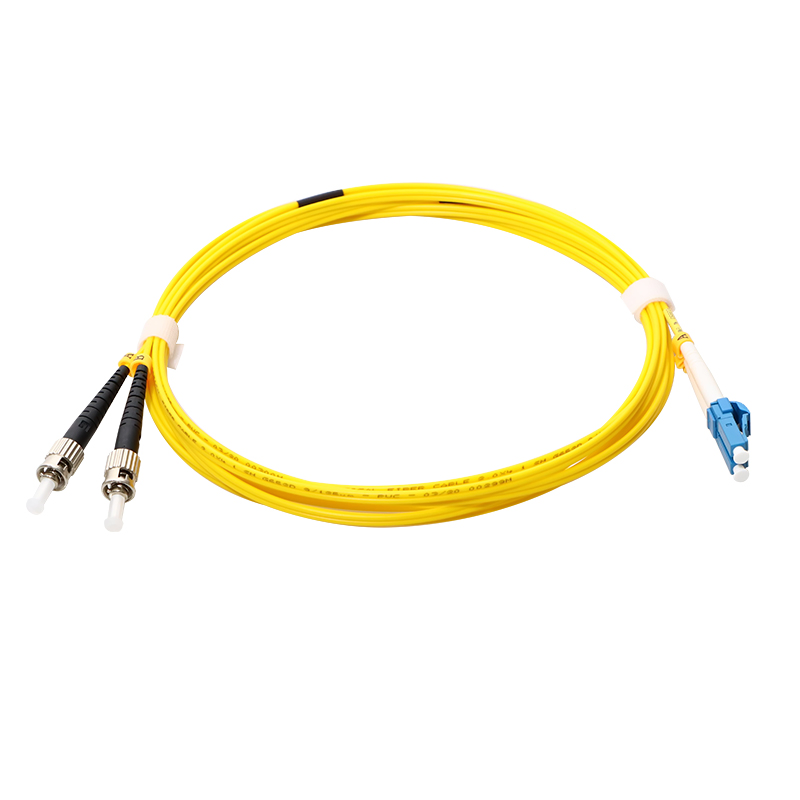
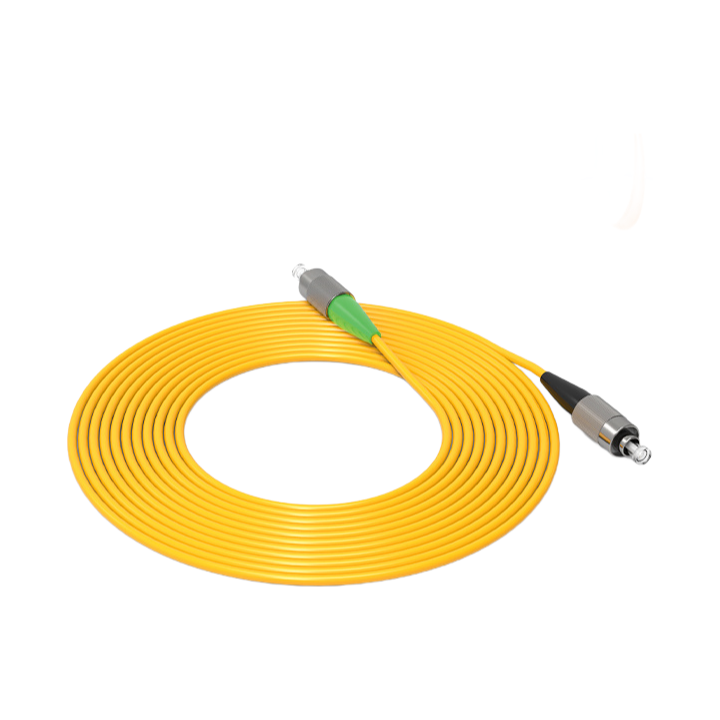
We’ve seen enough patch cords fail at splice due to bad termination, but this one handles it better when you are pulling through tight conduit runs because the tensile strength actually holds above 70N consistently in our tests.
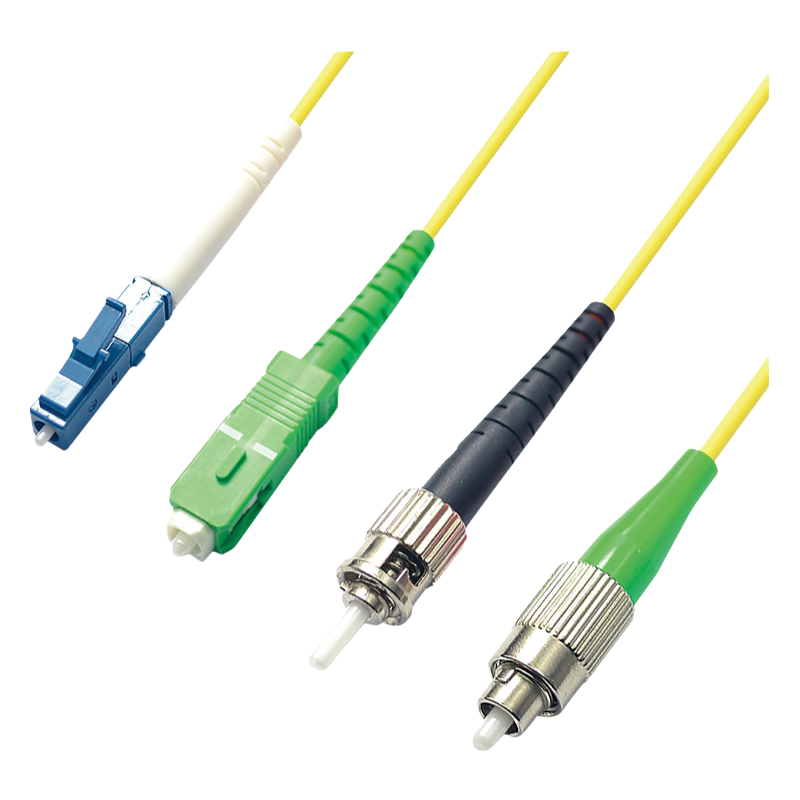
Insertion loss runs ≤0.2dB typical, which is tighter than many generic cords we’ve tested, and the max of 0.3dB still beats most standard GR-326 specs for long-haul links where 50dB return loss for PC polish or 60dB for APC saves you form re-termination.
It survives 1000 matings without the loss creeping above 0.2dB, so if you swap gear racks every quarter or so, you won’t see gradual signal degradation like with cheaper connectors that oxidize at the ferrule.
Also, operating across -40°C to +85°C means it’s fine for outdoor cabinets or unventilated server closets—nobody really stresses about that until their CATV link drops in a January cold snap.
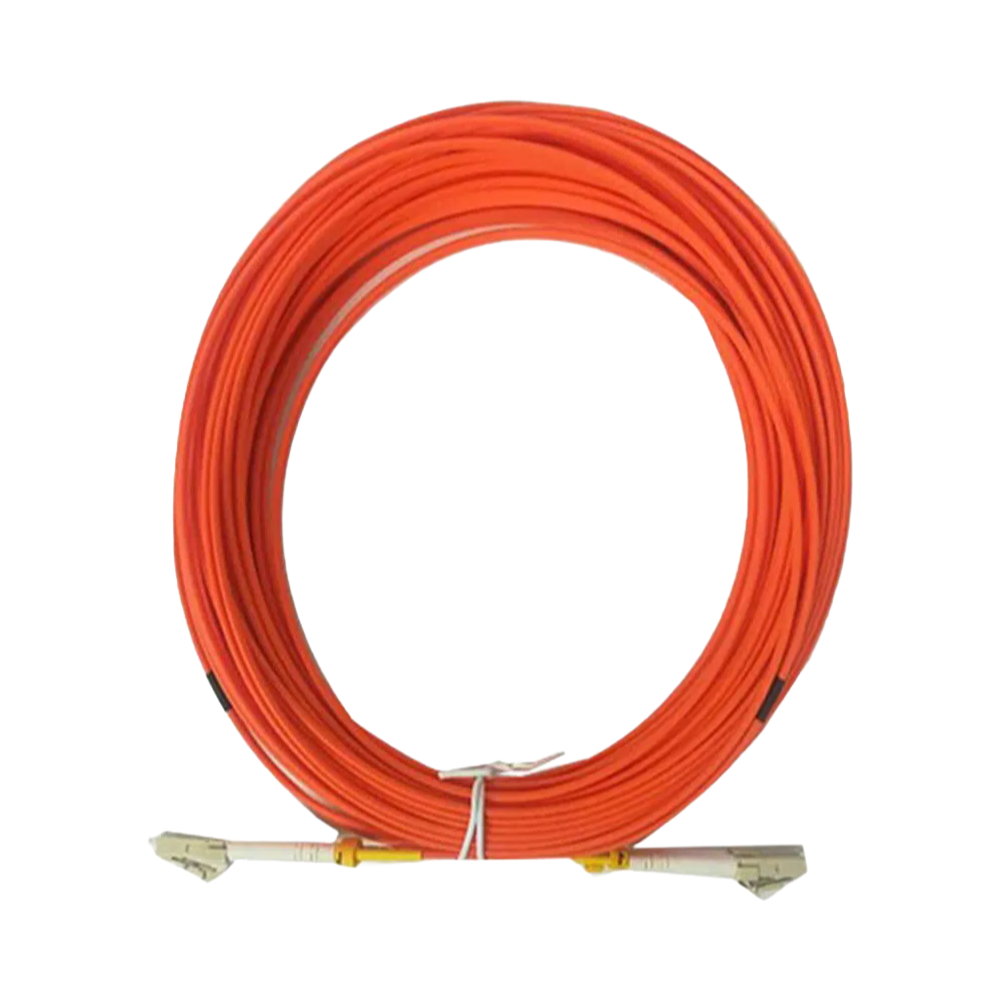
Cable diameter ranges from 0.9mm to 3.0mm, and you’ll want the thicker jacket for indutrial environments; we usually stock PVC or LSZH sheath depending on your fire code, but the LSZH takes longer on custom orders (check lead time).
Lengths can be made to order down to 0.5m increments, and our company can do mixed 12-core bundles if you need a trunk to a patch panel, but 1m or 2m singles are what most buyers go with for standdard LAN/WAN racks.
For custom lengths, lead time is usually 7-10 business days. If you need 50m with APC polish, we can handle that—just let us know the exact specs.
MOQ is 100 units for standard single-mode LSZH cords. Smaller quantities may be possible for samples or urgent orders—check with us.
Yes, we can include test reports with every order if requested. They show actual insertion loss (≤0.2dB typical) and return loss (≥50dB for PC, ≥60dB for APC) per Telcordia GR-326-CORE.
Absolutely, 0.9mm cable diameter is one of our standard options. It's perfect for high-density or tight spaces—just specify that when ordering.
Each cord is individually bagged and coiled to avoid kinks. They're packed in cartons with foam inserts to prevent damage, and we can add desiccants for humid environments if needed.
A fantastic experience from start to finish! The delivery was incredibly fast, arriving well ahead of the estimated date, which was a pleasant surprise. The packaging was secure and professional, ensuring the product arrived in perfect condition. As for quality, the patch cord feels robust and well-made, with no visible defects or issues. Customer service was also top-notch; they responded promptly to my inquiry and were very helpful. Overall, I'm highly satisfied with the efficiency and care put into this order.