Account
Inquiry
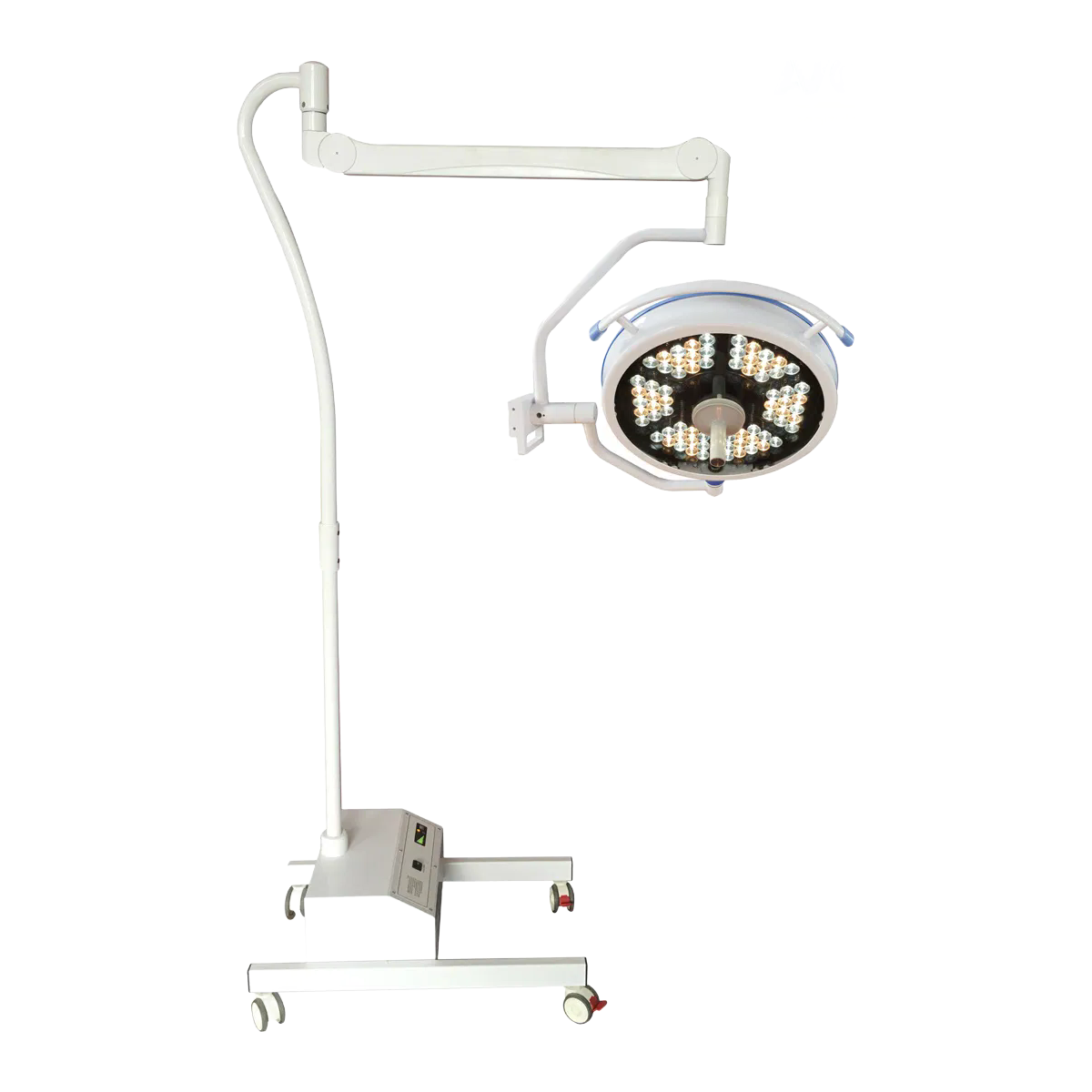
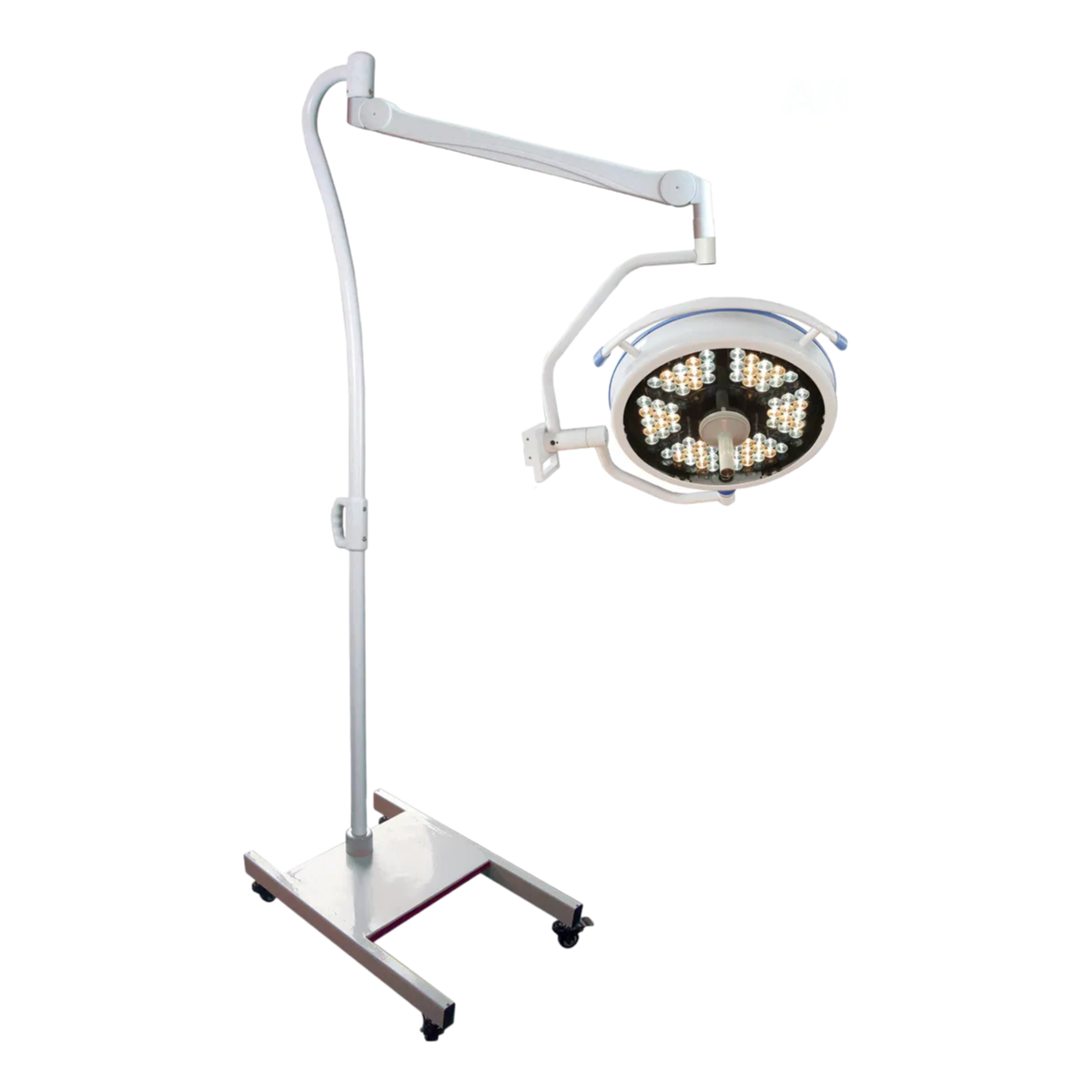
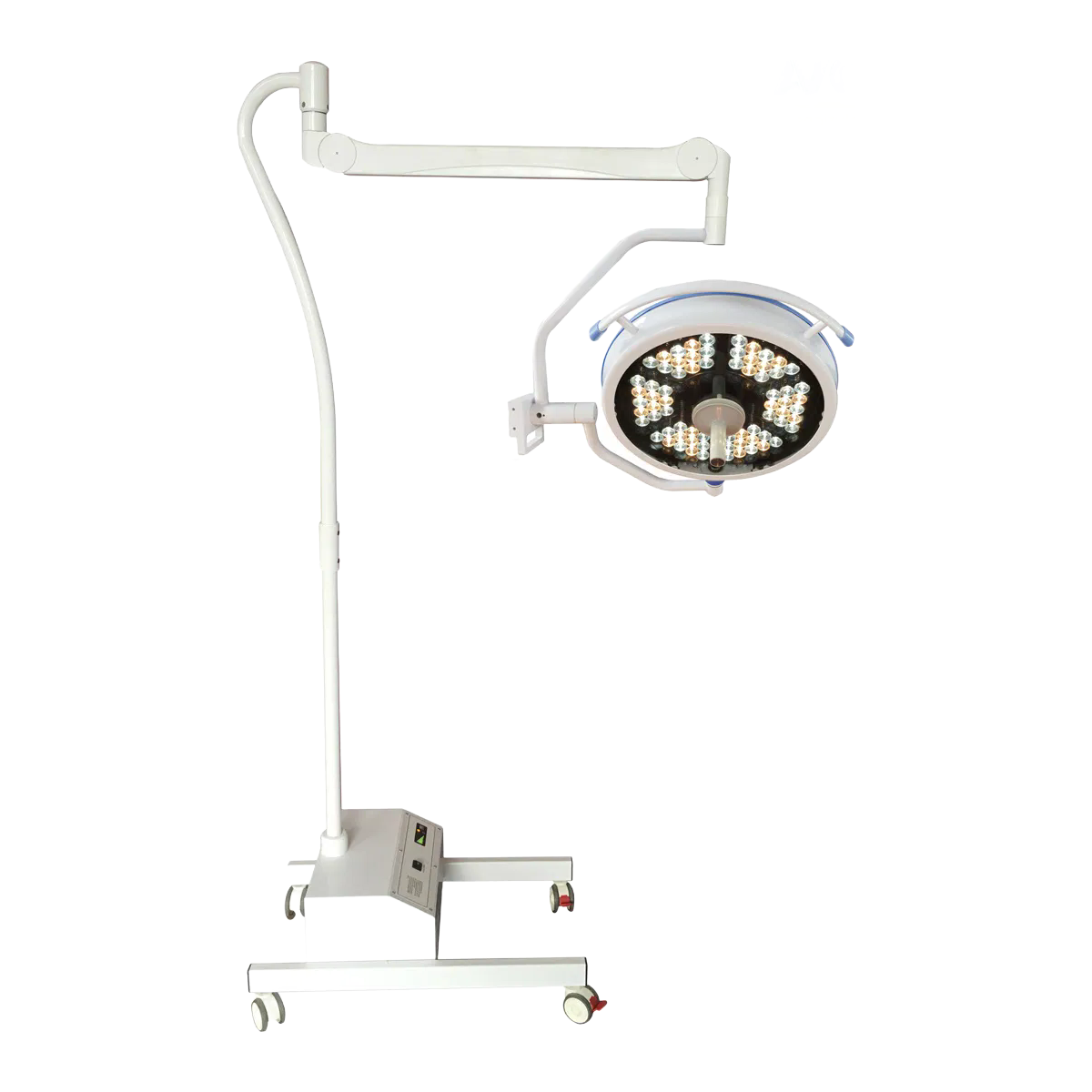
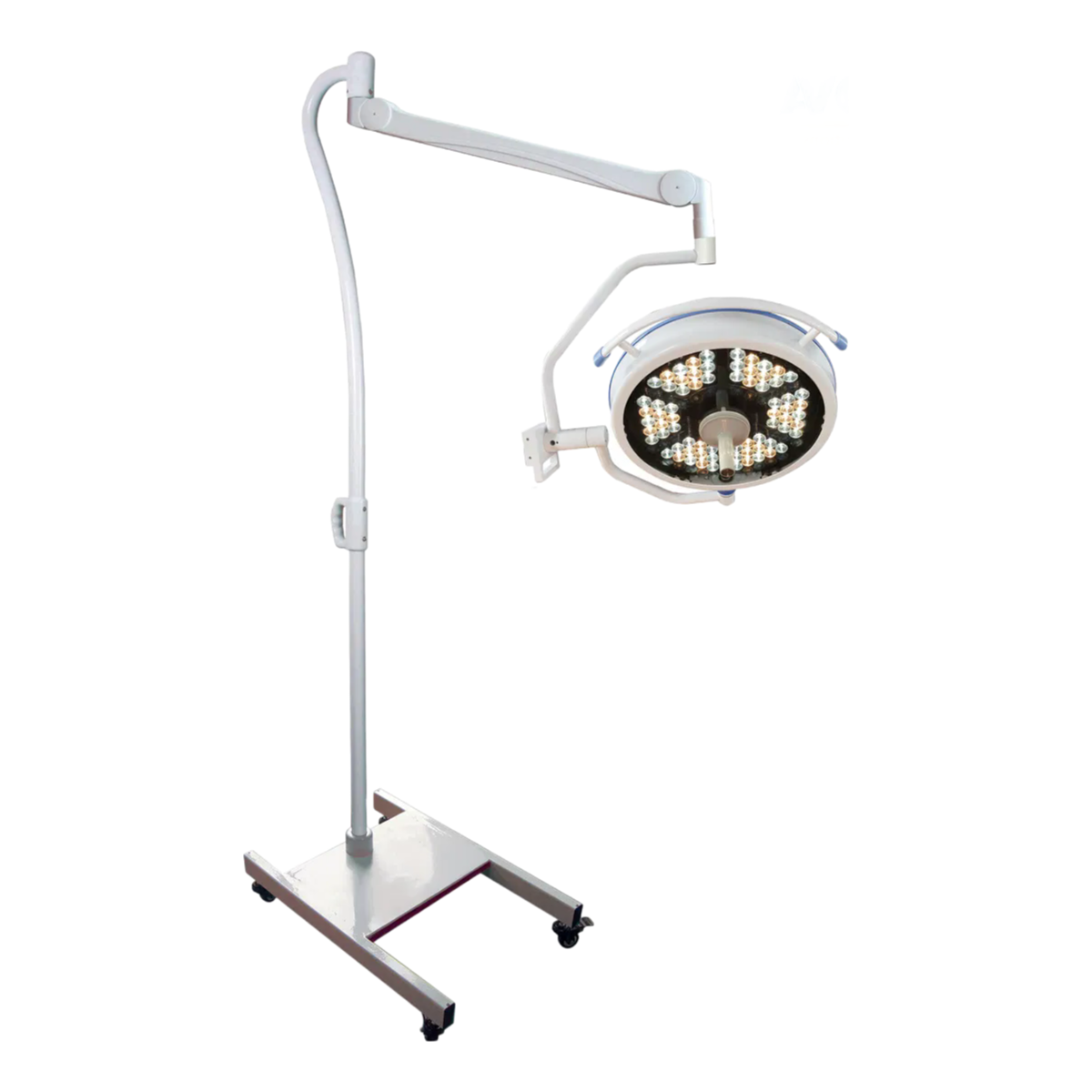
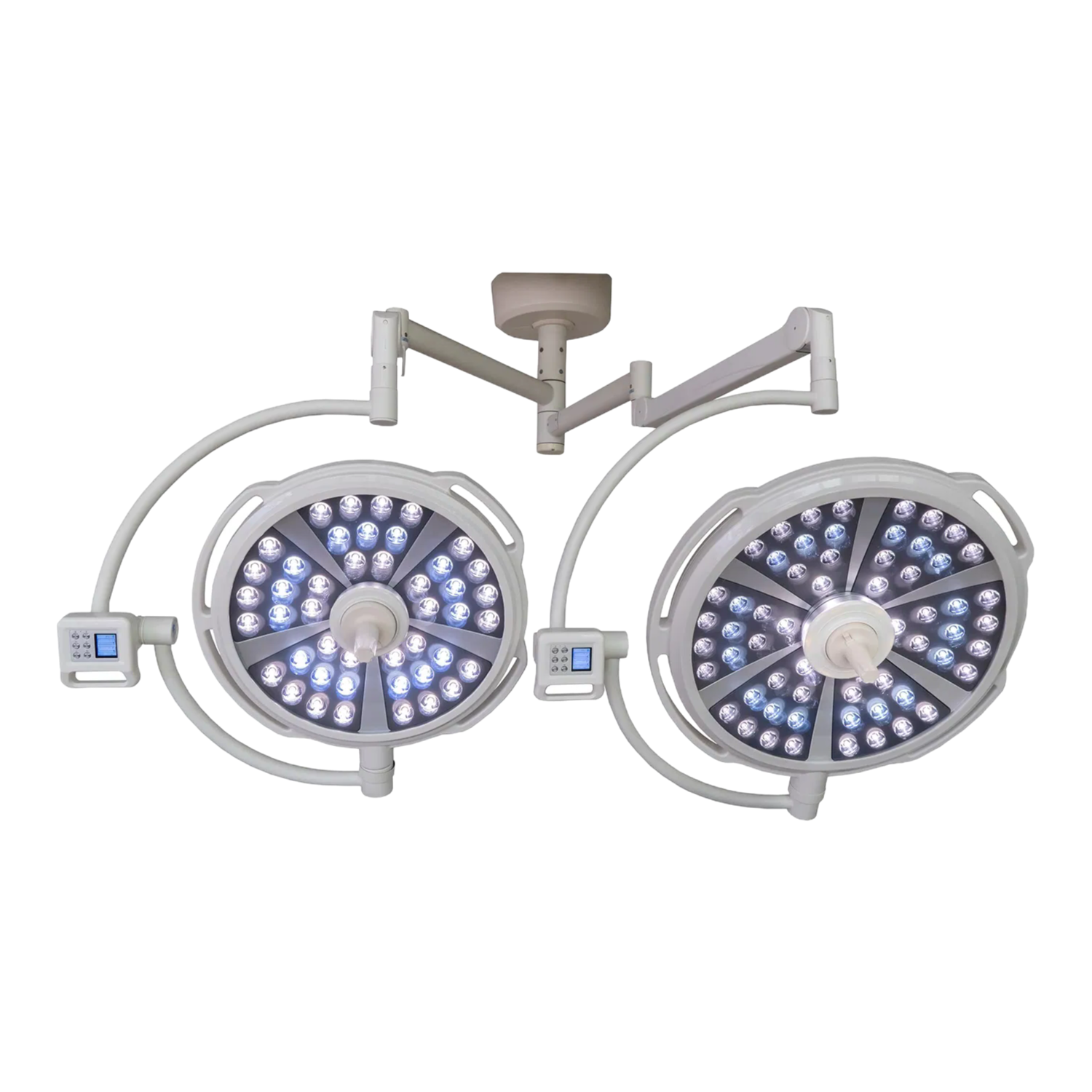
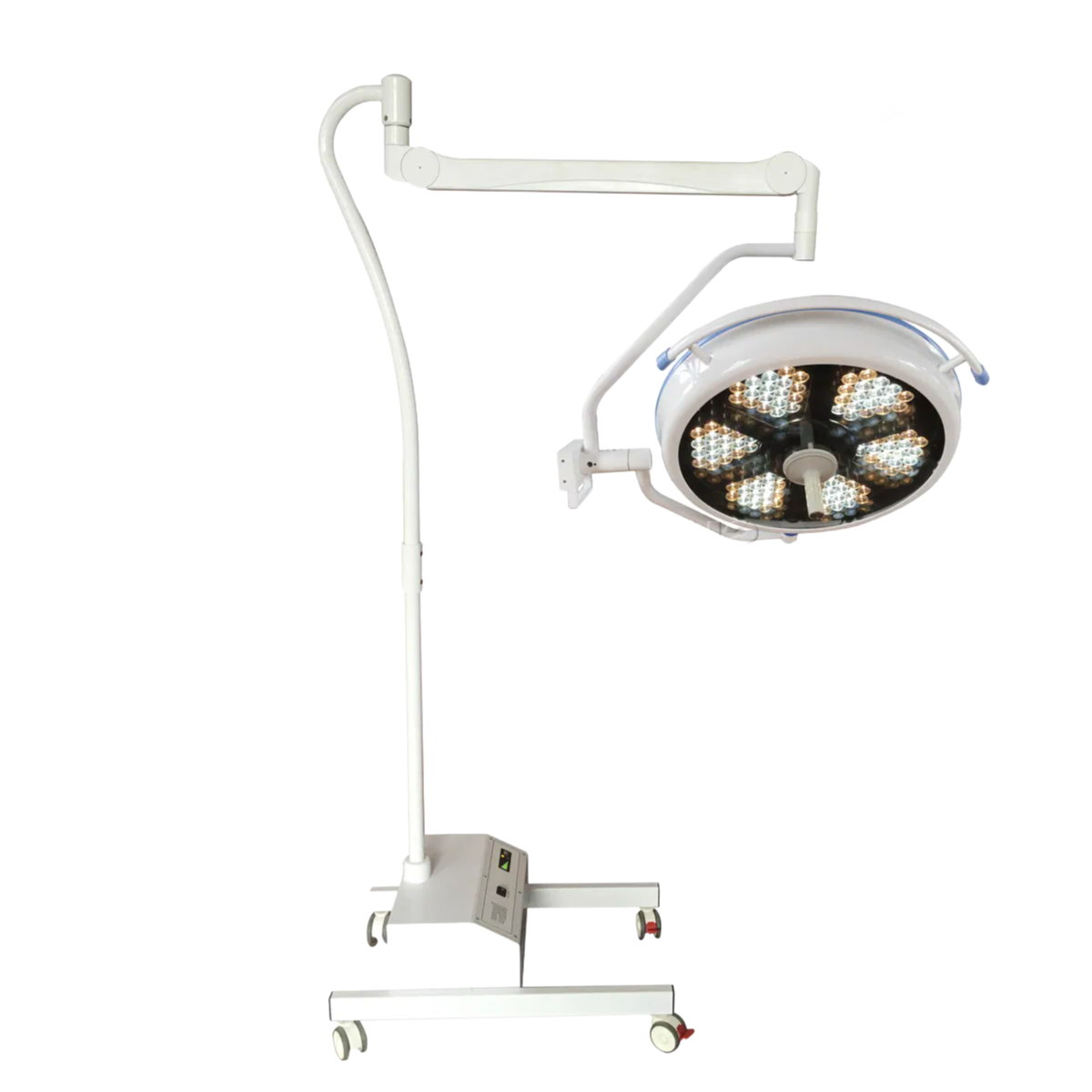
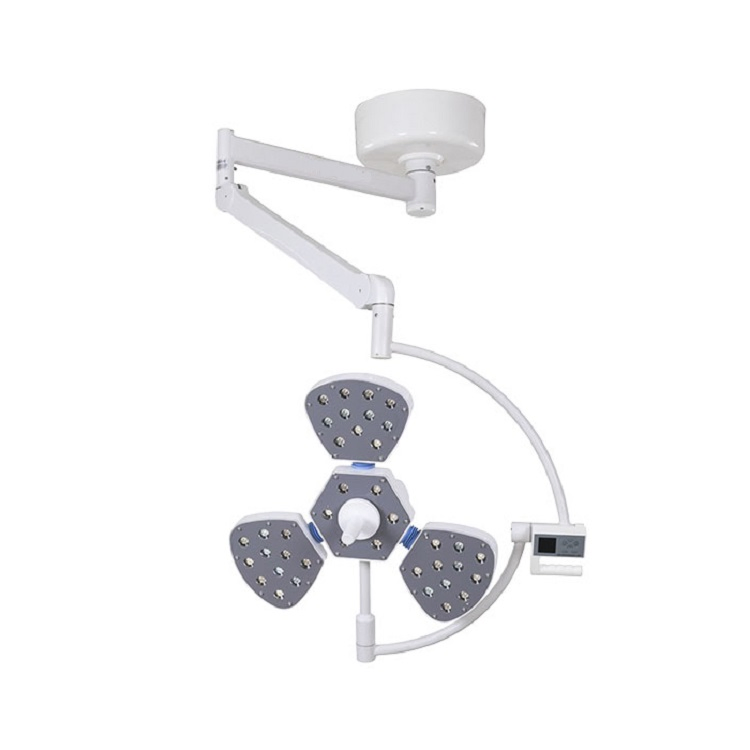
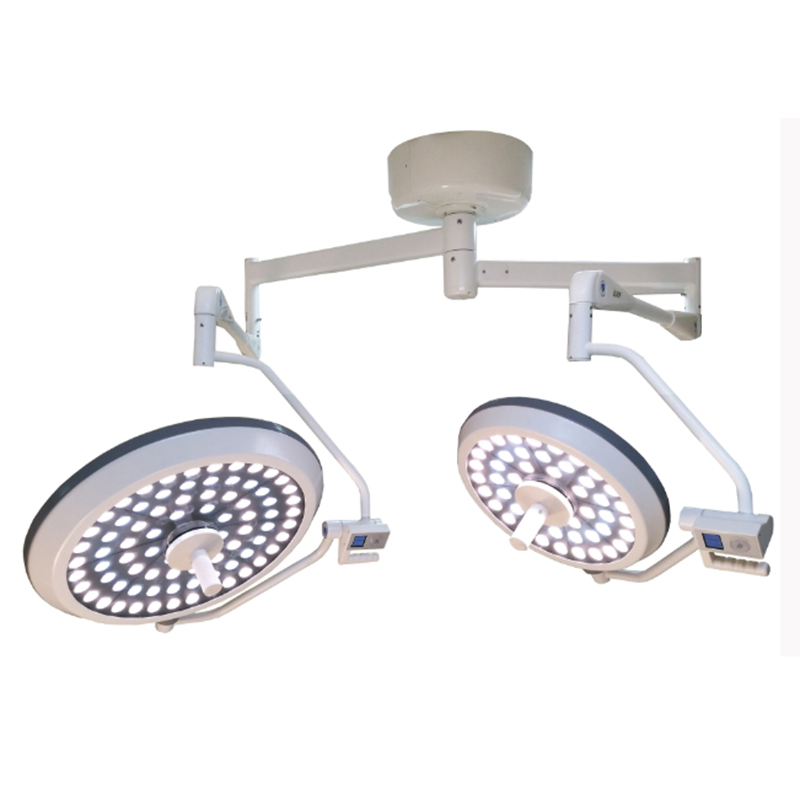
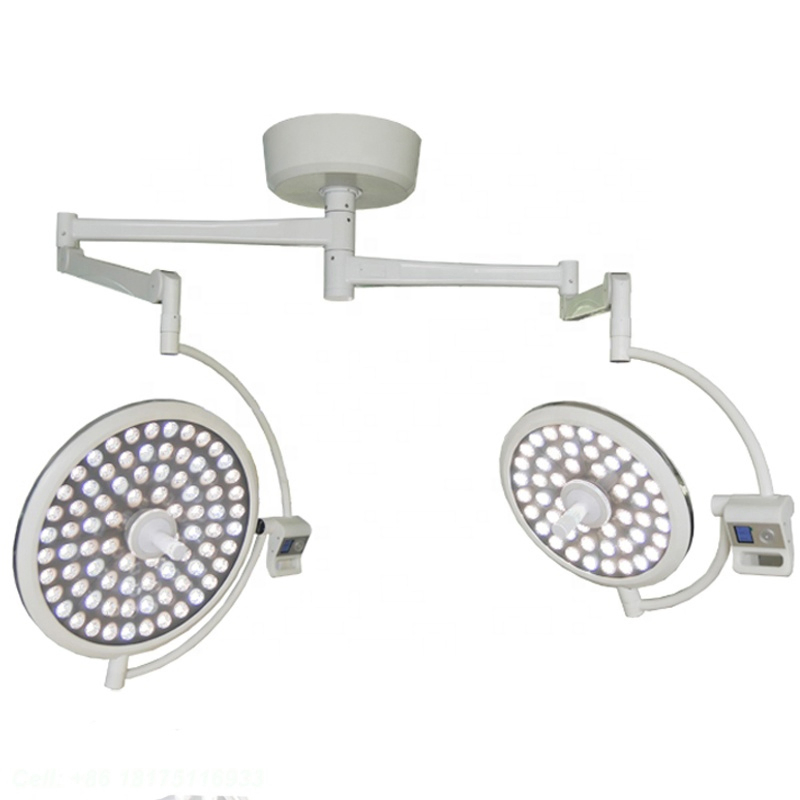
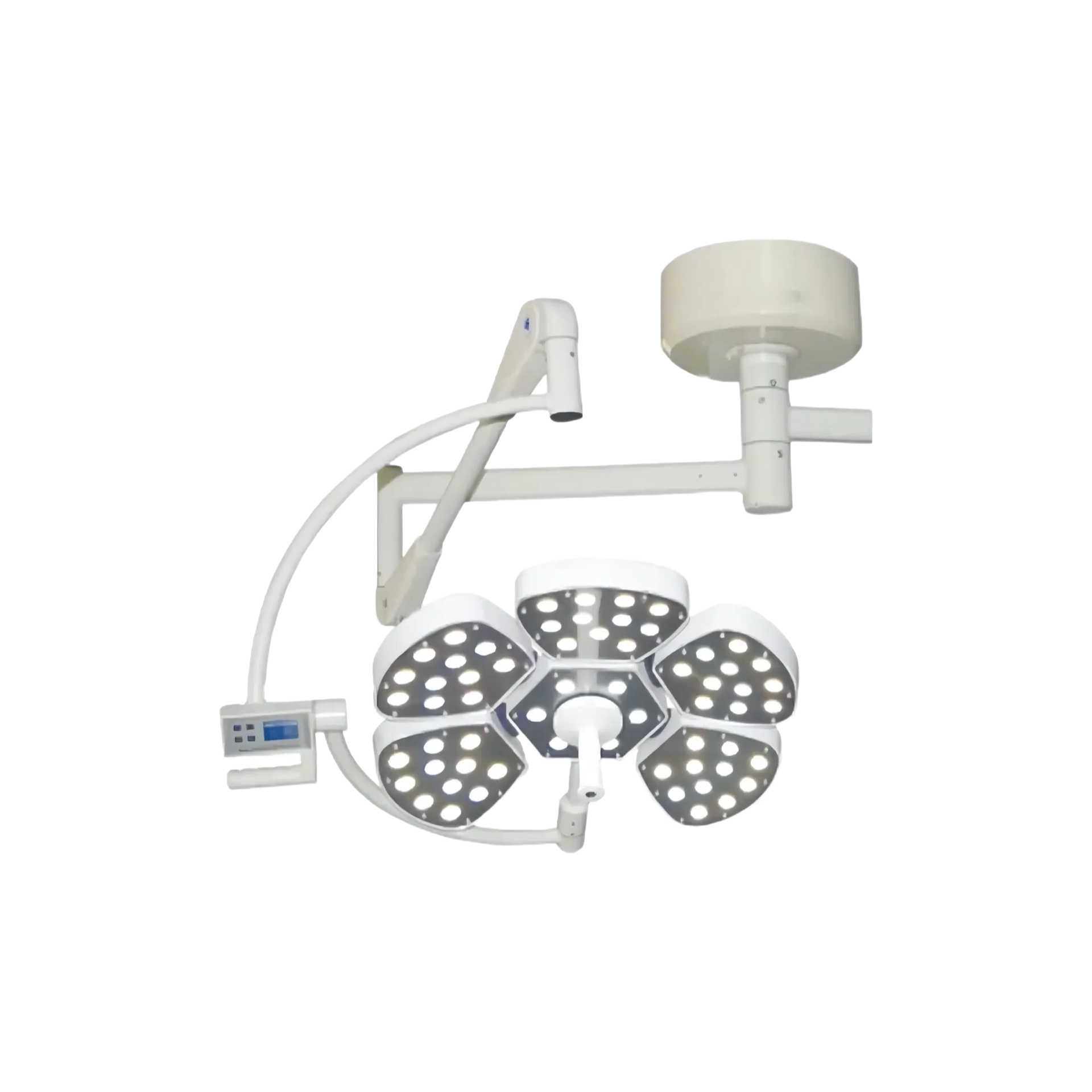
You’re looking at 160,000 Lux from 108 individual LEDs, which gives you a shadowless field diameter that adjusts between 160 and 280 mm on the fly. That depth of 1300 mm is measured from the light head to the surgical site, and it holds steady even when you’re working deep in a thoracic cavity — we’ve seen surgeons push it past that with the 6-joint arm. Color tempearture swaps between 3800K, 4400K, and 5000K, each with a ±500K tolerance, so you can dial in the exact tissue contrast you need without relamping.
The Ra is ≥95 across all three color settings, not just peaking at one, which matters more for true microsurgery than most buyers realize — it’s the difference between seeing fascia margins and guessing. It’s a total power draw of 80W, so your circuits won’t complain even if you stack three lamps in one OR, but what actually surprises people is the 50,000-hour LED lifespan at full brightness. That balance arm uses six imported joints with sealed bearings, and we’ve got units running five years without drift in the suspension — it basically stays put once you position it.
The 8-stage dimming isn’t a slider either; it’s stepped for repeatability because you don’t want drift mid-procedure — each step holds within 5% of setpoint. AC input is 110-240V, 50/60Hz, so it works in older buildings or mobile surgical setups, but power supply has a bleeder circuit so don’t stick your fingers in there once it’s unplugged (check the manual for discharge time, usually 20 seconds or so). The panel is German PC — it’s anti-bullet grade, but it will haze if you use solvent-based cleaners; stick to mild soap and water or isopropyl alcohol wipes.
It’s not suited for veterinary mobile units because the arm has a 10-kg counterweight that’s hard to secure during transport, but for fixed OR ceilings it’s a solid workhorse. We usually have chassis in stock but confirm lead time for the German PC panels — those ship seperately and can add a week or so. Every unit comes with an individual photometric test report at 1-meter distance, but we don’t test every batch at 1300 mm depth because the lab setup is two meters high and a pain to calibrate.
The 8-stage dimming uses a PWM controller at 25 kHz, so it won’t flicker on camera sensors — we’ve seen teams recording neurosurgery with this and no artifacts beyond the usual auto-exposure hunting. Storage-wise, keep the unopened box between -10°C and 50°C, and if it sits in a warehose for six months, condition it at 20-25°C for 4 hours before powering up to avoid condensation on the PC panel. Price varies by MOQ (minimum 2 units orders jump shipping priority), and our company offer a 2-year warranty on the driver board but only 1 year on the LEDs — that’s standdard for solid-state lighting actual usage matters more than rated hours.
You can choose between three fixed settings: 3800±500K, 4400±500K, or 5000±500K. There's no stepless adjustment, but those cover warm to cool white for different surgical needs.
That's the central illuminance at 1 meter distance. The light field diameter is adjustable from 160 to 280mm, so you'll get consistent brightness across that area with a depth of at least 1300mm.
We can provide CE and ISO 13485 certificates, along with a test report for the illuminance, color rendering index, and LED lifespan. Just let us know what your local regulatory body requires.
The three color temperature options are fixed per unit, but we can adjust the default setting if you order 50+ pieces. LED quantity and panel materials are standard, though—no changes there.
MOQ is 1 unit for samples, 10 units for production orders. Lead time is about 15-20 working days after deposit, depending on the quantity and whether you need custom packaging.
My experience with this order was primarily defined by the logistics, which were handled exceptionally well. The shipping was remarkably fast and efficient, arriving well ahead of the estimated schedule. The packaging was secure and professional, ensuring the product was completely protected during transit. There were no delays or complications, which is crucial for medical equipment procurement. Regarding the product quality, based on the initial inspection and setup, the build seems robust and the materials feel premium. The finish is clean and it appears very well-constructed, matching the descriptions provided. The service aspect was also satisfactory; the communication was clear and any pre-shipment inquiries were addressed promptly and courteously. Overall, the process from ordering to delivery was seamless and reliable. This positive logistical and service experience provides a strong foundation for the product’s integration into our facility. The attention to detail in shipping and customer support is commendable and greatly appreciated.
I received the LED surgical lamp much faster than expected, which was a pleasant surprise. The packaging was secure and ensured the product arrived in perfect condition. The quality of the lamp is outstanding; it feels very durable and well-made, with no visible defects. Customer service was also excellent—they were responsive and helpful throughout the process. Overall, I'm very satisfied with this purchase and would recommend it to others.
Shipping was remarkably swift and well-handled, with the package arriving securely and ahead of schedule. Such efficient logistics made the entire process stress-free. Superb quality is evident in the sturdy construction and flawless finish, which speaks volumes about the manufacturer's attention to detail. Service from the seller was outstanding, with prompt responses and helpful assistance throughout. Simply put, everything exceeded expectations, from the careful packaging to the overall reliability. Satisfied doesn't even begin to cover it—this experience was seamless and commendable in every aspect.
Remarkably efficient logistics ensured the lamp arrived ahead of schedule, which was a pleasant surprise. The packaging was secure and professional, preventing any damage during transit. Regarding quality, the build feels robust and durable, with a sleek design that meets hospital standards. Customer service was responsive and helpful, addressing queries promptly. Overall, a smooth experience from order to delivery.
Absolutely outstanding experience with this LED surgical lamp. Arrived much faster than anticipated, with careful and secure packaging that ensured the product was in perfect condition upon unboxing. The build quality is exceptional—it feels robust, well-engineered, and precisely manufactured. Customer service was remarkably responsive and helpful, answering all my queries promptly and professionally. A truly reliable and high-performance lighting solution that has greatly enhanced our operating room setup. Highly recommend for any medical facility seeking top-tier equipment.