Account
Inquiry
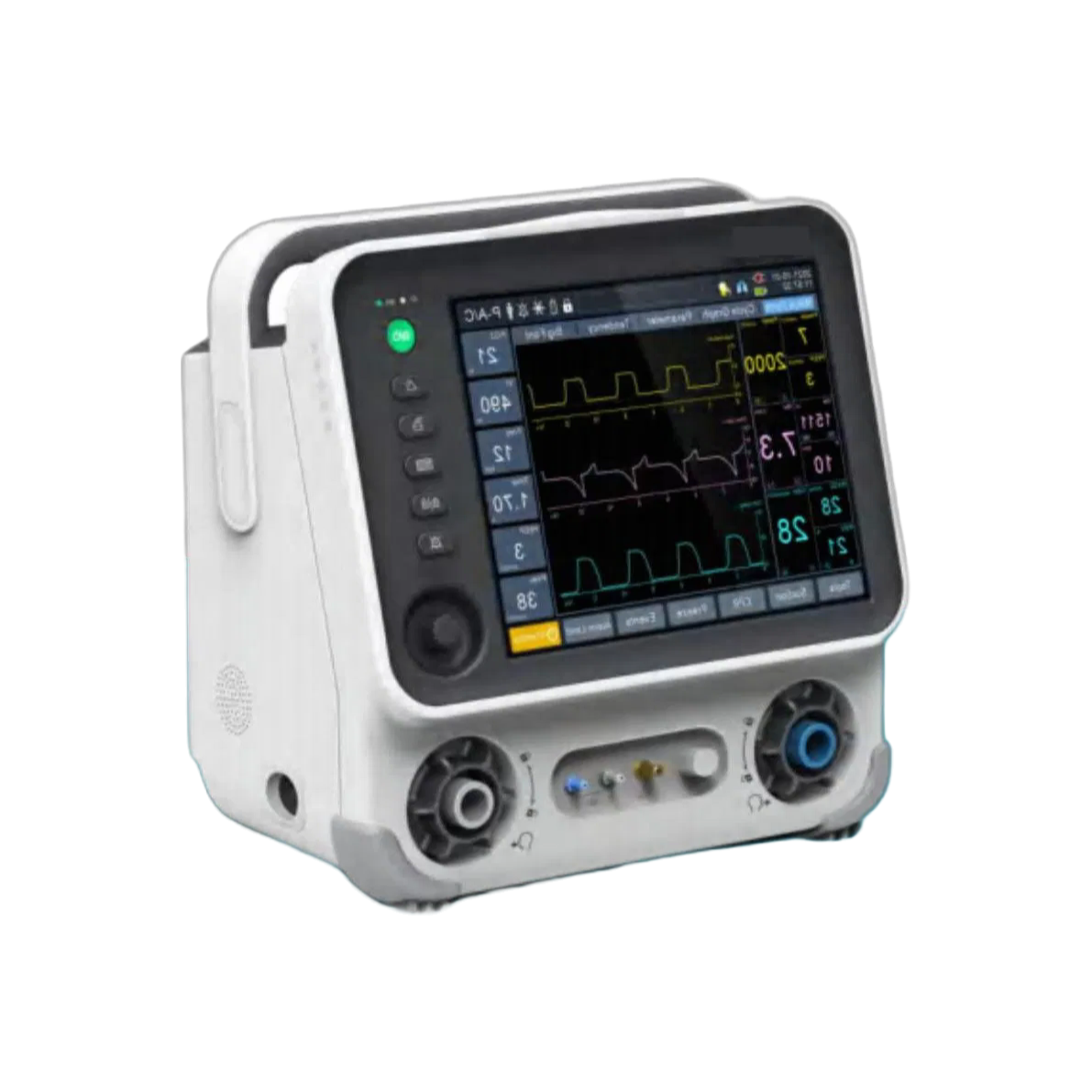
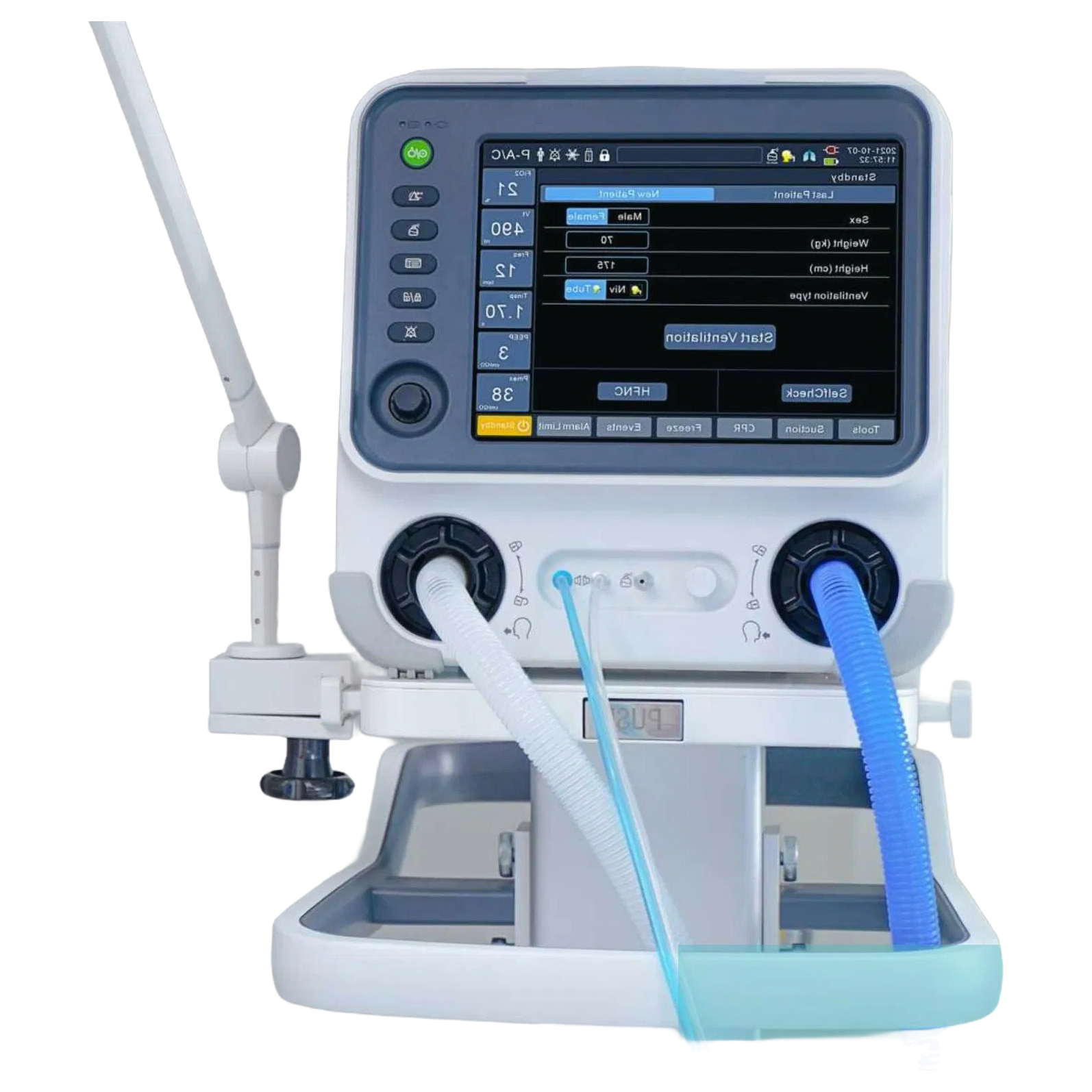
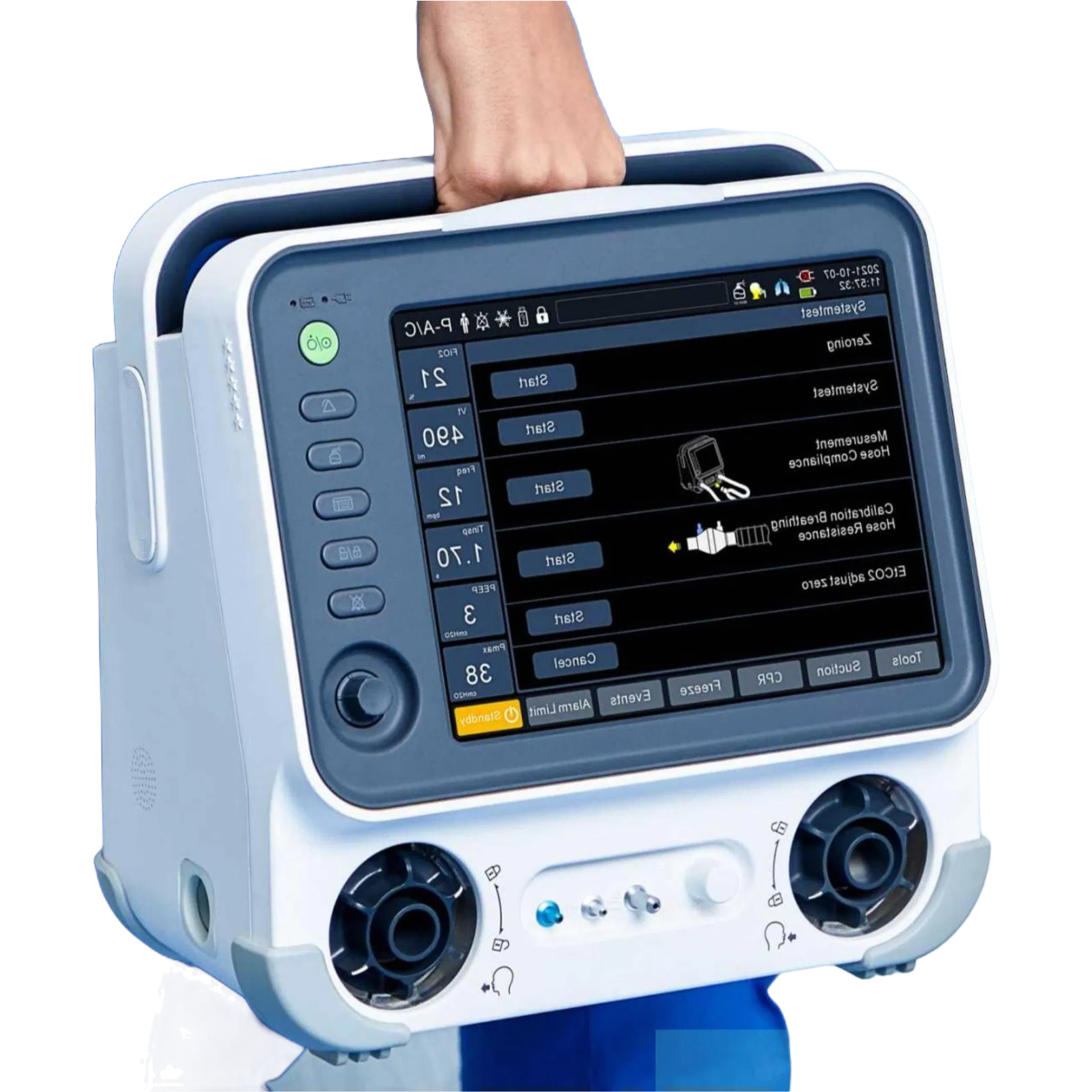
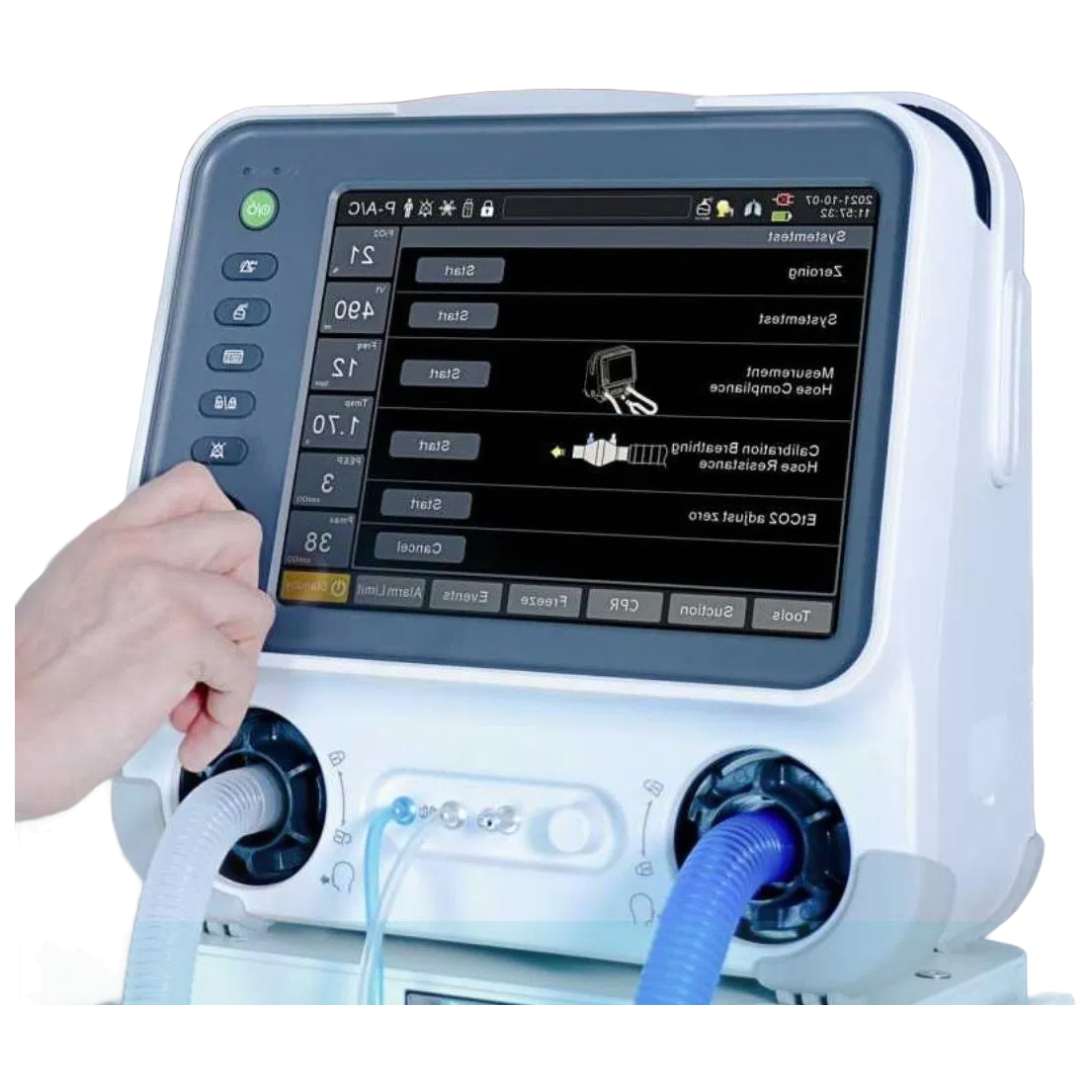
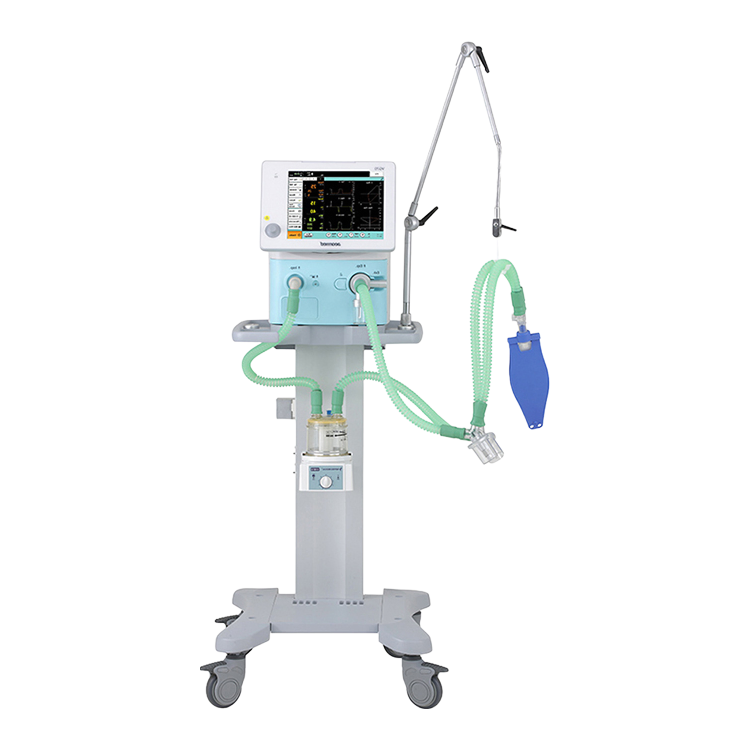
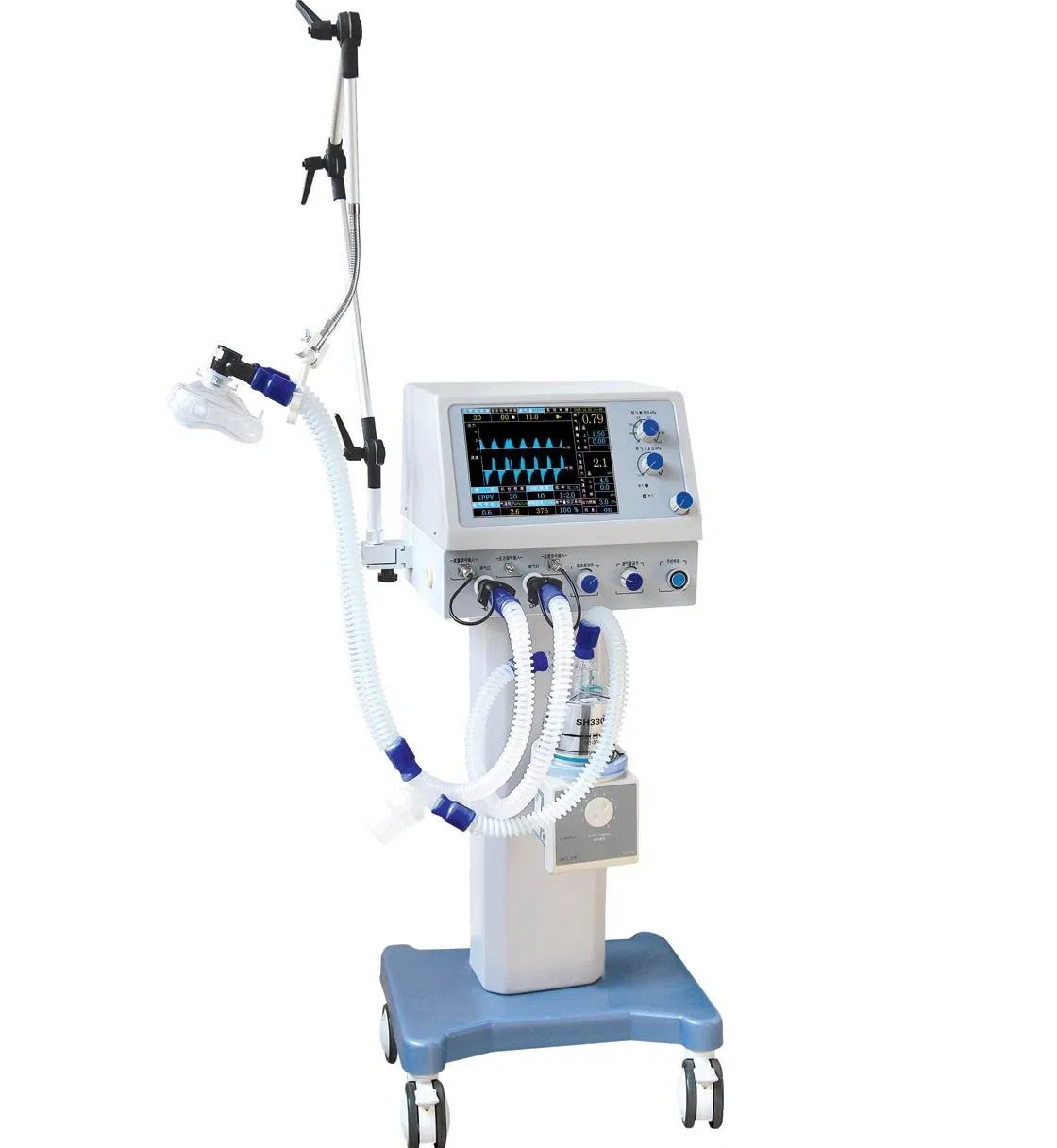
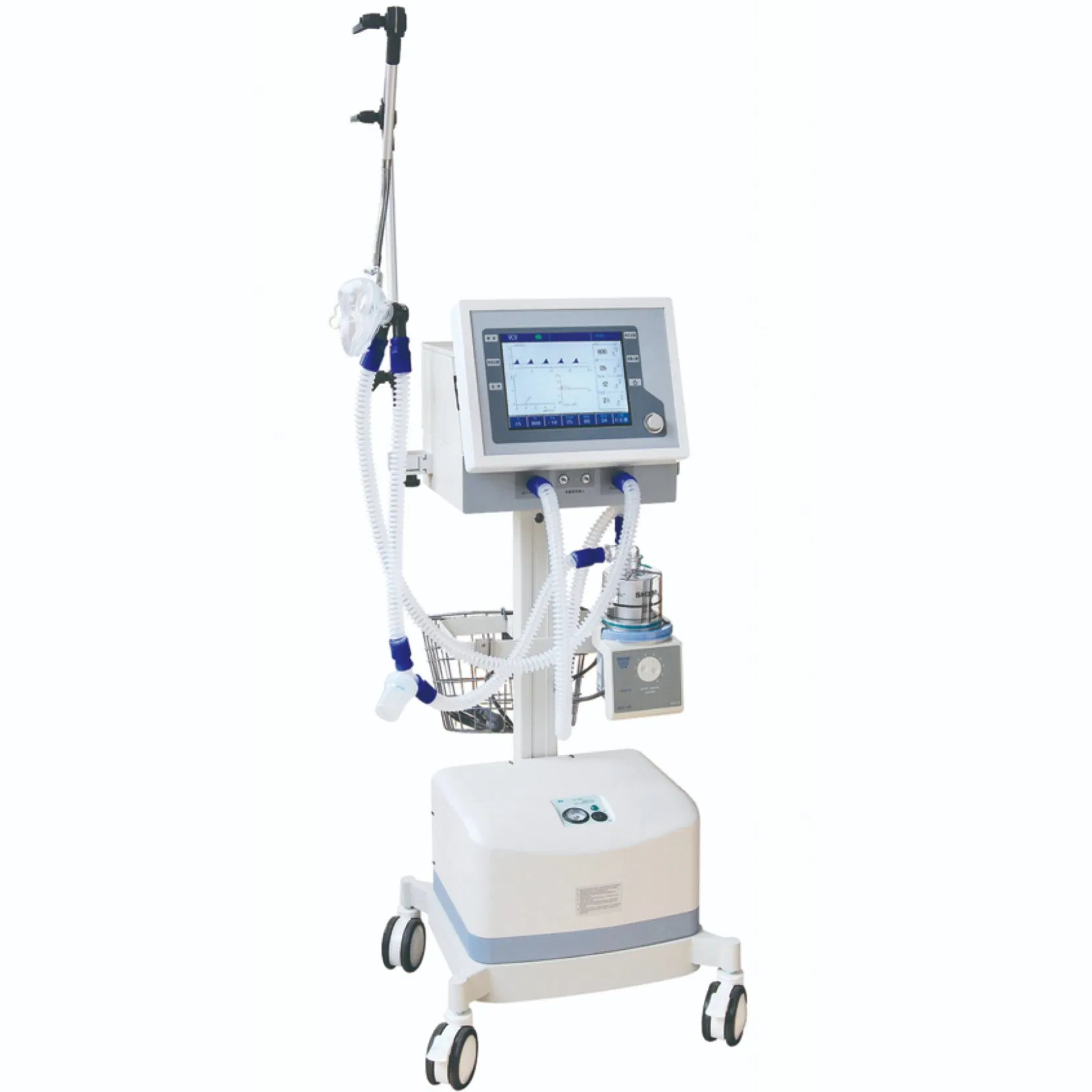
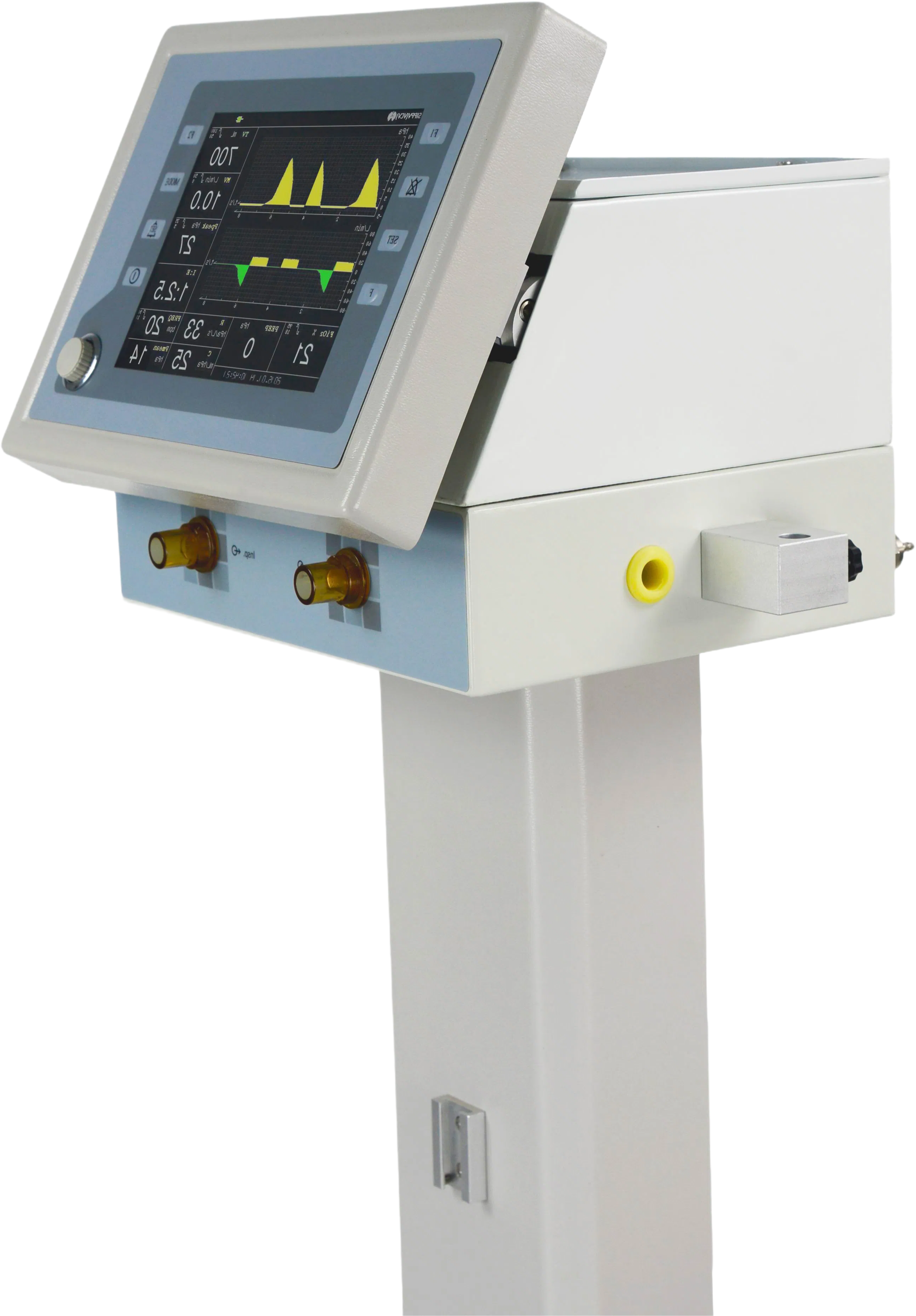
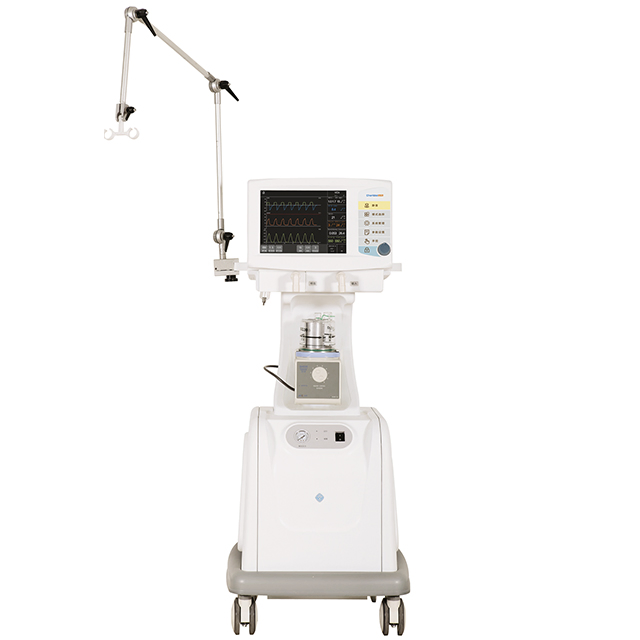
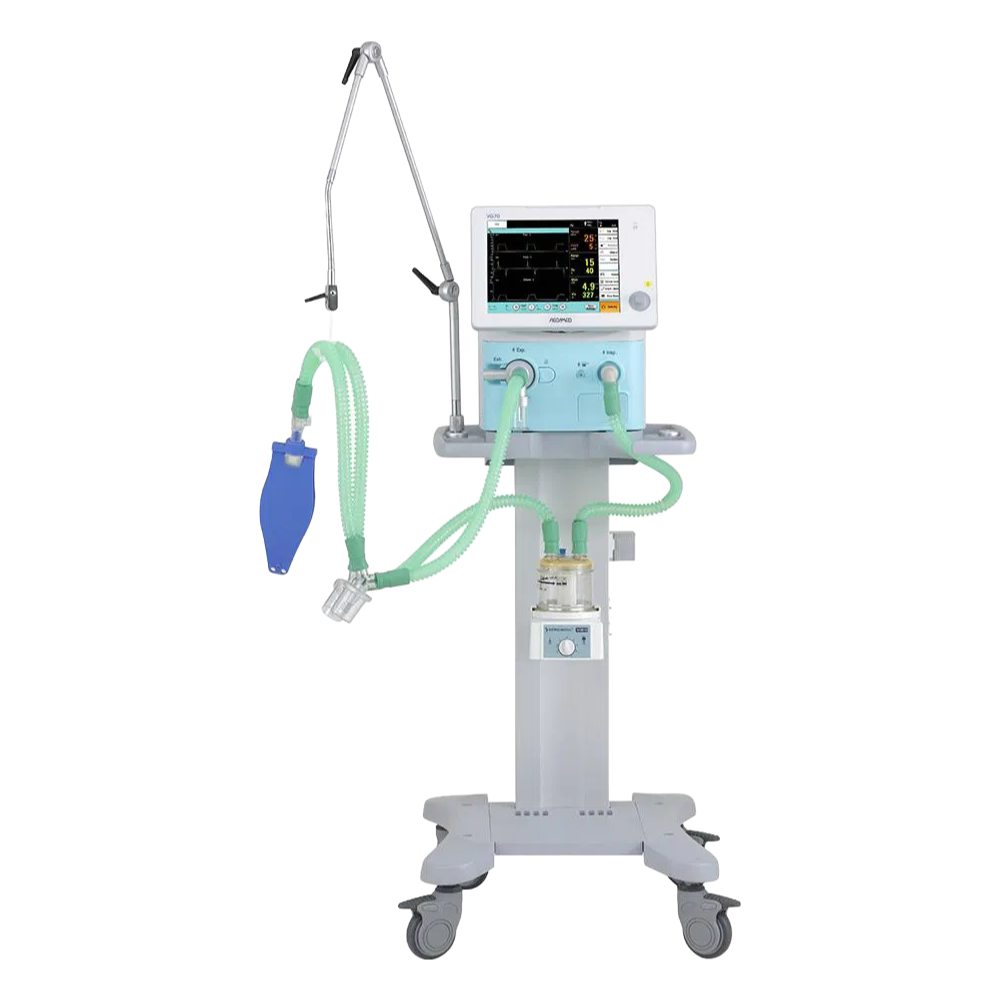
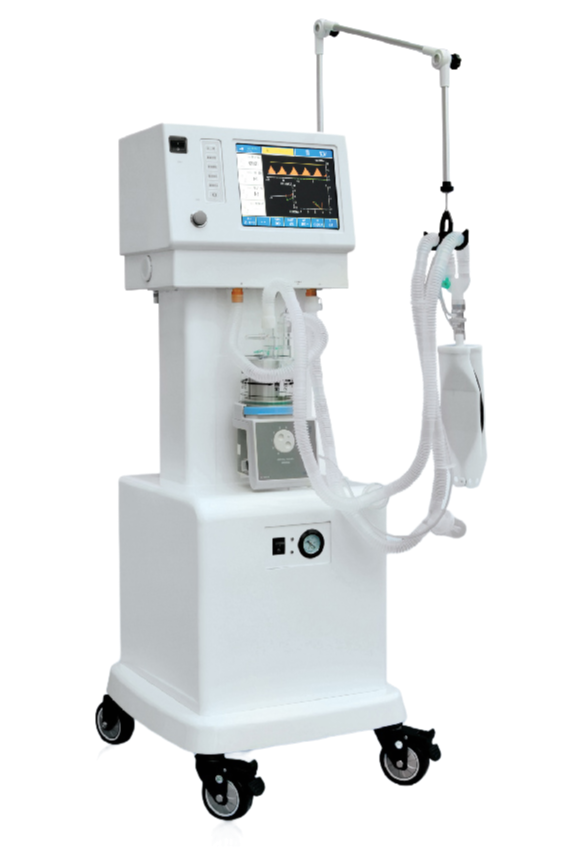
Your clinicians will be setting this up for a trauma patient in the back of an ambulance or managing a chronic COPD case in the ICU, switching between PRVC and APRV on the fly with that 10.4-inch touchscreen—it's pretty much a workhorse for both transport and bedside care.
Weighing under 6.2 kg with a turbine drive, what it does is let you run 12 modes including CPAP and APRV without needing compressed gas, which is a big deal for mobile use; tidal volume covers 20 to 2000 mL, so it handles adults, kids, and infants without swapping units.
For the US and EU markets, we've got CE and ISO 13485 certs in place, and the Class II device status means the import docs are straightforward—typically we include the COA and declaration of conformity with each shipment, but you'll want to confirm the GB/T18830-2009 standerd matches your local requirement.
One thing most buyers don't ask about until it's too late is teh proximal flow sensor—it measures presure right at the patient connection, which cuts dead space and gives tighter compliance data than distal sensors, usually within 1-1000 mL/cmH2O range.
Also, the PEEP goes up to 40 cmH2O, which is better than most portable units for ARDS cases, but honestly, it's not ideal for long-term homecare setups since the battery life is about 4 hours or so on a full charge.
We typically require an MOQ of 10 units for initial orders, though we can discuss smaller quantities for trial purposes.
Yes, we include copies of CE and ISO 13485 certificates with every order, along with the device class II registration documents.
Absolutely. The Li20 includes PRVC and APRV modes which adapt to patient effort, making it suitable for both controlled and spontaneous breathing support.
Lead time is usually 15-20 working days after order confirmation, depending on current production volume.
Each unit comes in a foam-lined hard case with accessories, and it's fully safe for air freight—the turbine-driven design and <6.2 kg weight make it ideal for transport.