Account
Inquiry
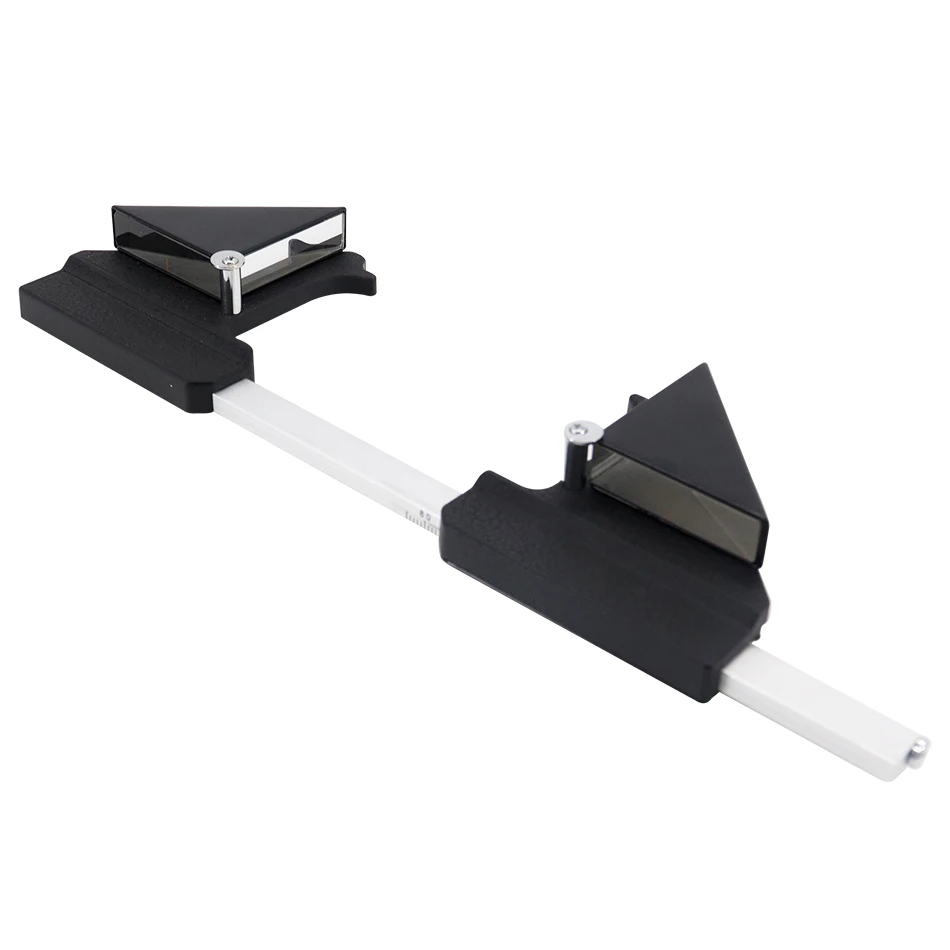
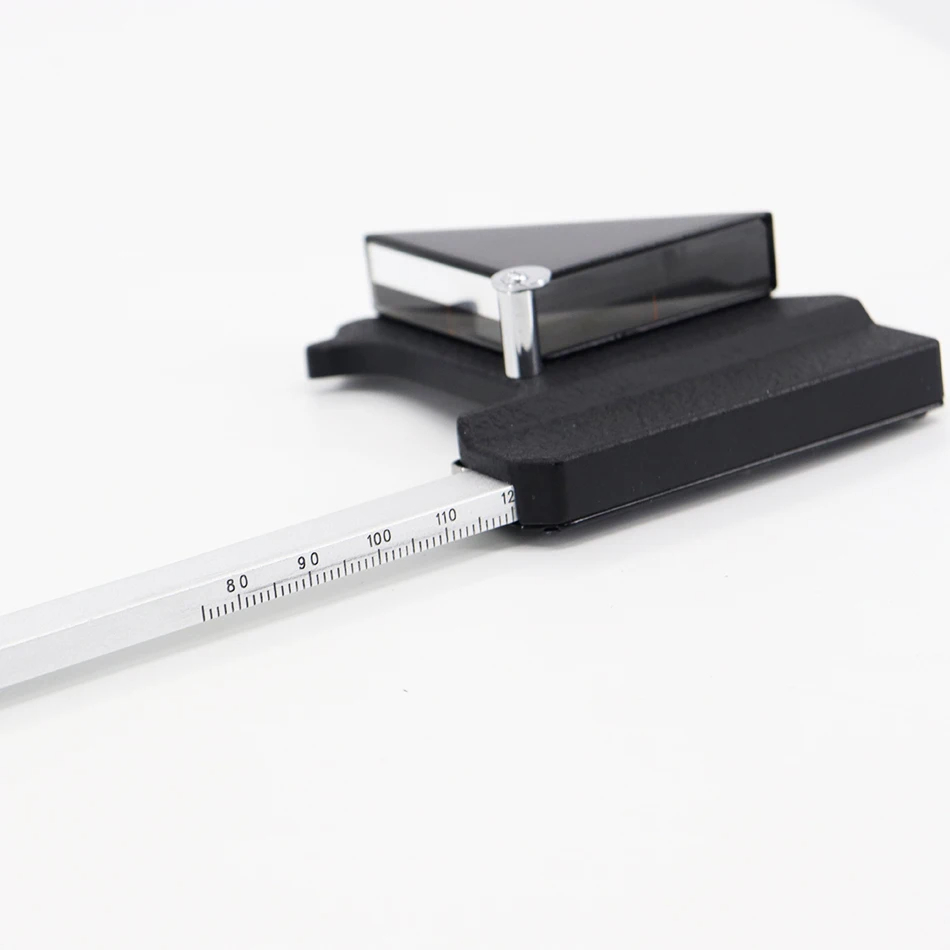
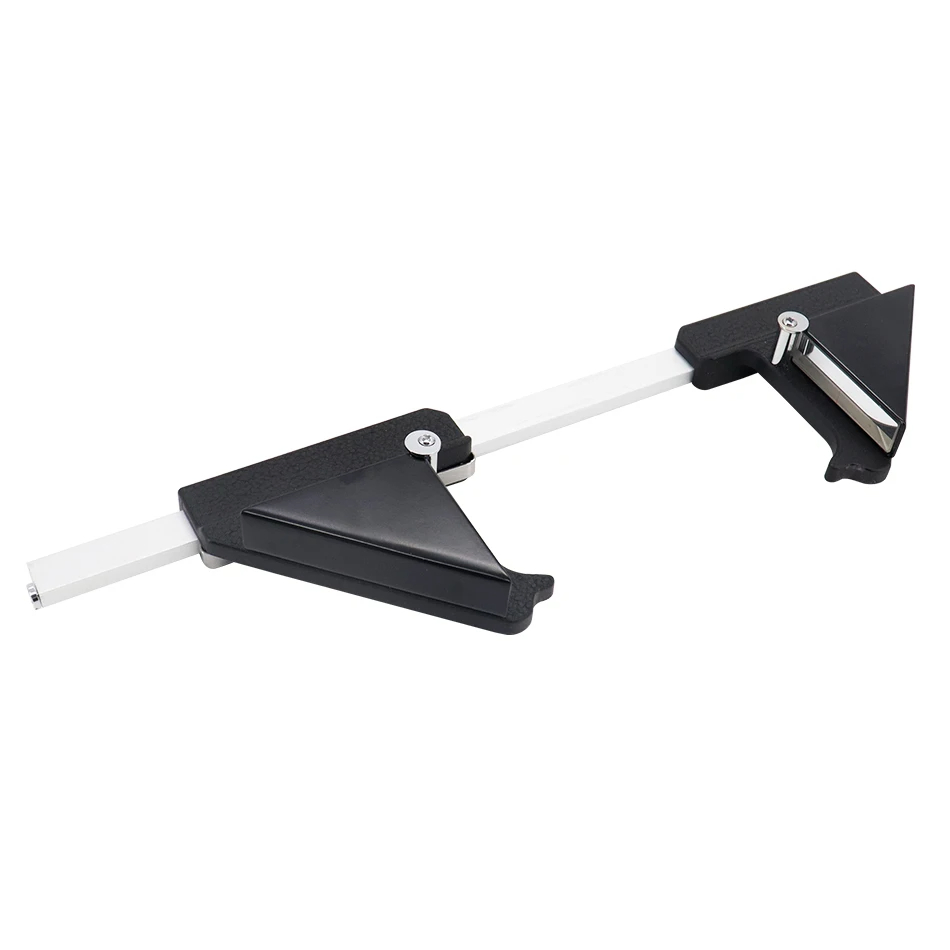
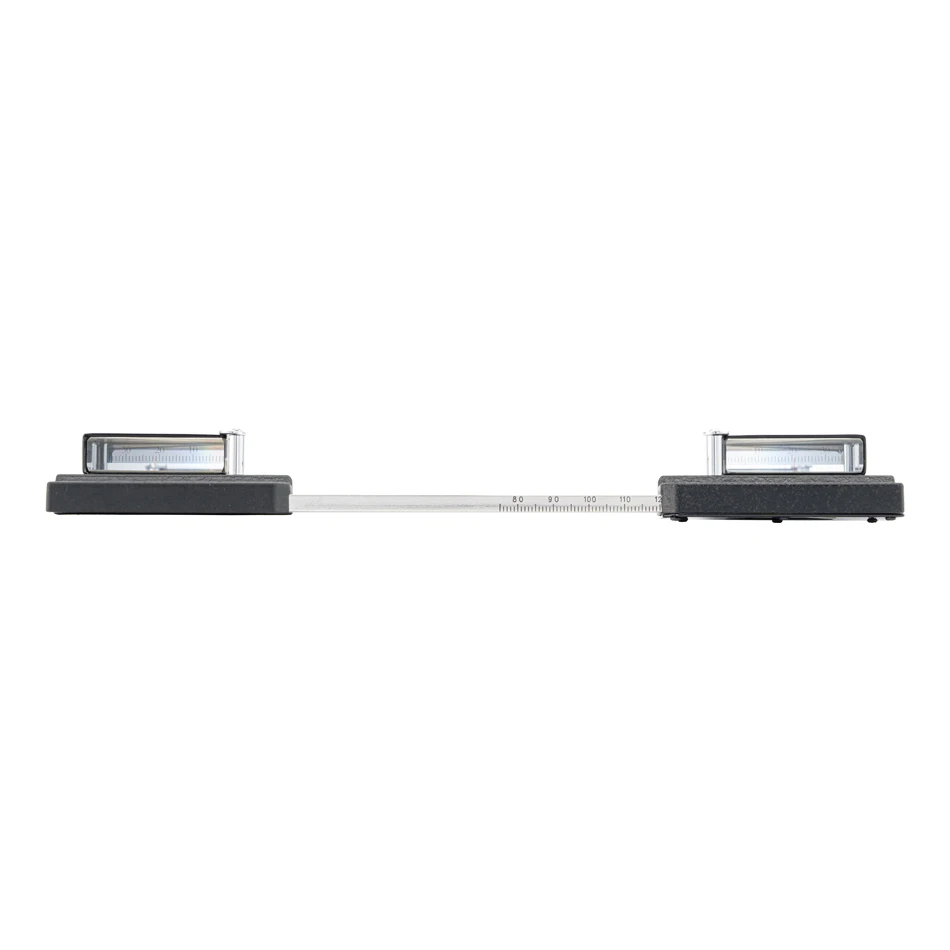
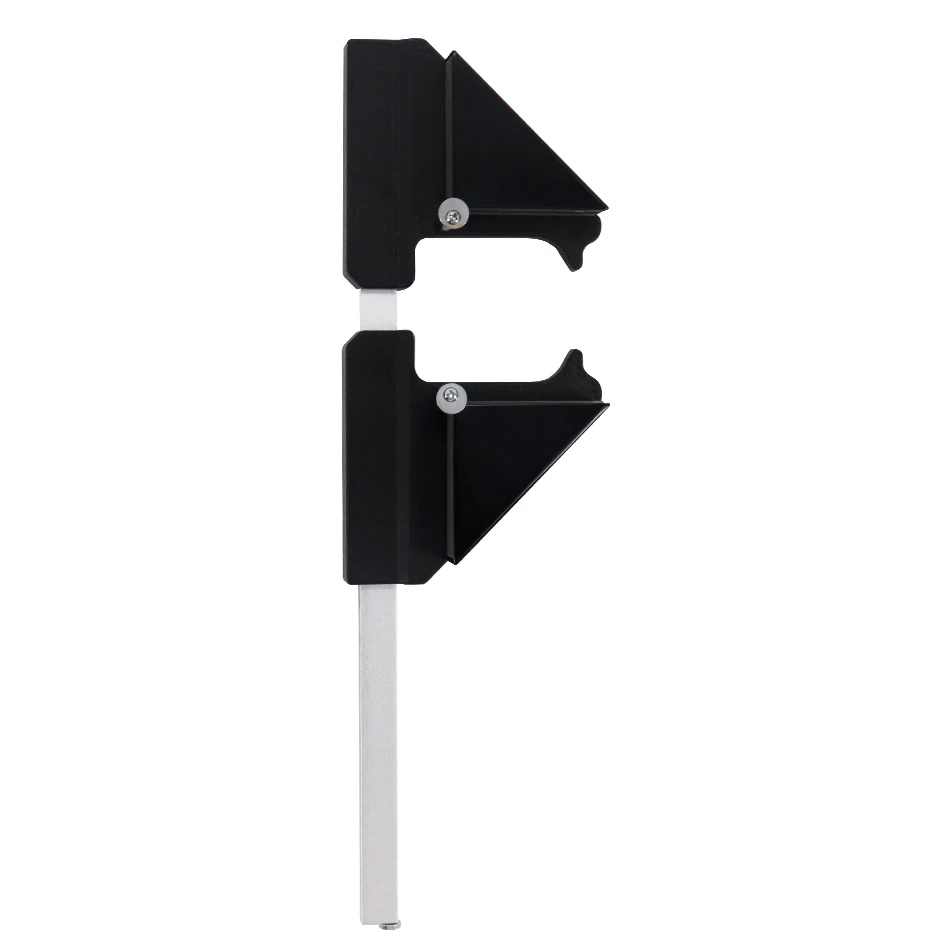
It measures eye protrusion form 0 to 35mm with ±0.5mm accuracy, using an isosceles right-angled triangular prism for optical reflection — basically, it projects the corneal vertex and scale plate together so you read the measurement directly. orbital distance adjusts from 80 to 120mm, which covers most adult patients. Weighs about 500g, so it's genuinely portable for moving between exam rooms.
We see these going into ophthalmology clinics and hospital outpatient departments mostly. The optical principle is actually better than some electronic models for this — no calibration drift, no batteries to die mid-exam. One thing: it's not great for pediatric patients with very narrow orbital distances, just so you know. Most buyers go with the standerd model for adult exams.
MOQ is typically 10 units, though our company can do smaller trial orders if you're testing the waters. Lead time is usually 20 days or so, but confirm before ordering if you're on a tight schedule — we've had delays during peak seasons. Each unit comes with a COA and CE certification documentation.
The prism is the key component; what it does is eliminate parallax error that you'd get with a simple ruler. Medical-grade materials throughout, so it holds up to repeated disinfection. Packaing is a padded carrying case, nothing fancy but it protects teh optics during transport.
It measures from 0 to 35 mm, with an accuracy of ±0.5 mm, covering standard clinical needs for proptosis assessment.
Yes, you can adjust the orbital distance from 80 to 120 mm to fit various face sizes.
Our MOQ is 10 units per order, but we can discuss smaller quantities for trial purposes.
Yes, it’s CE certified, and we include the certificate with each shipment for compliance purposes.
Each unit comes in a protective foam-lined case to prevent damage during transit, and we can customize packaging for bulk orders.
A truly exceptional experience from start to finish. The delivery was incredibly prompt, arriving well ahead of the estimated schedule, which was a fantastic surprise. The packaging was professional and secure, ensuring the device arrived in pristine condition without any risk of damage during transit. Regarding the quality, the exophthalmometer feels robust and well-constructed, with precise machining and clear, high-quality optics that inspire confidence for clinical use. The materials used seem durable and suitable for a demanding hospital environment. As for service, the communication was clear and proactive, with all documentation provided accurately. The overall process was seamless and highly professional. This level of attention to detail in logistics, product integrity, and customer support is commendable and sets a high standard. Absolutely satisfied with this transaction and would not hesitate to recommend this supplier to other medical institutions.
Great experience overall with this order. The shipping was incredibly fast and efficient. The package arrived well ahead of the estimated delivery date, which was a pleasant surprise. Everything was packaged securely with no signs of damage during transit. The quality of the item appears to be excellent upon initial inspection; it feels sturdy, well-made, and precisely engineered, exactly as one would expect for professional medical equipment. The communication and service from the seller were prompt and professional, answering my pre-purchase questions clearly. While I cannot comment on the specific operational use or technical parameters, the initial impressions regarding the logistics, build quality, and customer service are highly positive. The process was smooth from start to finish. I am satisfied with this transaction and the apparent care taken in fulfilling the order. The product presentation and the speed of delivery really stood out. It gives confidence when ordering specialized equipment online. The seller seems reliable and attentive to detail. This was a straightforward and satisfactory purchase process.
I am thoroughly impressed with the overall experience of ordering this medical equipment. The shipping was remarkably fast and efficient. I placed the order with a degree of urgency for our clinic, and the package arrived well ahead of the estimated delivery window. The courier service was professional, and the item was securely packaged with ample protective material, ensuring the delicate optical components were completely safe during transit. There was no damage whatsoever, which is always a primary concern with specialized instruments like this. Regarding the product quality, it feels exceptionally sturdy and well-made. The materials used seem durable and of a high grade, suitable for frequent clinical use. The finish is precise, and the instrument has a substantial, reliable feel in hand, which inspires confidence in its accuracy and longevity. The optical lenses are clear and flawless. As for customer service, my interactions were minimal because everything went smoothly, but on the one occasion I had a pre-purchase question, the response was prompt, polite, and informative. The communication was clear throughout the process, from the order confirmation to the shipping notification. This level of service makes a significant difference, especially when procuring tools for professional healthcare settings where reliability is non-negotiable. The entire transaction, from browsing to unboxing, was seamless and stress-free. It is evident that the seller prioritizes customer satisfaction by ensuring robust logistics, maintaining high standards for the items they ship, and providing supportive service. I would not hesitate to order from them again for other medical equipment needs. This was a very positive procurement experience that met all key expectations regarding timeliness, the physical condition of the product upon arrival, and the professionalism of the support framework.
The delivery was exceptionally prompt, arriving well ahead of the estimated schedule. TThis efficiency in logistics was a very pleasant surprise and greatly appreciated, as it allowed for immediate integration into our clinic's workflow without any disruptive delays. The packaging was robust and secure, ensuring the device arrived in pristine condition without any signs of damage or mishandling during transit. Regarding the product's construction, the quality is immediately apparent. The materials feel durable and professional, instilling confidence in its longevity for frequent hospital use. The optical components are clear and precise, which is paramount for accurate diagnostic measurements. The overall build suggests careful manufacturing and attention to detail that meets the standards required for medical equipment. The service aspect, from inquiry to post-delivery, has been consistently responsive and helpful. Any preliminary questions were answered thoroughly and in a timely manner. This level of support is crucial for medical procurement and contributes significantly to a positive overall experience. While I cannot comment on the specific operational parameters or clinical performance at this initial stage, the foundational aspects of logistics, physical quality, and customer service have been thoroughly satisfactory and commendable.
I was thoroughly impressed with the overall experience of receiving this medical equipment. The logistics were handled exceptionally well; the package arrived ahead of the estimated schedule, which was a pleasant surprise. It was securely packaged with ample protective materials, ensuring the delicate optical components were completely safe during transit. There were no signs of damage or mishandling whatsoever. Regarding quality, upon unboxing, the device felt robust and well-constructed. The materials used appear to be of high grade, suitable for a clinical environment. The finish is professional, and the mechanical parts operate smoothly without any stiffness. It clearly reflects good manufacturing standards. As for service, the communication from the seller was proactive and clear. Any preliminary inquiries I had were answered promptly and courteously. The documentation provided, including any specifications and handling instructions, was comprehensive and clear. The entire process, from ordering to delivery, felt seamless and professional. This level of service inspires confidence when procuring specialized tools for hospital use. While I cannot comment on the specific technical performance or parameters in this review, the foundational aspects of logistics, perceived quality, and customer service have certainly met, and even exceeded, my expectations for a transaction of this nature.
Rapid delivery and excellent packaging. The shipping was incredibly fast, arriving well ahead of the estimated schedule. The item was securely packed, ensuring it arrived in perfect condition without any damage. The quality of the materials feels robust and professional, exactly as described for medical equipment. Communication from the seller was prompt and helpful throughout the process, answering my queries efficiently. Overall, a very smooth transaction from start to finish. Highly satisfactory experience regarding logistics and customer service. Would confidently consider this supplier for future orders.
The delivery was incredibly fast and efficient. Tracking was accurate and updates were timely, which made the entire process smooth and worry-free. The packaging was secure and professional, ensuring the device arrived in perfect condition without any damage. The quality of the exophthalmometer is outstanding; it feels robust and well-made, with precise components that reflect its medical-grade purpose. The optical measurement principle seems accurately implemented, and the device has a solid, reliable construction. Customer service was exceptional, responding promptly to my pre-purchase inquiries with clear and helpful information. They were courteous and knowledgeable, making the ordering experience very positive. Overall, a very satisfactory purchase from start to finish, with excellent logistics, top-notch product quality, and superior service support. Highly recommended for any medical procurement needs.
Rapid and reliable delivery was the first thing that impressed me. The shipping was remarkably fast, and the package arrived securely without any damage. The tracking information provided was accurate and updated promptly, which made the entire process transparent and stress-free. Regarding the quality, the device feels exceptionally sturdy and well-made. The materials used are of high standard, giving it a professional and durable feel that is crucial for hospital equipment. The craftsmanship is evident in every detail, from the smooth edges to the precise calibration, indicating careful manufacturing. The service aspect was equally commendable. The customer support team was responsive and helpful, addressing my queries quickly and efficiently. They provided clear instructions and were available for assistance when needed, ensuring a smooth transaction from start to finish. Overall, this experience was outstanding, and I am thoroughly satisfied with the purchase.
Yikes, the shipping was incredibly fast! I was pleasantly surprised by the efficiency of the logistics. The package arrived well before the estimated date and was securely packaged, showing no signs of damage during transit. Regarding the quality, the device feels robust and well-manufactured. The materials seem durable and suitable for a clinical environment. The service from the supplier was also commendable; communication was clear and prompt, and any preliminary questions were answered thoroughly. Overall, a very smooth and satisfactory procurement experience from start to finish.