Account
Inquiry
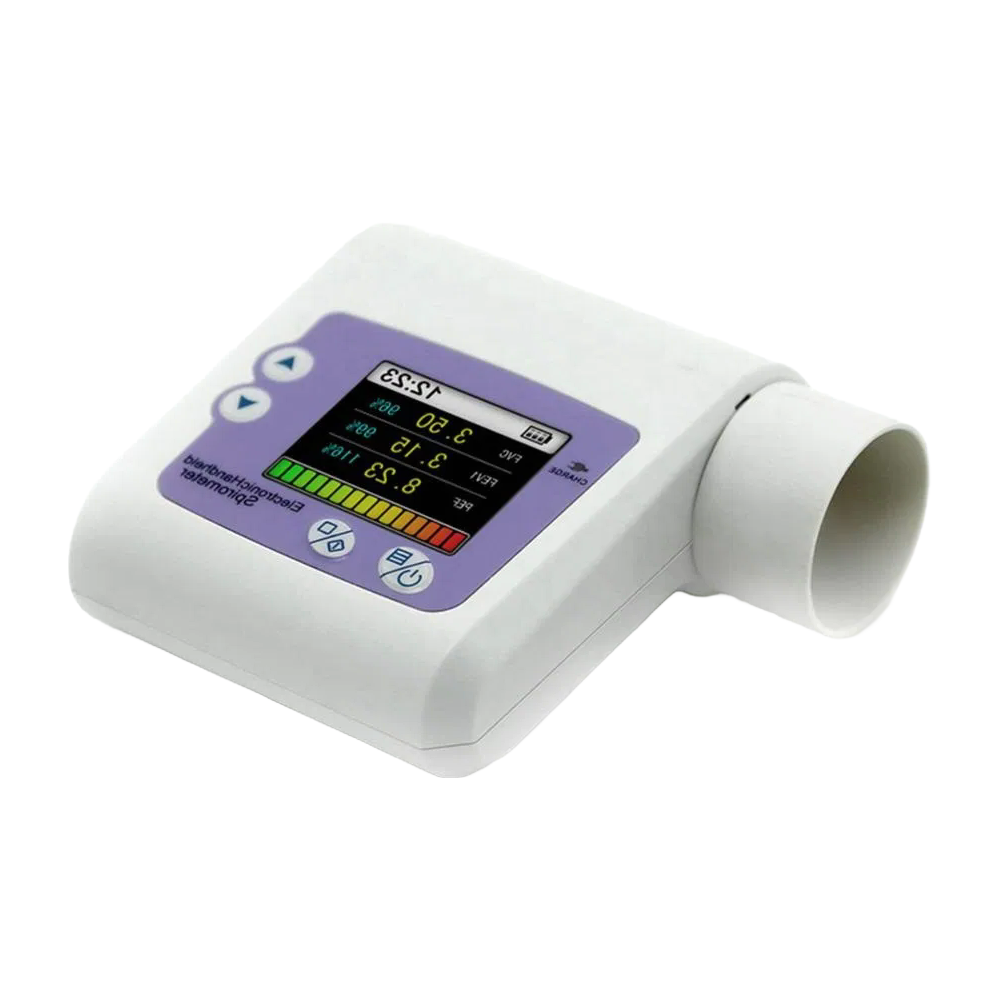
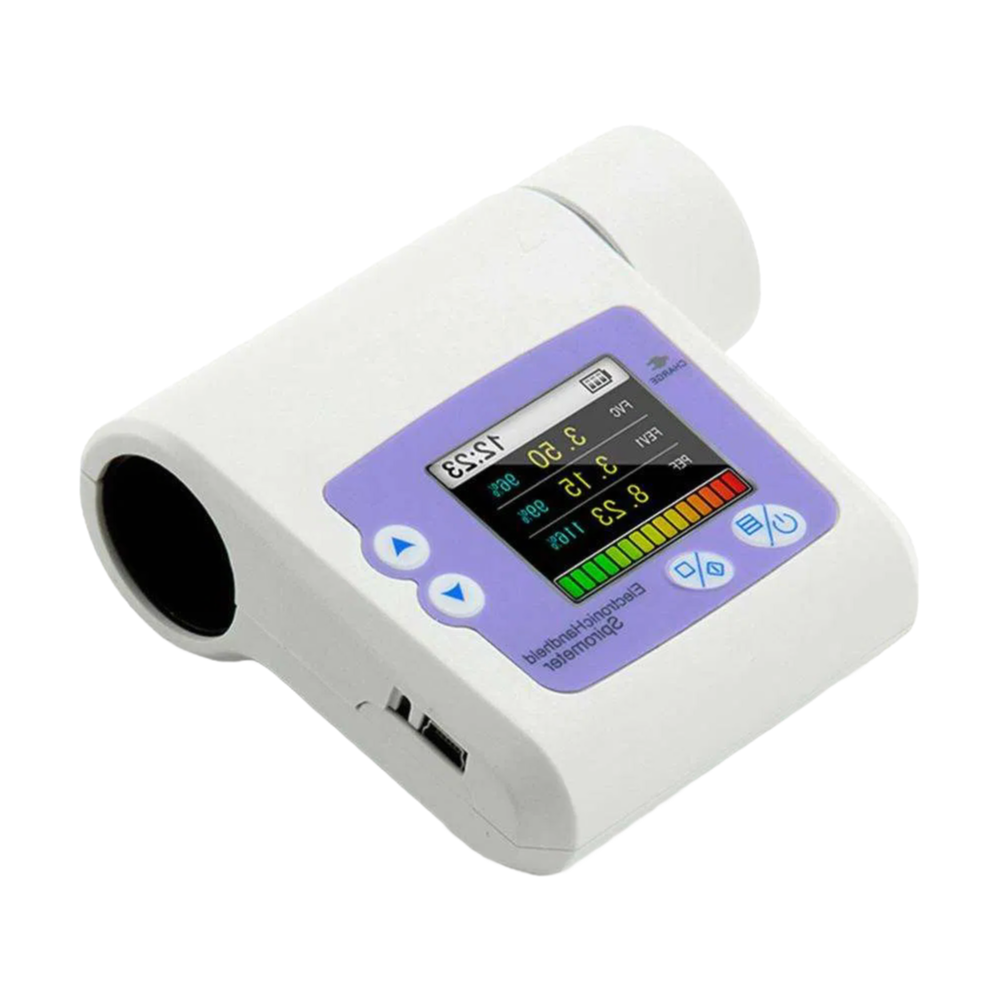
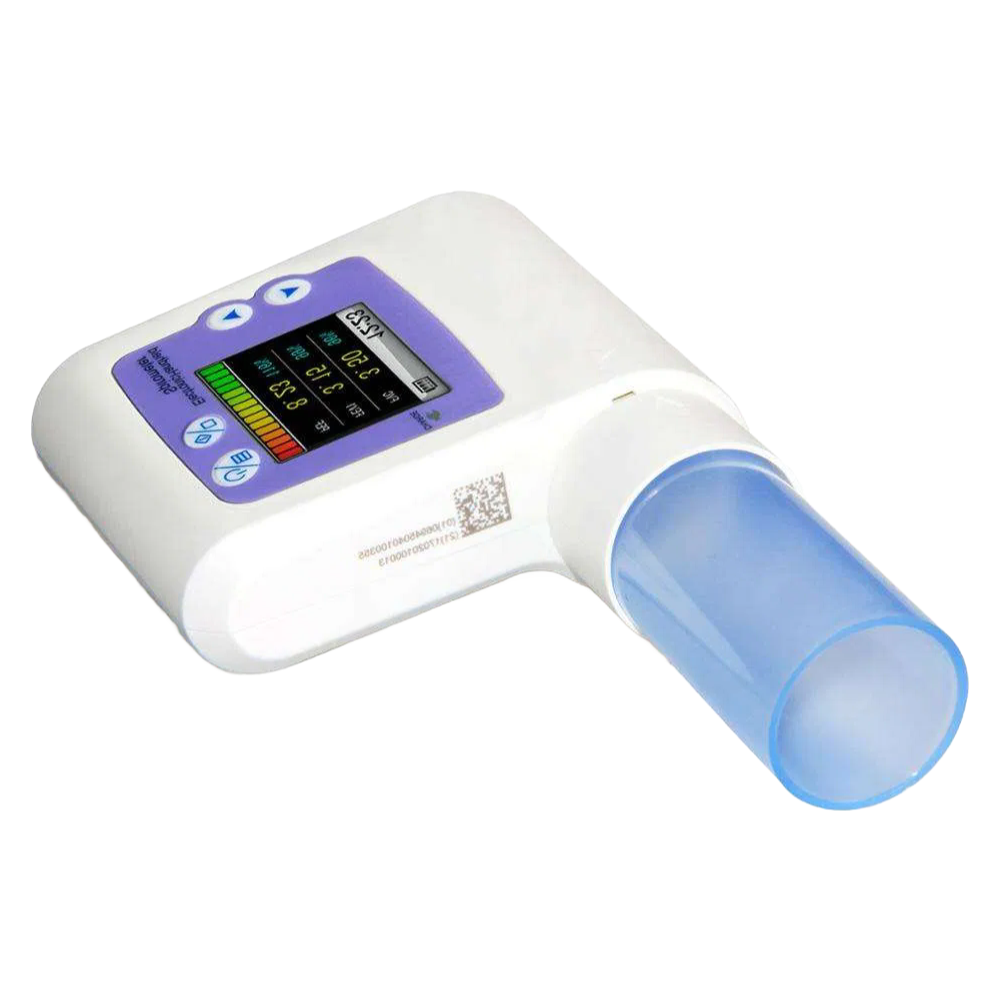
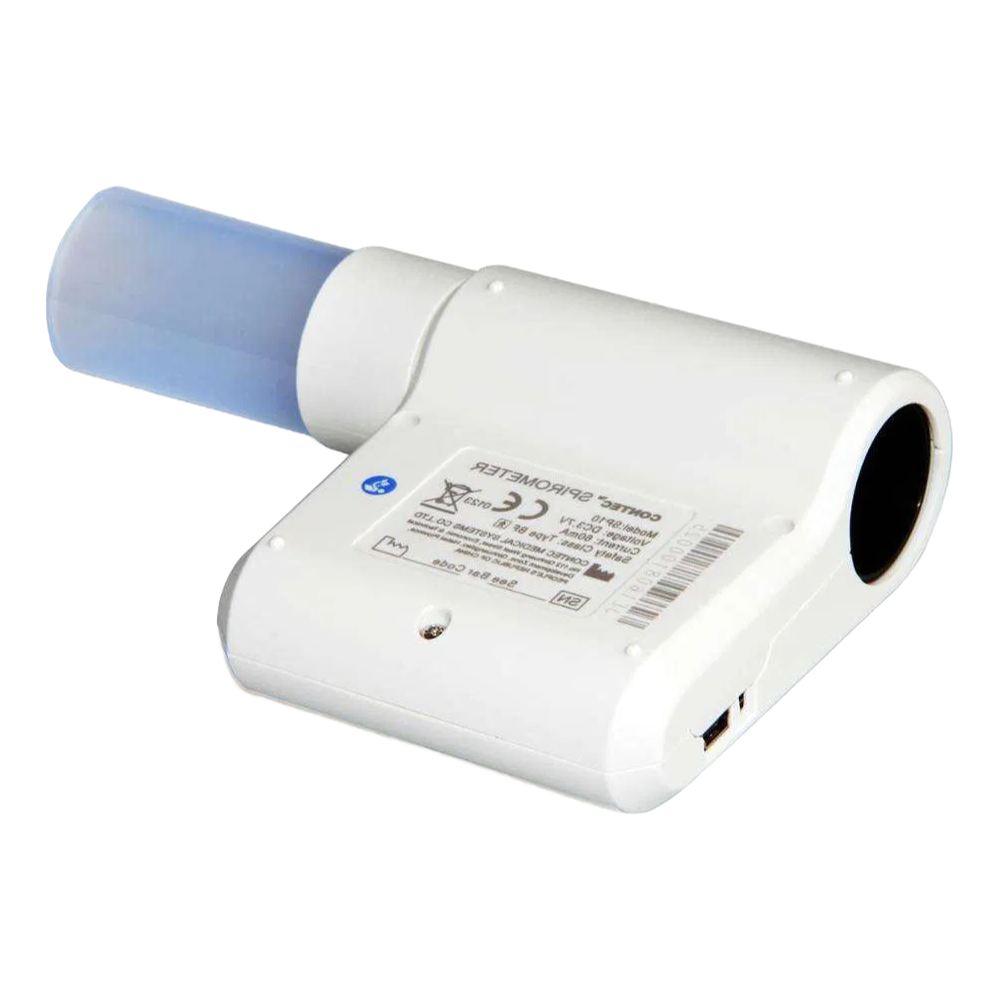
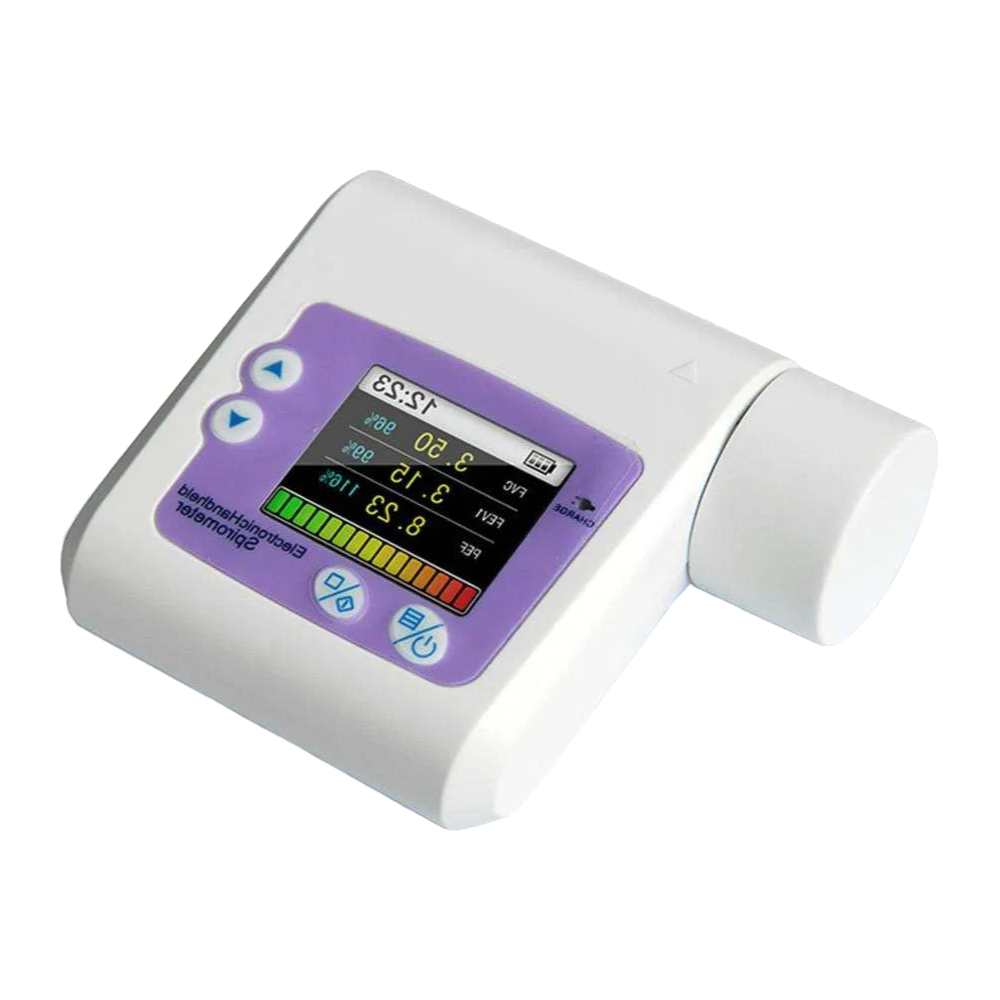
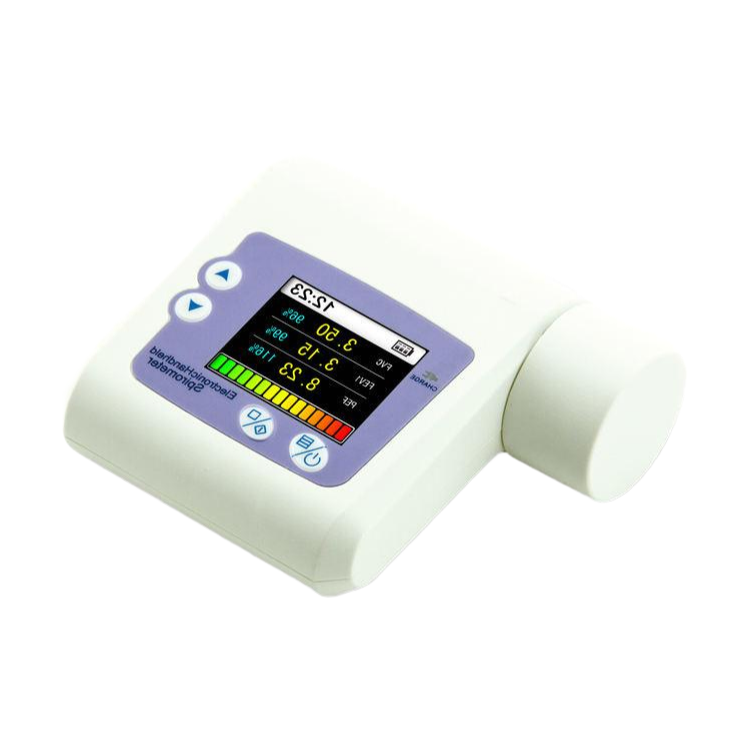
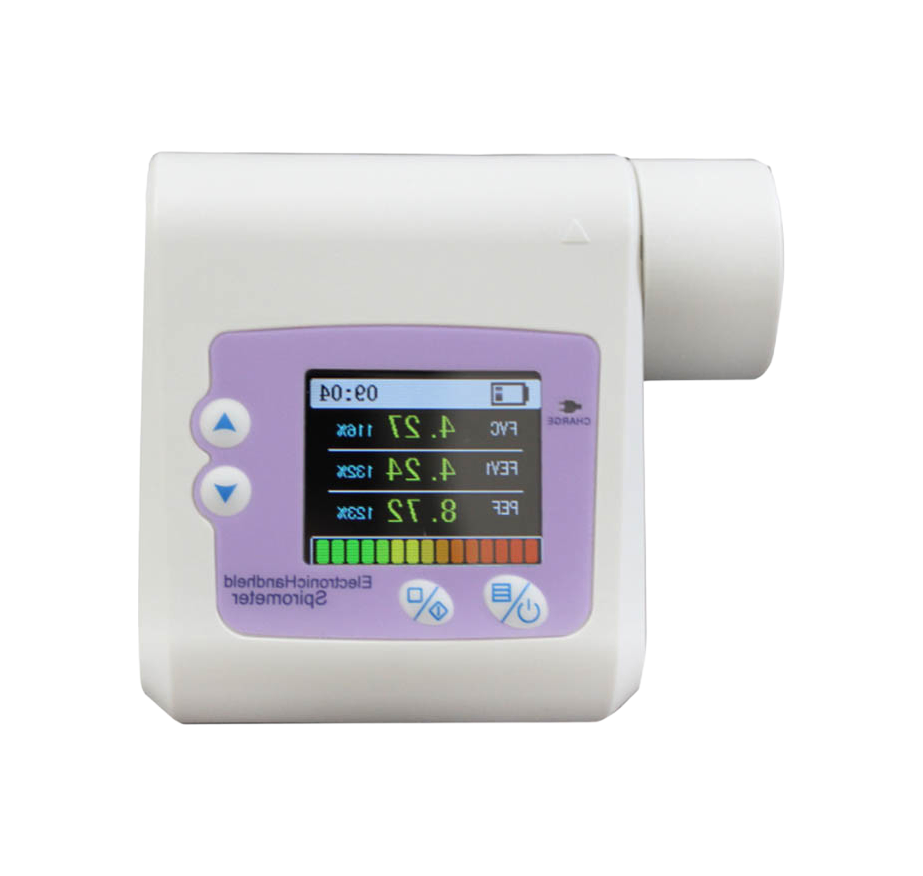
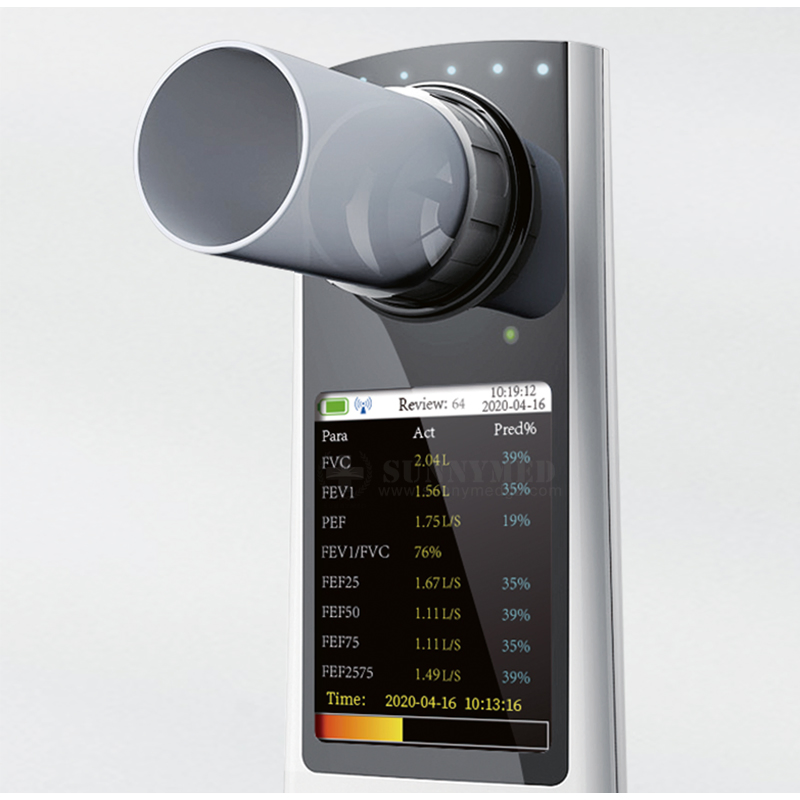
It's not a hospital-grade diagnostic powerhouse—teh device class is II, not III, so it isn't FDA-cleared for clinical decision-making in critical care, but for routine screening and monitoring in a GP's office or a wellness clinic, that infrared turbine actually holds up pretty well for the basic parameters you need.
We primarily ordered it because of that it covers FVC, FEV1, FEV1%, PEF, and the mid-flow rates (FEF25, FEF75, FEF2575) without needing a separate flow-volume loop interpretation license, and the rechargeable lithium battery means you're not tethered to a wall outlet during mobile health camps or home visits.
The auto power-off after one minute of inactivity is actually annoying if you're training patients to blow properly—you have to keep tapping screen—but it does save battery life, and the compact handheld form factor fits into a standdard lab coat pocket or small carry case (just check the dimensions against your storage drawer).
We selected it for the data upload capability and internal storage, which is basically decent for batch reviewing trends over 50 tests or so, but don't expect analytics—you'll need to pull the CSV into your own software for any regression analysis or longitudinal tracking.
The infrared measurement tech gives you about 3-5% variability on FEF75 between blows, which isn't ideal for severe obstruction cases, though for a first-pass screen or for monitoring asthmatic kids in a school setting, it's definitely tighter tolerance than mechancial turbine spirometers from 10 years ago.
CE marked, but be aware the data upload is via USB-C cable only (no Bluetooth in this version), so factor in about 20 minutes per batch transfer time, and we usually have about 50 units in stock from our distributor, but confirm lead time—sometimes it stretches to 3 weeks or so when their shippng container gets held up at customs.
We don't list a specific runtime, but the rechargeable lithium battery typically lasts for a full day of clinical use. The auto power-off kicks in after 1 minute of inactivity to save power.
Yes, the device has an upload function for data transfer. You'll need to check the included cable or software setup—it's designed to work with standard systems for review and storage.
These are mid-expiratory flow rates that help assess small airway function. FEF25 and FEF75 measure flow at 25% and 75% of forced vital capacity, while FEF2575 is the average flow over that middle portion—useful for detecting early airway obstruction.
Yes, it carries CE certification and is classified as a Class II Medical Device. That means it meets European safety and performance standards for diagnostic spirometry.
We typically require a MOQ of 10 units for first-time orders. If you need less than that, let us know your volume and we can discuss options.
Came exactly when expected, which was a huge relief given the nature of the product. The shipping was prompt and the packaging was exceptionally secure, ensuring everything arrived in perfect condition. Communication throughout the process was clear and professional. While I cannot comment on the specific medical functionality, the initial impression of the build quality is very solid. It feels robust and well-made, exactly what one would hope for with sensitive diagnostic equipment. The ordering process was straightforward, and any preliminary questions I had were answered quickly and thoroughly. Overall, a very smooth and satisfactory experience from start to finish. The company seems to understand the importance of reliability when dealing with medical tools, and that was reflected in every step of this transaction. I appreciate the attention to detail in the logistics and the evident care taken with the product itself.
Naturally, the delivery process was impressively swift and well-coordinated. The package arrived ahead of the estimated schedule, which was a pleasant surprise. Everything was securely packaged with appropriate materials, ensuring the device was completely protected during transit. There were no signs of mishandling or damage, reflecting a high standard of logistical care. The courier service provided consistent updates, making it easy to track the shipment from dispatch to arrival. This level of efficiency in logistics is commendable and significantly enhances the overall purchasing experience. Regarding the product itself, the build quality is immediately apparent and feels robust and reliable. The materials used seem durable and suitable for a medical-grade instrument. The finish is professional, and all components fit together precisely, indicating careful manufacturing. It has a substantial feel without being overly heavy, suggesting good design consideration for both durability and portability. The overall craftsmanship inspires confidence in its longevity and performance in a clinical setting. As for the service aspect, the pre-sales communication was clear and helpful. Any inquiries were addressed promptly and thoroughly by the support team, who demonstrated good knowledge and a professional demeanor. The post-delivery follow-up was also noted, with a courtesy message ensuring the order was received satisfactorily. This proactive approach to customer service is highly appreciated and adds significant value to the transaction. The entire process, from ordering to after-sales support, was seamless and customer-focused. In summary, the combination of efficient logistics, solid construction quality, and attentive service made for an exceptionally positive experience. The company clearly prioritizes customer satisfaction at every stage, which is evident in the careful handling of the delivery, the apparent quality of the product, and the supportive communication throughout.
Naturally, the shipping process was remarkably swift and well-organized. The package arrived ahead of the estimated schedule, which was a pleasant surprise. Everything was securely packaged with appropriate protective materials, ensuring the device was in pristine condition upon unboxing. There were no signs of damage or mishandling during transit. The courier service provided consistent updates, making it easy to track the shipment from dispatch to delivery. Regarding the product itself, the build quality feels exceptionally robust and professional. The materials used are high-grade, giving a sense of durability and reliability expected from medical-grade equipment. The finish is precise, with no rough edges or manufacturing flaws apparent. It has a substantial, well-engineered feel that inspires confidence. As for the service aspect, the pre-sales communication was clear and informative. Any initial queries were addressed promptly and courteously. The post-purchase support has also been responsive, indicating a commitment to customer satisfaction. The overall experience, from ordering to receipt, has been seamless and highly satisfactory. The attention to detail in logistics, the apparent quality of the product, and the supportive service have collectively made this a very positive transaction. It reflects a company that values efficiency and customer care.
Impressive delivery speed! I was pleasantly surprised by how quickly the portable digital spirometer arrived. The shipping was remarkably fast, and the package was securely wrapped, ensuring the medical equipment reached me in perfect condition. The quality of the spirometer itself is outstanding. It feels robust and well-made, exactly what one would expect from a reliable hospital diagnostic device. The materials used seem durable and suitable for repeated use, which is crucial for accurate FVC measurement. Customer service was incredibly responsive and helpful. I had a minor question about the data storage function, and the support team provided a clear, thorough explanation promptly. Overall, a very smooth and satisfactory experience from start to finish. I would definitely recommend this to anyone in need of a portable lung function test device. The combination of efficient logistics, high-quality construction, and excellent support makes this a top-notch purchase.
Shipping was surprisingly swift. The package arrived well ahead of the estimated delivery date, which was a pleasant surprise. Everything was securely packaged with ample protective material, ensuring the device arrived in perfect condition without any signs of damage from transit. The quality of the spirometer itself is immediately apparent. It feels solid and well-constructed, with a durable casing that inspires confidence for regular use in a clinical setting. The display is clear, and the buttons have a satisfying, responsive feel. The overall craftsmanship seems excellent for a portable medical device. Regarding service, the communication from the seller was proactive and helpful. They sent a confirmation email promptly after the order and provided a tracking link that was accurate and easy to follow. While I haven’t needed to contact customer support for any issues, the initial interaction was smooth and professional. This positive experience with the logistics, the apparent build quality, and the attentive service makes the overall purchasing process highly satisfactory. It sets a good precedent for the reliability of the product and the company behind it.
Wanted to share my thoughts on the recent delivery of the spirometer. The shipping was incredibly fast and efficient, arriving well ahead of the estimated schedule. The packaging was secure and professional, ensuring the device was perfectly protected during transit. Regarding the build quality, the unit feels solid and well-constructed, with a durable casing that inspires confidence for clinical use. The materials used seem high-grade and suitable for a medical environment. Customer service was responsive and helpful during the ordering process, promptly answering my pre-purchase inquiries. Overall, a very positive experience from logistics to the tangible quality of the product and the support received.
Prompt delivery and excellent packaging. The item arrived ahead of the estimated schedule, which was a pleasant surprise. The courier service was efficient and provided clear tracking updates throughout the transit. Regarding the product itself, the construction feels solid and durable, exactly as one would hope for a piece of medical equipment. The materials used seem to be of high grade, and the overall finish is professional. The seller was communicative and responsive to my initial inquiry, providing helpful information before the purchase. The entire process, from ordering to unboxing, was seamless and handled with apparent care. I am thoroughly satisfied with this transaction and would not hesitate to recommend this seller to others based on this positive experience. The attention to detail in both the shipping process and the product presentation is commendable. It is clear that the vendor prioritizes customer satisfaction and maintains high standards for their logistics and product quality assurance. This level of service is what sets apart reputable suppliers in the marketplace. I look forward to potential future purchases, confident in the knowledge that I will receive the same high level of professionalism and quality.
Wanted to share my thoughts on the shipping and overall experience. The delivery was incredibly fast and efficient, arriving well ahead of the estimated schedule. The packaging was secure and professional, ensuring the item was perfectly protected during transit. Regarding the product itself, the build quality feels robust and durable, exactly what one would expect for medical-grade equipment. The materials used seem high-grade and reliable. As for customer service, the team was responsive and helpful when I had a pre-sale inquiry, providing clear and prompt answers. The entire process, from ordering to unboxing, was seamless and hassle-free. I am thoroughly satisfied with this aspect of my purchase and would confidently recommend this supplier based on these factors alone. The attention to detail in logistics and the evident commitment to quality and service are truly commendable. It is refreshing to encounter such a smooth and professional transaction, which makes a significant difference when acquiring specialized equipment. This positive experience has certainly set a high standard for future purchases.
Hats off to the delivery team for their exceptional speed and care. The package arrived ahead of schedule, which was a delightful surprise. Upon unboxing, the product itself exudes a sense of high-quality craftsmanship; the materials feel robust and durable, exactly what one would expect from professional-grade medical equipment. The initial setup was straightforward, and the device has a solid, reliable feel to it. However, my experience was slightly marred by a customer service interaction. While the representative was polite, there was a noticeable delay in receiving a clear answer to a pre-purchase query regarding compatibility. This caused a bit of hesitation on my part. That said, once the order was placed, the logistical execution was flawless. The item was well-packaged with ample protective materials, ensuring it arrived in pristine condition. The overall build quality is impressive, suggesting it can withstand regular use in a clinical setting. While the service aspect could be more prompt in its communication, the superior logistics and the evident quality of the physical product make this a very positive experience overall. I am confident in the device’s construction and the company’s ability to deliver items safely and efficiently.