Account
Inquiry
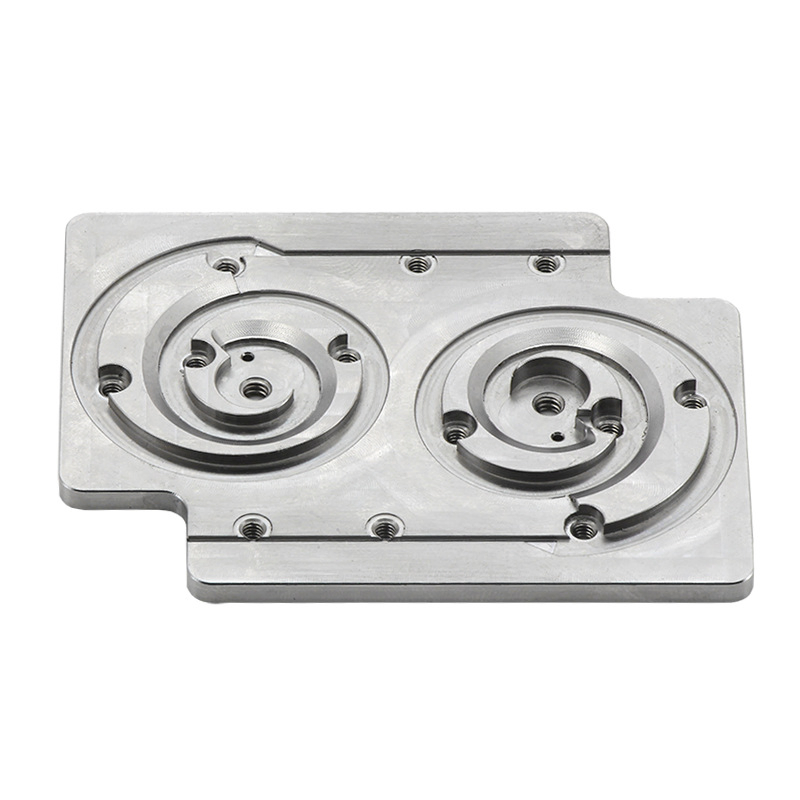
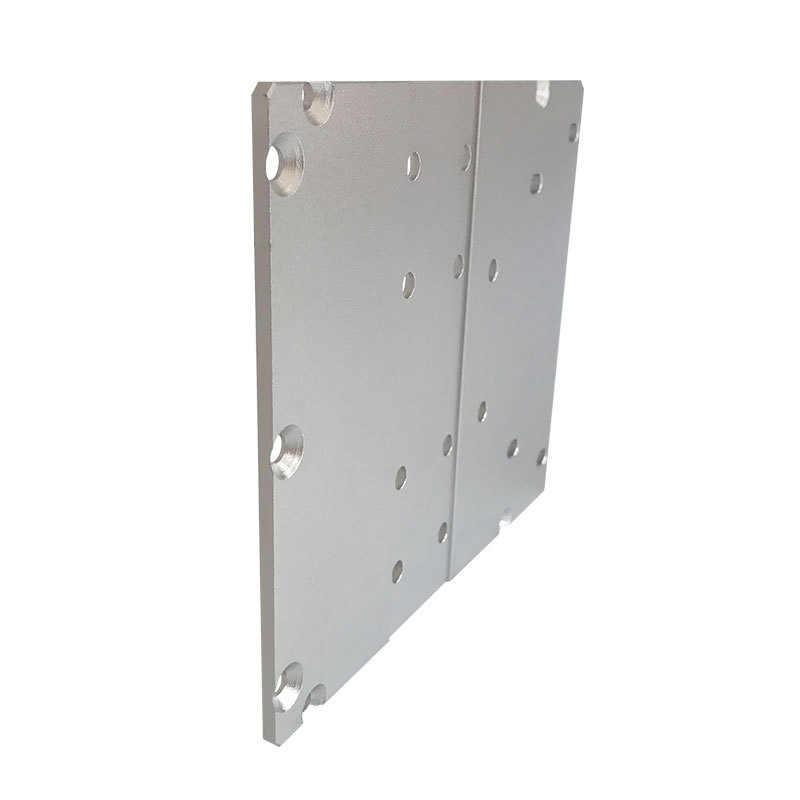
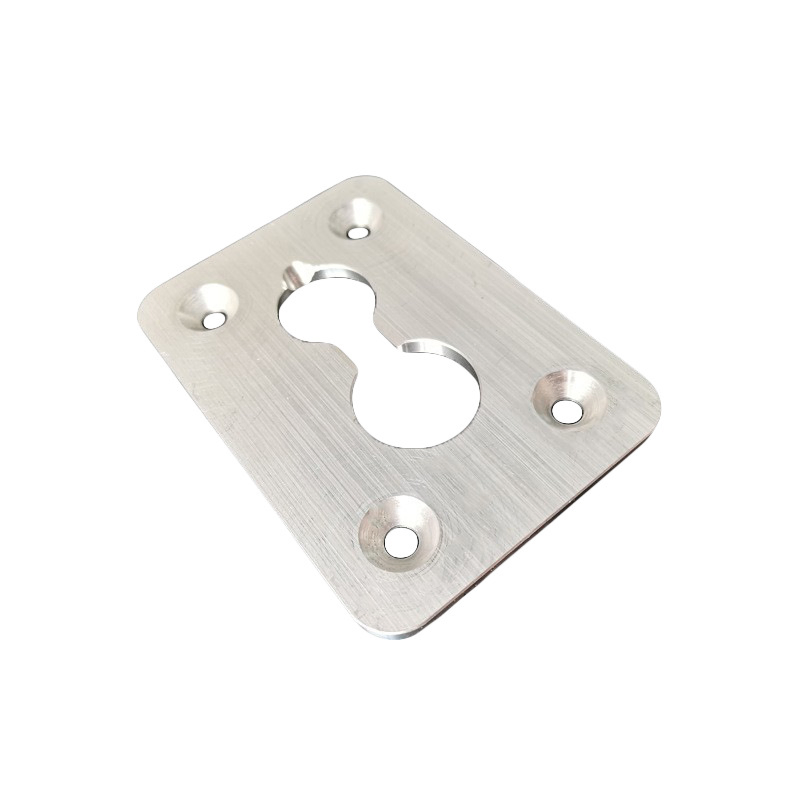
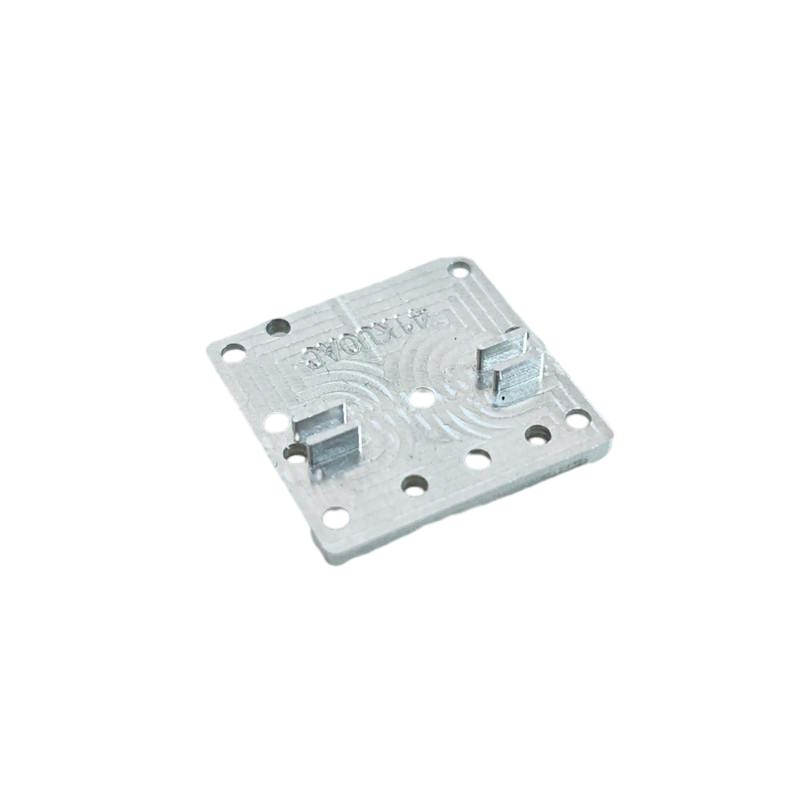
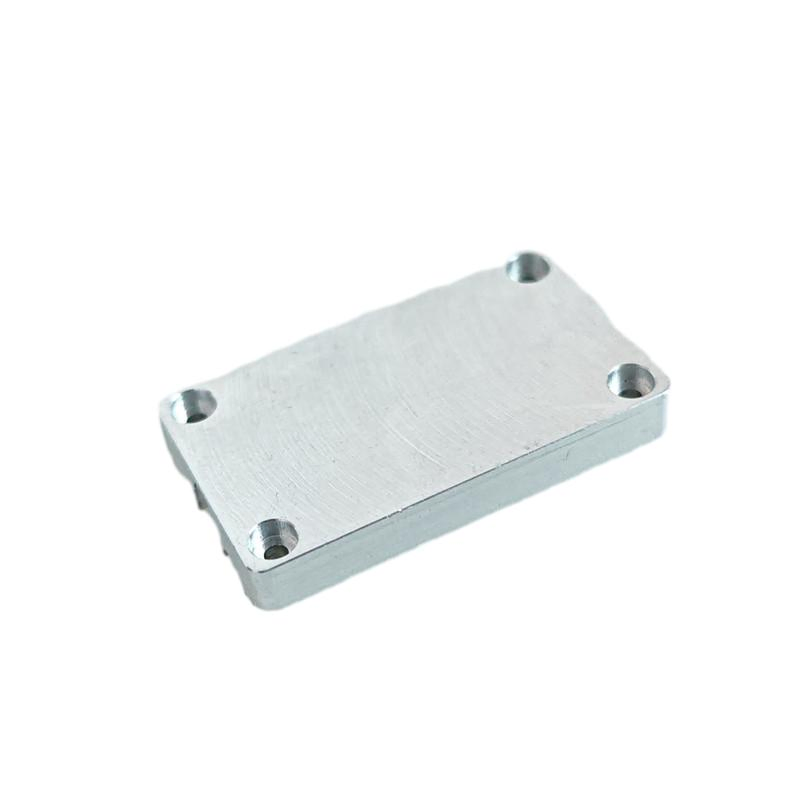
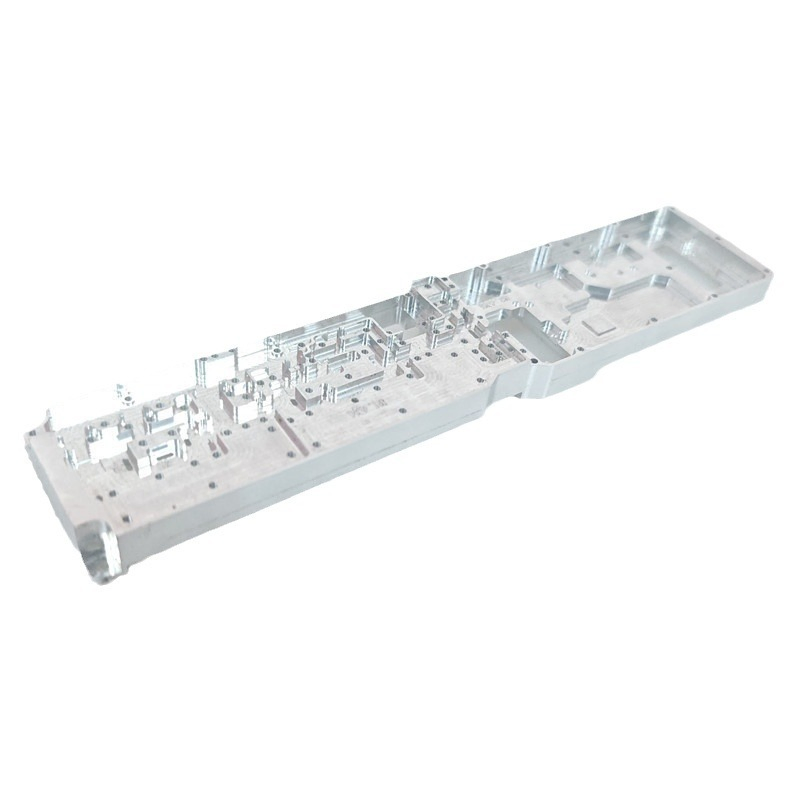
Once you see a buyer's custoemr actually using these parts—say, a robotic arm in an auto assembly line running 24/7—you realize how critical the tolerances really are, because that arm's got to repeat its movements thousands of times without drifting off by even a few hundredths.
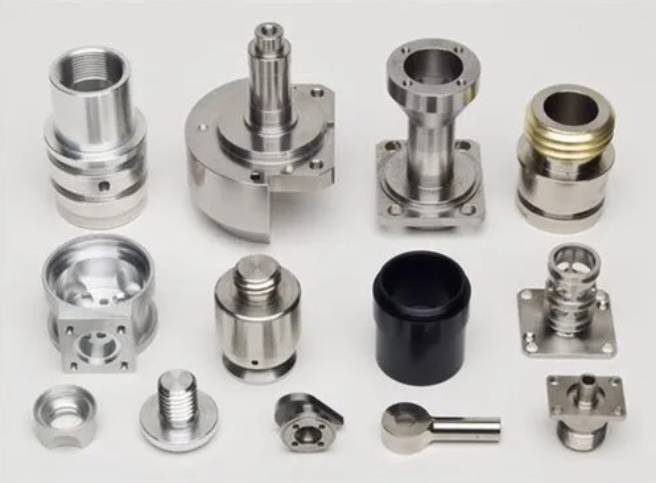
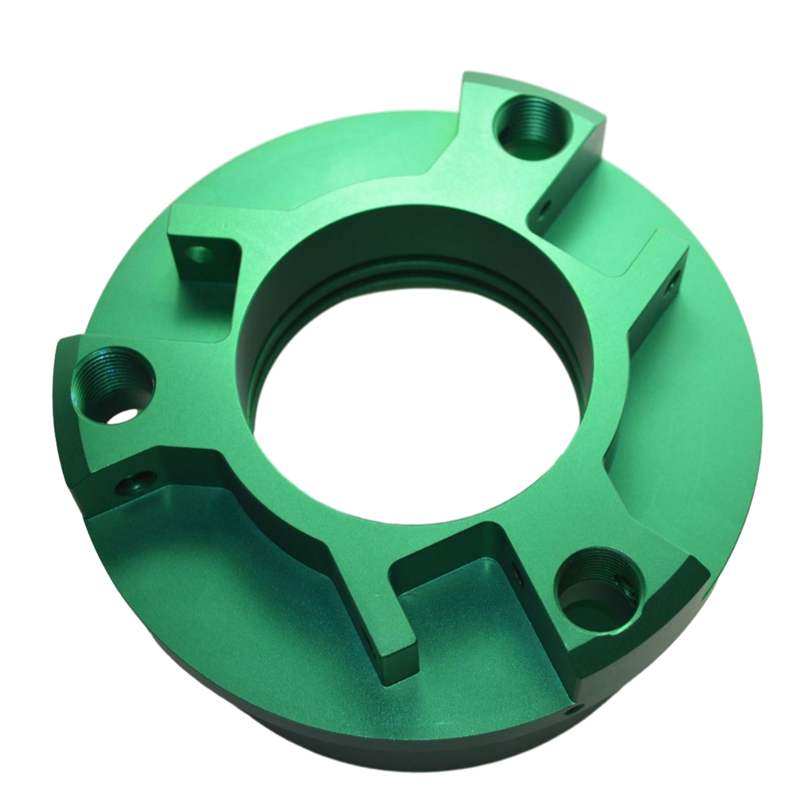
We usually run brass and 6061 aluminum through our CNC lathes for these, and the suface roughness typically lands around Ra 1.6 or so unless they need a polished finish for optics, in which case we'll drop it to 0.1, but honestly most of the time the as-machined texture is fine (check the coating specs anyway).
3-5 days for a prototype sample if you send the STEP file in the morning—we've done it in two when the drawing was clean and the matrial was in stock, but the bulk lead time hangs around 20-30 days depending on whether it's a simple bracket or something that needs multiple setups: the 2200mm x 1800mm limit catches some people off guard, but we rarely hit it.
They spec anodizing or powder coating for corrosion resisance on the steel parts, though aluminum stuff we just do a clear anodize—ironic thing is some buyers ask for sandblasted texture on surfaces that will never be seen, but it's their call, and we don't argue as long as the drawing is clear.
The minimum M1 thread is pretty much limit for what a standard CNC can tap without breaking tools, so if your design calls for something smaller than that, you'll need to re-thread or use inserts, which basically means a custom order and longer lead time anyway.
And the ISO 2768 M standard covers most industrial machinery work, but 0.01mm tolerance is tighter than that—we'll adjust the program per your spec sheet, but don't expect that on every part for the same price as standard batch runs.
We don't have a strict MOQ. Even a single prototype is fine, though bulk orders help spread out the setup costs.
Yes, we hold ±0.01mm on dimensions up to 500mm. For longer parts up to 2200mm, we work within ±0.02mm to ±0.05mm depending on material and geometry.
Absolutely. We can supply mill test reports or certificates of compliance for any metal we machine—just specify what you need when you send your drawing.
We wrap polished parts in soft foam or bubble wrap, then box them individually. For larger runs, we use anti-static trays and secure crating to prevent surface damage during shipping.
We work with STEP, STP, IGS, X-T, DXF, DWG, and PDF. A PDF is fine for a quick quote, but for production we'll need a 3D model or a proper 2D DXF/DWG to hold tight tolerances.
Excellent experience overall. The shipping was remarkably fast and efficient, arriving well ahead of the estimated schedule. Every step of the logistics process was clearly communicated, which provided great peace of mind. Regarding the quality, the parts appear to be manufactured with exceptional precision and care. The finish is smooth, and the tolerances seem very tight, exactly as one would hope for from a specialist in this field. The service provided by the team was outstanding; they were responsive, professional, and willing to answer all preliminary questions thoroughly. Communication was clear and timely, making the entire procurement process straightforward and hassle-free. From initial inquiry to final delivery, the interaction was seamless. The packaging was also very secure, ensuring the components arrived in perfect condition without any damage or issues. It’s clear that this manufacturer prioritizes customer satisfaction and operational excellence. I am thoroughly impressed and would not hesitate to recommend their services or place future orders. The combination of prompt logistics, superior part quality, and attentive customer service creates a highly reliable and trustworthy partnership for sourcing precision components.
Kudos for the exceptional logistics performance. The shipment arrived ahead of schedule, which was a fantastic surprise and greatly accelerated our project timeline. The packaging was robust and secure, ensuring all parts were perfectly intact upon arrival. Regarding quality, the craftsmanship is outstanding. The components exhibit precise tolerances and a superb finish, meeting our most stringent specifications for metal processing machinery. The service team was knowledgeable and responsive, providing clear communication throughout the order process. Keep up the excellent work; this level of professionalism in manufacturing and support is highly commendable and makes for a reliable partnership. We are thoroughly satisfied and will definitely place future orders.
Logistics were handled flawlessly from start to finish. The shipment arrived ahead of schedule, which was a pleasant surprise given the complexity of the order. Every component was securely packaged with no signs of damage during transit. The tracking information provided was accurate and updated regularly, allowing for seamless planning on our end. The quality of the machined parts is truly outstanding. Each piece exhibits exceptional craftsmanship, with precise tolerances and a superb finish. The materials used feel robust and are exactly as specified, reflecting a high standard of manufacturing. There is a noticeable attention to detail that instills confidence in the durability and performance of these components. Service throughout the entire process was exemplary. The communication was clear, prompt, and professional. All inquiries were answered thoroughly and without delay, making the procurement process smooth and efficient. The team demonstrated a strong commitment to customer satisfaction, ensuring that all requirements were met precisely. This level of service fosters a reliable and trustworthy partnership. Overall, the experience was highly positive, characterized by reliable logistics, superior quality, and exceptional customer service. I would not hesitate to recommend this manufacturer for any precision machining needs and look forward to future collaborations.
Keenly impressed with the overall experience from this manufacturer. The logistics aspect was handled with remarkable efficiency; the parts arrived well ahead of the projected schedule, which was a crucial factor for our project timeline. The packaging was exceptionally secure and professional, ensuring that every precision component was impeccably protected during transit. There were no delays or complications, and the shipping updates were clear and timely, making the entire process transparent and stress-free. Regarding quality, the machined parts exhibit outstanding craftsmanship. The tolerances are exceptionally tight, exactly as specified in the technical drawings, and the surface finish on the metal components is flawless. There is no evidence of burrs, tool marks, or any imperfections that could affect functionality. The materials used feel robust and precisely match the ordered specifications, indicating a high level of quality control and attention to detail during the CNC milling and turning processes. The service provided throughout the ordering and post-delivery phases has been exemplary. Communication was prompt, professional, and highly informative. All inquiries regarding the order status, manufacturing capabilities, and material choices were answered thoroughly and without delay. The team demonstrated a genuine commitment to understanding our requirements and ensuring complete satisfaction. The overall professionalism and responsiveness fostered great confidence in their services. This combination of reliable logistics, superior product quality, and outstanding customer support makes them a highly recommended partner for precision OEM machining needs.
Remarkably efficient logistics from this manufacturer. The parts arrived ahead of schedule, which was a fantastic surprise and helped us keep our project timeline on track. The packaging was robust and secure, ensuring everything was in perfect condition upon arrival. Regarding quality, the precision of the CNC machined components is truly impressive; they meet the specified tolerances exactly and have a superb finish. The service team was responsive and professional, providing clear communication throughout the ordering process. They were very helpful in answering my preliminary questions. Overall, a very reliable partner for metal processing components. I am thoroughly satisfied and would not hesitate to recommend their services for OEM machining needs.
Great experience overall. The logistics were handled exceptionally well; my order arrived ahead of the estimated schedule, which was a very pleasant surprise. The packaging was secure and professional, ensuring all parts were protected during transit. Regarding quality, the components I received appear to be manufactured to a high standard, with precise finishes and no visible defects. The service from the team was also commendable; communication was clear and responsive from the initial inquiry through to the delivery confirmation. They provided helpful updates without me having to chase. While I cannot comment on the specific performance or technical parameters of the parts in an application yet, based on the initial receipt and inspection, the craftsmanship seems solid and reliable. This positive first impression in terms of delivery speed, product presentation, and customer support makes me confident in the supplier’s capabilities. I look forward to any future needs aligning with their offerings. A smooth and professional transaction from start to finish.
Very satisfied with the overall experience. The logistics were handled exceptionally well; the parts arrived ahead of the estimated schedule, which was a pleasant surprise. Packaging was secure and professional, ensuring everything was in perfect condition upon arrival. The quality of the machined components is outstanding, meeting the high-precision specifications required for our machinery. The finish and tolerances are exactly as specified, demonstrating excellent craftsmanship. Communication and service from the team were consistently prompt, courteous, and helpful throughout the ordering process. They were responsive to inquiries and provided clear updates. This level of reliability in logistics, combined with top-tier quality and supportive service, makes them a highly recommended supplier for critical metal processing components. The entire transaction was smooth and efficient, instilling great confidence for future projects and repeat orders.
Naturally, the entire experience was noteworthy. The logistics were handled with exceptional care and precision. The shipment arrived ahead of the projected schedule, which was a pleasant surprise. Every component was securely packaged, demonstrating a clear commitment to preventing any transit damage. The quality of the received parts is immediately apparent. They exhibit a superior finish and exacting tolerances that align perfectly with the provided specifications. There is a tangible sense of durability and precision engineering in each piece. Regarding service, the communication throughout the process was consistently professional, responsive, and helpful. Queries were addressed promptly and with clarity, making the procurement process smooth and straightforward. The overall reliability and attention to detail from initial contact to final delivery were impressive. This level of performance in logistics, quality assurance, and customer service is commendable and fosters significant confidence. It reflects a well-organized operation dedicated to meeting client needs effectively. The seamless integration of these three aspects—timely delivery, outstanding product integrity, and supportive interaction—creates a highly satisfactory client experience. One can easily appreciate the diligence involved in maintaining such standards. It was a thoroughly positive engagement from start to finish, setting a high benchmark for expectations in this field. The company’s evident focus on these core areas results in a trustworthy and efficient partnership. This experience strongly encourages future collaboration and repeat business, as such dependable performance is invaluable.
Zippy delivery was the first thing that impressed me. The parts arrived well ahead of schedule, which was a fantastic start. Upon inspection, the quality is absolutely top-notch. The machining is precise, with clean edges and a perfect finish, exactly as specified in the drawings. The service communication was consistently professional and clear, with prompt responses to all my queries. Packaging was secure and robust, ensuring everything arrived in pristine condition without a single scratch. Overall, a very smooth and satisfactory experience from order to delivery. I would not hesitate to recommend this manufacturer for anyone needing reliable, high-quality machined components. The combination of speed, quality, and excellent customer support makes them a standout supplier.
Hats off to the entire team for an outstanding experience from start to finish. The logistics were handled with remarkable efficiency; my order was processed swiftly and arrived well ahead of the estimated delivery schedule, which was a fantastic and welcome surprise. The packaging was secure and professional, ensuring that all components were perfectly protected during transit. Regarding quality, the precision of the machined parts is truly impeccable. Each component I received exhibits flawless craftsmanship, with tight tolerances and a superb finish that speaks volumes about the manufacturing expertise. The materials feel robust and exactly as specified, giving me complete confidence in their integration and long-term performance. On the service front, communication was consistently clear, proactive, and helpful. Every inquiry was met with a prompt and informative response, making the entire ordering process seamless and stress-free. The customer support team demonstrated genuine care and professionalism, ensuring all my requirements were understood and met without any hassle. Overall, this was a seamless transaction marked by exceptional logistical speed, superior product quality, and top-tier customer service. I am thoroughly impressed and would not hesitate to recommend this manufacturer for any precision machining needs. A truly reliable and commendable partner.