Account
Inquiry
We've been selling these units for about four years now, and honestly, the main thing people ask right off bat is whether it'll actually handle their caseload — especially if they're doing both farm calls and in-clinic work.
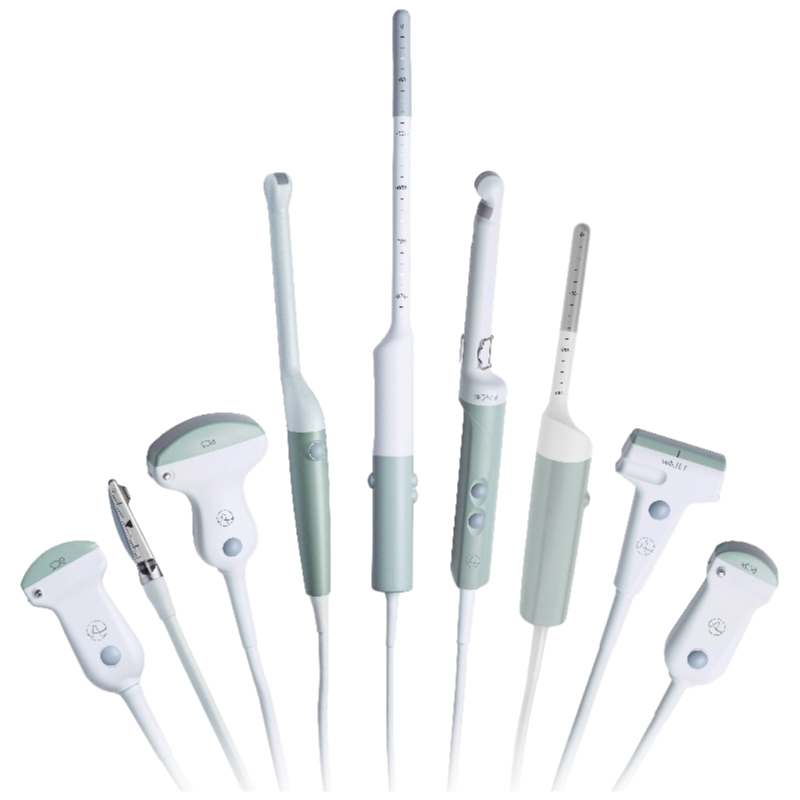
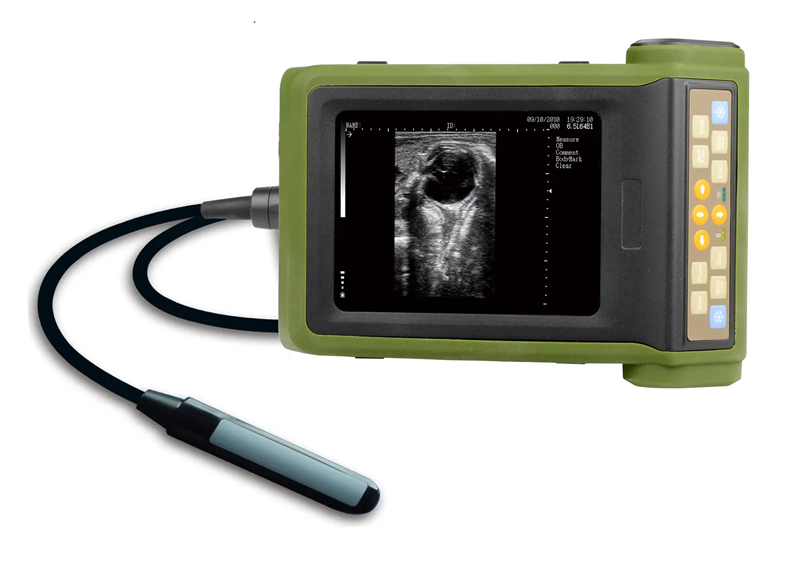
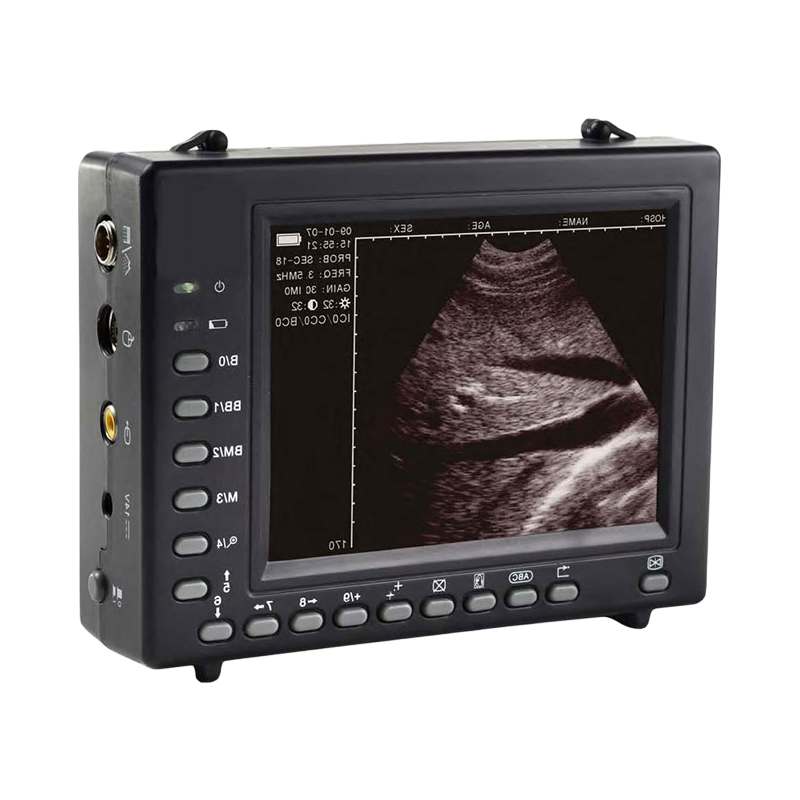
For a small animal practice or a mixed practice that sees dogs, cats, and the occasional sheep, the 6.5MHz linear rectal probe that comes standdard does a solid job with soft tissue and pregnancy checks, but if you're looking at deep abdominal work on a large breed, you'll want to swap to the 4.0MHz convex — that's the one that gives you better penetration through thicker tissue.
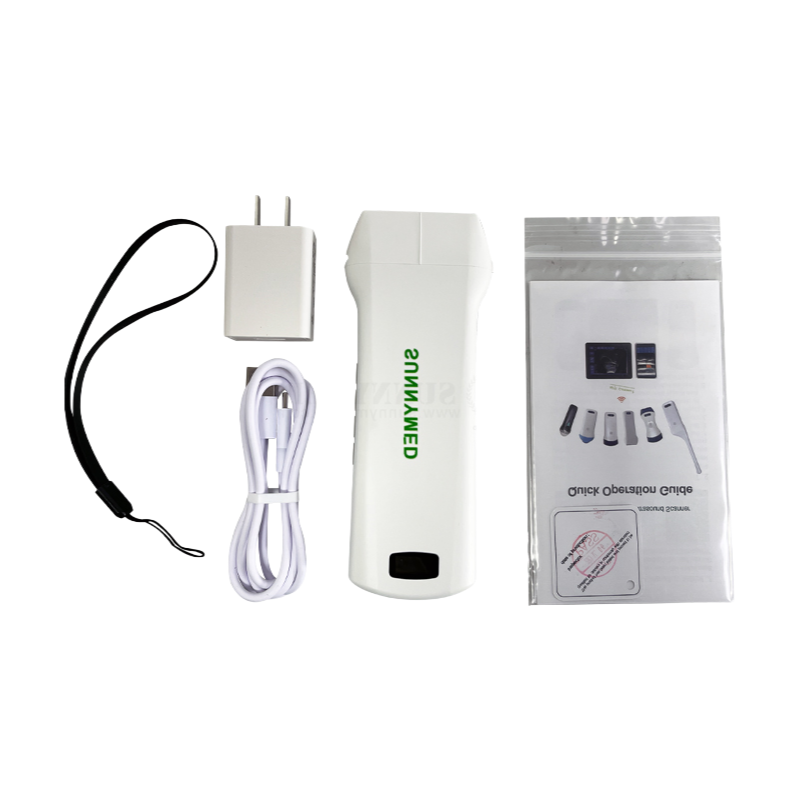
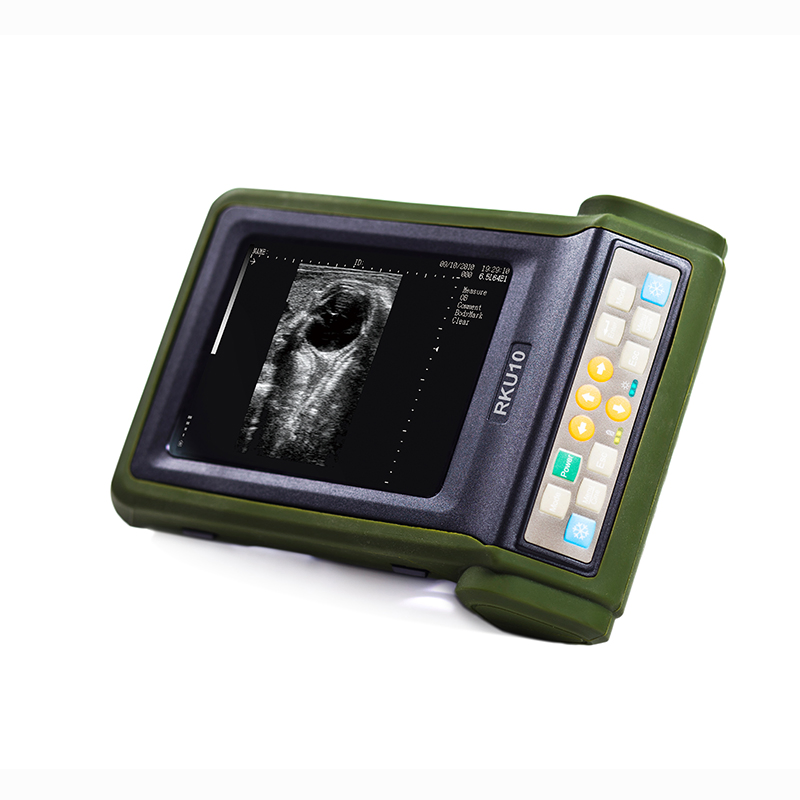
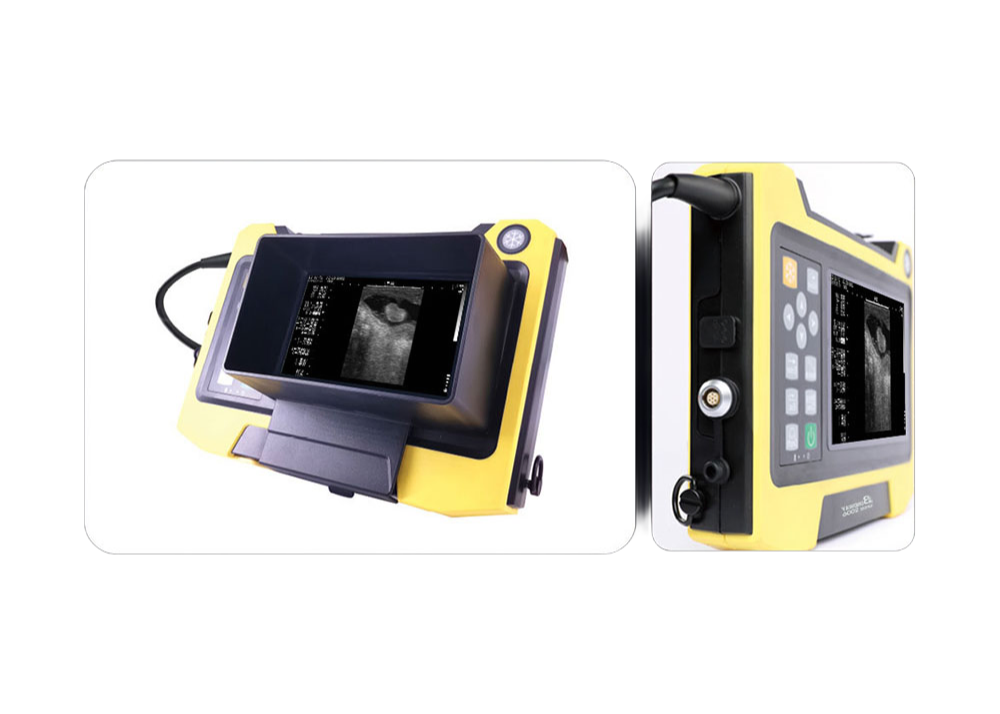
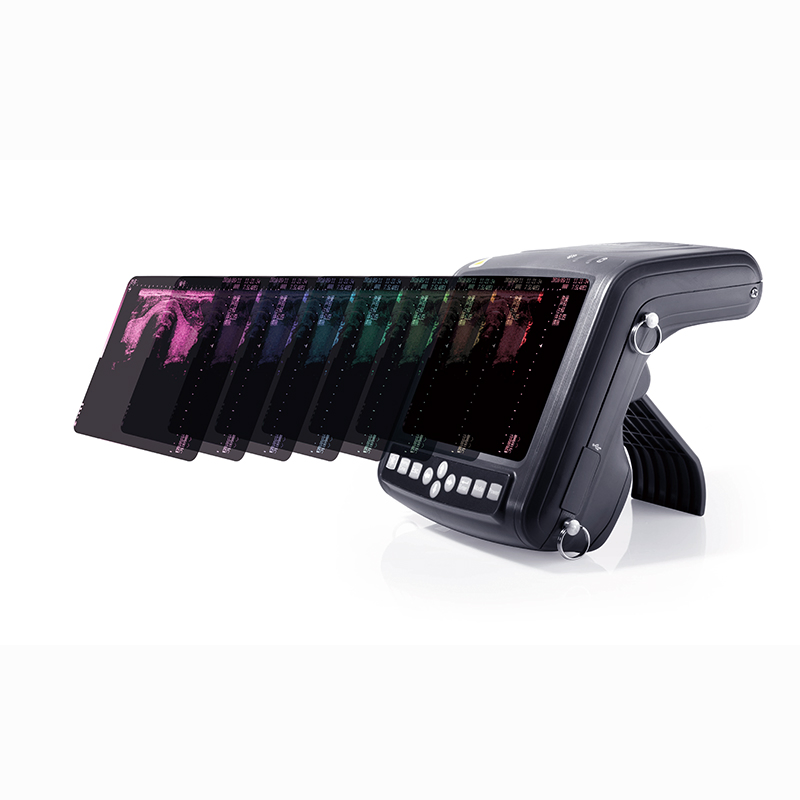
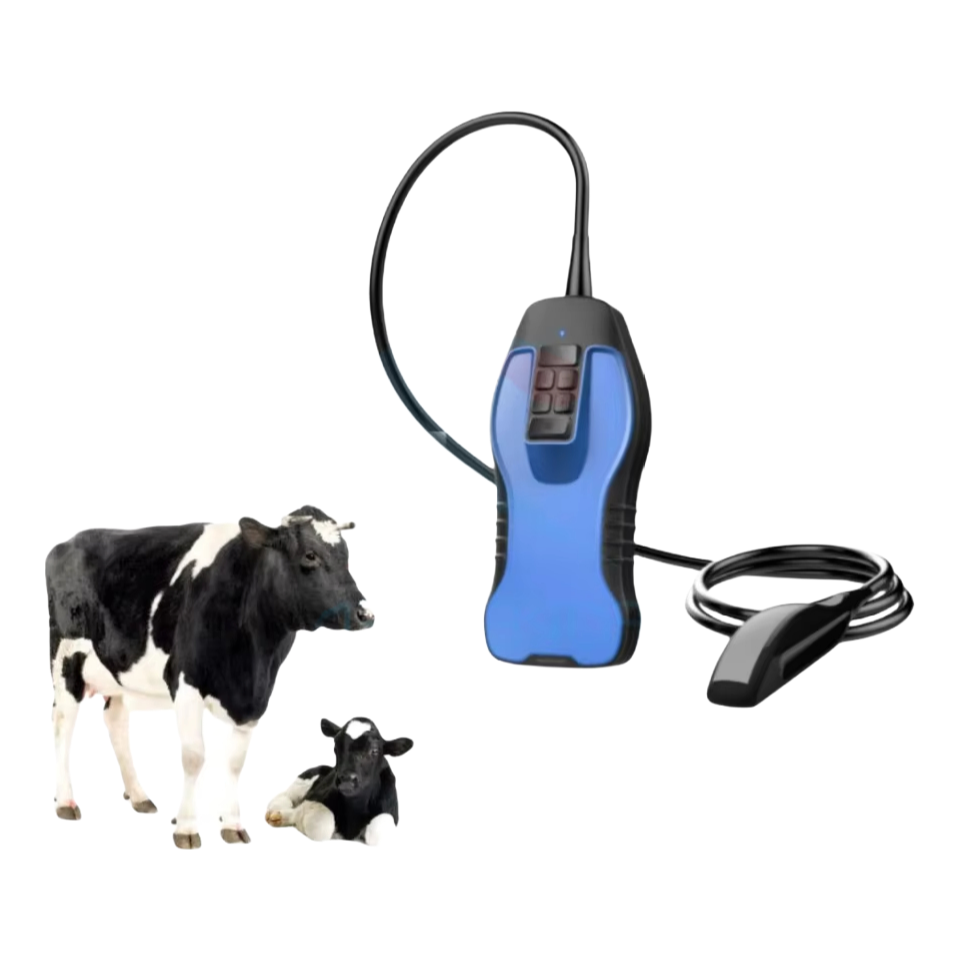
It's pretty much portable enough to sling over your shoulder with the chest harness and walk out to a truck, and the battery lasts a full day of back-to-back scans — we usually see about six to seven hours give or take, depending on how bright you run the screen.
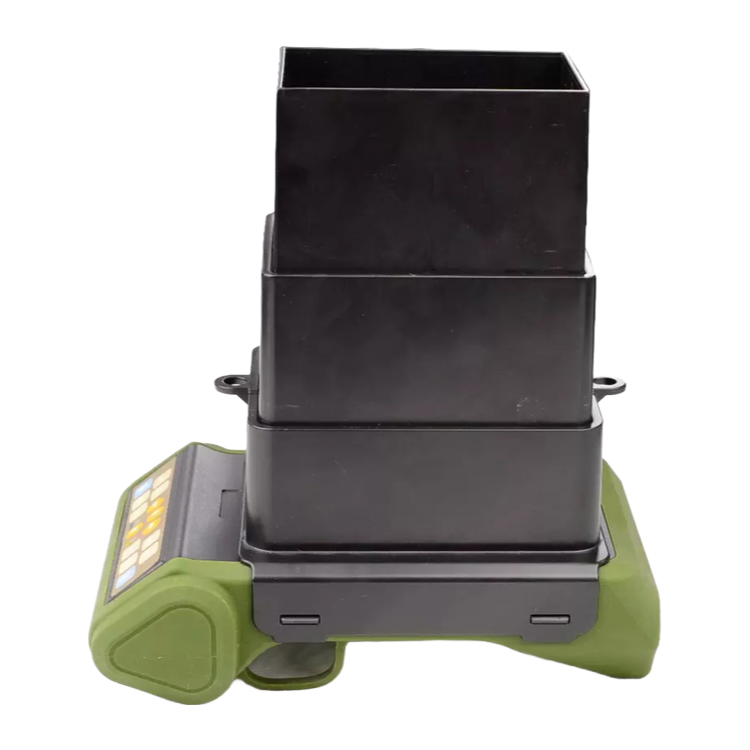
One thing I'll mention that buyers don't always think about is the sunshine cover — it's a simple plastic hood that clips onto teh 5.7-inch monitor, and it makes a huge difference when you're scanning outside in direct light, which is more common than you'd expect.
Now, on the trust side, we've got CE and ISO13485 certification on file, and every unit ships with a COA form the batch — but what I'd say matters more is that we've had maybe three returns out of a couple hundred units, and those were all resolved within a week with online technical support (usually firmware glitches on the B/M mode switching).
The 1.1kg weight means you can hold it in one hand for twenty minutes without your arm going numb, which is actually a bigger deal than the spec sheet suggests, and the one year with no hidden shippng fees on replacements.
We typically sell the RKU10 as a bundle with the 6.5MHz linear rectal probe, but we can adjust the package if you need a different setup. Minimum order is 1 unit for custom configurations.
For custom probe setups, lead time is around 7-10 business days. Standard bundle ships within 3-5 days.
Yes, we provide CE and ISO13485 certificates with every shipment. Just let us know if you need any additional paperwork for your local regulations.
The adjustable gain lets you fine-tune image brightness for different tissue depths. For larger animals like horses, you'd typically set it higher (80-110dB) to get clearer images through thicker tissue.
Yes, the 7.5MHz linear optional probe works well for small animal cardiac and superficial tissue exams. Its higher frequency gives better resolution for smaller structures.
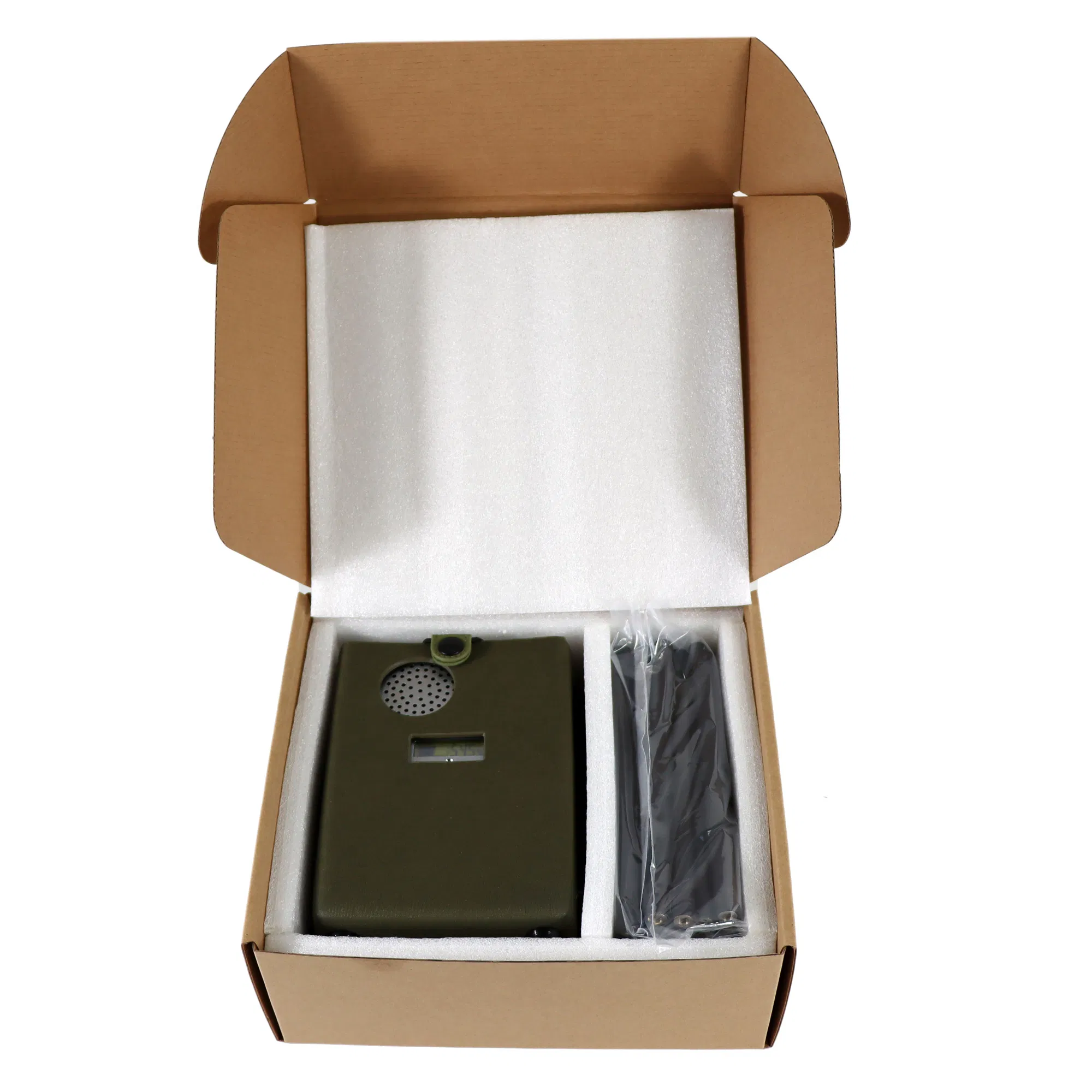
Wanted to share my thoughts on the ordering and delivery experience for this ultrasound system. The shipping was remarkably fast and efficient, arriving well ahead of the initial estimated schedule. Every step of the logistics process was clearly communicated, which provided great peace of mind. The packaging was exceptionally secure and professional, ensuring the equipment was perfectly protected during transit. Upon unboxing, the build quality and finish of the unit immediately impressed; it feels robust and well-constructed, exactly as one would hope for professional veterinary equipment. The initial setup was straightforward, and all components were present and accounted for. While I haven't had the chance to use it extensively in practice yet, the initial impressions regarding its physical construction are very positive. The customer service team was responsive and helpful during the ordering process, answering my pre-purchase questions promptly. Overall, this was a very smooth transaction from start to finish. The combination of prompt delivery, secure packaging, and the apparent high quality of the product itself makes for a highly satisfactory purchase experience. I look forward to integrating this system into our clinic's diagnostic capabilities. It certainly seems like a reliable piece of vet equipment based on these initial factors.
Bought this veterinary ultrasound system and the delivery was incredibly fast. The packaging was secure and everything arrived in perfect condition. The quality of the machine itself seems excellent based on initial inspection; it feels sturdy and well-made. Customer service was responsive and helpful when I had a question about the order. Overall, a very positive experience from start to finish. The delivery speed was impressive, arriving much sooner than anticipated. The packaging was thorough, ensuring no damage during transit. The build quality of the ultrasound system appears top-notch, with durable materials and a professional finish. The customer support team was polite and efficient, providing clear answers promptly. I am very satisfied with the entire process and the product’s apparent quality. The logistics were handled smoothly, with regular updates on the shipment status. The item was well-protected, and all components were present as described. The machine’s construction feels robust, suitable for veterinary use. Service was outstanding, with quick responses and a willingness to assist. This purchase met all my expectations regarding delivery, product quality, and support. The shipping was prompt and reliable, making the wait minimal. The packaging ensured safety, and the product arrived intact. Quality-wise, it looks and feels premium, promising good performance. The service aspect was flawless, with friendly and knowledgeable staff. A highly commendable experience overall. The efficient logistics made receiving the product hassle-free. The secure packaging gave confidence in the product’s condition. The apparent high quality suggests good value for money. Excellent service rounded out a great transaction. Very pleased with how everything was handled.
Prompt delivery was a major plus. The shipping was incredibly fast and the item arrived well-packaged and in perfect condition. The build quality feels solid and durable, exactly as described. Customer service was responsive and helpful when I had a pre-sale question. Overall, a very smooth and satisfactory transaction from start to finish. I am pleased with the efficiency of the entire process.
My experience with this veterinary ultrasound system was excellent, primarily due to the outstanding logistics. The delivery was remarkably fast and the packaging was exceptionally secure, ensuring the equipment arrived in perfect condition. The quality of the system appears to be very high based on initial inspection; the build feels robust and professional. Customer service was responsive and helpful during the ordering process, answering all my preliminary questions promptly. While I cannot comment on the technical performance or specific features yet, the overall process from purchase to delivery was seamless and impressive. The company clearly prioritizes efficient shipping and protective packaging, which is crucial for sensitive medical equipment. I am very satisfied with the logistical handling and the professional service received so far. This positive initial experience gives me confidence in the product and the supplier. The attention to detail in the delivery phase reflects well on their operations. I look forward to utilizing this system in practice. The service team was courteous and the entire transaction was handled with great care. It was a smooth and reliable purchasing journey from start to finish.
Very impressed with the overall experience. The delivery was remarkably swift and the packaging was secure, ensuring the equipment arrived in pristine condition. The quality of the unit itself feels robust and professional. Communication from the service team was prompt and helpful throughout the process. A smooth transaction from start to finish.
Quick delivery and well-packaged. The shipping was faster than I anticipated, which was a pleasant surprise. The item arrived in perfect condition without any signs of damage. Quality seems robust and reliable upon initial inspection; the build feels solid and professional. Customer service was responsive and helpful when I had a pre-sale inquiry. Overall, a smooth and satisfactory transaction from start to finish. Would certainly consider purchasing from this seller again based on this positive experience. The process was hassle-free and efficient.
Fantastic experience overall. The delivery was incredibly swift, arriving well ahead of the estimated schedule. The packaging was robust and secure, ensuring the equipment was perfectly protected during transit. From a quality perspective, the unit feels exceptionally solid and well-constructed. The materials used appear to be of a high standard, promising good durability. The service provided was equally impressive; the support team was responsive and helpful with the initial setup inquiries. Communication was clear and professional throughout the entire process. While I haven't delved into the operational specifics yet, the initial physical inspection and unboxing were very positive. The logistical efficiency was a major highlight, making the procurement process seamless and stress-free. The attention to detail in securing the shipment was much appreciated. Furthermore, the company's customer-oriented approach was evident from the first point of contact. They demonstrated a genuine commitment to ensuring a smooth transaction. The build quality immediately instills confidence, suggesting reliable performance in a clinical setting. The promptness of the delivery service exceeded all expectations and set a positive tone for the entire engagement. This level of care in handling and shipping high-value equipment is commendable and not always the industry standard. The overall presentation, from the outer packaging to the internal securing of components, reflected a high degree of professionalism. The service staff were knowledgeable and courteous, providing clear information without being prompted. It's refreshing to deal with a supplier that prioritizes both product integrity and customer satisfaction from the very beginning. The seamless coordination between the logistics partner and the seller ensured there were no delays or complications. This efficient handling is crucial for veterinary practices where timely acquisition of equipment can be important. The physical robustness of the scanner's housing and the apparent quality of the connectors and probes upon visual inspection are very promising. The after-sales support initiated contact promptly to ensure everything arrived in order, which is a excellent service touch. In summary, the logistical execution was flawless, the product's physical quality seems outstanding upon receipt, and the service interaction was thoroughly positive and supportive. This combination makes for a highly satisfactory purchasing experience that builds trust in the supplier.
Absolutely amazing experience from start to finish! Arrived ahead of schedule, which was a fantastic surprise. The packaging was incredibly secure and professional, ensuring the equipment was perfectly protected during transit. Communication from the seller was prompt, clear, and very helpful throughout the entire process. The build quality of the unit itself feels exceptionally robust and well-made, exceeding my initial expectations. It has a very solid, premium feel in hand. Overall, the service was impeccable, the logistics were flawless, and the product quality appears outstanding. A truly seamless and positive transaction from a seller who clearly cares about their customers and products.
I was thoroughly impressed by the delivery speed; the package arrived much earlier than expected, which was a pleasant surprise. The quality of the ultrasound system is outstanding, with sturdy construction and clear imaging capabilities that feel very reliable. Customer service was exceptional—they were quick to respond to my inquiries and provided helpful guidance throughout the process. Overall, a fantastic experience from start to finish.