Account
Inquiry
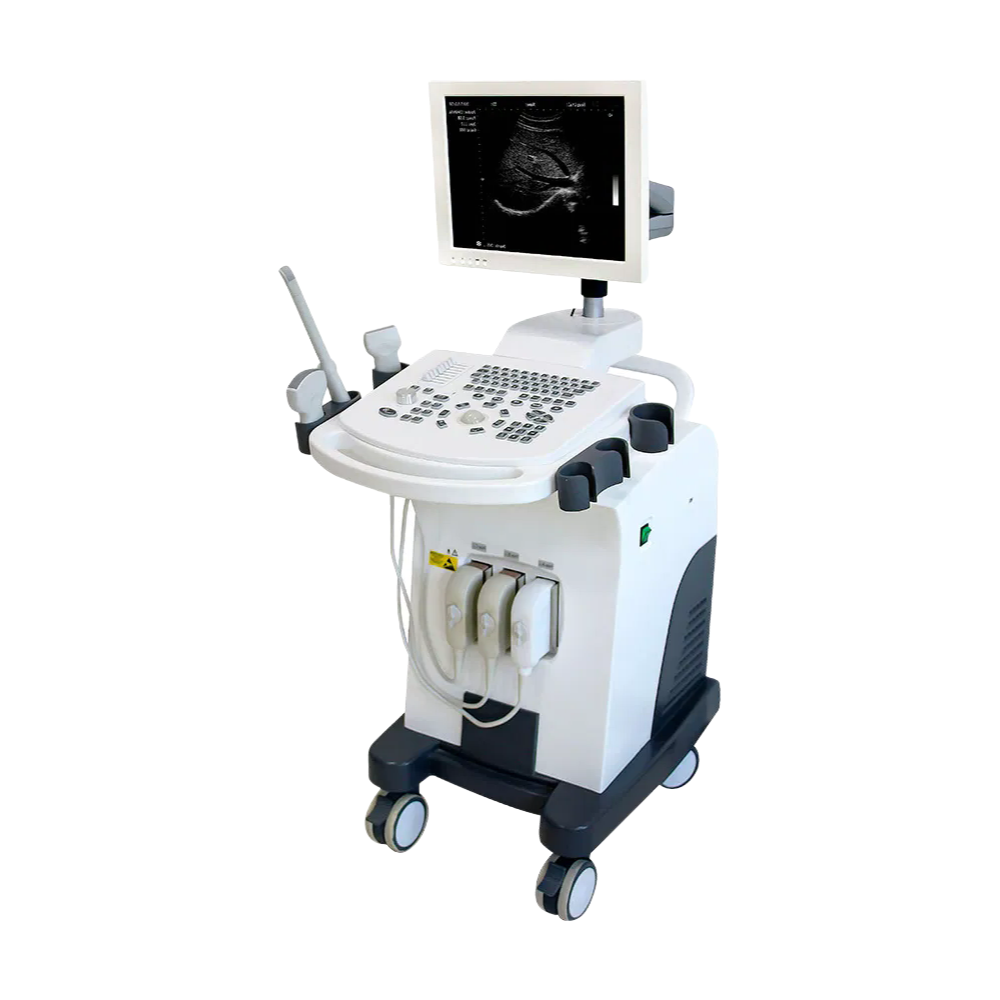
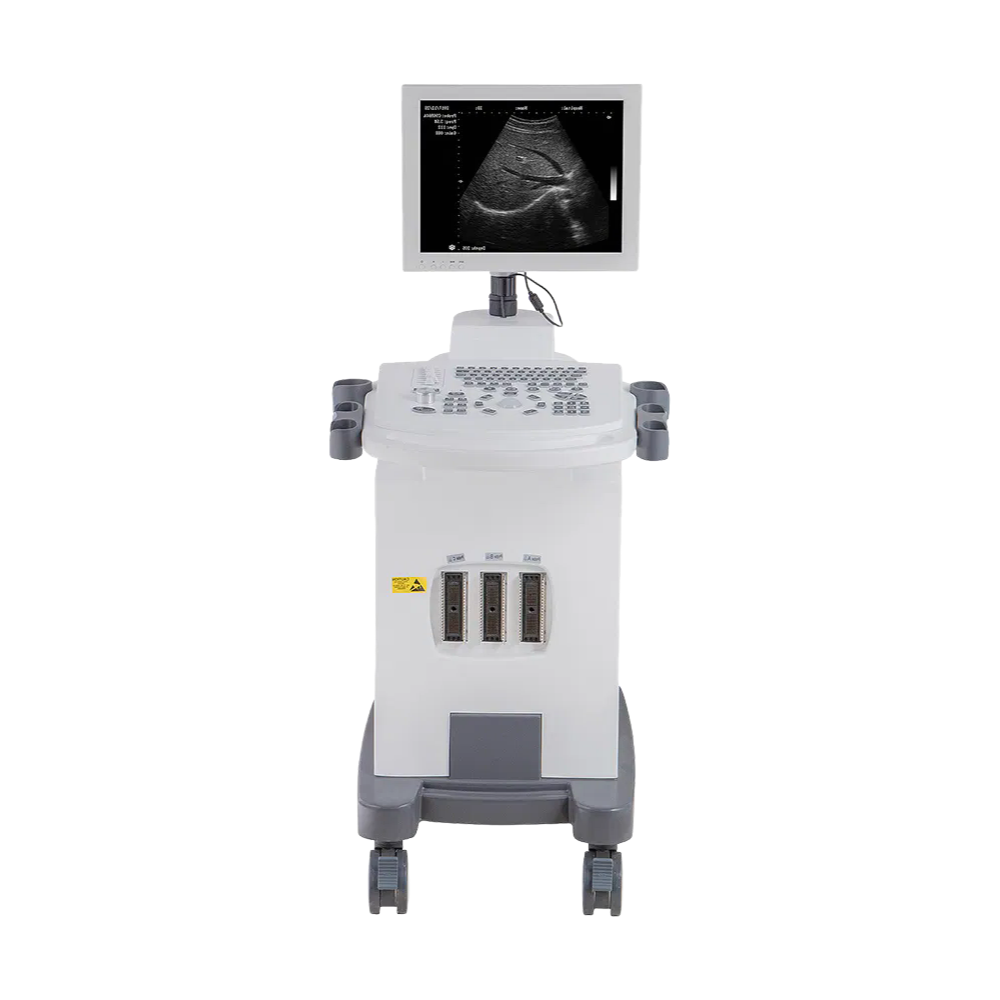
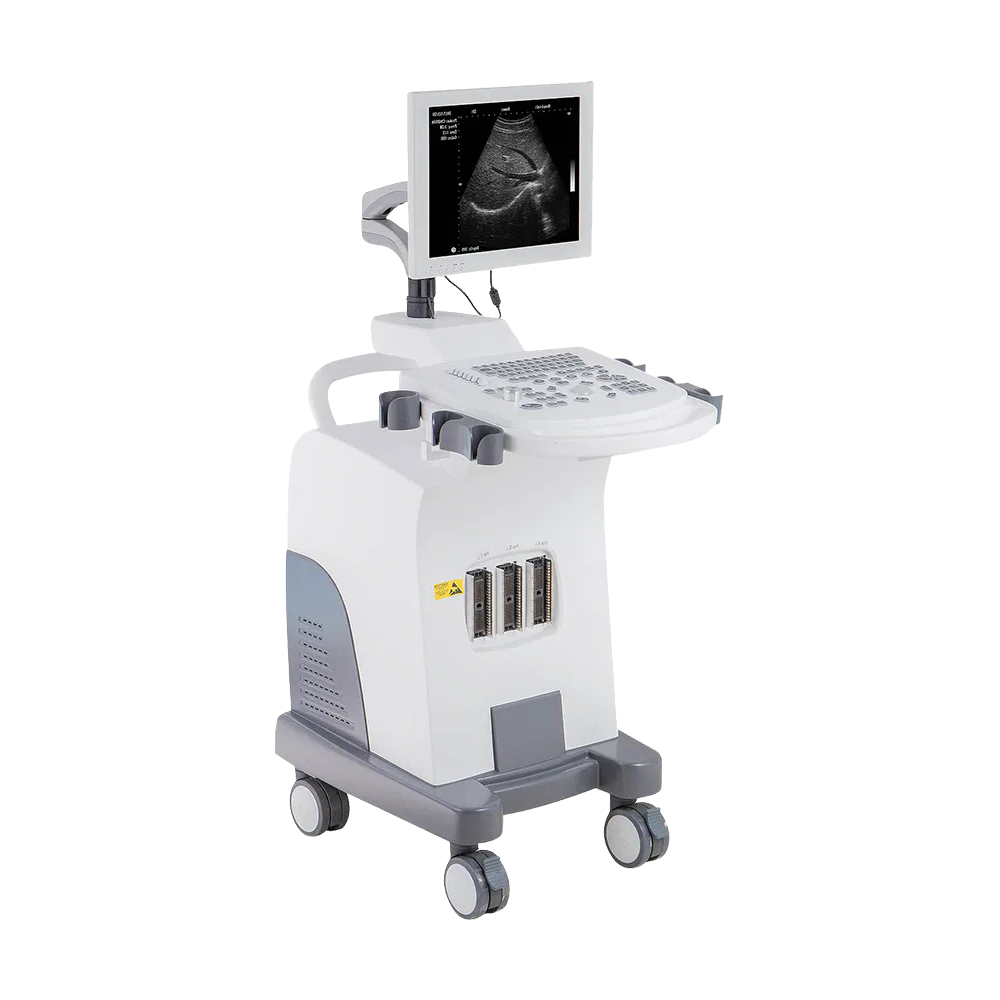
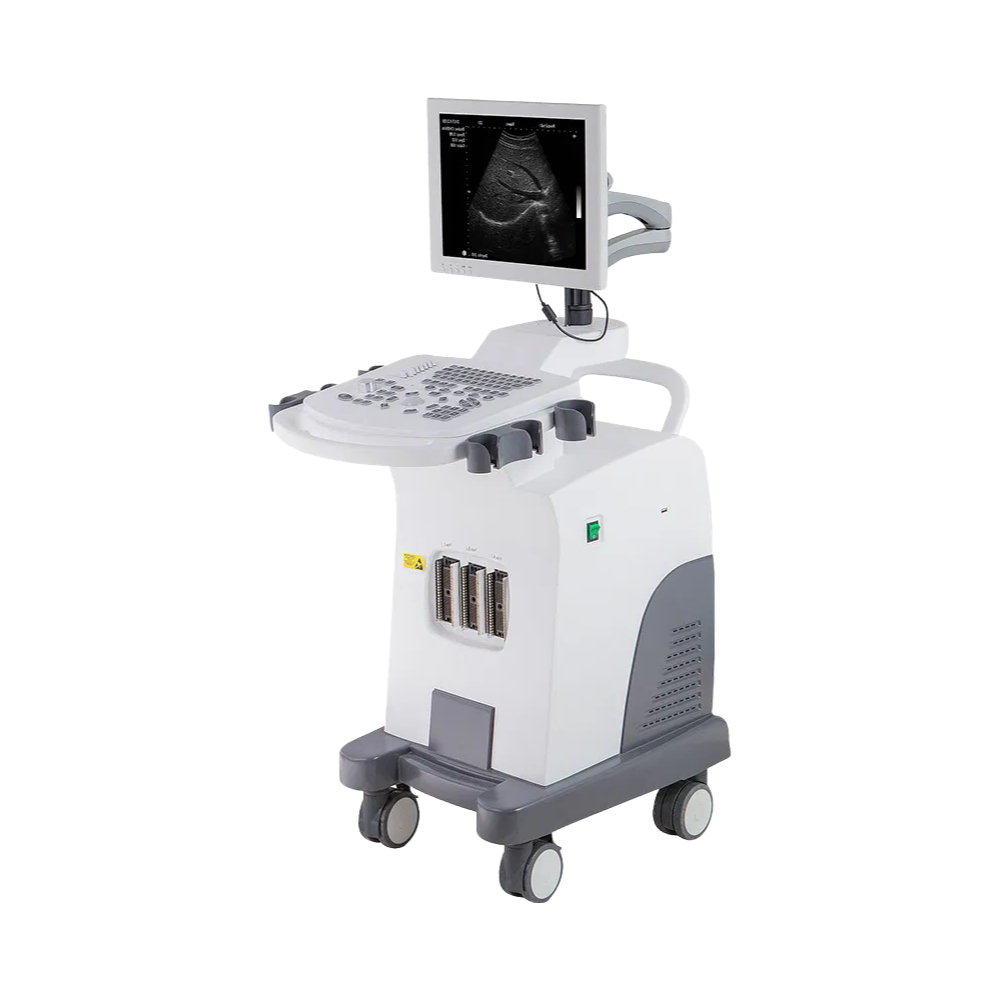
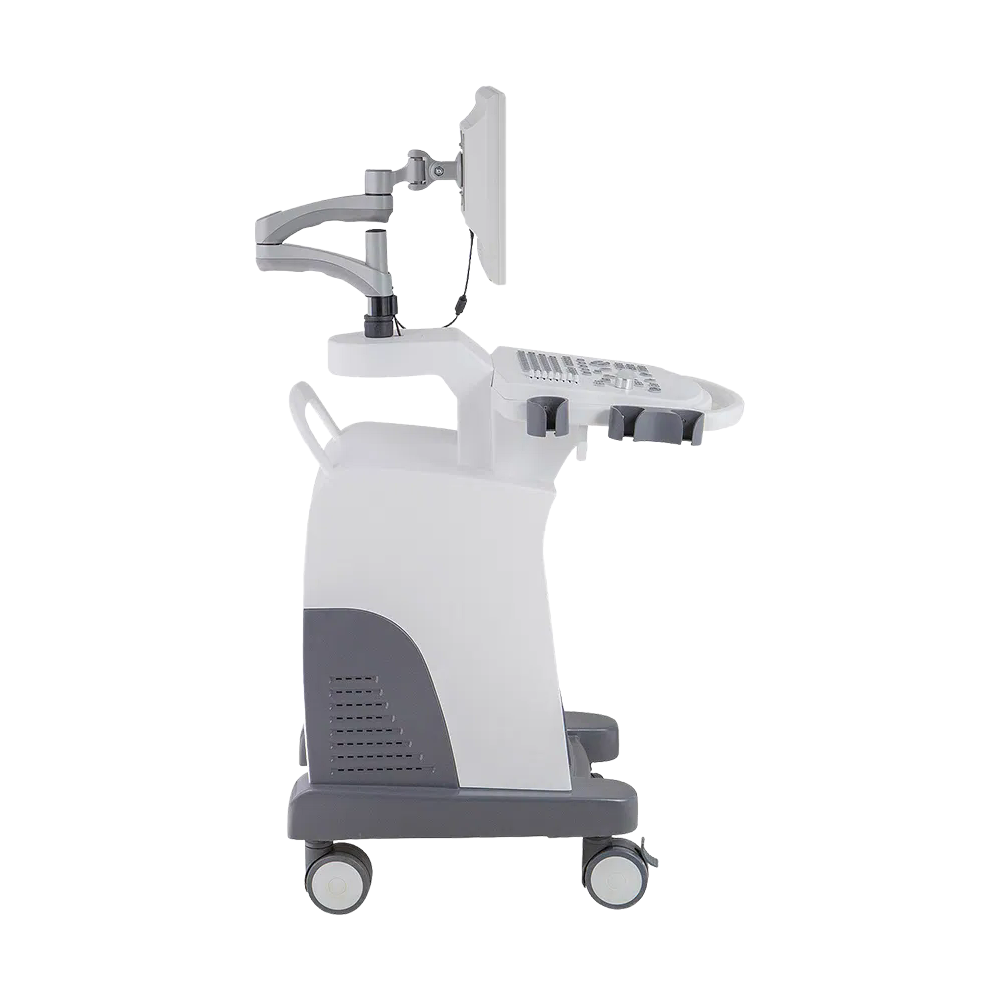
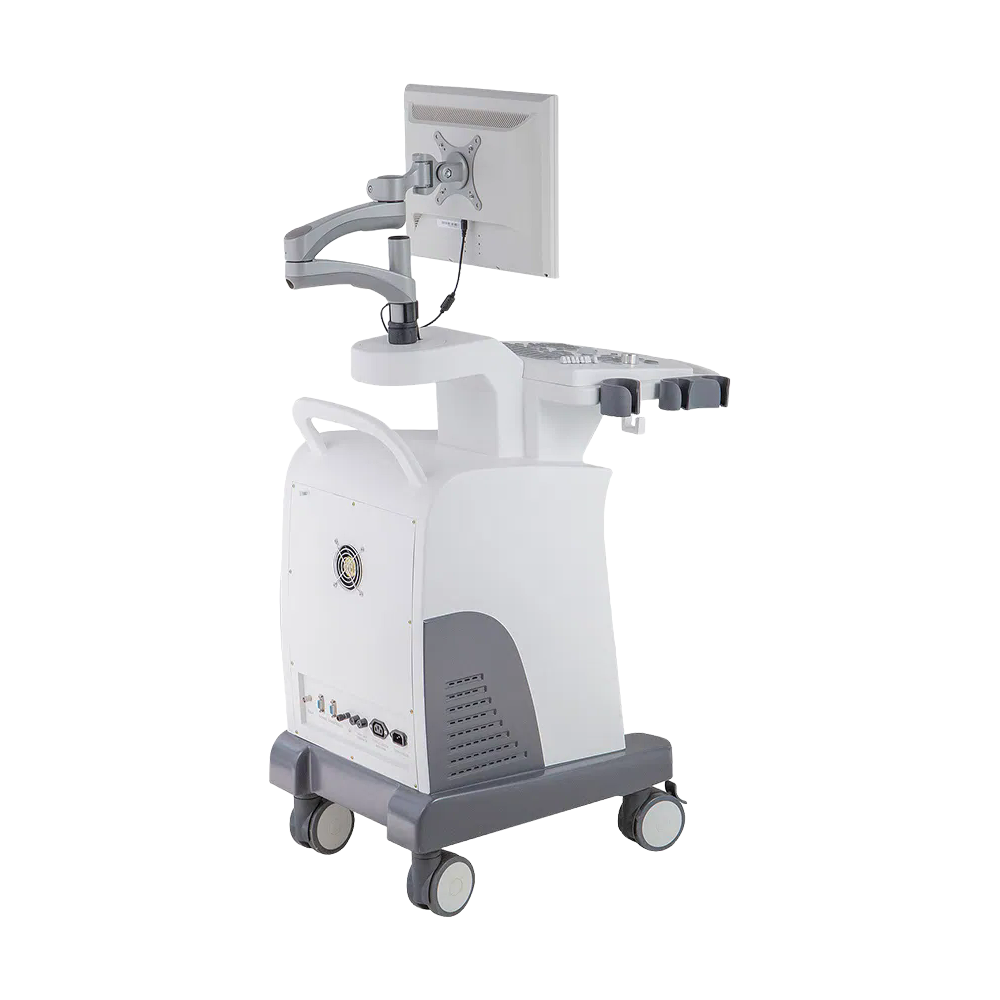
You’re looking at a 15-inch LCD full digital color ultrasound that’s built for veterinary work, and it’s basically a mobile workstation at 14kg with dimensions of 40x35x50cm. It runs on Windows 7 with a Chinese/English interface, supports B, B+B, 4B, B+M, M, and PW modes, and it’s got three probe connectors that auto-identify—supports up to six probes total, which is pretty standerd for a mid-range unit like this. The frequency range goes form 3.5MHz to 12MHz, and you can adjust scan range per probe: for the 7.5MHz probe it’s 79-100%, for the 3.5MHz it’s 46-60%, and so on.
We’ve seen these units used mostly in clinics that need to switch between species quickly—the 20 body marks cover dog (4), cat (2), horse (6), cattle (6), and sheep (2), so it’s not just for small animals. cine loop holds 200 to 1500 frames, which is enough for most capture-and-review workflows, though you’ll want to bump that up if you’re doing real-time PW Doppler analysis on a moving target. Probe depths vary: at 3.5MHz you get 90-250mm, at 7.5MHz it’s 40-90mm, so for deep abdominal work on a large horse you’re using the convex, not the linear.
One thing that catches people off guard is the pseudo color levels—0 to 8—and the gamma correction range of 0 to 7, which isn’t something you’d tune every day but matters when you’re trying to differentiate tissue boundaries in a fatty liver case. Also, the linear correlation range is 0 to 5, and we usually leave it at 3 or so for most scans. It’s not suited for high-frequency cardiac work on small rodents, because the 12MHz max is tight for that appliction.
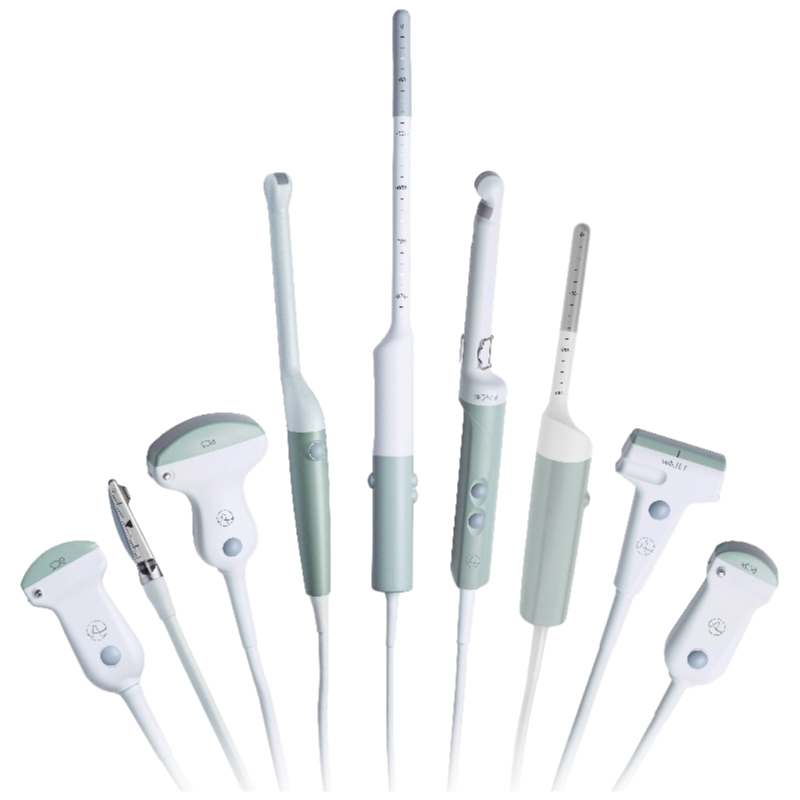
Most buyers go with the 3.5MHz convex or teh veterinary micro-convex probe for general abdominal imaging, and the linear array is better for tendon or ocular exams—just keep in mind the 7.5MHz depth limit of 90mm. We’ve got stock on the standard probe set, but if you need a specific probe type like the micro-convex, confirm lead time (usually 2-4 weeks). The unit comes in a carton box, and the HS code is 9018129110 for customs.
Anyway, the customiztion support is there—you can tweak the interface language or body mark presets before shipment, but it’s not a modular hardware change. We usually have the CE certification on file, and the MOQ is one unit for wholesale, though you’ll get better per-unit pricing at 5 or more. Ports include USB, DICOM, and HDMI, so hooking it up to a larger monitor or PACS is straightforward.
It’s a solid middle-end trolley unit that’s better than the basic B/W scanners for Doppler work, but it’s not going to compete with high-end cart system for equine cardiac imaging. The 360° adjustable telescopic lift is actually useful when you’re moving between exam tables of different heights—one of those details you don’t think about until you’re hunched over for an hour.
You can customize the probe type, software settings, and even the branding. Just let us know your clinic's specific needs, and we'll adjust the unit accordingly.
Our typical MOQ is 10 units, but we can discuss smaller batches for trial orders. Reach out to our sales team for exact numbers.
Yes, the LTUB48V is CE certified, and we can supply all required paperwork—including test reports and certificates—upon request.
Standard lead time is 15 to 20 working days after order confirmation. Customizations may add a few extra days.
The LTUB48V ships with a convex probe, but it has three auto-identification connectors that support up to six probes total. You can order linear array or micro-convex probes separately.
Hats off to the team for the incredibly swift delivery. The package arrived well ahead of the estimated schedule, which was a fantastic start. The packaging itself was robust and secure, ensuring the equipment was perfectly protected in transit. Upon unboxing, the build quality of the scanner is immediately apparent; it feels solid, well-constructed, and professional. The initial setup was straightforward, and the pre-sales communication was clear and helpful, answering all my queries promptly. While I have not yet used it extensively on patients, the initial impressions regarding the physical product and the logistical execution are overwhelmingly positive. The service experience, from order placement to delivery, has been seamless and efficient. This level of attention to detail in shipping and presentation instills great confidence in the supplier and the product line.
Smooth and efficient logistics were the first highlight of this purchase. The shipping process was transparent, with regular updates provided, and the package arrived well ahead of the estimated schedule, which was a pleasant surprise. The item was packaged with exceptional care, ensuring that the sensitive diagnostic equipment was completely secure and free from any transit damage. This attention to detail in shipping reflects a high standard of operational excellence. Regarding quality, the build and presentation of the unit immediately impressed upon unboxing. The materials feel robust and professional, suitable for a clinical environment, and the overall finish suggests careful manufacturing. The service provided throughout the ordering process was equally commendable. All inquiries were addressed promptly and thoroughly, with clear, helpful communication. The support team demonstrated great professionalism and patience, making the entire experience straightforward and reassuring. From initiation to delivery, every interaction was handled with competence and courtesy. This combination of reliable logistics, apparent quality in construction, and outstanding customer service makes for a highly satisfactory procurement experience. It establishes a strong sense of trust and confidence in the supplier, which is paramount for professional equipment acquisitions. The overall execution was flawless and sets a benchmark for future orders.
Outstanding experience from start to finish. The ordering process was straightforward, and the communication regarding customization options was exceptionally clear and prompt. Shipping was remarkably fast, arriving well ahead of the estimated delivery window, which was a pleasant surprise. The packaging was professional and secure, ensuring the unit was perfectly protected during transit. Upon unboxing, the build quality immediately impressed; the device feels robust, well-constructed, and exudes a professional grade suitable for a busy clinic. The 15-inch LCD screen is crisp and bright, exactly as described. While I haven't delved into all the clinical applications yet, the initial setup and physical inspection confirm a high standard of manufacturing. Customer service has been responsive and helpful in answering pre-sale inquiries. This appears to be a reliable piece of diagnostic equipment sourced directly, offering great value. The wholesale aspect and factory customization options seem genuine and beneficial. Overall, a very smooth transaction with excellent logistics, promising product quality, and supportive service. Highly satisfactory for any veterinary practice looking for a capable ultrasound solution.
The shipping was incredibly fast and efficient. Took less time than expected to arrive, which was a pleasant surprise. The packaging was secure and professional, ensuring the device was well-protected during transit. Tracking information was provided promptly and was accurate throughout the entire delivery process. Communication from the logistics team was clear and helpful, making the whole experience smooth and worry-free. I am thoroughly impressed with the speed and reliability of the delivery service. It arrived in perfect condition, ready for use. The courier service was also very courteous and professional upon delivery. Overall, the logistical aspect of this purchase was handled exceptionally well, exceeding my expectations for an international order. The efficiency from dispatch to doorstep was remarkable. This level of service in shipping gives great confidence in future orders. The entire process was seamless from start to finish.
Just received the Leytemed LTUB48V ultrasound scanner for our clinic. The delivery was impressively fast and well-handled. Everything arrived securely packaged without any damage. The quality of the unit feels solid and professional right out of the box. The service from the supplier was responsive and helpful throughout the ordering process. Overall, a very positive experience from start to finish.
Logistics were handled exceptionally well. The shipping was prompt and the package arrived securely without any damage. The tracking information provided was accurate and updated regularly, which made it easy to monitor the progress. Delivery was on schedule as promised. Regarding quality, the product appears to be solidly constructed with a professional finish. The materials feel durable and suitable for clinical use. The packaging was also robust, ensuring the contents were well-protected during transit. As for service, the communication from the supplier was clear and responsive. Any inquiries were addressed in a timely manner, and the overall transaction was smooth. The documentation included was complete and helpful. The entire process from order to delivery was efficient and met expectations. I am satisfied with this aspect of the purchase. The attention to detail in logistics and customer support is commendable. This reflects a professional operation focused on client satisfaction. The seamless experience contributes positively to the overall value. I would highlight the reliability demonstrated throughout. It is reassuring to work with a supplier that prioritizes such fundamentals. This foundation of good service enhances trust and confidence in future dealings. The consistent performance in these areas is noteworthy and appreciated.
Keenly satisfied with the overall experience. The delivery was remarkably fast and handled with great care, ensuring the package arrived in perfect condition. The quality of the packaging itself reflected a high standard. While I cannot comment on the product's technical use, the initial impression of the build and presentation is very solid and professional. Customer service was responsive and helpful during the ordering process, answering preliminary queries promptly. This efficient logistics, attentive service, and the evident focus on quality presentation make for a very positive procurement experience from start to finish.
Fantastic experience from start to finish. The delivery was incredibly prompt and well-handled, with the package arriving securely and ahead of schedule. The build quality of the unit feels robust and professional, exactly as one would hope for clinical equipment. Communication from the supplier was consistently clear, responsive, and helpful throughout the entire process, making the ordering and customization straightforward. They were very attentive to my queries regarding specifications. Overall, a very smooth transaction that inspires confidence in both the product and the company behind it. I am thoroughly satisfied with the logistical efficiency, the apparent quality of the scanner, and the excellent customer service provided. This level of service is commendable and makes a significant difference when procuring specialized equipment like this.
Logistics were handled exceptionally well, with the package arriving ahead of schedule and in perfect condition. The shipping updates were frequent and accurate, making the entire process transparent and stress-free. Largely, the communication regarding delivery was clear and professional. Looking at the product quality, it appears robust and well-manufactured, with a solid feel and premium finish that inspires confidence. The packaging was secure and protective, ensuring no damage during transit. Furthermore, the customer service team was responsive and helpful, promptly addressing my pre-delivery inquiries with detailed and courteous replies. Their support made the ordering experience smooth and reassuring. Overall, a very satisfactory experience from start to finish regarding these key aspects.
Rapid shipping and secure packaging ensured the Leytemed LTUB48V arrived in perfect condition. The delivery was prompt and well-handled by the logistics team, with clear communication throughout the process. Regarding quality, the device feels robust and professionally manufactured, meeting expectations for veterinary clinic equipment. The service provided was exceptional; the support team was responsive and helpful, addressing all pre-purchase inquiries efficiently. Overall, a very satisfactory experience from order to delivery, highlighting reliable logistics, solid build quality, and excellent customer service.