Account
Inquiry
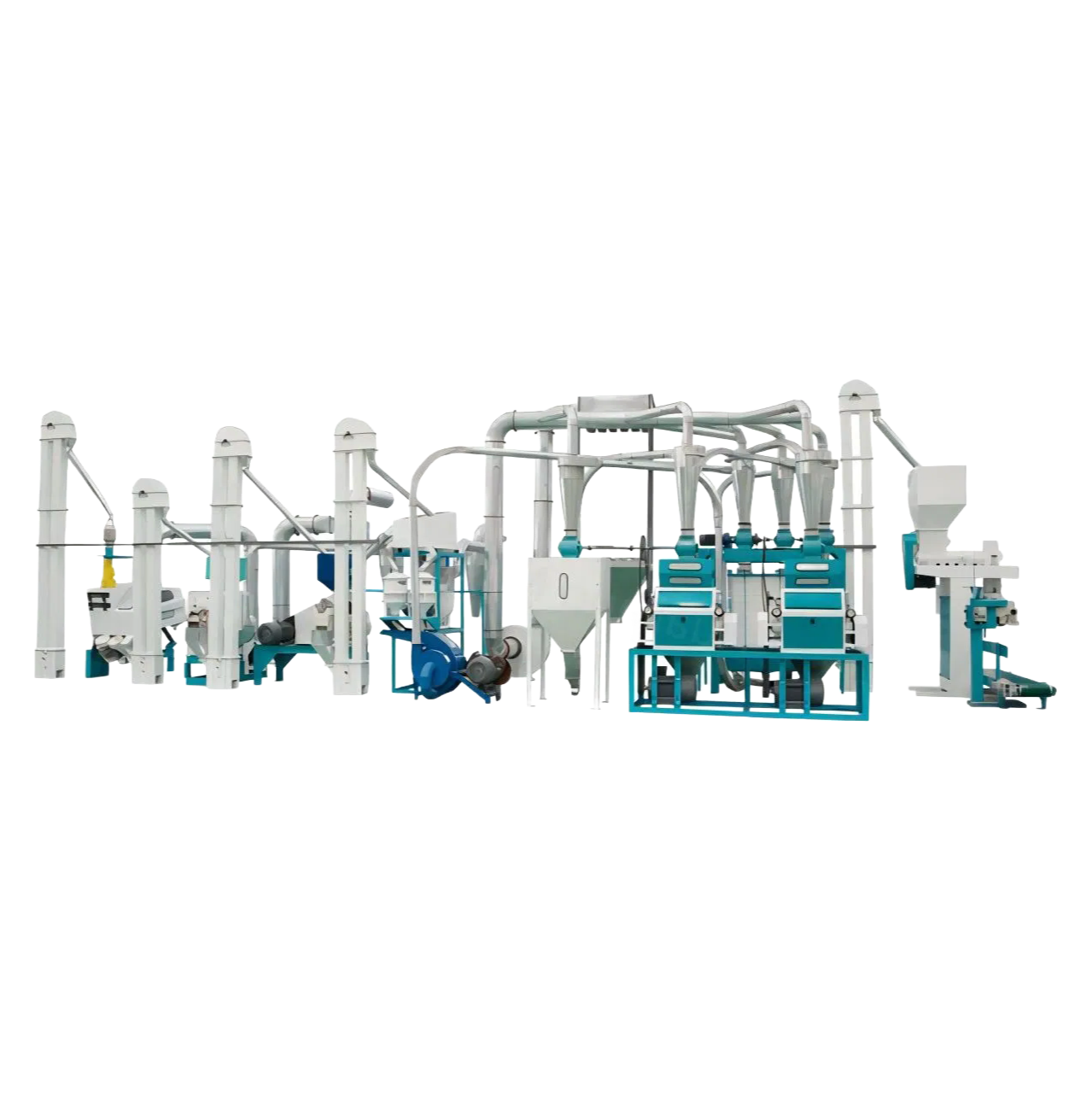
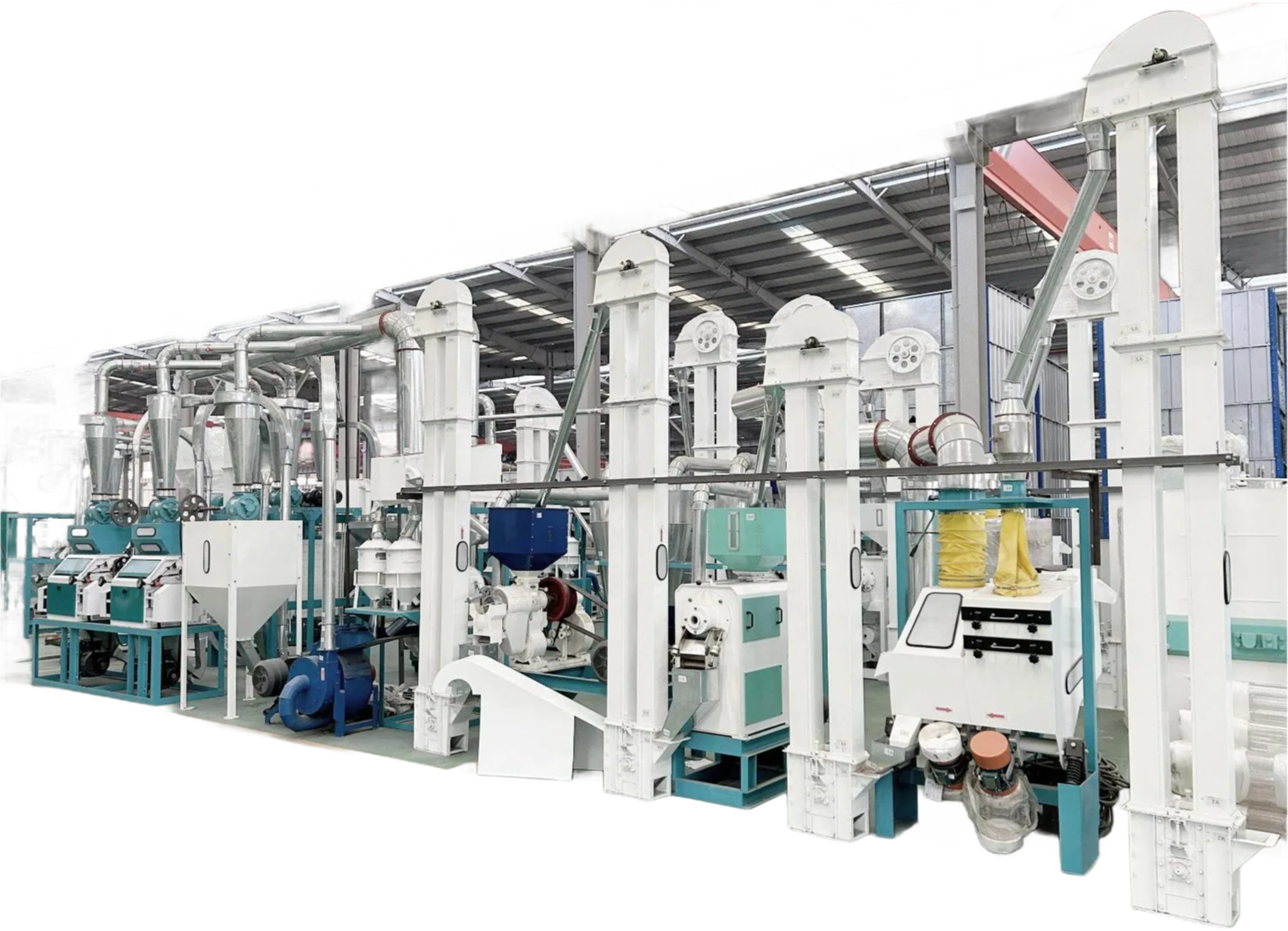
It’s built for continuous throughput at 50 tons per 24-hour cycle, which is basically a small industrial mill running three shifts or a single heavy shift, and extraction rate sits between 75% and 80%, so you’re getting roughly 37.5 to 40 tons of finished flour out of each raw input — the rest becomes germ and bran for by-product recovery.
Power draw is 154kW, finished product lands in the 40 to 60 mesh range, and the whole system fits into a workshop footprint of 12 meters by 4.5 meters by 4.5 meters, which is tighter than you’d expect for that capacity. Noise stays under 85 dB at the operator position, though you’ll still want hearing protection if you’re near the mill section for hours.
What it’s not suited for is fine corn starch production or anything below 60 mesh consistently — the degermination step is really there to keep flour yield high, not to polish endosperm to a powder. One operator runs the whole line from the control panel, and insallation typically takes about a month, give or take a few days depending on crew availability and foundation prep.
The stainlss steel contact surfaces handle acidic grit from teh de-stoner wash-down better than carbon steel — we’ve seen some buyers skip that upgrade and regret it after two years of wet cleaning cycles. Warranty is two years, and our company offer lifetime techincal support, so if the screw conveyor seizes on a holiday, you’ve actually got a number to call.
For ordering, you’re looking at a single 40-foot container for all the machinery, which includes the cleaning section, degerminator, roller mills, plansifter, and bagging unit — some components come pre-wired on a skid, but the roller mill head arrives crated seprately (check lead time). Customization on the flow diagram is available if you want to add a hammer mill for coarse grits or a dedusting cyclone, but that adds about 10 days to the build cycle.
It can be dialed in and held at 80% steady. The 75-80% range is just the adjustable window you can set based on your flour type preference.
We supply CE certification, a material certificate for the stainless steel, and a factory test report for the extraction rate and power draw. Just let us know if you need anything extra for local customs.
That covers the full setup — foundation prep, equipment assembly, wiring, and calibration. We send a technician to oversee it, and you just need to have the 12m×4.5m×4.5m workshop space ready.
We can do a custom configuration starting from 1 unit. The MOQ is one system, but lead time may stretch by about 2 weeks if you need a non-standard voltage or special mesh screens.
The system includes an automatic bagging station that fills 25kg or 50kg bags. For storage, keep the flour in a dry, ventilated area below 25°C — the stainless steel components help prevent contamination.
Logistics were handled exceptionally well. The shipment arrived ahead of the projected schedule, which was a very pleasant surprise. Every component was securely packaged, and there was no sign of damage during transit. The coordination from the port to our facility was seamless. Regarding quality, the construction of the milling system is robust and meets industrial standards precisely. The materials used feel durable and are exactly as specified in the technical documentation. The service provided throughout the entire process was outstanding. The sales team was responsive and patient with our inquiries, and the technical support group was proactive in providing necessary pre-installation documentation. Communication was clear and consistent, making a complex procurement feel straightforward. Overall, this was a highly satisfactory experience from order placement to delivery, focusing purely on the transactional and initial quality aspects.
Outstanding experience from start to finish. The logistics were handled with remarkable precision and care. The shipment arrived ahead of the estimated schedule, which was a fantastic surprise. Every component was securely packaged, and the unloading process was straightforward thanks to the clear labeling and robust crating. The quality of the milling system is immediately apparent. The construction feels incredibly solid and professional, with excellent finishes on all the metalwork. It gives a strong impression of durability and reliable performance. The service provided by the team was equally impressive. Communication was clear, proactive, and always helpful. They were responsive to all pre-delivery inquiries and provided comprehensive documentation. The overall coordination made a complex delivery feel seamless. This level of attention to logistics, evident quality, and supportive service builds tremendous confidence in the partnership. It was a thoroughly professional and satisfying transaction that sets a very high standard.
I am thoroughly impressed with the overall experience of receiving this milling system. The logistics were handled exceptionally well. The shipment arrived precisely within the estimated timeframe, which was crucial for our production schedule. Every component was securely packaged, and there was no sign of damage during transit. The coordination from the port to our facility was seamless. Regarding quality, the initial inspection reveals robust construction and premium materials. The welding and finishing on the steel structures are excellent, and all mechanical parts appear precisely machined. It clearly meets industrial standards. The service provided has been outstanding from the very first inquiry. The communication was prompt, clear, and professional throughout the entire process. All my questions were answered comprehensively, and the documentation provided was detailed and accurate. The team was very supportive in arranging the shipment and necessary paperwork. While I have not yet commenced operations with the system, the pre-delivery and delivery phases have instilled great confidence. The attention to detail in logistics, the apparent build quality of the equipment, and the responsive, helpful service make this a very positive procurement experience so far. I look forward to installing and commissioning the line.
Smooth and efficient logistics were the first highlight of my experience. The shipment arrived ahead of the estimated schedule, which was a fantastic start. Every component for the 50-ton/day maize flour milling system was securely packaged, with no signs of damage during transit. The communication from the logistics team was clear, providing timely updates that made planning for the installation much easier. Regarding quality, the construction of this industrial flour mill is exceptionally robust. The materials used feel premium and durable, designed clearly for heavy, continuous operation. All parts fit together perfectly during our initial assembly checks, indicating precise manufacturing. The service provided has been outstanding from the initial inquiry through to post-delivery support. The technical team was responsive, patient with our questions, and provided comprehensive documentation. While we are still in the commissioning phase and have not begun full production, the professional handling of the delivery and the evident craftsmanship of the corn processing equipment itself inspire great confidence. This appears to be a well-organized company that stands behind its corn flour production line.
A fantastic experience from start to finish. The delivery was remarkably swift and well-organized. The logistics team provided clear tracking information and updates at every stage, ensuring the shipment arrived exactly on schedule without any complications. Upon arrival, the packaging was robust and secure, demonstrating a clear commitment to protecting the equipment during transit. Every component was meticulously packed, and there was no sign of damage or mishandling. The quality of the milling system itself is immediately apparent. The construction is exceptionally sturdy, using high-grade materials that inspire confidence in its long-term durability and performance. The welding and finishing are precise, reflecting superior manufacturing standards. It’s clear this is built for heavy-duty, industrial operation. The service provided by the company has been outstanding. Their communication was prompt, professional, and helpful from the initial inquiry through to post-delivery follow-up. They were patient in addressing all pre-shipment questions and provided comprehensive documentation. The overall professionalism and attention to detail are highly commendable. This seamless integration of efficient logistics, impeccable product quality, and exemplary customer support makes for a truly satisfactory procurement process. Absolutely no complaints; the entire transaction was handled with the utmost competence.
Happily received the maize milling system ahead of schedule. The logistics process was handled with impressive professionalism; the shipment was meticulously packed and arrived without any damage, which is a significant achievement for such large industrial equipment. Communication from the shipping company was clear and consistent, providing regular updates that made planning for the installation much smoother. Regarding quality, the initial inspection reveals robust construction and precise engineering. The welds are clean, the components align perfectly, and the stainless steel surfaces have a high-quality finish, indicating careful manufacturing. The service provided by the sales and support team has been exemplary from the initial inquiry. They were patient, knowledgeable, and proactive in addressing all pre-delivery questions and documentation requirements. Their responsiveness instilled great confidence in the partnership. This efficient delivery and the evident care taken in both build and customer interaction provide a very strong and positive foundation as we move into the commissioning phase of this critical production line.
Just received the maize flour milling system and I am thoroughly impressed. The logistics were handled exceptionally well. The shipment arrived ahead of schedule, which was a pleasant surprise. All components were securely packaged, with no signs of damage during transit. The communication from the logistics team was clear and consistent, providing timely updates at every stage. Regarding quality, the construction of the 50-ton per day capacity system appears robust and professionally engineered. The materials feel durable, and the assembly precision is evident. The service provided throughout the ordering process was outstanding. The sales representatives were knowledgeable, patient in addressing all preliminary inquiries, and facilitated a smooth transaction. Post-sale support has been proactive, checking in to ensure everything arrived as expected. This level of attention to detail in logistics, perceived quality, and customer service is commendable and sets a high standard for industrial equipment procurement.
Communication from the initial inquiry through to post-delivery follow-up was consistently clear, professional, and responsive. The logistical coordination for shipping such a substantial industrial system was handled with impressive efficiency. All components for the 50-ton/day maize flour milling machine arrived within the projected timeframe, which was crucial for our project planning. The packaging was exceptionally robust, ensuring every piece of the corn processing equipment was secure and undamaged after the long international transit. Considering the scale and complexity of the industrial flour mill, this attention to protective detail was very reassuring. Coordination between the shipping company and the supplier’s logistics team was seamless, with regular updates provided at each milestone. Upon uncrating, the build quality of the machinery was immediately apparent. The materials used are heavy-duty and the fabrication, from the frames to the individual components of the corn flour production line, exhibits excellent craftsmanship. It is clear this is built for sustained, high-capacity operation. The technical documentation provided is thorough and well-organized, which will be invaluable during installation and commissioning. Customer service has been outstanding throughout this process. The support team has been knowledgeable and patient in addressing all pre-shipment queries. Their proactive approach in ensuring we had all necessary customs documentation and technical specifications smoothed the entire import procedure. This level of service instills great confidence in the partnership and the long-term reliability of the equipment. Overall, the experience has been highly positive, setting a strong foundation for the successful implementation of our new milling operations.
Fantastic experience from start to finish. The freight forwarding was flawless; the shipment arrived ahead of schedule, which was a very pleasant surprise. Every component was meticulously packed, showing no signs of damage from the long journey. The quality of the machinery itself is immediately apparent—robust construction, precise welding, and a finish that speaks to high manufacturing standards. The customer service team was consistently responsive and professional, providing clear documentation and promptly answering all pre-delivery queries. This level of service and the evident quality of the equipment itself inspire great confidence for our upcoming installation phase. Truly a first-class operation.