Account
Inquiry
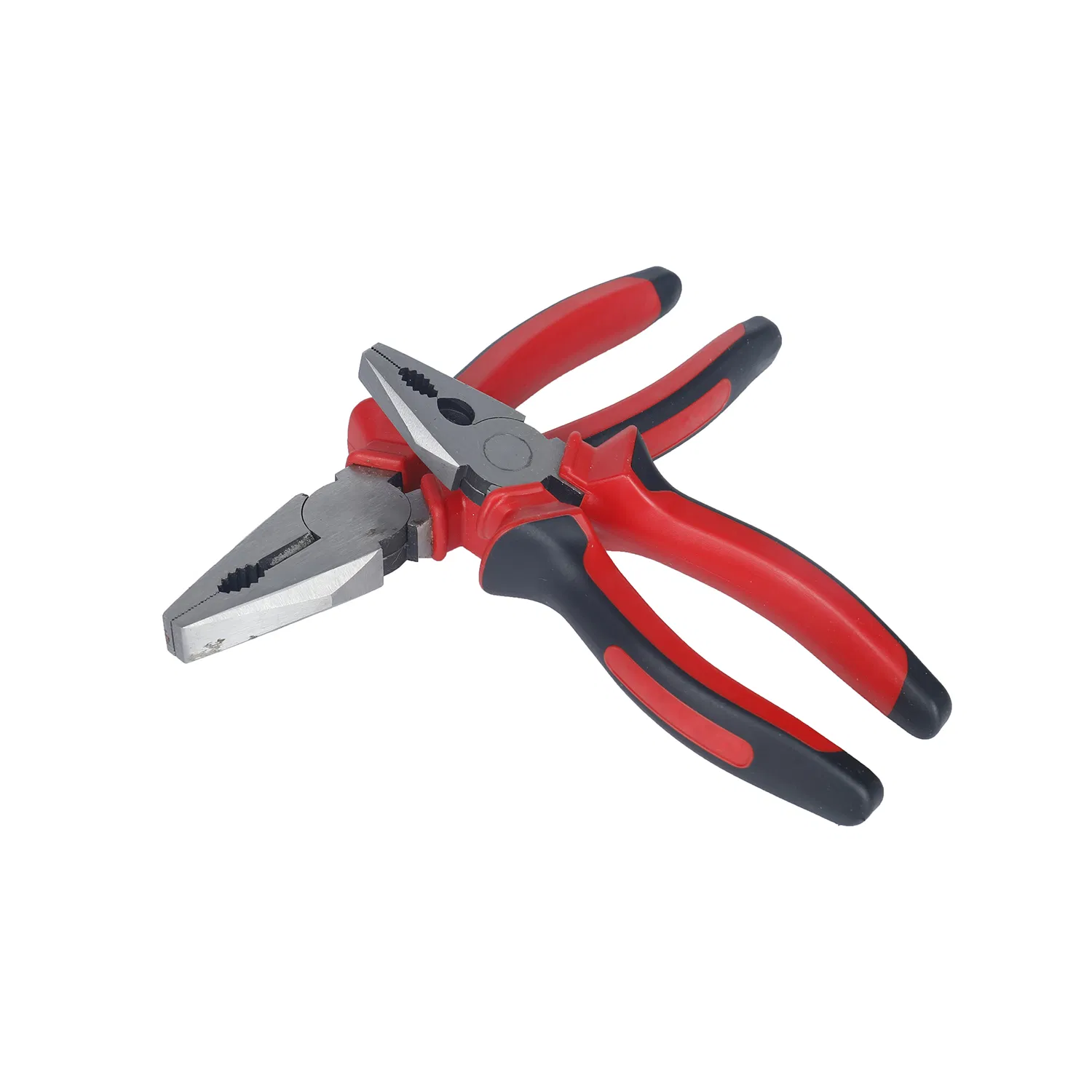
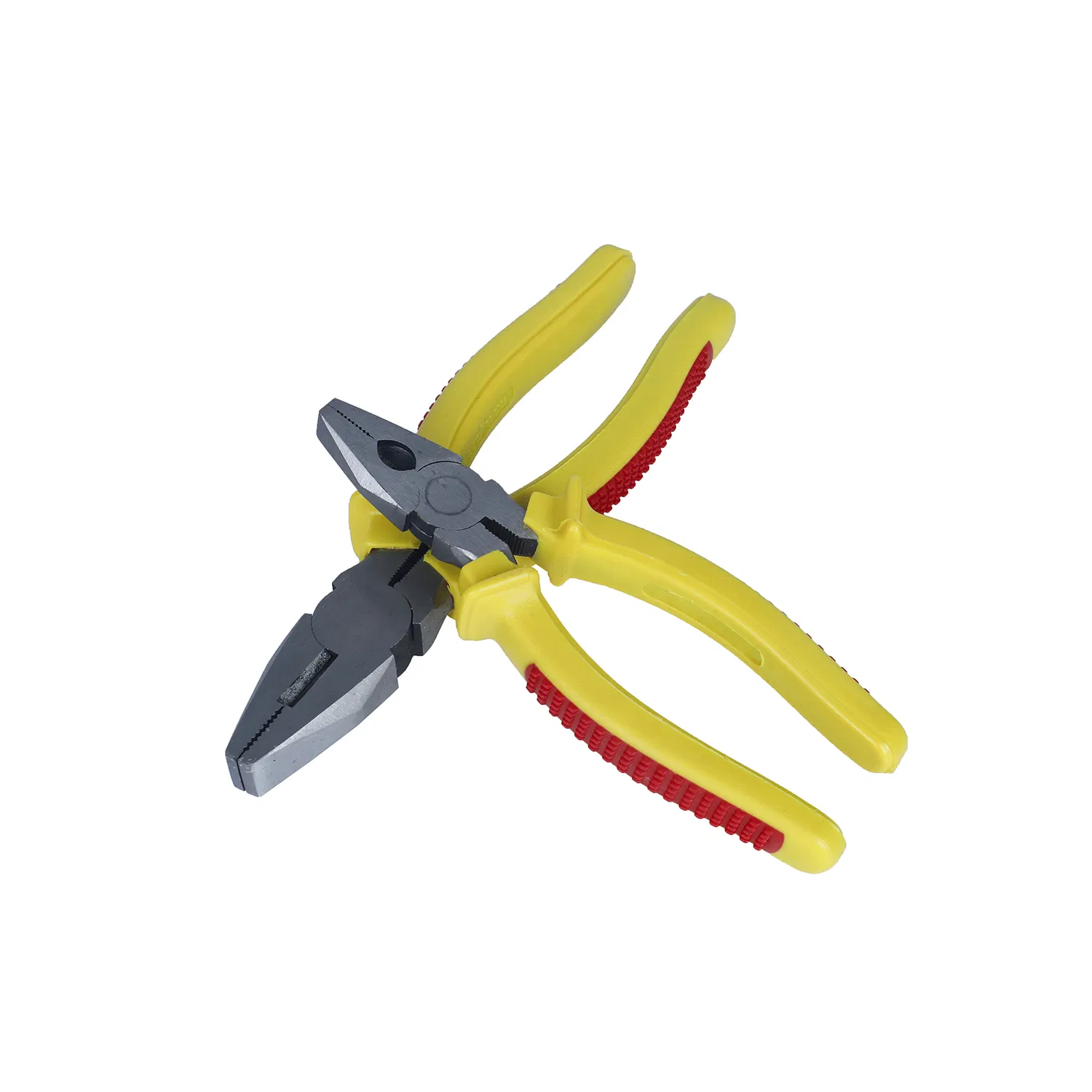
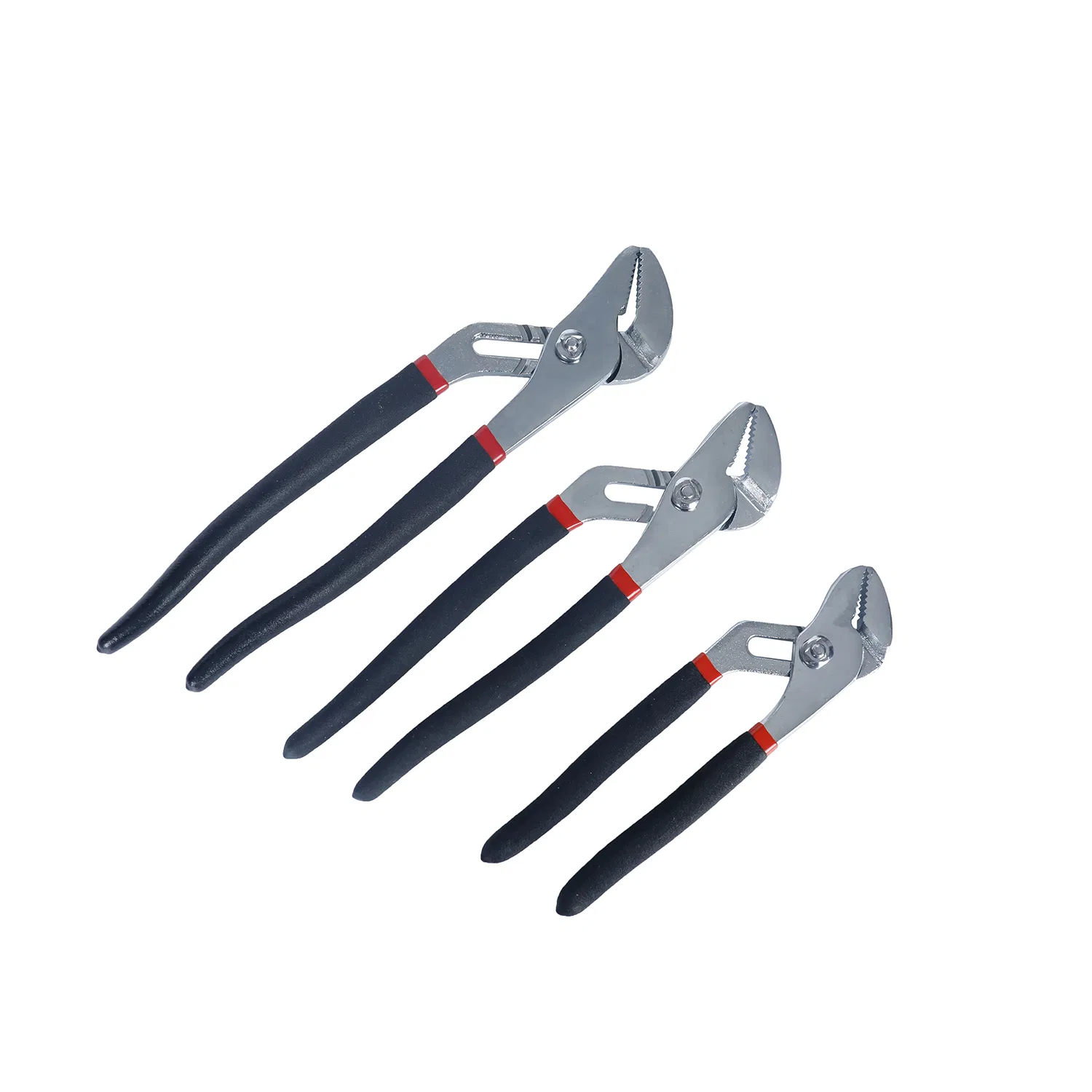
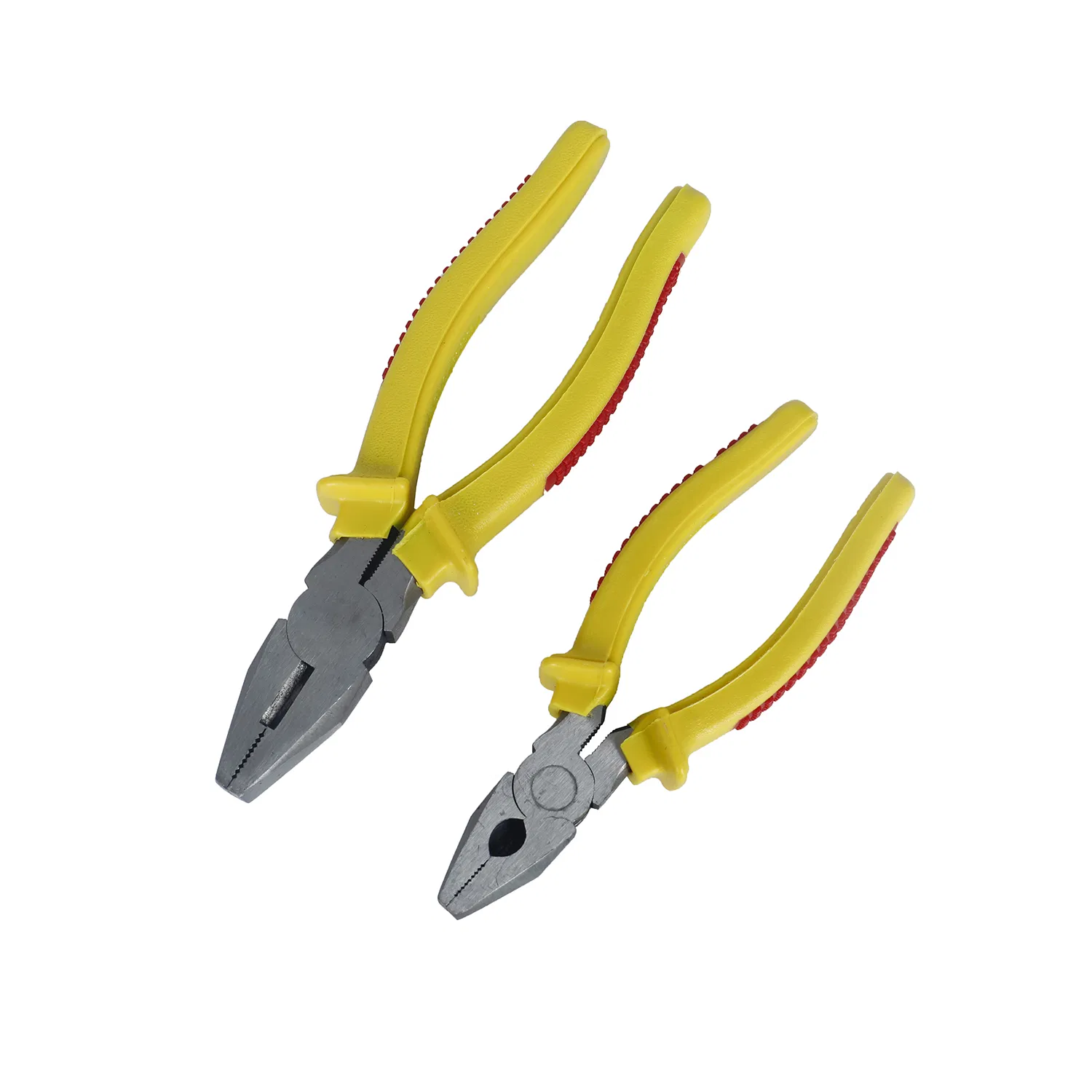
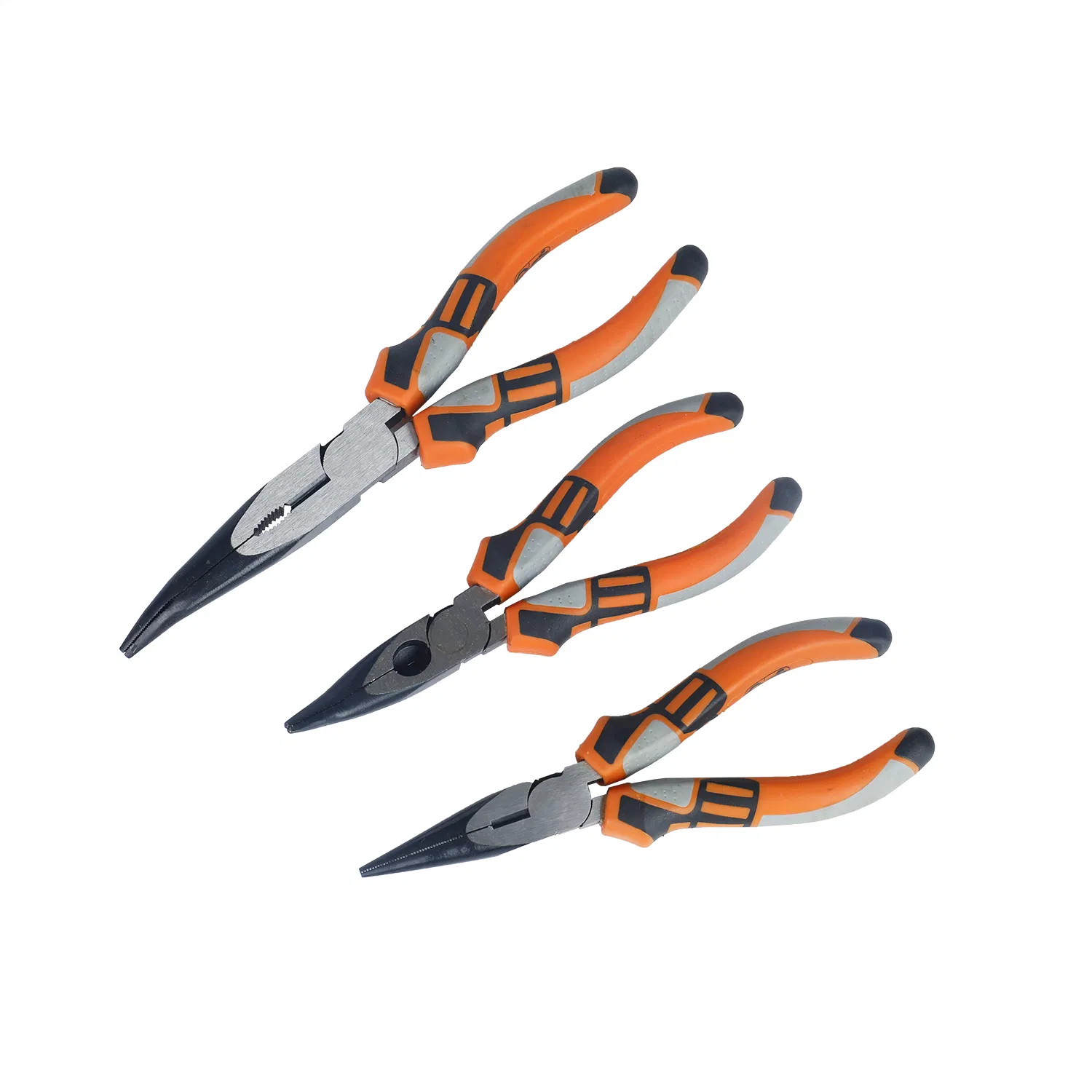
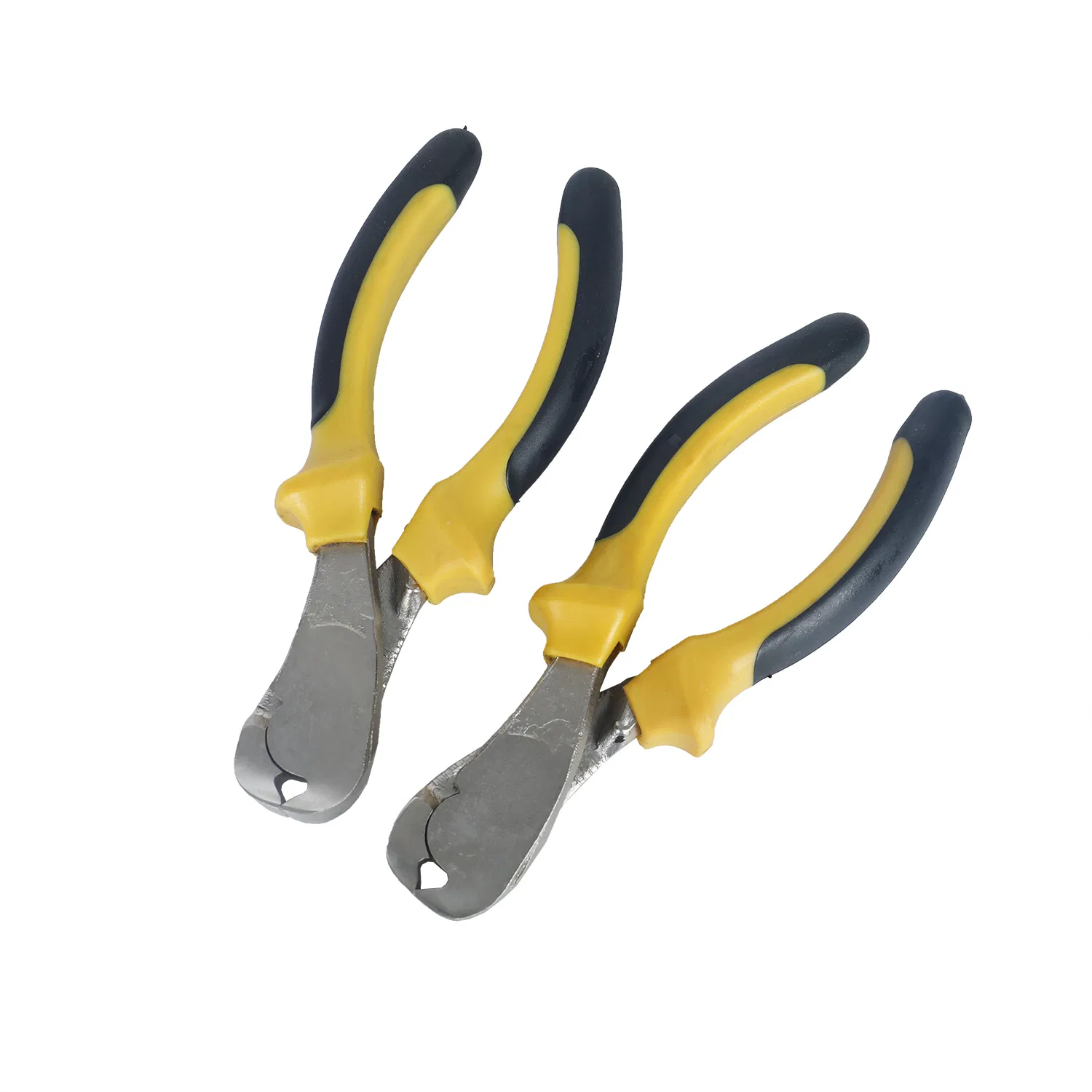
Usually move in lots of 500 units for the 8-inch model, 800 for the 6-inch — lead time runs about 20 days or so once we confirm stock, and we typically hold 2000 pieces at our warehouse.
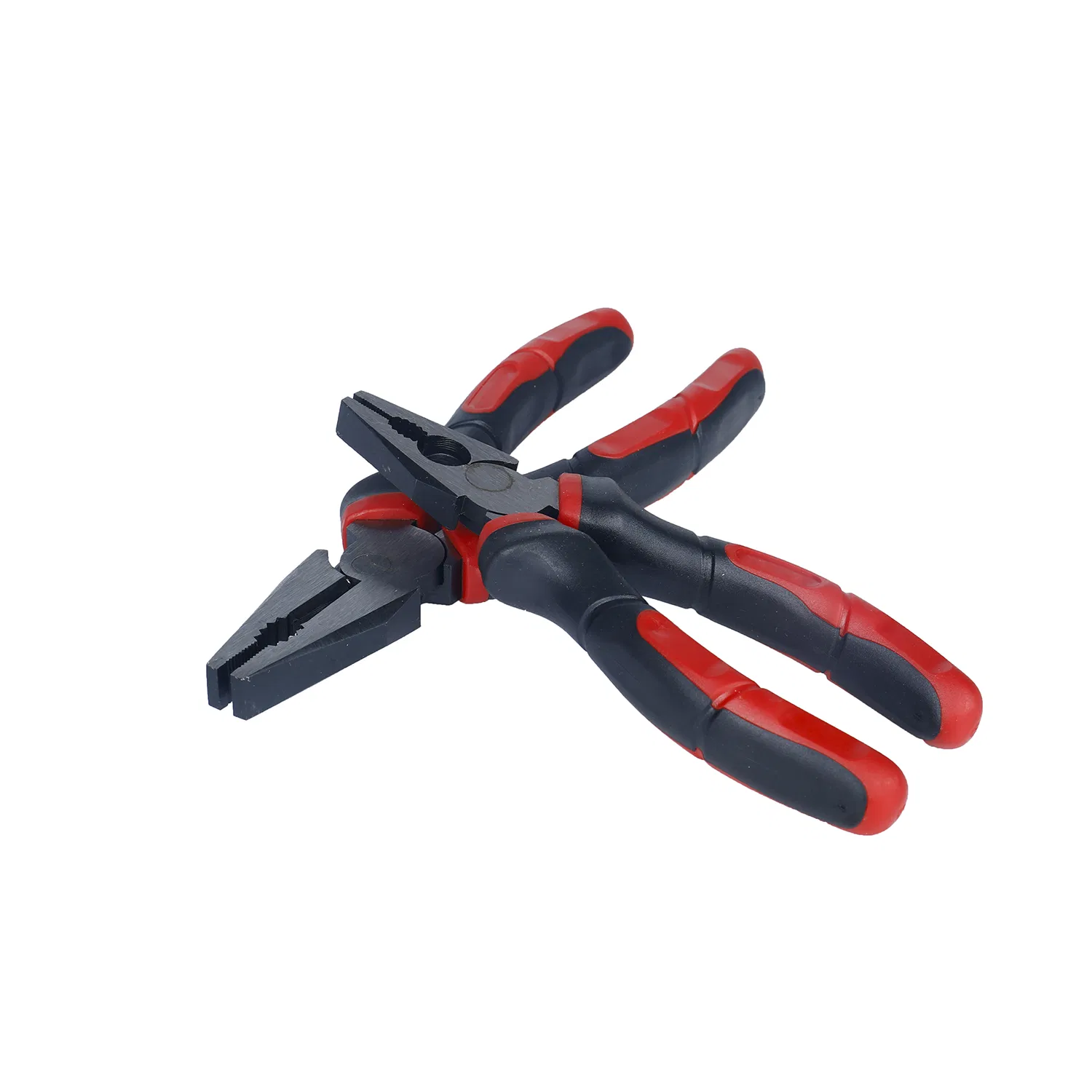
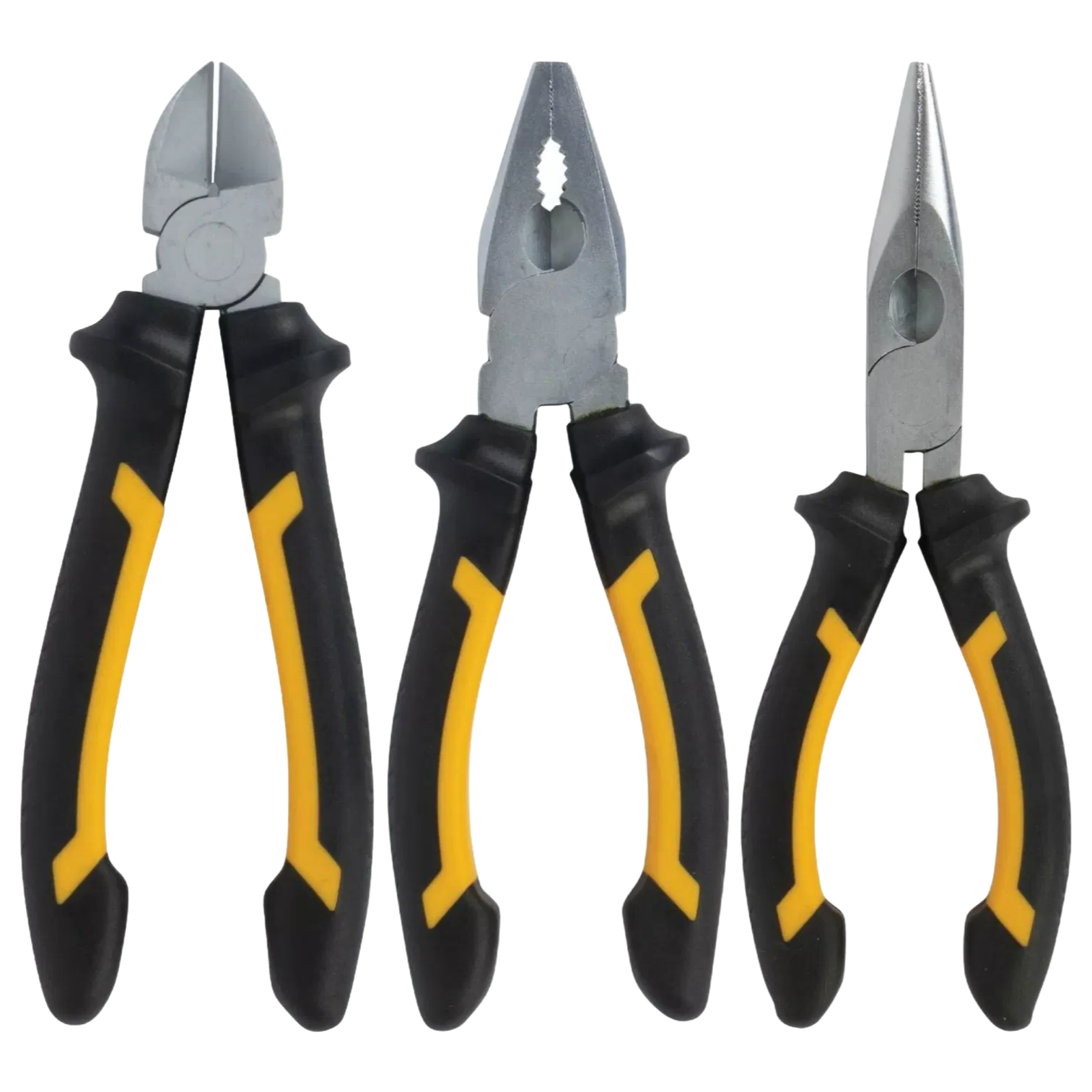
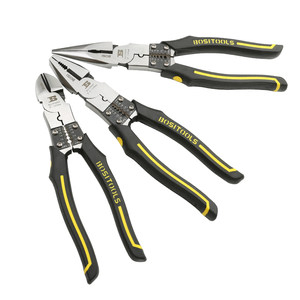
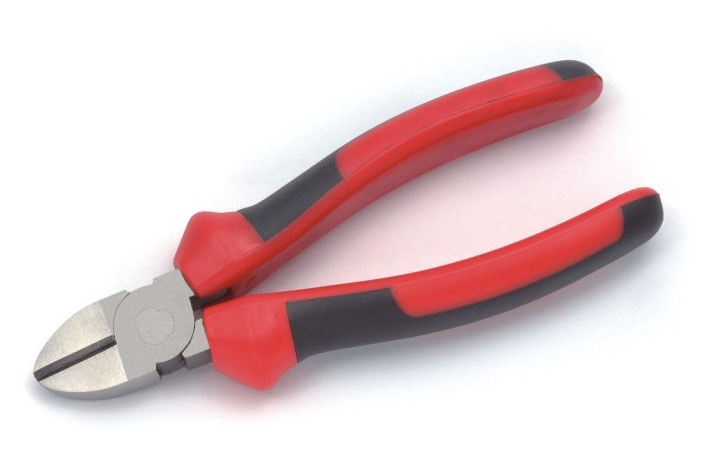
They're made from 55# high carbon steel, which gives you that head hardness between 56 and 62 HRC on edge, while the body sits at 40-48 HRC so it doesn't snap under torque when you're twisting wire in a tight panel.
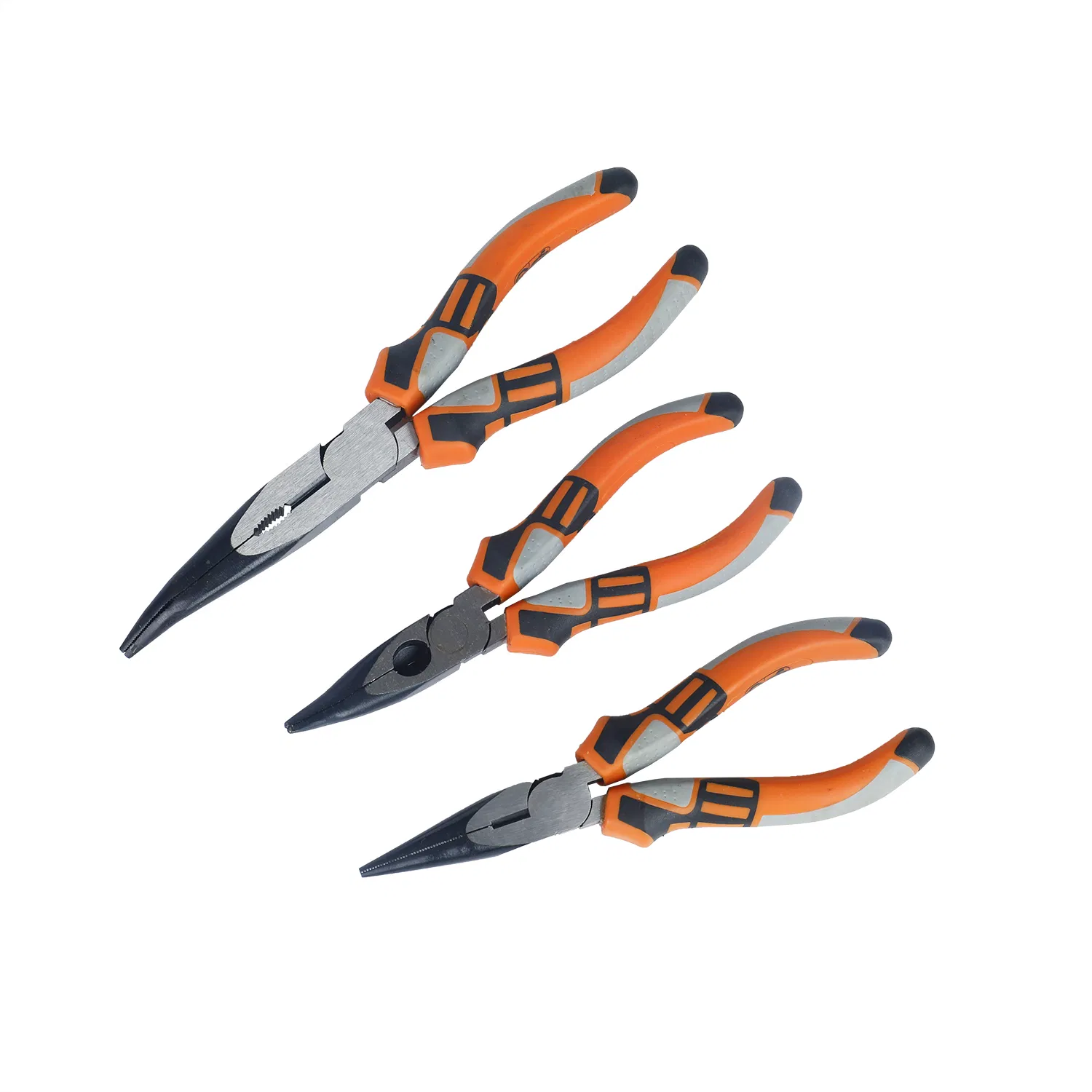
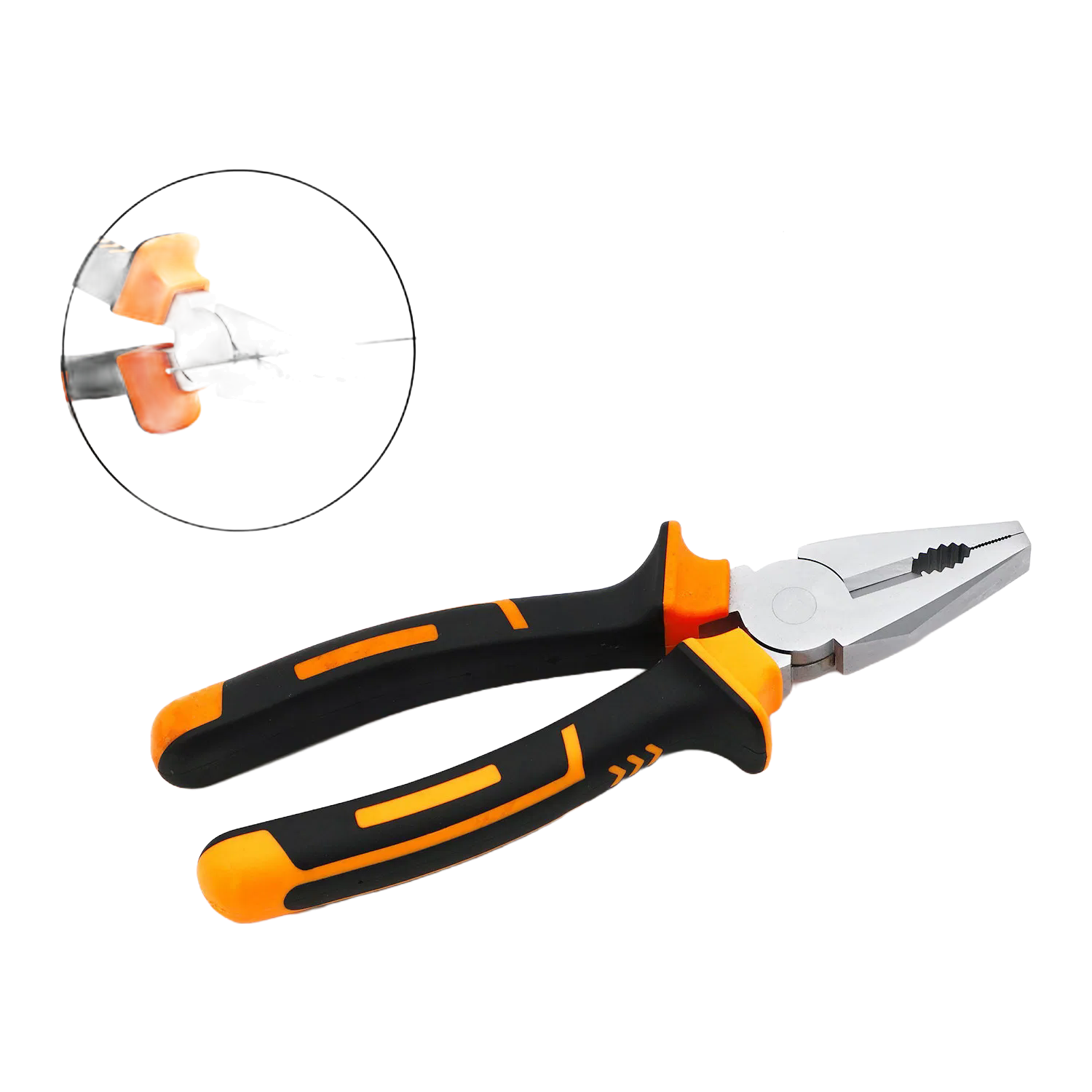
The arched shaft design is what gets you into confined spaces better than standard combination pliers, but it's actually not ideal for heavy-duty rebar — that's where you'd want a dedicated bolt cutter.
You get black oxide finish for corrosion resistnce, and teh double-color grip is pretty much standard now, but what it does is improve bite on oily hands — we've had electricians specifically request the 6-inch for fuse box work where clearance is about 4 inches give or take.
GS certified means the impact resistance and insulation have been tested, but we don't specify dielectric rating for live electricla work — if you're pulling 480V, go with fully insulated lineman's pliers instead.
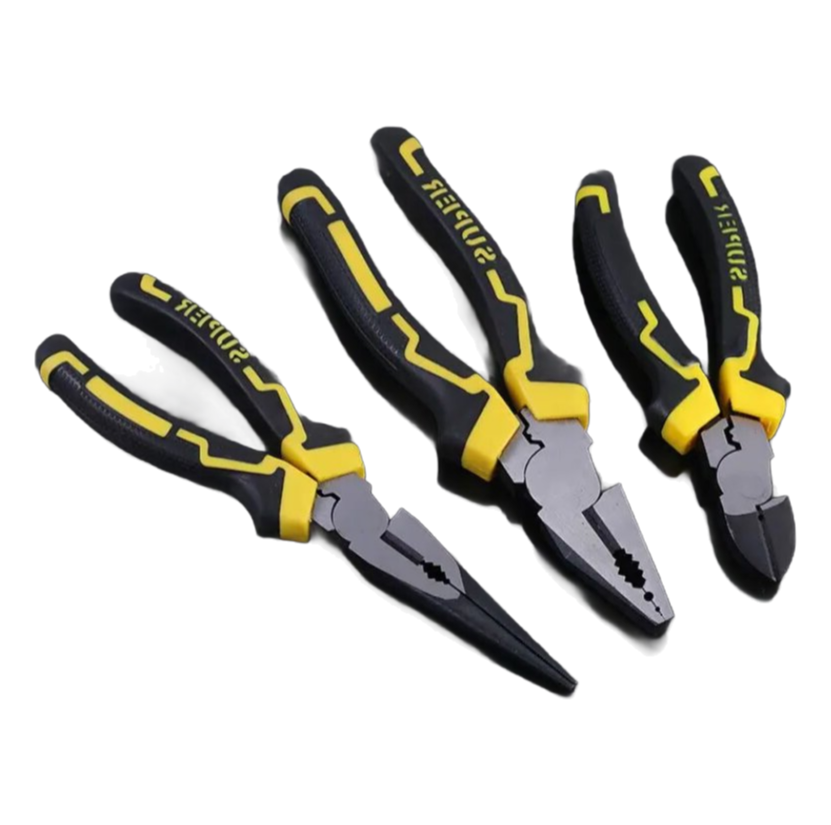
Also, MOQ is 48 pieces for OEM or custmized grip colors, but we usually have stock on the black-and-yellow handles; for private labeling just confirm lead time since we ran out last quarter for about three weeks.
The black oxide finish adds a layer of corrosion resistance, but it's not a substitute for proper care. Wipe them dry after use in damp environments, and they'll hold up fine for years.
Our standard MOQ is 500 pieces per size (6" or 8"). If you need a smaller test batch, let us know your volume, and we can discuss options.
Yes, we include a copy of the GS certificate with every order. Just let your sales contact know if you need it in a specific language or format for your records.
For a standard 500-piece order, lead time is around 25-30 days from deposit. Larger volumes may take a bit longer, but we'll confirm a schedule once you place the order.
The arched shaft gives better clearance and leverage when reaching into tight spots, like behind panels or in junction boxes. It reduces hand fatigue compared to straight shafts, especially during repetitive twisting or cutting tasks.