Account
Inquiry
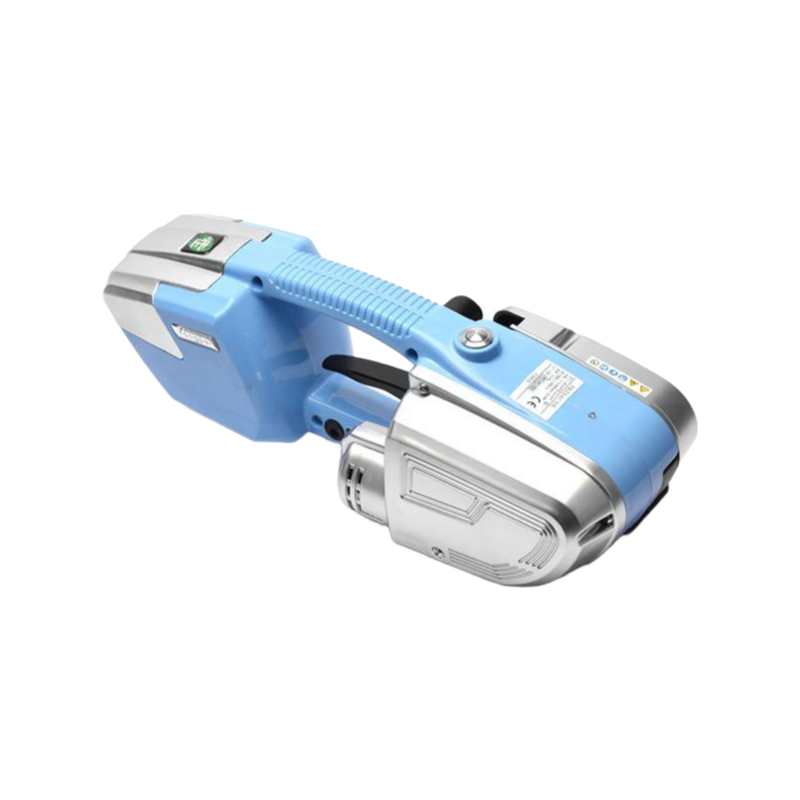
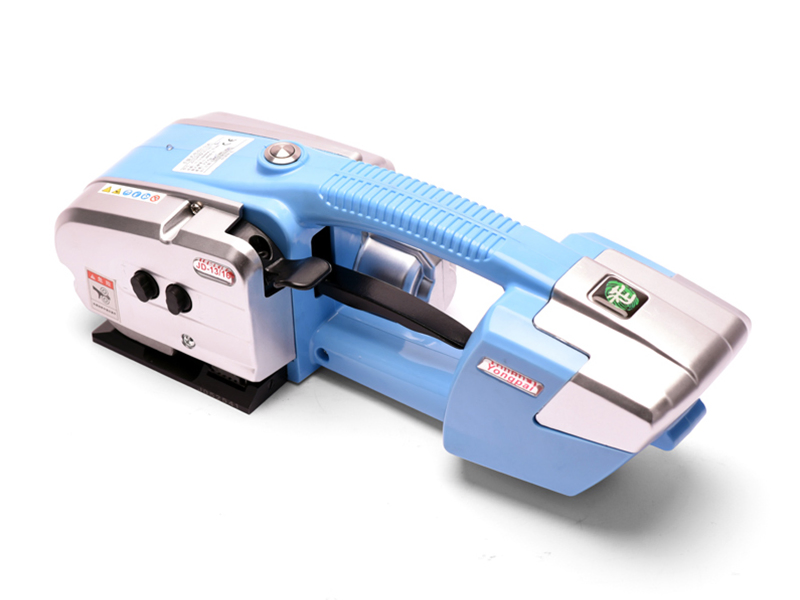
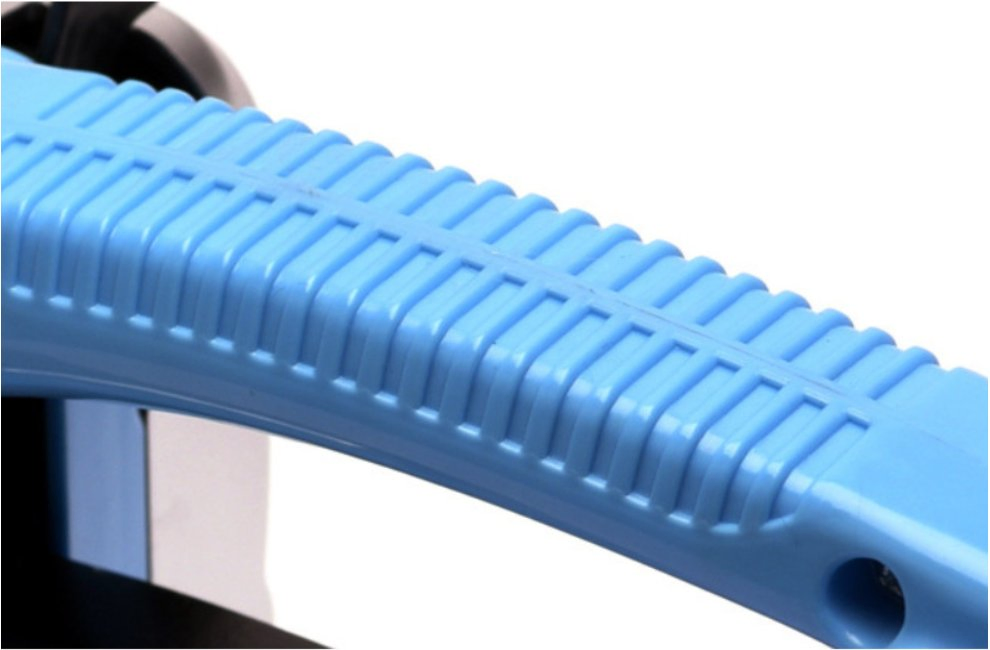
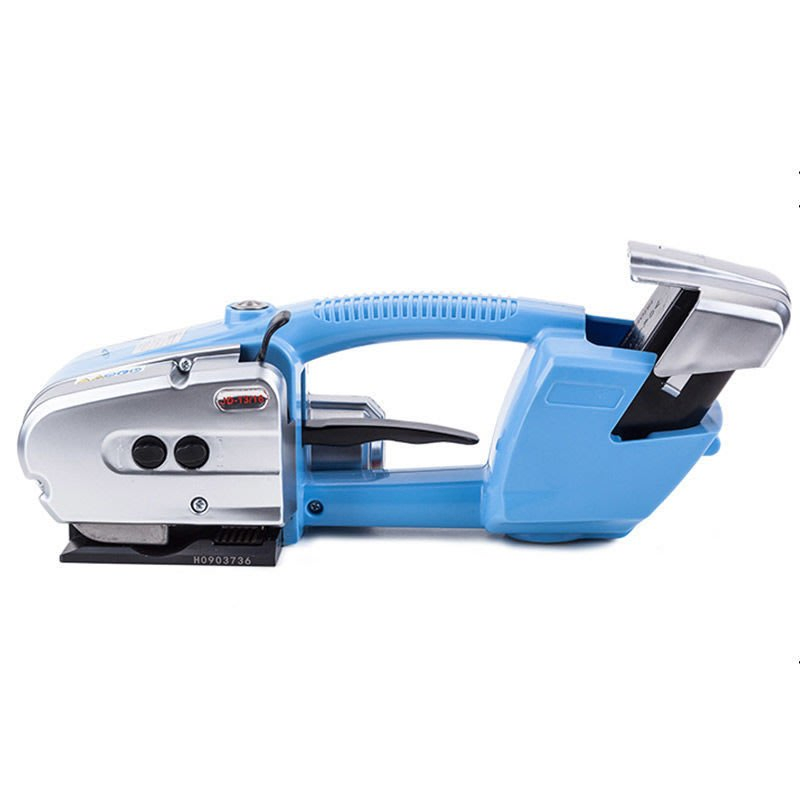
our company can definitely work with you on customizations like specific strap widths or even labeling on the tools if you need it—just let us know what quantities you're thinking, and we'll sort out details.
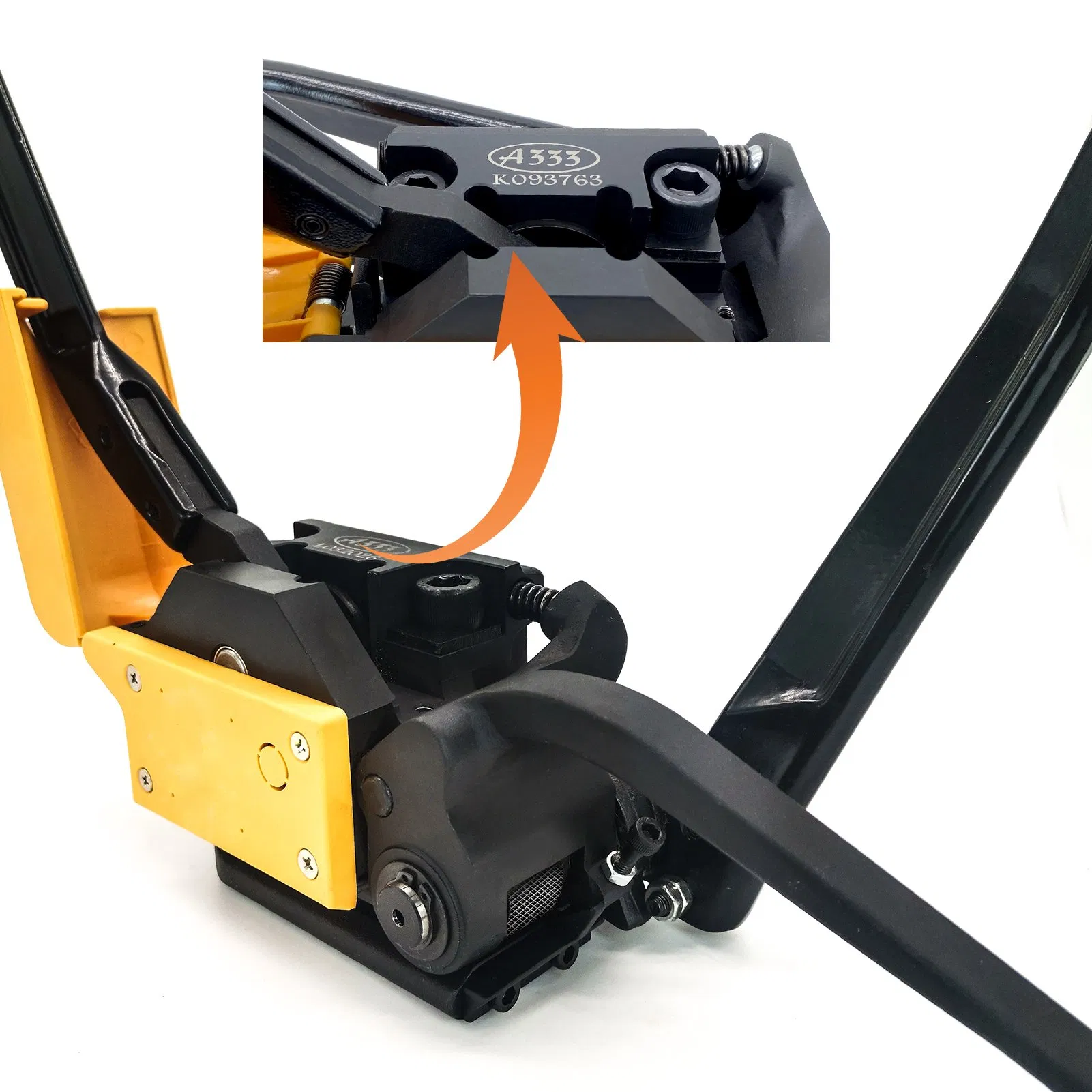
The CMV-19 handles straps from 13-19mm, while the CMV-25 covers 19-25mm, and both run off a pneumatic system at 6.5pa with a tightening force between 2800-3500N, which is pretty solid for most industiral loads. It's about 3.8kg for the smaller model and 4.2kg for the larger one, so they're light enough to use all day without killing your arms.
These are semi-automatic, so you'll need to feed the strap in manually, but teh heat fusion seal is fast and reliabel—most buyers go with the 19mm version for drinks or snacks. It's not ideal for heavy-duty brick strapping though, where you'd want a fully automatic unit.
We usually have stock on the common widths, but lead time for custom orders is typically 20 days or so (check with us first). The aluminum body holds up well in dusty environments, and we've found the tension control stays consistent even after a year of daily use.
For ordering, MOQ is 10 units for standard models, and we include a COA with each batch—HPLC data is avaliable on request. Just confirm your strap material (PP or PET) and operating pressure before we ship.
We typically start at 10 units for first orders, but we can be flexible depending on stock. Just reach out and we'll check what we have.
Lead time is usually 7-15 days after order confirmation, depending on the quantity. If we have them in stock, we can ship within a week.
Yes, we can provide a certificate of conformity and material test reports for the aluminum body. Just let us know what specific docs you need.
The CMV-19 works with 13-19mm straps and weighs 3.8kg, while the CMV-25 handles 19-25mm straps and weighs 4.2kg. Both have the same tightening force range of 2800-3500N, so pick based on your strap size.
Keep them in the original carton packaging in a dry place, away from dust and moisture. Since they're pneumatic, make sure the air inlets are covered to prevent debris from getting in.