Account
Inquiry
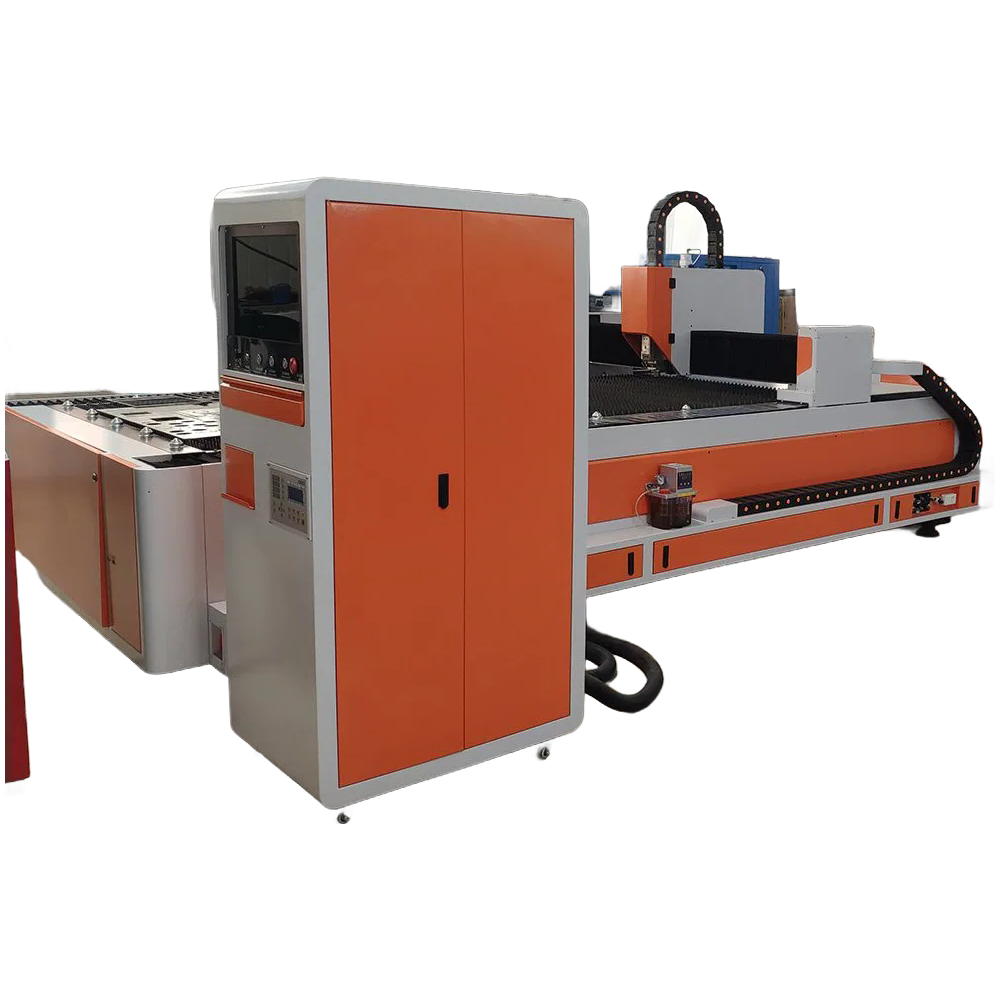
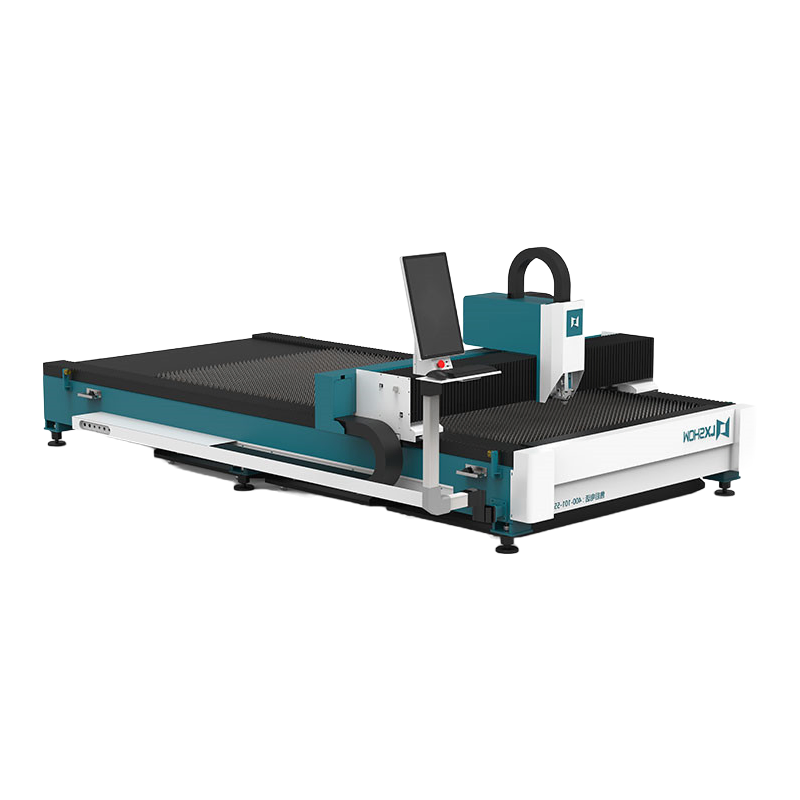
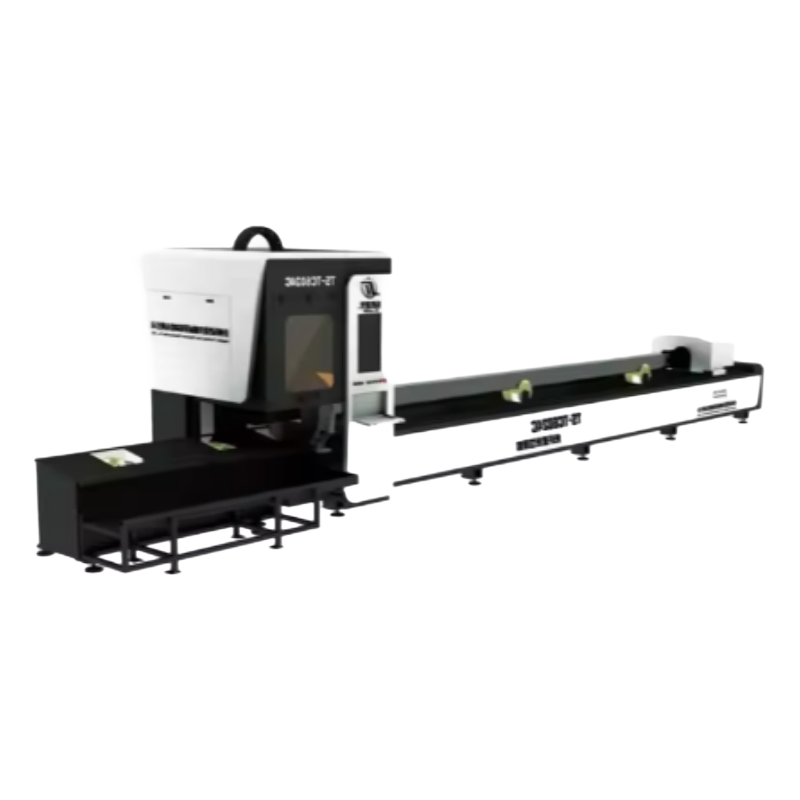
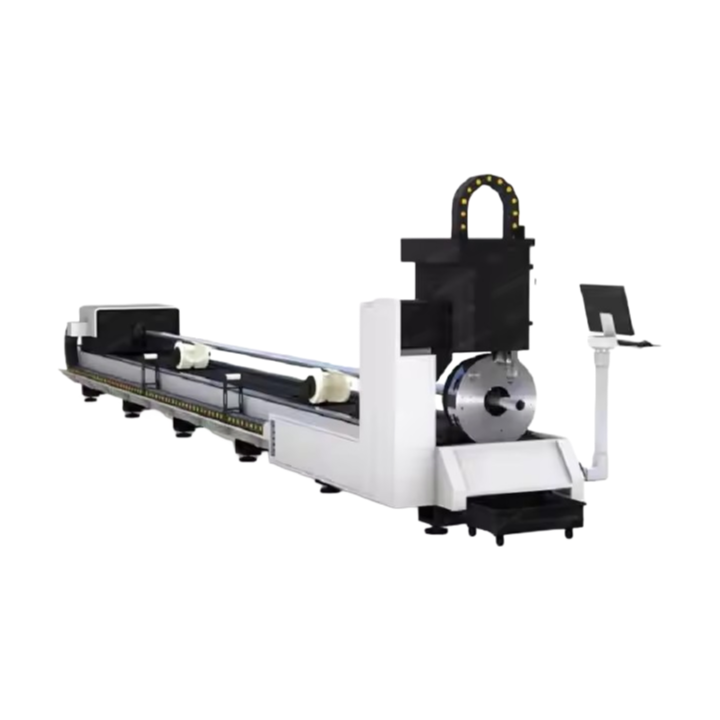
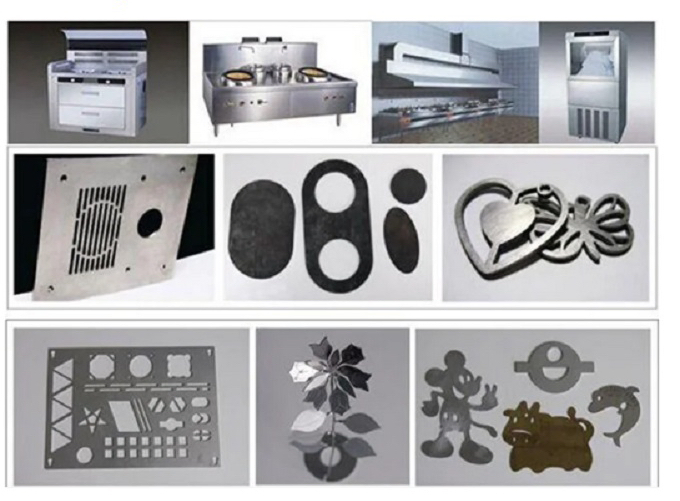
We’ve seen this setup spec’d into aerospace fuselage panel trimming and automotive chassis rail, where the ±0.05mm positioning accuracy and 60m/min rapid traverse let you hold tight tolerances across long without slowing down.
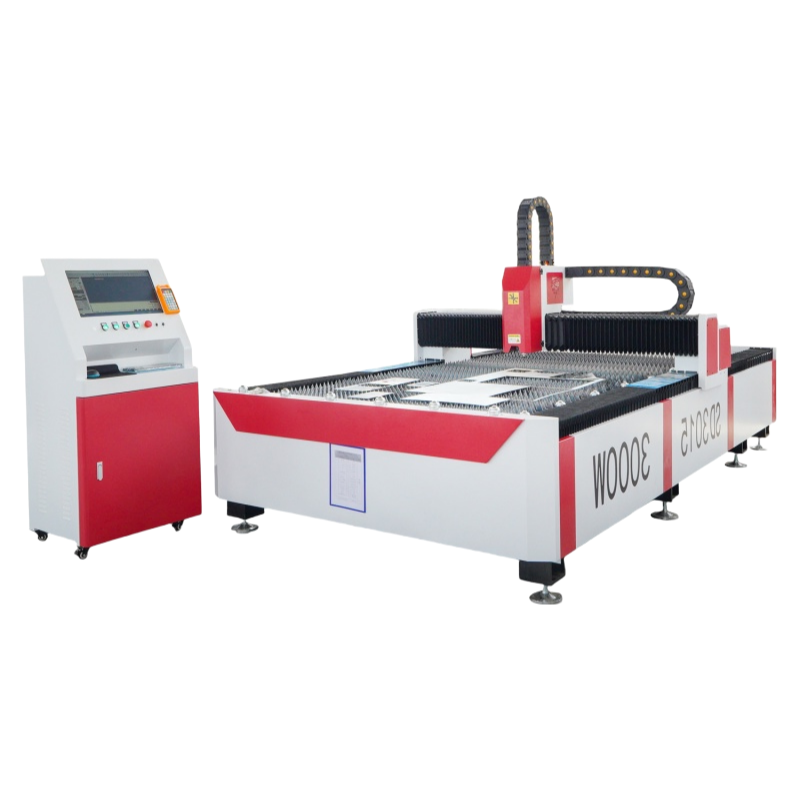
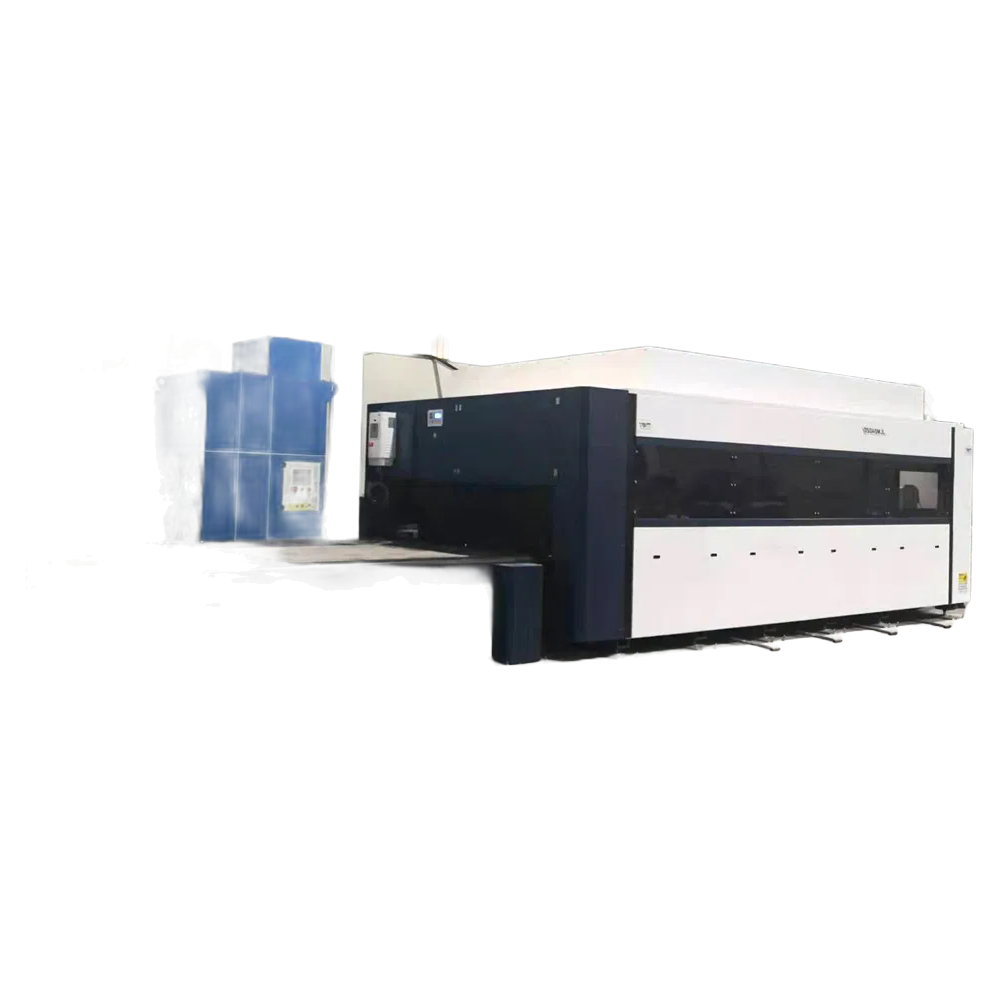
1000W to 2000W of fiber laser power is optional, and most buyers go with the 1500W for carbon steel up to 12mm or stainless up to 6mm—it’s a solid middle ground that balances speed and edge quailty for typical fabrication work.
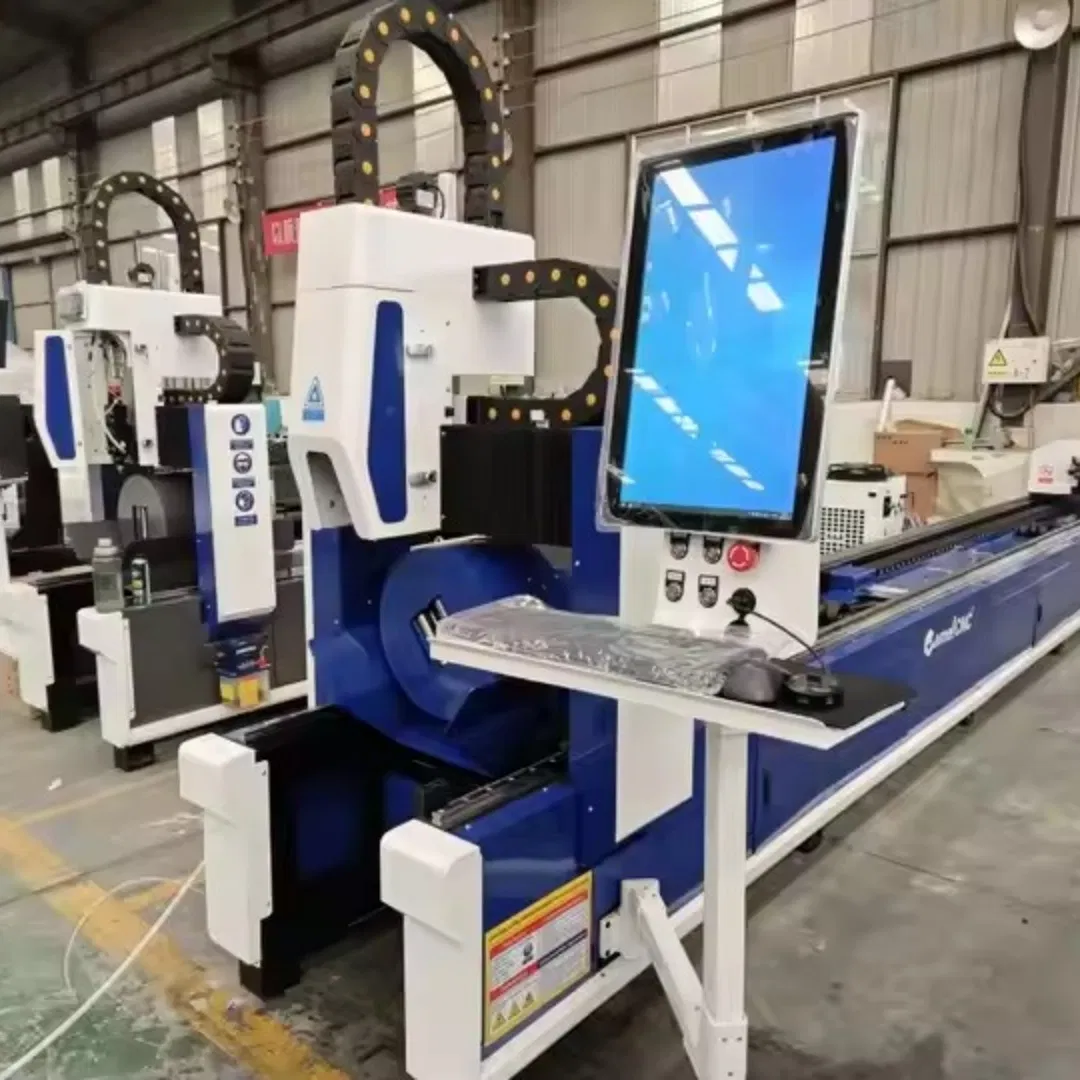
Teh capacitance height sensor on the Z-axis automatically adjusts during the cut, which matters when you’re feeding in slightly warped sheet stock (common with thinner gauges) and don’t want the nozzle crashing or losing focus.
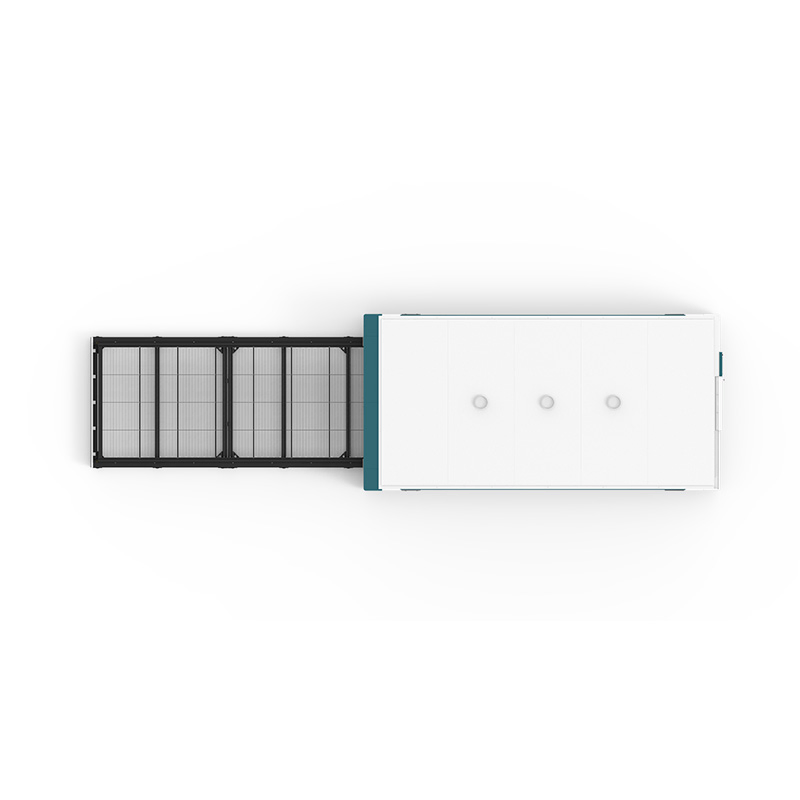
area is 1300x2500mm on a BJG-1325G or 1500x3000mm on the BJG-1530G, and the watercooled RayCUS source has been reliable in our shop—basically, the only real maintenance we’ve had to do after two years was a routine lens swap and cleaning chiller filter.
It’s not ideal for thick plate over 20mm in stainlss—the 2000W option helps, but you’ll get slower feeds and more dross that needs secondary grinding; if you’re structrual beams daily, you’d want a higher-powered CO2 system instead.
We usually have the CE and SGS certs on file, and the 2-year the laser source and drive components—just confirm lead time when you place the order, as the 2400kg machine ships with a wooden crate and we’ve had about 20 days or so dilevery on recent builds.
We can start with a single unit for sample testing, but standard orders usually start at 2-5 units depending on the configuration. Bulk discounts apply for quantities over 10.
For a 2000W machine, lead time is around 25-30 working days after order confirmation and deposit. Custom specs might add a few days.
Yes, both CE and SGS certificates are included with each machine. We'll send you digital copies before shipping, and hard copies go in the crate.
That ±0.05mm accuracy holds for materials up to 6mm thick under standard conditions. For thicker metals, it may shift slightly to ±0.08mm due to thermal effects.
Keep it in a dry, temperature-controlled room between 5-40°C. Drain the water cooling system if temps drop below freezing to avoid damage.
Prompt delivery was a major plus. The shipping process was efficient and well-communicated, with the item arriving exactly within the estimated timeframe. Packaging was robust and secure, ensuring everything arrived in perfect condition without any damage. The quality of the materials and construction is immediately apparent; it feels solid and well-made, meeting high industrial standards. Customer service has been responsive and helpful, quickly addressing the few pre-delivery questions I had. Overall, a very satisfactory experience from start to finish regarding the logistical handling and the evident craftsmanship of the product. The support team was professional and made the process smooth.
I was thoroughly impressed with the entire experience. The shipping was incredibly fast and efficient, with the machine arriving well ahead of schedule and in perfect condition. The packaging was robust and clearly designed for industrial equipment, which gave me great confidence from the moment it arrived. Regarding quality, the construction of the machine feels exceptionally solid and professional. All components appear to be high-grade, and the initial setup indicated meticulous manufacturing standards. The customer service team deserves special mention; they were proactive, knowledgeable, and responsive from the initial inquiry through to the post-delivery check-in. Communication was clear and helpful, making the process seamless. Overall, a very positive procurement experience that focused on reliable logistics, apparent quality, and outstanding support.
Naturally, I must begin by commending the exceptional logistics performance. The delivery was remarkably prompt and well-coordinated. The shipping team provided clear, consistent updates, and the machine arrived exactly on the scheduled date, which is crucial for our production planning. The packaging was industrial-grade and impeccable, ensuring every component was secure and protected from any potential transit damage. Regarding quality, the initial inspection reveals robust construction and premium materials. The machine’s frame and critical components exhibit excellent craftsmanship, aligning with the high standards required for aerospace and automotive fabrication. It feels solid and precisely engineered. The service experience has been equally positive. The sales and support teams were responsive and professional from the initial inquiry through to post-delivery follow-up. They were knowledgeable and addressed all pre-installation questions thoroughly. Overall, this was a seamless procurement process focused on the critical aspects of delivery, build quality, and customer support, which gives us great confidence as we move into the installation phase.
Xavier Rodriguez here. Xceptional experience from start to finish. The logistics were handled with remarkable precision; the delivery was perfectly scheduled and the machine arrived securely crated, with no delays whatsoever. The quality of the construction is immediately apparent—robust, well-engineered, and clearly built for demanding industrial environments. Regarding service, the support team was proactive and knowledgeable, providing clear documentation and being readily available for pre-installation queries. This level of professional execution in logistics, build quality, and customer service instills great confidence in the partnership.
Great experience overall. The shipping was incredibly fast and well-handled. The machine arrived securely packaged with no signs of damage, which was a relief given its size and complexity. The quality of the construction is immediately apparent; it feels robust and engineered for heavy-duty industrial use. Customer service was proactive and helpful, answering all preliminary questions clearly. While I haven't put it through its full paces yet for our aerospace prototyping, the initial setup and calibration were straightforward, and the precision on test cuts looks exceptional. The communication from the company was consistent, providing tracking updates and checking in after delivery. This level of attention to logistics and post-sale support is commendable and exactly what you need when integrating new capital equipment. The machine itself seems to live up to its description as a precision tool for demanding fabrication. Based on this initial phase focusing on delivery, unpacking, and preliminary checks, I am very satisfied and optimistic about its performance in our automotive and aerospace metalwork projects.
Zippy delivery was the first thing that impressed me. The machine arrived well ahead of the projected schedule, which was a fantastic start. The packaging was exceptionally robust and professional, clearly designed for heavy industrial equipment, and everything arrived in pristine condition without a single scratch or dent. Regarding quality, the build of the machine itself is outstanding. The materials feel solid and durable, exactly what you need for a high-stakes fabrication environment. The initial setup and calibration were straightforward, and the machine exudes a sense of precision engineering. The service team deserves special mention. From the initial sales inquiry to the post-delivery check-in, communication was consistently prompt, clear, and helpful. They were proactive in providing shipping updates and confirmed all the details before dispatch. While I haven't put the machine through its full paces on complex aerospace-grade materials yet, the initial test cuts on standard stock have been flawless, showing sharp edges and consistent accuracy. The overall experience, from ordering to unboxing, has been seamless and professional. It's clear that this company prioritizes customer satisfaction at every step of the logistics and support chain. This level of care in delivery and service builds tremendous confidence in the product itself. I am very optimistic about integrating this solution into our production workflow.
Very impressed with the overall experience from start to finish. The shipping was incredibly fast and well-handled, with the equipment arriving securely packaged and ahead of schedule, which minimized any downtime for our operations. In terms of quality, the build and materials used are top-notch, ensuring durability and reliability in demanding industrial environments. The customer service team was exceptionally responsive and helpful, providing clear communication and prompt assistance whenever needed. This combination of efficient logistics, high-quality construction, and outstanding support makes this a highly recommended choice for anyone in need of such solutions.
The shipping was incredibly fast and efficient, arriving well ahead of schedule, which minimized our downtime. The quality of the machine is outstanding, with robust construction and precise components that ensure reliable performance. The customer service team was highly responsive and supportive, providing clear guidance throughout the process. Overall, a top-notch experience from start to finish.
Highly efficient logistics ensured the machine arrived swiftly and securely, which was impressive for such a large industrial item. The quality of the components appears robust and well-crafted, promising durability in demanding environments. Service from the team was outstanding; they provided clear communication and support throughout the process, making the experience smooth and hassle-free.