Account
Inquiry
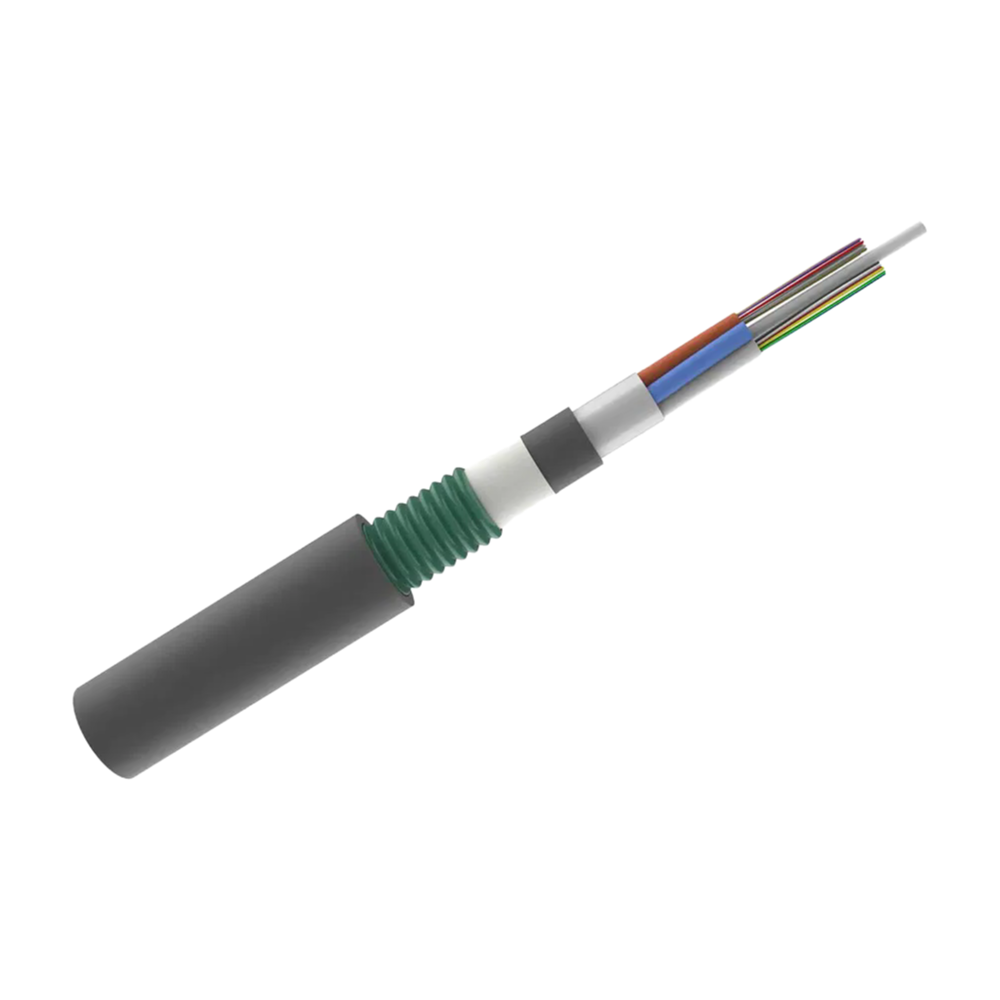
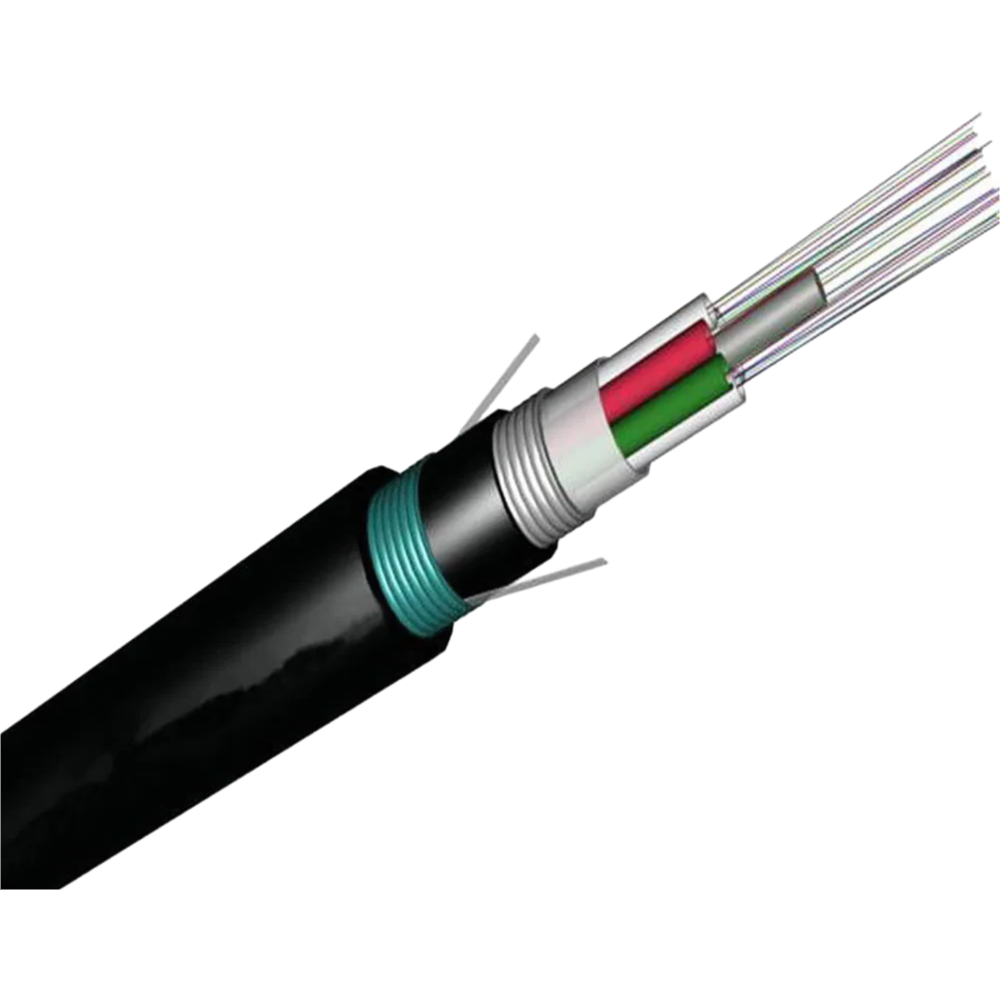
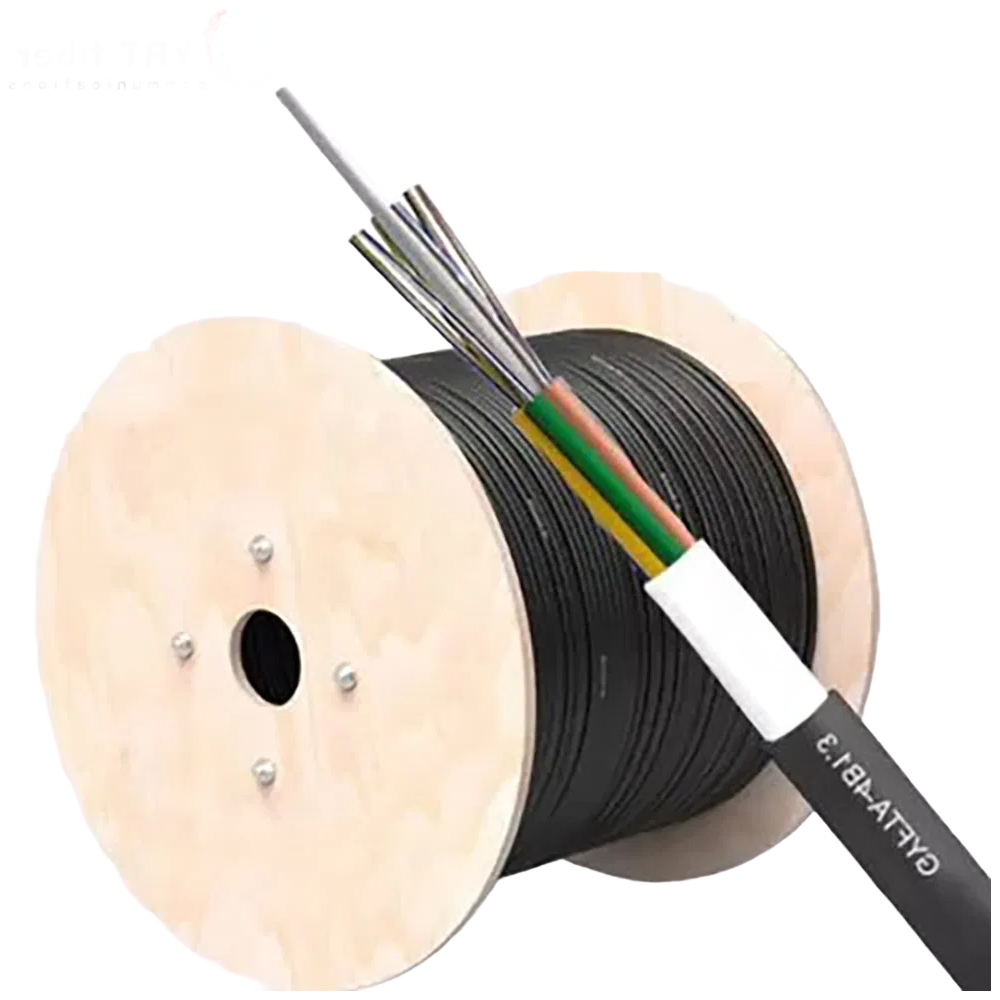
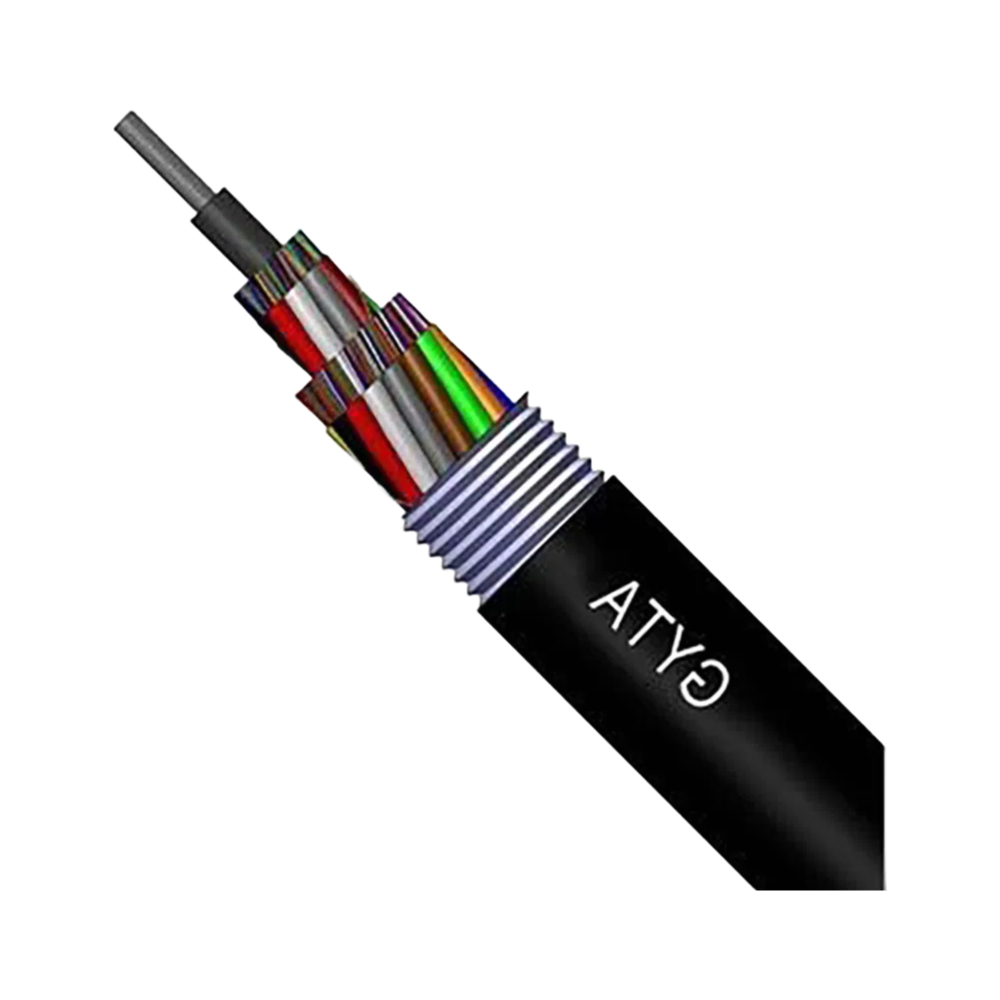
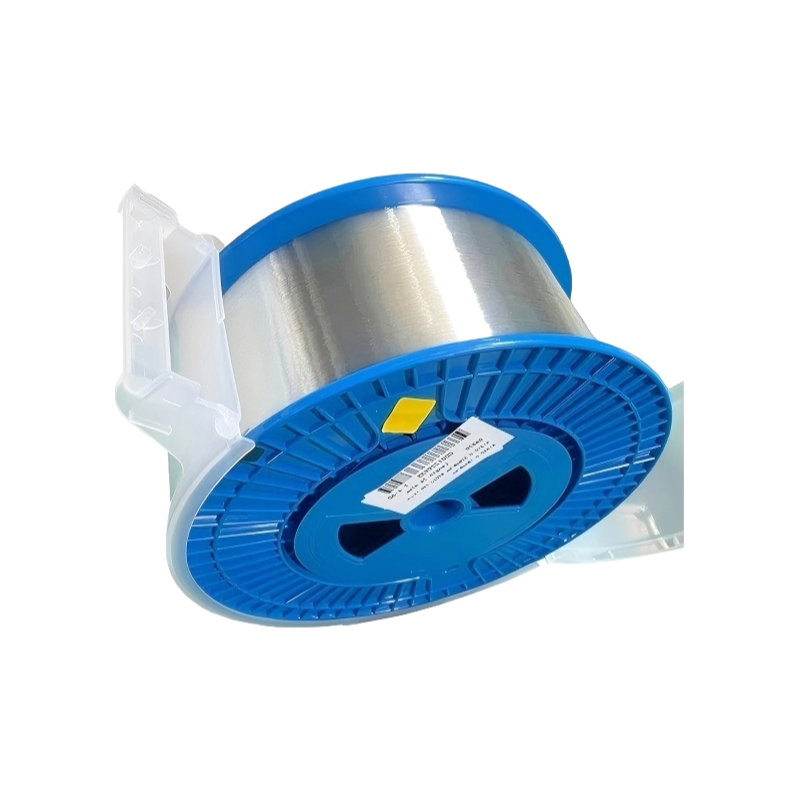
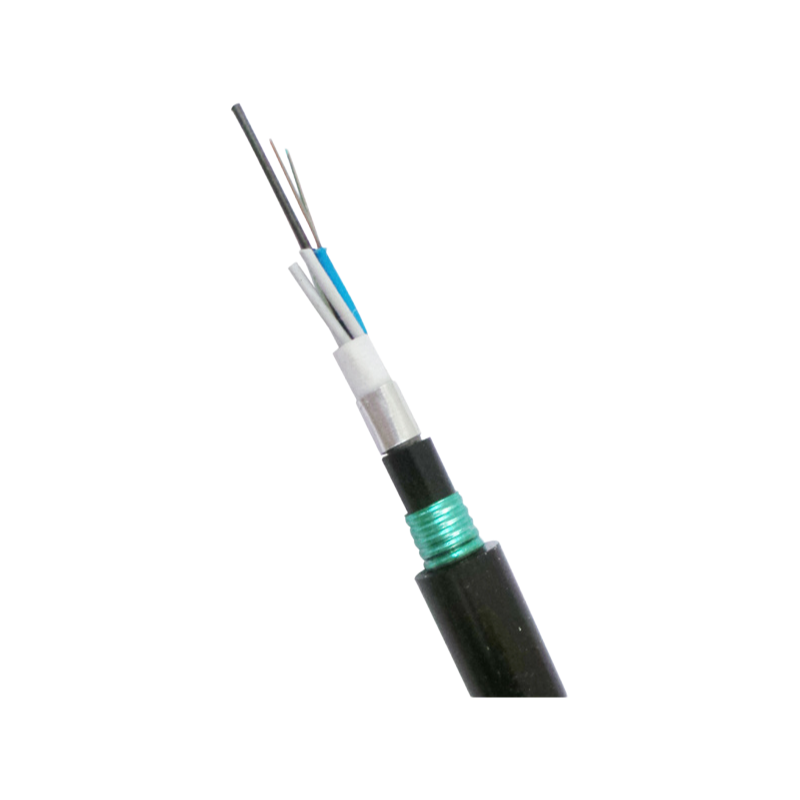
We've been running these through a pretty extensive QC routine before they leave the floor—the 1310nm attenuation holds at ≤0.36 dB/km typically, and at 1550nm it's ≤0.22, which gives you a solid baseline for long-haul runs. That loose tube design actually makes a difference when you're pulling it through ducts or trenching it direct burial, since tensile strength ranges from 800 to 2000N depending on the core count you pick.
So for batch consistency, we test every spool length with an OTDR and check the bend radius against the spec—10D static and 20D is what we see in practice, though we always recommend a bit more slack if you're doing tight conduit work. The PE sheath holds up fine form -40°C to +70°C, but it's not ideal for extreme chemcial exposure or constant UV without addtional jacketing, just a heads up.
2 cores all the way up to 288 cores, and we usually have stock on teh mid-range counts like 24, 48, and 96—those are the ones most buyers go with for telecom or datacom backbone runs. We carry RoHS, CE, ISO9001, and CCC certs on file, and you'll get a COA with each shipment that shows the actual attenuation numbers per kilometer.
The MOQ is about 500 meters or so for custom counts, but if you need a retest on a specific batch, our company can do that within 5 working days—just note it on the order and we'll run HPLC or OTDR verification again. For crush resisance, it's 300 to 1000N depending on the cable diameter, which is better than most generic outdoor cables for direct burial scenarios.
Anyway, if you're ordering for a metropolitan network or access network, the 144-core version is pretty much the sweet spot for balancing cost and density. That's something we've seen across hundreds of deployments.
Our MOQ is typically 10 kilometers per core count, but we can be flexible for custom orders. Just let us know your exact requirements and we'll work out the details.
Lead time is usually 15-25 working days after order confirmation and deposit, depending on the core count and quantity. For 288-core orders, we might need a bit more time, but we'll confirm with you upfront.
Yes, we can share certificates for RoHS, CE, ISO9001, CCC, and SGS upon request. Just let us know which reports you need, and we'll send them along with the shipment.
No, the tensile strength varies by core count and cable design—smaller cores typically have lower values, and larger cores go up to 2000N. We'll specify the exact rating for your chosen configuration in the datasheet.
Store the cable in a dry, shaded area off the ground, with temperatures between -10°C and +40°C, and avoid direct sunlight or moisture. Keep it in its original packaging until you're ready to pull it to preserve the sheath integrity.
My experience with this bulk order was primarily positive, with a few key aspects standing out. Meticulous attention was evident from the start, as the logistics were handled exceptionally well. The shipment arrived precisely within the estimated timeframe, which is crucial for our project planning. The packaging was robust and professional, ensuring all reels were secure and undamaged upon arrival. Regarding quality, the cable itself appears to be manufactured to high standards. The PE sheath feels durable and suitably thick for the intended outdoor applications, and the cable structure seems consistent across the entire bulk length. The service provided by the supplier was responsive and helpful during the ordering process, answering preliminary questions promptly. While the core product met expectations for a telecom-grade loose tube cable, the overall efficiency of the delivery and the apparent build quality contributed significantly to a smooth procurement. This reliable performance in logistics and the solid initial quality inspection make this supplier a viable option for future bulk requirements in datacom infrastructure projects.
Yielding exceptional satisfaction across multiple facets, this transaction proved remarkable. Logistics demonstrated impeccable efficiency; the shipment arrived ahead of schedule, securely packaged to prevent any transit damage. Quality is outstanding, with the cable exhibiting robust construction and premium materials that inspire confidence for long-term outdoor use. Customer service was equally impressive, providing prompt, courteous responses to all inquiries and ensuring a smooth ordering process. Overall, a highly reliable supplier that excels in delivering top-notch products with seamless support.