Account
Inquiry
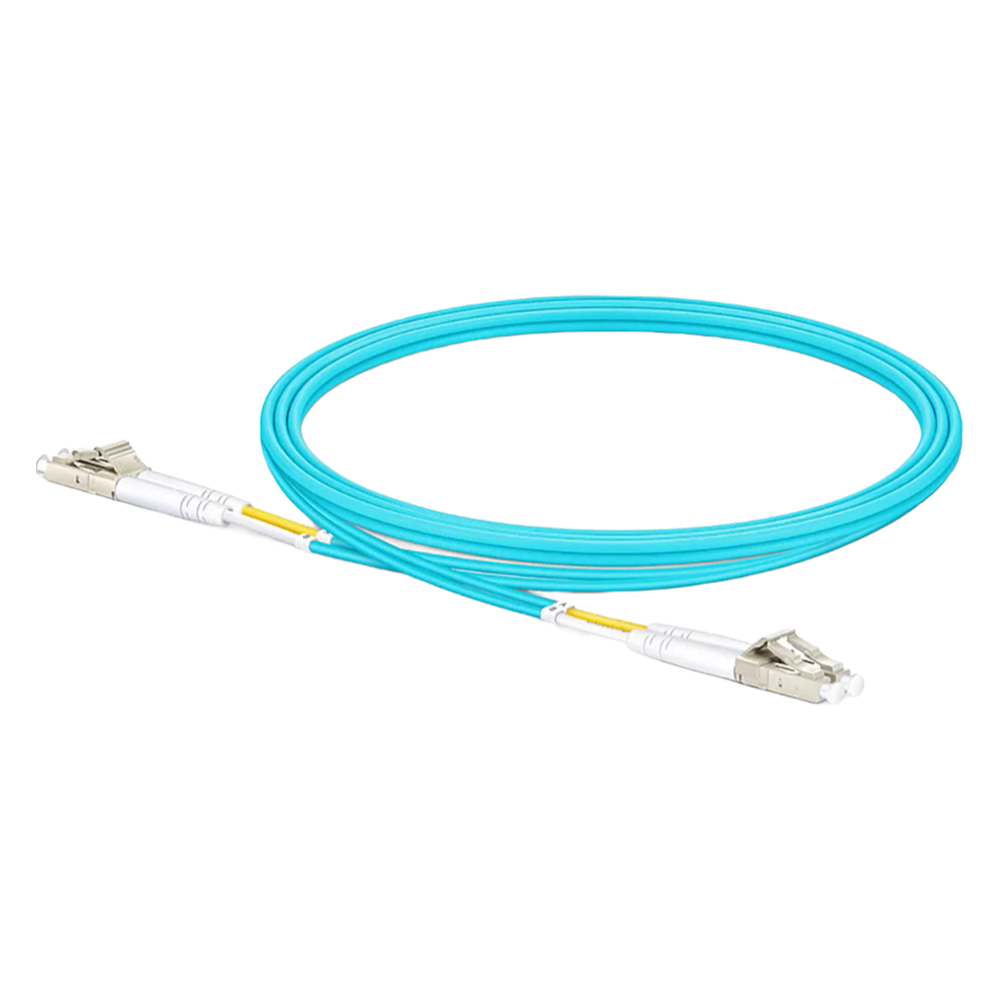
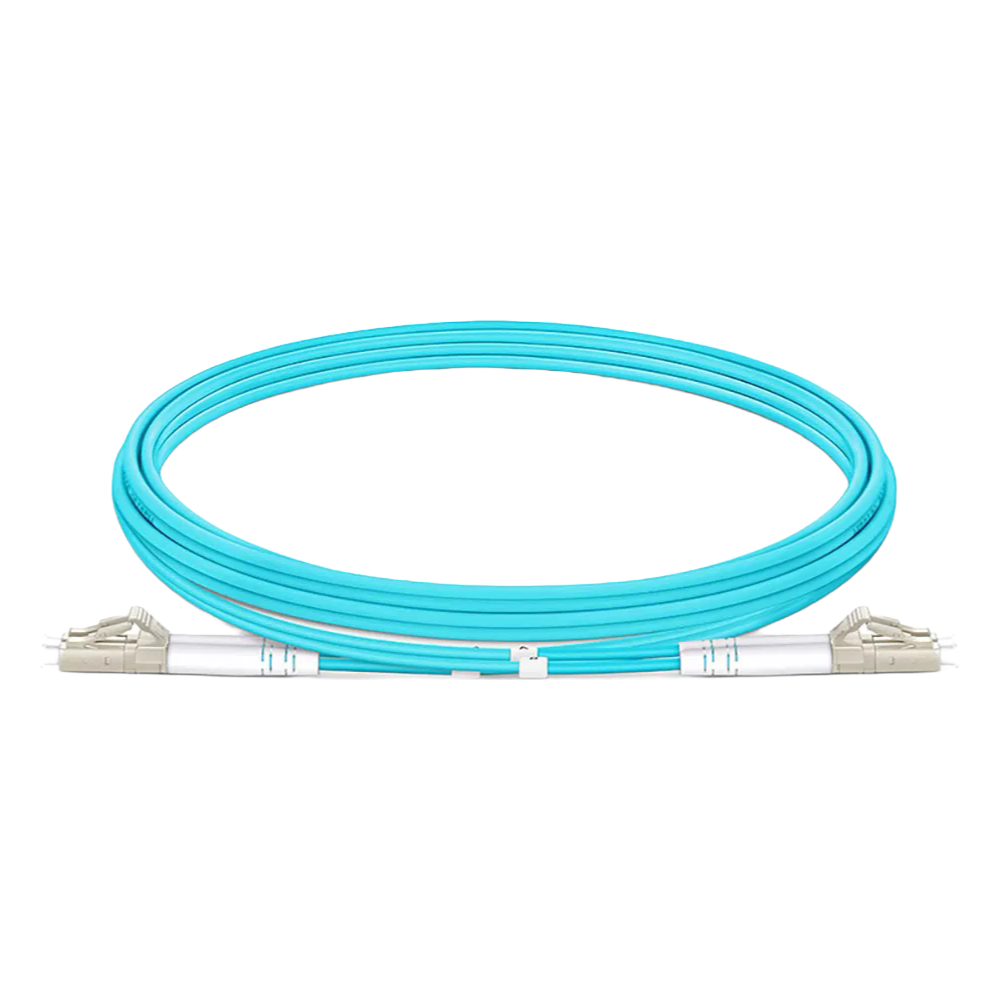
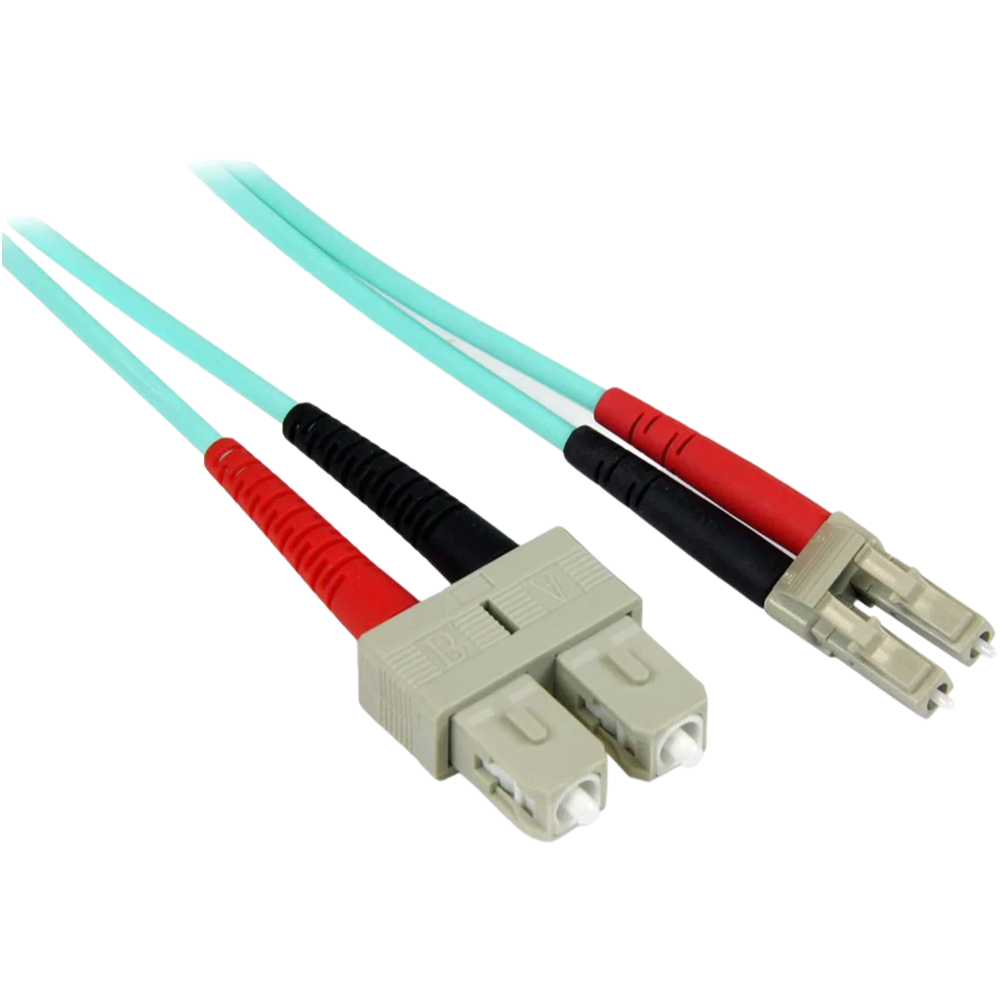
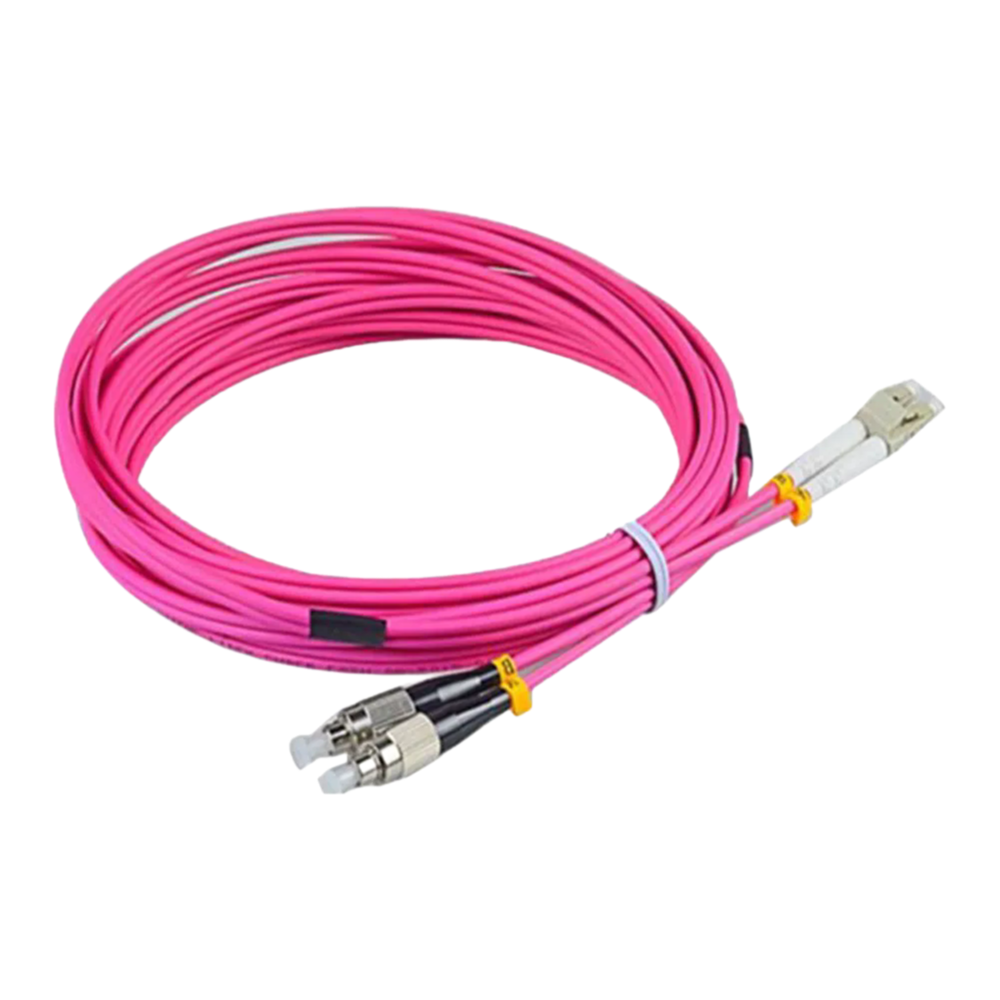
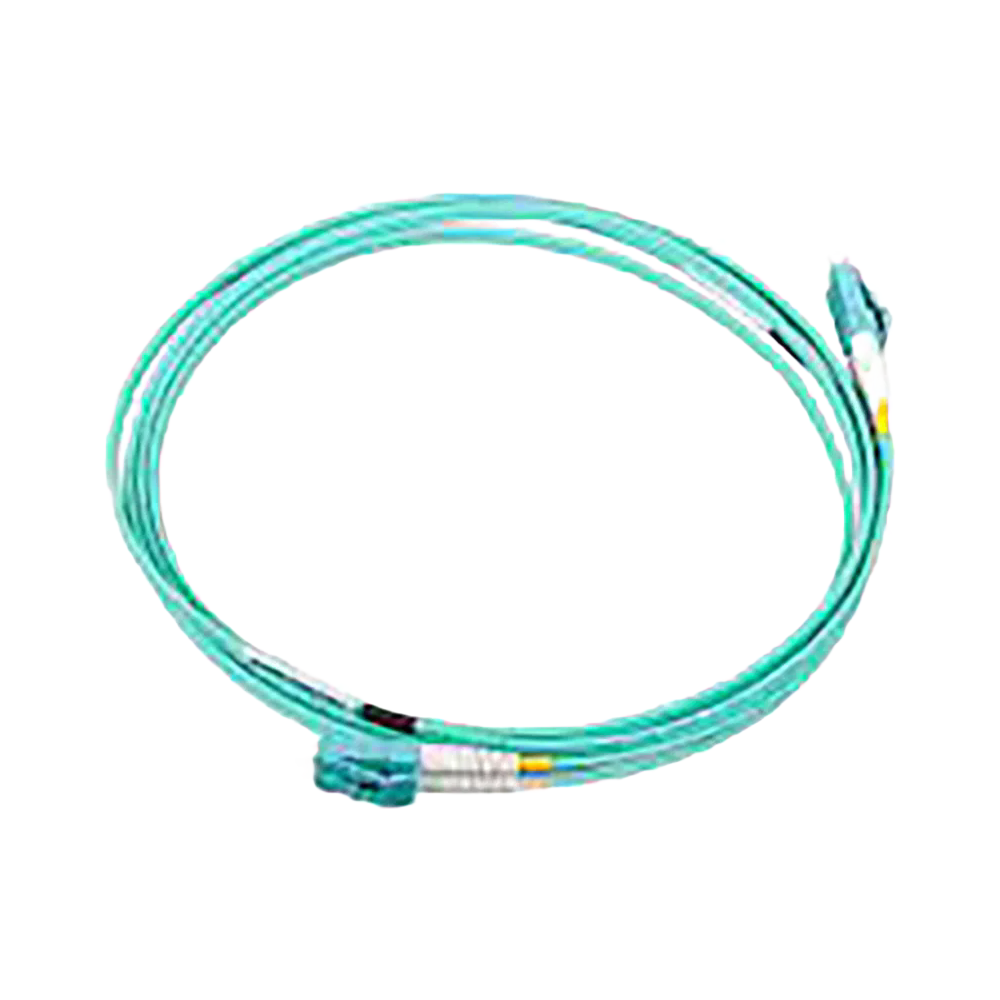
We get a lot of orders for these in data center upgrades where you're swapping out old OM1 or OM2 runs—basically, it handles 10Gig at 300 meters or so without issue, and teh ceramic ferrules mean you can plug and unplug it a hundred times without the insertion loss drifting much from that ≤ 0.3dB spec.
It's -10°C to +70°C operating, which covers most server rooms, but actually the storage range goes down to -40°C, so if you're shipping to a cold warehose in winter, it'll be fine sitting there for a few months.
Return loss is ≥35dB on these, better than a lot of generic patch cords we've tested, and that matters most when you're running tighter topologies or longer chains—though it's not suited for single-mode long-haul links, that's not what it's for.
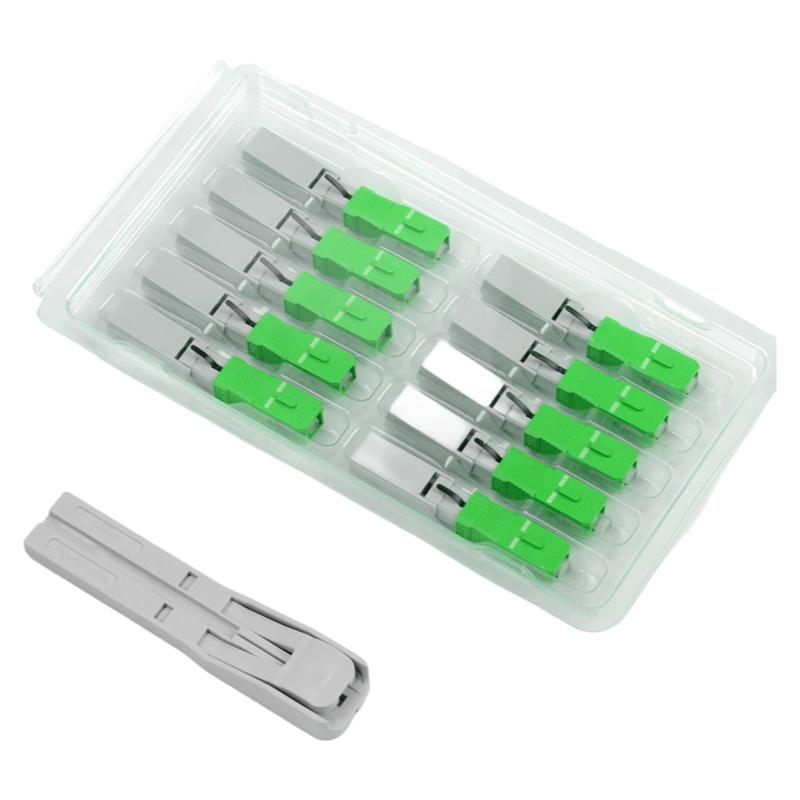
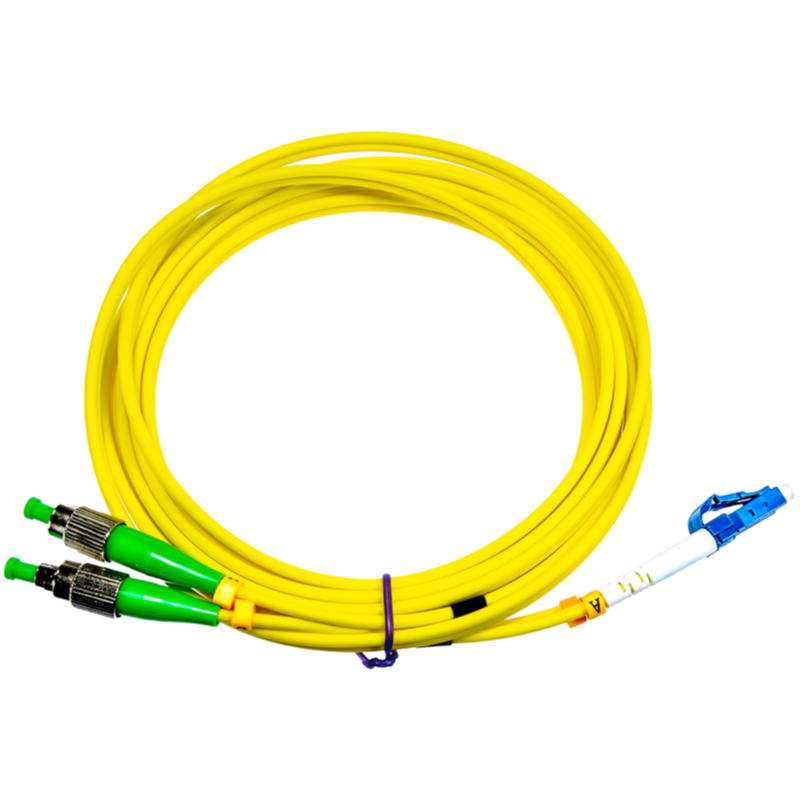
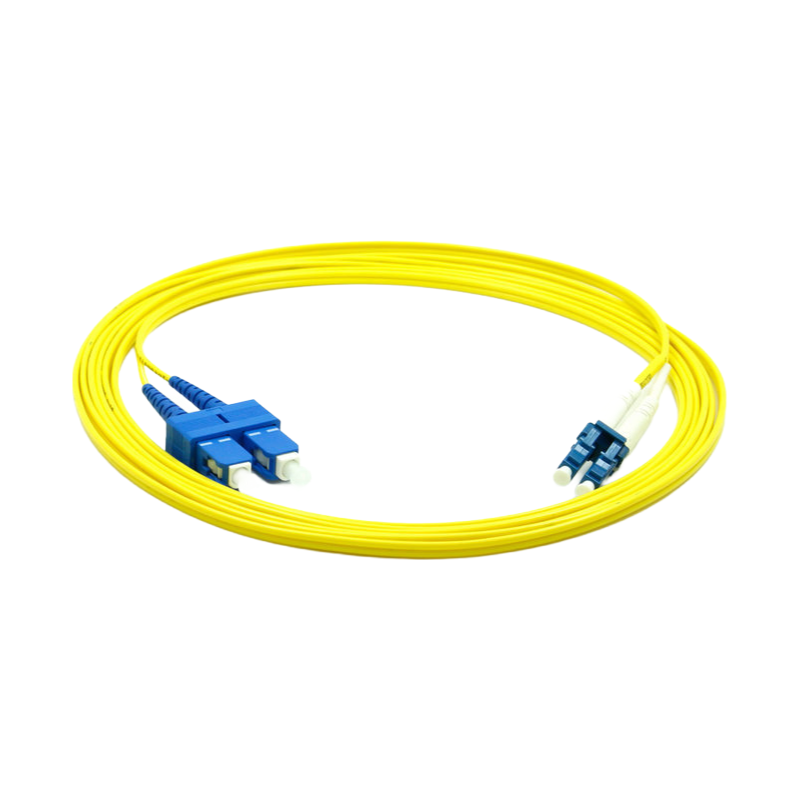
You've got connector options: SC, FC, LC, or ST, in either UPC or APC polish, and jacket choices between LSZH for plenum spaces or PVC for general use, cable diameter is 2.0mm or 3.0mm depending on what's easier to route in your patch panels.
MOQ is 100 units for standard lengths (1m, 2m, 3m, 5m are typical), but our company can do custom lengths from 0.5m to 50m—lead time for the standard stuff is usually 7-10 business days, custom runs might be 15-20 days or so.
One thing you might not think to ask: the aqua jacket color isn't just marketing—it's actually a standard identifier for OM3, so your techs won't grab wrong cable form a bundle of orange OM1s, and we've had a few buyers specifically request that for consistency across sites.
Our MOQ for this cable is typically 1,000 meters per jacket type and connector combo, but we can negotiate smaller quantities for first-time buyers or sample orders.
Lead time is usually 7-15 working days for standard configurations like LC or SC connectors with PVC jacket. Custom setups might take a bit longer depending on volume.
Yes, each shipment comes with RoHS, CE, ISO9001, and SGS reports on request. We also include insertion loss and return loss test data for every connectorized cable.
You can choose either 2.0mm or 3.0mm diameter. The 3.0mm is more durable for tight bends and high-traffic areas, while 2.0mm works well for high-density patch panels.
Just keep them in a dry, indoor environment away from direct sunlight and moisture. Standard warehouse conditions at room temperature are fine—no special climate control needed.
Wanted to share my experience with the recent order. The shipping was incredibly fast and the package arrived well ahead of the estimated date, which was a pleasant surprise. Everything was securely packed with no signs of damage during transit. As for the product itself, the build quality feels robust and the materials seem top-notch, exactly as described. The customer service team was also very responsive and helpful when I had a pre-sale inquiry. Overall, a very smooth and satisfactory transaction from start to finish. I am confident in the reliability of the items received and would not hesitate to order again in the future. The entire process was handled professionally and efficiently.
Outstanding experience from start to finish. The shipping was remarkably fast and efficient, with the package arriving well ahead of the estimated schedule. The packaging itself was secure and professional, ensuring the product arrived in perfect condition. Regarding quality, the cable feels exceptionally robust and well-constructed. The connectors are solid and fit perfectly, and the jacket material appears durable. Customer service was also top-notch; the communication was clear and prompt, answering my pre-sale questions thoroughly. Overall, a very smooth and satisfactory transaction. I am highly impressed and would not hesitate to order again based on this positive experience.
Lately, I placed an order for a batch of these fiber optic cables, and the overall experience was quite positive. Starting with the logistics, the shipping was surprisingly fast and efficient. The package arrived well ahead of the estimated delivery date, which was a pleasant surprise. Everything was securely packaged with ample protective materials, ensuring that the cables arrived in perfect condition without any signs of damage or mishandling during transit. The tracking information provided was accurate and updated regularly, making it easy to monitor the shipment’s progress from dispatch to delivery. This level of logistical efficiency is commendable and greatly appreciated, especially when dealing with time-sensitive projects. Regarding the quality of the cables, they appear to be very well-constructed and durable. The LSZH/PVC jacket feels robust and seems capable of withstanding regular handling and installation stresses. The connectors are firmly attached and look precisely manufactured, suggesting good workmanship. While I haven’t had the chance to deploy them in a live environment yet, the initial physical inspection gives confidence in their build quality and their potential to perform reliably. The materials used feel premium, and the cables have a substantial, professional heft to them, which aligns with expectations for wholesale communication components meant for serious infrastructure. The service aspect was also satisfactory. The communication from the seller was clear and prompt, with quick responses to my pre-order inquiries about stock and shipping options. The ordering process on the platform was straightforward, and the invoice was detailed and accurate. There were no hidden charges or complications. Post-purchase, a follow-up email was sent to confirm satisfaction, which is a nice touch that shows they care about customer experience. Overall, this was a smooth transaction from start to finish, with reliable logistics, seemingly high-quality products, and attentive service. I would certainly consider ordering from this supplier again for future bulk needs.
Worthy of praise is the swift delivery service; the package arrived ahead of schedule and was impeccably packaged, ensuring the product was secure. The cable itself exhibits excellent build quality with a robust jacket that feels durable and suitable for professional installations. Customer service was responsive and helpful when I had a pre-sale inquiry, providing clear information promptly. Overall, a very satisfactory purchase experience from start to finish.
Excellent experience overall. The shipping was incredibly fast, arriving well ahead of the estimated delivery window, which was a very pleasant surprise. Everything was packaged securely with no signs of damage. Regarding quality, the cable itself feels robust and well-constructed. The connectors are firmly attached, and the jacket material seems durable. I have no complaints about the physical build at all. Customer service was responsive and polite during the ordering process, answering my pre-sale questions promptly. While I cannot comment on the technical performance in use yet, as a transaction based on logistics, product arrival condition, and initial service interaction, this was a very smooth and positive process. The order was accurate, and the communication was clear throughout.
A truly outstanding experience from start to finish. The shipping was remarkably fast and efficient, arriving well ahead of the estimated delivery window, which was a pleasant surprise. The packaging was secure and professional, ensuring the product arrived in perfect condition. Regarding the quality, the cable feels robust and well-constructed, with a solid jacket and clean, precise terminations. The overall craftsmanship is excellent and inspires confidence in its durability. Customer service was also top-notch; the communication was clear, prompt, and very helpful throughout the entire process. They were responsive to my initial inquiry and provided all necessary information without delay. This combination of rapid logistics, superior build quality, and attentive support makes for a highly satisfactory purchasing experience. I would not hesitate to order from this supplier again for future needs.
Unbelievably fast shipping! The order was dispatched and delivered much quicker than I had anticipated, which was a fantastic start. Upon inspection, the quality of the cable appears to be excellent; the jacket feels robust and the connectors are well-finished. The customer service team was also very responsive and helpful when I had a pre-sale inquiry. Overall, a very smooth and satisfactory purchasing experience from logistics to post-sale support. I would definitely consider ordering from this supplier again for future projects.
Absolutely satisfied with the shipping speed. The order arrived much faster than I anticipated, which was a pleasant surprise. The packaging was secure and professional, ensuring the product was protected during transit. Regarding the quality, the cable appears to be very well-made and robust. The materials feel durable, and the connectors look precise. The service from the seller was also commendable; communication was clear and prompt, and any inquiries were addressed efficiently. Overall, a very positive experience from start to finish. I would not hesitate to order again based on this seamless process. The attention to detail in both the product presentation and customer interaction is highly appreciated. This level of care makes a significant difference.
I am thoroughly impressed with the overall experience. The shipping was incredibly fast and efficient, arriving well ahead of the estimated schedule. The packaging was secure and professional, ensuring the product arrived in perfect condition. Regarding the quality, the construction feels robust and durable, exactly as described. The materials used appear to be of a high standard, promising good longevity. Customer service was also exemplary; the communication was clear and prompt, and any preliminary questions I had were answered courteously and informatively. This level of attention to detail in logistics, product integrity, and support is commendable and makes for a very satisfactory purchasing process. I would certainly consider this supplier for future needs based on this positive interaction.
Came across this supplier for our bulk networking needs and the experience was quite positive overall. The shipping was surprisingly fast; the order was processed and dispatched without any unnecessary delays, which is crucial for our project timelines. Packaging was secure and appropriate for the type of product, ensuring the cables arrived in perfect condition without any kinks or damage. Regarding the quality, the cables appear to be well-constructed with solid connectors. They feel durable and the jackets seem robust, which gives confidence in their longevity and performance in our data center environment. The service from the team was responsive and professional. Any pre-sale inquiries were answered promptly and clearly. The ordering process was straightforward, and the documentation provided was accurate. While I cannot comment on the specific technical performance in use yet, the initial physical inspection and the transactional experience have been very satisfactory. This is a reliable option for wholesale fiber optic requirements where dependable logistics and apparent build quality are priorities.