Account
Inquiry
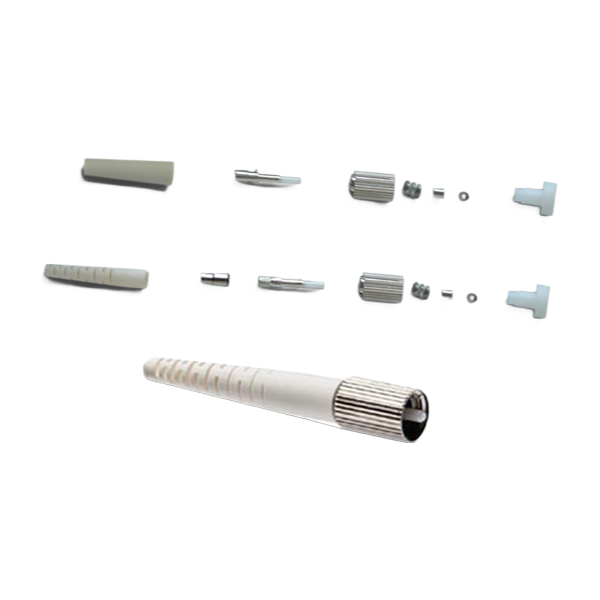
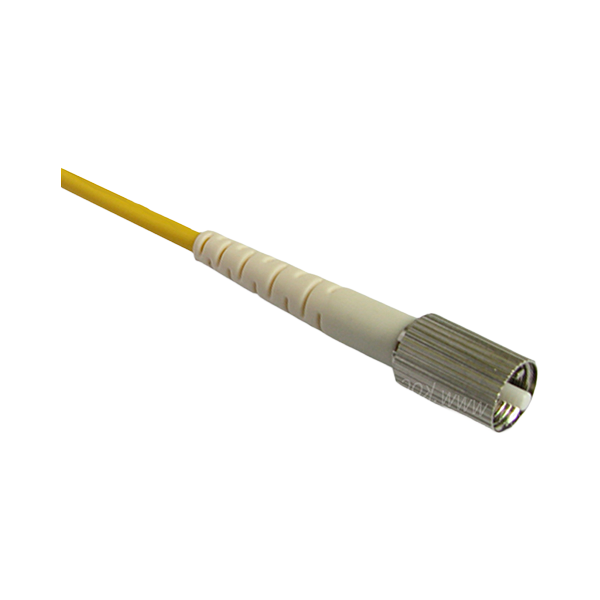
You're dealing with signal degradation in your CATV or telecom backbone—fiber isn't supposed to be the weak link, but poor connectors kill return loss fast, so what you need is something that holds stable across temperture swings and repeated plugging.
We've been running these D4 patch cords for installs where -40°C to +85°C is norm, and they don't drift on you; insertion loss sits at ≤0.3dB max, typically closer to 0.2dB, and return loss hits ≥50dB for PC or ≥60dB for APC—which basically means less reflection messing with your signal.
They're good for at least 1000 mating cycles with ≤0.2dB change, so you're not swapping cables every few months, and tensile strength above 70N means they survive the occasional yank during rack work.
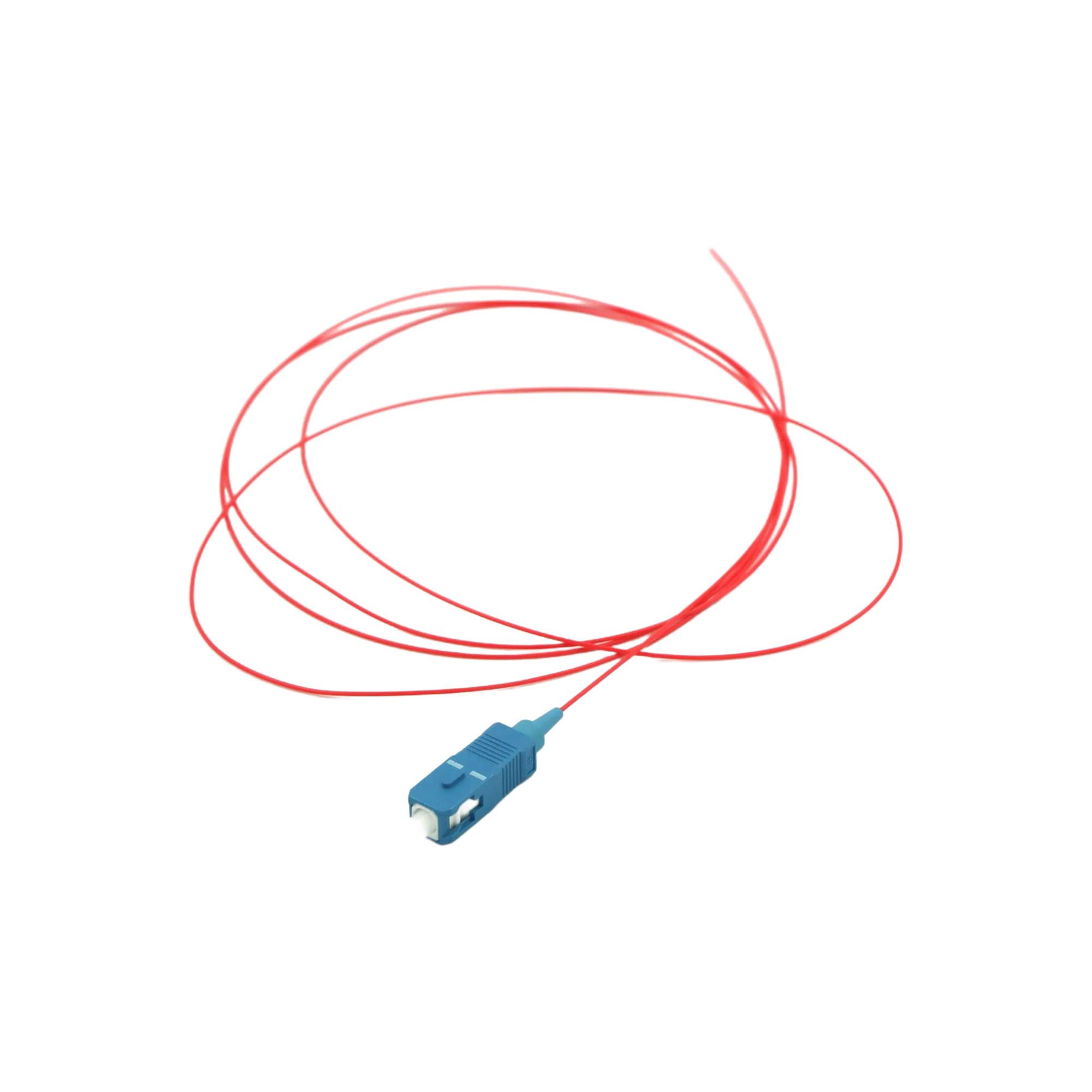
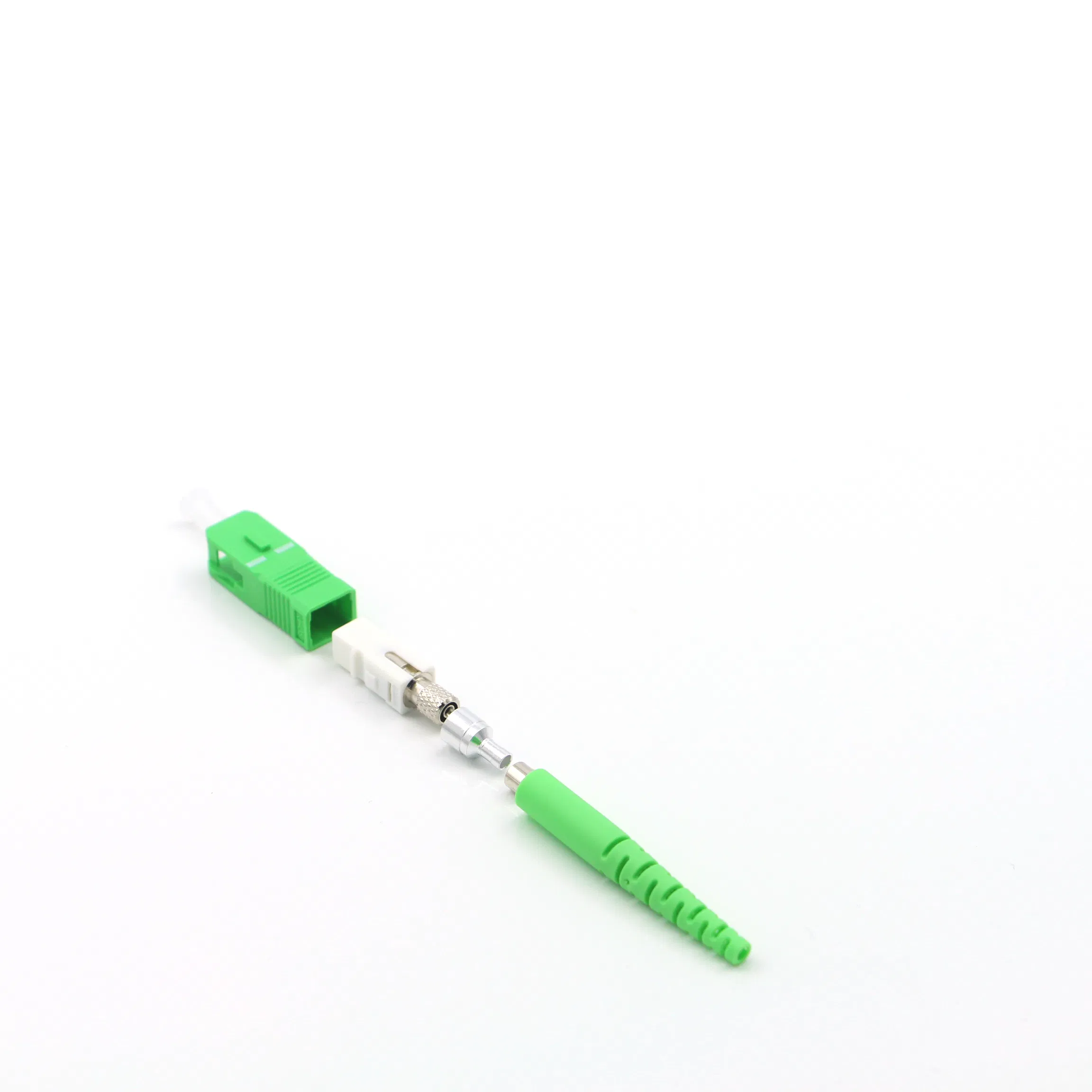
Cable diameter runs from 0.9mm to 3.0mm (customizable), and you can pick jacket material—PVC, LSZH, or OFNR—depending on your plenum or riser requirement; connector color options are blue, beige, or green, and boot type varies (Uniboot, slotted, or smooth).
We comply with Telcordia GR-326-CORE, RoHS, CE, and ISO9001, and orders typically ship with a COA—custom lengths are no issue, though lead time may vary (usually 2-4 weeks for non-standerd builds).
That said, these aren't ideal for multimode runs or short patch panels where cheap LC cords would do—teh D4 UPC connector is overkill for basic office LANs and better suited to backbone or outdoor CATV links where every dB matters.
Our MOQ for this D4 series cable is 100 pieces per spec. If you need a smaller quantity for testing, we can sometimes work something out — just reach out.
Standard lead time is 10-15 business days for custom jacket and color combos. Rush orders might be possible depending on current production load.
Yes, we include test reports per batch showing insertion loss ≤0.3dB and return loss ≥50dB for PC or ≥60dB for APC. We can also provide individual test data if your QA requires it.
Absolutely, we can customize the boot type per end. Just specify your requirement, and we’ll handle the assembly to match your patch panel or transceiver setup.
We recommend storing them in a cool dry place between -20°C and +60°C. The operating range is wider, but keeping them moderate prolongs jacket life and connector performance.
Outstanding experience from start to finish. The shipping was incredibly fast and efficient, with the package arriving well ahead of the estimated delivery date. Everything was securely packaged, showing clear attention to detail in the logistics process. Regarding the product itself, the build quality feels exceptionally robust and premium. The connectors are precisely machined and fit perfectly, and the cable jacket is durable without being overly stiff. It exudes a sense of reliability that is crucial for professional applications. Customer service was equally impressive; my initial inquiry was answered promptly and thoroughly with helpful information. Overall, this was a seamless transaction. The combination of rapid logistics, superior physical quality, and responsive, professional support makes this supplier highly commendable. I feel confident in the product’s performance for its intended use and would not hesitate to order again based on this very positive overall experience.
Very impressed with the overall experience. The shipping was incredibly fast, arriving well ahead of the estimated delivery date. Everything was packaged securely with no signs of damage. The quality of the cable itself is immediately apparent; it feels robust and well-constructed, with clean, precise connectors. Communication with the seller was prompt and professional, answering my pre-purchase questions clearly. While I haven't installed it in a network yet, the initial inspection shows excellent craftsmanship. The transaction was smooth from start to finish. I would certainly consider this supplier for future needs. The attention to detail in both the product and the service aspect is commendable. It's refreshing to deal with a vendor that prioritizes reliable logistics and clear customer service. The product arrived in perfect condition, which is always a primary concern. Based on this initial interaction and the tangible quality of the item received, my confidence in this supplier is high. The entire process was hassle-free and efficient.
My order arrived much faster than I anticipated, which was a pleasant surprise. The packaging was secure and professional, ensuring the product was well-protected during transit. I was particularly impressed with the quality of the materials; everything feels durable and precisely manufactured. The service team was responsive and helpful when I had a question about my shipment. Overall, this was a very smooth and satisfactory experience from start to finish. I would definitely consider purchasing from this supplier again for future needs. The attention to detail in both the product and the delivery process is commendable. It’s clear they prioritize customer satisfaction and reliable service. The entire transaction was hassle-free and met all my expectations.
Excellent experience from start to finish. The shipping was incredibly fast and the package arrived well ahead of the estimated delivery date, which was a very pleasant surprise. Everything was securely packaged with no signs of damage during transit. Regarding the product itself, the build quality feels superb. The connectors are solid and the cable jacket is durable, giving an immediate impression of a professional-grade component. The service aspect was also top-notch; any preliminary questions I had were answered promptly and courteously. Overall, this was a seamless transaction with no hiccups. I am thoroughly satisfied with the efficiency of the logistics, the apparent high quality of the item received, and the supportive customer service provided. This supplier clearly prioritizes customer satisfaction and reliable delivery.
Unbelievably fast shipping! The package arrived two days earlier than the estimated delivery window, which was a fantastic surprise. The courier service was efficient and the tracking information provided was accurate and updated regularly, making the whole process transparent and stress-free. Regarding the product itself, the build quality feels exceptionally robust. The connectors are precisely machined and fit securely without any wobble, and the cable jacket seems durable and well-constructed. It arrived in perfect condition with no signs of damage from transit. Customer service was also commendable; I had a pre-sales inquiry that was answered promptly and professionally. Overall, a very smooth and positive experience from order to delivery. The attention to packaging detail also deserves mention, as everything was neatly organized and protected. This level of care in logistics and presentation really instills confidence in the supplier. I am thoroughly impressed and would not hesitate to order again based on this seamless experience alone.
Cable arrived promptly, which was a pleasant surprise given the distance it had to travel. The packaging was secure and professional, showing clear attention to detail in the shipping process. Upon inspection, the build quality of the connector and cable appears excellent. The materials feel robust and the connectors are precisely machined, aligning perfectly with the specifications for a reliable telecom-grade component. Communication with the supplier was straightforward and helpful throughout the ordering process. They provided clear tracking information and were responsive to a preliminary inquiry about delivery timelines. This level of service instills confidence in the supplier as a potential long-term partner for OEM needs. The overall experience from click to receipt was seamless, reflecting a well-organized operation focused on customer satisfaction. While I cannot yet comment on long-term performance in the field, the initial impressions regarding physical construction and logistical handling are overwhelmingly positive. This product seems to represent good value, merging quality materials with efficient service and reliable delivery. For anyone sourcing these specific components, this appears to be a trustworthy option worthy of consideration based on these foundational aspects alone.
Hats off to the team for a seamless experience from start to finish. The shipping was remarkably fast, arriving well ahead of the estimated delivery date. The packaging was secure and professional, ensuring the product arrived in perfect condition. Upon inspection, the build quality of the cable is immediately apparent; it feels robust and well-constructed, with connectors that fit securely. The communication throughout the process was excellent, with prompt and clear responses to my initial inquiry. While I haven't yet integrated it into a live system, the initial physical inspection leaves me highly confident in its reliability for professional applications. This level of attention to logistics, apparent quality, and customer service is commendable and makes for a very positive purchasing experience overall. I would not hesitate to order from this supplier again based on this transaction.
Rapid delivery was the first thing that impressed me. The shipping was incredibly fast and the package arrived well before the estimated date, which was a fantastic start. Regarding the quality, the cable itself feels robust and well-constructed. The connectors are solid and fit perfectly into the ports without any issues. The overall build seems very reliable and professional, exactly as described for such applications. The service aspect was also commendable. Communication was clear and any preliminary questions were answered promptly and courteously. The ordering process was straightforward with no complications. Everything from the packaging to the product itself indicates a high level of care and attention to detail. It was a completely smooth and positive transaction from start to finish. I am very satisfied with this purchase and would not hesitate to order again in the future for similar needs. The entire experience exceeded my expectations.
Naturally, the shipping speed was impressive. The package arrived well ahead of the estimated delivery window, which was a pleasant surprise. Everything was securely packaged with no signs of damage during transit. The logistics process seemed flawless from tracking to final handover. Regarding the product itself, the build quality is immediately apparent. The connectors feel solid and precise, and the cable jacket is robust without being overly stiff. It has a professional, durable feel that inspires confidence for installation in a telecom rack. As for customer service, my pre-sales inquiry was answered promptly and thoroughly. The representative was knowledgeable about the product specifications and offered clear information without any pressure. This overall experience, from order to receipt, was straightforward and efficient. The combination of reliable logistics, evident quality in materials and construction, and responsive support makes this a supplier worth considering for future needs. There were no complications or delays, just a smooth transaction resulting in a product that appears to meet its intended purpose for network applications perfectly.