Account
Inquiry
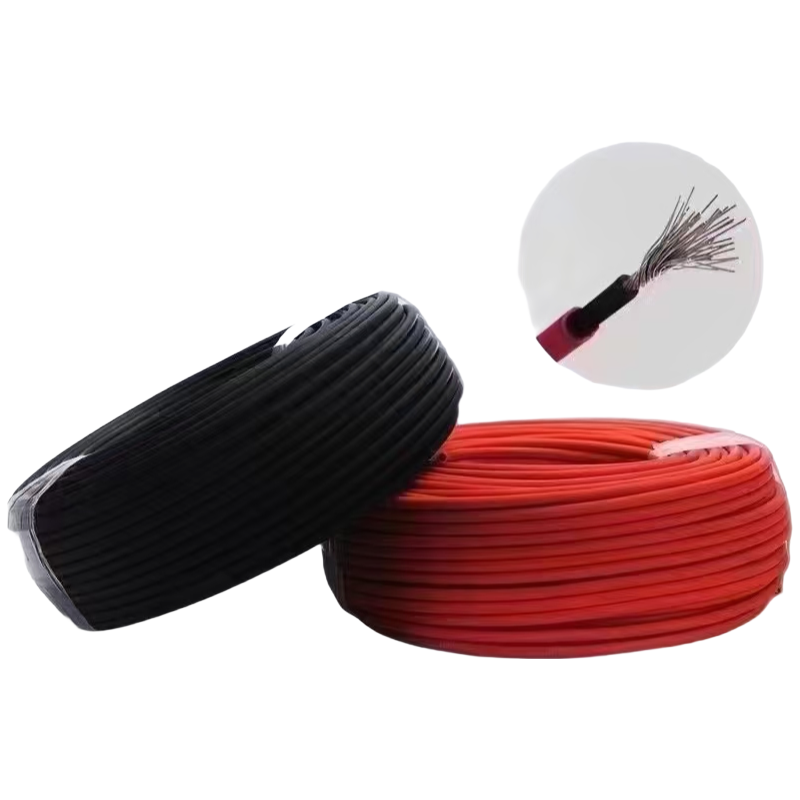
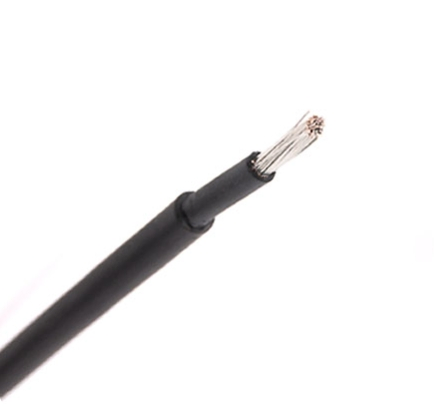
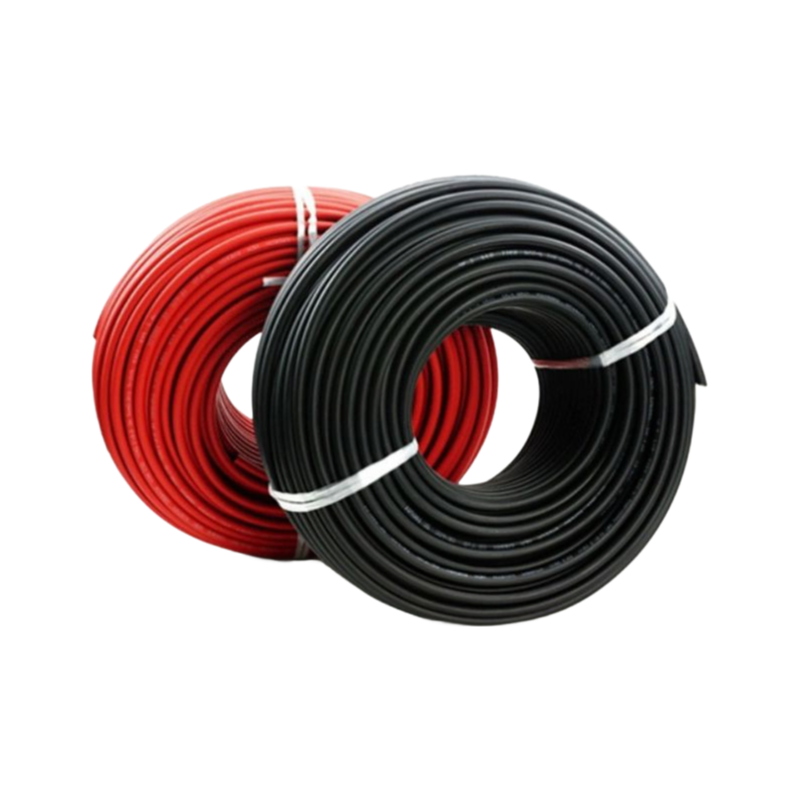
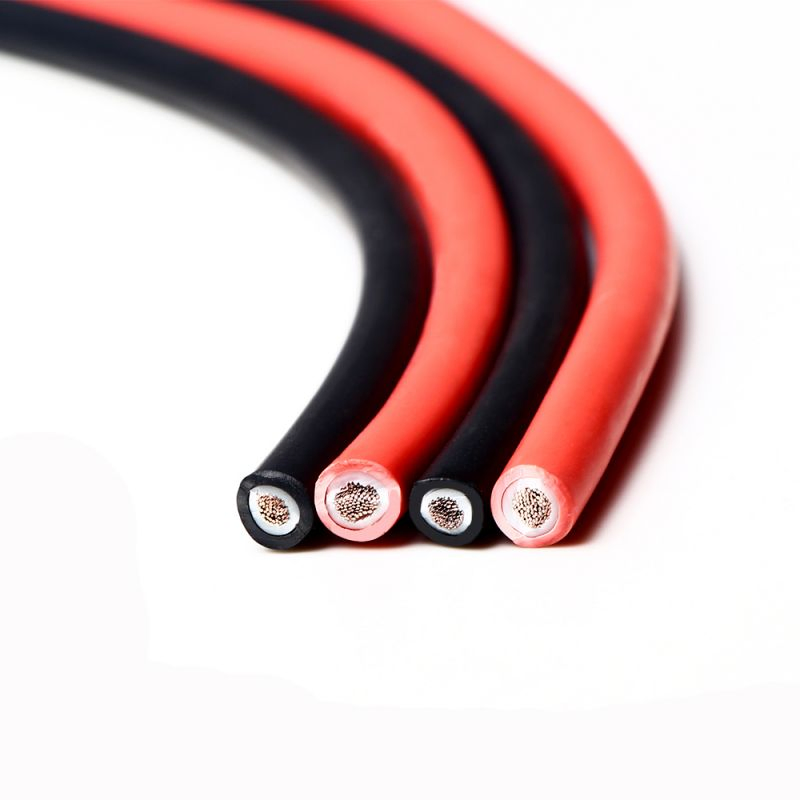
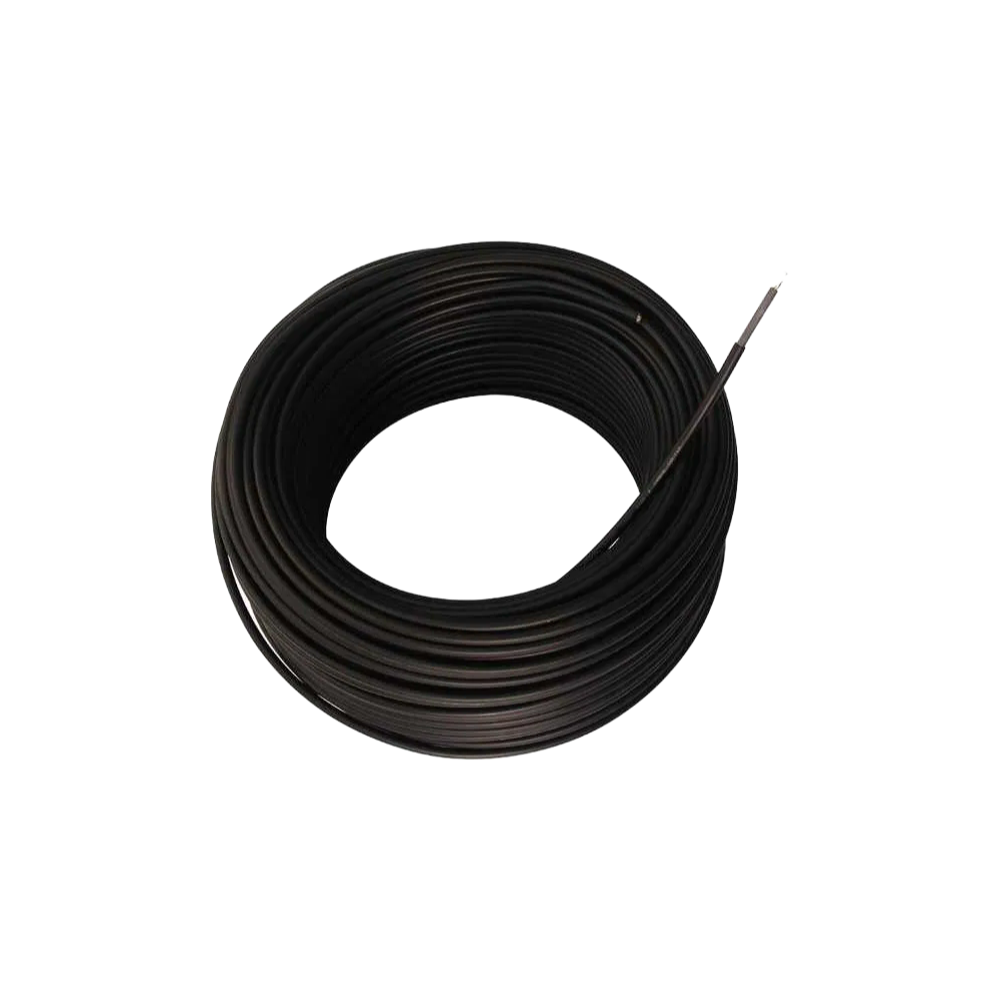
We see a lot of installers coming to us after burning through cheaper PVC-insulated cable that cracks within a season or two, and the difference in core handling is immediately obvious—the tinned copper strands here don't corrode at the termination points like bare copper does, especially in coastal or high-humidity zones, so you're not chasing voltge drops form degraded connections a year down the road.
The 4mm2 cross-section is pretty much the sweet spot for string-level runs up to about 30 amps, and what you'll notice is XLPO insulation doesn't soften or deform when you're pulling it through conduit on a 40°C rooftop, it's actually stiff enough to keep its shape without being brittle.
TUV cerification to EN 50618 and 2PfG 1169 means the flame retardancy has been tested to IEC 60332-1, and the UV resisance is 25 years or so of direct exposure—don't use this for AC side wiring inside a building though, the 1.8kV DC rating is specifically for DC photovoltaic circuits, not general mains voltage.
Our batch documentation includes HPLC-grade COAs on teh crosslinking density and thermal stability data, which matters if your client requires traceability for insurance or warranty purposes—we usually hold about 2000m of JS-PV-4.0 in stock, but custom lengths (24-28 weeks lead time) need a confirmed order.
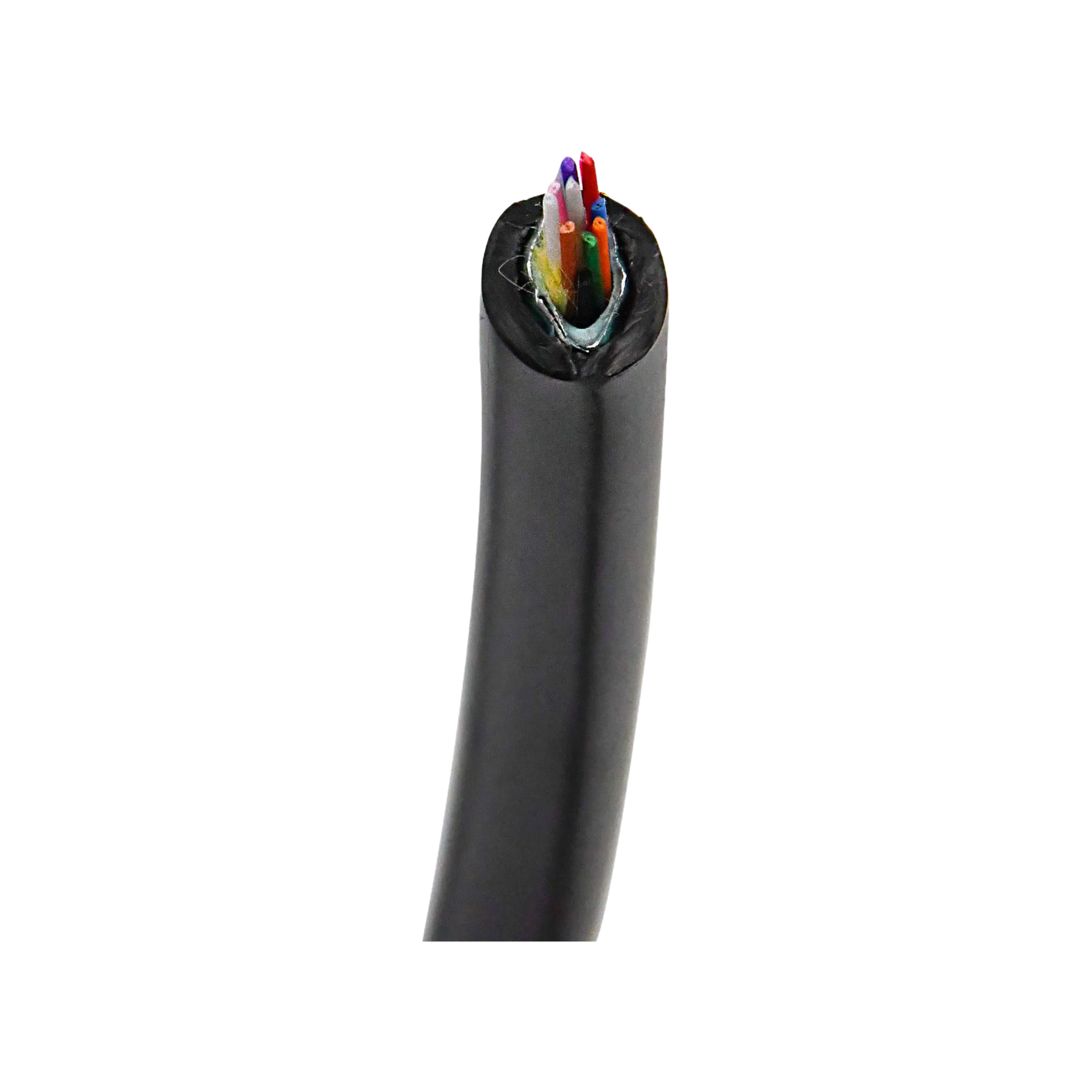
The overall diameter sits at 6.48mm with a 1.14mm insulation wall, and that conductor diameter of 2.59mm is actually tighter than most generic solar cables we've tested, meaning less copper waste per meter while still maintaining the rated ampacity—you'll find the weight at 48.7 kg/km is about 4% lighter than some competitors, which adds up on a 500m reel.
We typically start at 500 meters per size, but if you need less, just ask—we can sometimes do smaller trial orders.
Lead time is usually 7-10 working days for stock items. Custom lengths or packaging might add a few days.
Yes, we include test reports and the TUV certificate copy with every batch, so you have the paperwork for your project.
We only make this model with tinned copper stranded conductor—it's required for the TUV certification and UV/weather resistance specs.
Keep it in its original packaging, out of direct sun and moisture. It's UV-resistant, but long-term exposure before use isn't recommended.
Prompt delivery and excellent packaging. The product arrived ahead of schedule, which was a pleasant surprise. The cable itself appears to be of very good quality, with sturdy insulation and clear markings. Packaging was secure, preventing any damage during transit. Positive experience overall with the purchase process and delivery efficiency. Would recommend based on the smooth transaction and item condition upon arrival.
Delivery was incredibly fast and efficient. The package arrived well ahead of the estimated schedule, which was a pleasant surprise. The packaging was secure and professional, ensuring the product was in perfect condition upon arrival. Regarding quality, the cable feels robust and durable, exactly as described. The insulation appears thick and capable of withstanding harsh weather conditions, which is crucial for my solar setup. The TUV certification markings are clear and provide added confidence in the product’s reliability. Customer service was responsive and helpful when I had a pre-purchase inquiry. They answered my questions promptly and with clear information. Overall, a very smooth transaction from start to finish. I am thoroughly satisfied with the entire experience and would not hesitate to order from this seller again. The combination of prompt logistics, apparent high quality, and excellent support makes this a highly recommended purchase for anyone in need of reliable solar cabling.
Keenly satisfied with the entire purchase process. The logistics were handled exceptionally well; the package arrived ahead of the estimated schedule, which was a pleasant surprise. Everything was securely packaged, showing great care in handling. The quality of the cable itself appears outstanding upon initial inspection—it feels robust and well-made, exactly as one would hope for a certified product. The service from the seller was prompt and professional, with clear communication at every step. This overall experience has been very positive and instills confidence in both the product and the supplier.
Keenly satisfied with the overall experience regarding this order. The logistics were handled exceptionally well; the package arrived ahead of the estimated schedule, which was a pleasant surprise. Everything was securely packaged, showing clear attention to detail in transit. Regarding quality, the cable appears robust and well-manufactured, aligning with the certified standards mentioned. The service aspect was also commendable; any preliminary inquiries were addressed promptly and professionally. This efficient process from dispatch to delivery, coupled with the evident product durability and supportive service, makes for a highly positive transaction. It reflects a reliable operation that values customer satisfaction through consistent performance across key areas like shipping, product integrity, and communication.
Fantastic experience overall. The shipping was incredibly fast, arriving much sooner than the estimated delivery window, which was a very pleasant surprise. The packaging was secure and professional, ensuring the product arrived in perfect condition. Regarding the item itself, the build quality feels excellent and robust. The materials used seem top-notch, and the overall craftsmanship is very impressive, exactly as described. Customer service was also noteworthy; they were responsive and helpful when I had a pre-shipping inquiry. The entire process from ordering to delivery was seamless and efficient. I am thoroughly satisfied with this purchase and would confidently recommend this seller to others based on this positive interaction. The combination of prompt logistics, superior product quality, and attentive service makes this a standout transaction. It’s clear that attention to detail is a priority here, and it shows in every aspect of the order fulfillment. A truly commendable job all around.
Cable arrived promptly, which was a pleasant surprise given the distance it traveled. The packaging was secure and showed no signs of damage from transit. Upon inspection, the build quality appears excellent; the insulation feels robust and the conductors look precisely as specified. The TUV certification markings are clear and instill confidence. Communication from the seller was minimal but sufficient, confirming dispatch. Overall, a very straightforward and satisfactory purchase experience for a critical component. The product seems perfectly suited for outdoor photovoltaic applications, and the delivery speed met my project timeline needs without any issues.
Keenly awaiting my order, I was pleasantly surprised by the exceptional logistics. The shipping was remarkably fast and the tracking information was consistently accurate and timely. The package arrived in perfect condition, securely and professionally packed, which clearly demonstrated great care in handling. Regarding quality, the cable itself appears to be outstanding. The insulation is robust and the conductors look precisely as specified, giving immediate confidence in its durability and suitability for outdoor photovoltaic applications. The TUV certification markings are clear and verifiable. Customer service was equally commendable; the few pre-purchase inquiries I had were answered promptly, thoroughly, and with a clear expertise that was very reassuring. The overall purchasing experience was seamless from start to finish. The combination of rapid, reliable delivery, the evident high-grade manufacturing of the product, and the supportive, knowledgeable service team creates a very strong positive impression. This transaction sets a high standard for online purchases of specialized components. I would not hesitate to recommend this seller based on this experience, as every aspect met or exceeded expectations. The attention to detail in packaging alone speaks volumes about their operational standards. It is refreshing to deal with a vendor where logistics, product integrity, and customer support are all aligned at such a high level, making the entire process effortless and trustworthy for the buyer.
Xcellent experience from start to finish. The shipping was incredibly fast, arriving well before the estimated delivery date. Everything was packaged securely with no signs of damage. The cable itself feels robust and of premium quality; the insulation is thick and the conductor seems very solid. I appreciate the clear TUV certification markings, which provide great peace of mind for a long-term outdoor installation. Customer service was also responsive when I had a pre-sale question about length. A very smooth and satisfactory transaction overall. Highly recommended for anyone needing reliable solar cabling.
Quick delivery and excellent packaging. The solar cable arrived well-protected and ahead of schedule, which was a pleasant surprise. Quality appears robust and exactly as described, with clear TUV certification markings. Customer service was responsive and polite when I had a pre-shipment query. Overall, a very satisfactory purchase experience from order to receipt.
Zippy delivery was the first thing that impressed me. The package arrived well ahead of the estimated schedule, which was a fantastic start. Regarding the product itself, the build quality feels exceptionally robust. The insulation is thick and seems very durable, exactly as described for weather resistance. The TUV certification markings are clear and provide that extra assurance. Customer service was also responsive when I had a pre-sale inquiry; they answered promptly and professionally. Overall, a very smooth transaction from order to receipt. The cable appears perfectly suited for a demanding outdoor photovoltaic installation, and I have no complaints about the logistics or the perceived quality based on initial inspection. A hassle-free experience all around.