Account
Inquiry
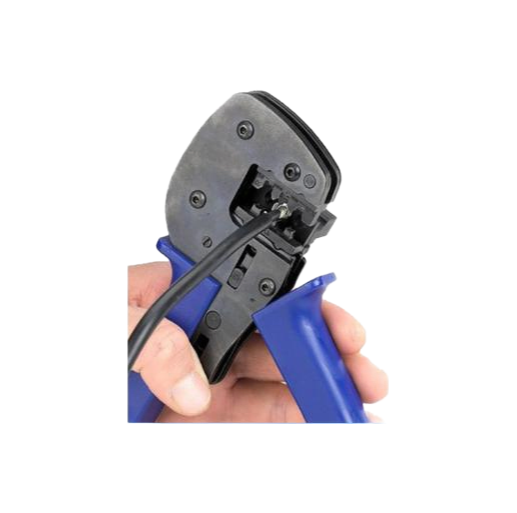
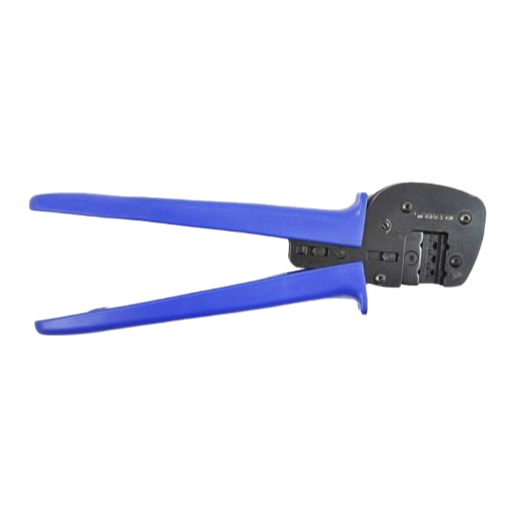
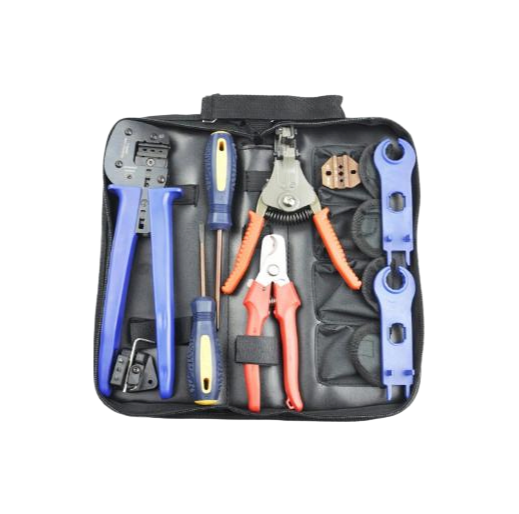
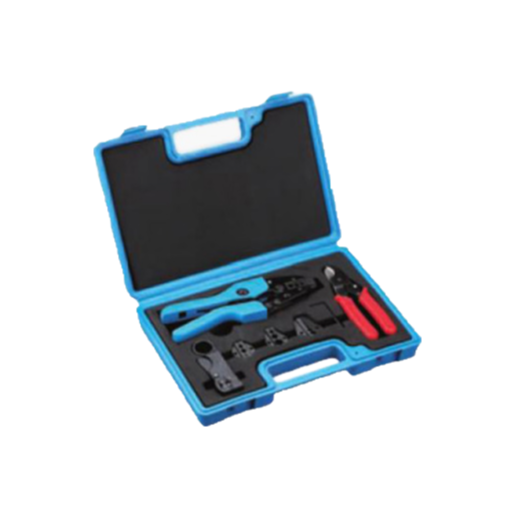
It's actually not the fastest tool for high-volume production lines where you're cranking out hundreds of connections an hour—the ratchet mechanism slows each crimp cycle compared to a hydraulic crimper, and your hand will feel it after about 50 connections or so, but for field repairs or medium-scale rooftop installs where consistency matters more than raw speed, it's the better choice, and most buyers we deal with go with the 12 AWG die for residential solar.
The 1.2 metric tons of pressure at the crimp face gives you a solid gas-tight connection that holds up under thermal cycling from -40°C to +125°C, and you'll notice the IP67 rating on the connector side isn't just marketing—it actually seals properly when the crimp is done right, unlike cheaper pliers that leave gaps, so we basically sell these to guys who've had one too many warranty callbacks from corroded MC4 joints.
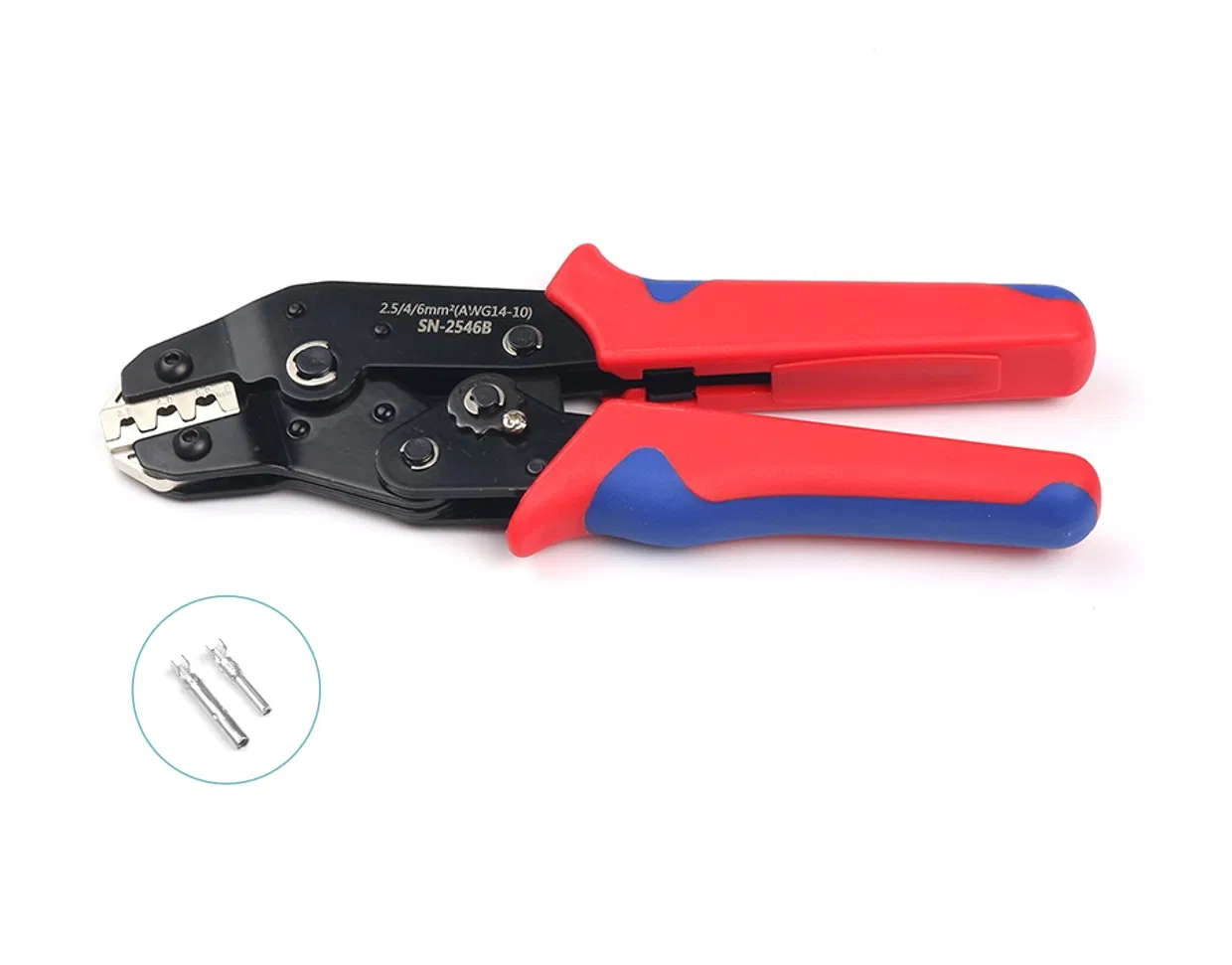
Specs-wise, it handles 2.5mm², 4.0mm², and 6.0mm² cable (that's 14, 12, and 10 AWG if you're working in imperial), and the interchangeable die set swaps out with a simple pin—no tools needed, really—though you should check the die alignment before each use because a slightly off die can cause under-crimping, and the release switch on the side lets you abort a bad crimp mid-cycle without damaging the connector body.
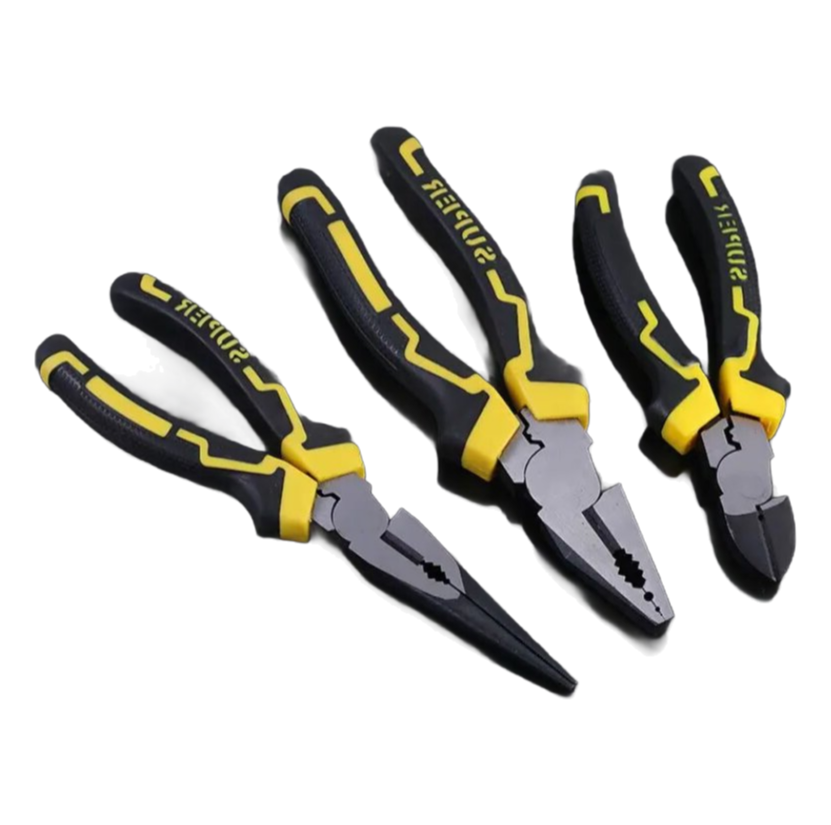
It weighs about 0.9kg and is 270mm long, so it fits in a standerd tool pouch but isn't something you'd want to carry on a ladder all day without a belt clip, and the ergonomic grip (it's ABS over nylon) definitely helps reduce fatigue compared to the all-metal versions form five years ago, but real advantage is the silver-plated copper contacts that sit in the die—they minimize galvanic corrosion when paired with most modern MC4 connectors, though you'll still want to use dielectric grease in coastal environments.
One thing that catches people—the warranty is 3 years, which covers mechanical failure but not wear on the dies themselves, because those are consumable after roughly 5,000 crimps or so, and we usually have stock on replacement dies for 2.5mm² and 4.0mm², but the 6mm² sets are more of a special order, so confirm lead time if you're doing heavy-gauge work.
Anyway, the tool is DC1000V and 25-30A, which covers most residential and commercail solar arrays, but it's not suited for AC wiring or anything above those current ratings—you'll burn out the contact surfaces if you try to crimp battery cable with it, and that's just a limitation of teh die geometry, not something you can fix with more presure.
We provide a CE declaration of conformity and a 3-year warranty card. If you need an inspection report for the IP67 or UV resistance testing, just ask and we'll share it.
MOQ is 50 pieces per order, but you can mix die sizes within that batch. If you need a smaller trial order, we can do 20 pieces for first-time buyers.
No, the dies are interchangeable. You'll need to swap the insert to match the cable size — 2.5mm², 4.0mm², or 6.0mm². The set includes all three dies.
Standard lead time is 15-20 working days after order confirmation. We keep some inventory, so it could ship within 7 days if stock is available.
Store it in a dry place between -40°C and +125°C, away from direct sunlight for long periods. The nylon handle is tough but avoid soaking in water — just wipe clean after use.
Rapid delivery with secure packaging ensured the tool arrived in perfect condition. The quality is outstanding, featuring a sturdy and precise design that feels durable in hand. Customer service was exceptional, providing quick and helpful responses to my inquiries.