Account
Inquiry
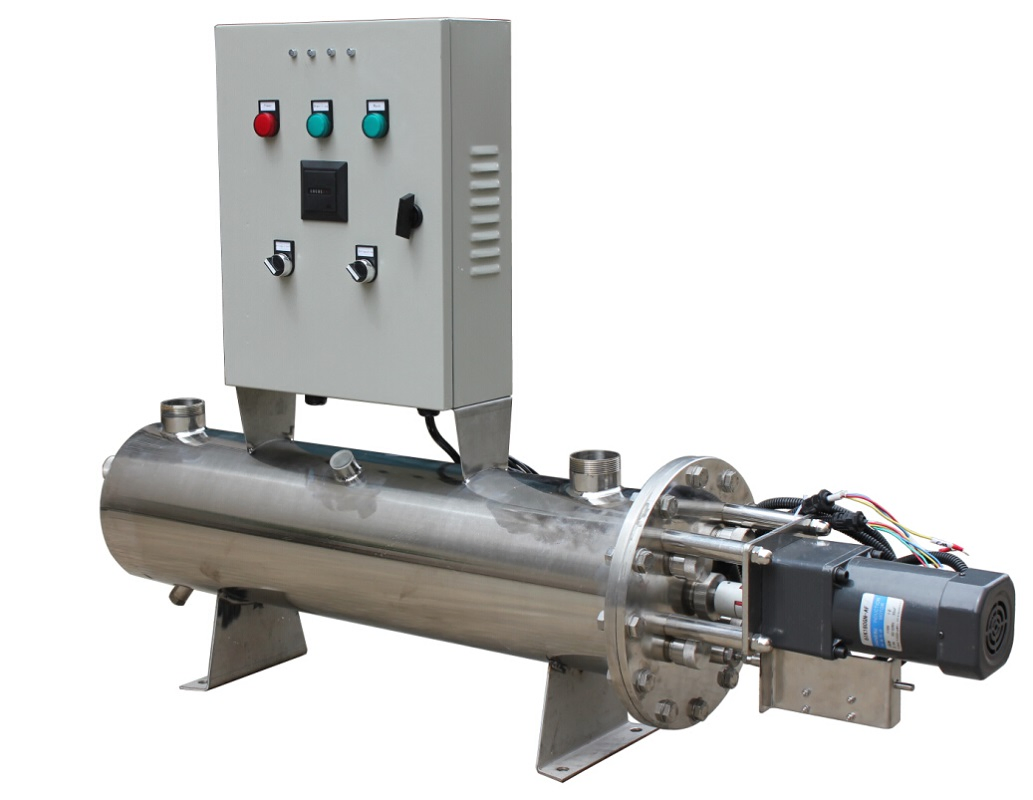
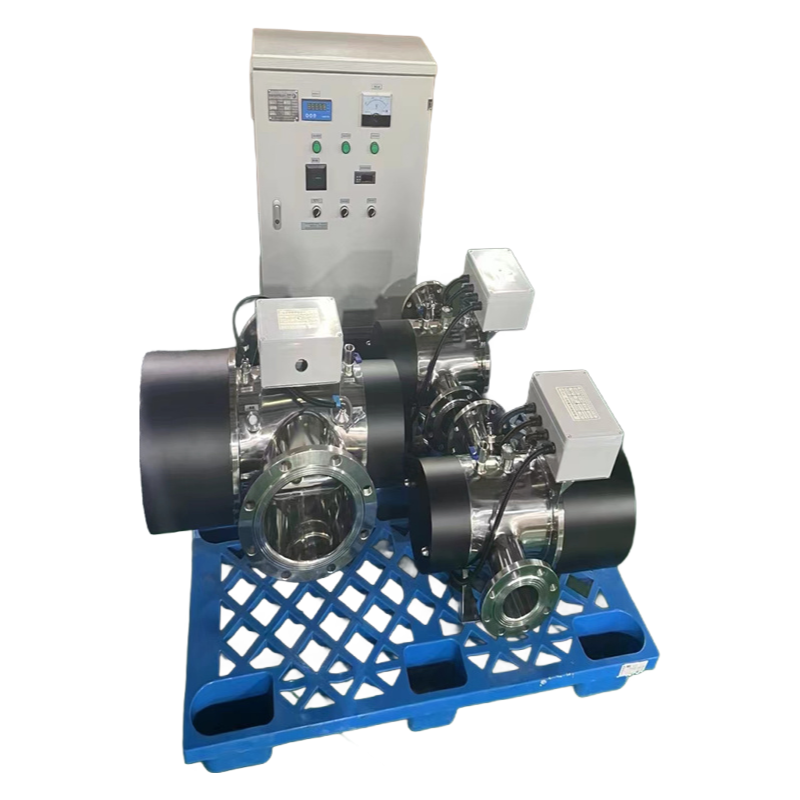
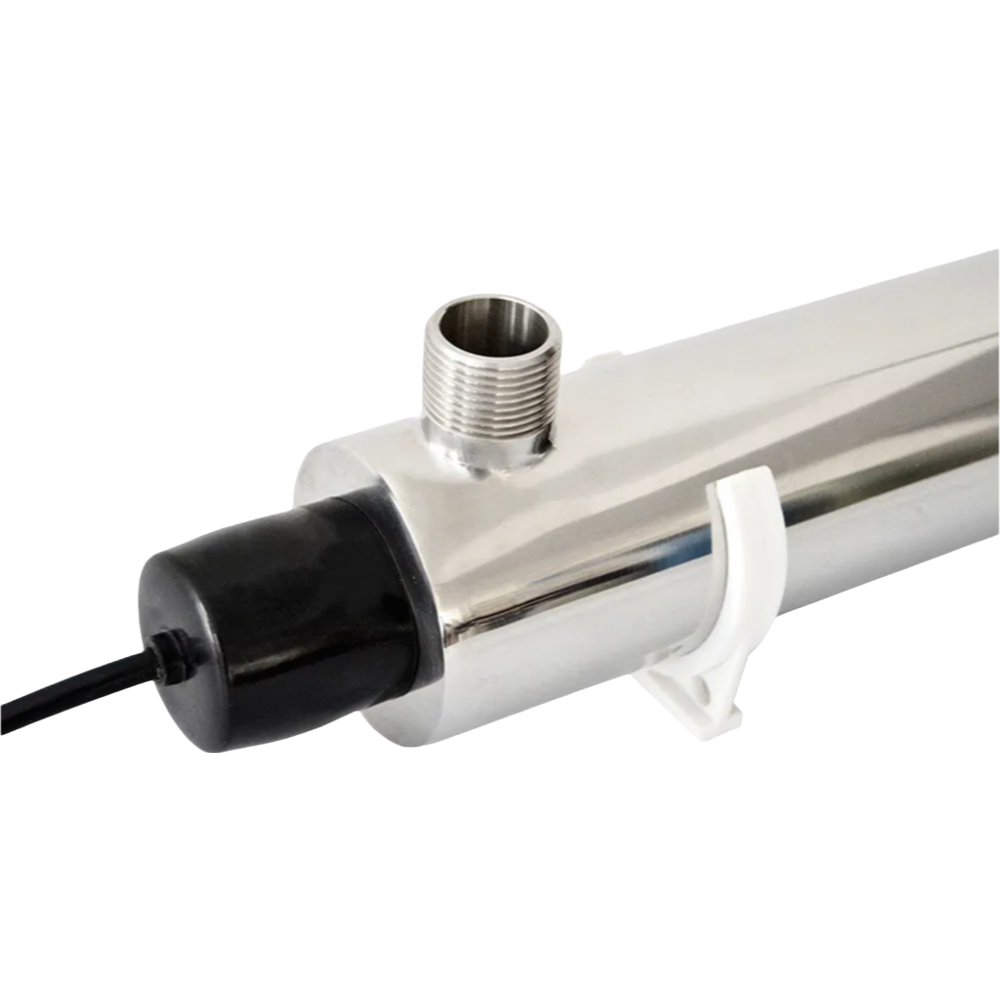
We usually have these in stock for the more common flow rates up to 50 ton/hour, but the larger units—say anything above 200 ton/hour—need about 3-4 weeks lead time (check before ordering). The 254nm wavelength does the heavy lifting, and we see ≥98% kill on most bacteria and algae in swimming pools or aquaculture setups.
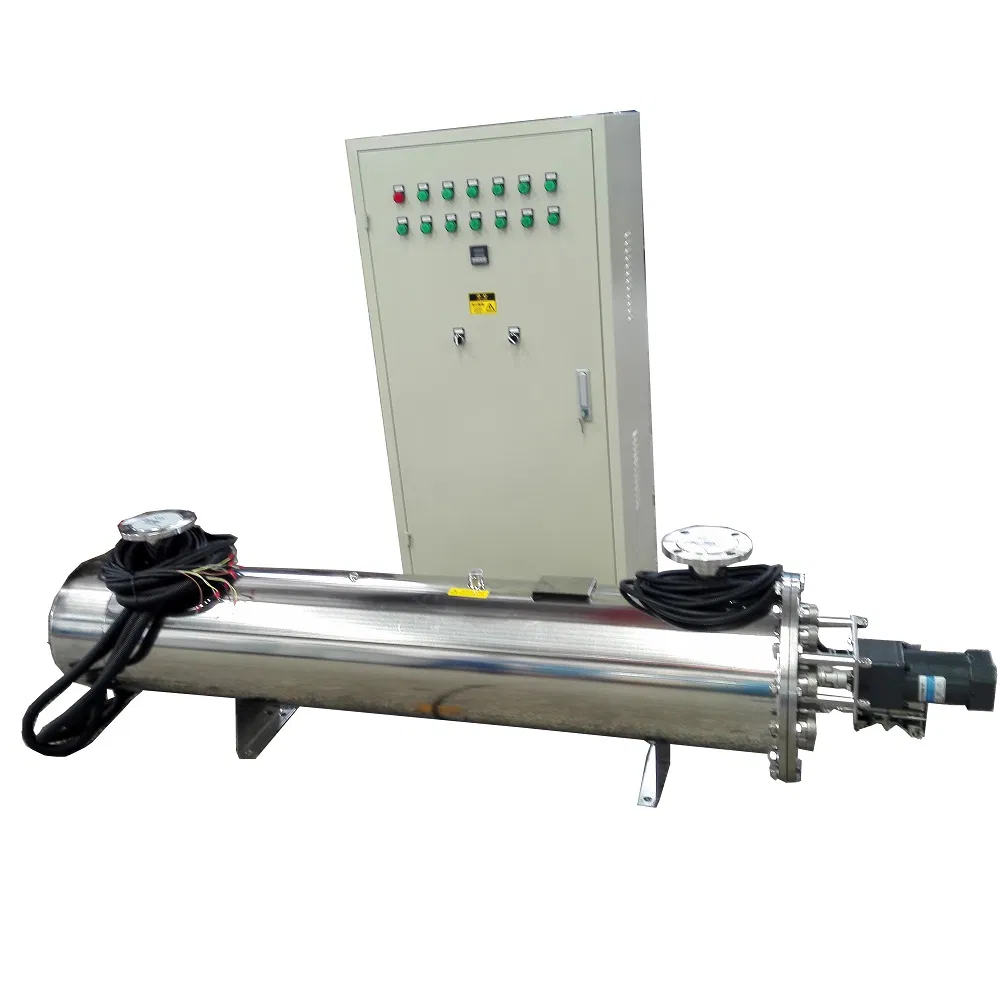
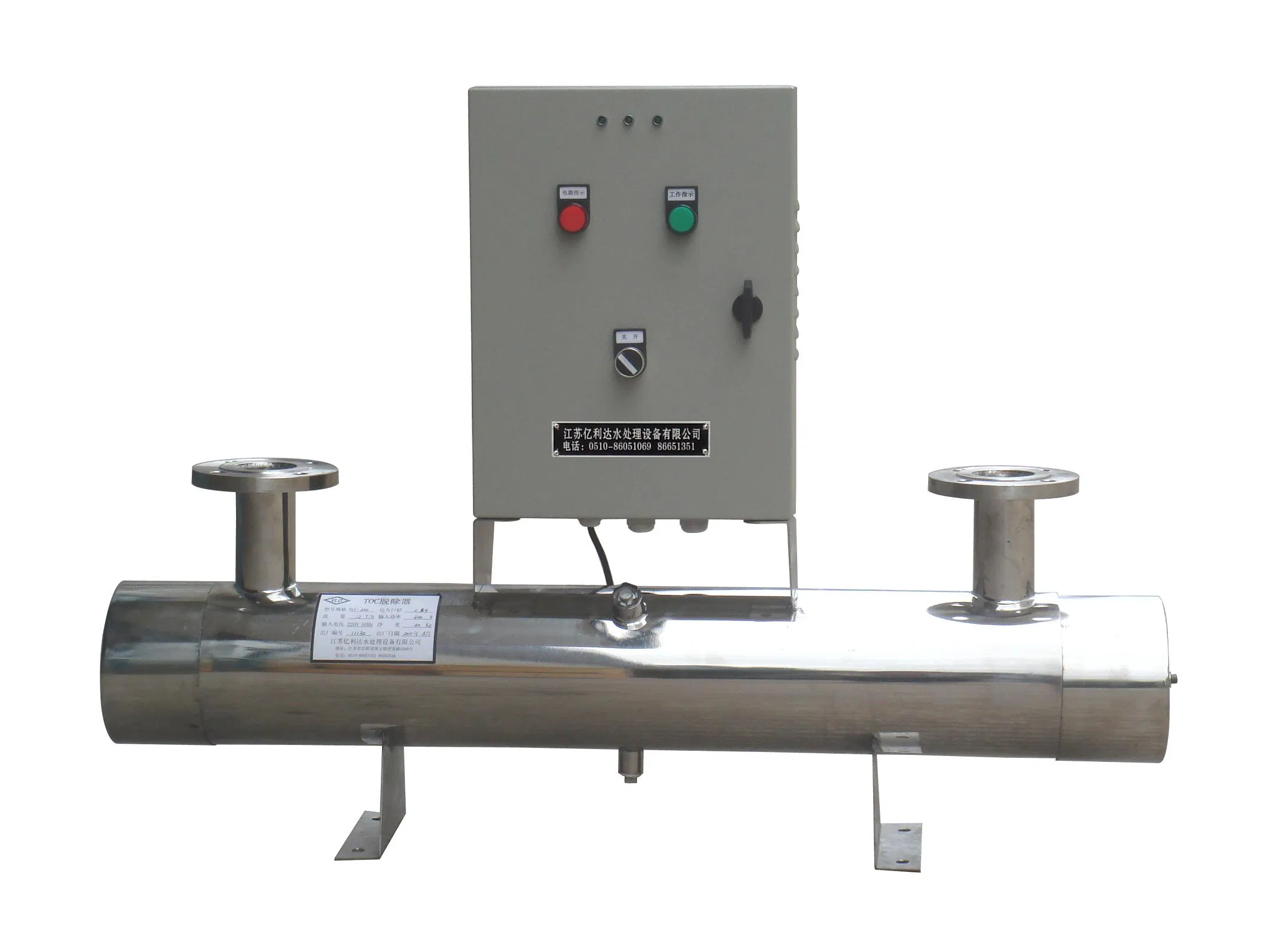
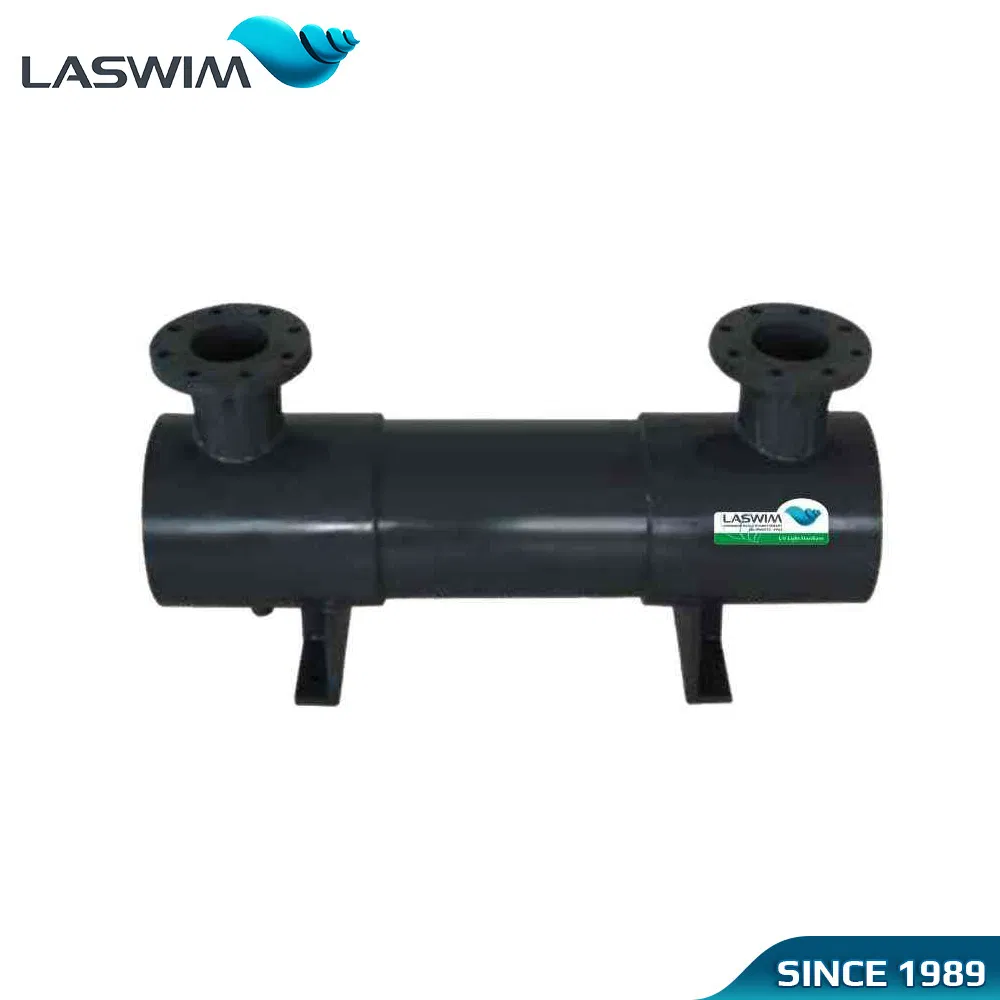
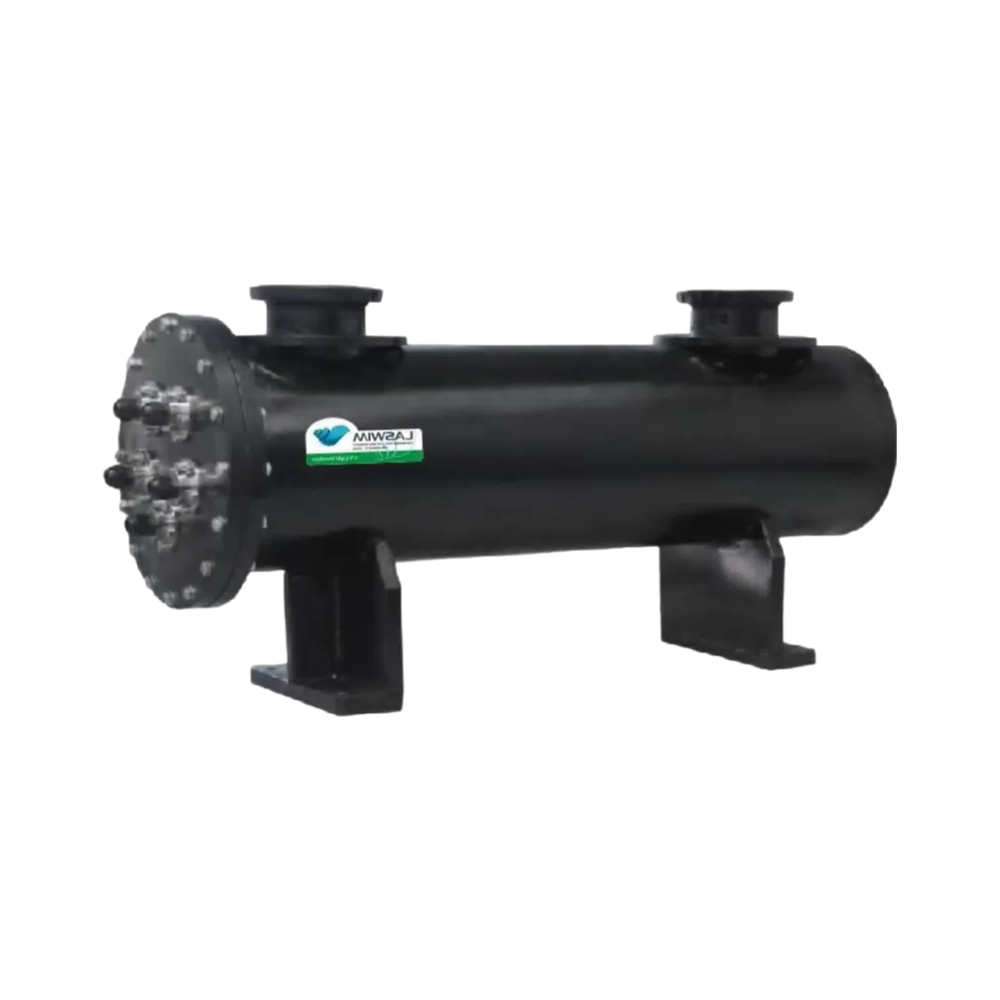
It's pretty much the same across YLC series, so you're getting a 316 grade chamber if you order the saltwater option, otherwise it's 304 for freshwater—both are polished inside to bounce the UV around, which matters when you're running at 0.6 MPa presure. Most buyers go with the flange connection for anything over 10 ton/hour.
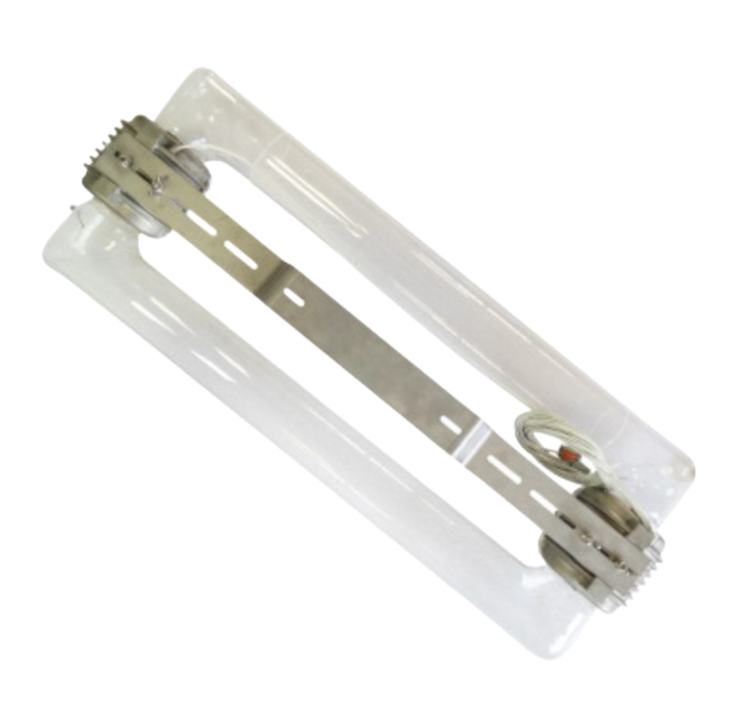
The lamp lifespan is 9000-12000 hours depending on how many on-off cycles you put it through, but we've seen them hit 11000 hours or so in continuous pool duty—just don't expect that if you're cycling it daily in a batch process. CE and SGS paperwork ships with every order, and we can do 220V or other voltages if you tell us upfront.
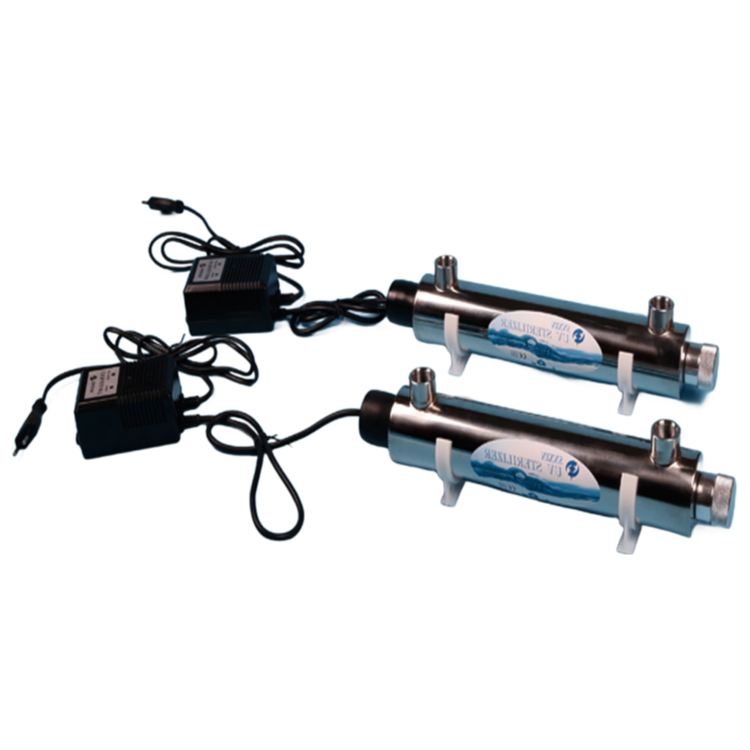
0.3 ton/hour models come in thread connection and fit small ponds or spa setups, but for large aquaculture tanks you'll want the 1000 ton/hour unit with flanges—those weigh about 40 kg and need a fork lift to position. One thing: this isn't great for water with high suspended solids; you'll need pre-filtration or teh UV won't penetrate.
Anyway, the thermosensitive ballast cuts power if the housing gets too hot, which basically saves the lamp form cooking itself—handy when the pump fails. Ship via sea freight for large orders or air for sample quantities, packging in foam-lined wooden crates to protect the quartz sleeve.
Absolutely. Our YLC series covers flow rates from 0.3 up to 1000 tons per hour, so it works for everything from small hatcheries to large-scale fish farms.
We carry CE, SGS, and ISO certifications. Yes, we can share test reports and certificates with your order.
MOQ is 1 unit for standard models. Lead time is usually 7–15 days depending on quantity and customization.
Yes, the standard is 220V/50Hz, but we can adjust the power supply to match your local voltage and frequency—just let us know what you need.
Both are available. Flange connections are typical for larger pipe sizes and higher flow rates, while thread connections work for smaller systems. We can help you choose based on your pipe diameter.
Very impressive experience overall. The delivery was remarkably swift and well-handled. The courier service provided consistent updates, and the package arrived securely without any damage. Regarding the item itself, the build quality appears outstanding. The materials feel robust and precisely manufactured, suggesting good durability. Customer service was also highly responsive and polite, answering my preliminary queries promptly and clearly. While I cannot comment on the technical performance or specific usage yet, the initial impressions regarding logistics, construction, and support are entirely positive. This efficient process from order to receipt has been quite satisfactory and instills confidence in the supplier. The attention to packaging and communication is commendable and often a good indicator of a reliable company. I look forward to seeing how the equipment functions in due course, but based on these foundational aspects alone, the experience warrants a favorable review. The seamless coordination between shipping, quality assurance, and support staff made the transaction smooth and professional.
Prompt delivery and excellent packaging. The logistics were handled efficiently, with clear tracking updates provided throughout the shipping process. The item arrived ahead of schedule and in perfect condition, which was a pleasant surprise. The quality of the stainless steel construction is immediately apparent; it feels robust and well-made, suitable for an industrial setting. Customer service was responsive and helpful when I had a pre-sale inquiry, providing clear information promptly. Overall, a very smooth transaction from start to finish. The supplier seems reliable and professional. I am satisfied with this purchase and the overall experience.
Rapid and reliable delivery was the first thing that impressed me. The logistics were handled exceptionally well; the shipment arrived ahead of schedule and was packaged securely to prevent any damage during transit. The communication throughout the shipping process was clear and timely, which made the entire experience smooth and worry-free. Regarding the quality, the equipment appears to be constructed with high-grade materials, reflecting durability and a professional finish. It feels robust and well-made, suggesting it will perform reliably in an industrial setting. The service provided by the company was outstanding from start to finish. The customer support team was responsive, knowledgeable, and eager to assist with any pre-purchase inquiries. They provided detailed information promptly and followed up to ensure everything was in order. Overall, the combination of efficient logistics, apparent high quality, and excellent customer service made this a very satisfactory purchase. I would certainly consider this supplier for future needs based on this positive experience.
Quick delivery and excellent packaging. The logistics were handled very professionally, with clear tracking updates provided throughout the shipment process. Quality appears to be robust and exactly as described, with a solid stainless steel construction that feels durable. Customer service was responsive and helpful when I had a pre-sale inquiry, answering all my questions promptly. Quite impressed overall with the efficiency from order to arrival. The item was well-protected in transit, showing no signs of damage. Questions regarding shipping timelines were addressed swiftly by the support team. Quality of the finish and materials seems high, matching the specifications provided on the listing. Quick to dispatch after payment confirmation, which I greatly appreciate. Overall, a very smooth transaction with good communication.
Unbelievably fast shipping! The order was processed and dispatched with incredible speed, arriving well ahead of the estimated schedule. The packaging was exceptionally secure and professional, with every component meticulously protected. Upon inspection, the build quality of the stainless steel system is outstanding. It feels incredibly robust and well-constructed, exactly as described for industrial use. The finish is flawless, showing no imperfections. Communication from the supplier was prompt, clear, and helpful throughout the entire process, from initial inquiry to post-delivery confirmation. They provided all necessary documentation and were very responsive. This level of service, combined with the obvious quality of the product and the efficiency of the logistics, makes this a highly recommended supplier for professional UV equipment. The entire experience was seamless and instills great confidence in their products and operations.
Q: The delivery was impressively fast and well-handled. From the moment I placed the order, I received timely updates, and the package arrived ahead of schedule. The logistics team deserves commendation for their efficiency and careful handling of the shipment. The product itself is of outstanding quality. The stainless steel construction feels robust and durable, exactly as described. It has a solid, professional finish that inspires confidence in its longevity and performance. The overall craftsmanship is excellent, showing attention to detail. Regarding service, the support team was exceptionally responsive and helpful. They answered my pre-purchase questions promptly and provided clear information. Post-delivery, they followed up to ensure everything was in order, which I greatly appreciated. This level of customer care is rare and very valuable. Overall, a highly satisfactory experience from start to finish. The combination of swift logistics, superior product quality, and exemplary service makes this a standout purchase. I would not hesitate to recommend this supplier to others based on this positive interaction. The entire process was seamless and professional, exceeding my expectations in every aspect. It is refreshing to deal with a company that prioritizes customer satisfaction so effectively. The packaging was also secure, ensuring the product arrived in perfect condition without any issues. Every step, from ordering to unboxing, was handled with precision and care. This has certainly set a high standard for future purchases of similar equipment. I am very pleased with the transaction and the product received.
Brisk delivery was the first thing that impressed me. The shipping was remarkably fast and well-handled. Regarding the build, the quality of the stainless steel appears robust and professionally finished; it feels like a durable piece of industrial equipment. Communication from the supplier was consistently clear and helpful throughout the process, making the service aspect very reliable. The overall experience from ordering to receipt was seamless and efficient. Everything arrived securely packaged with no visible damage. I am quite satisfied with this transaction and would consider this supplier again based on this initial experience. The attention to detail in logistics and customer service is commendable. It’s clear they prioritize a smooth customer journey. The product’s construction seems to align with the descriptions provided, which is reassuring. I appreciate the straightforward and professional approach.