Account
Inquiry
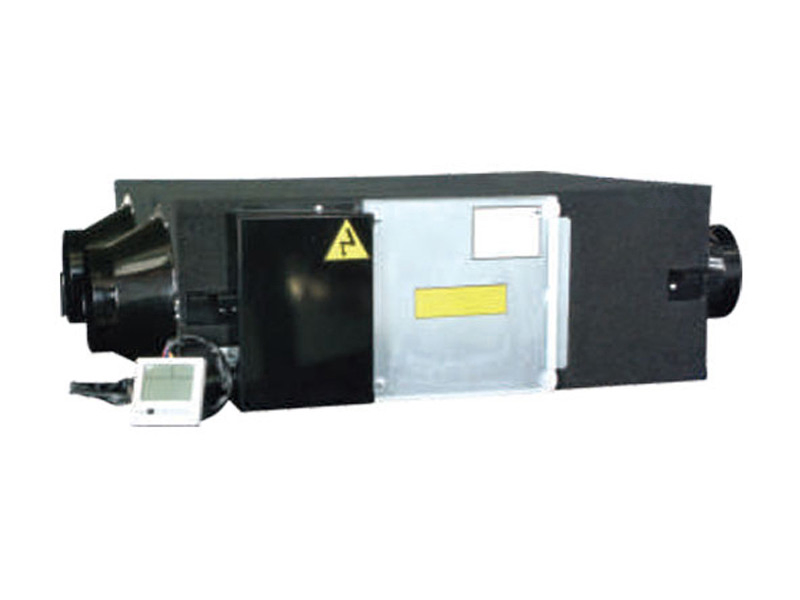
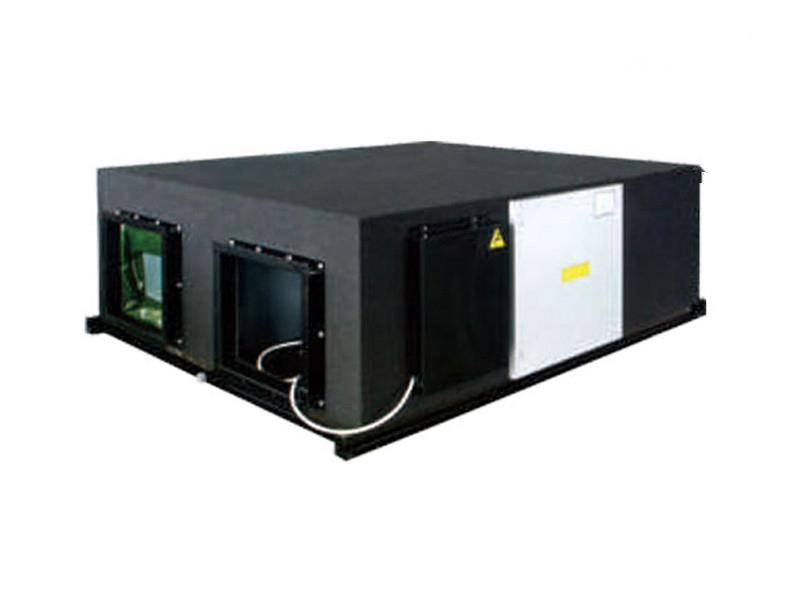
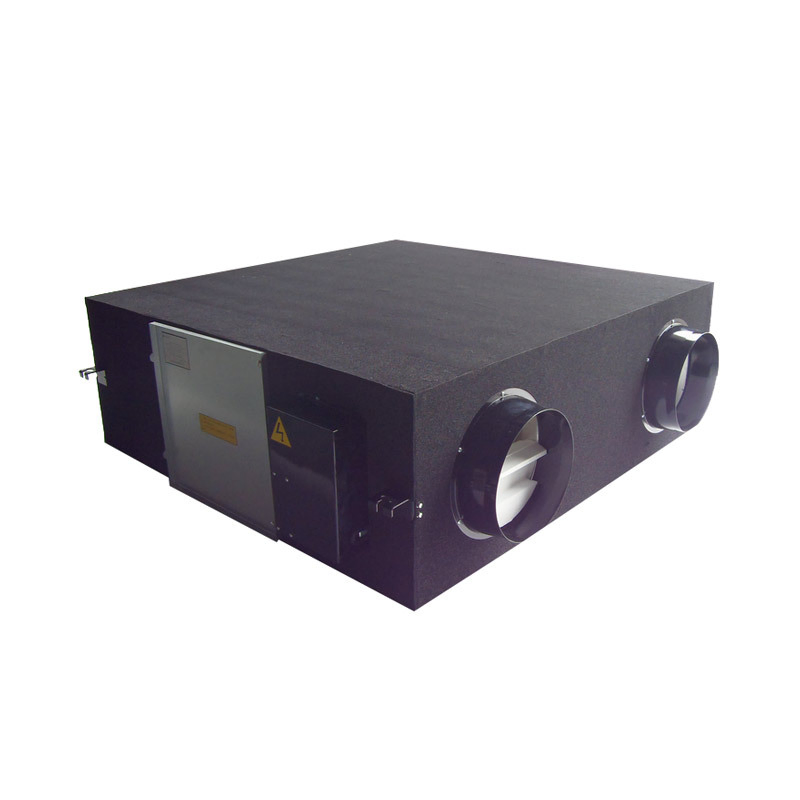
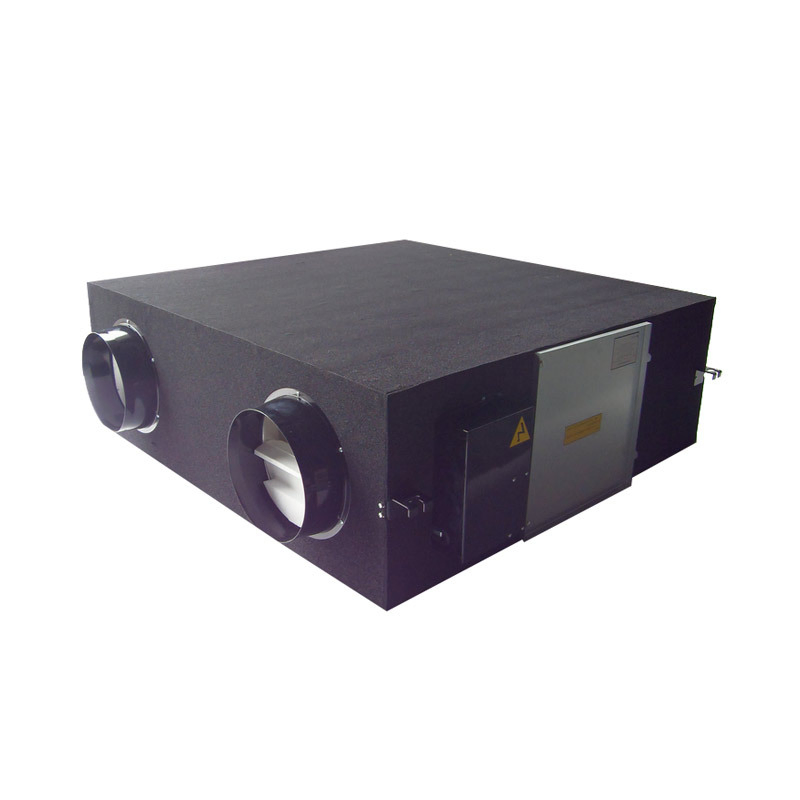
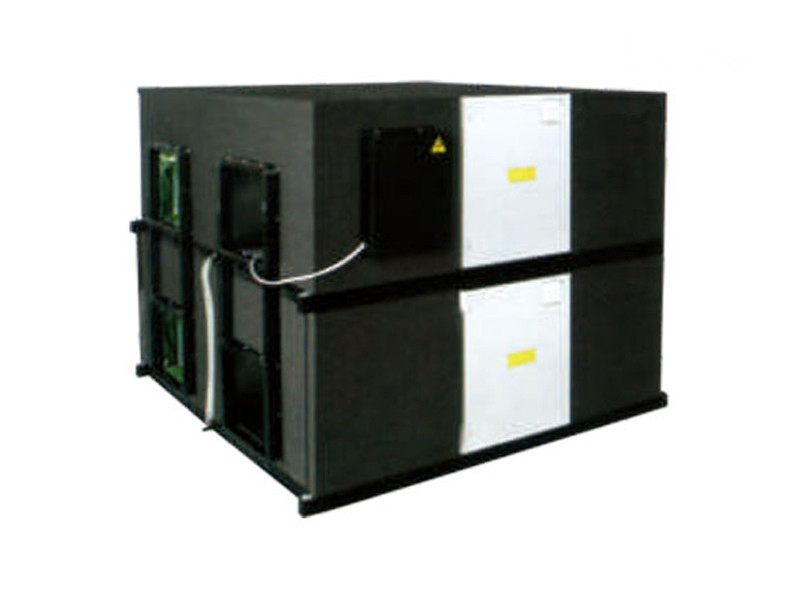
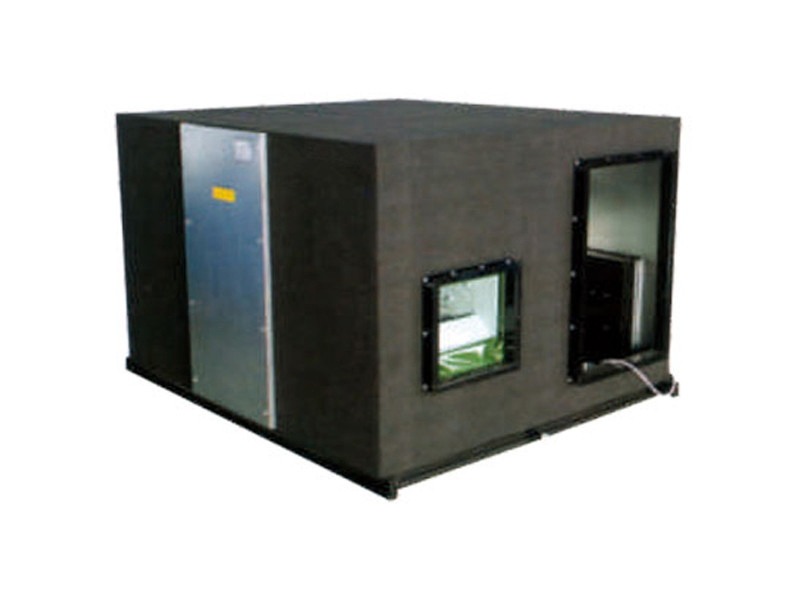
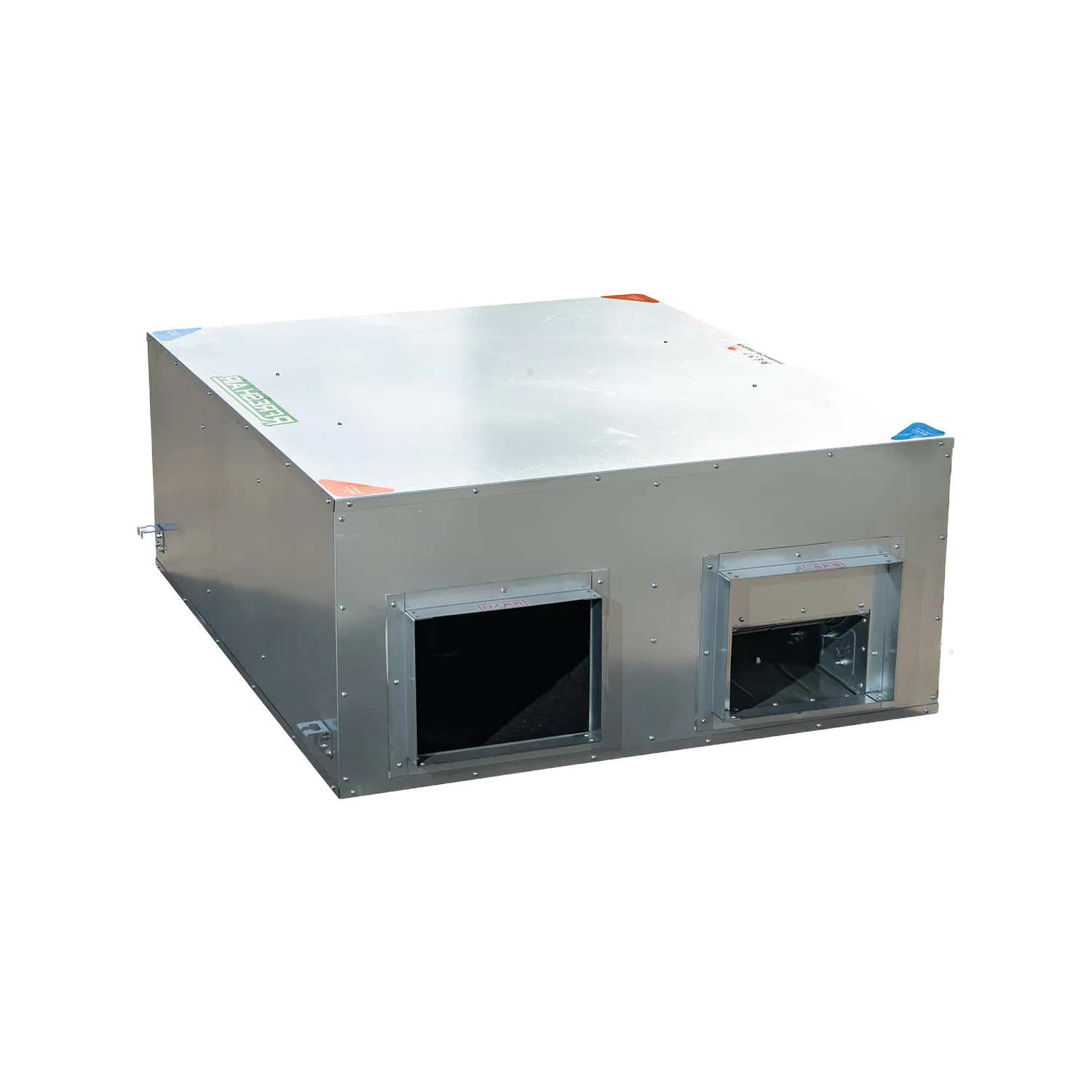
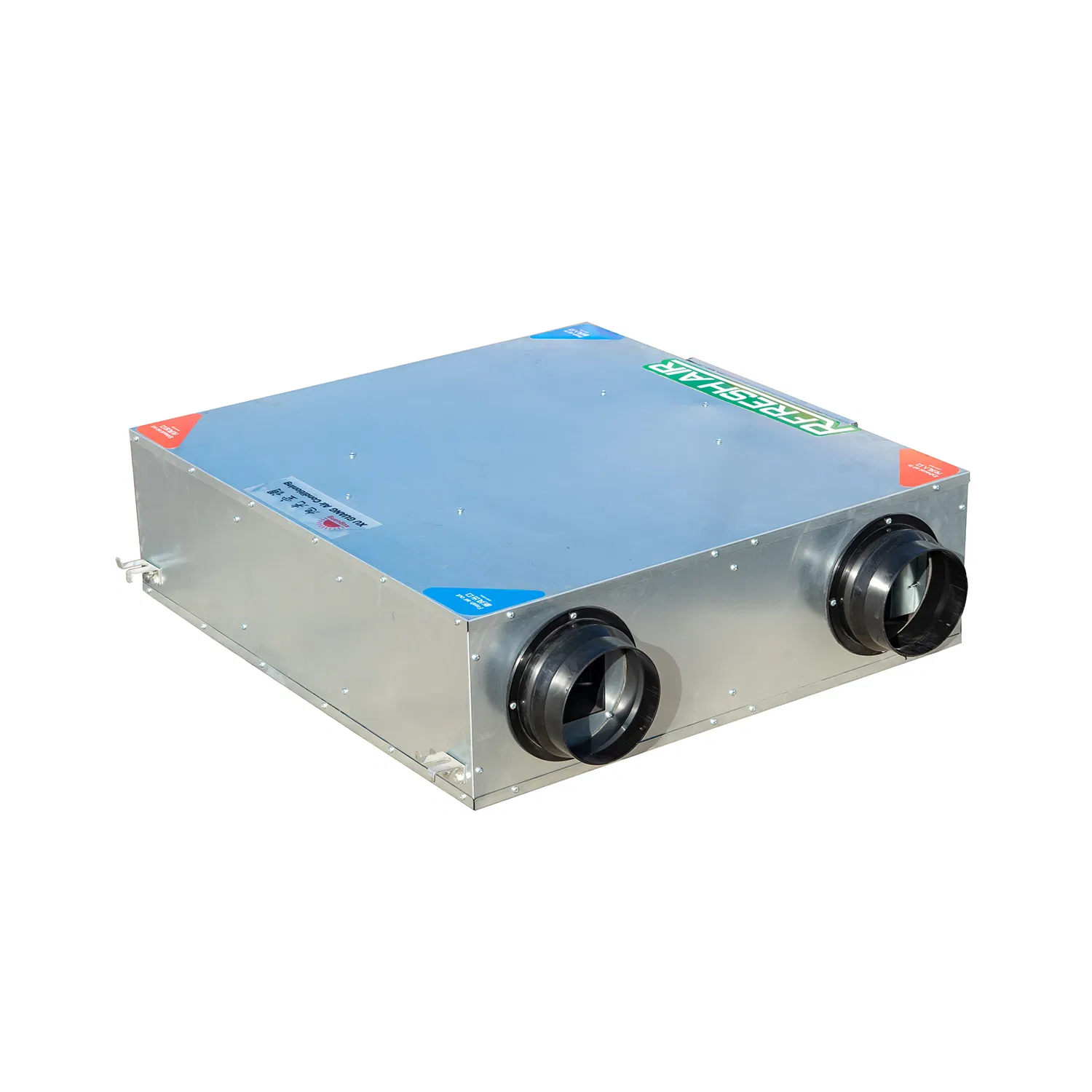
For a 12-story office building in a mixed-use development, we usually spec the 16,000 m³/H unit to handle the lobby and lower two floors, while the 10,000 m³/H units serve the upper floors — and that distribution pattern cuts ductwork costs by roughly 15%. We've shipped units as small as 1,500 m³/H for a small restaurant's kitchen exhaust recovery (usually 20 days or so from order, but confirm lead time for custom voltage).
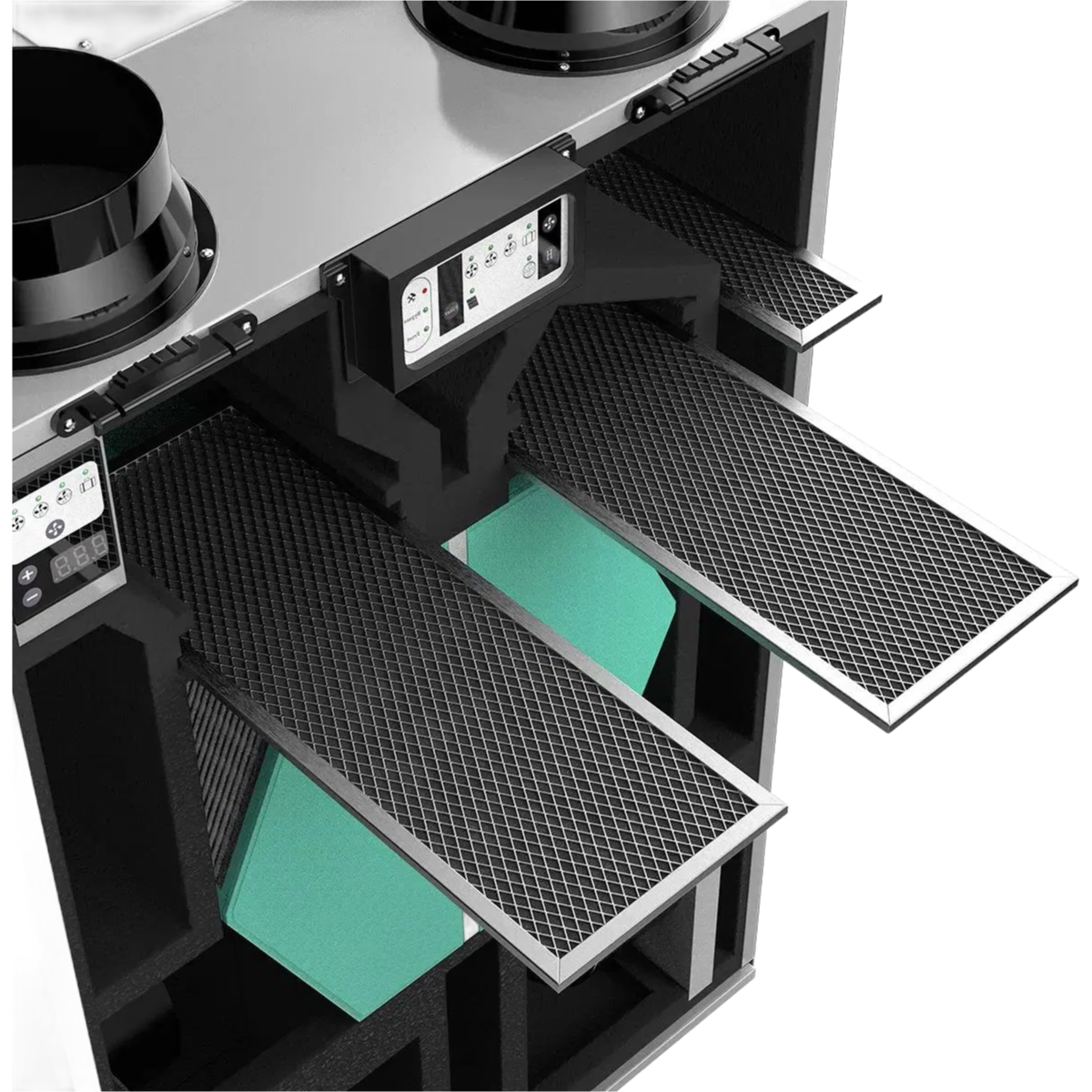
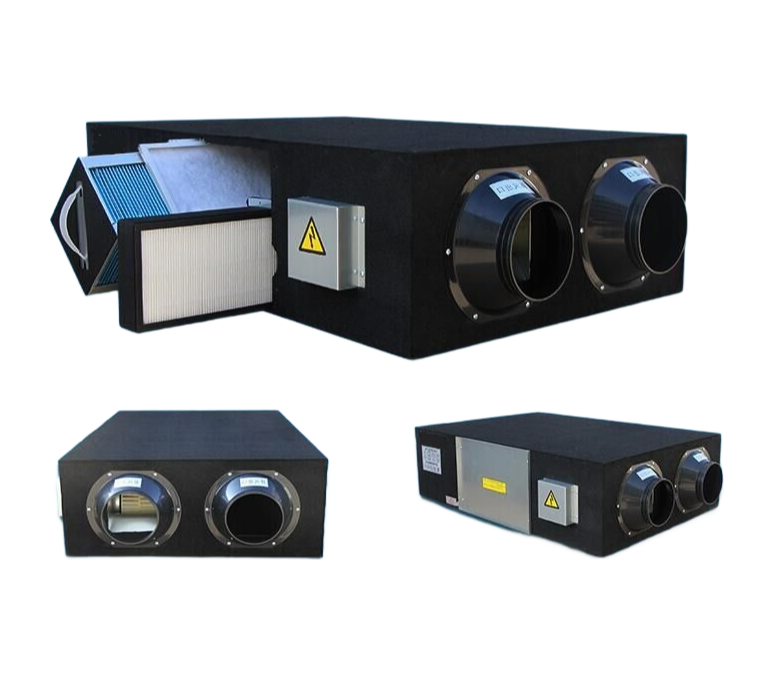
What it does is pull stale indoor air through one side of a plate exchanger while incoming fresh air passes on the other, transferring up to 75% of the heat energy. The 'W, V' guide rails in the core create a labyrinth seal that keeps cross-contamination below EPA thresholds for commercial kitchens. So the efficieny number isn't just marketing — it actually matters for LEED points and annual HVAC load calculations.
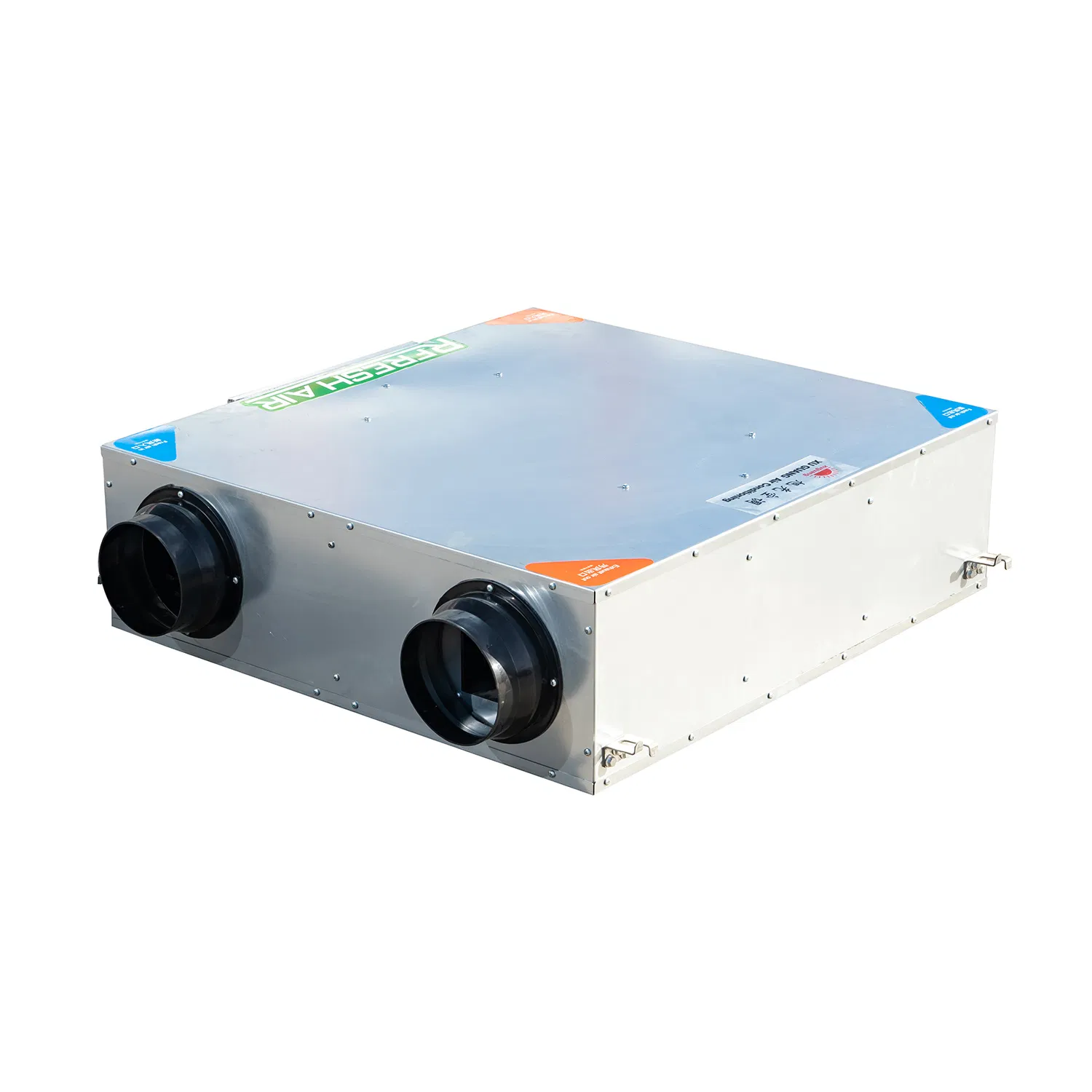
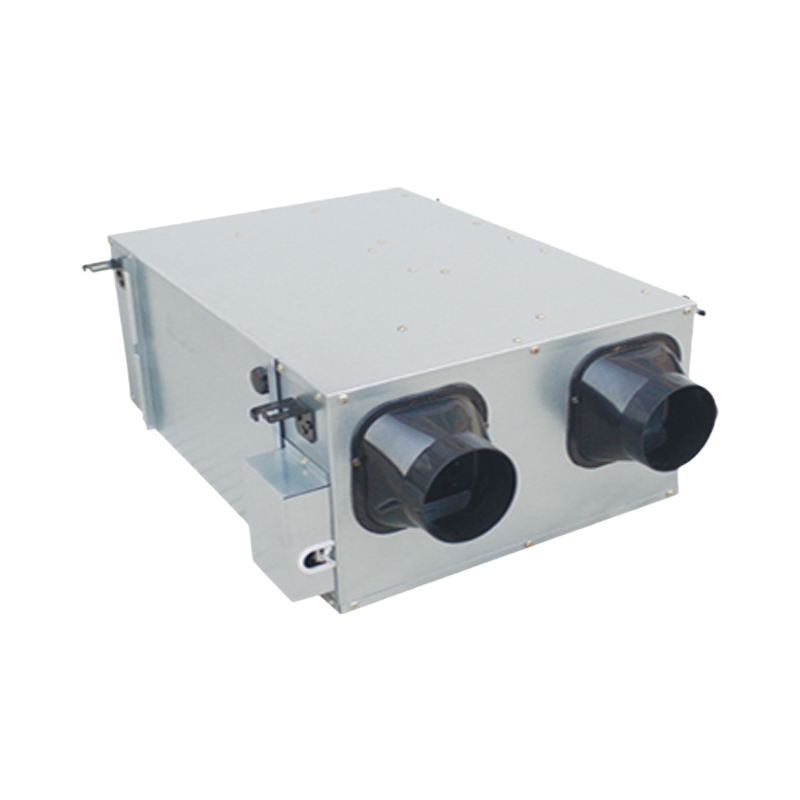
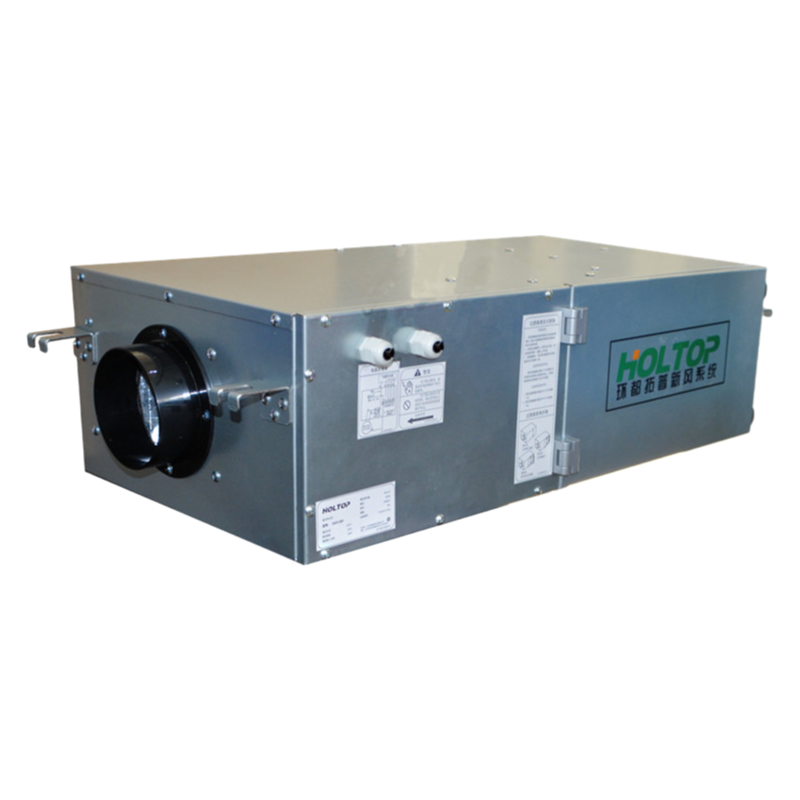
Construction is galvanized sheet througout — which most buyers go with over stainles because it's corrosion-resistant enough for wall-mount in a parking garage or rooftop, but doesn't add the 30% weight penalty that 304 would. Noise stays under 65 dB standard, though we can drop it to 55 dB with deeper acoustic insulation on the supply side. That's a good detail a buyer might miss: the standard baffles work for office common areas, but for hotel guest rooms, go with the quiet option explicitly.
Also, the wall-mount brackets accept our standard 3/8-inch threaded rods if you're hanging form I-beams, but the window-mount kit uses a custom extruded frame — basically $150 upcharge per unit (check lead time as it's not always in stock). 380/400 VAC is pretty much standard for European commercial projects; for North American 480 VAC, you'll need to specify at quoting. The design lifetime is 20+ years, but the gaskets around access panels should be replaced every 5-8 years depending on temperature cycling.
15-month warranty is what our company offer, though most buyers in this segment write their own commissioning specs anyway. One thing this actually isn't suited for: swimming pool dehumidification — the salt and chlorine from pool air will accelerate corrosion on the galvanized inner walls way faster than a standard office enviroment would. For that, you'd want an AluZinc or full polymer exchanger (and we usually push those customers to the competitor who makes them, because we don't do custom materials under 50 units).
We typically require a minimum order of 5 units for the HXF series, though we can discuss smaller quantities for first-time buyers or sample orders.
Yes, the HXF series is UL certified, along with CE, CCC, and RoHS, so it meets standards for both US and international installations.
We can customize the HXF series to fit specific airflow needs beyond the standard range, but it depends on your project specs—just let us know the required capacity and we'll check feasibility.
Standard HXF units typically ship within 3-4 weeks after order confirmation, though custom orders may take a bit longer depending on the modifications.
Store it in a dry, indoor area with temperatures between -10°C and 50°C, and keep the packaging sealed to avoid moisture or dust buildup on the galvanized sheet construction.
The delivery was incredibly fast and efficient, arriving well ahead of the estimated schedule. The packaging was robust and secure, ensuring the unit arrived in perfect condition without any signs of damage. Regarding the product itself, the build quality is exceptional; the materials feel durable and well-constructed, promising longevity and reliable performance. The overall craftsmanship is impressive, with attention to detail evident in the finish. Customer service was outstanding throughout the entire process. The support team was responsive, knowledgeable, and very helpful in addressing pre-delivery inquiries promptly. They provided clear communication and followed up to ensure satisfaction. This high level of service made the purchasing experience smooth and worry-free. The combination of prompt logistics, superior quality, and excellent support is highly commendable. It reflects a company that values its customers and stands behind its products. I am thoroughly satisfied with this transaction and would confidently recommend them to others based on this experience. The entire process from order to delivery was seamless and professional.
Yikes, the delivery was lightning fast! I was genuinely surprised by how quickly the unit arrived. The logistics were handled impeccably; the shipment was well-tracked, and everything was delivered in perfect condition with secure, professional packaging. No delays or hiccups whatsoever. As for the quality, it’s absolutely top-notch. The construction feels incredibly robust and durable, exactly what you’d expect for a commercial-grade product. The materials are premium, and the overall finish is excellent, showing great attention to detail. The service aspect was equally impressive. The support team was responsive and helpful from the initial inquiry right through to post-delivery, answering all my questions promptly and professionally. They made the entire process smooth and stress-free. Overall, a fantastic experience from start to finish. Highly recommended for anyone looking for reliable and efficient ventilation solutions.
Rapid delivery was the first thing that impressed me. The logistics were handled flawlessly; the shipment arrived ahead of the estimated schedule, which was a fantastic start. The packaging was exceptionally secure and professional, ensuring that all components were protected during transit. Every part was clearly labeled and easy to identify upon unboxing. Regarding the product quality, the construction is outstanding. The materials feel robust and durable, with a solid, well-engineered finish that inspires confidence for long-term commercial use. The unit appears precisely manufactured, with clean welds and a sturdy housing. As for the service experience, it was equally commendable. The customer support team was responsive and helpful from the initial inquiry through to post-delivery. They provided clear communication and were proactive in offering assistance. Overall, the entire process from ordering to receiving the item was smooth and efficient. The combination of prompt logistics, superior build quality, and excellent support makes this a highly satisfactory purchase. I am very pleased with the transaction and would confidently recommend this supplier based on this experience.
The delivery was incredibly fast and well-handled. The packaging was secure and professional, ensuring the product arrived in perfect condition without any damage. Tracking information was provided promptly and was accurate throughout the entire shipping process. This level of logistical efficiency is commendable and greatly appreciated, as it allowed for seamless integration into our project timeline. The quality of the unit is outstanding, with robust construction and premium materials that exude durability and reliability. It feels solid and well-engineered, promising long-term performance in a demanding commercial environment. Every component appears meticulously crafted, and the finish is excellent, reflecting a high standard of manufacturing. From a service perspective, the support team was exceptional. They were responsive, knowledgeable, and proactive in addressing pre-delivery inquiries, offering clear and helpful guidance. Post-delivery follow-up was also thorough, demonstrating a genuine commitment to customer satisfaction. Overall, this experience has been highly positive, setting a benchmark for what to expect in terms of logistics, product quality, and customer service in this industry. I would confidently recommend this supplier to others based on these strengths alone.
Hats off to the team for an exceptional experience from start to finish. The delivery was remarkably prompt, arriving well ahead of the estimated schedule. The packaging was robust and secure, ensuring every component was perfectly intact upon arrival. Regarding quality, the construction of the unit feels incredibly solid and professional, with materials that clearly speak to durability and a high standard of manufacturing. The service provided was equally impressive; the customer support team was responsive, knowledgeable, and went above and beyond to answer all pre-purchase inquiries with clarity and patience. Communication throughout the entire process was transparent and proactive. This level of attention to logistics, product integrity, and customer care is truly commendable and sets a very high standard. It’s clear that a great deal of thought and effort goes into every aspect of the customer journey, making the procurement process smooth and entirely stress-free. I am thoroughly satisfied and would not hesitate to recommend their services based on these outstanding fundamentals alone.
Absolutely impressive delivery speed and packaging quality. The logistics team handled everything smoothly, ensuring the item arrived ahead of schedule without any damage. As for the product's build, it feels robust and well-constructed, which gives me confidence in its durability. Additionally, the customer service was outstanding; they were responsive, knowledgeable, and went above and beyond to address my inquiries promptly. A top-notch experience overall that I'd highly recommend to others.
Hats off to the exceptional service and quality of this heat recovery ventilator! The logistics were absolutely seamless; my order was dispatched promptly and arrived well ahead of schedule, with all components securely packaged to prevent any damage during transit. The build quality is outstanding, featuring robust materials that ensure durability and reliable performance in demanding commercial settings. Customer service was equally impressive, providing clear communication and swift assistance whenever needed. Overall, a top-notch experience from start to finish.