Account
Inquiry
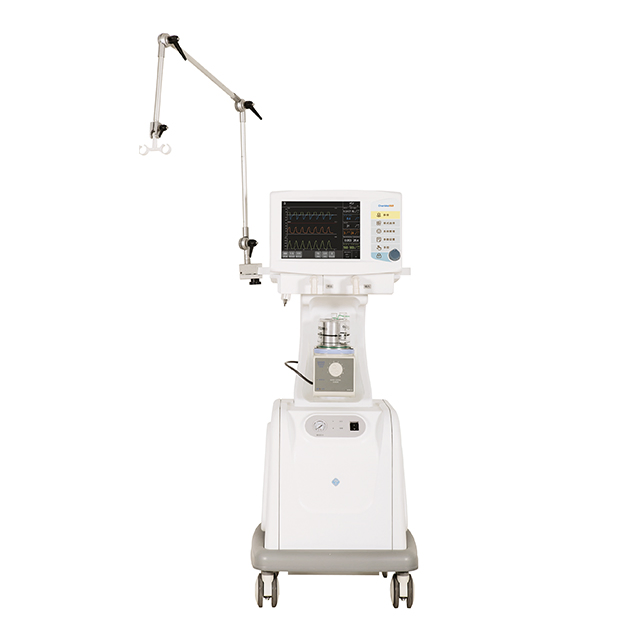
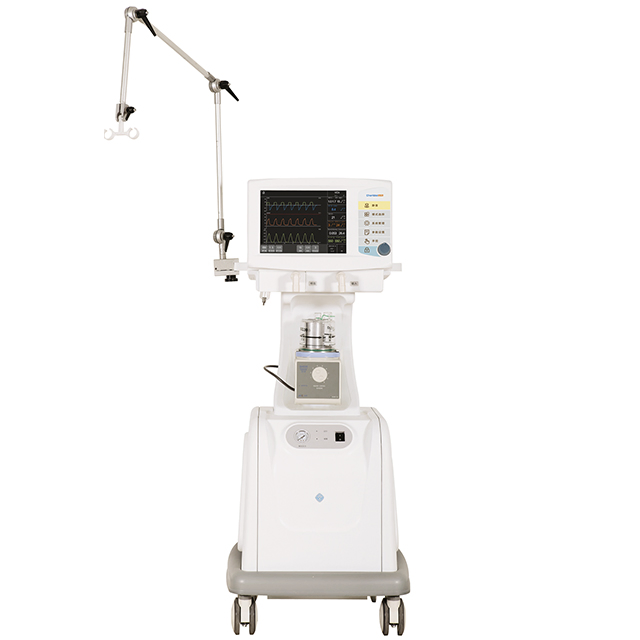
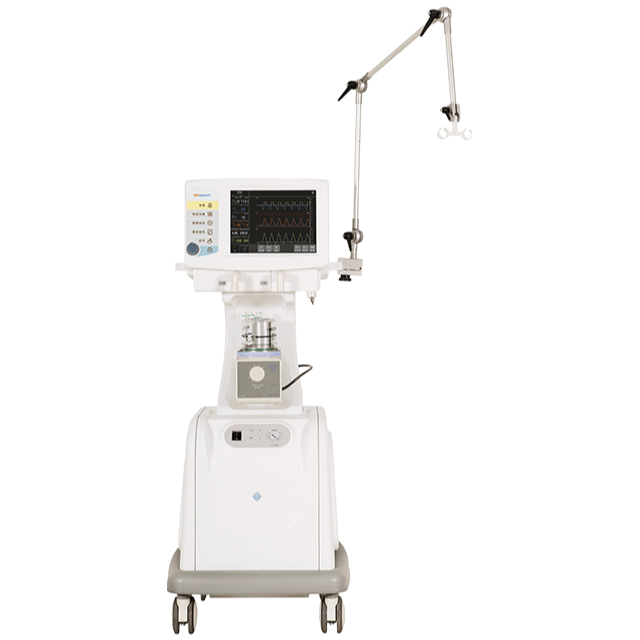
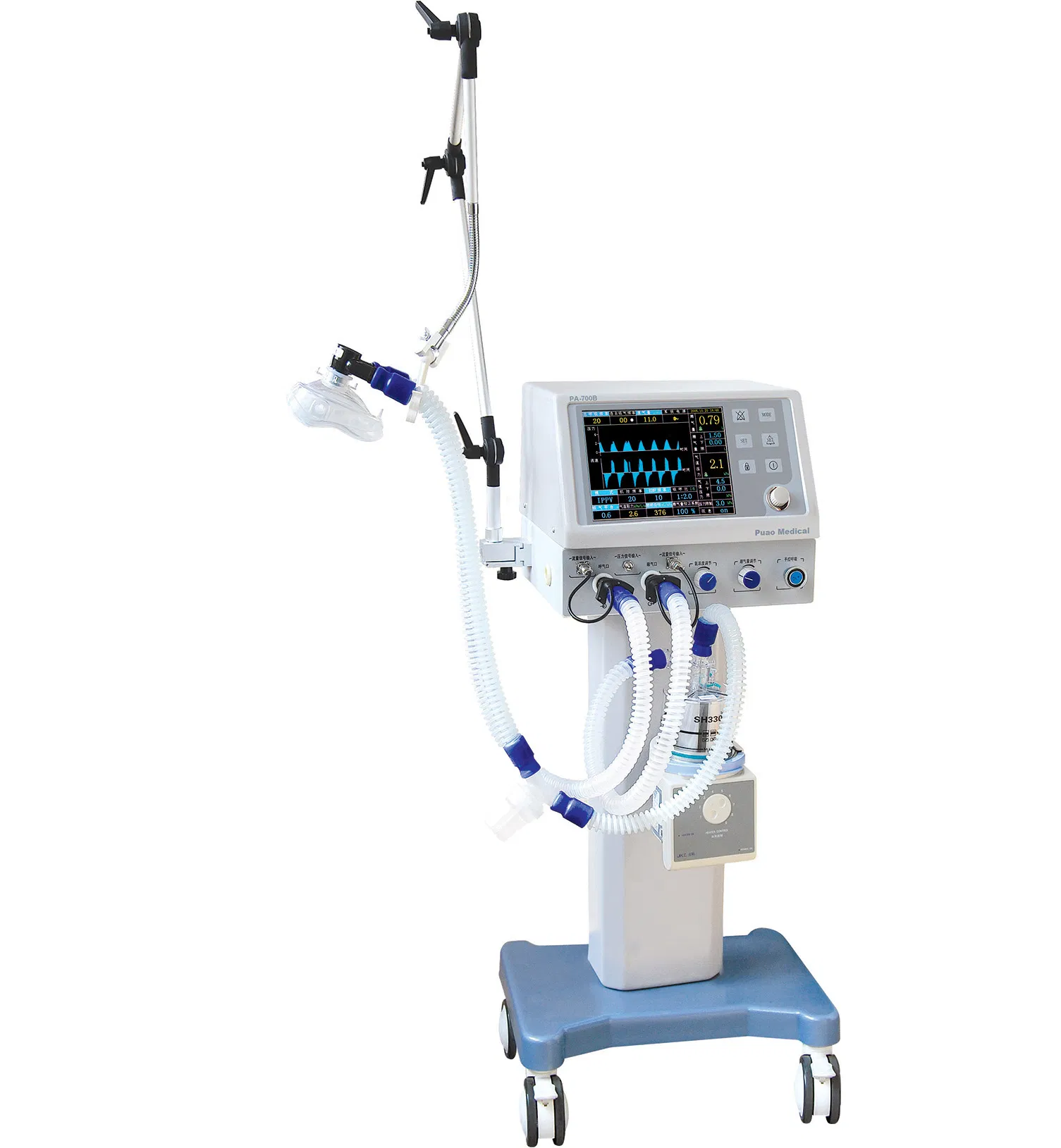
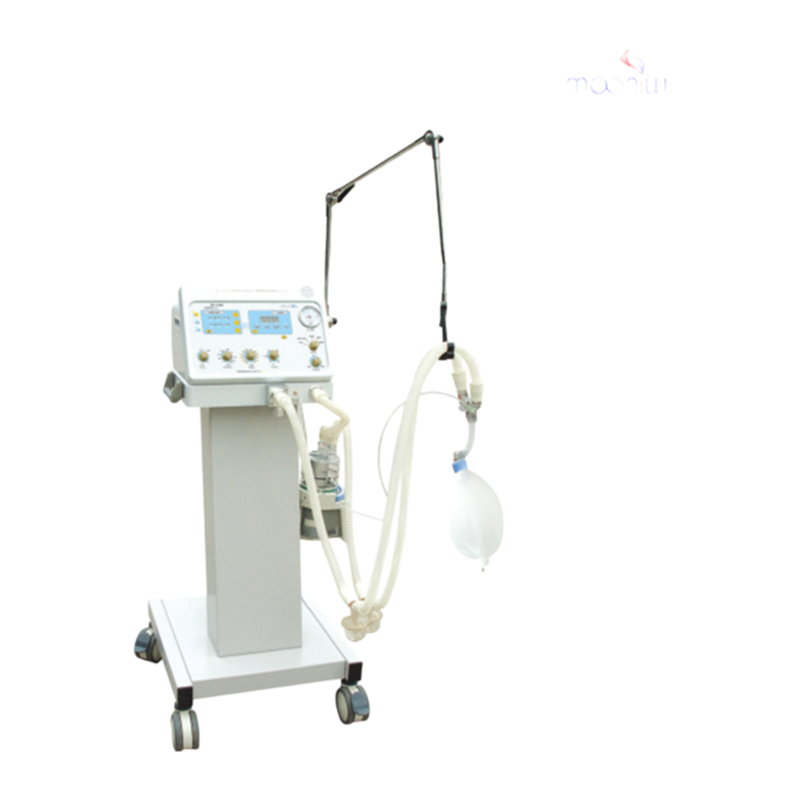
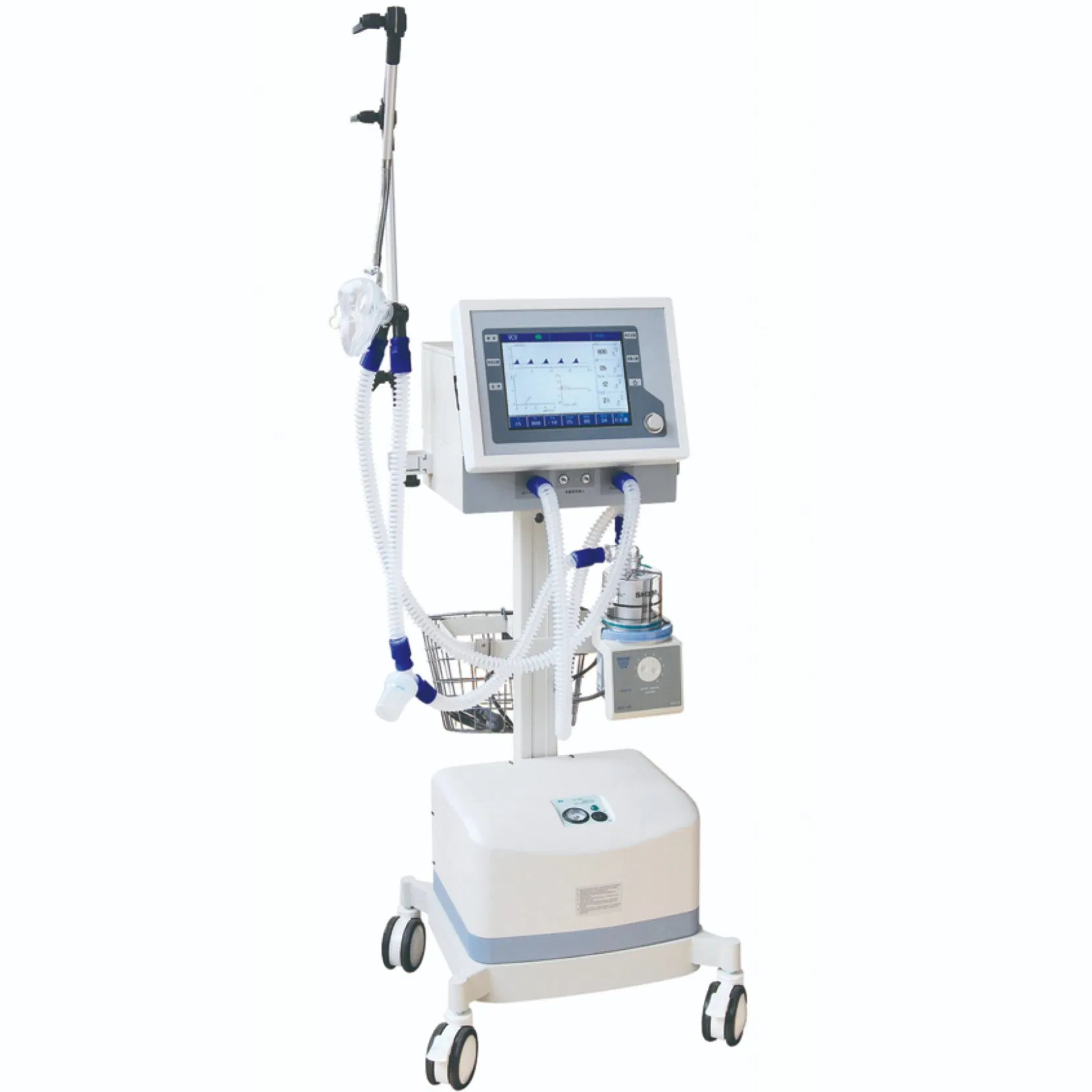
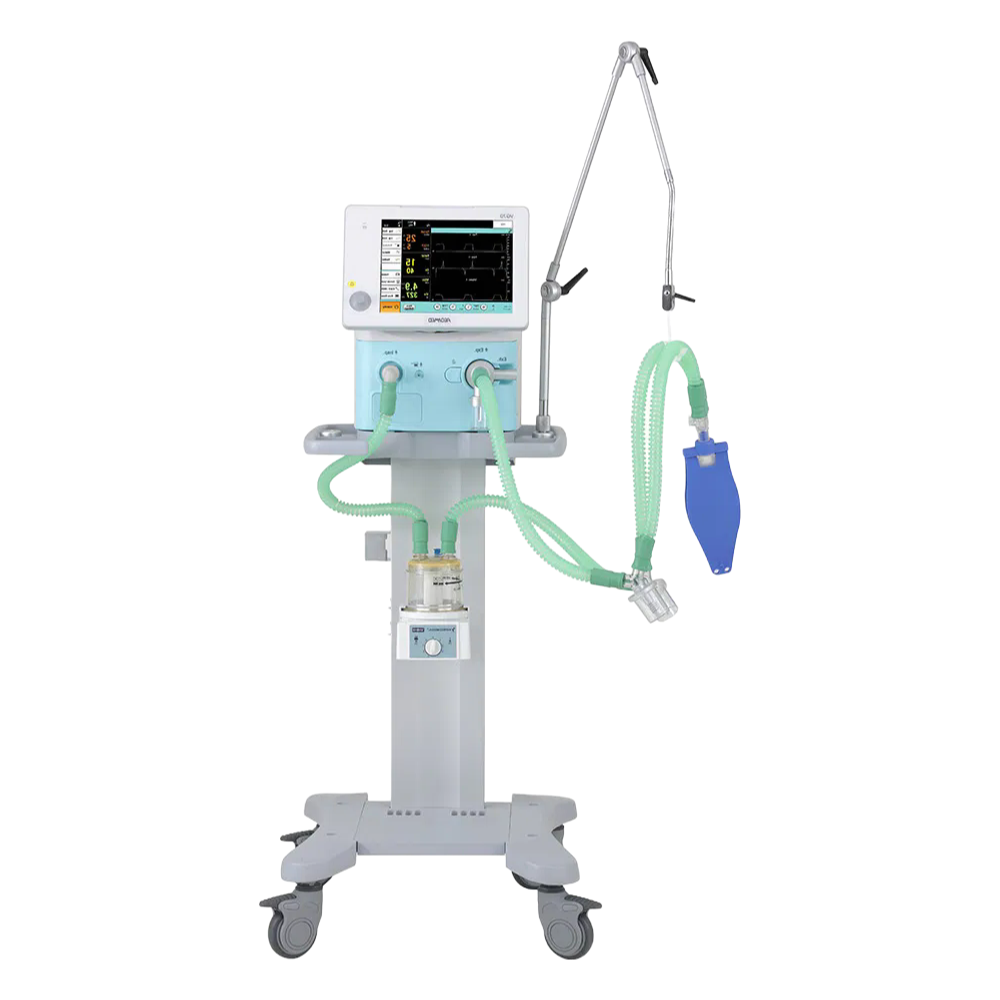
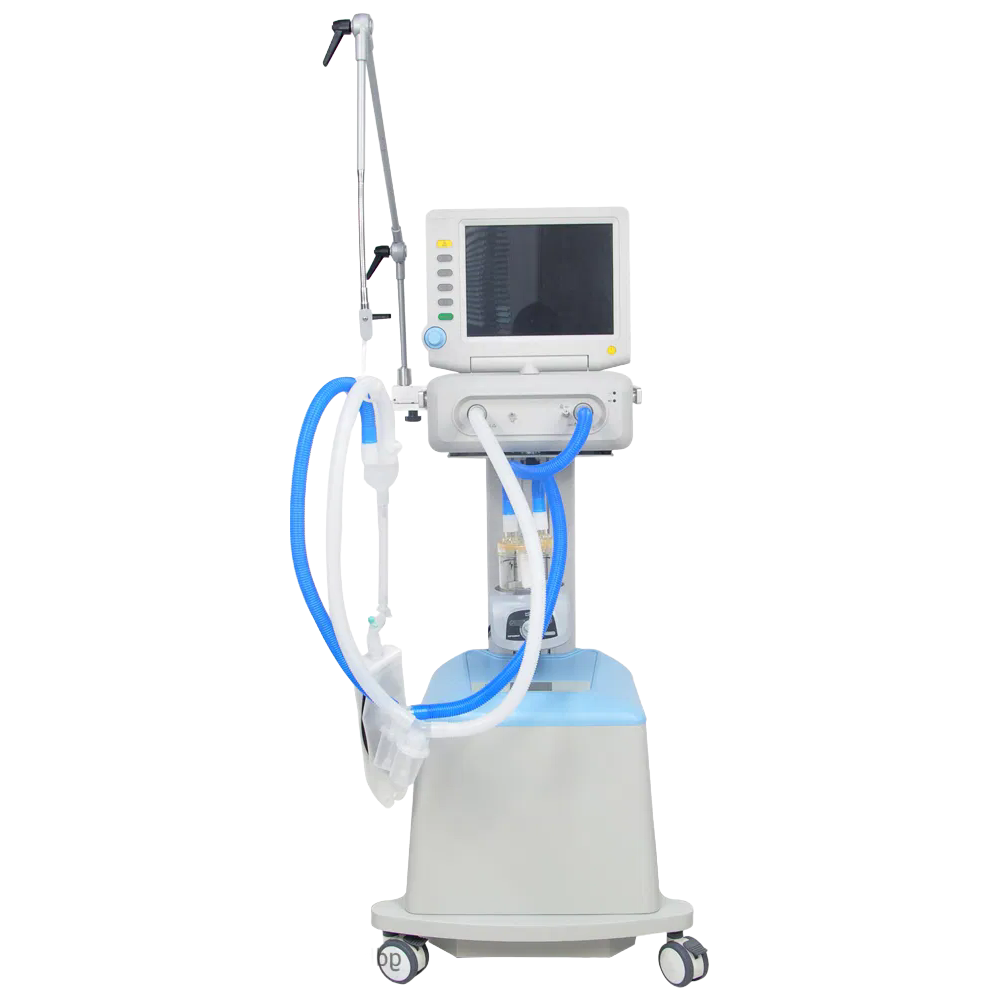
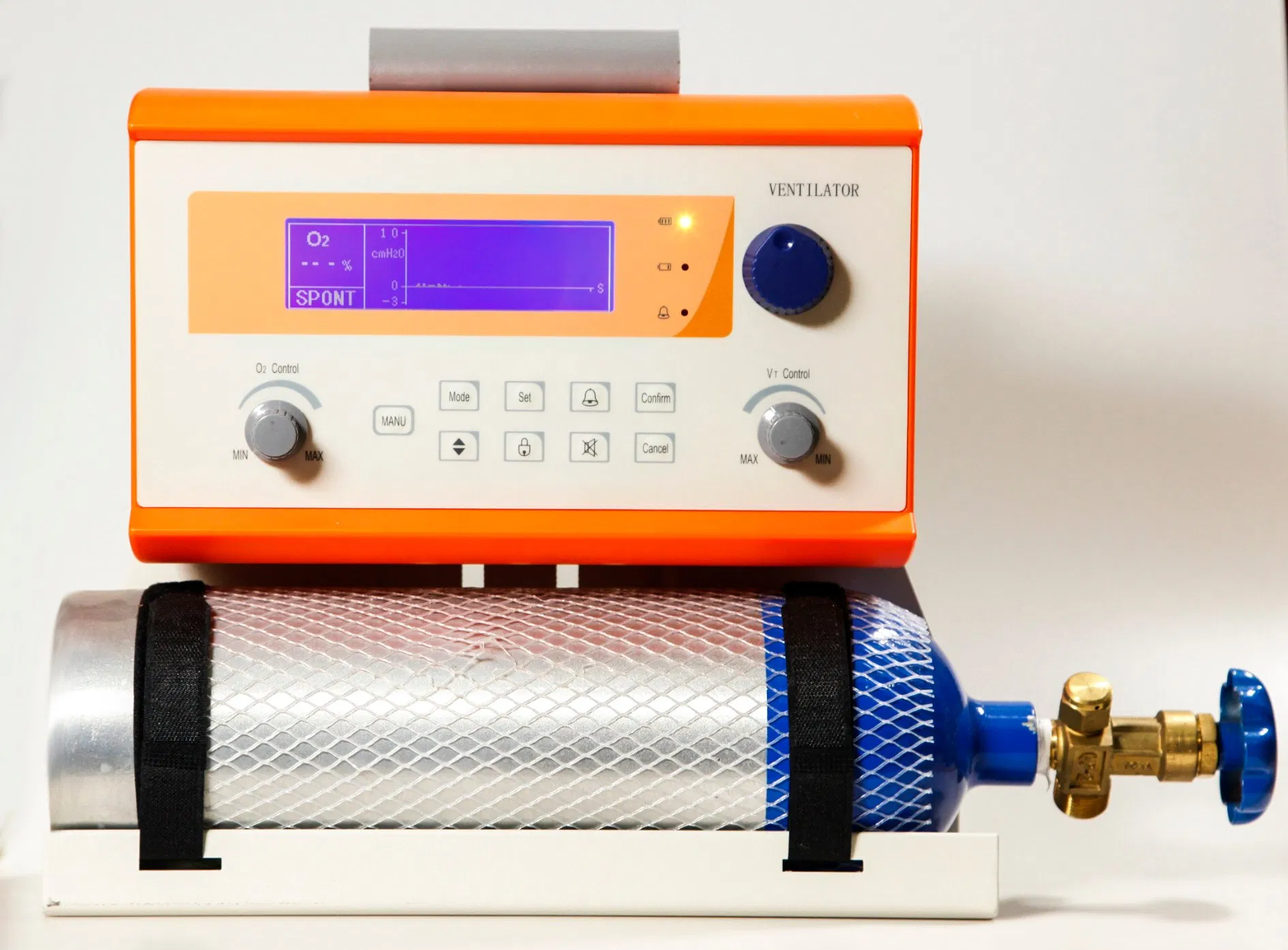
We've been getting a lot of inquiries about teh CWH-3020B lately, and it's basically the workhorse of our ICU ventilator lineup right now — that 12.1-inch touch screen makes a real difference when you're adjusting settings in a hurry, unlike some cramped interfaces we've seen on older models.
It handles adults, pediatric patients, and even infants, which is actually pretty rare for a single unit without needing separate modules, and the ventilation modes cover VCV, SIMV, PSV, PCV, APNEA, CPAP, Manual, and SIGH — most buyers go with the rather than picking and choosing.
Power runs on 220V AC with about a ±10% tolerance, and there's a backup battery that gives you maybe 20 minutes or so of runtime during a power failure, which we usually have in stock but confirm lead time if you need a larger quantty.
What it monitors includes tidal volume, minute volume, airway pressrue, PEEP, and O2 concentration, and the alarm functions cover those same parameters plus power failure — though it's not designed for field transport, so keep that in mind for mobile ICU setups.
Dimnesions are standdard for ICU equipment, roughly 60 cm deep by 50 cm wide, and weight sits around 20 kg give or take depending on the exact configuration, with pneumatic control and electronic drive in a single chassis.
We've shipped a few hundred of these over last year alone, so one thing we've noticed is that the CE and ISO13485 certifications really help with customs clearance in most regions — better than some unbranded alternatives we've seen circulating lately.
The backup battery typically runs for about 30 to 60 minutes depending on ventilation settings, so you've got time to switch to an alternate power source or move the patient.
Yes, it supports adult, pediatric, and infant patients. The modes like VCV and PSV are selectable, but you'll need to set the tidal volume and pressure limits manually based on the patient's size.
Absolutely, we can share the CE certificate and ISO13485 documentation with you upfront — just ask your sales rep, and they'll send them over.
It needs O2 and air at standard medical gas pressures, typically between 2.8 and 6.0 bar. Make sure your hospital pipeline or cylinders are set within that range.
The alarm limits for tidal volume, airway pressure, and O2 concentration are adjustable in the settings menu, but the display layout is fixed. We don't offer software customization for this model.