Account
Inquiry
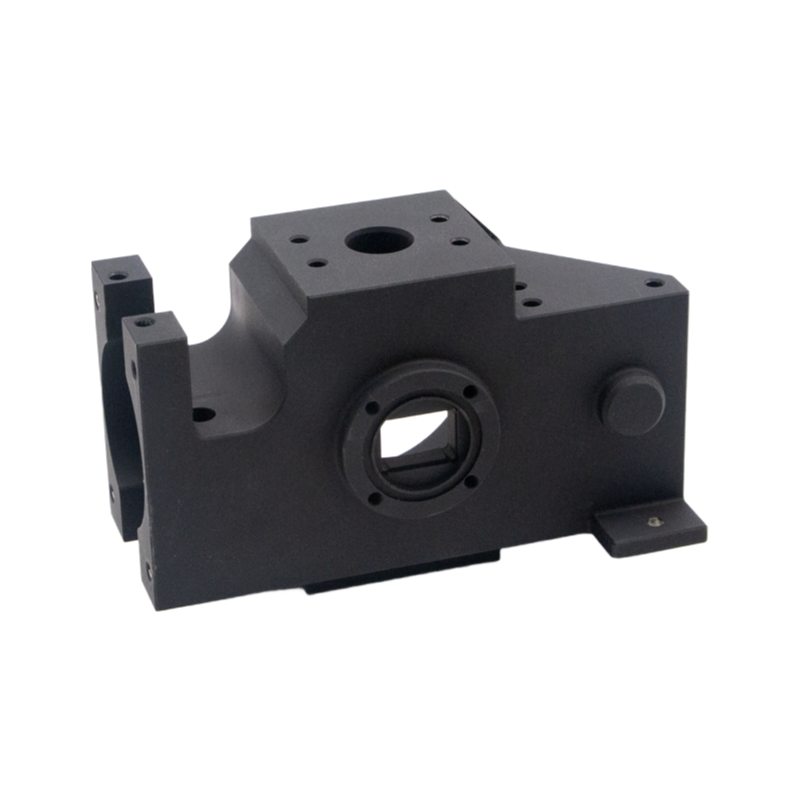
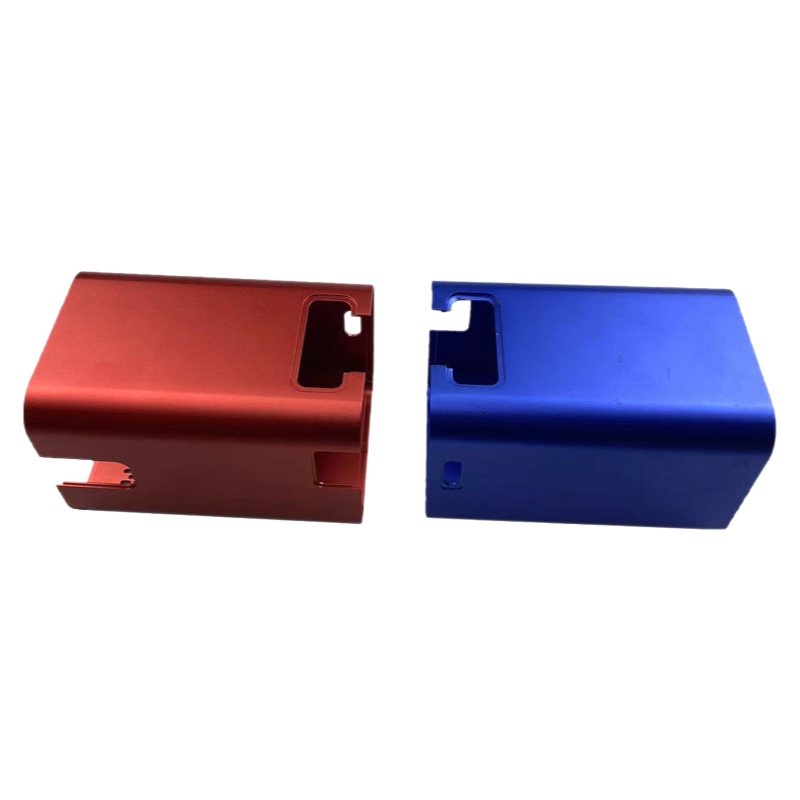
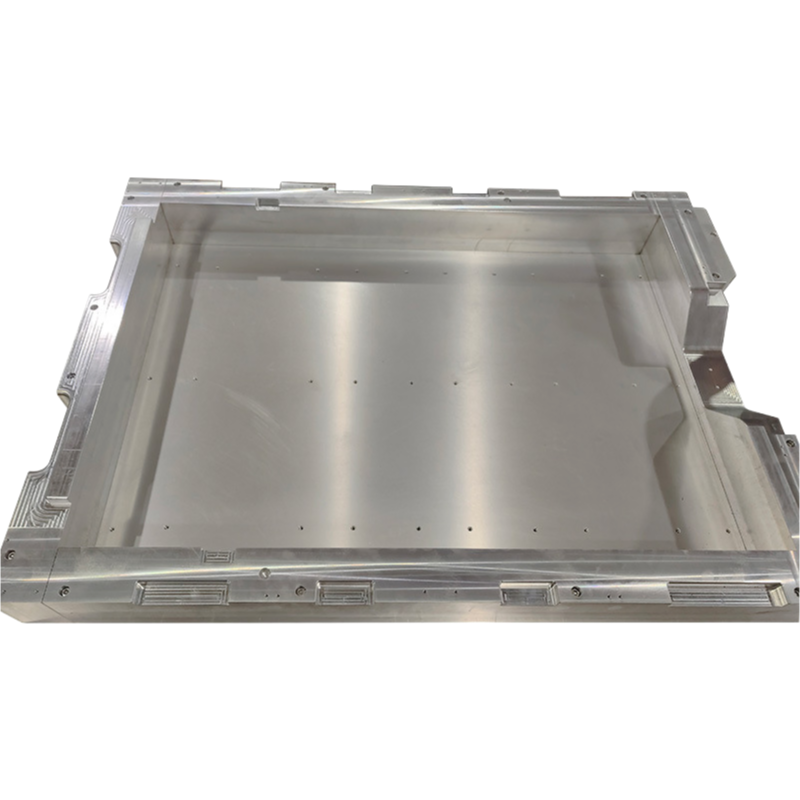
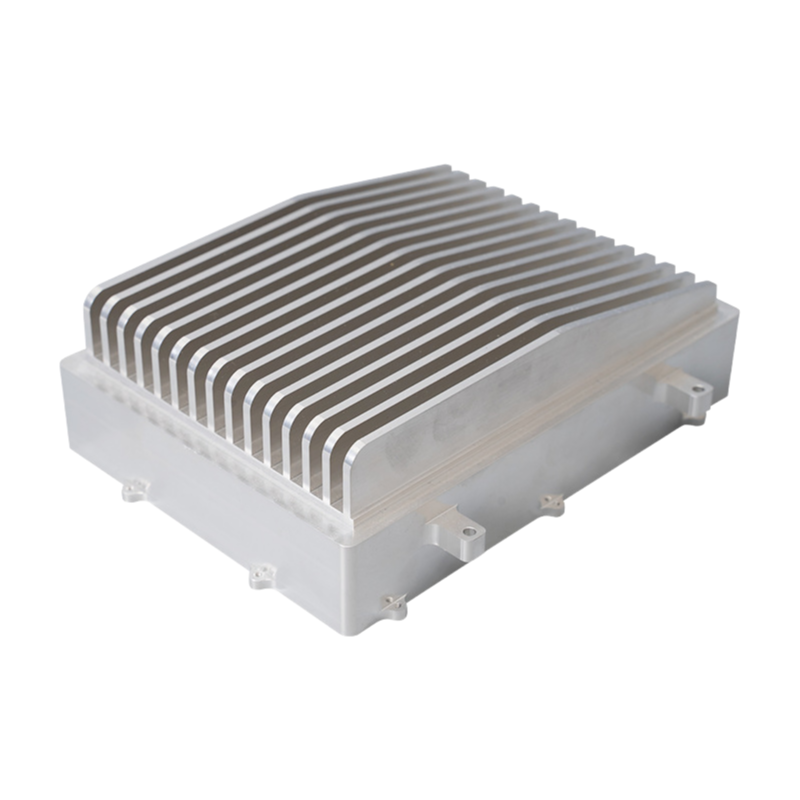
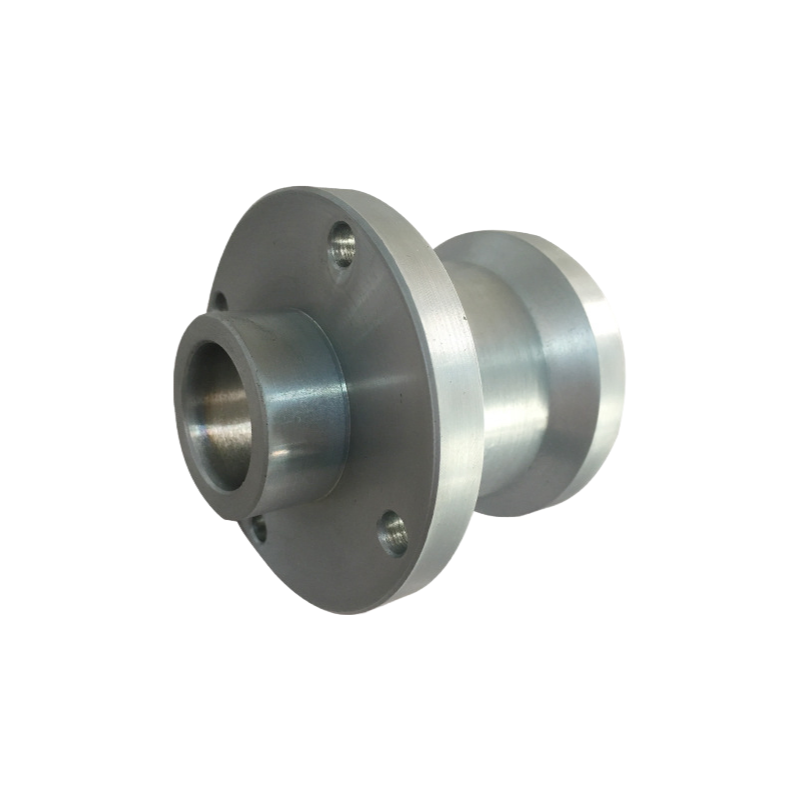
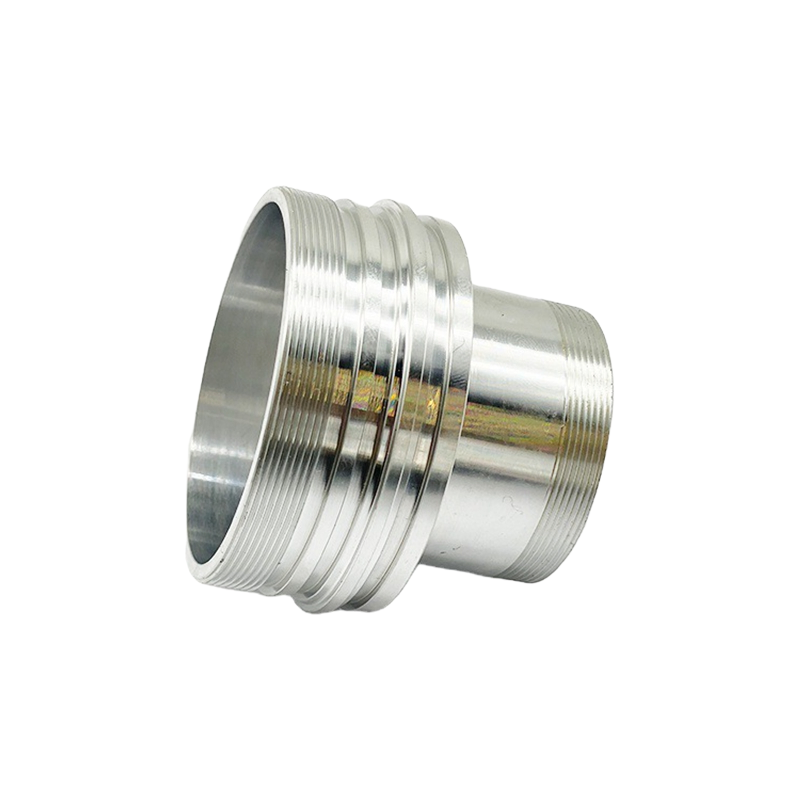
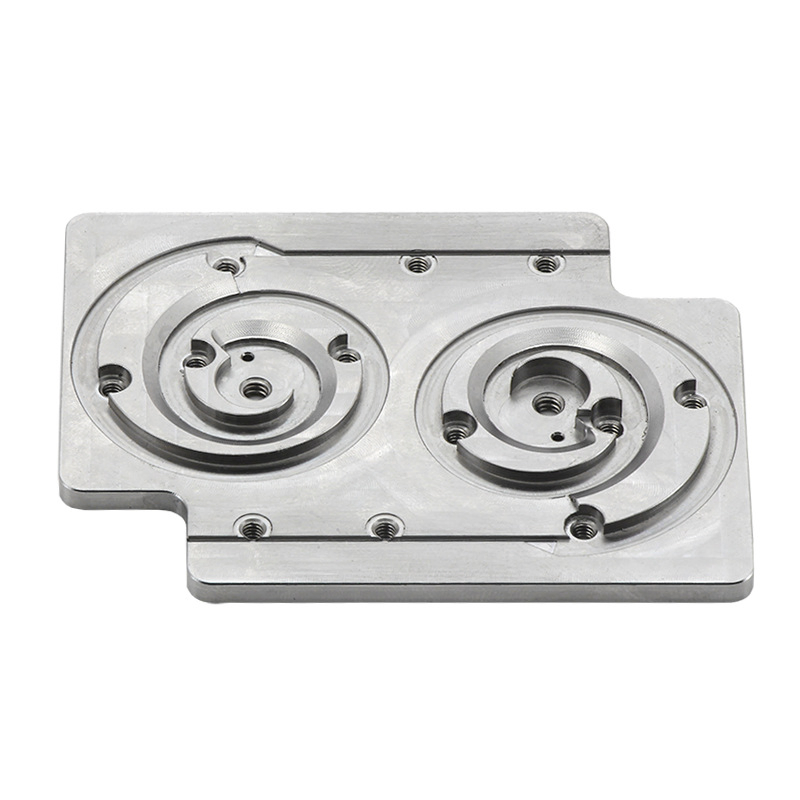
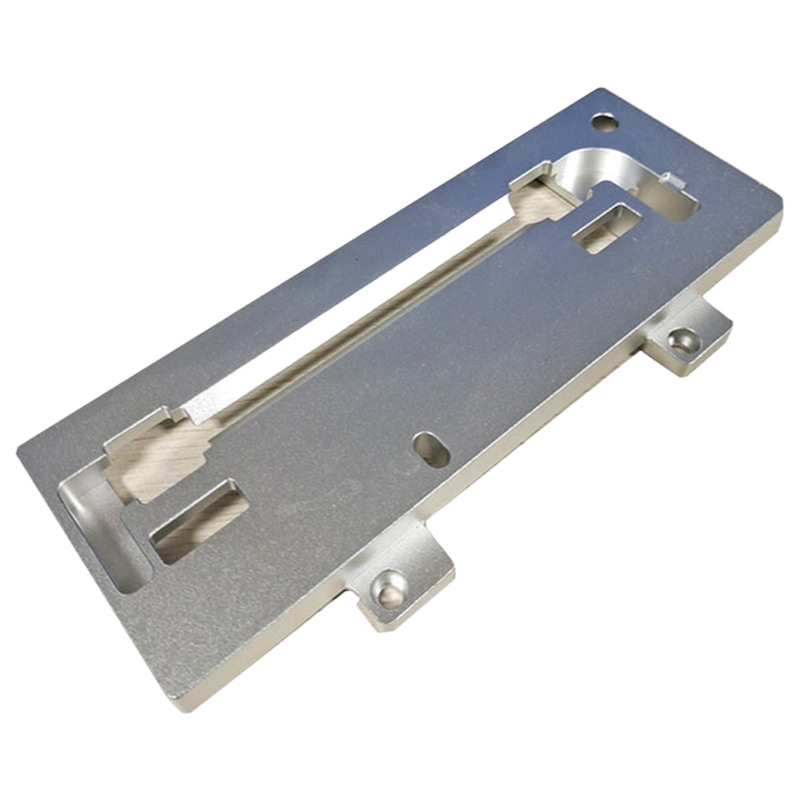
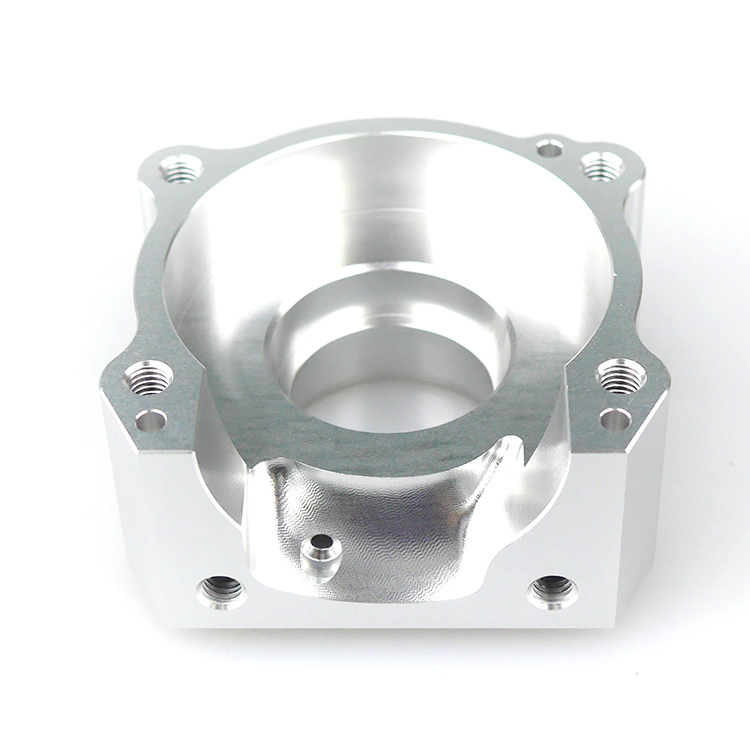
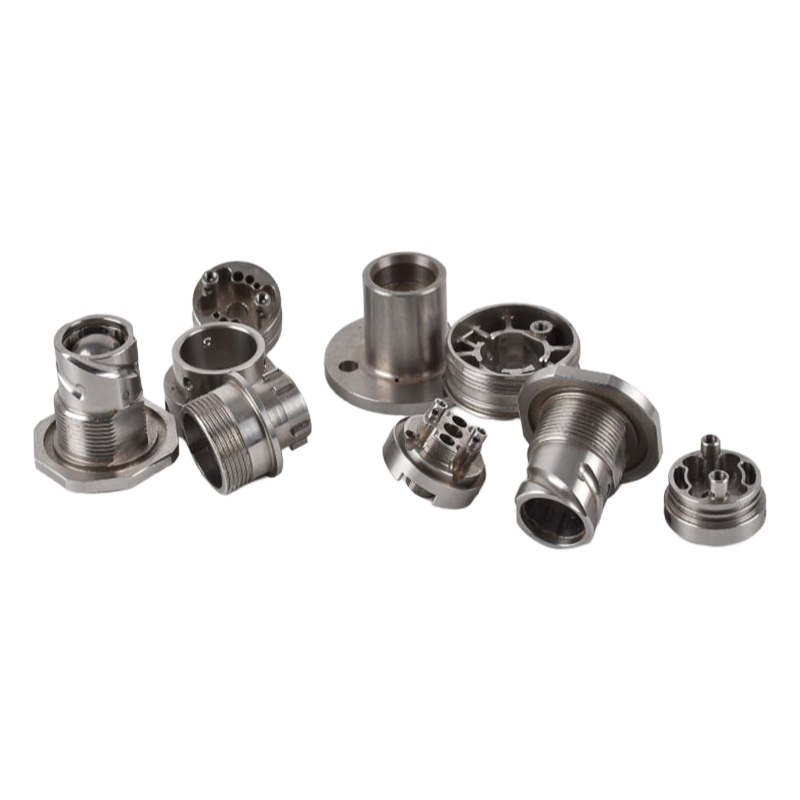
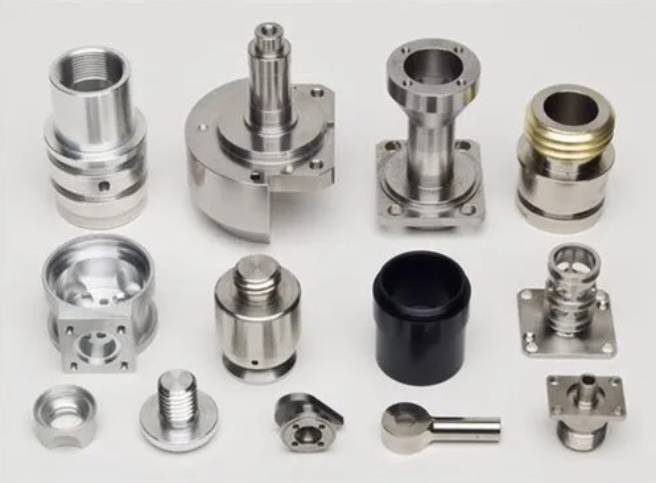
For the tighter tolerance work—say medical fixtures or aerospace jigs, we’re hitting ±0.01mm consistently, though most sit comfortably at ±0.03mm or so, which is basically what ISO 2768 M demands anyway, and that suface roughness of Ra 0.1-3.2 means we can do a mirror polish if that’s what your optical bench needs.
It’s not built for thin-walled tubing below 1mm wall thickness—we’ve had failures there in 304 stainles, so unless you’re comfortable with a bit of warpage, I’d stick to bracketry or blocks for those 150mm max milling parts, and the 2200×1800mm bed handles most things you’d throw at it.
batches we typically run for R&D accounts are 50-200 units, often with anodizing or clear plating—but your bulk order of 5000 would need about 30 days, give or take, and we usually have stock on 6061-T6 and brass, though 316L lead times can stretch if the mill’s backed up.
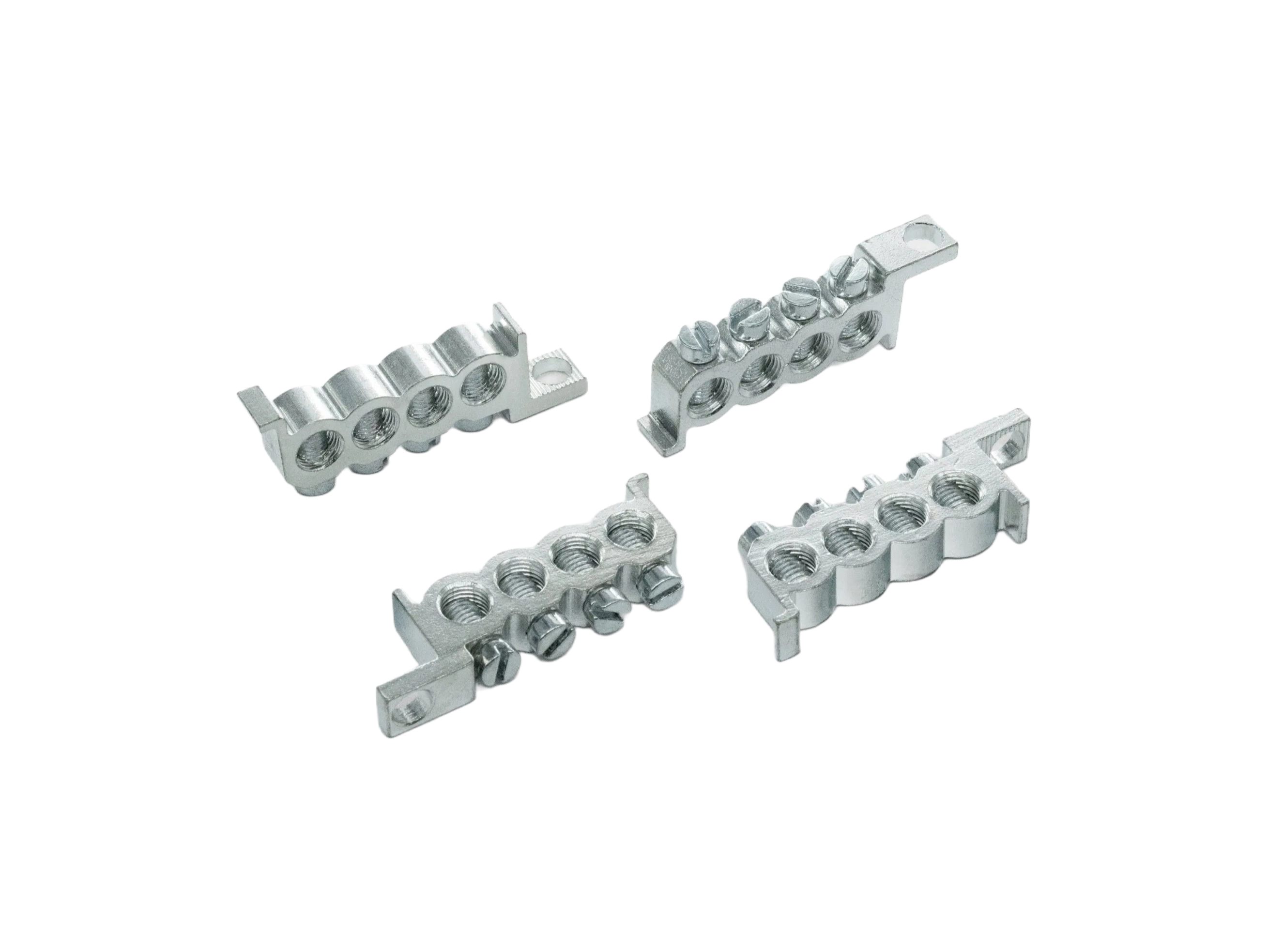
We’re using a mix of new and older Mazaks (so don’t expect perfect toolpath optimization for nanosurfaces), but the real thing you want is that we’ll do a DXF or STEP for free and you get a COA with each run—most buyers actually ask about thread size first, and our company can go down to M1×0.25mm, which is pretty fine.
Anyway, the packging is standard cardboard boxes with foam dividers—unless you specify plastic trays or anti-static bags—and for prototype orders, you’ll see parts in 3-7 days, though ship in about a month; we just lost one suplier on polishing for aluminum, so confirm that finish if it’s critical.
There's no strict MOQ — we take orders as low as 1 piece for prototypes. For production runs, we’ll quote based on your quantity, so just send your drawing and we’ll work it out.
Yes, we can hit ±0.01mm on stainless steel parts within our size limits. We don't include CMM reports by default, but we can add them for an extra cost — just let us know when you order.
For corrosion resistance on aluminum, anodizing is our go-to — it's tough and comes in different colors. Plating or powder coating also work, but anodizing is usually the most cost-effective option.
Prototype lead time is 3 to 7 days once we approve your STEP file. If you need it faster, we can rush it for an extra fee — just ask.
We follow ISO 2768 M as our standard quality tolerance. For medical research parts, we can include a certificate of conformance with the order, but note these are for research use only — not clinical or implantable.
Rapid delivery was the first thing that impressed me. The logistics were handled flawlessly, with clear tracking updates provided at every stage. The parts arrived well ahead of the estimated schedule, which was a tremendous help for our project timeline. Regarding quality, the precision is simply outstanding. Every component I received matched the specifications perfectly, with clean finishes and no visible defects. The materials used feel robust and exactly as ordered. Customer service was equally commendable. The support team was responsive, patient, and proactive in answering my preliminary questions and providing post-delivery assistance. Communication was clear and professional throughout the entire process. Overall, this was a seamless experience from order placement to receiving the physical parts. The combination of efficient logistics, superior quality control, and excellent support makes this service highly reliable. I am thoroughly satisfied and would not hesitate to place future orders or recommend them to others seeking precision machined parts.
We were thoroughly impressed with the overall experience. The shipping was remarkably fast and well-organized, with the parts arriving securely packaged and ahead of the estimated schedule. This promptness was crucial for our project timeline. The quality of the machined components is exceptional; they exhibit precise tolerances and a superb finish, exactly as specified in our technical drawings. Communication throughout the order process was clear, professional, and responsive, making the entire transaction smooth and hassle-free. While we have not yet integrated these parts into our final assembly, the initial inspection confirms top-tier craftsmanship. The service team was knowledgeable and accommodating, promptly addressing our preliminary inquiries. This supplier demonstrates a commendable commitment to reliability and customer satisfaction, which we highly value in a manufacturing partner.
A fantastic experience from start to finish. The logistics were handled impeccably; my order was packaged with great care and arrived significantly ahead of the estimated schedule, which was a very pleasant surprise. Communication regarding shipping was clear and timely. As for the quality, it is absolutely outstanding. The precision of the machined parts is evident, with clean finishes and exacting tolerances met. The materials feel robust and well-chosen. The customer service team deserves special praise for their professionalism and responsiveness. They were patient in addressing my preliminary queries and provided thorough updates throughout the process. This level of attentive service made the entire procurement smooth and worry-free. I am thoroughly impressed and would not hesitate to recommend their services for any precision manufacturing needs. The combination of reliable logistics, superior quality, and exceptional support is truly commendable.
Worthy of a perfect score in every aspect. The logistics were handled with impeccable precision; my order arrived ahead of schedule, which was a fantastic and unexpected surprise. The packaging was robust and secure, ensuring every component was perfectly protected during transit. Regarding quality, the craftsmanship is simply outstanding. The parts exhibit a flawless finish with exacting tolerances, reflecting a high level of technical expertise and attention to detail. The materials used feel premium and durable, exactly as specified. Customer service was equally impressive, characterized by clear, proactive communication and a genuine willingness to assist. The team was responsive and helpful throughout the entire process, making it a seamless and highly satisfactory experience from inquiry to delivery. Overall, an exemplary service provider that I would confidently recommend to anyone seeking top-tier machining services.
Logistics were handled flawlessly from start to finish. The parts arrived ahead of the projected schedule, which was a very pleasant surprise and helped us keep our own production timeline on track. The packaging was secure and professional, ensuring everything was in perfect condition upon arrival. Regarding quality, the precision of the machined components is immediately apparent. The finishes are clean and exact, meeting the specifications provided without any deviation. The service team was consistently responsive and helpful, providing clear updates and answering all queries promptly. This level of attentive support made the entire process smooth and stress-free. Overall, a highly reliable and professional experience from order to delivery.
Q: My experience with this CNC machining service was excellent. The logistics were handled perfectly; my order was shipped promptly and arrived well ahead of the estimated delivery date. The packaging was secure and professional, ensuring all parts were protected during transit. Regarding quality, the precision of the machined components, made from stainless steel, was outstanding. Every part met the exact specifications I provided, with flawless finishes and tight tolerances. The service team was highly responsive and supportive throughout the process, from the initial quote to post-delivery follow-up. They answered all my questions quickly and provided helpful updates. Overall, a very reliable and professional service for custom metal parts.
Delivery was exceptionally fast and the packaging was secure, ensuring the parts arrived in perfect condition without any delays. The quality of the machined components is outstanding, with precise tolerances and a smooth finish that meets all specifications. Customer service was responsive and helpful throughout the process, providing clear updates and addressing any questions promptly. Overall, a highly satisfactory experience from start to finish.
Smooth and efficient logistics were a highlight of my experience. The shipping process was transparent, with timely updates provided at every stage, ensuring I knew exactly when to expect my order. The packaging was secure and professional, leaving no room for damage during transit. Regarding quality, the precision of the machined parts is truly commendable. Each component met the specified tolerances and exhibited a flawless finish, reflecting high standards in manufacturing. The service team was exceptionally responsive and helpful, addressing all my inquiries promptly and with great expertise. Their attention to detail and commitment to customer satisfaction made the entire process seamless. Overall, a very reliable and professional service that I would highly recommend for anyone in need of precision machining.
My experience was marked by exceptional logistics. The shipping was remarkably fast and the parts arrived well-packaged and undamaged. The quality of the machined components is outstanding, with precise tolerances and a flawless finish. The customer service team was highly responsive and professional, promptly addressing all my inquiries. Overall, a very smooth and satisfactory process from start to finish. I am thoroughly impressed with the efficiency and care demonstrated throughout this transaction. The communication was clear and consistent, making the entire experience hassle-free. The attention to detail in both the product and the service is commendable. I would not hesitate to recommend this provider to others seeking reliable machining services. The combination of prompt delivery, superior craftsmanship, and excellent support makes them a top choice.
Excellent experience from start to finish. The logistics were handled flawlessly; my order was packaged securely and arrived ahead of the estimated schedule, which was a very pleasant surprise. Communication regarding shipping was clear and proactive. The quality of the machined parts is outstanding. They feel solid, precise, and exactly match the specifications I provided. There are no visible flaws or burrs, and the finish is smooth and professional. The customer service team was exceptionally responsive and helpful throughout the entire process. They answered all my questions promptly and provided valuable guidance. Overall, a very reliable and high-quality service for precision components. I am thoroughly impressed and would not hesitate to use their services again for future projects. The combination of speed, quality, and supportive service is hard to find elsewhere. This vendor clearly understands the importance of detail and customer satisfaction in manufacturing. A truly top-tier operation that delivers on its promises.