Account
Inquiry
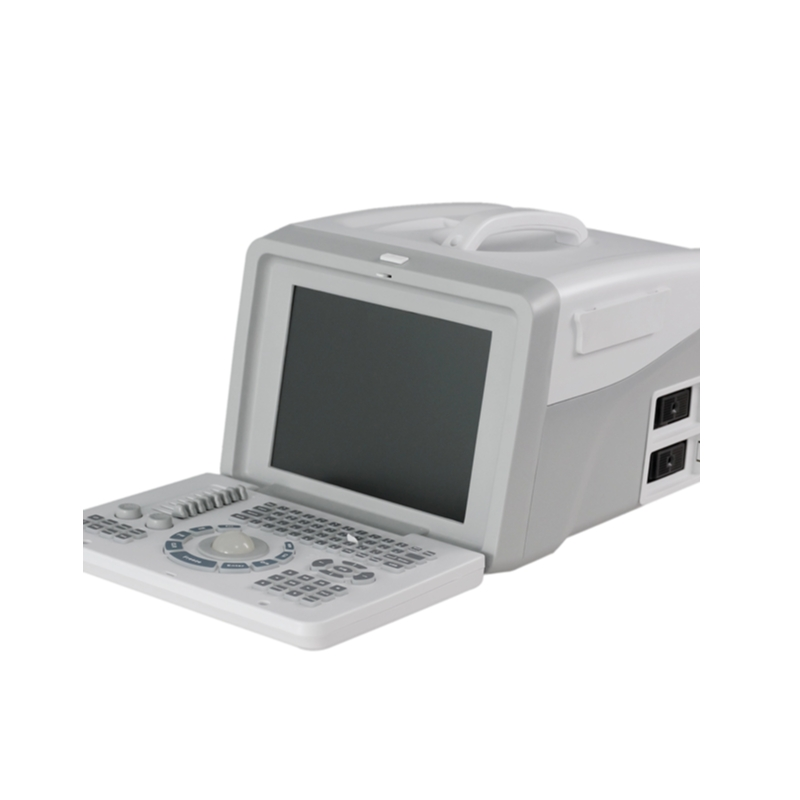
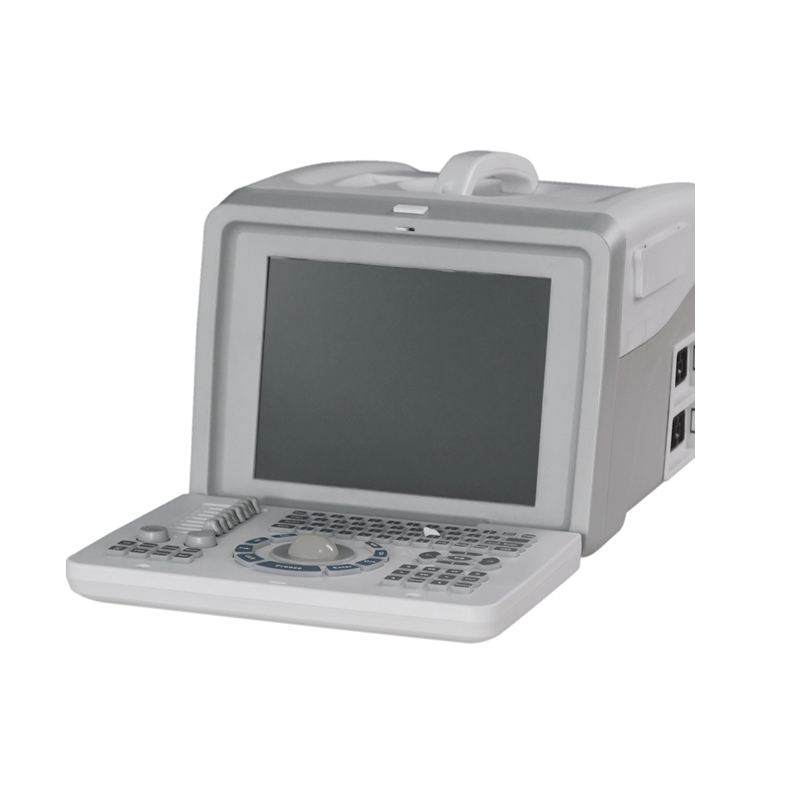
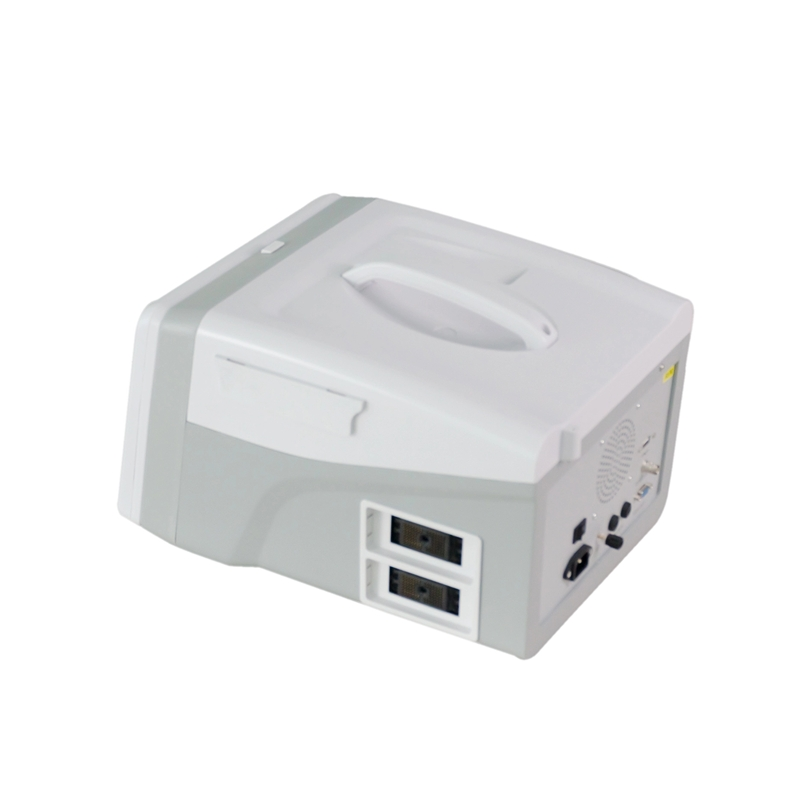
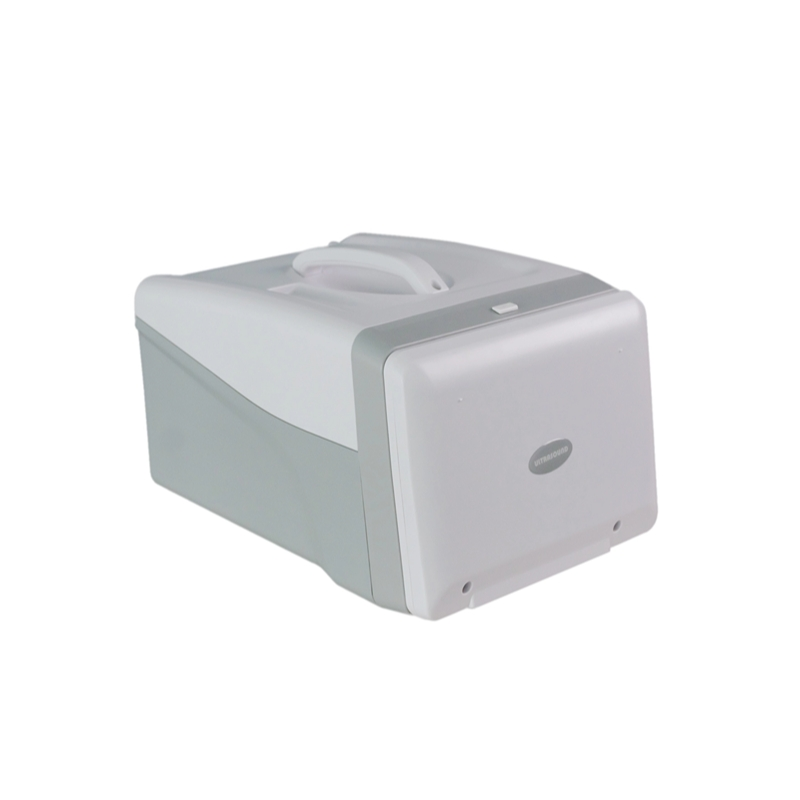
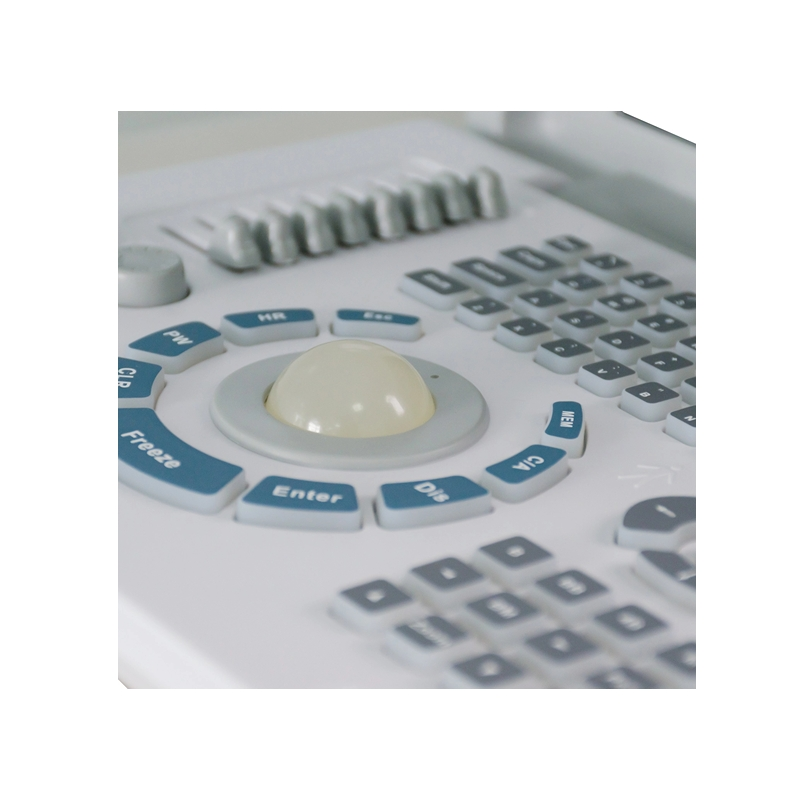
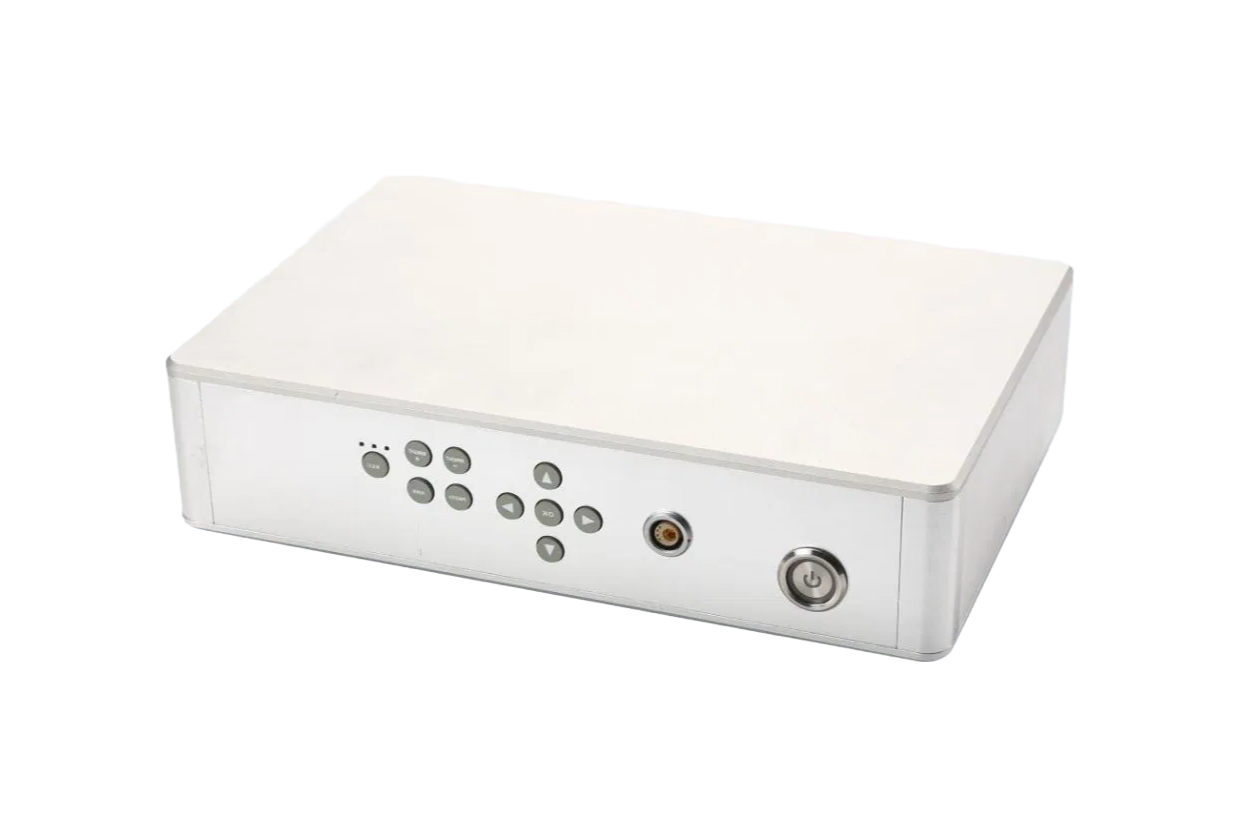
We typically ship these within 10-12 working days, and the MOQ is just one unit — it's a 14kg box, 500×400×440mm, so plan for freight accordingly. 128 images storage and 256-frame cine loop is enough for most routine scanning sessions, but you'll want to offload regularly if you do heavy volumes.
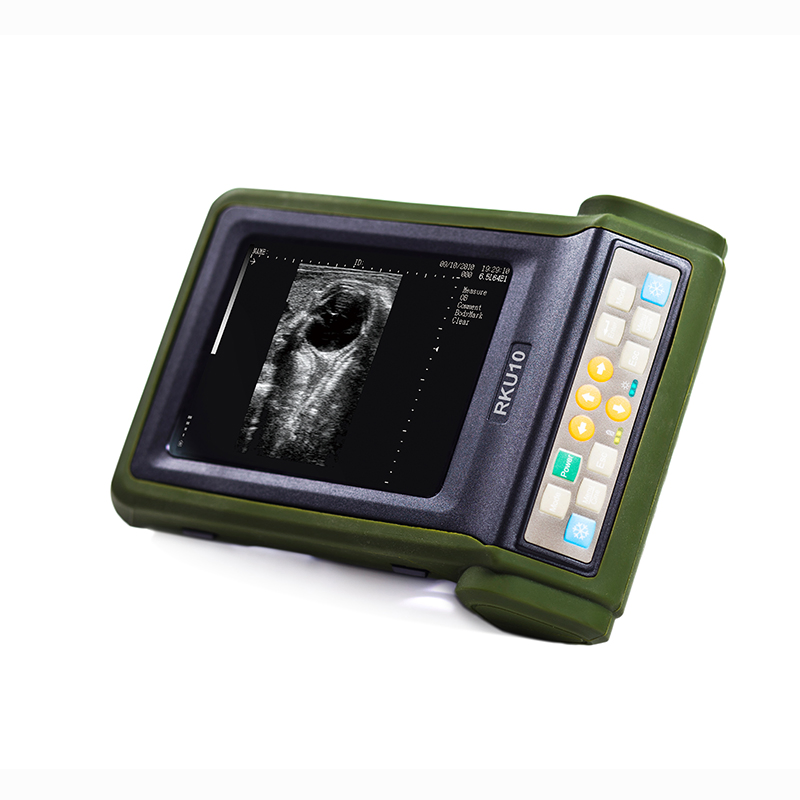
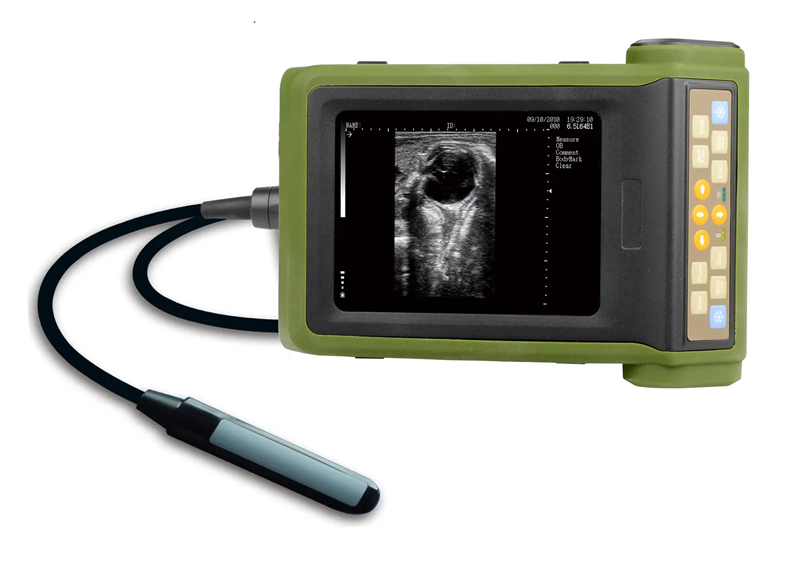
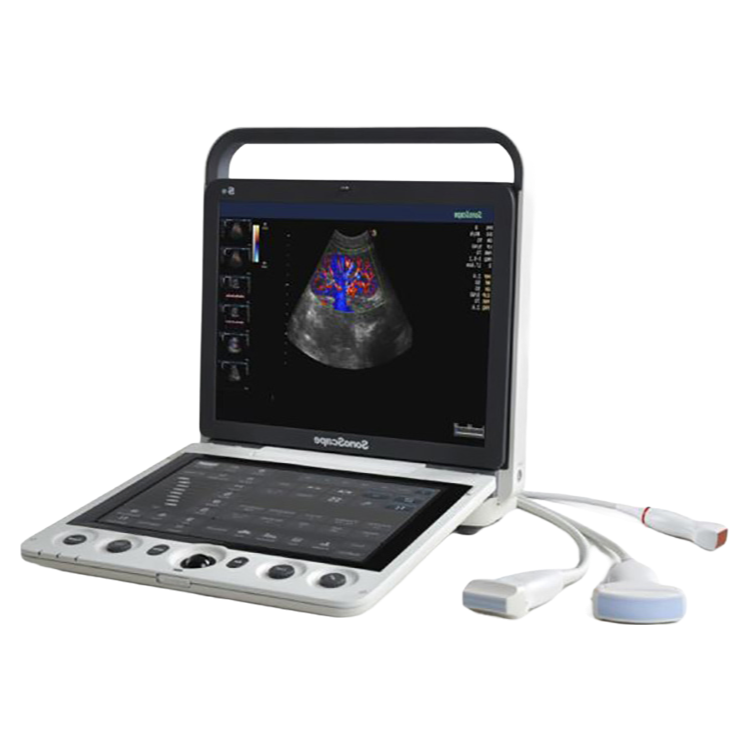
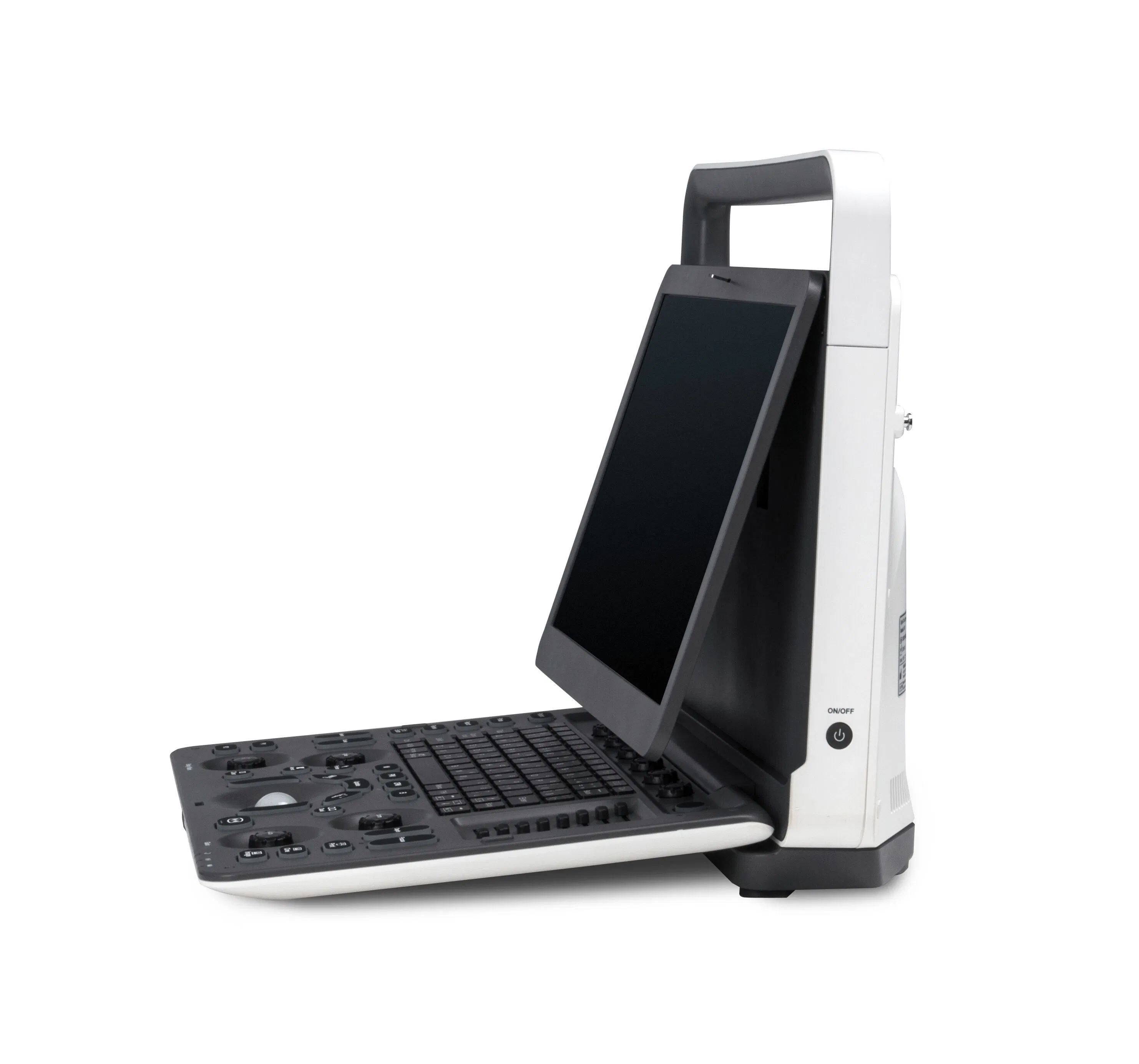
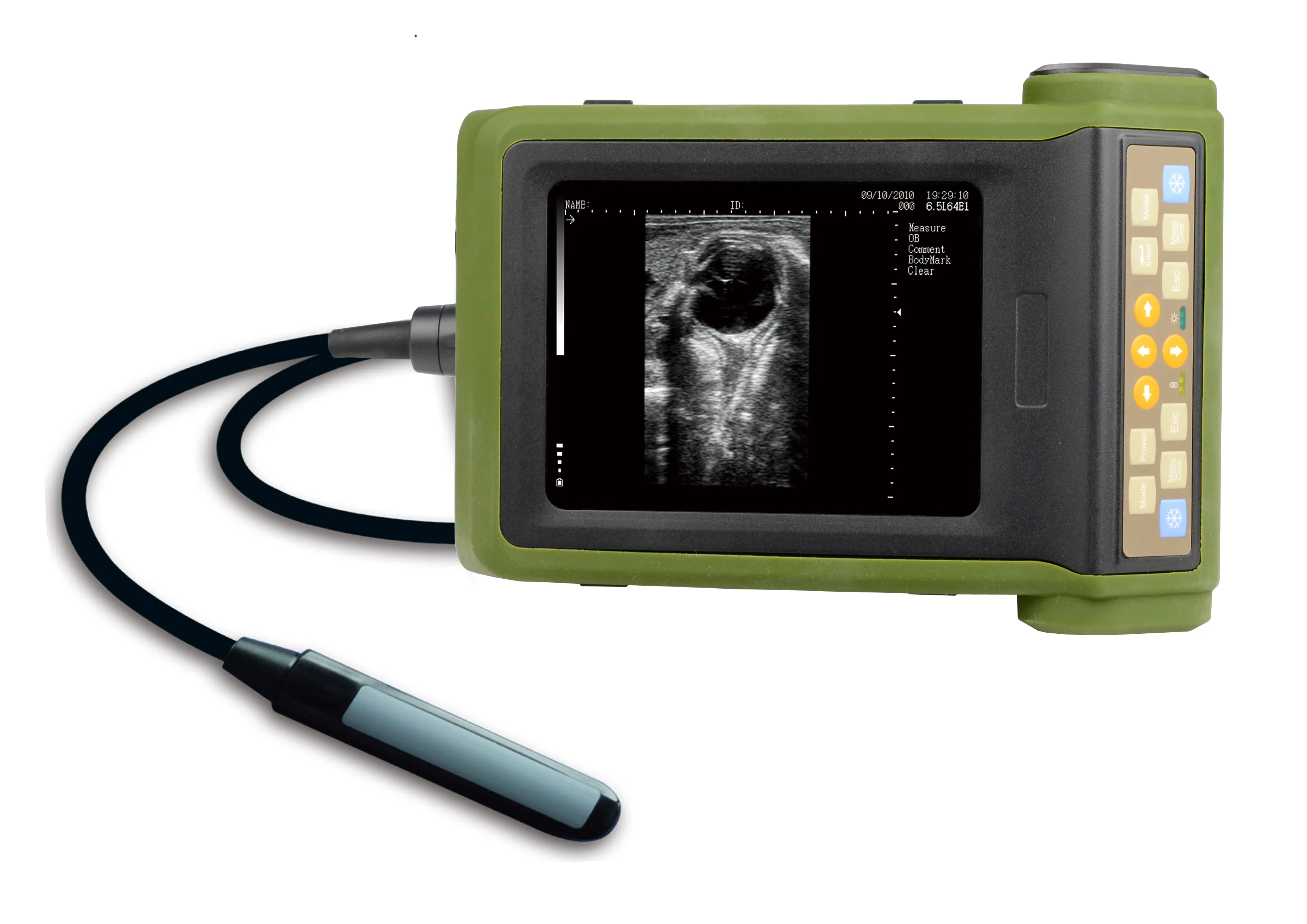
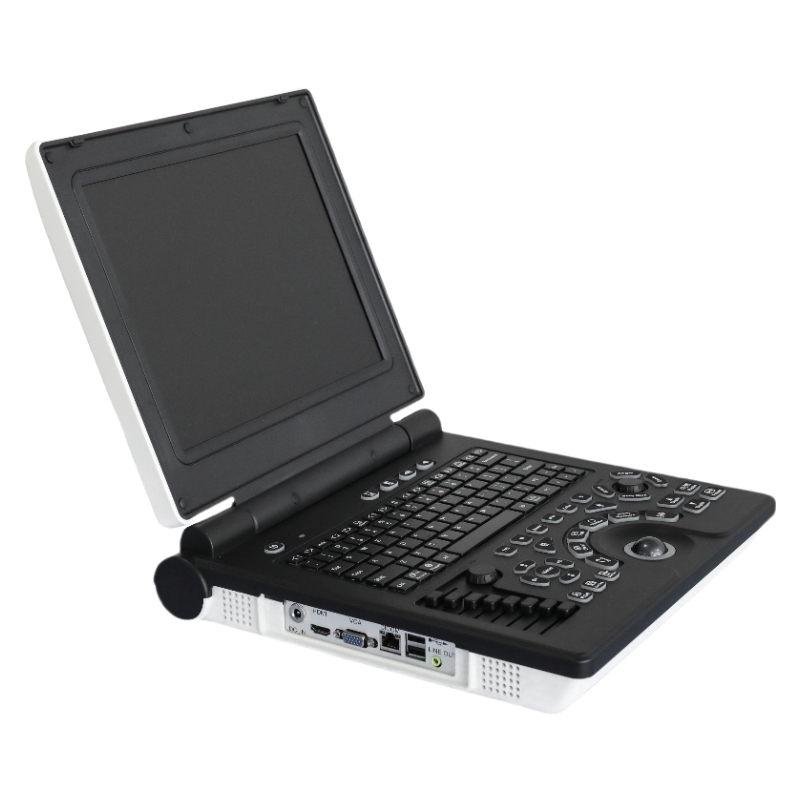
It's got a 10.4-inch LED with 256 gray levels, which is fine for B, B/B, 4B, B+M, and M modes — basically all the standerd display formats you'd expect. range runs 0-120dB adjustable, so you can dial it in for deeper tissue or shallow structures depending on probe you attach.
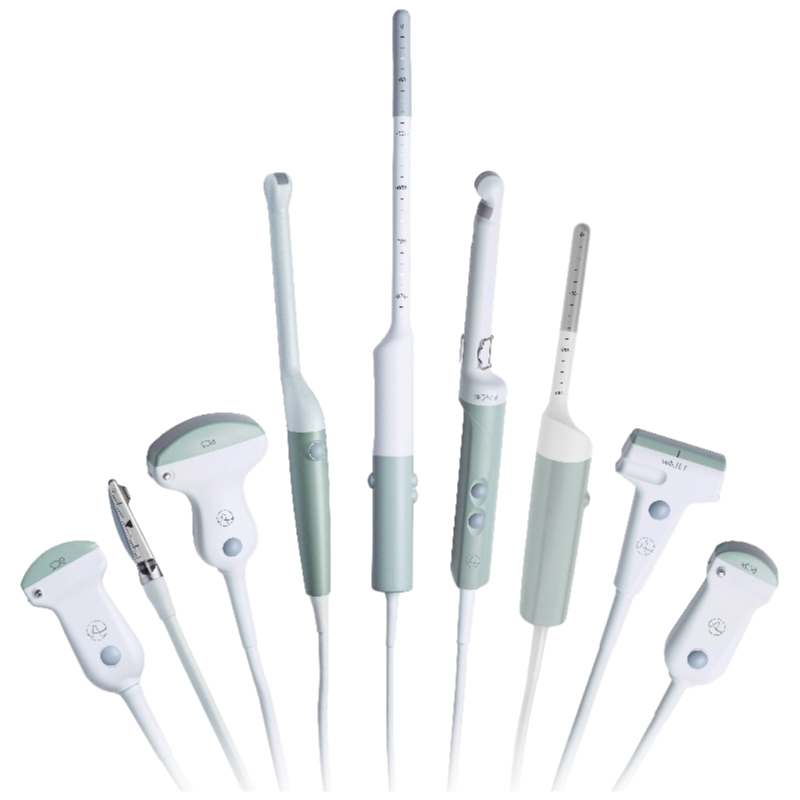
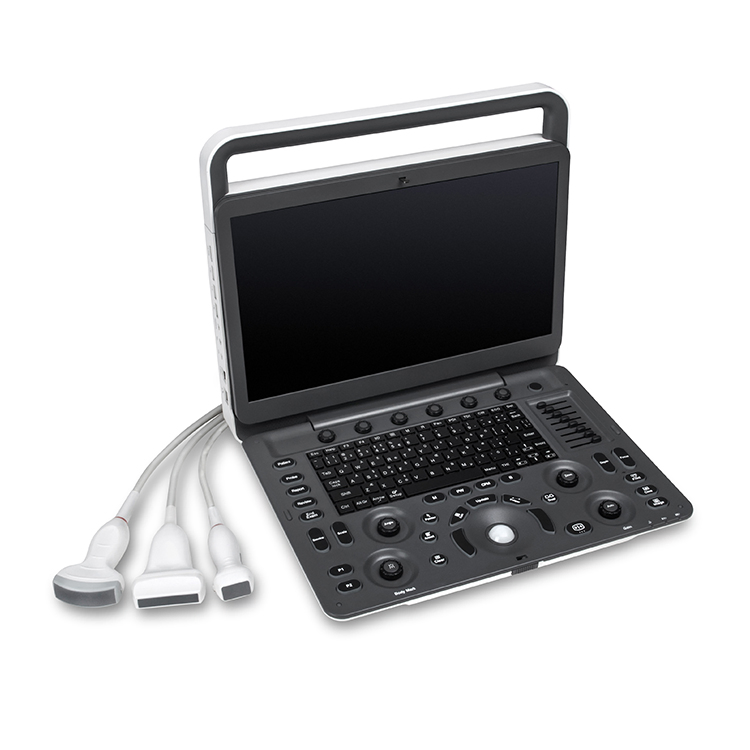
The frequency range covers 2.5MHz to 7.5MHz, so it handles abdominal and small parts work pretty well, but it's not suited for high-frequency vascular or superficial imaging above that range. Two active probe interfaces mean you can keep a convex and a linear connected simultaneously without swapping cables.
You get USB, SVGA, and PAL outputs on the back — SVGA is handy if you want a larger external monitor for teaching or review. Also, the electron focusing is decent for the price point, but don't expect the same edge-to-edge clarity as high-end cart-based system.
CE, FDA, and ISO13485 certs are in place, and teh warranty runs 18 months — that's longer than most portable units in this class, actually. One thing buyers don't always ask: the backlit keys are a real help in dim rooms, but the unit itself has no built-in battery, so you'll need mains power or an inverter.
The U218 offers B, B/B, 4B, B+M, and M modes. B/B and 4B let you compare multiple views side-by-side, while M mode is ideal for tracking moving structures like heart valves.
Yes, it holds CE, FDA, and ISO13485 certifications. We can share copies of the certificates upon request.
MOQ is 1 unit. Lead time is usually 7-15 days after order confirmation, depending on stock.
It stores up to 128 images internally and has a cine loop of 256 consecutive images, so you can capture and review past exams easily.
The U218 uses standard 2 active probe connectors, but compatibility varies. We recommend using our own probes for optimal performance, and we can provide a list of supported models.
Highly impressed with the overall experience! The delivery was incredibly fast and arrived ahead of schedule, which was a pleasant surprise. Handling was careful, with secure packaging that prevented any damage during transit. As for quality, the device feels robust and well-constructed, meeting my expectations for durability. Customer service was outstanding—responsive and helpful in addressing my inquiries promptly. Everything from order placement to receipt was smooth and efficient. Highly recommend for anyone seeking reliable medical equipment with excellent support.