Account
Inquiry
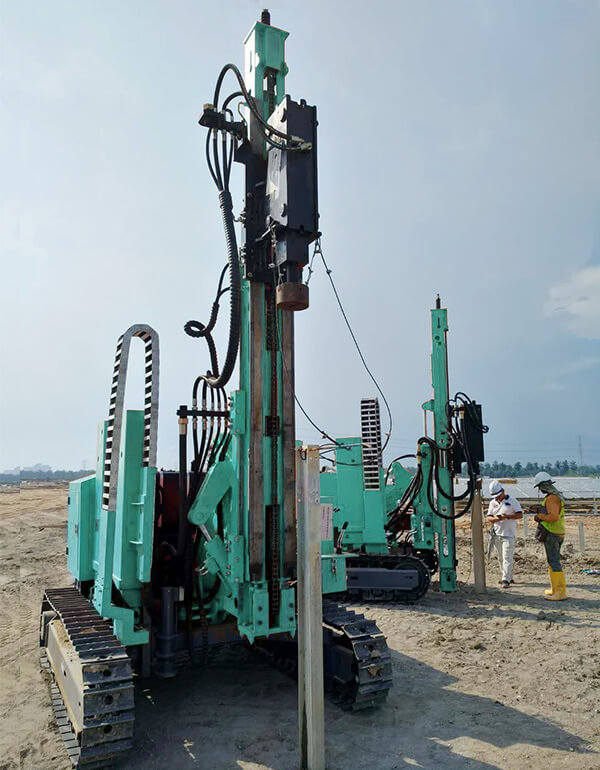
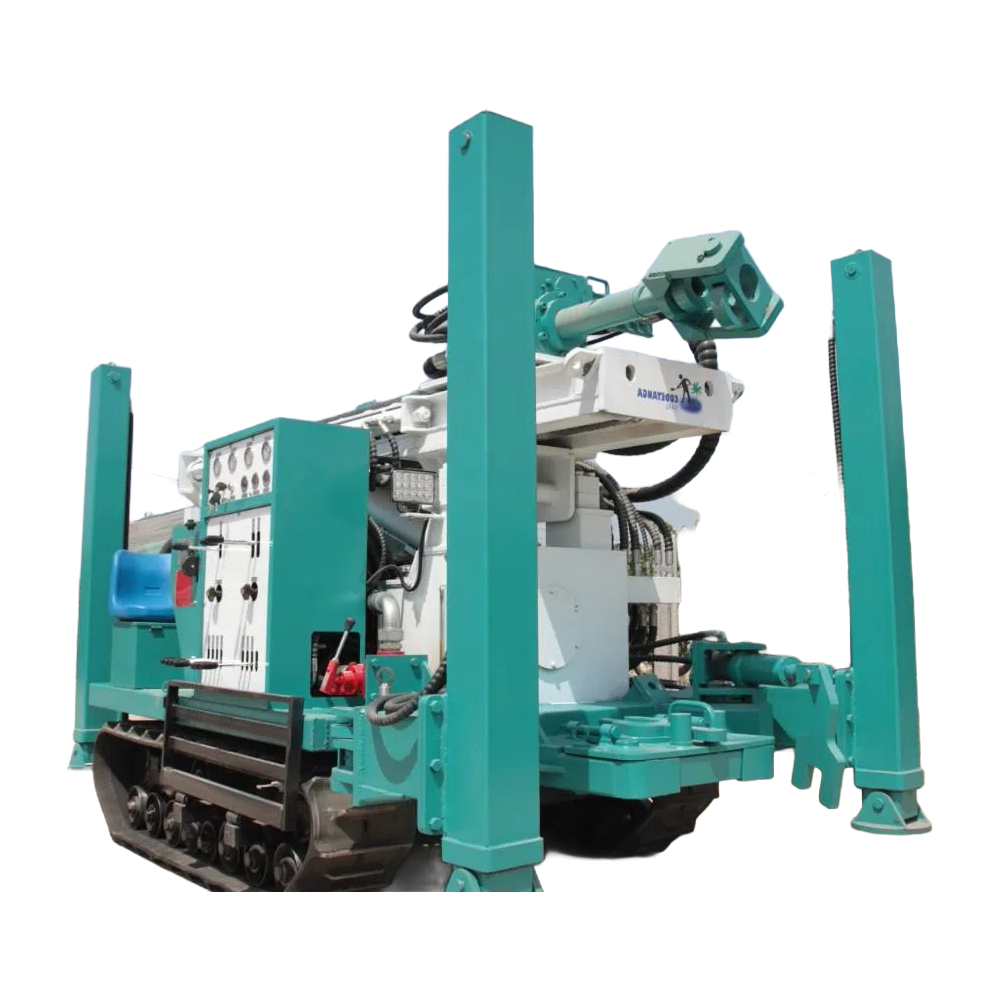
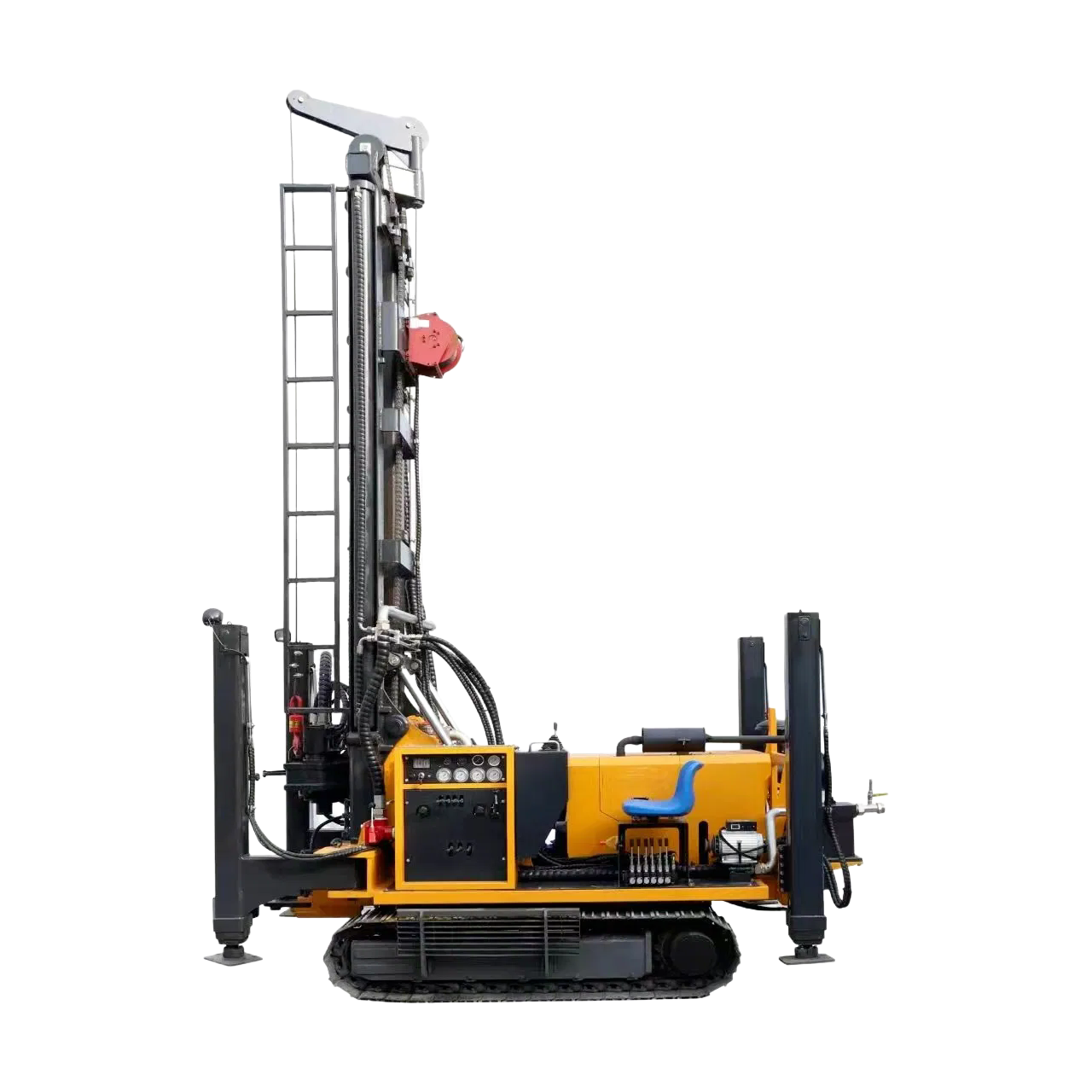
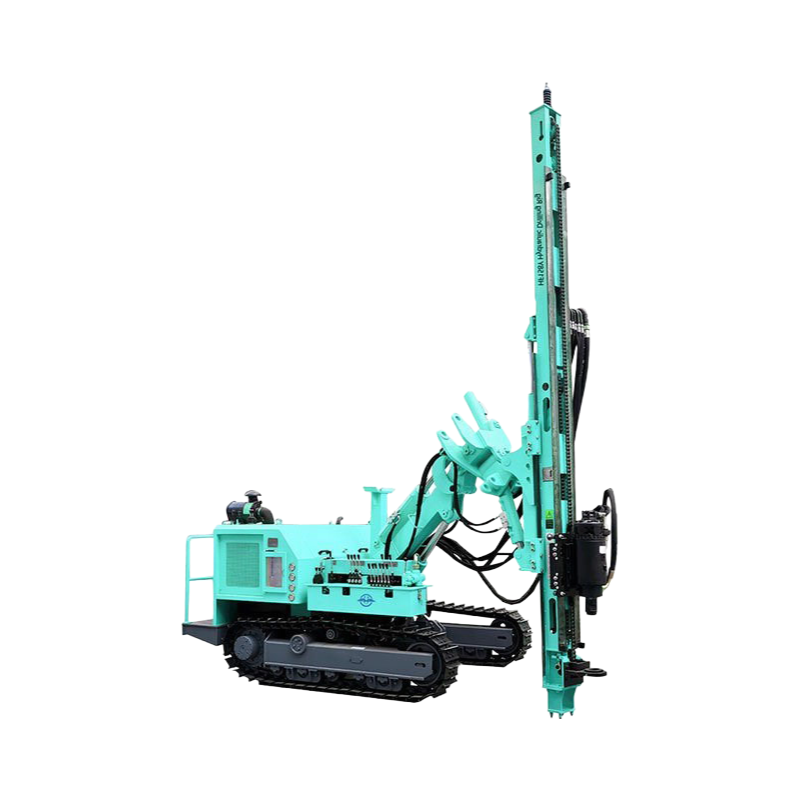
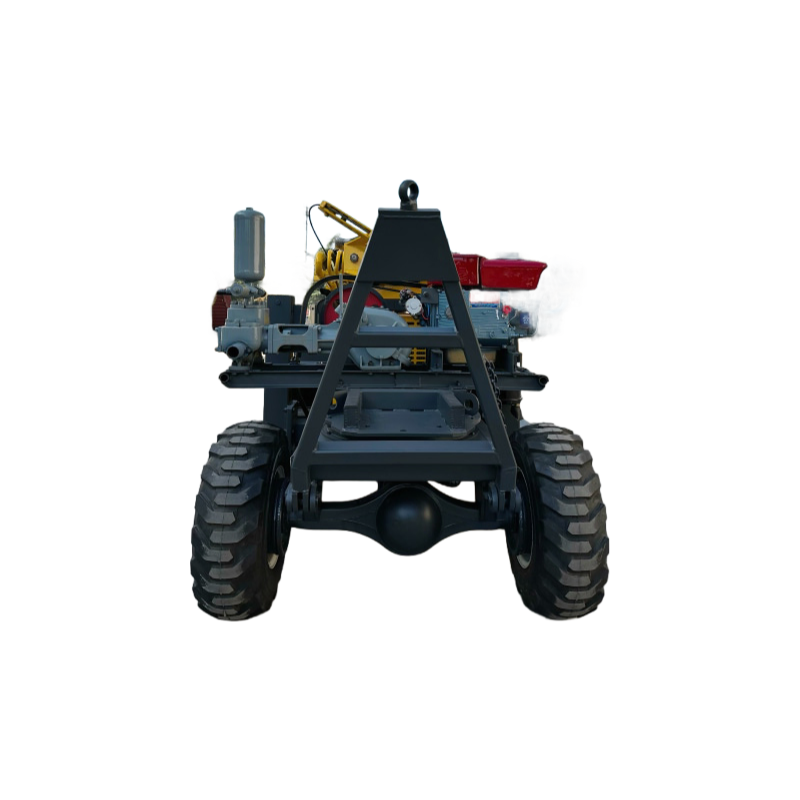
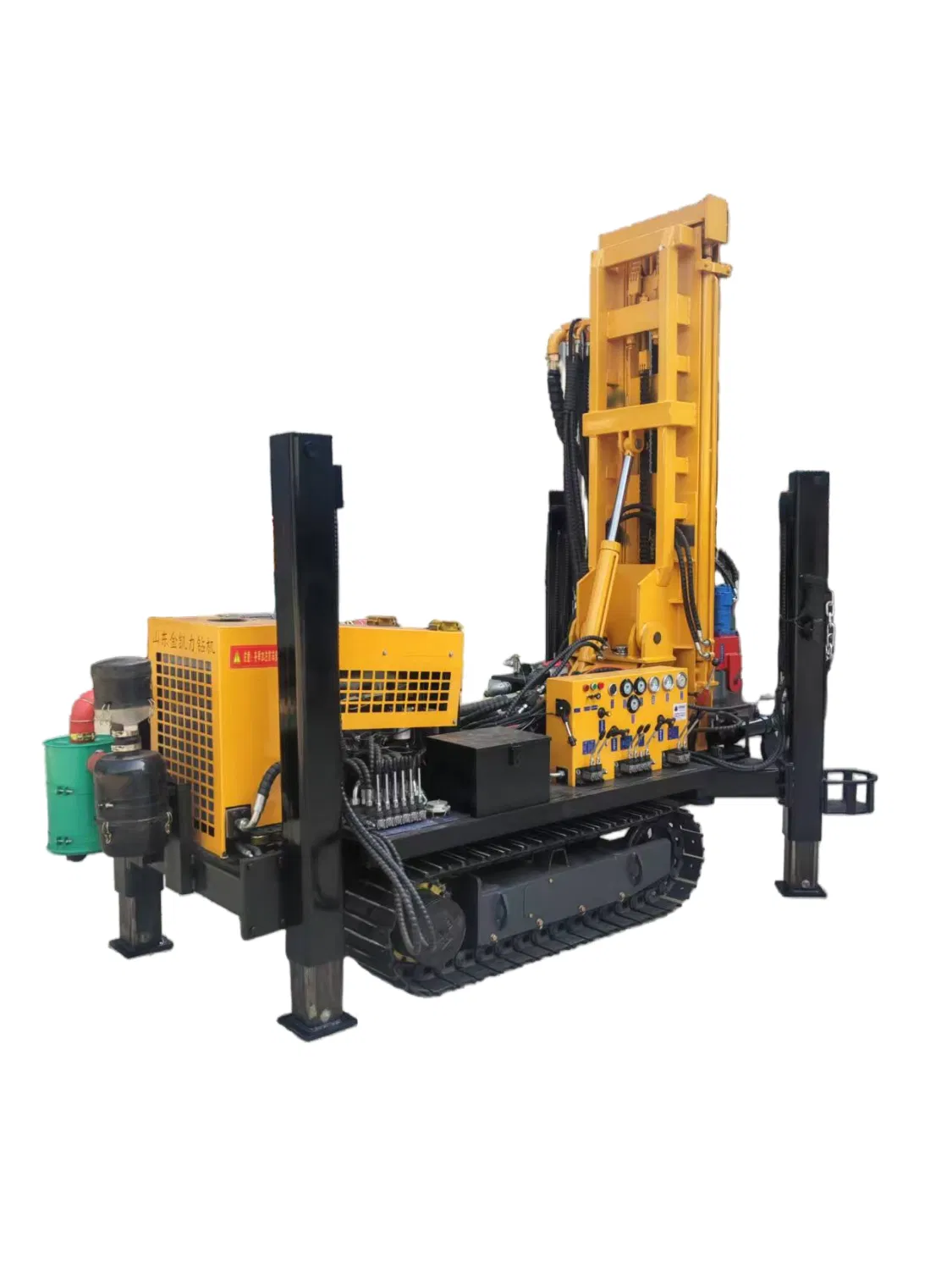
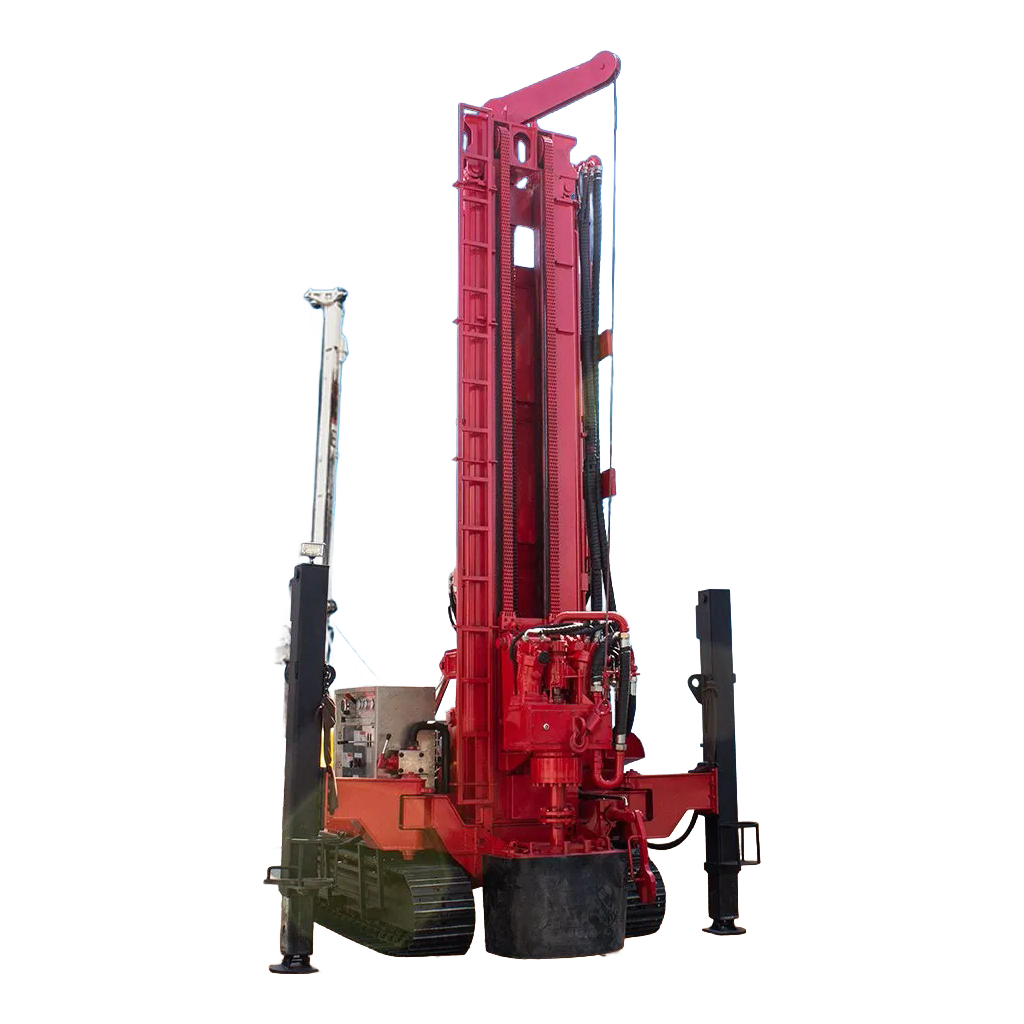
Actually, that 84Kw power output on HFPV-600 is what makes it punch well above its weight for a rig that weighs only 5800kg — you get the torque without dragging a massive machine around the site.
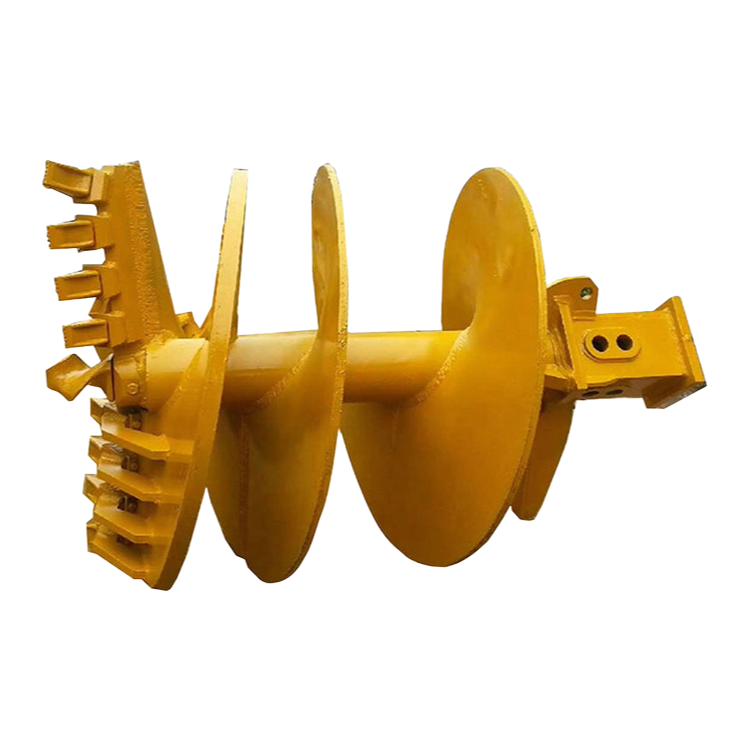
We've had guys running it on solar spiral pile jobs where the ground's a mix of clay and fractured rock, and it handles the screw drilling at 30m depth just fine, but if you're going for DTH hammer work at 120m you'll want the 102mm rods for stability in those deeper holes, and the air consumption jumps to about 26m³/min at 2.46MPa which is pretty standard for that class.
Most buyers go with the 10-26m³/min compressor range, but I've seen a few try to skimp on airflow and then wonder why the hammer stalls out at 80m — don't be that guy, the operating presure range is 0.7-2.46MPa but you really need to stay above 1.8MPa for decent penetration in rock above F=12 or so.
The adjustable mast compensation system we've got on this one is basically a lifesaver on uneven terrain, and with a 35° climbing ability you can get it up some pretty nasty slopes without sweating the hydraulics, though the tracks are only 1970mm wide so watch your center of gravity on really steep grades.
Lead time is usually 20 days or so for the standerd CE-certified version, but if you need the ISO 9001 paperwork for a government contract our company can have that ready alongside the COA — just confirm the rod diameter you're going with (76mm is fine for most anchor work but 89mm gives better rigidity in harder ground) and we'll lock in the shiping.
We can do a single unit as a starting order. For bulk orders, we’ll offer better pricing—just reach out to discuss.
Usually 30 to 45 days, depending on current production. We’ll confirm exact timing once we check stock.
Yes, it’s CE and ISO 9001 certified. We’ll include copies of both certificates with the shipment.
Yes, it supports both DTH hammer and screw drilling. You just switch the tooling depending on the job—no separate rig needed.
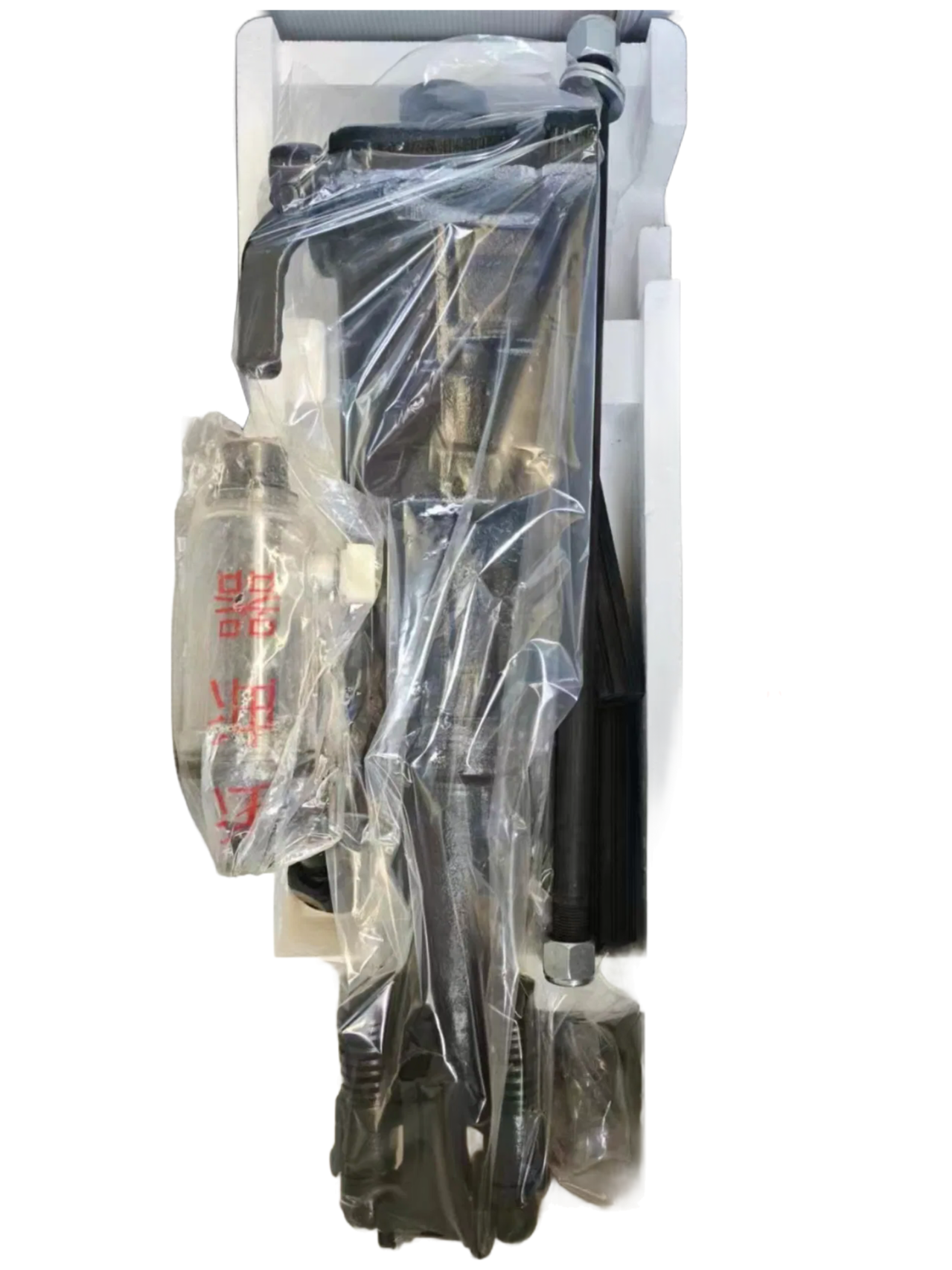
We pack it in a steel frame crate, shrink-wrapped with waterproof covering. It’s sturdy enough for sea freight and protects all moving parts.
Beyond expectations in every aspect of the delivery and initial handling. Beginning with the logistics, the shipment arrived precisely within the estimated timeframe, which was a significant relief for our tight project schedule. The packaging was exceptionally robust and professional, clearly designed to protect such a substantial and complex piece of machinery during long-distance transit. Every component was securely fastened and well-cushioned, with no signs of mishandling or damage upon uncrating. The delivery team was highly coordinated and knowledgeable, facilitating a smooth and efficient offloading process directly to our specified site. They handled the rig with great care and were courteous throughout. Regarding the quality, even from a preliminary inspection, the construction of the rig is visibly superior. The materials feel premium and durable, with welding and fittings appearing precise and robust. The hydraulic components and the crawler tracks look solid and well-engineered, instilling immediate confidence in its build for demanding fieldwork. The finish and attention to detail on the main structure are impressive, suggesting a manufacturer committed to high standards. As for service, the communication from the supplier was consistently proactive and clear from the point of order confirmation right through to post-delivery follow-up. All documentation, including manuals and certificates, was complete and provided in advance. Any preliminary queries we had were addressed promptly and thoroughly by their support team, who were both patient and expert. This level of professional service greatly simplified the entire acquisition process. Overall, this initial experience focusing on delivery, apparent quality, and support has been thoroughly positive and inspires confidence for the operational phase ahead.
Xceptional experience from start to finish. The delivery was incredibly prompt and well-organized. The logistics team provided clear tracking updates and the rig arrived exactly on the scheduled date, securely packaged and without any damage. The quality of the equipment is immediately apparent; it feels robust, well-engineered, and built to last. The service provided by the sales and support team was outstanding—they were responsive, knowledgeable, and proactive in ensuring everything was clear before dispatch. Communication was consistently professional and helpful. Overall, a very smooth process that instills confidence in both the product and the company behind it. Highly satisfactory transaction focused on reliable delivery and solid support.
Xceptional experience from start to finish. The delivery was incredibly prompt and well-organized. The logistics team provided clear tracking updates and the rig arrived exactly within the promised timeframe, securely packaged and without any delays. The quality of the equipment is immediately apparent; it feels robust, well-engineered, and precisely manufactured. The service provided by the sales and support team was outstanding. They were responsive, knowledgeable, and proactive in ensuring a smooth process. Communication was clear and helpful at every stage. Overall, a very positive transaction that inspires confidence in both the product and the company behind it. The attention to detail in logistics, the evident build quality, and the professional service make this a highly recommended supplier. A seamless and satisfactory purchase all around.
Outstanding experience from start to finish. The delivery process was remarkably swift and well-organized. The logistics team provided consistent updates, and the rig arrived exactly on the scheduled date, securely packaged and without any delays. The quality of the equipment is immediately apparent; it feels robust, well-engineered, and precisely manufactured. The service provided by the company was exceptional. The sales and support teams were highly responsive, knowledgeable, and proactive in addressing all pre-delivery inquiries. They demonstrated a clear commitment to customer satisfaction. Overall, this was a seamless transaction marked by professional service, reliable logistics, and a product that appears to be built to last. Very impressed with the entire process.
Came exactly as described and pictured. The delivery was surprisingly fast, considering the size and nature of the item. Communication from the seller was clear and timely, which I greatly appreciated. The packaging was robust and secure, ensuring everything arrived without a single scratch or dent. Initial inspection shows the build quality to be solid and professional. The overall service experience was smooth and hassle-free. I am very satisfied with this transaction and would confidently consider this seller for future needs. The logistical handling was impeccable, making the entire process straightforward.
Zippy delivery was the first thing that impressed me. The logistics coordination was seamless, with clear communication at every stage, ensuring the HFPV-600 rig arrived exactly when promised and in perfect condition. The packaging was exceptionally robust, showing great care in transit. Regarding quality, the construction of this hydraulic crawler drill rig feels absolutely solid and premium. The components are heavy-duty, and the assembly shows meticulous attention to detail, giving me full confidence in its durability for demanding piling and solar pile projects. The service provided was equally outstanding. The support team was proactive, knowledgeable, and incredibly helpful, answering all pre-delivery queries promptly and thoroughly. Overall, this has been a flawless experience from order to arrival. The combination of efficient logistics, top-tier build quality, and exceptional customer service makes this supplier highly recommendable for anyone in need of reliable drilling equipment.
Delivery was impressively prompt and well-coordinated. The logistics team provided clear tracking updates, and the equipment arrived securely packaged and ahead of schedule. The build quality is immediately apparent; components feel robust and precisely manufactured, suggesting durability for demanding job sites. Customer service has been responsive and knowledgeable, quickly addressing pre-delivery inquiries. Overall, a very smooth transaction from order to receipt. Definitely meets expectations for professional-grade machinery.
Rapid delivery and excellent logistics coordination were the first things that impressed me. The shipment arrived ahead of schedule and was handled with great care, ensuring all components were secure. The packaging was robust and clearly marked, which made the unloading and initial inspection process very straightforward. From a quality perspective, the initial visual inspection and the documentation provided indicate high manufacturing standards and attention to detail. The materials feel substantial, and the construction appears solid and precisely engineered for demanding fieldwork. While I have not yet commenced operational use, the fit and finish of the major components inspire confidence in its durability and performance capabilities. Regarding service, the communication from the supplier was proactive and informative throughout the entire process. They provided clear updates and were readily available to answer preliminary questions about handling and documentation. This level of support prior to deployment is very reassuring and sets a positive tone for the business relationship. Overall, this initial phase of receiving and inspecting the equipment has been exceptionally smooth and professional.
Logistics were handled exceptionally well with timely delivery and careful handling of the equipment. The quality of the rig is outstanding, built with durable materials that ensure long-term reliability. Service from the team was top-notch, providing clear communication and prompt support throughout the process. Overall, a very satisfying experience that I would highly recommend to others in the industry.