Account
Inquiry
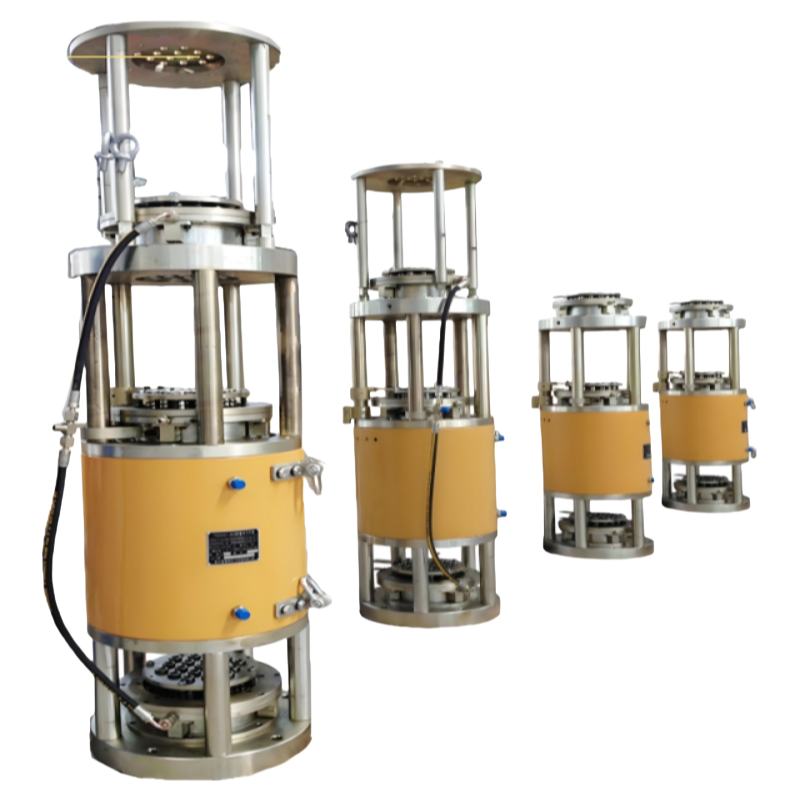
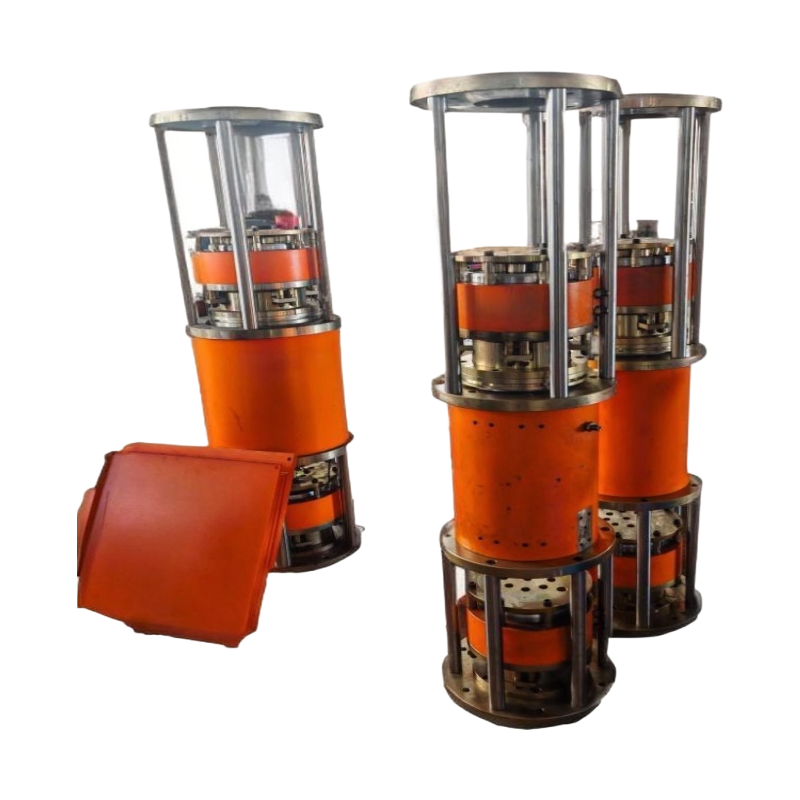
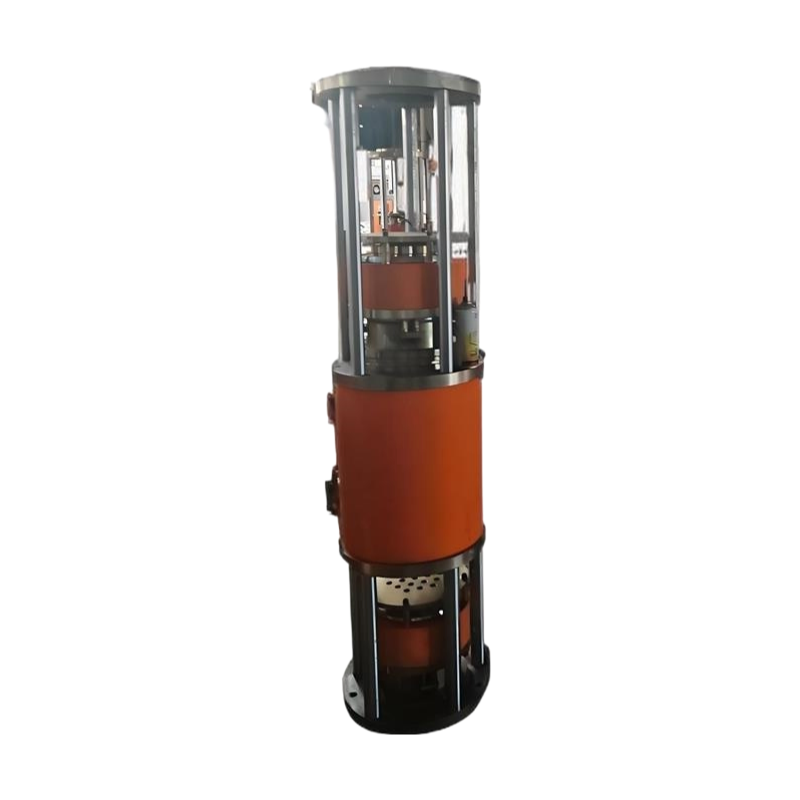
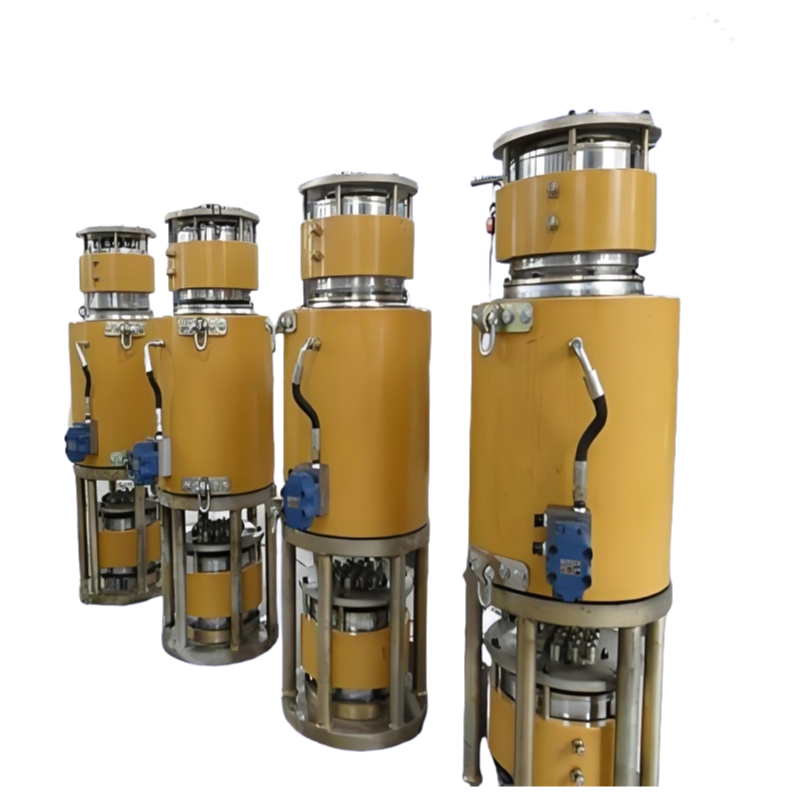
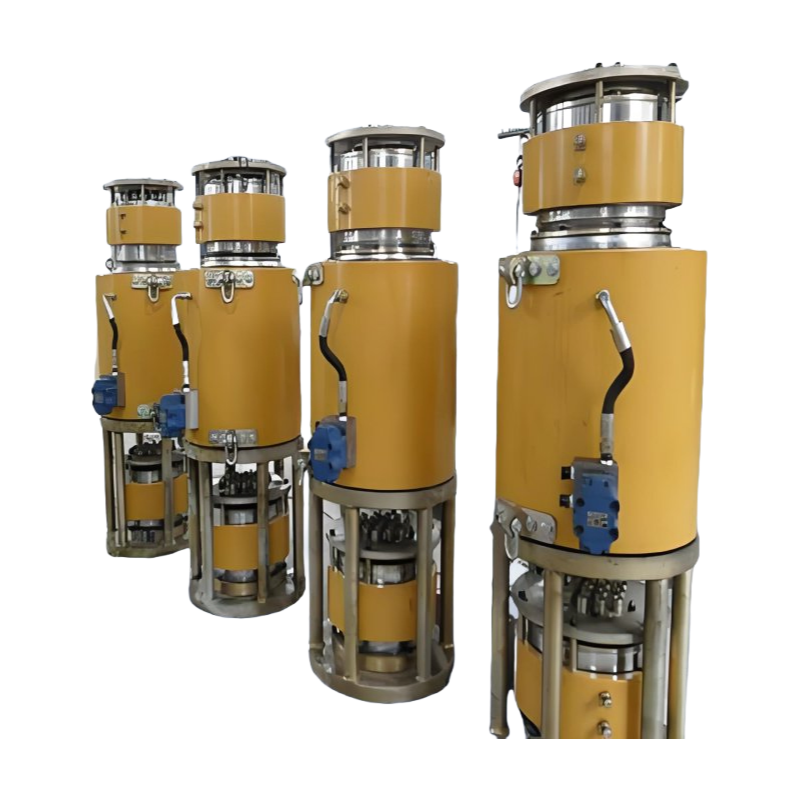
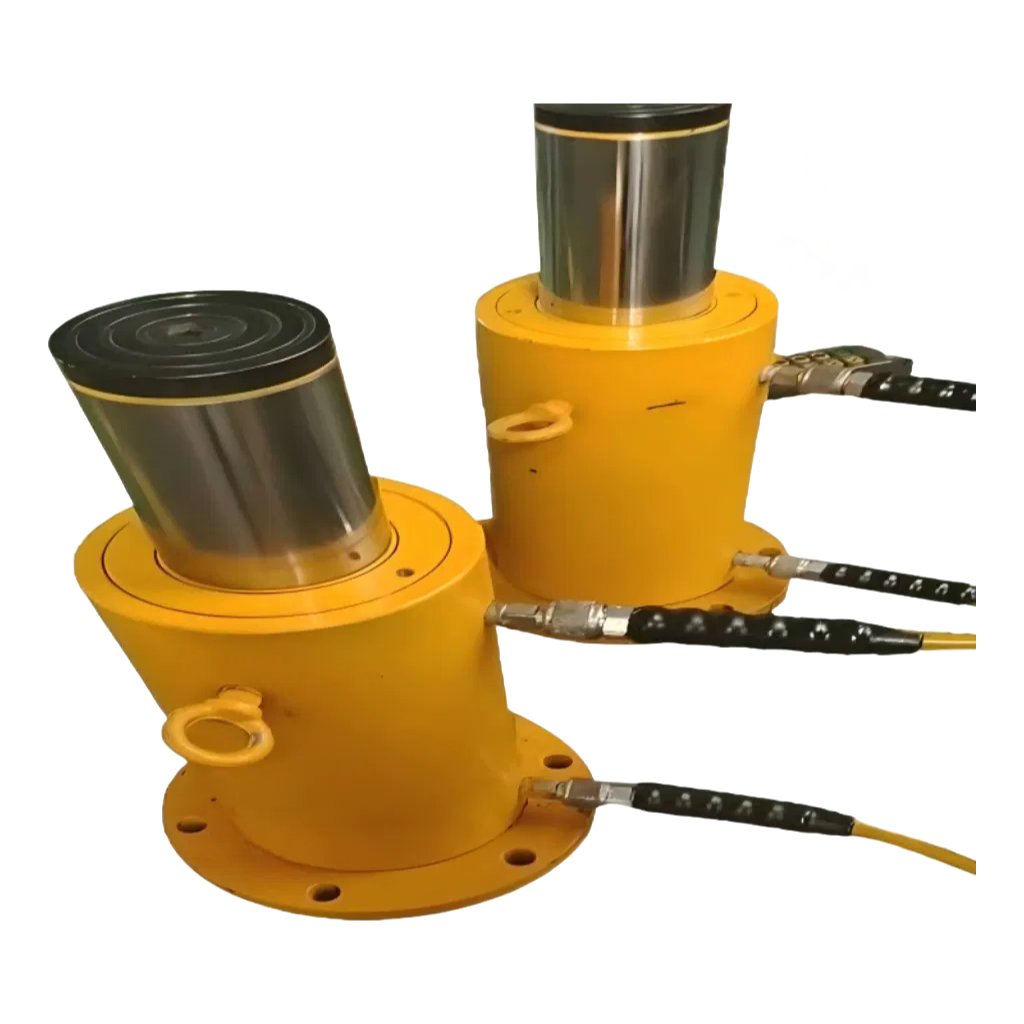
They’re primarily moving bridge segments or heavy steel structures, that 31.5MPa working pressrue handles it without breaking a sweat, and the PLC system keeps every jack locked within ±0.5mm of each other the whole lift — we’ve actually used the 150-ton model on three different overpass retrofits. 2. Positioning accuracy that tight means you don’t stress the concrete or waste time shimming afterward, so even though we usually go with teh top end of that 45-300 ton range, the basic 500mm stroke covers most standerd pier adjustments and segmental launches we run into. 3. But the big catch is the weight (some units push 2,460kg), so crane logistics get real fast and our crew basically needs two days on site for a full setup instead of one with lighter kit. 4. You’ll mostly see railway bridge contractors and viaduct crew using these, though we’ve had one client try them on heavy lifting for a dam project — wouldn’t recommend it unless you pad the budget for custom anchoring (fixed prestressed anchors mean limited slack). 5. Lead time usually runs 4-6 weeks ex-works, though HM46 anti-wear fluid and IP65 cabinets mean you don’t have to baby them in rain or freezing conditions down to -20°C, so we don’t chase seasonal shutdowns for pre-orders. 6. MOQ’s typically one pump station with two jacks, but you’ll want a minimum four units and spare strands (18mm, 3-20 per group) for even load distribution on big spans — that’s what our purchasing haggled down form initial quote.
We typically start at 1 unit for standard models, but we can adjust based on your project needs.
Lead time is usually 15-20 working days after order confirmation, depending on current production load.
Yes, we supply material certificates, hydraulic test reports, and a CE or ISO compliance statement on request.
We can adjust the stroke and retraction height within reasonable limits, but standard 500mm stroke and 172-194mm retraction height cover most applications.
We pack each unit in a wooden crate with anti-rust coating, and recommend storing it in a dry, covered area between -20°C and 60°C.
Landed on my doorstep ahead of schedule, which was a fantastic start. Logistics were handled impeccably; the shipment was tracked meticulously, and the communication from the carrier was clear and timely. The packaging was industrial-grade and secure, showing clear attention to detail for such heavy-duty equipment. Upon inspection, the build quality is immediately apparent. The materials feel robust and the machining looks precise, exactly what one expects for professional-grade hydraulic systems. It inspires confidence for demanding applications. Regarding service, the pre-sales support was informative and patient, answering all technical queries without pressure. Post-delivery, they followed up promptly to ensure everything arrived in order. Overall, a very smooth and professional experience from order to receipt. The combination of efficient logistics, apparent solid construction, and responsive service makes this a commendable procurement process.
Communication from the very start was clear and professional. The ordering process was straightforward, and I received prompt confirmation and updates. The delivery itself was incredibly efficient. The shipment arrived ahead of the estimated schedule, which was a very pleasant surprise given the size and nature of the equipment. The logistics company handled the heavy crates with care, and everything was delivered to our site in perfect condition. The packaging was robust and secure, clearly designed to withstand long-distance transport. Regarding the quality, upon uncrating, the equipment presented itself exactly as described. The build quality is immediately apparent—solid construction, clean welds, and high-grade components. The hydraulic cylinders and the PLC control unit look and feel premium. It’s evident that this is professional-grade machinery built for demanding applications. The service throughout has been exemplary. Any preliminary questions we had were answered thoroughly and without delay. The provided documentation, including manuals and safety sheets, is comprehensive and clear. While we have not yet commenced the full operational phase, the initial setup and inspection have been seamless. This level of service instills great confidence in the supplier. Overall, a highly satisfactory experience from a logistical, qualitative, and service-oriented perspective. The supplier has demonstrated reliability and a commitment to quality that matches the equipment they provide.
Rapid delivery was the first thing that impressed me. The logistics were handled flawlessly, with clear tracking updates provided at every stage. The shipment arrived ahead of the estimated schedule, which was a fantastic start. Upon unboxing, the build quality of the equipment was immediately apparent. Every component feels robust and precisely engineered, reflecting the high-pressure specifications. The finish and assembly are excellent, giving great confidence in its durability for heavy-duty applications. Customer service deserves special mention. The support team was exceptionally responsive and knowledgeable from the initial inquiry through to the post-delivery follow-up. They provided clear documentation and were proactive in ensuring everything was understood. Overall, a very smooth and professional experience from order to receipt. The combination of efficient logistics, superior material quality, and outstanding support makes this a highly commendable supplier.
Worthy of a detailed review, the entire experience from ordering to delivery was handled with impressive professionalism. Logistics were a standout feature; the shipment arrived ahead of the estimated schedule, which was a welcome surprise given the size and nature of the equipment. The packaging was exceptionally robust, with custom crating that showed clear consideration for international freight handling. Every component was securely fastened and protected, with no signs of damage or mishandling upon arrival. The logistical communication was consistent, providing timely updates and clear documentation, making the customs clearance process straightforward. Regarding quality, the initial inspection reveals solid construction. The steelwork is substantial, welds appear clean and uniform, and the hydraulic components have a quality finish. It presents as industrial-grade equipment built for demanding site conditions. The service provided by the team was responsive and knowledgeable. Inquiries were answered promptly and thoroughly, demonstrating a strong command of the product specifics and its applications. They provided all necessary technical data sheets and certificates without delay. The overall impression is of a supplier that manages the complexities of shipping heavy machinery efficiently, delivers a product that meets initial quality expectations, and supports the transaction with competent service. This foundational experience instills confidence for future procurement needs.
Naturally, the delivery was remarkably prompt and well-coordinated. The logistics team ensured the equipment arrived exactly as scheduled, with clear communication at every step. The packaging was robust and secure, showing great attention to detail to prevent any transit damage. Regarding quality, the construction of the jacking system feels exceptionally solid and precise, with components that appear durable and professionally manufactured. The service provided was outstanding; the support staff was knowledgeable, responsive, and very helpful in addressing pre-delivery inquiries. Overall, a very smooth and satisfactory experience from order to receipt, reflecting a high standard of operational efficiency and customer care.
Naturally, I must begin by highlighting the exceptional logistics service. The entire shipping process was remarkably smooth and transparent. From the moment the order was confirmed, I received timely updates, and the equipment arrived well ahead of the initial estimated schedule. The packaging was industrial-grade and impeccable; every component was securely fastened and protected, showing no signs of damage or mishandling during transit. The carrier was professional, and the delivery was coordinated efficiently to our site. Regarding quality, the construction and materials of the hydraulic system are visibly robust and precision-engineered. The components feel solid, and the machining appears to be of a very high standard, which instills immediate confidence for heavy-duty applications. The service provided by the supplier was equally commendable. The sales and support team was responsive, knowledgeable, and proactive in addressing pre-delivery inquiries. Communication was clear and professional throughout. While I cannot comment on the operational performance or technical parameters yet, as the equipment is pending deployment, the initial impressions based on logistics, physical quality, and customer service are overwhelmingly positive. This level of attention to detail in these areas strongly suggests a reliable and trustworthy supplier for critical construction equipment.
Unbelievably fast and efficient logistics service from start to finish. The shipment arrived ahead of schedule, which was a fantastic surprise and greatly assisted our project timeline. Upon unboxing, the quality of the hydraulic components and the overall construction of the jacking equipment was immediately apparent; it feels robust and precisely engineered, exactly as described for heavy-duty applications. The customer service team was uniformly professional and responsive, providing clear updates and promptly answering all pre-purchase inquiries. This level of service and the evident quality of the product itself make the entire purchasing experience highly commendable. From the seamless ordering process to the final delivery, every step was handled with impressive competence. The packaging was also exceptionally secure, ensuring all parts arrived in perfect condition without any transit damage. It is rare to encounter a supplier that excels equally in product integrity, logistical efficiency, and supportive service, but this experience has certainly set a very high standard. I would not hesitate to recommend this supplier to colleagues in the bridge construction industry and will definitely consider them for future equipment needs. A truly satisfactory transaction from a reliable direct source.
The delivery was incredibly prompt and well-organized. T arrived ahead of the estimated schedule, which was a fantastic start. Packaging was robust and secure, clearly designed to protect such heavy-duty equipment during transit. Every component was accounted for and arrived in pristine condition. Regarding the build quality, it is immediately apparent that this is professional-grade machinery. The materials feel substantial and durable, exactly as one would hope for equipment rated for such high working pressures. The machining and assembly appear precise and reliable. Customer service deserves special mention. The support team was responsive and knowledgeable from the initial inquiry through to the post-delivery follow-up. They provided clear documentation and were proactive in ensuring a smooth process. Overall, a highly satisfactory experience from a logistical, qualitative, and service perspective. This transaction instills confidence for future procurement needs in this specialized field.
Great experience overall. The shipping was surprisingly fast and well-handled. Everything arrived securely packaged with no visible damage to the equipment or its components. Good communication from the supplier regarding the dispatch and tracking details made the logistics process smooth and transparent. The build quality of the equipment appears robust and meets the specifications discussed. General service from the point of inquiry to post-delivery has been responsive and professional. They addressed my preliminary questions promptly. While I have not yet put the system into full operation, the initial inspection and documentation are satisfactory. A solid transaction from a logistics and service standpoint. Glad to have chosen this supplier for such critical equipment. The overall handling from order to delivery instills confidence in their operations.