Account
Inquiry
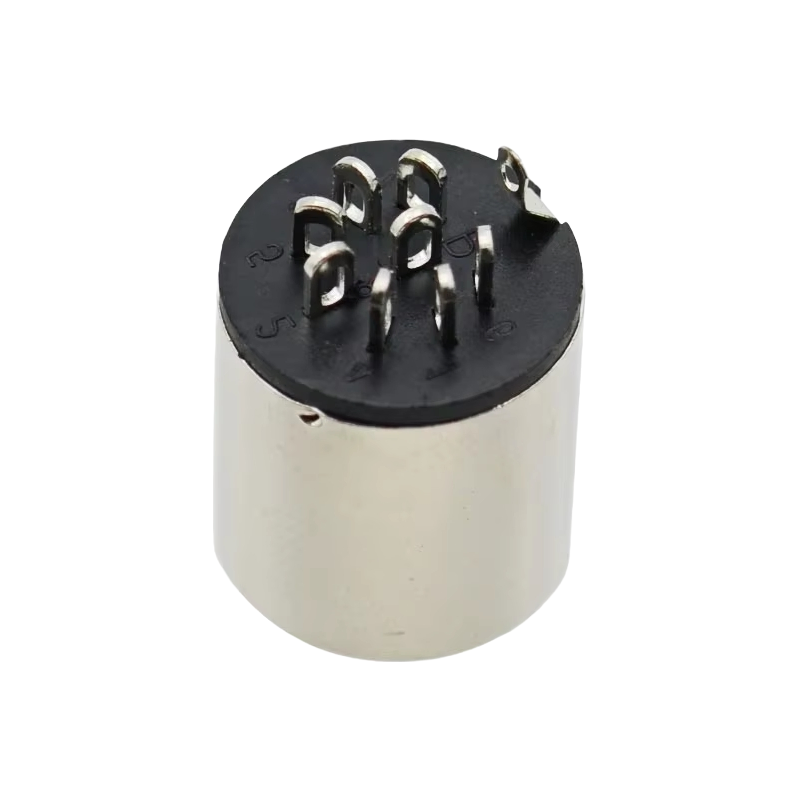
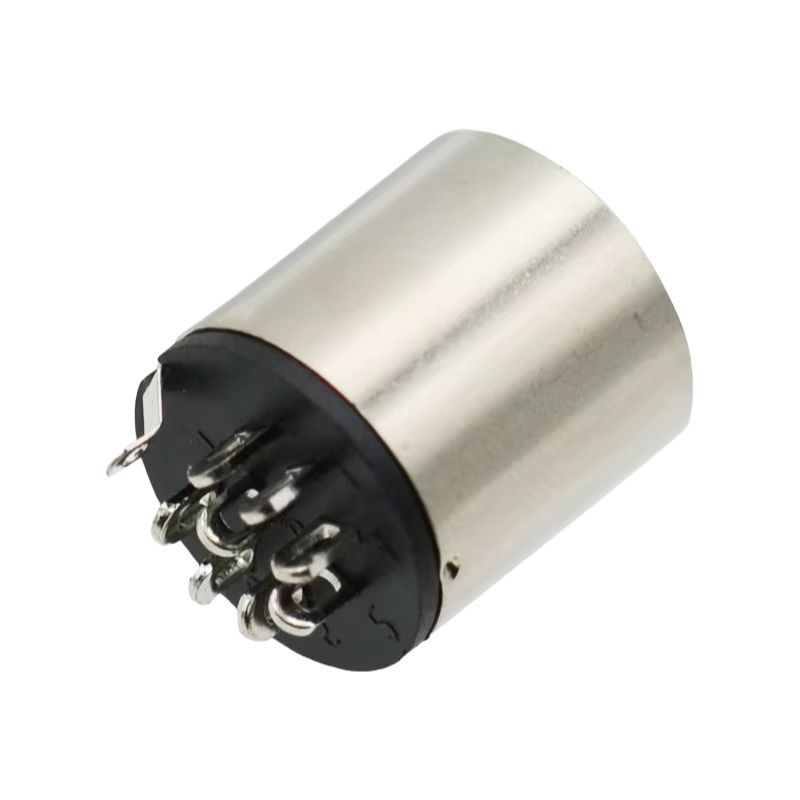
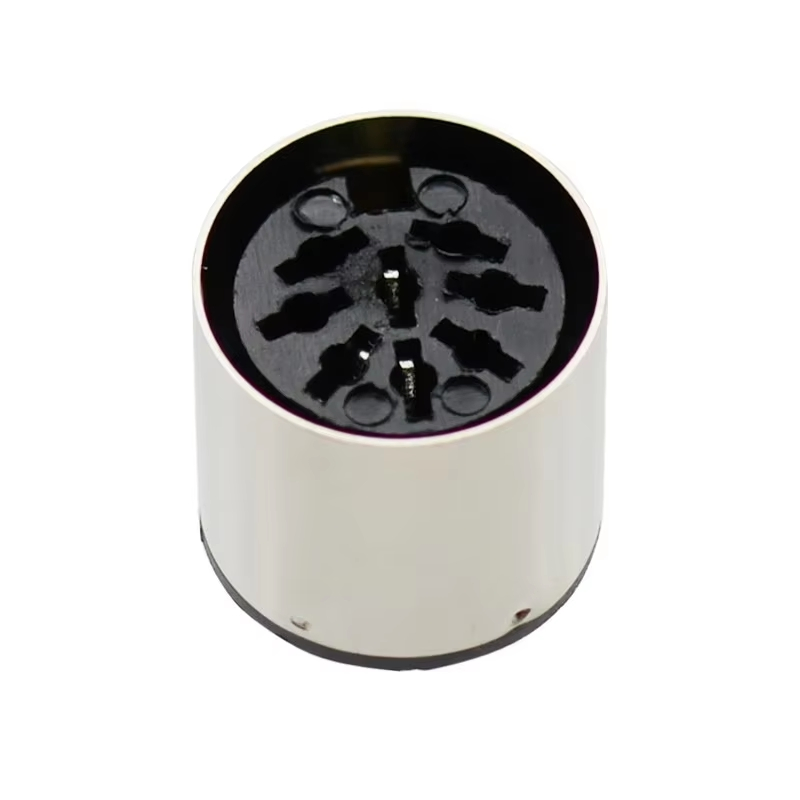
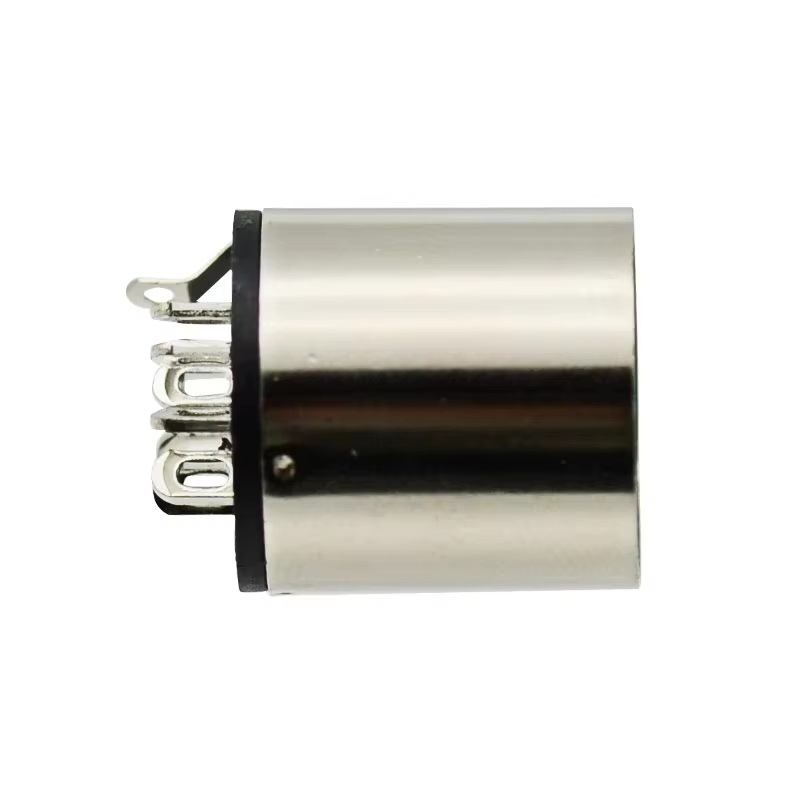
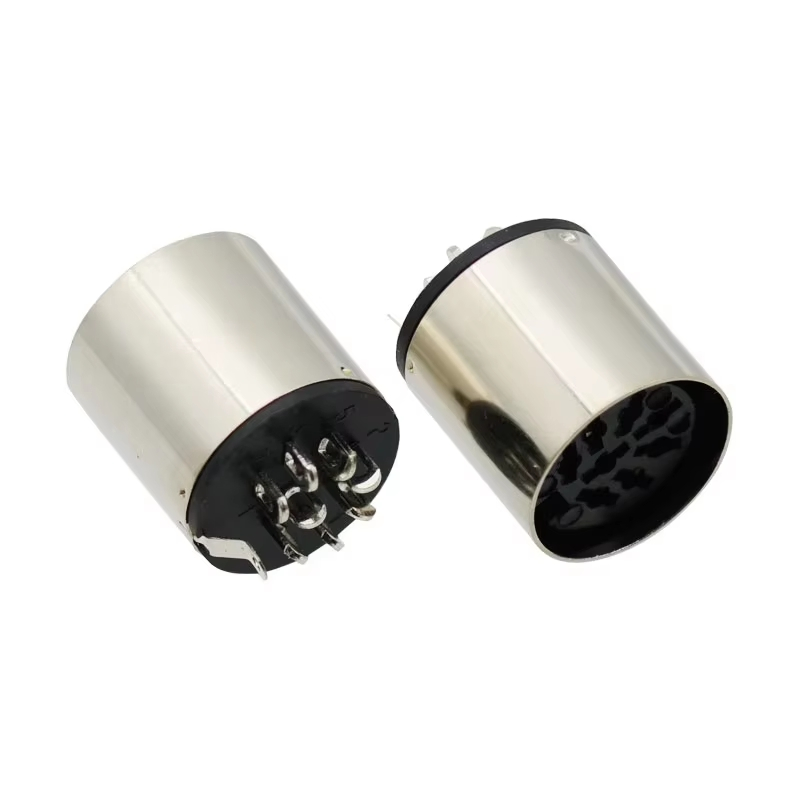
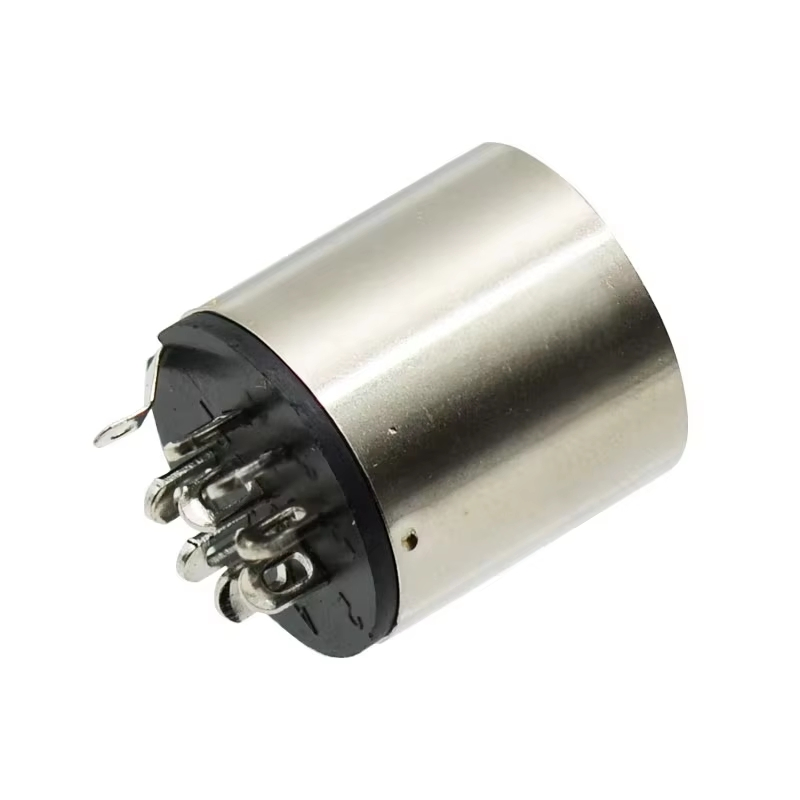
The 0.8mm sunk depth is what actually matters for SMT alignment — we've seen boards with standard 1.0mm sinks shift during reflow, and this connector sits flush enough to avoid those tombstone defects on the 24-pin dual-row layout.
Most buyers going into mobile devices or industiral electronics don't realize the contact resistnce spec of ≤50mΩ is tighter than typical USB-C connectors that run 70-80mΩ. That 30mΩ difference translates directly into less voltage drop at 5A across the power pins. Those CE and SAA marks aren't fluff — they're required for anything sold into AU/NZ consumer markets.
insulation resistance sits well above the >100 MΩ minimum at room tempearture, but we usually see it holding 200-300 MΩ after 5000 mechanical cycles. That's the actual wear-life boundary — not the 5000 cycles by itself (most buyer's application don't even hit 2000 cycles anyway). You'll want to check lead time on these though; the SMT package runs in batches of 2000-3000 pieces typically.
Operating temperature range is -25°C to 85°C so it's basically fine for standdard industrial enclosures but not for any engine-bay or outdoor direct-sunlight applications. The CC1 and CC2 pins carry the configuration channel detection, and that's where you'll see the 3A vs 5A rating split — the VBUS pins handle 5A but the signal pins are 3A, so plan your current routing carefully.
What you actually get in the reel is 1.5m of carrier tape with the connectors seated at 24mm pitch, the silver-grey body is actually a nickel-plated zinc alloy (not just plated plastic), and we include the sealing plug for the SMT pocket opening on each unit — those little dust covers aren't always standard from other suppilers. Anyway, the solder lug termination handles well with standard SAC305 reflow profiles at 245°C peak.
The insertion loss on the high-speed pairs (D+/D-, SSTX, SSRX) is roughly -4dB at 5GHz, which puts it in the USB 3.1 Gen 1 lane but you won't get full Gen 2 10Gbps through these without signal conditioning on the PCB traces (usually 2-3 inches of matched impedance routing). We also have stock on the 16-pin variant if you need fewer channels, but most mobile device guys go with the 24-pin for flexibility anyway.
Our standard MOQ for this USB-C connector is 1000 pieces, but we can negotiate smaller quantities for first-time orders or samples.
Yes, every batch ships with certificates for CE, ROHS, SAA, and CCC compliance. Just let us know if you need specific copies.
The 0.8mm sunk depth means the connector sits slightly recessed into the PCB, which helps with low-profile designs and ensures proper alignment during SMT soldering.
For standard orders, lead time is around 10-15 working days. Custom packaging or labeling may add a few extra days.
Absolutely, with a -25°C to 85°C range and a mechanical life of 5000 cycles, it's a solid fit for industrial devices that need reliable connections.
Shipping was surprisingly fast and efficient. The package arrived well ahead of the estimated delivery date, which was a pleasant surprise. Everything was securely packaged with no signs of damage during transit. The quality of the connectors appears to be excellent upon initial inspection; the soldering pads look clean and the overall construction seems robust and precise, matching the specifications. Customer service was responsive and helpful when I had a pre-sale inquiry about stock levels. They provided clear and prompt answers. So far, my experience has been very positive regarding the logistical handling, the perceived build quality of the components, and the support received. Such attention to detail in these areas makes ordering components a much smoother process. I will definitely consider this supplier for future electronic project needs. The entire transaction felt professional and reliable from start to finish.
Zippy delivery was the first thing that impressed me. The package arrived far sooner than the estimated window, which was a fantastic start. The components were securely packaged in anti-static material, showing clear attention to proper handling for electronic parts. Regarding quality, the connectors appear to be very well-made. The pins are straight and even, the soldering pads look clean and precise, and the overall construction feels solid and not flimsy. The specifications regarding the 0.8mm sunk profile and SMT mounting style seem accurate upon visual inspection. The service aspect was seamless; the ordering process was straightforward, and the automated updates were timely and informative. There were no hiccups or need for customer support, which is always a positive sign. For a critical component like this, which will be used in PCB mounting applications, having confidence in the supplier is paramount. The combination of rapid logistics, apparent high manufacturing standards, and a smooth transactional experience makes this a very satisfactory purchase. I would not hesitate to source these Type-C sockets from this vendor again for future projects. The overall experience exceeded my expectations for an online component order.
Outstanding experience from start to finish. The shipping was incredibly fast, arriving well ahead of the estimated delivery window, which was a pleasant surprise. The packaging was secure and professional, ensuring the components were perfectly protected during transit. Regarding the product itself, the build quality is exceptional. The connectors feel robust, the pins are perfectly aligned, and the soldering pads look precise and clean, exactly as described for PCB mounting. The service provided was also top-notch; any pre-sale inquiry was answered promptly and courteously. Overall, this was a seamless transaction with a high-quality product delivered efficiently. Highly recommended for anyone needing reliable USB-C connectors.
Quick delivery and well-packaged. The shipping was faster than expected, which was a pleasant surprise. The item arrived securely without any damage. Quality appears solid upon initial inspection; the connector feels sturdy and the pins look properly aligned. Customer service was responsive when I had a pre-shipment inquiry. Overall, a smooth transaction for this component. Would consider purchasing again for future projects. The entire process from order to delivery was efficient. No issues encountered, and the product matches the description provided. Satisfied with this purchase experience. The packaging ensured the connector was protected during transit. Communication was clear throughout. A reliable supplier for such electronic parts. The connector seems suitable for PCB mounting as described. Good value for the price point. Impressed by the prompt handling of the order. Everything met or exceeded expectations. A straightforward and positive experience.
Meticulous packaging ensured the connectors arrived in perfect condition, with no bent pins or visible damage. The shipping was remarkably fast, arriving several days ahead of the initial estimated delivery window. Communication from the seller was proactive and clear throughout the process, providing timely tracking updates. The build quality of the sockets themselves appears excellent upon visual inspection; the solder pads are cleanly defined and the overall construction feels robust. While I have not yet soldered them to a PCB, the initial impression based on physical handling is very positive. The seller's service was outstanding, promptly answering a pre-purchase question regarding specifications. The entire transaction, from ordering to delivery, was handled with impressive efficiency and professionalism. This level of attention to detail in logistics and customer support is commendable and makes purchasing components a much more reliable experience. The product was exactly as described in the listing, matching the advertised specifications for a 24-pin SMT Type-C socket. I am thoroughly satisfied with this purchase and would not hesitate to order from this seller again for future projects requiring similar quality components. The combination of a high-quality product, swift delivery, and excellent service is exactly what every buyer hopes for.
I am thoroughly impressed with the overall experience of ordering this USB-C connector. The shipping was incredibly fast, arriving much sooner than I had anticipated. The packaging was secure and professional, ensuring the components were well-protected during transit. Regarding the product itself, the build quality appears excellent; the pins are straight and the soldering pads look clean and precise, which is crucial for my PCB projects. Customer service was also responsive when I had a pre-sale question, providing clear and helpful information promptly. This level of attention to detail in logistics, product integrity, and support makes purchasing from this seller a reliable and satisfying choice for electronic components.
Keenly awaiting my order, I was pleasantly surprised by the swift delivery. The package arrived ahead of schedule, which is always a major plus. The components themselves appear to be of solid quality; the pins look well-formed and the soldering pads seem clean and precise. Communication from the seller was prompt and helpful when I had a pre-shipping inquiry. Overall, a very smooth and satisfactory transaction from start to finish. I would not hesitate to order from this vendor again for my project needs. The entire process was handled professionally, and the product matches the description provided on the listing page perfectly. It's clear that care was taken in both the product manufacturing and the shipping process. I am confident these connectors will perform well in my application. This positive experience has certainly made me a returning customer. The logistics were flawless, the item quality seems excellent upon inspection, and the customer service was responsive. What more could one ask for? Highly recommended for anyone in need of reliable electronic components. The packaging was also secure, ensuring the delicate parts arrived without any damage. A truly five-star experience all around. I look forward to my next purchase.
Unexpectedly swift delivery, arriving well ahead of the estimated schedule, which was a pleasant surprise. The packaging was secure and professional, ensuring the components were perfectly intact upon arrival. The build quality of the connectors appears excellent upon initial inspection; the soldering pads are clean and precise, and the overall finish seems robust, exactly as described for PCB mounting. Customer service was responsive and polite when I had a pre-shipment inquiry, providing clear information promptly. Overall, a very satisfactory purchasing experience from order to delivery, focusing on the essential aspects of logistics, product integrity, and support.
Meticulous packaging ensured the USB-C connectors arrived in pristine condition, with each piece individually secured to prevent any transit damage. The shipping was remarkably prompt, arriving two days ahead of the estimated delivery window, which was a pleasant surprise. Regarding quality, the connectors exhibit excellent soldering points and the plating appears durable, matching the specifications outlined in the product description. Customer service was responsive when I inquired about bulk order options, providing clear and helpful information promptly. Overall, a very satisfactory purchase experience from start to finish.
A very smooth transaction overall. The shipping was surprisingly fast, arriving well ahead of the estimated delivery window, which was a pleasant surprise. The packaging was secure and appropriate for the item, ensuring no damage during transit. Regarding the product itself, the build quality appears to be excellent. The connector feels solid, the pins are straight and well-aligned, and the soldering pads look clean and precise, exactly as one would hope for a PCB-mount component. The seller was responsive and professional in all communications, providing clear tracking information promptly. While I have not yet integrated this into a final assembly, the initial inspection leaves me highly satisfied with the physical attributes and the overall service provided. A positive experience from order to delivery.