Account
Inquiry
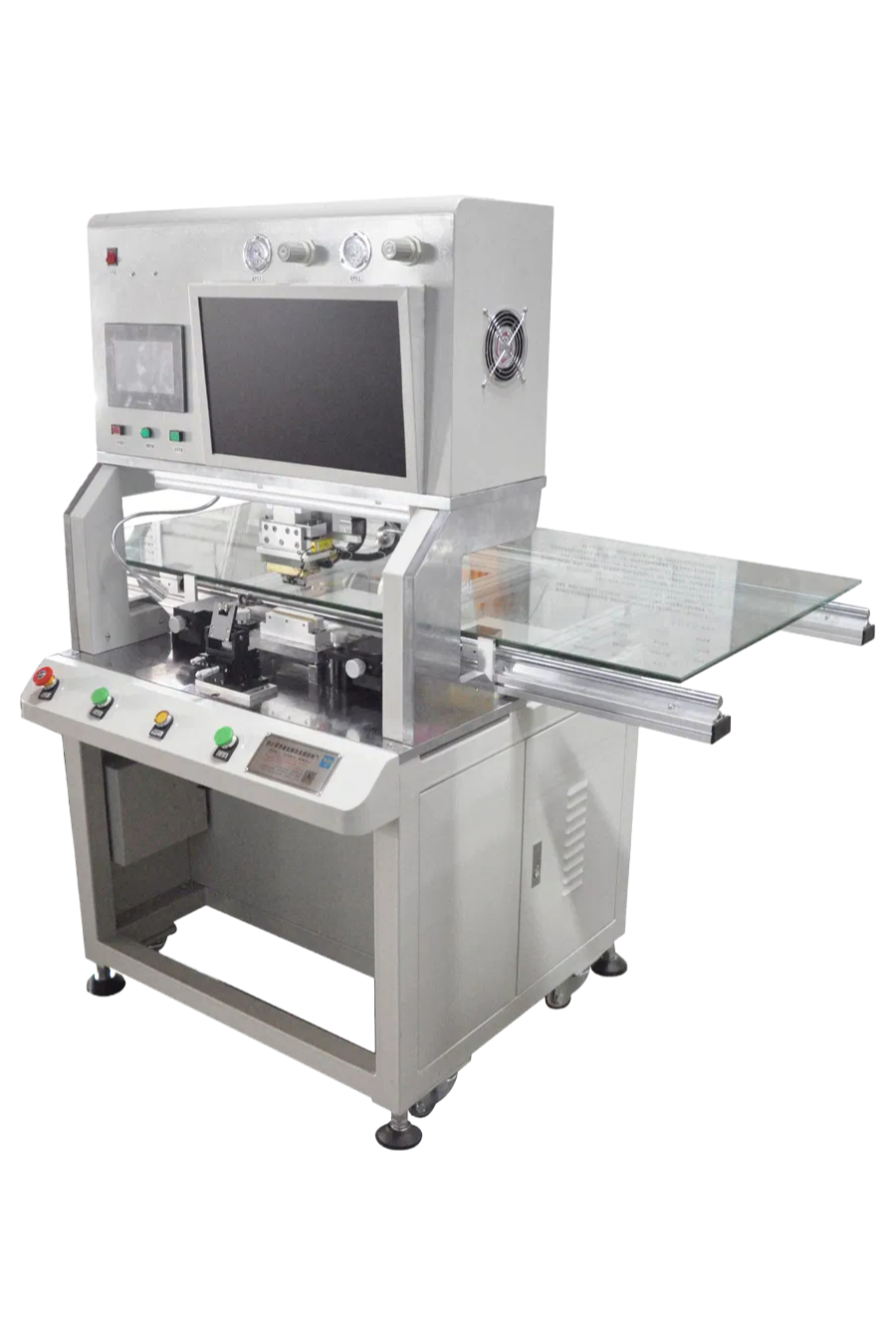
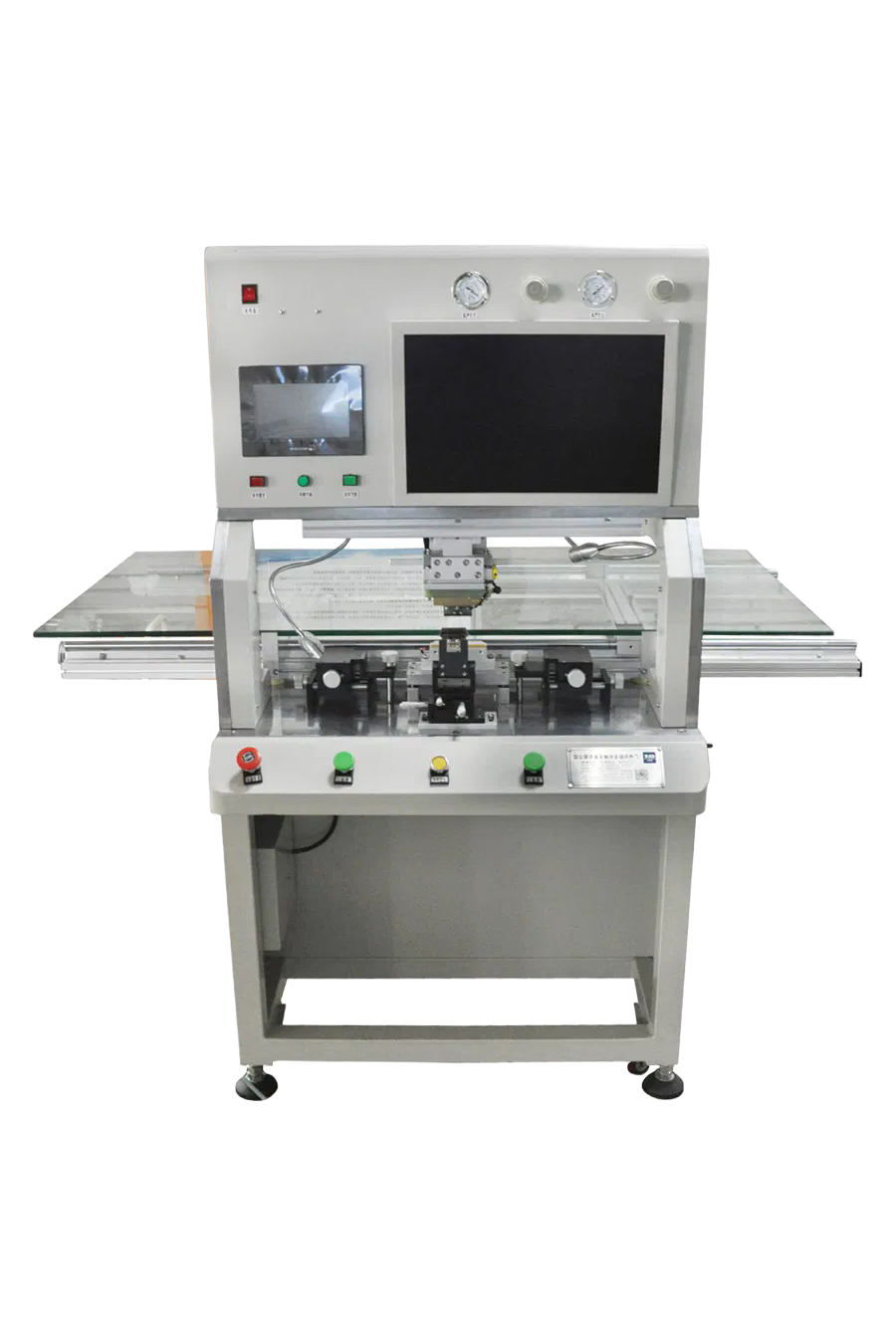
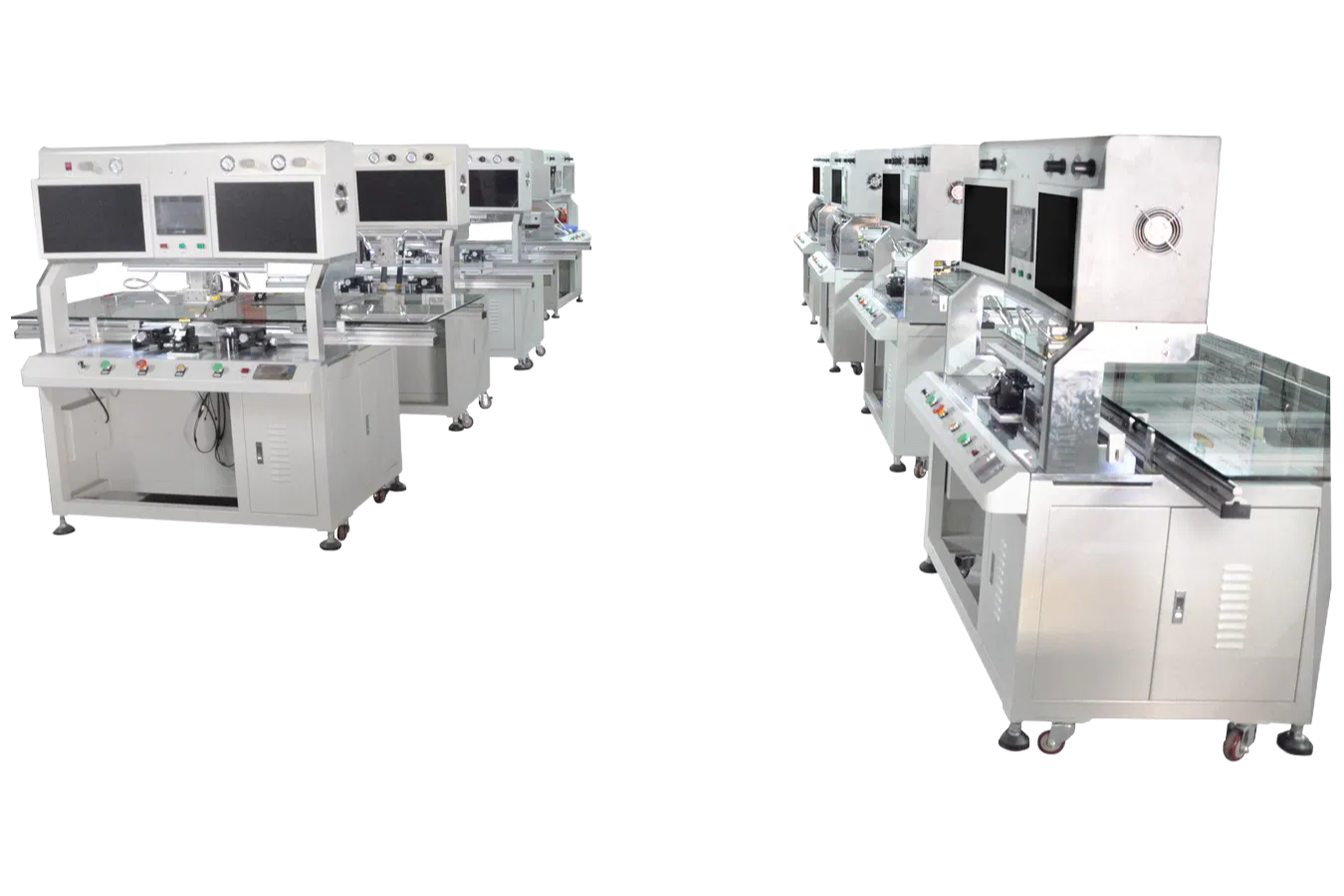
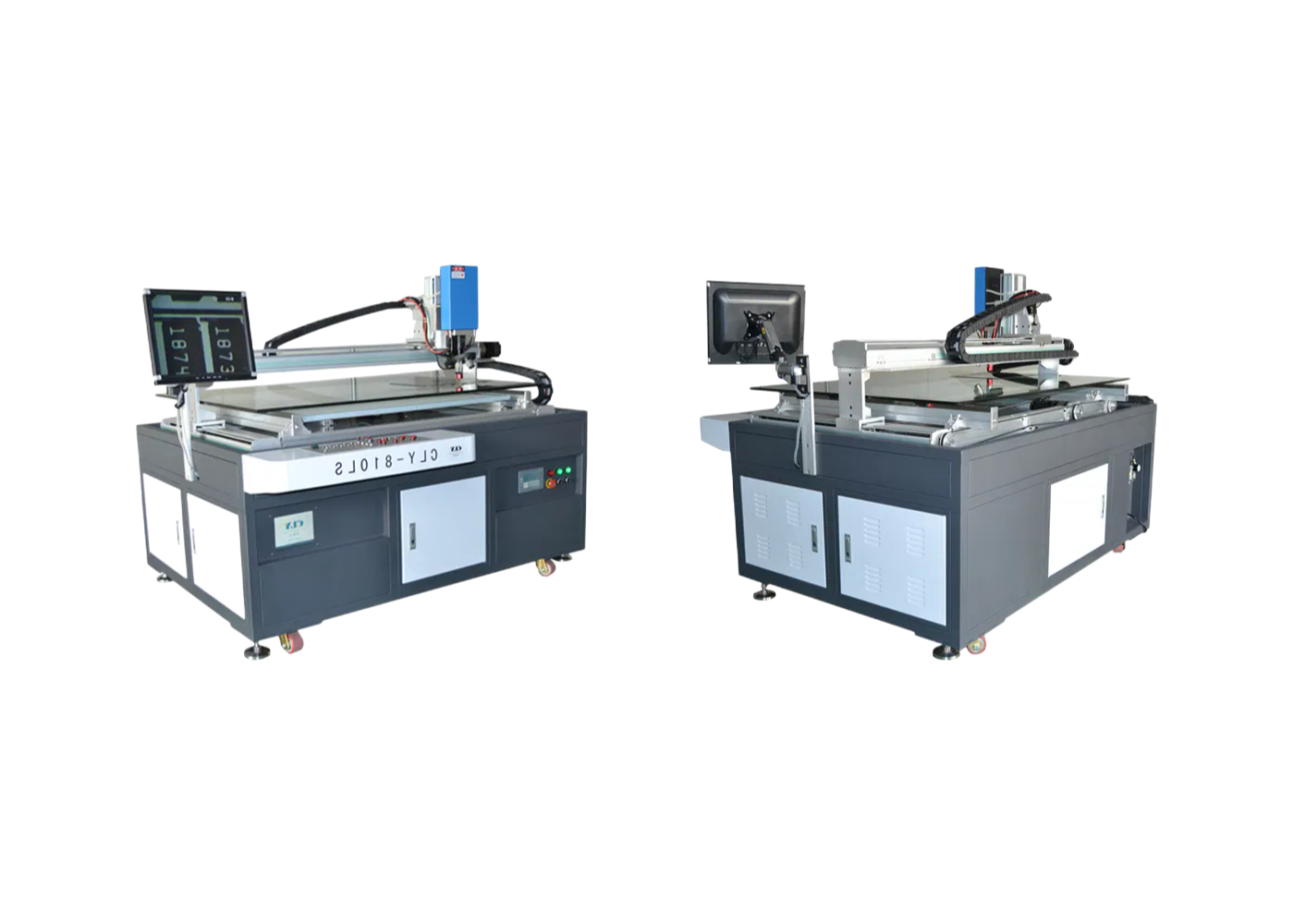
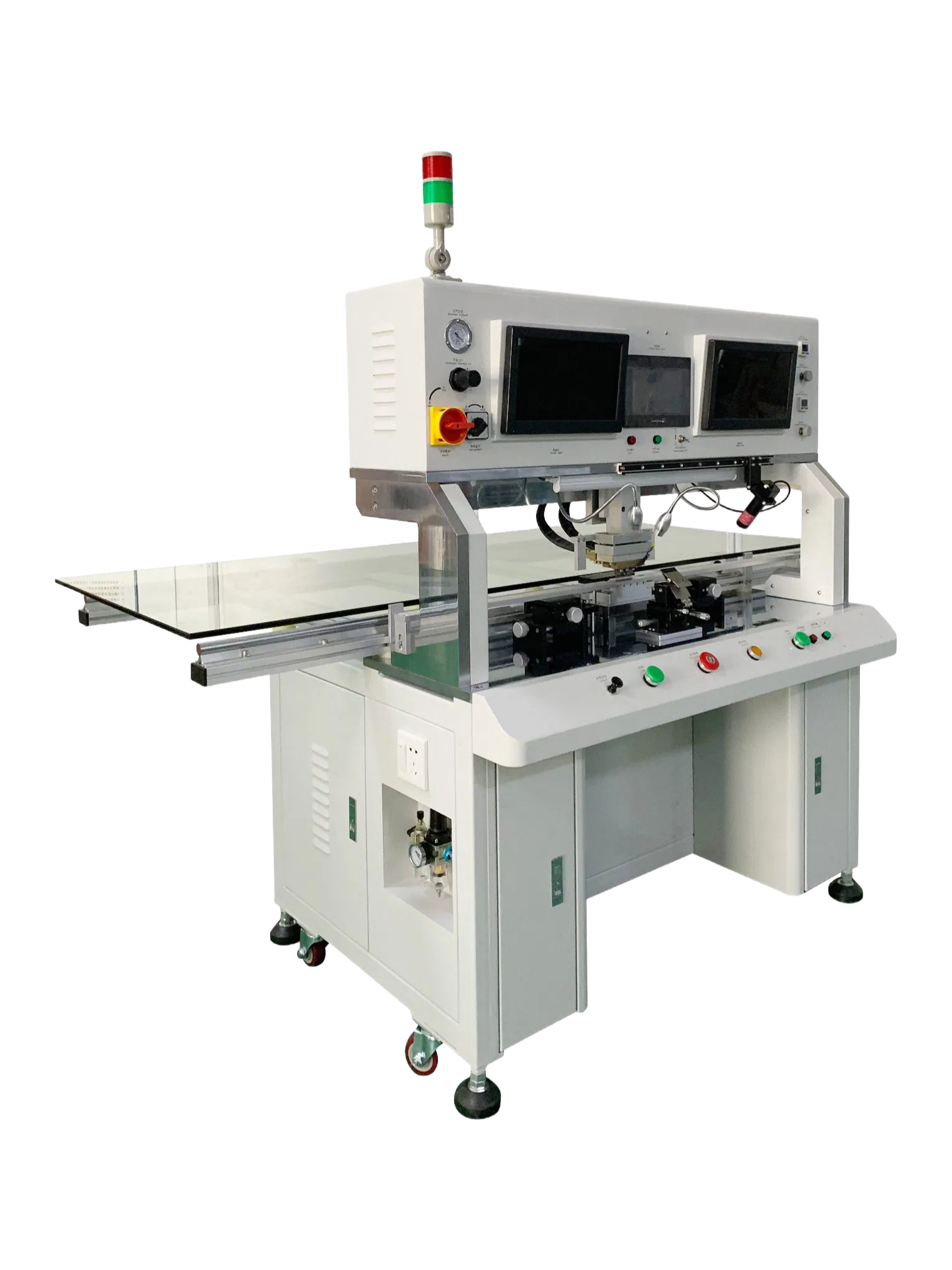
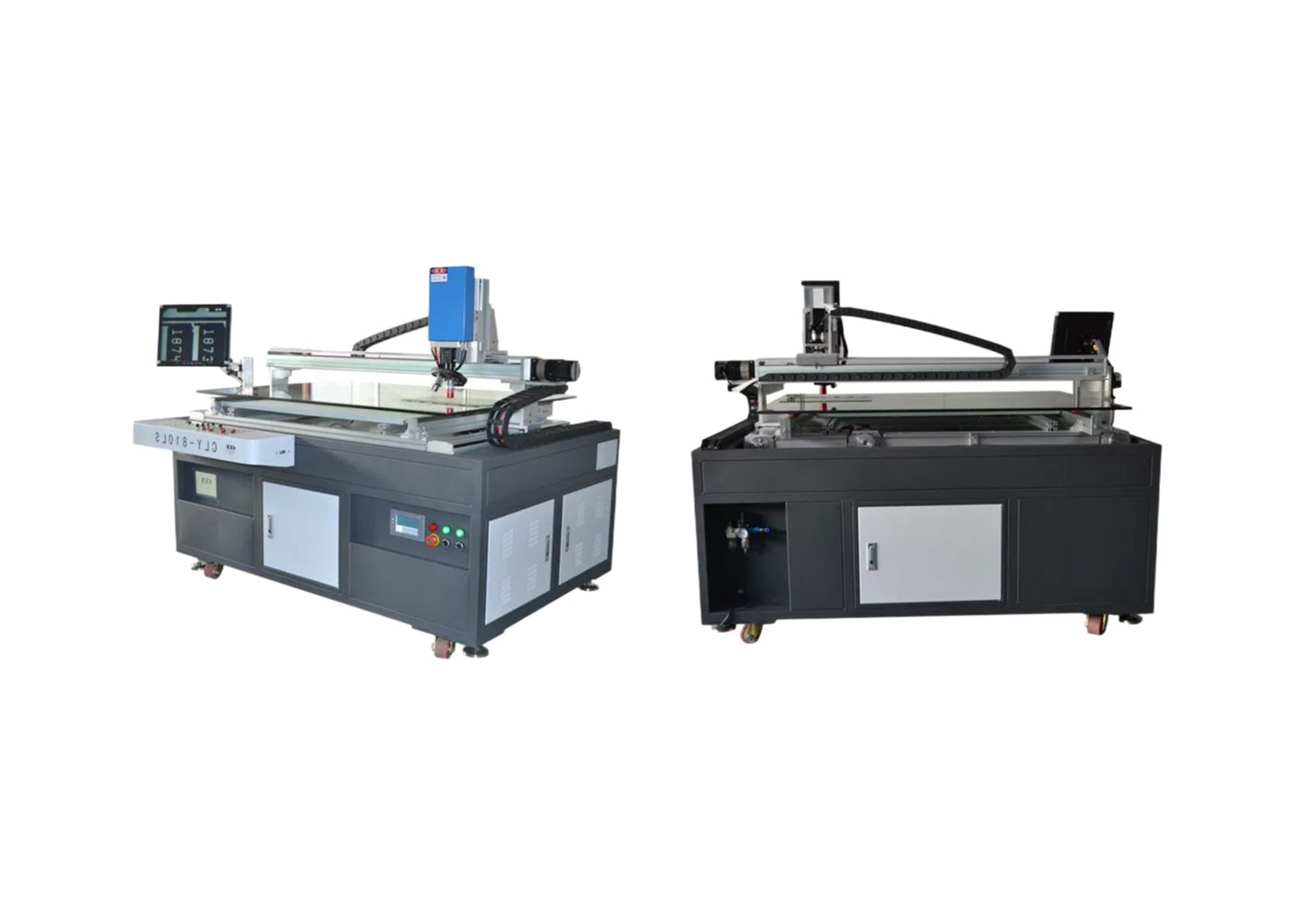
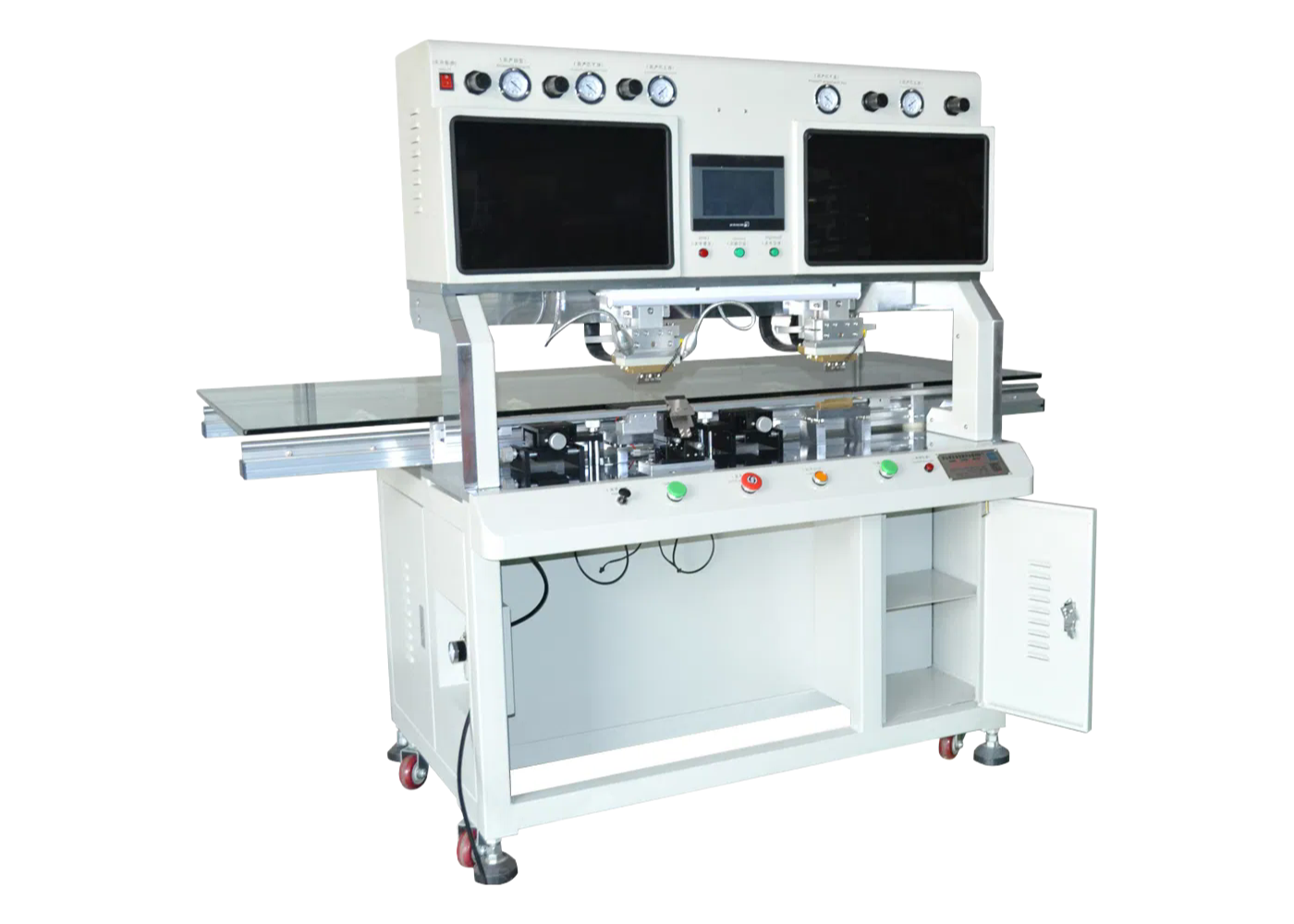
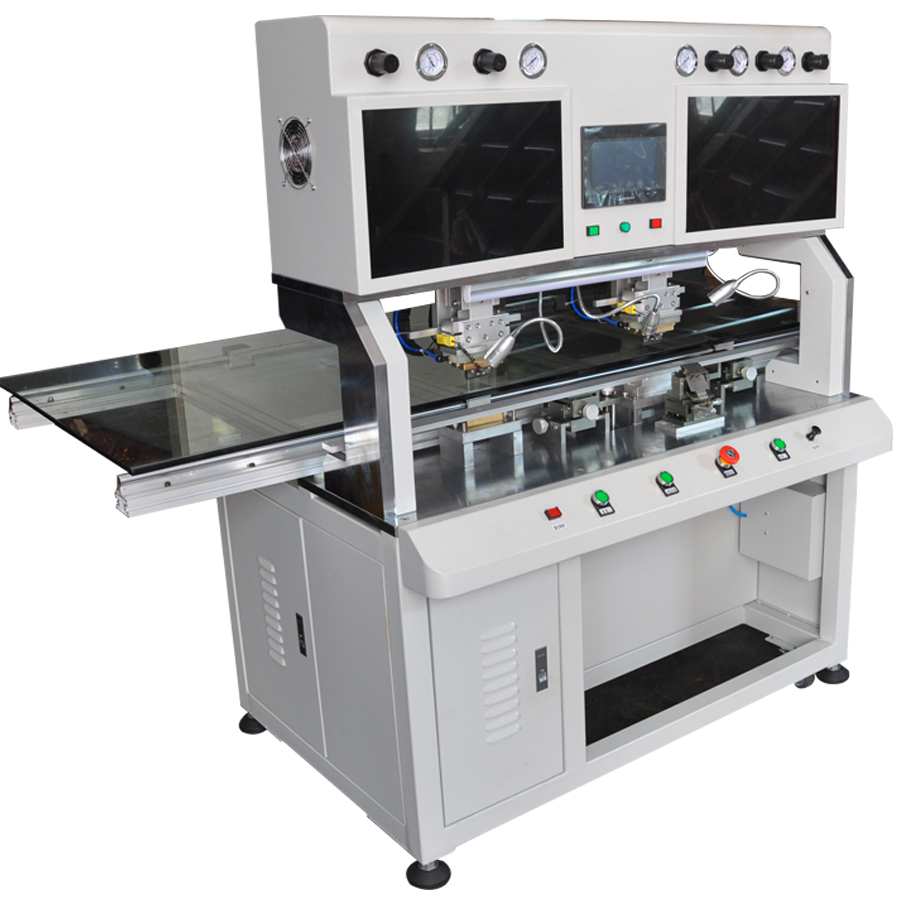
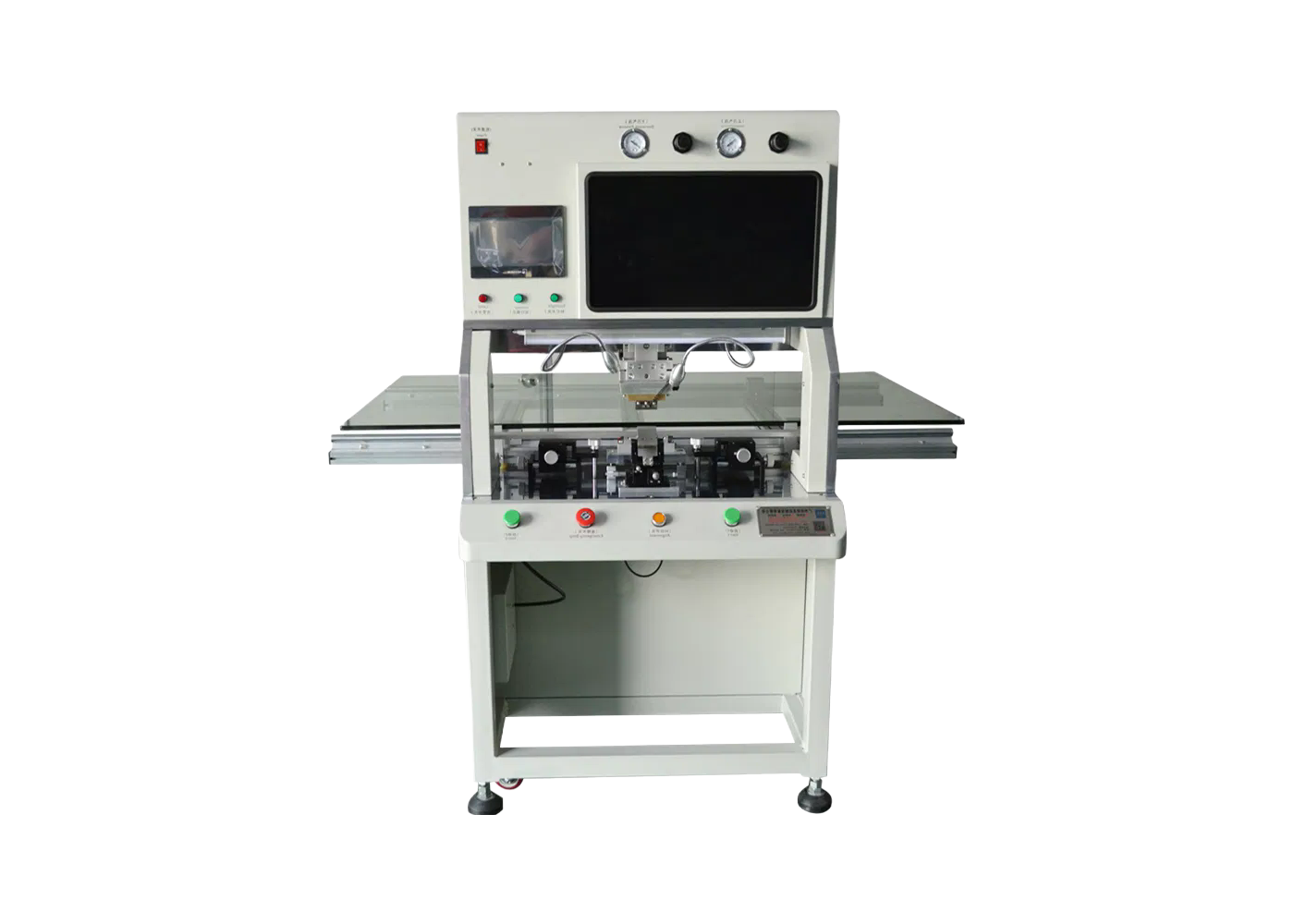
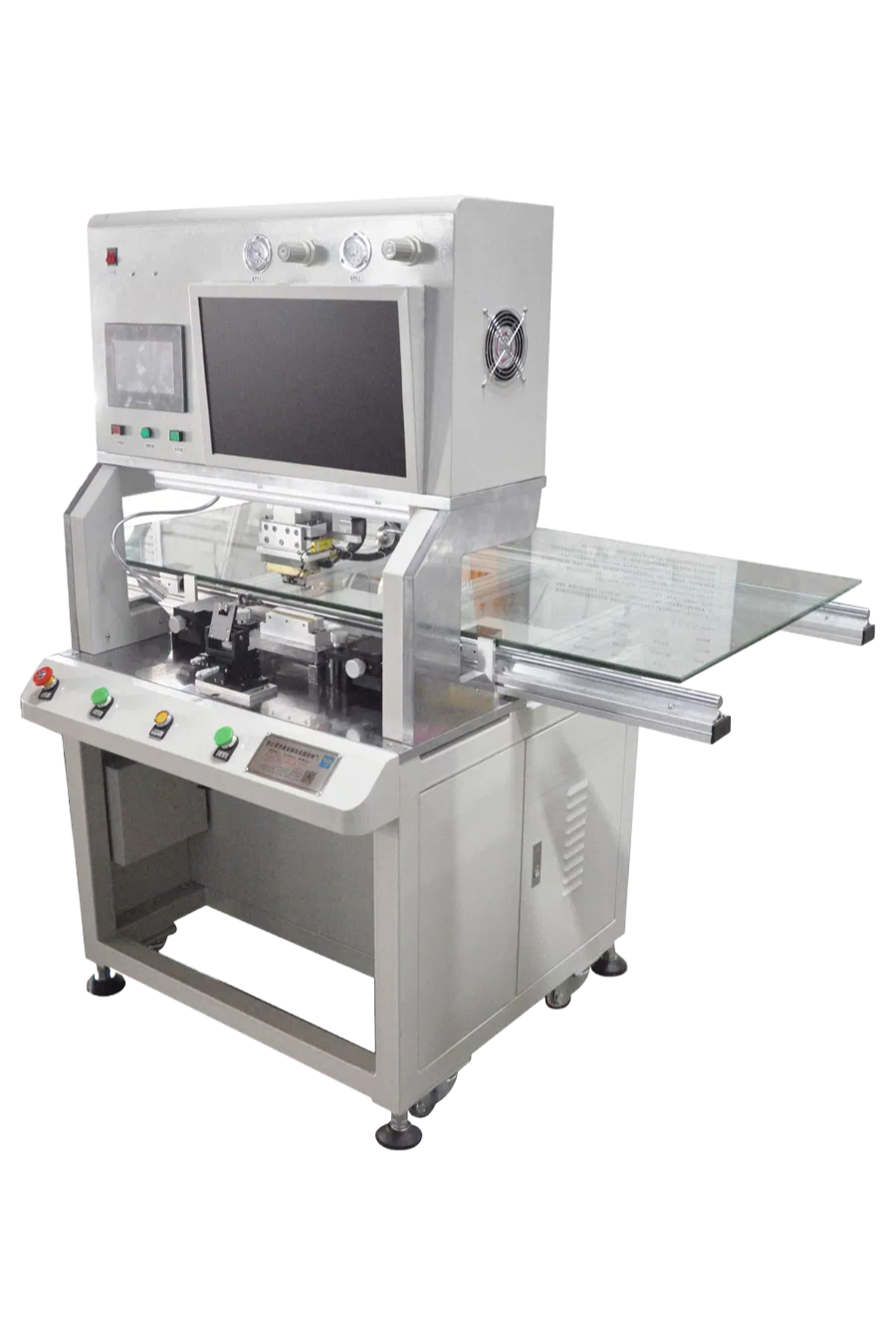
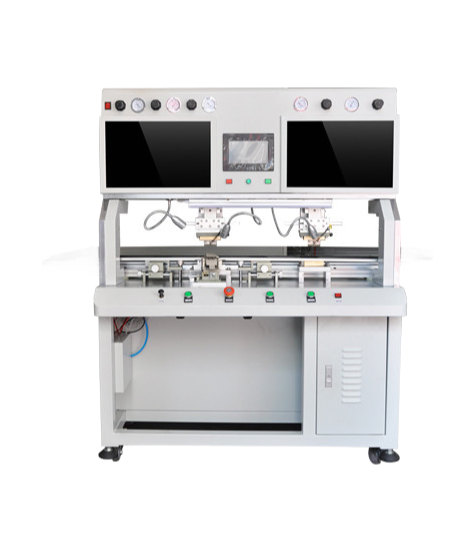
We've been running this 610DH for a while now, and it basically handles full range of screen repair work—FPC, COF, TAB, the whole lot, up to 60-inch panels, though you'll want to check the panel thickness range of 0.3-1.1mm before committing a big job.
Most buyers in repair shops go with this for the pulse heating—it hits 180°C from room temp in about 2 seconds, which is pretty quick, and the titanium alloy head holds plane precision to 0.005mm, so you're not fighting warpage on tricky COF bonds.
It's not really suited for heavy where you need constant cycling at max pressure—the work pressrue is 0.3-0.4MPa, which is fine for typical repairs, but if you're pressing thick glass or metal frames, the 350kg weight and 1500×1200×1520mm footprint might be overkill.
The Delta PLC and Panasonic image processing are what you'd expect from a decent setup—temperture control stays within ±0.3°C, which matters when you're bonding at specific melting points, and the microscope gives you 20-100x continuous zoom for inspecting alignment, though we usually have stock but confirm lead time for the Taiwan-sourced COF trimming unit.
One thing we've noticed is the bonding accuracy is ±1.5μm, tighter than most generic machines, but the real advantage is the 0.005mm plane precision on the press head—it's better than what you get from cheaper imports, and for 7-inch phone screens or larger tablet panels, that consistency cuts down on rework.
Anyway, the hot pressing time is adjustable, so you can dial it in for different adhesives—just keep in mind teh AC220V power requirment and 1200W peak draw, which means you'll need a dedicated circuit in most shops.
Standard lead time is about 15-20 working days from order confirmation, depending on current production load. We'll give you a firm ETA when you place the order.
Yes, we can provide CE certification and a factory test report for the machine. Just let us know what specific docs you need, and we'll include them with shipment.
No, the machine is designed for panels 0.3-1.1mm thick. Anything thinner risks damage or poor bonding, so we don't recommend going below that range.
MOQ is 1 unit for this model. We understand you might want to start with one for testing, and that's totally fine.
Keep it in a dry, clean environment with stable temperature, ideally between 5-35°C. Avoid dust and moisture to protect the PLC and optical components.
My experience with the shipping was absolutely fantastic. The package arrived much earlier than the initial estimated delivery date, which was a very pleasant surprise. Everything was packaged with extreme care; the outer box was sturdy and the internal foam padding securely held each component in place, preventing any movement or potential damage during transit. The courier service was professional and provided real-time tracking updates, so I was fully informed every step of the way. Regarding the build quality of the machine itself, it feels exceptionally solid and well-constructed. The metal frame is robust, and all the fixtures and controls operate smoothly without any stiffness. The overall finish and attention to detail in the manufacturing are immediately apparent and very impressive. As for customer service, the support team has been outstanding. They were responsive from the very first inquiry, answering all my pre-purchase questions thoroughly and patiently. After receiving the item, I had a minor question about an accessory, and they replied within hours with a clear, helpful solution. Their professionalism and willingness to assist truly made the entire process seamless and worry-free. This level of service is commendable and greatly appreciated. Overall, from the swift and secure delivery to the premium construction and the exceptional support, every aspect of this transaction has exceeded my expectations.
Zippy delivery was the first thing that impressed me; the package arrived much sooner than expected, which was a huge relief for my urgent repair needs. The overall quality feels robust and well-constructed, giving me confidence in its durability for repeated use. Customer service was exceptionally responsive and helpful, promptly answering all my queries with clear, friendly guidance. Everything from unboxing to setup was smooth, and I'm thoroughly satisfied with how this machine has streamlined my workflow without any hiccups.
Rapid delivery from the seller, which was a pleasant surprise as it arrived much sooner than expected. The packaging was secure and ensured the item reached me in perfect condition without any delays. Regarding quality, the machine feels robust and well-constructed, with no visible defects or issues upon inspection. It appears durable and capable of handling various tasks as described. On the service front, the support team was responsive and helpful, answering my queries promptly and professionally. Overall, a smooth and satisfactory experience from start to finish, making the purchase hassle-free and reliable.
Absolutely impressed with the delivery speed of this item; it arrived much faster than anticipated, which was a pleasant surprise. The packaging was secure and ensured the product reached me in perfect condition without any damage. As for the quality, it feels robust and well-made, showing no signs of defects upon inspection. The customer service team was very responsive and helpful when I had a query, providing clear and timely assistance. Overall, a great experience that I would highly recommend to others.
Great experience with the delivery speed—it arrived much faster than I anticipated, which was a pleasant surprise. The packaging was secure and ensured everything reached in perfect condition. Regarding quality, the machine feels robust and well-constructed, giving me confidence in its durability. Customer service was excellent; they were responsive and helpful in answering my queries promptly. Overall, a smooth and satisfying transaction that I'd recommend to others.
Xcellent experience with this purchase! The delivery was incredibly fast, arriving much sooner than expected, which was a pleasant surprise. The packaging was secure and ensured the product arrived in perfect condition without any damage. In terms of quality, the machine feels sturdy and well-made, giving me confidence in its durability for long-term use. As for service, the seller was responsive and helpful, answering all my queries promptly and professionally. Overall, I'm very satisfied and would recommend this to others based on these positive aspects.