Account
Inquiry
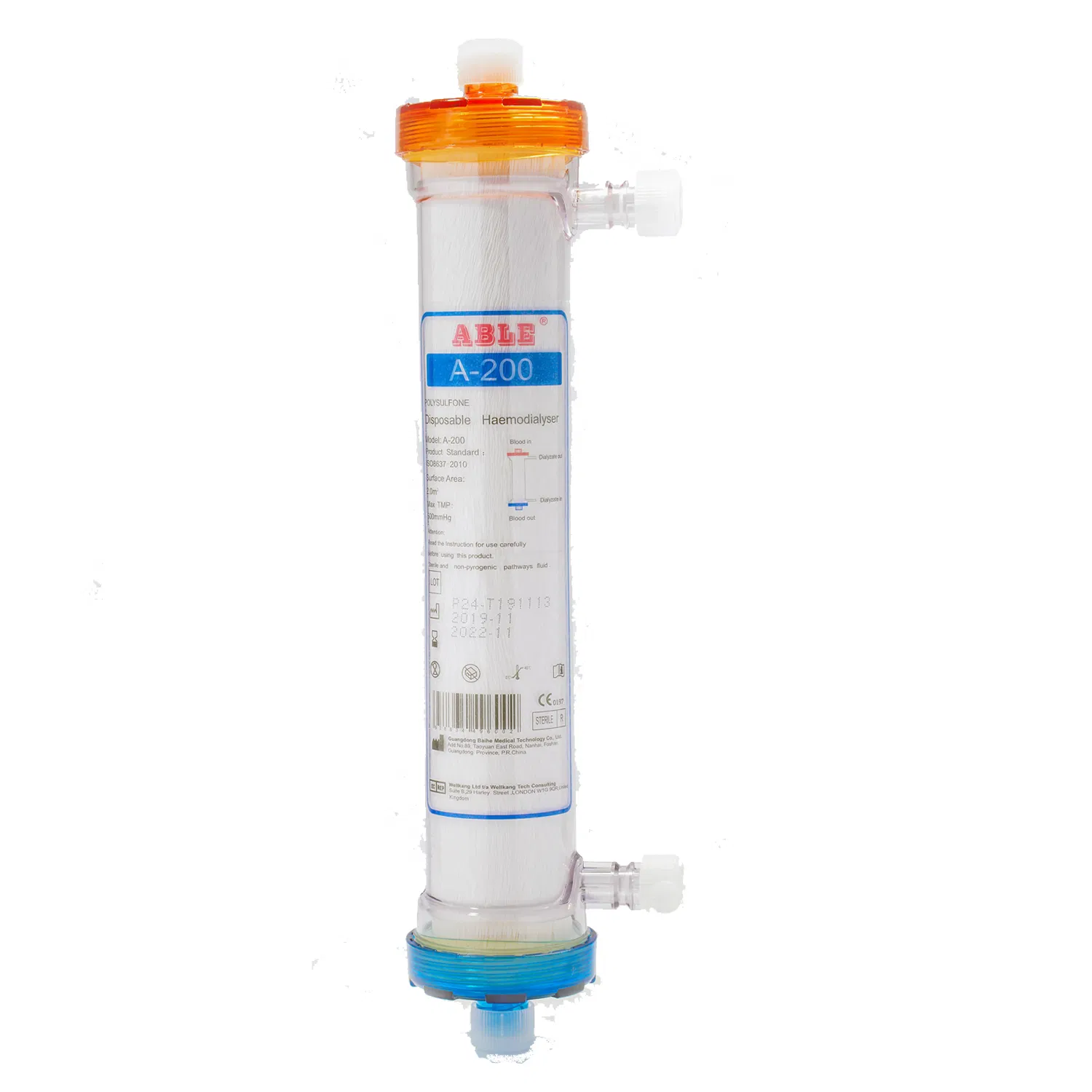
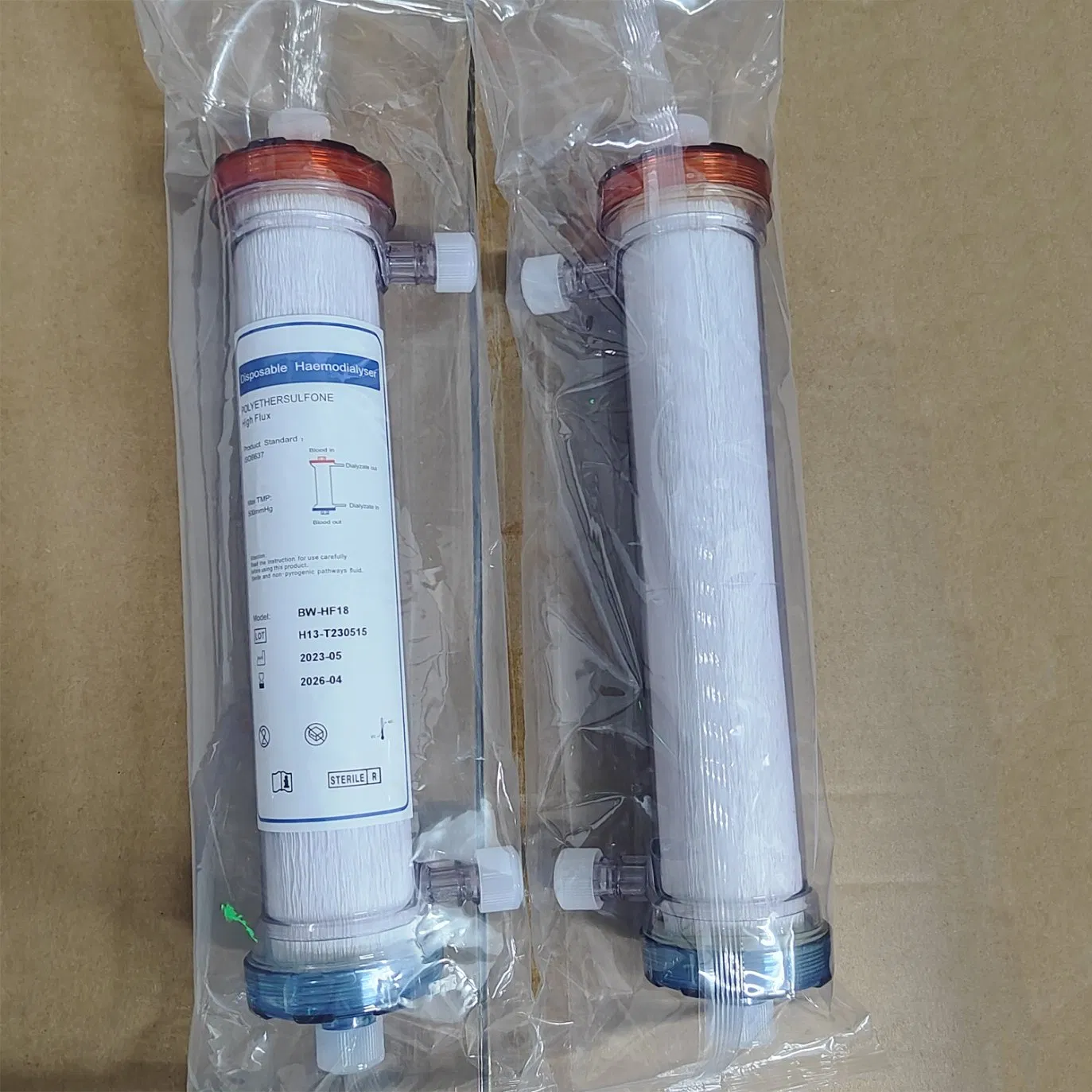
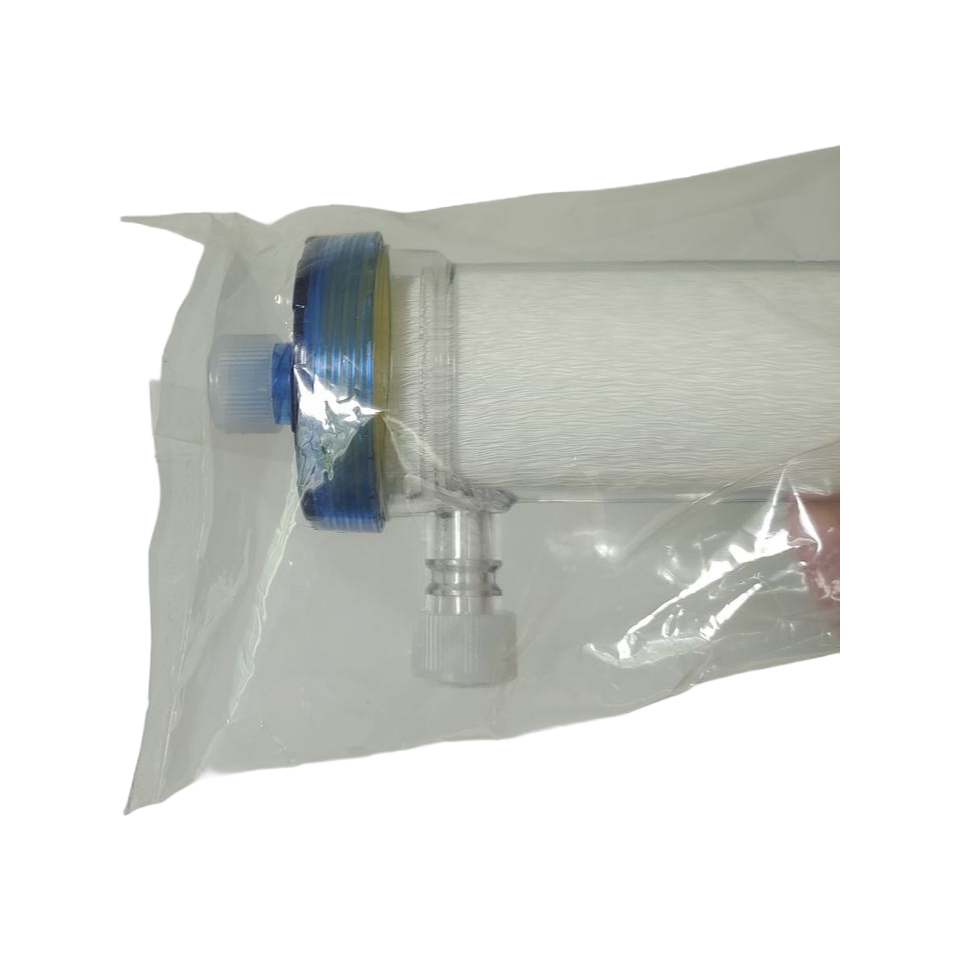
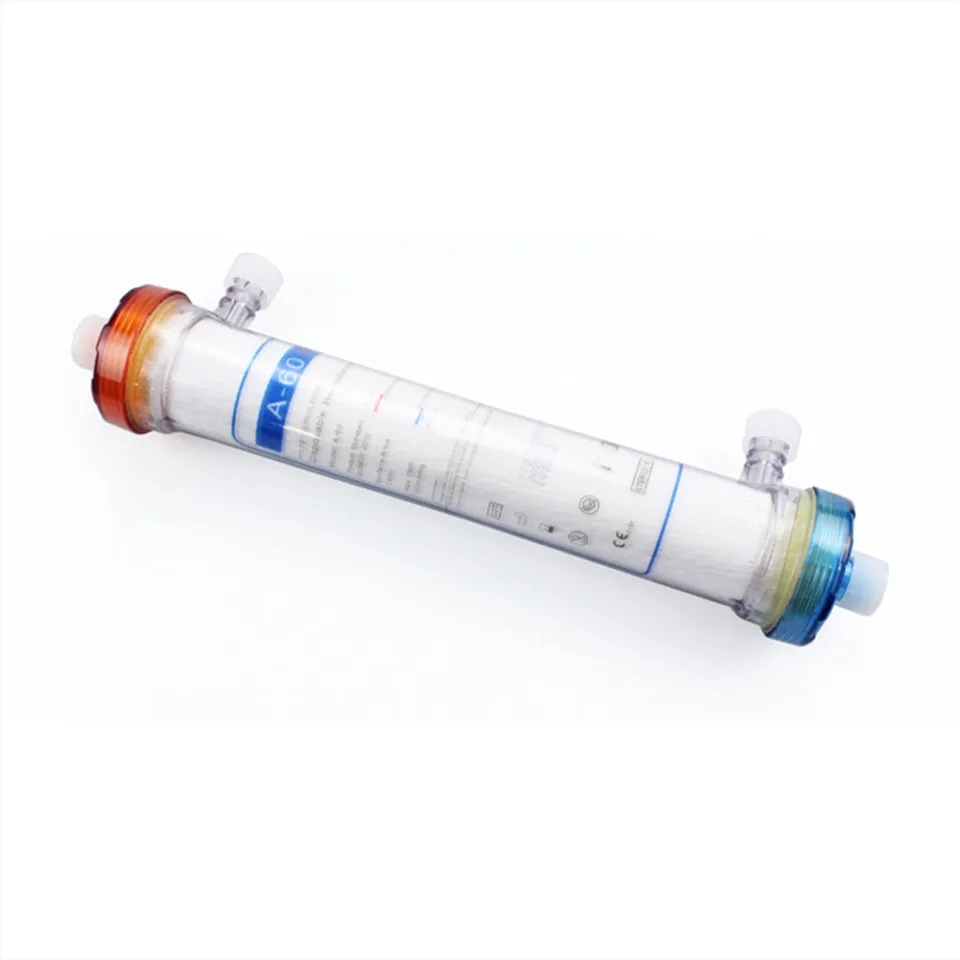
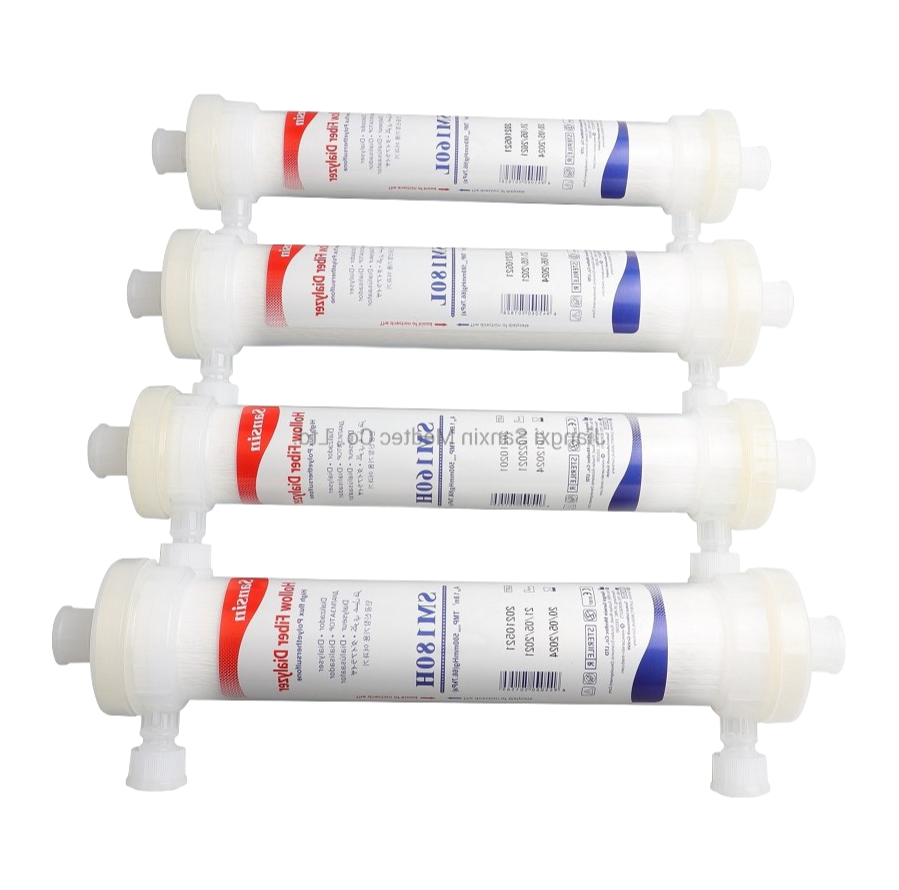
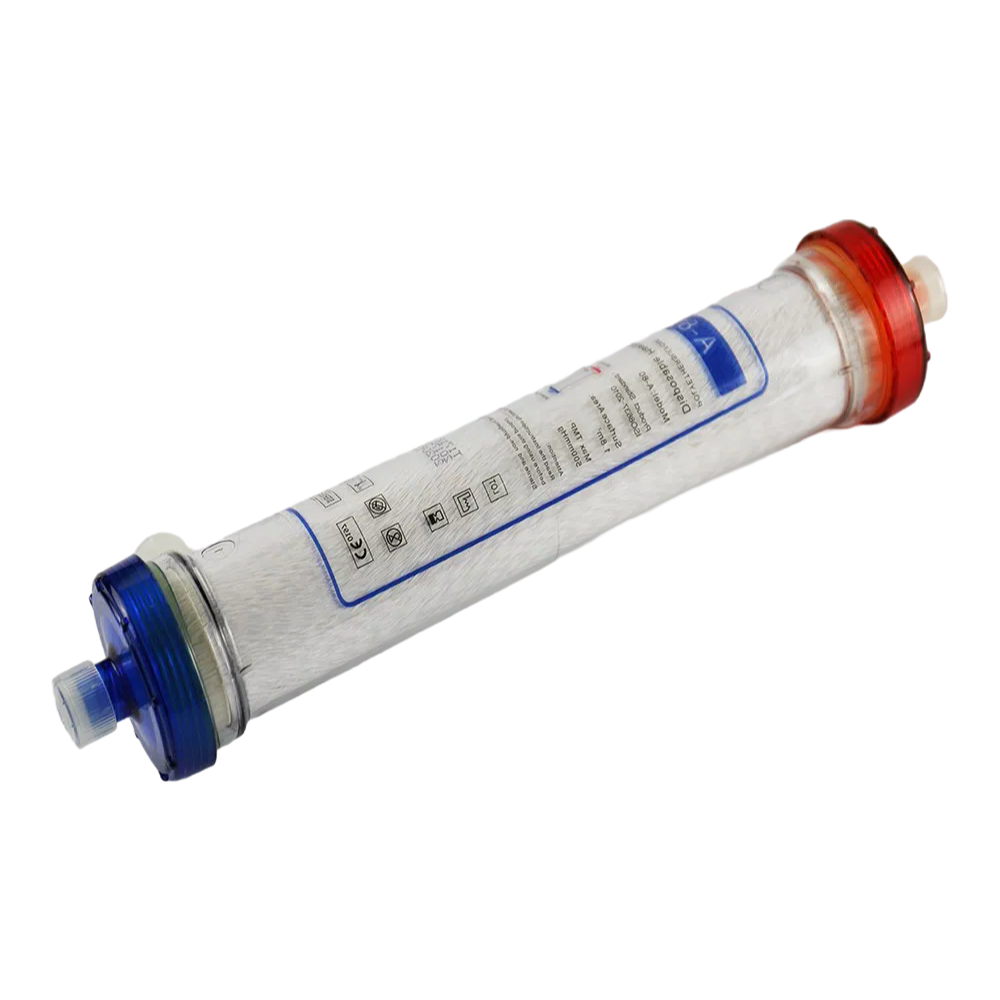
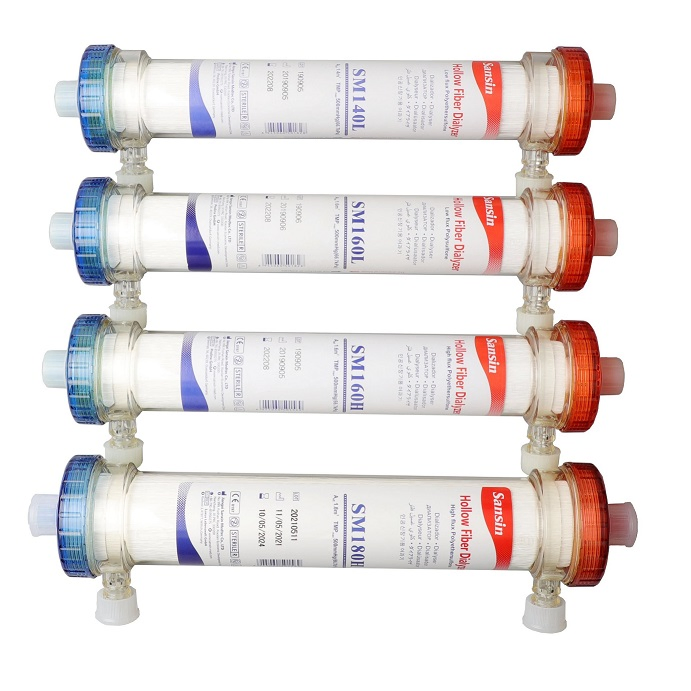
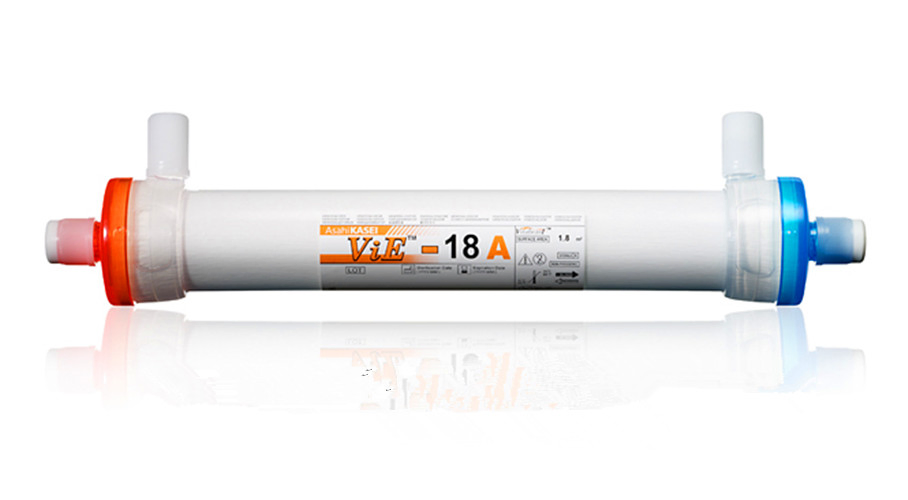
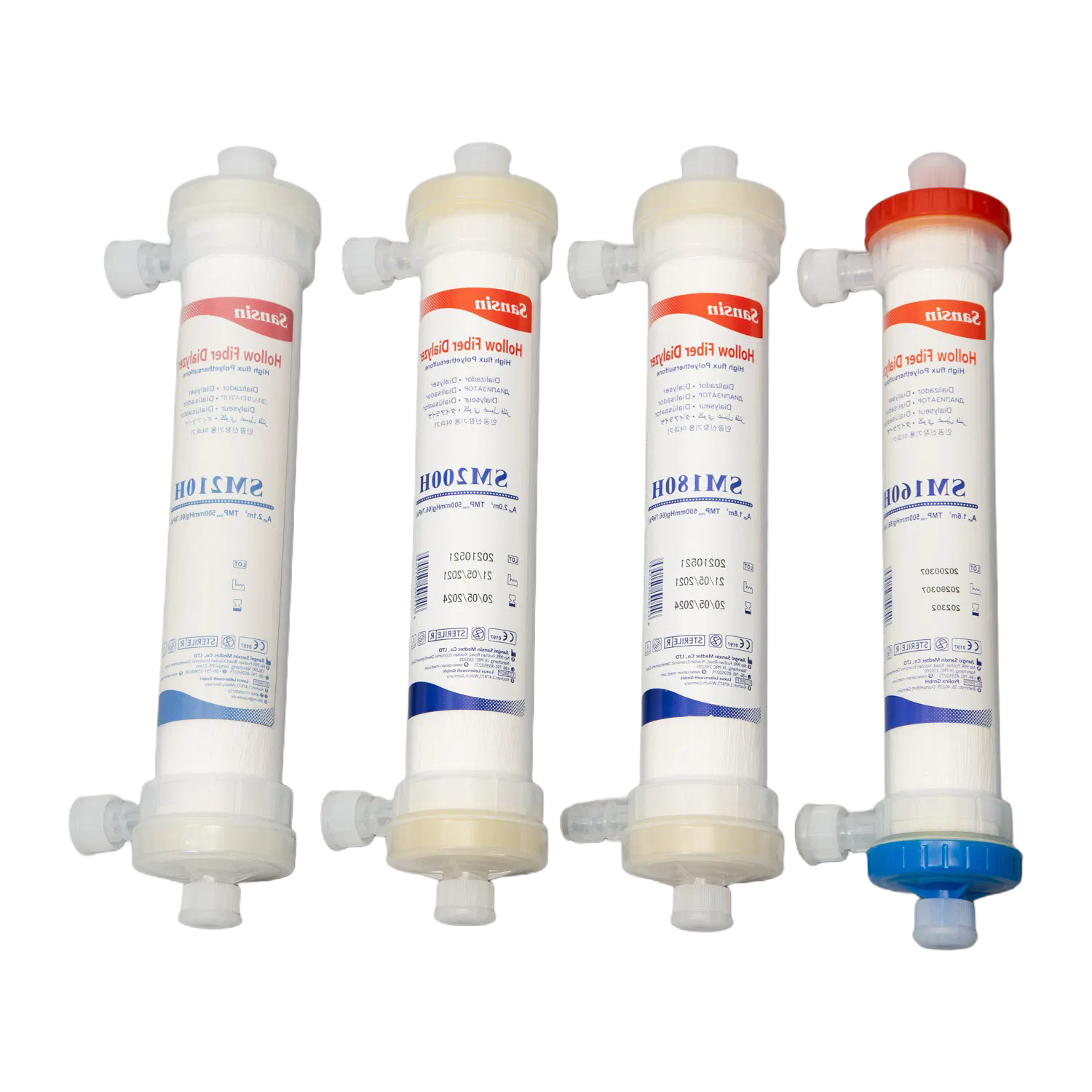
You can get them in four different suface area options — 1.4, 1.6, 1.8, or 2.0 square meters — and the A40 through A200 models cover most patient needs. It basically comes down to how much clearance you're targeting and what flow rates look like on your machine side; we see centers ordering the 1.6m² most often for standard schedules. Ethylene oxide sterilization, so that's something to confirm if your facility has any sensitivities to that method (usually fine for the vast majority of setups).
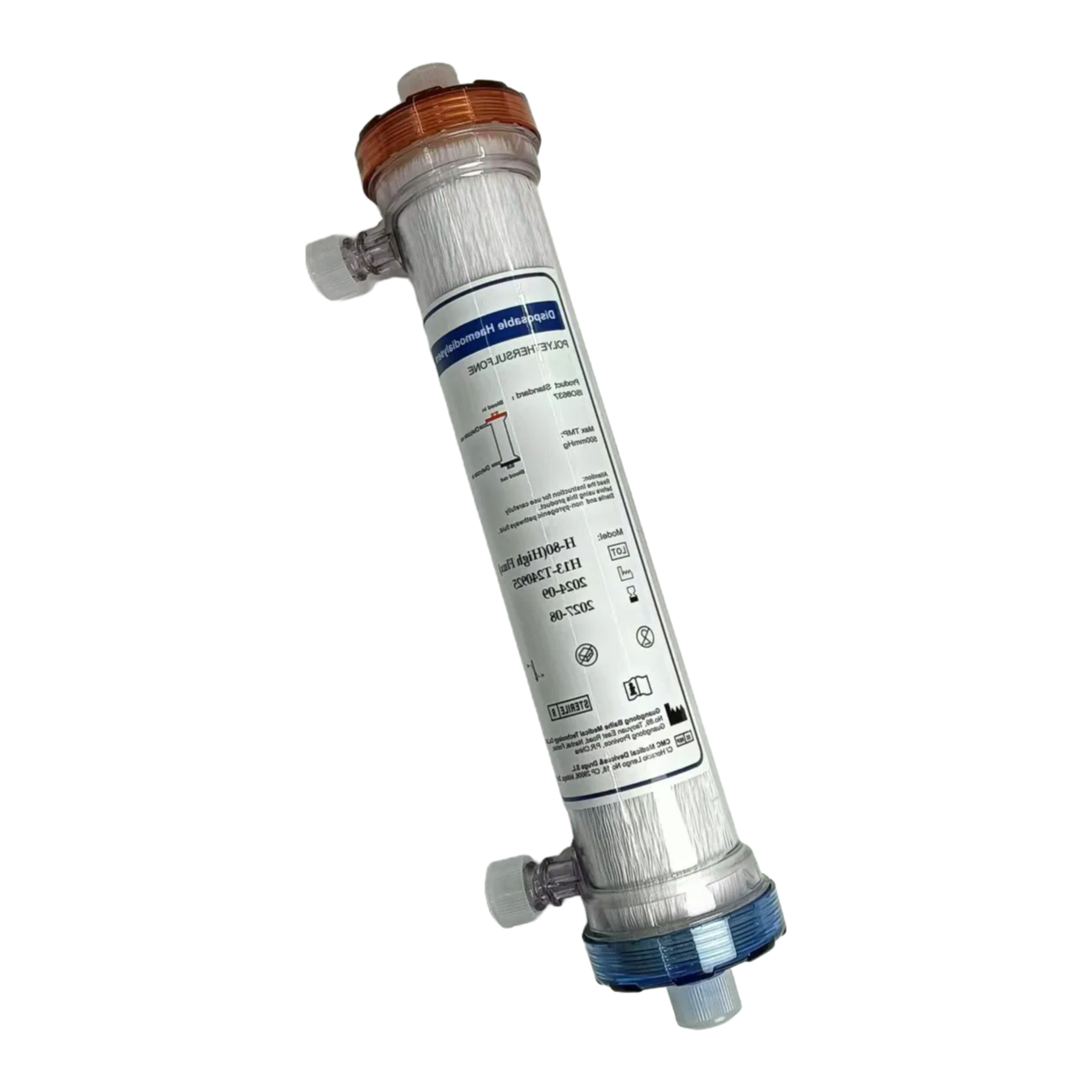
3. These run at ultrafiltration coefficients between 5 and 15 mL/h/mmHg, which keeps fluid removal predictable but not aggressive. Priming volume sits between 75 and 110 mL depending on the model, so fluid management doesn't get complicated in the first few minutes of the session. The dialysate flow range is 500 to 800 mL/min, and blood flow can go up to 500 mL/min — though most operators stay well under that ceiling in practice. Max TMP is 500 mmHg, but that's pretty standerd for low-flux polysulfone designs anyway.
Actually handles small and medium molecular weight toxins pretty well, but it's not built for heavy-duty clearance on larger solutes — you wouldn't push this for patients where high-flux is clinically indicated. Albumin loss is minimal, which is one of those details that doesn't show up on a spec sheet but makes a real difference in long-term treatment stability. The membrane uses polysulfone, same as most decent dialyzers, though the biocompatibility tends to be better than some older polyester offerings on teh market.
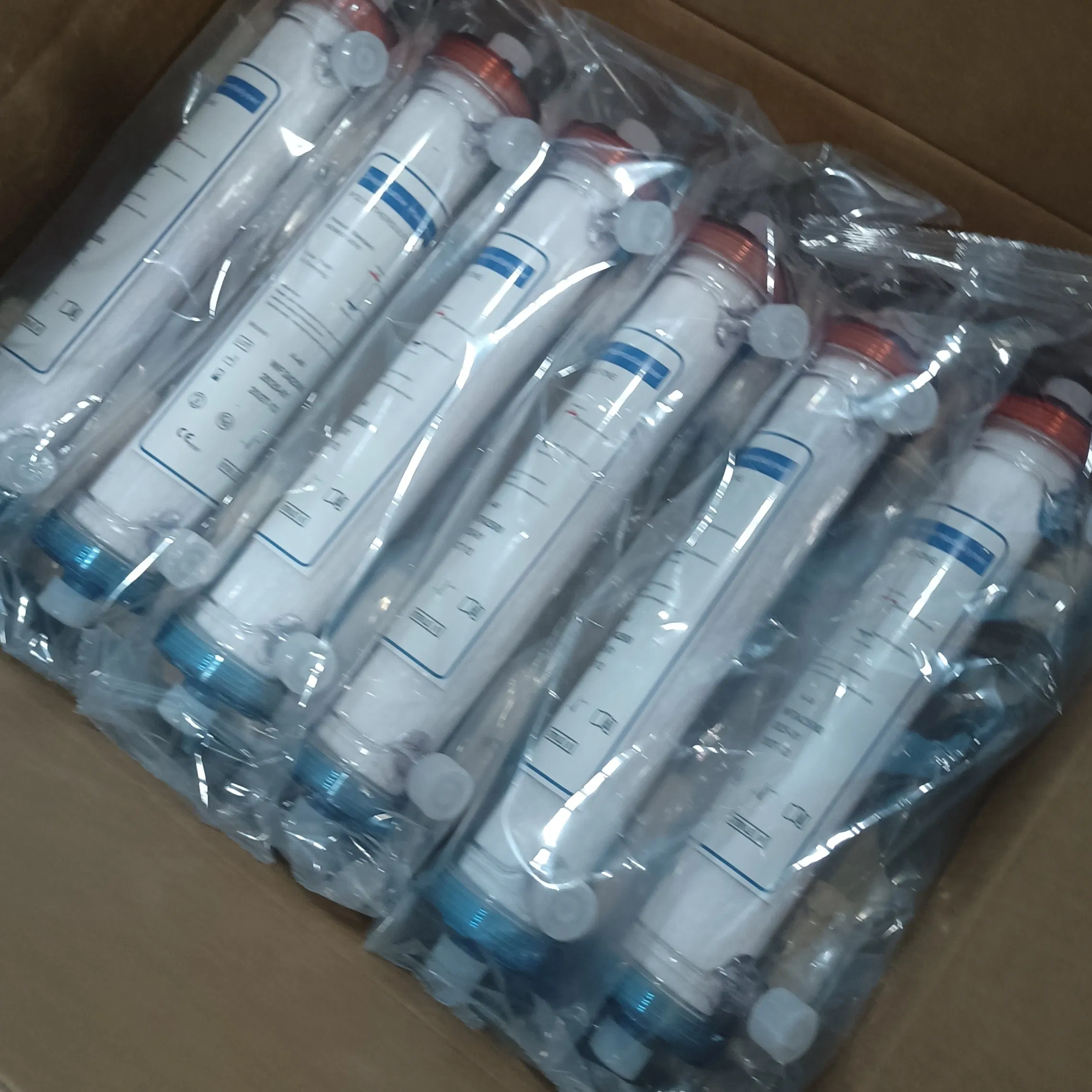
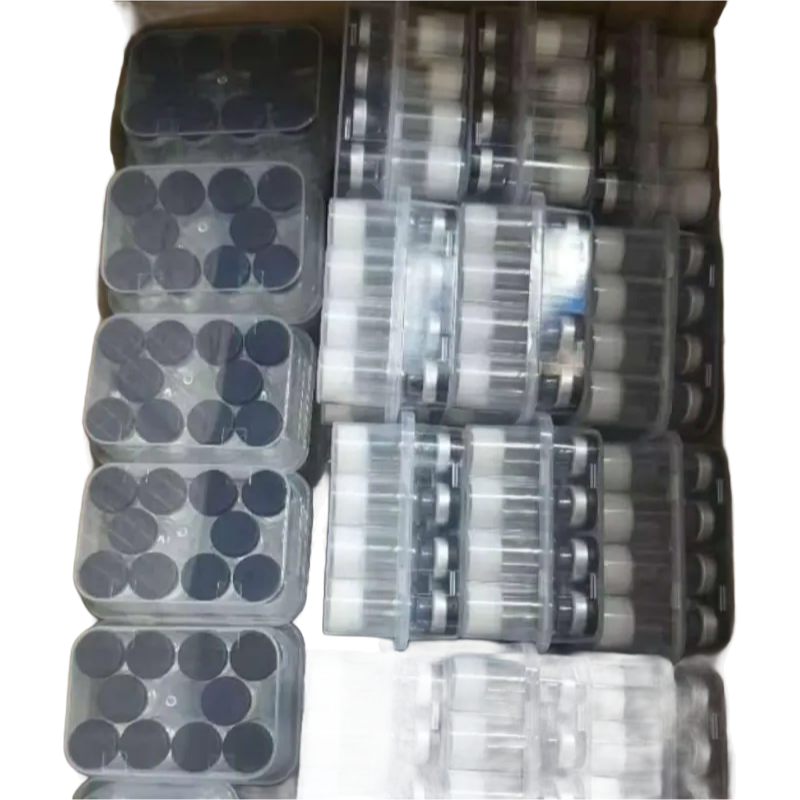
We've got a 36-month shelf life if stored at room temperature in a dry environment — no cold chain required, which saves on logistics headaches. Also, often ship these in bulk cartons, but we can do custom configurations on labeling and concentration for the rinse solution packs if you need consistent packaging across a large contract. Lead time is typically 20 days or so form order, give or take depending on volume and model mix.
A quick heads-up: the A200 model has a larger surface area and a slightly higher priming volume (around 110 mL), so it's better suited for adult patients with decent vascular access rather than smaller individuals. We don't use it for the low-volume circuits you might set up in pediatric care. Anyway, if you need recent COAs or HPLC data from the batch, our company can pull those — just confirm when you're about to order so we know to set them aside.
You can choose from 1.4m², 1.6m², 1.8m², or 2.0m². Pick based on your patient's needs and treatment goals.
Our standard MOQ is 500 units per model. If you need smaller quantities, reach out and we can check availability.
Yes, we include biocompatibility test reports and ISO 8637 and EN 1283 compliance certificates with every order.
Keep them at room temperature in a dry environment. Avoid direct sunlight and high humidity to preserve sterility.
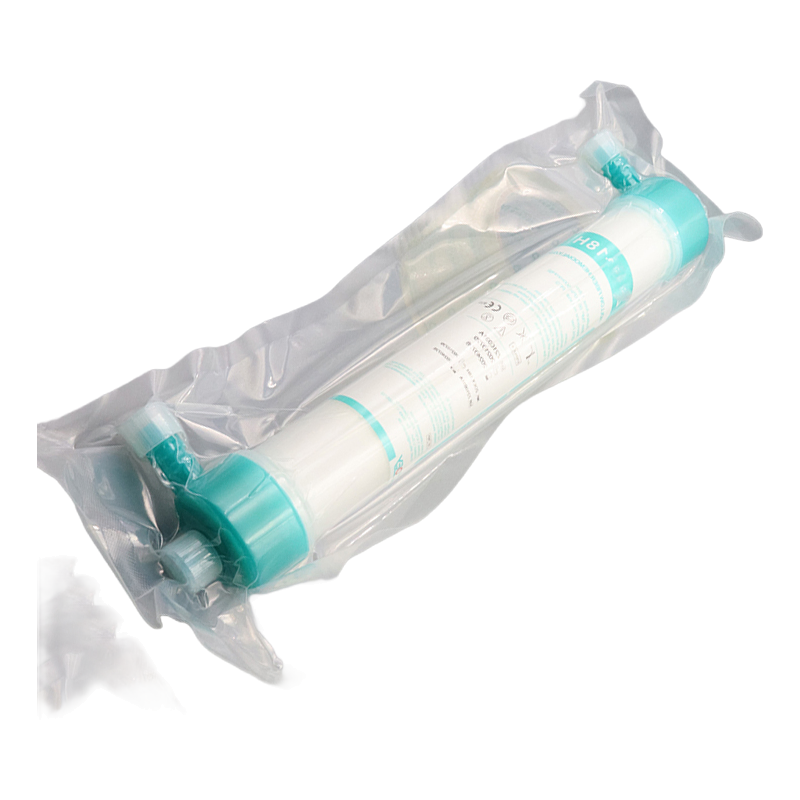
Currently, all models are sterilized with ethylene oxide. Gamma sterilization isn't an option, but we can discuss if you have special requirements.