Account
Inquiry
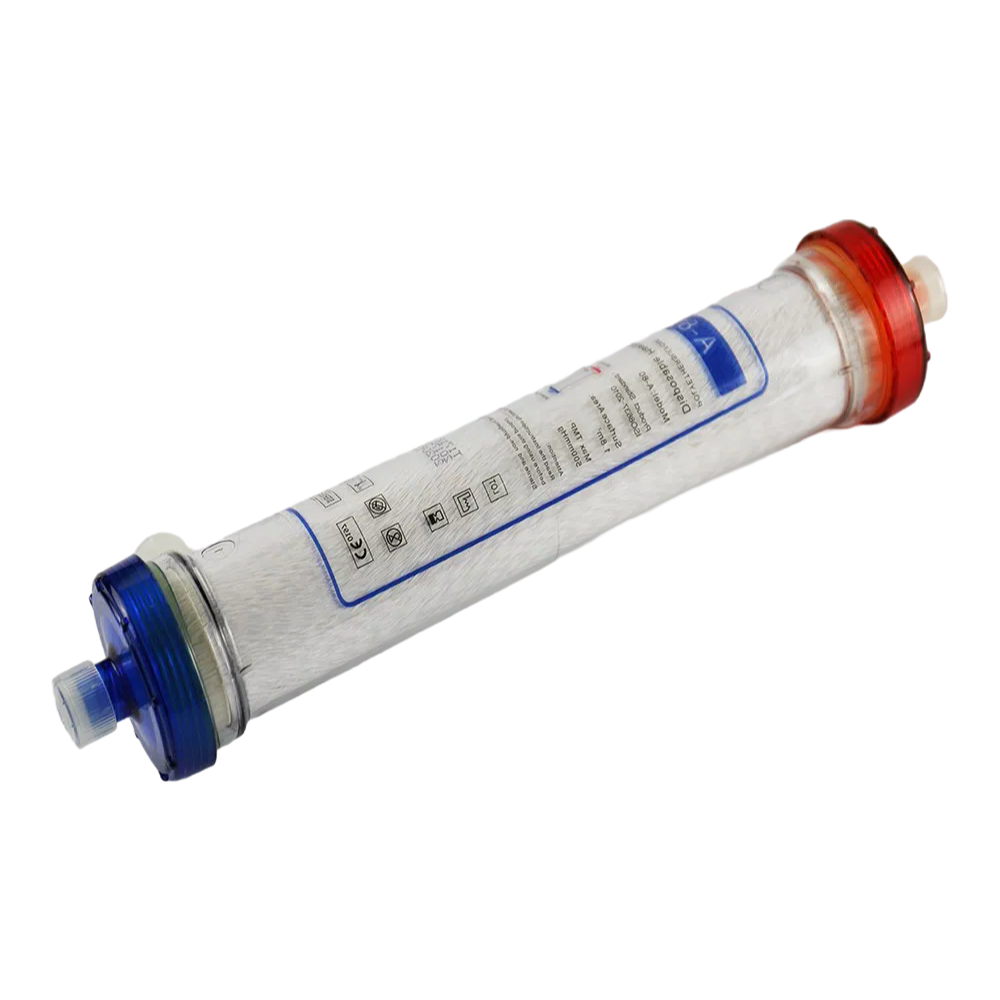
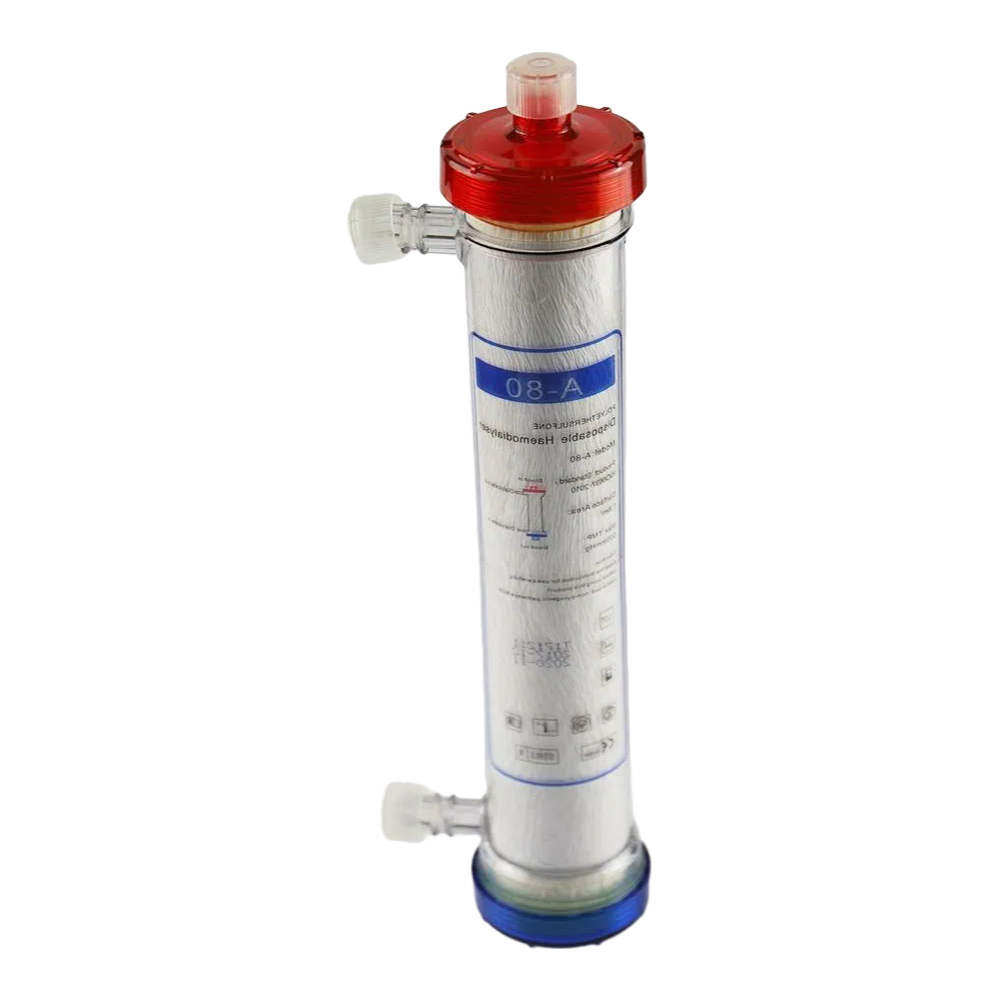
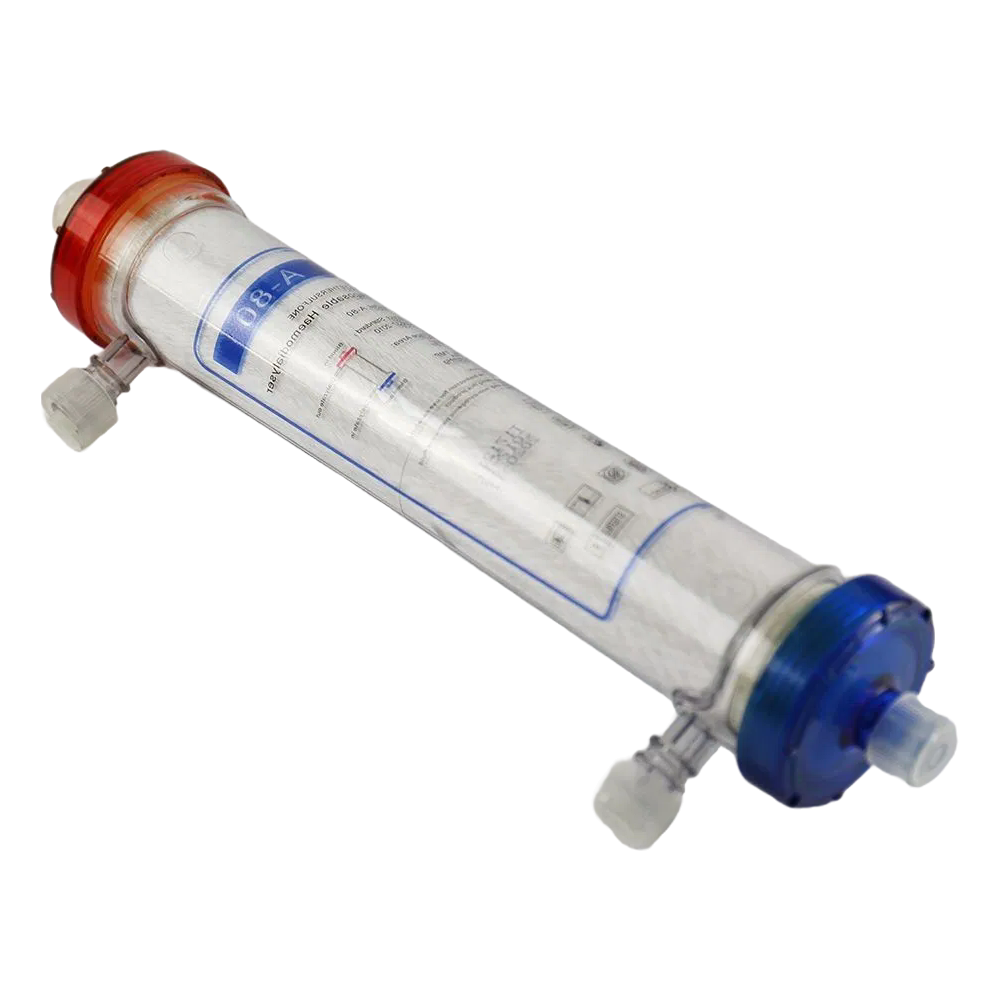
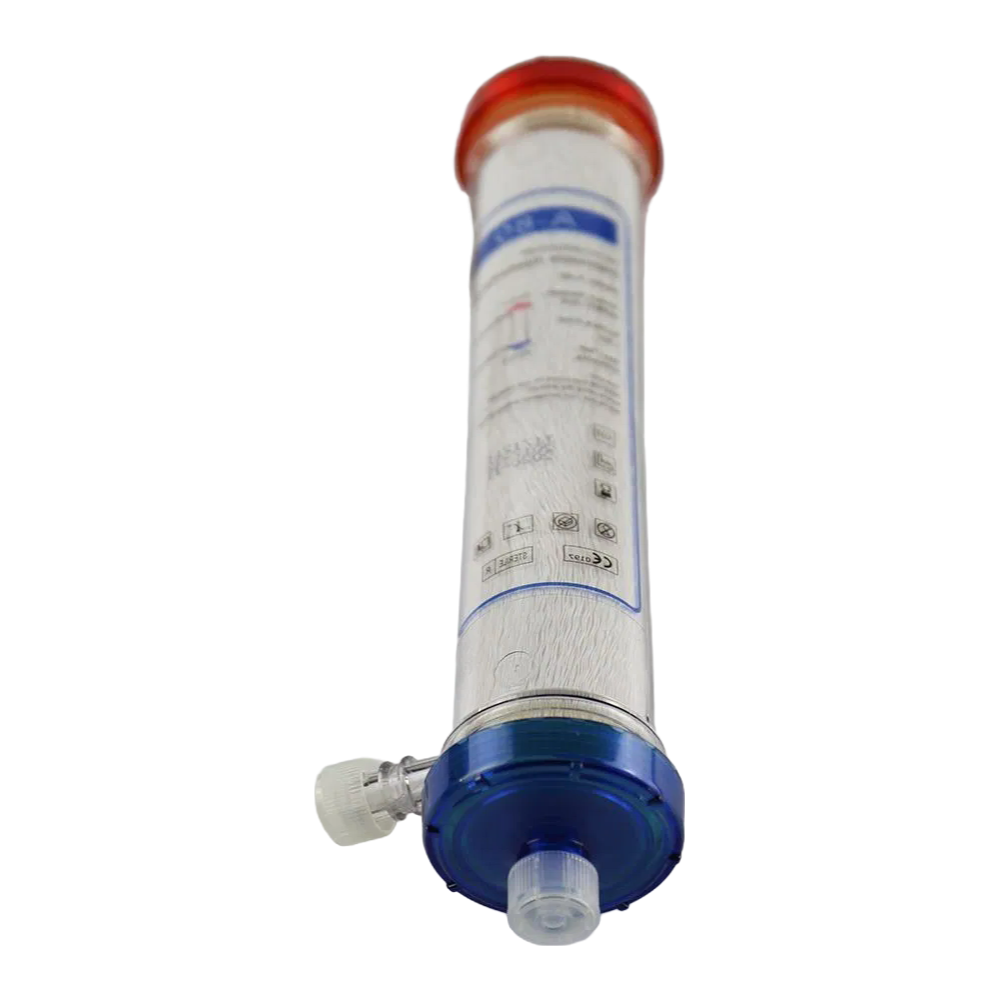
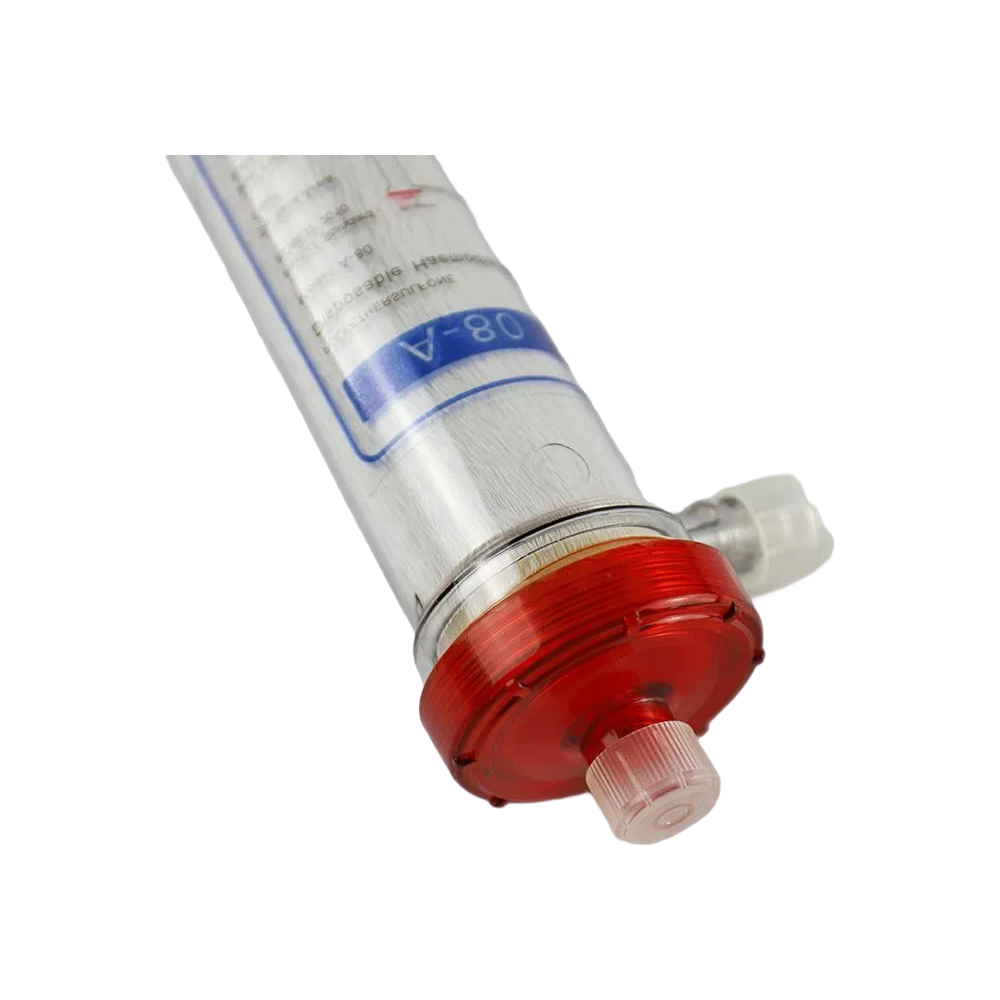
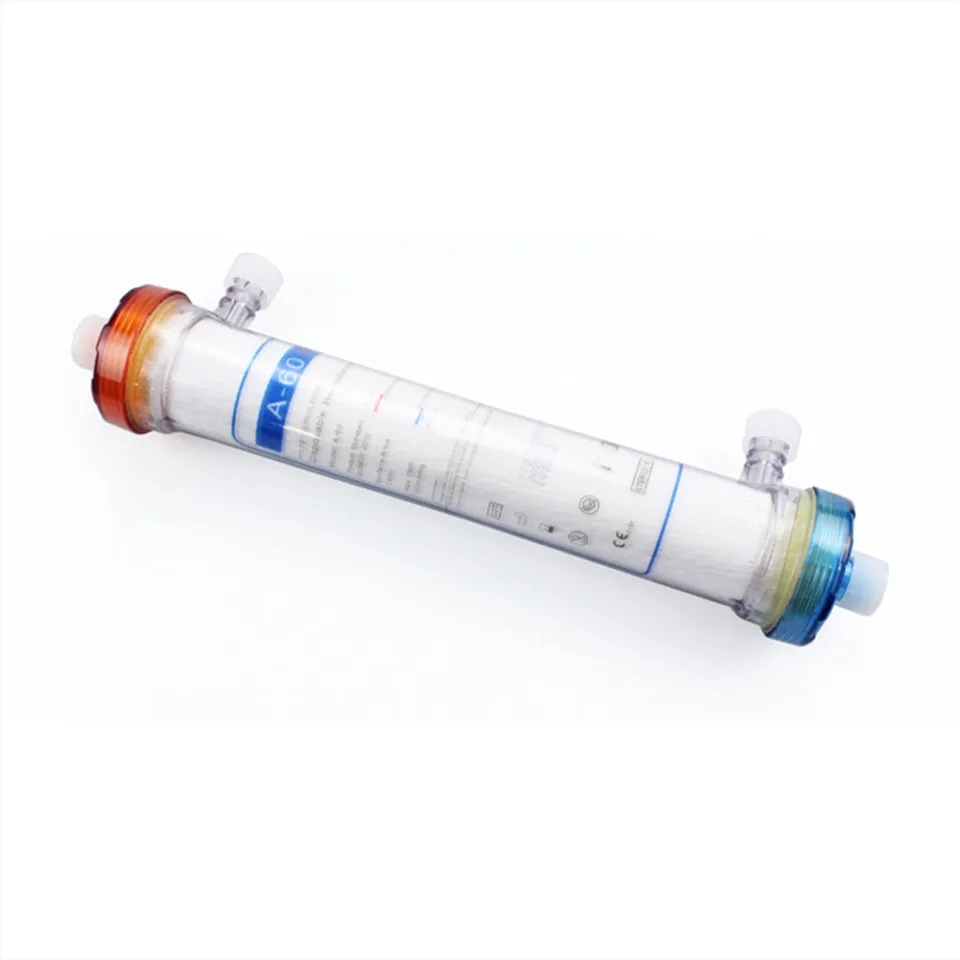
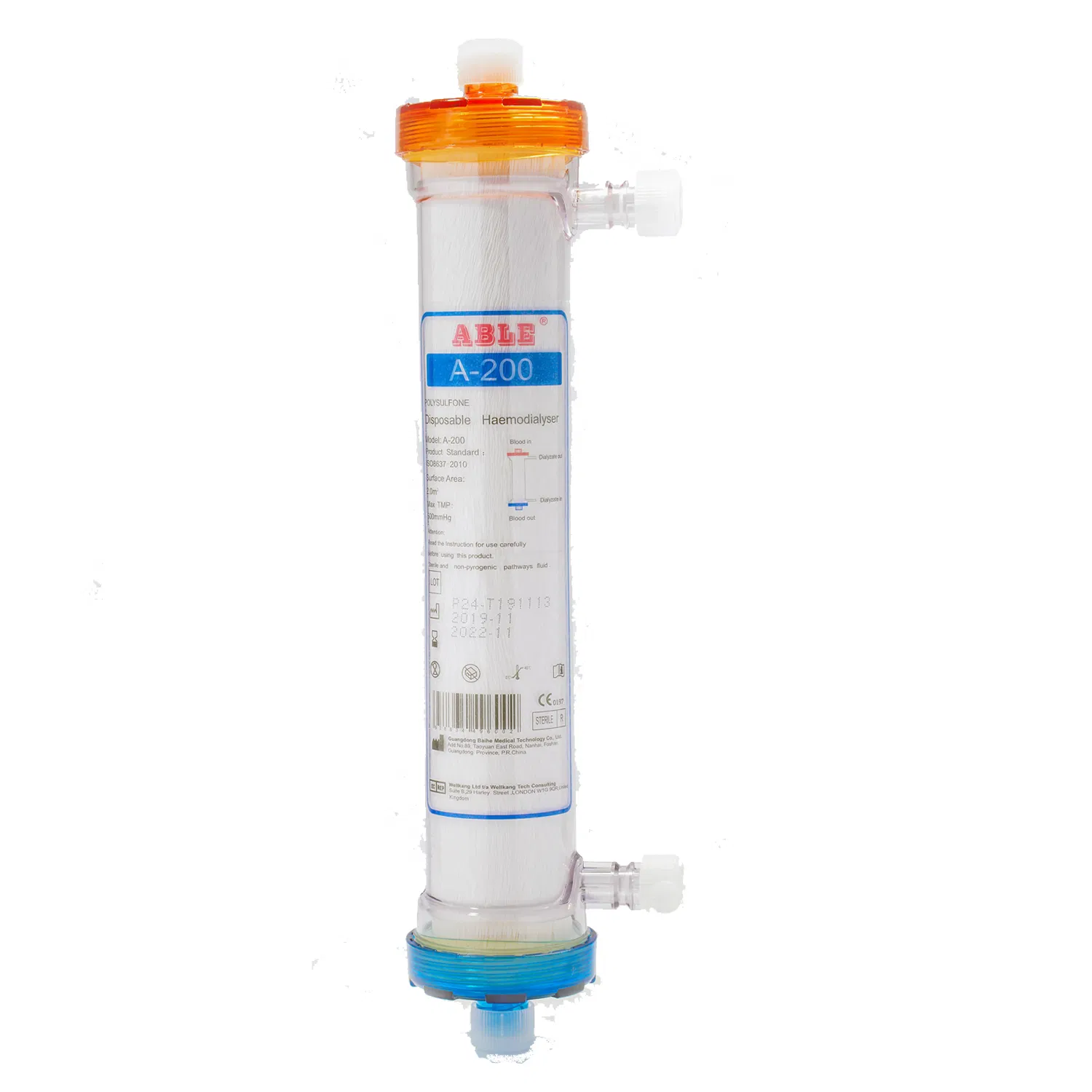
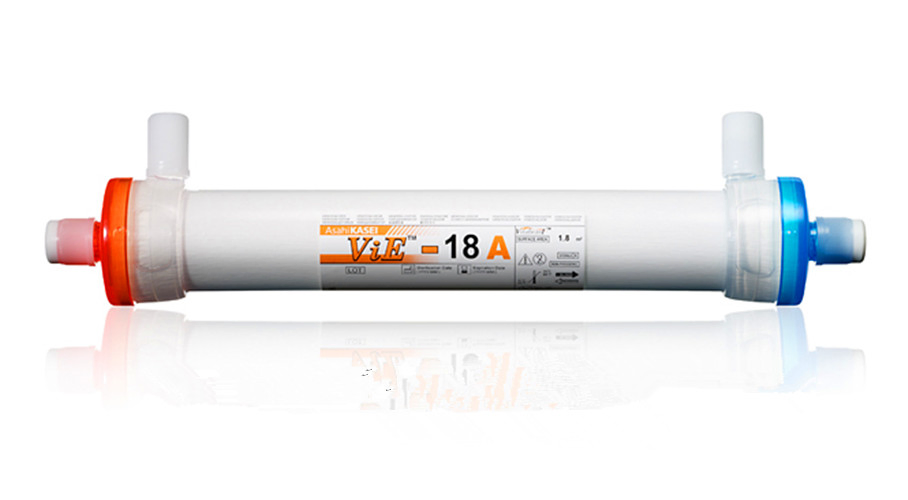
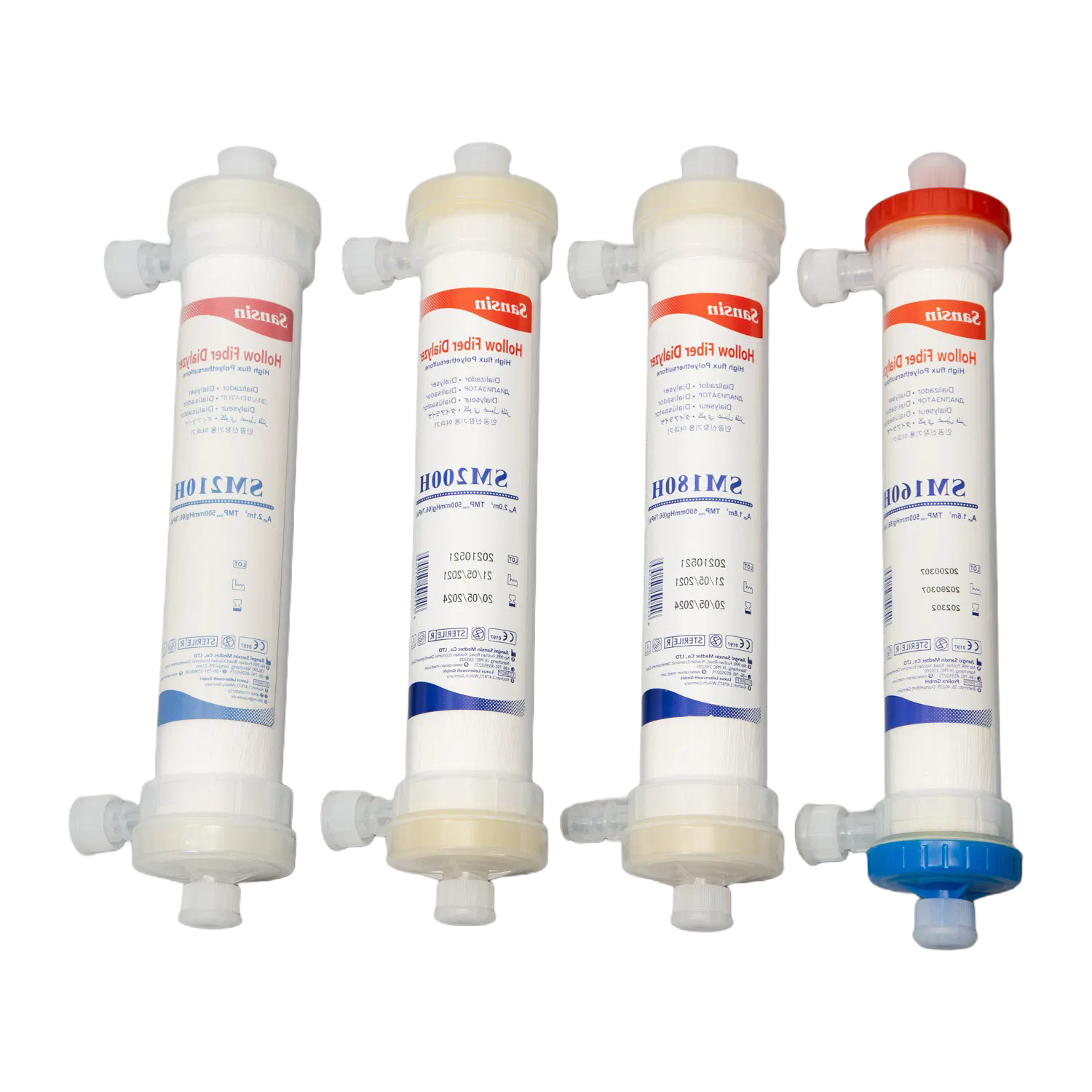
We've seen your RFQ and our company can supply both high and low flux configurations from our standdard, with the polyethersulfone hollow fiber membrane sourced from Germany — we run full performance validation on every manufacturing lot through third-party labs, usually within 30 days or so from sample submittal, and a COA covers flux rate, rejection profile, biocompatibility indices per ISO 10993, and gamma sterilization dose verification.
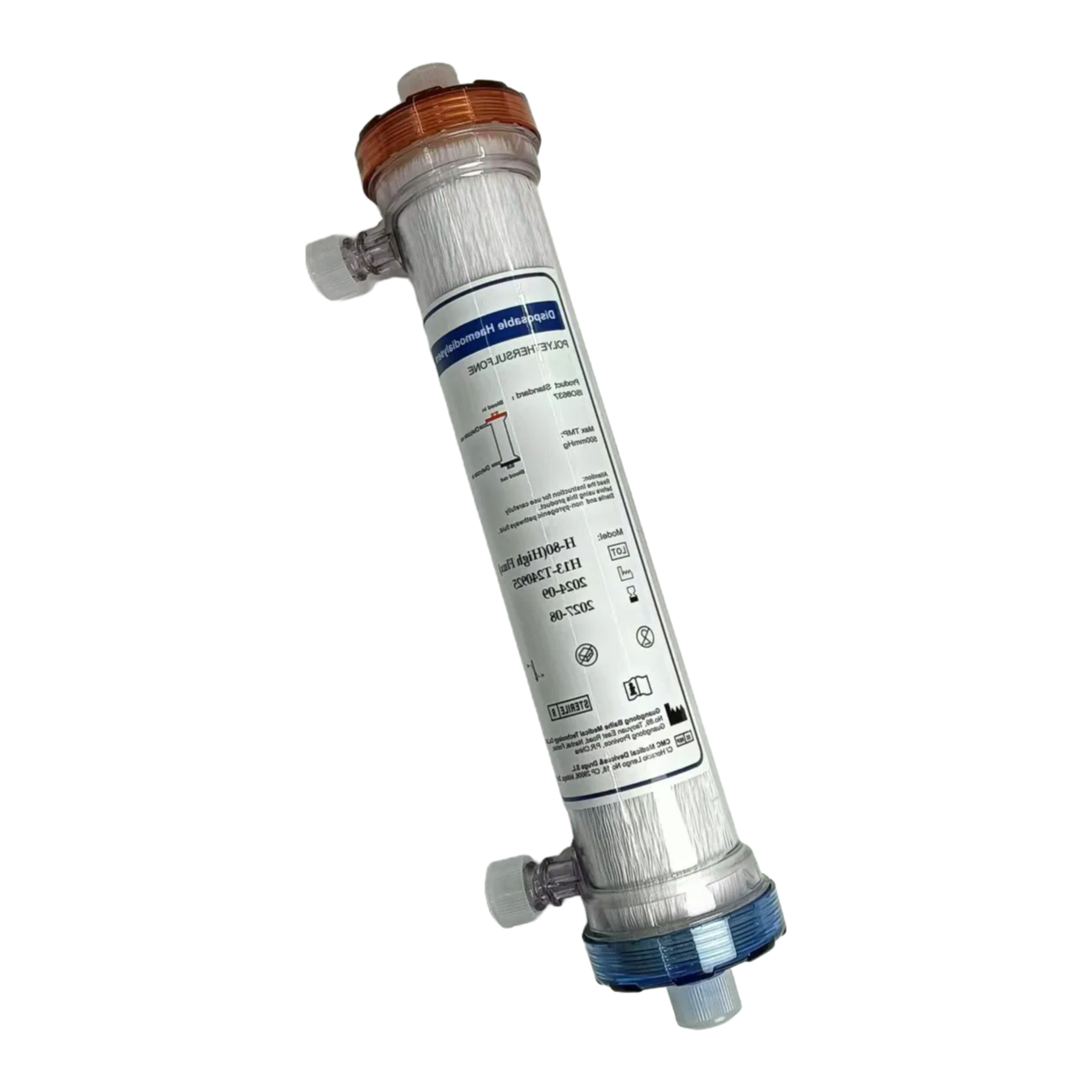
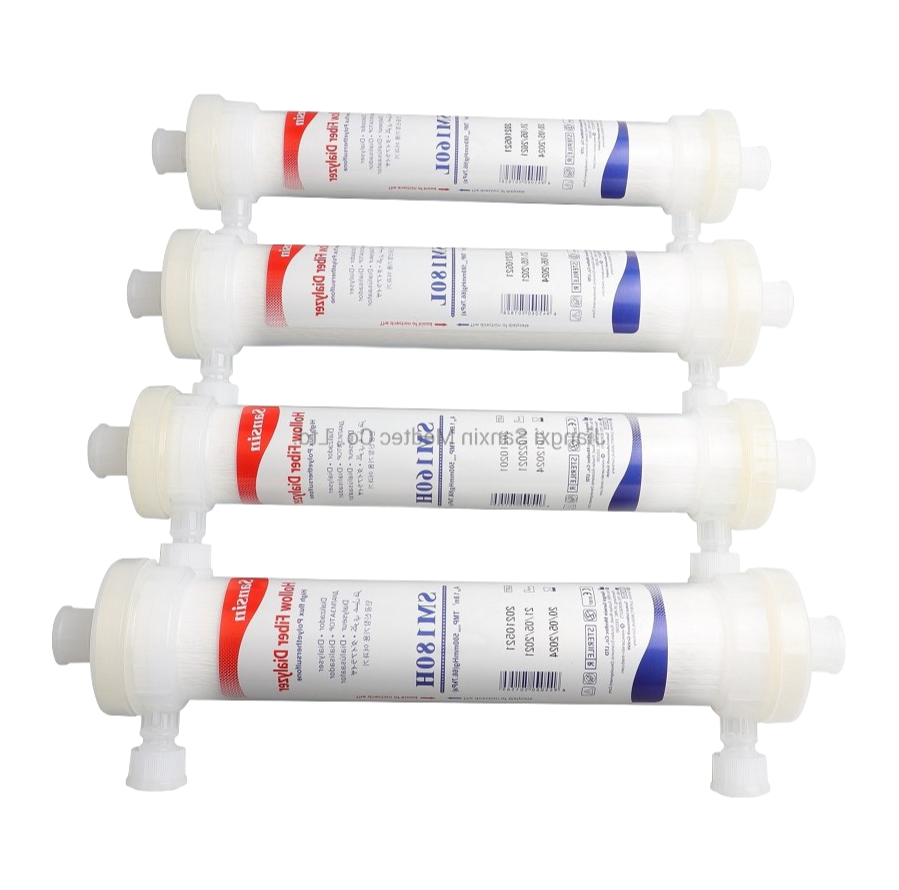
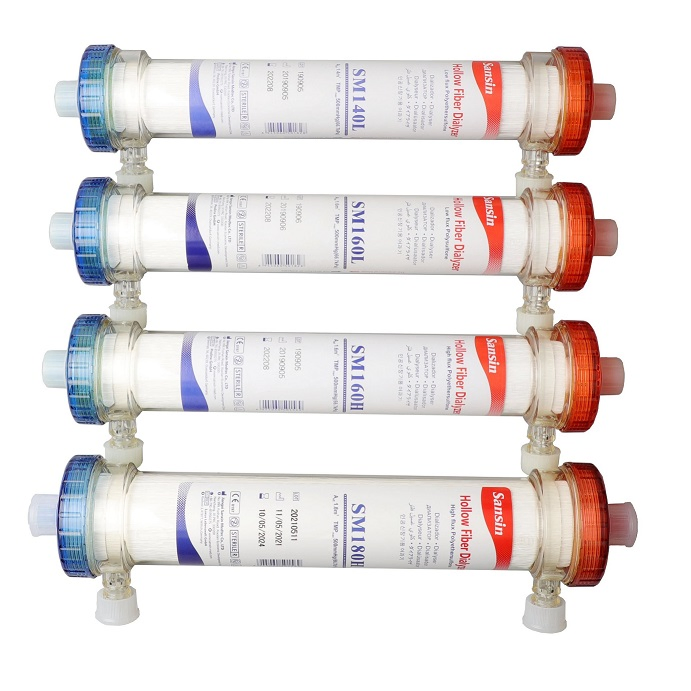
That 200μm inner diameter with a 35μm wall thickness is a pretty standard spec for ESRD therapy, but what matters more is the consistent fiber-to-fiber uniformity we acheive across all four surface areas (1.2, 1.4, 1.6, 1.8 m²); each batch goes through an inline pore integrity test at 95% confidence before potting, so you're not going to hit batch drift issues on clearance or albumin leakage.
We do a retest at no charge if your initial samples show any flagged values on urea or vitamin B12 clearance, but you have to notify us within 14 days of receipt (the lot code is laser-etched on the polycarbonate housing so traceability is instant) — basically, if the numbers don't match the CoA to within ±5%, we'll re-test from retained samples or issue a debit memo for replacement stock.
Gamma sterilization at 25-40 kGy with a validated dose mapping protocol gives you a 3-year shelf life even in high-humidity storage conditions, though we've tested accelerated aging well past 48 months on the silicone O-rings and polyurethane potting compound without visible degradation or leak development; it's actually better than reagent grade for long-term rigor since we run a TDS on housing extractables after sterilization.
The blood volume requirement is minimal, about 100-120 mL depending on the surface area cartdridge you pick, and most buyers handling chronic dialysis go with teh 1.8 m² high flux variant for better middle-molecule clearance on patients with lower residual kidney function — we keep roughly 300 units of that size in standard stock, but confirm lead time for the 1.2 m² low flux ones since they're less common.
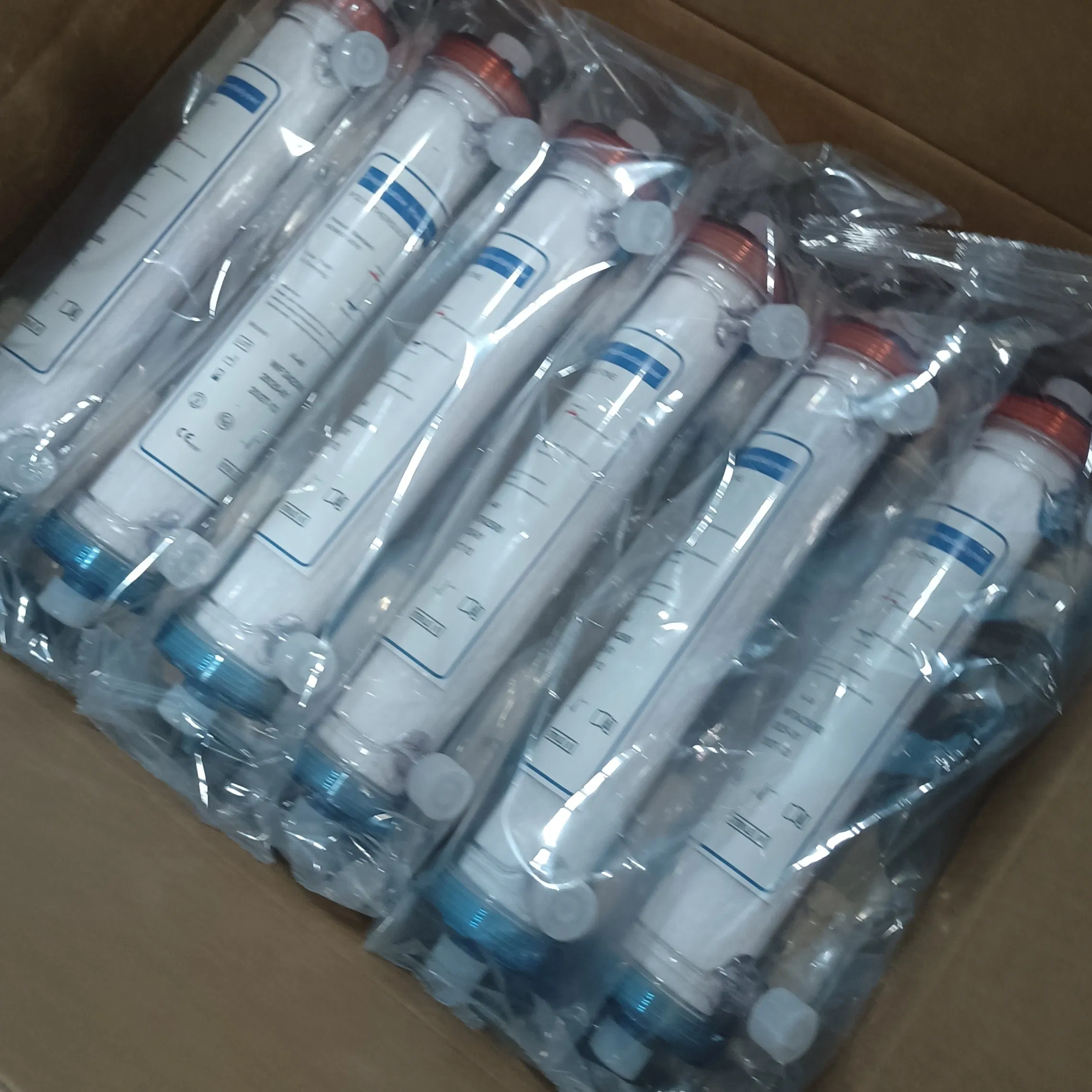
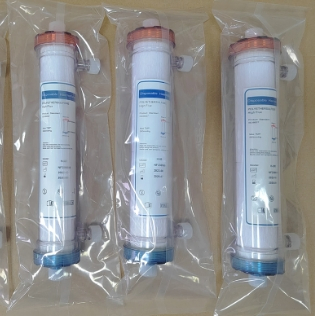
Anyway, on order logistics: MOQ is 50 cartons per surfce area, each carton holds 20 individually wrapped sterile units, and we usually provide FTA-draft COAs before dispatch so you can front-run your internal audit paperwork without waiting for shipment to clear customs.
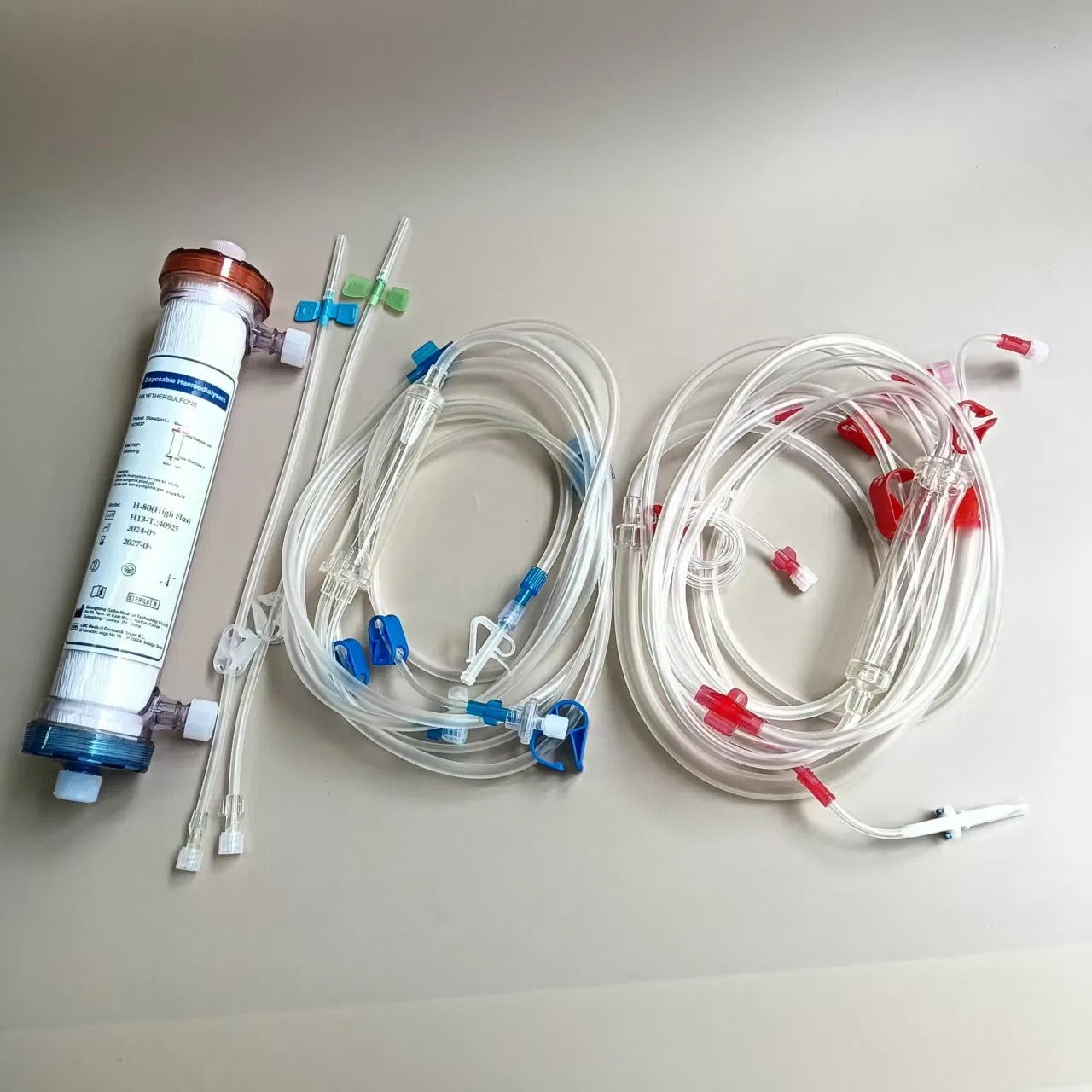
High flux dialyzers have larger pores in the hollow fiber membrane, which allows for better clearance of larger middle molecules like beta-2 microglobulin. Low flux dialyzers have smaller pores, focusing more on small molecule removal. Both use the same polyethersulfone membrane from Germany, so you can pick based on your patients' needs.
We typically require a MOQ of 500 pieces per surface area size, but we can be flexible for trial orders. Contact us to discuss your specific needs.
Standard lead time is 30-45 days after order confirmation, depending on the quantity and surface area mix. We can expedite smaller orders to 20 days if needed.
Yes, this dialyzer is CE certified under the Medical Device Directive. We can share the CE certificate and declaration of conformity upon request. The certification covers both high and low flux versions.
Store it in a cool, dry place away from direct sunlight, ideally between 10-30°C. The shelf life is 3 years from the sterilization date, as it's gamma irradiated and sealed in a protective package.
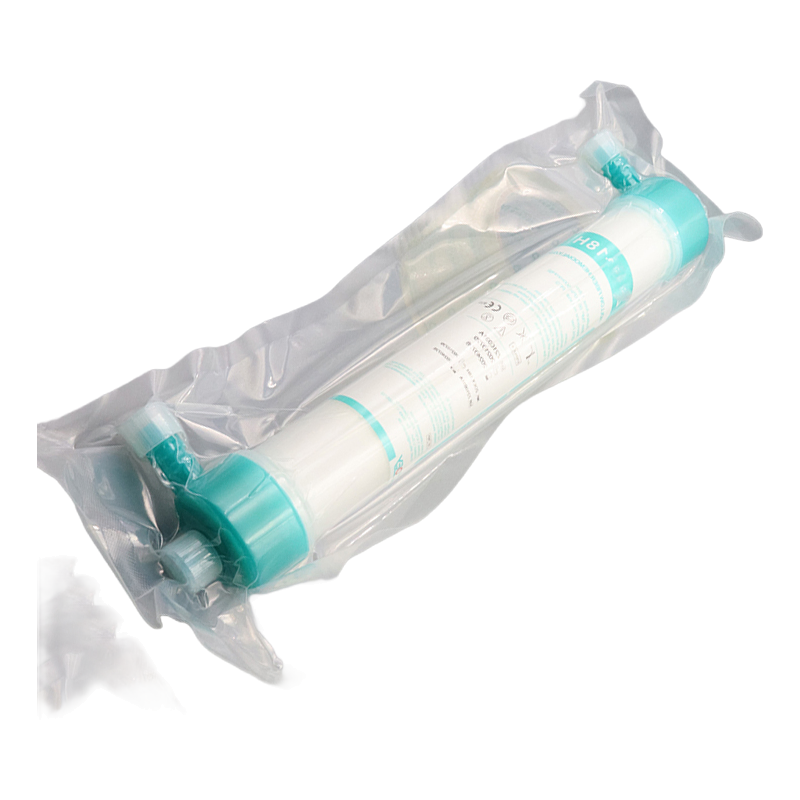
Shipping was surprisingly swift and efficient. The package arrived well ahead of the estimated delivery date, which was a huge relief given the urgent nature of the medical supplies. Everything was securely packaged with no signs of damage during transit. The quality of the dialyzers themselves appears to be excellent upon initial inspection; the construction feels solid and they are clearly sealed in sterile, professional packaging. The service aspect was also commendable. Communication was clear, and the ordering process was straightforward without any complications. Overall, a very smooth and reliable experience from start to finish. I would certainly consider ordering again based on this positive interaction. The attention to detail in both the product presentation and the logistical handling is noteworthy. Such reliability is crucial in a medical context, and this supplier seems to understand that perfectly. The entire transaction felt professional and inspired confidence, which is paramount when sourcing critical healthcare equipment. Speed, quality, and service all aligned perfectly on this occasion.
Keenly impressed with the overall experience of receiving this medical product. Prompt delivery was a standout feature, as the item arrived well ahead of the estimated date, securely packaged to prevent any damage. Quality-wise, the dialyzer appears robust and professionally manufactured, with no visible defects upon inspection. Customer service was exceptional, providing clear communication and quick responses to inquiries. However, a minor issue with the tracking updates caused some initial confusion, but it was swiftly resolved. Overall, a reliable purchase that met expectations in terms of logistics and support, making it a solid choice for medical needs.