Account
Inquiry
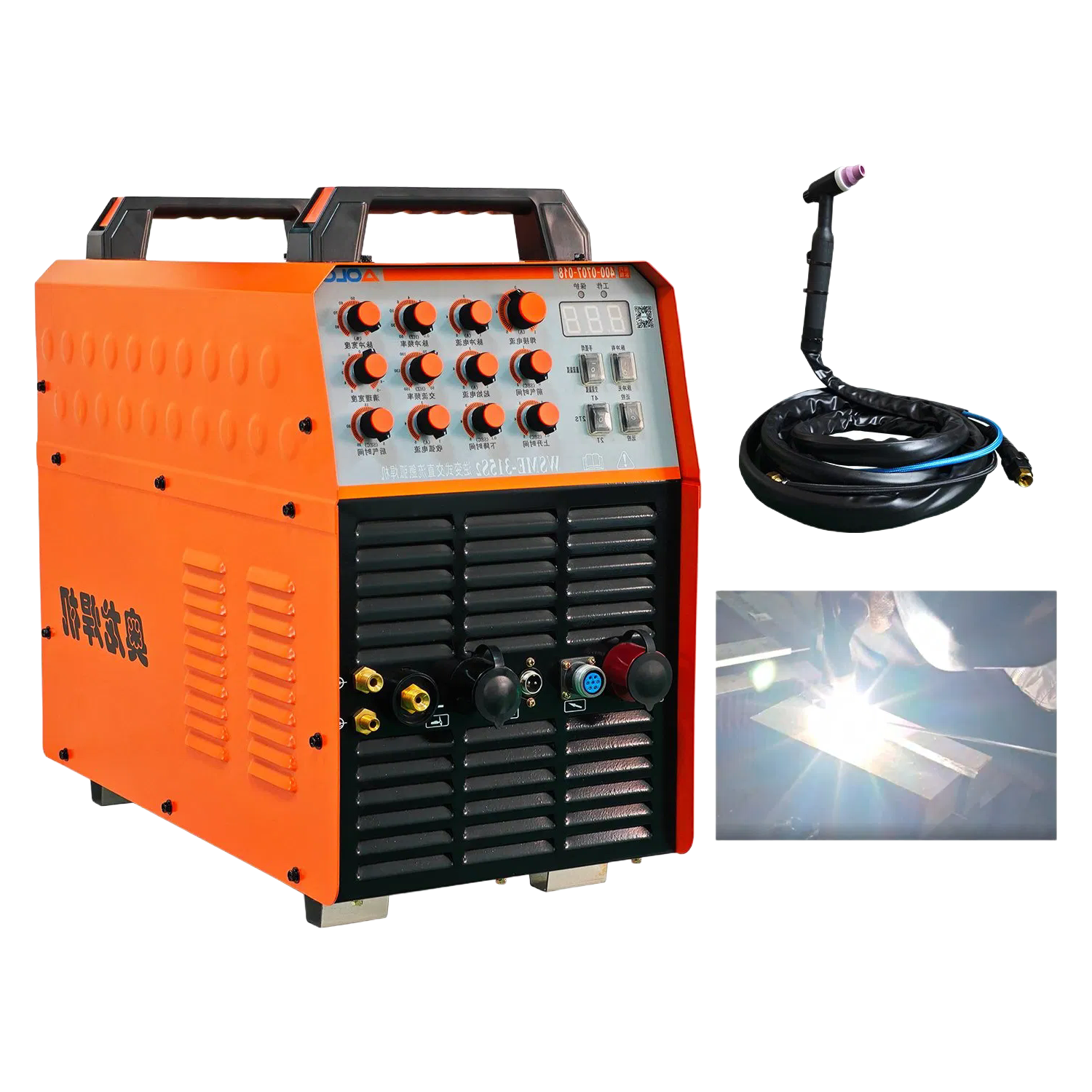
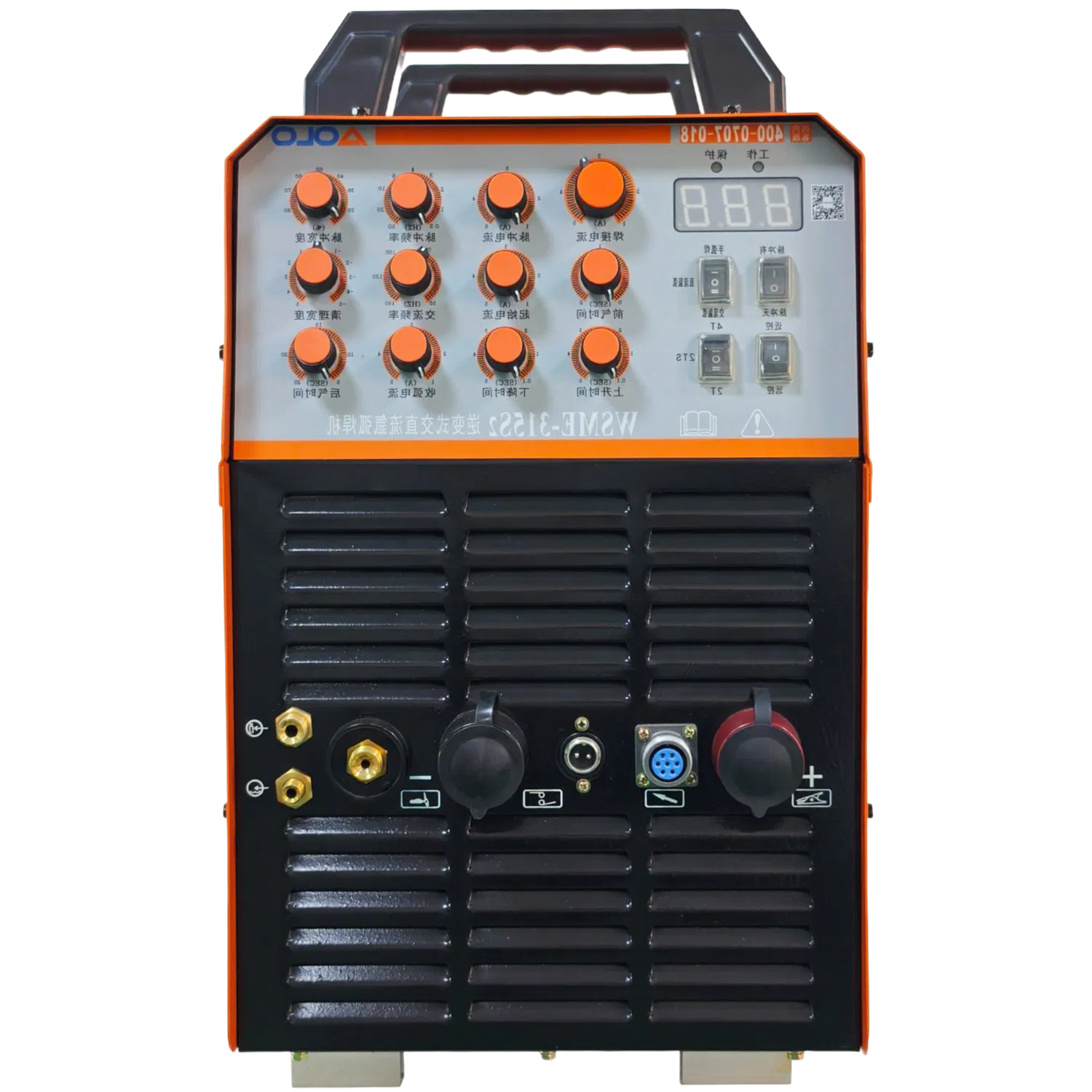
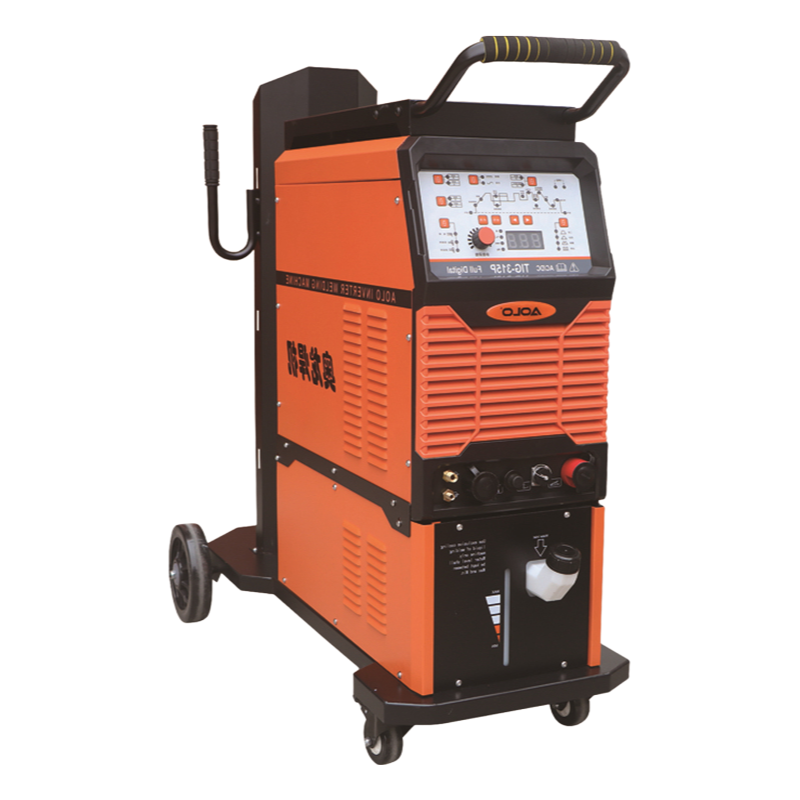
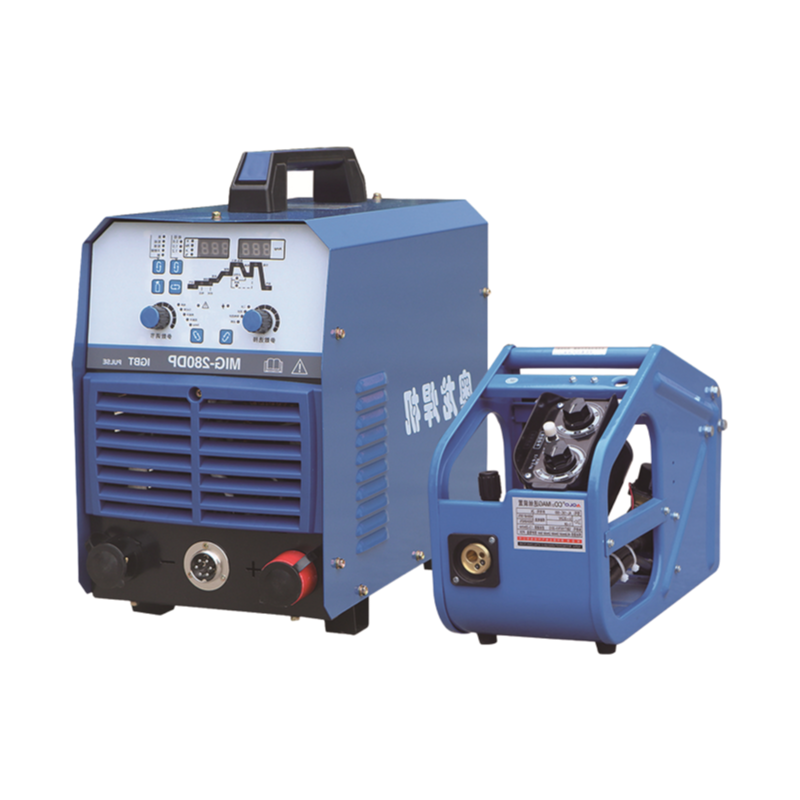
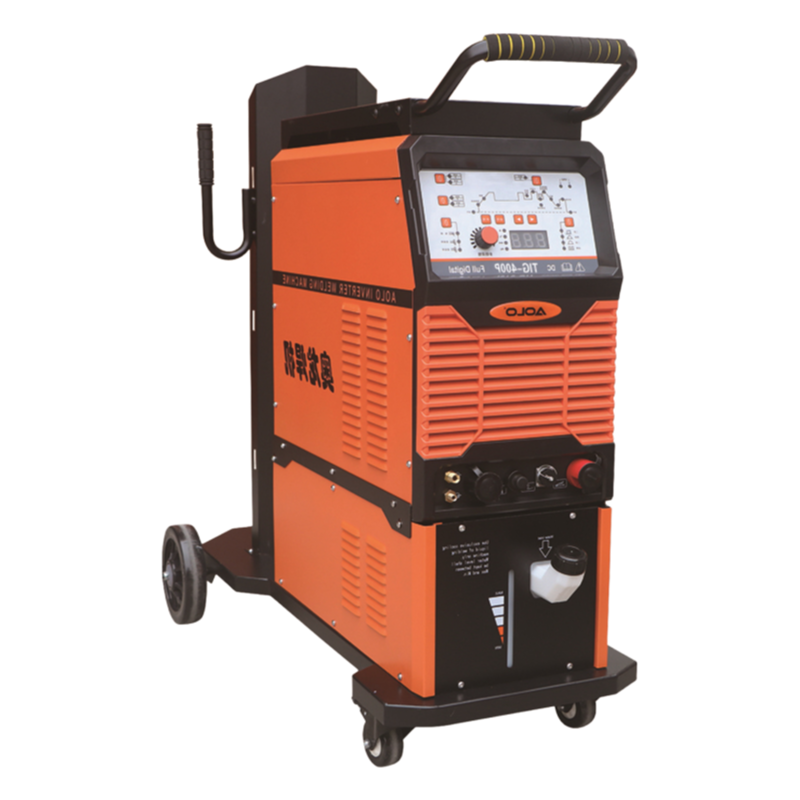
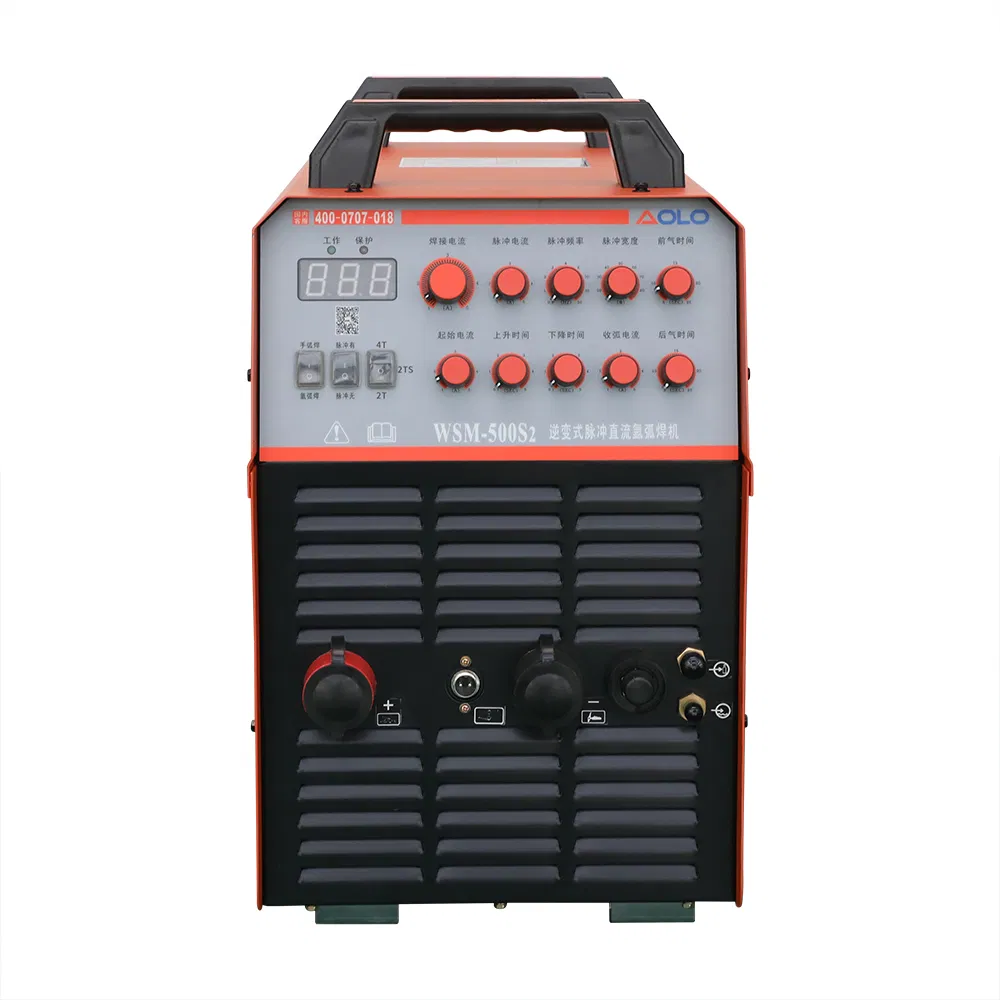
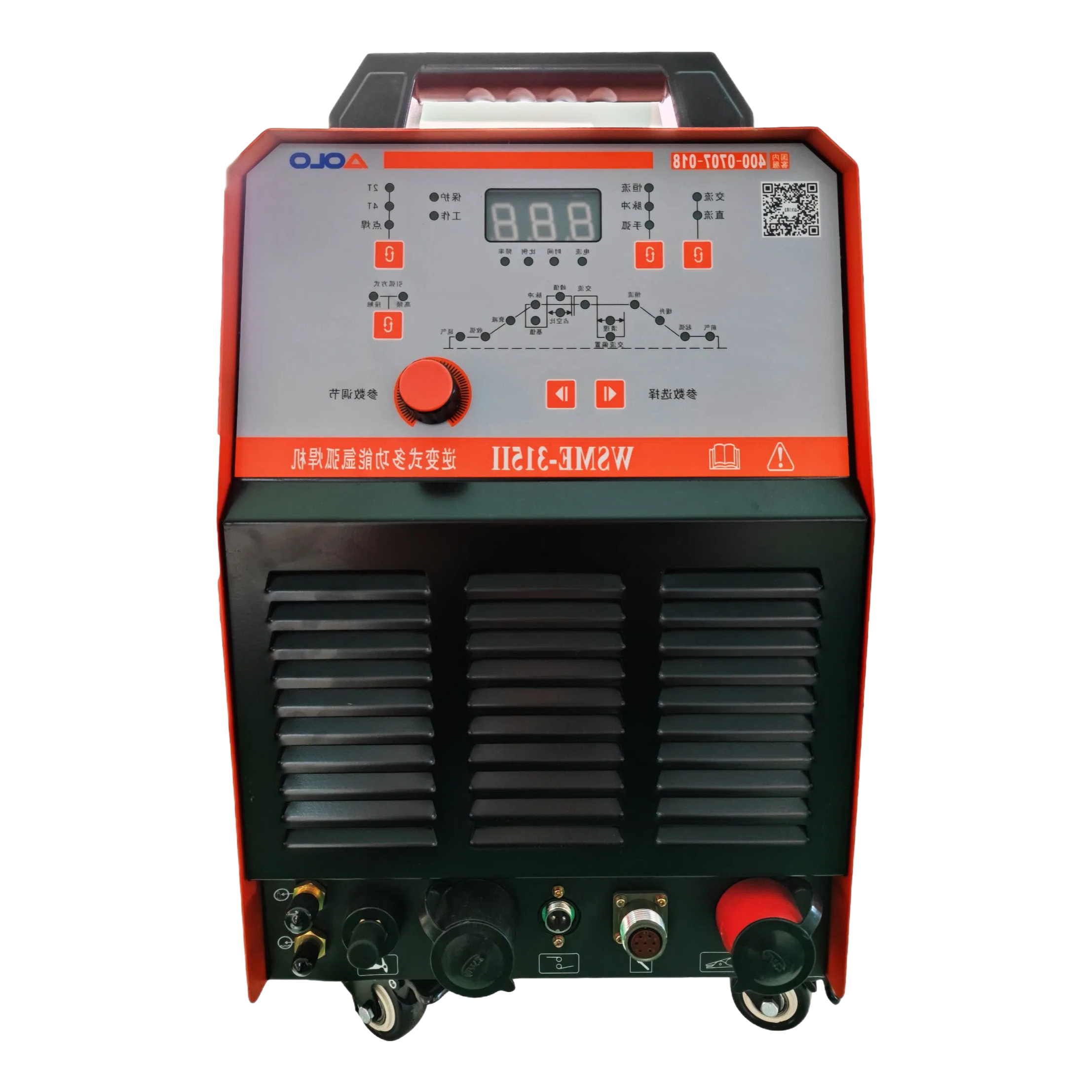
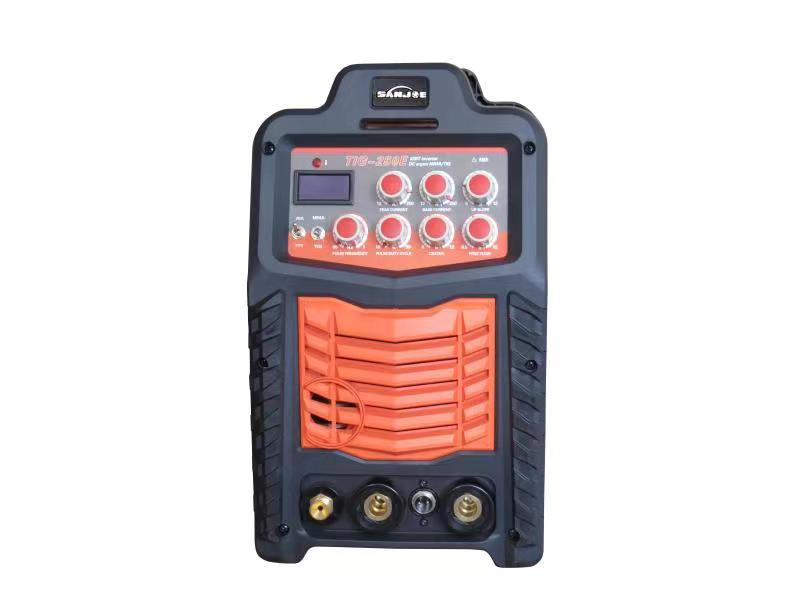
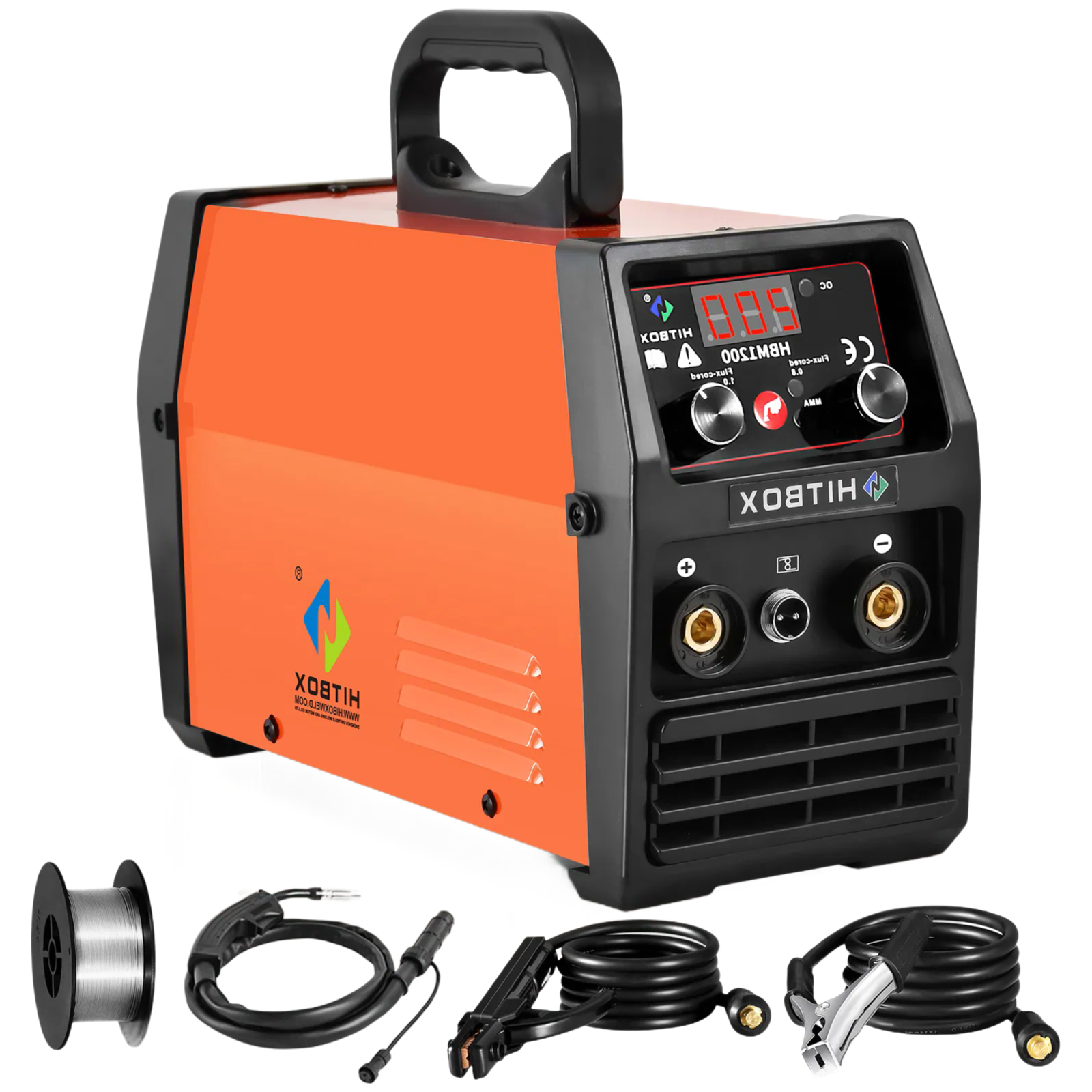
We've been moving these units into heavy for years now, and the first thing you'll notice is the duty cycle—it's 60% across the board, which means you can run the 400P model at 400 amps for six minutes out of ten without tripping thermal overload, and that's real-world tested, not just a spec sheet number.
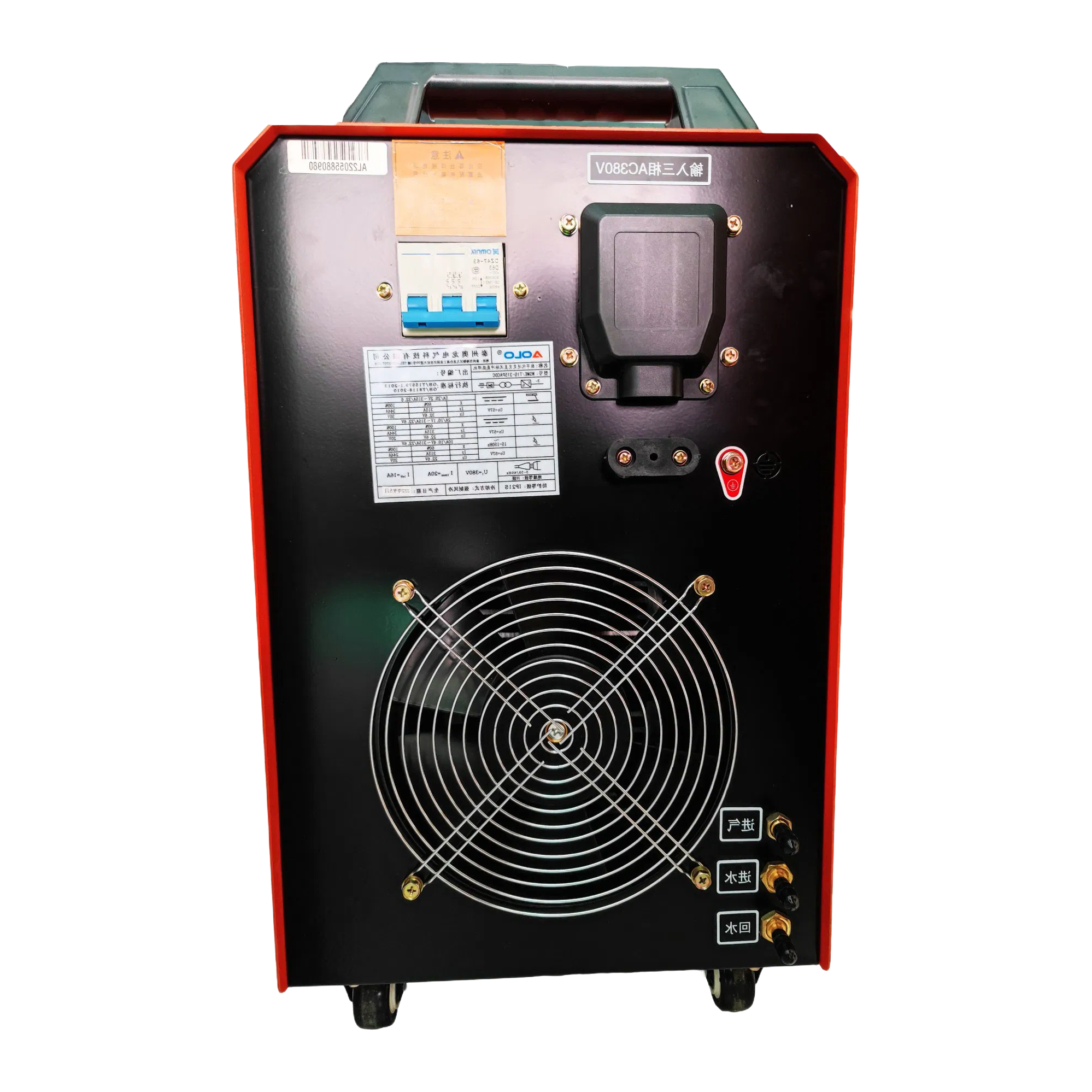
Input voltage is your call between 220V and 380V single-phase, but honestly, if you're in shipbuilding or petrochemical, you're almost always on 380V anyway, and the input capasity climbs from 8.7 KVA on the TIG-200P up to 34.9 KVA on the 630P—roughly 53 amps at full draw, so make sure your shop's electrical service can handle the peak load or factor in a breaker upgrade.
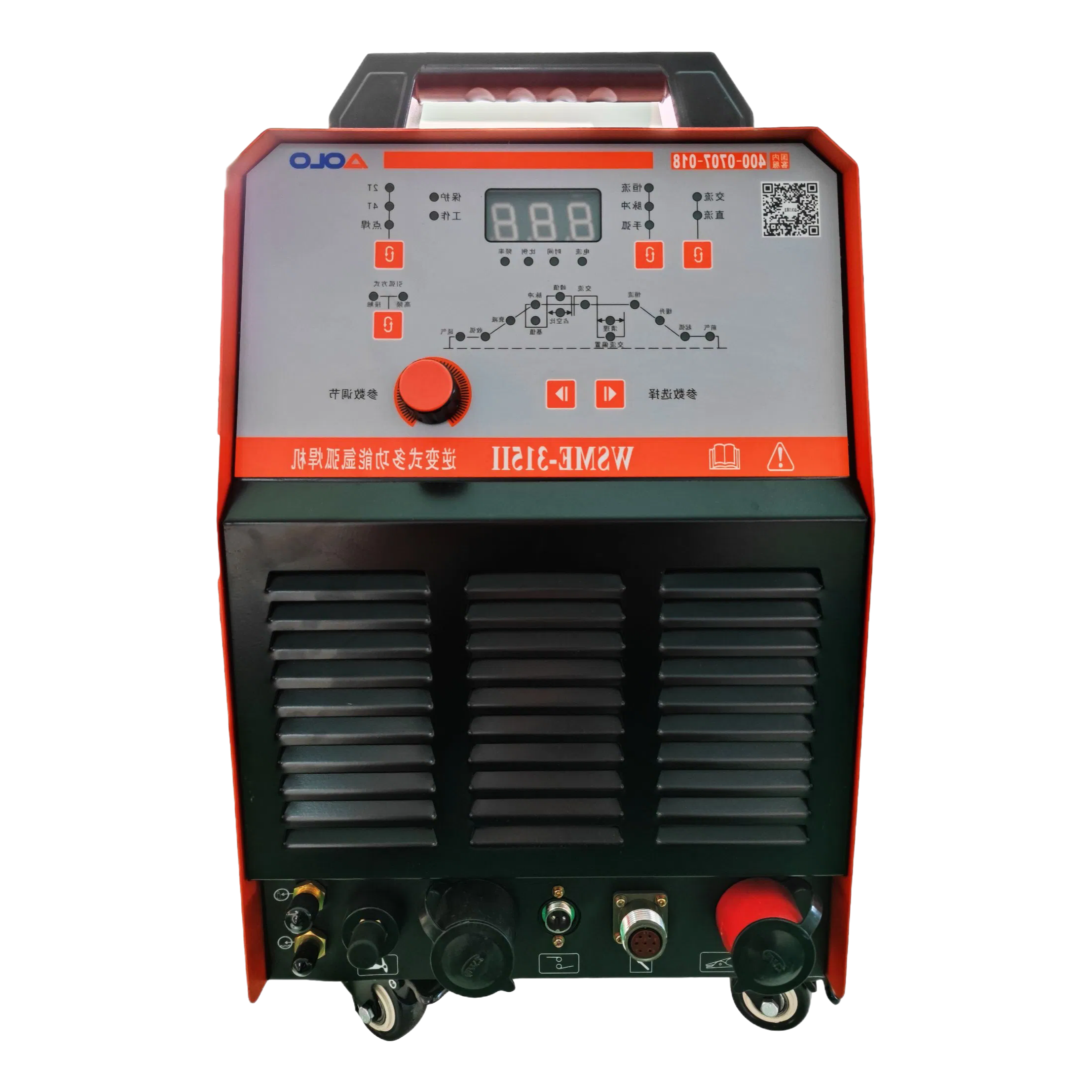
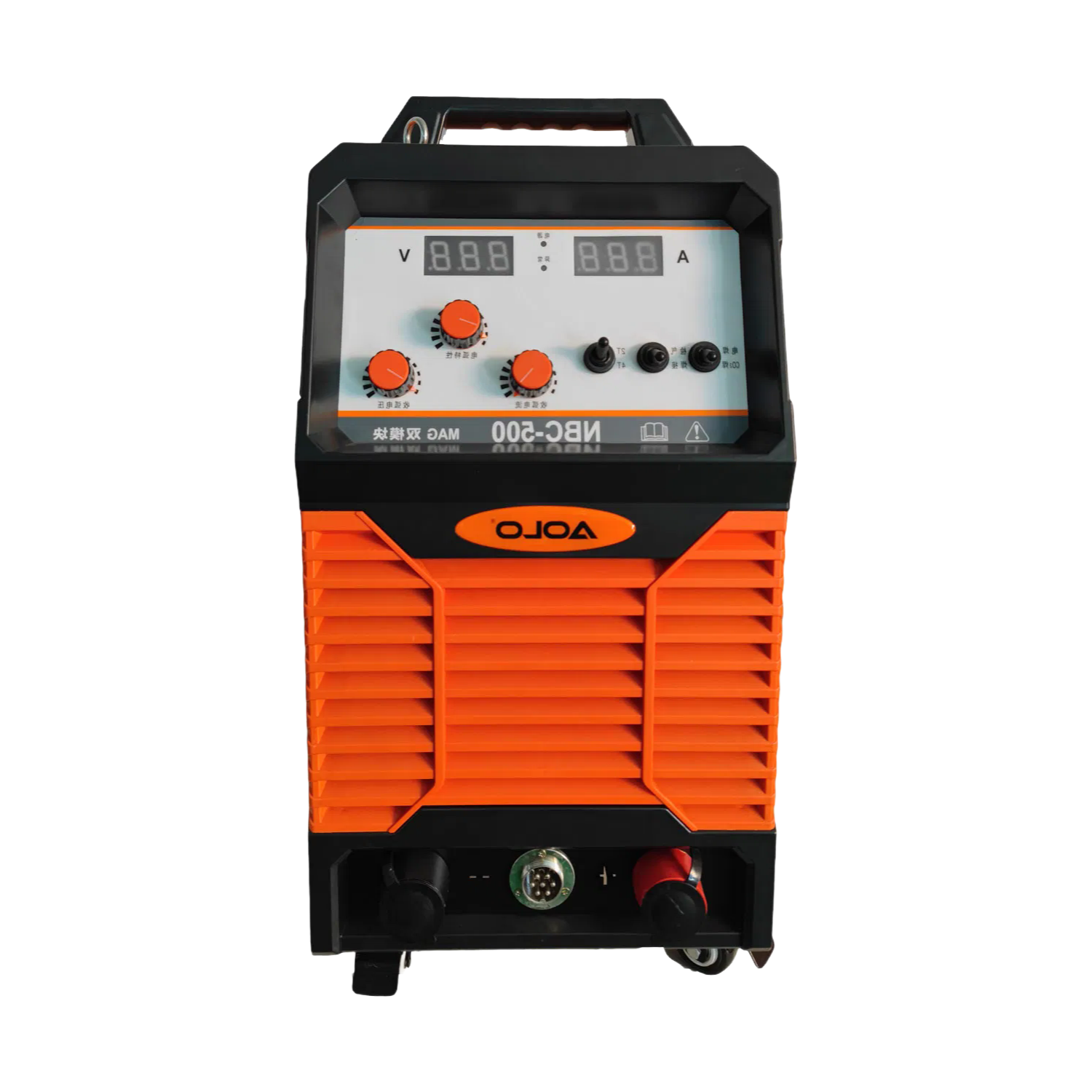
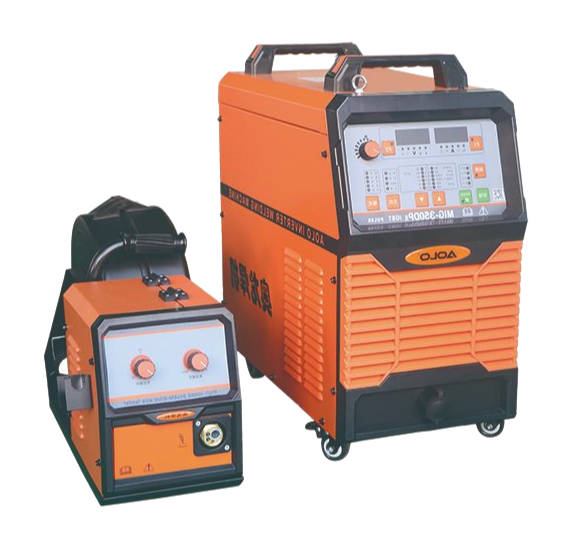
The high-frequency pulse is what sets this apart for pipe welding and nuclear work, where you need that tight arc control on aluminum and stainles, and we've seen buyers push the AC frequency adjustment and clean width to dial in oxide removal without burning through thin-walled sections—it's basically a TIG-315P or TIG-400P that most shops go with for that kind of precision.
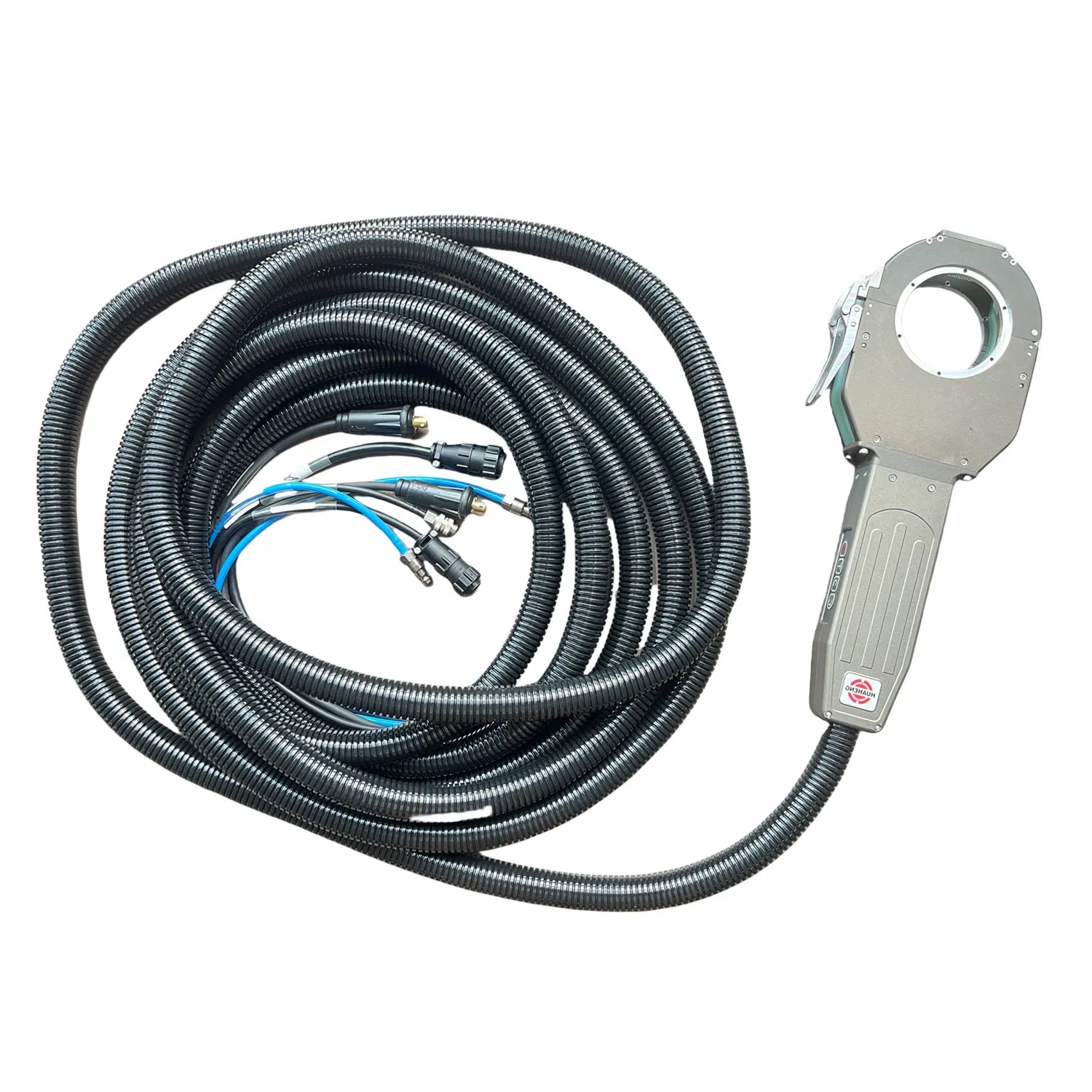
Cooling is forced air on the smaller units up to the 400P, but once you step to the 500P or 630P, you'll want water cooling (usually model comes with a water-cooled torch option, but check the order specs), and the insulation class H rating means the windings can take 180°C continuous without breaking down, which matters when you're welding in a refinery turnaround where ambient temps hit 40°C.
One thing buyers don't always ask about is the output no-load voltage—it's 58V on the 220V models and 62V on the 380V versions, and that's important for arc starts on dirty or painted surfaces in pipeline installations, but it also means you need to follow standard arc flash safety protocols, as the open-circuit voltage can give a nasty bite if you're not careful.
We usually have stock on the TIG-200P and TIG-315P, but the 500P and 630P are built to order in about 20 days or so—just confirm lead time when you send the RFQ, and include whether you need CCC or CE certifcation stamped on the COA, because we can supply either depending on your destination port.
All models have a 60% duty cycle at rated current, so for heavy production runs you'll want to let them cool a bit between long passes. For most shipbuilding tasks, that's plenty—just don't expect to weld non-stop for hours at max amps.
Yes, the larger models like TIG-400P and up support water cooling, and we can supply a separate water cooler unit if needed. The TIG-630P typically ships as forced air cooling by default, but you can request the water-cooled version.
Our standard MOQ is 5 units per model, but if you're combining different models in one order we can flex that down to 3 each. Just let us know the exact breakdown and we'll confirm.
Every machine comes with CCC, CE, ISO, and ROHS certs included in the shipment—no extra request needed. You'll get physical copies in the packing box along with the test reports.
Yes, the TIG-315P is available in both 220V and 380V versions. For 380V, typical lead time is 25-30 days after order confirmation. Stock units are usually 220V, so custom voltage adds a bit of time.
Outstanding experience from start to finish. The delivery was remarkably swift, arriving well ahead of the estimated schedule, which was a fantastic surprise. The packaging was exceptionally secure and professional, ensuring the unit was perfectly protected during transit. Regarding quality, the construction of the welder feels incredibly robust and industrial-grade. The fit and finish are precise, and all components appear to be of high-caliber materials, instilling immediate confidence in its durability for demanding environments. The service provided was equally impressive. The communication from the seller was prompt, clear, and helpful throughout the entire process. Any pre-delivery inquiries were answered thoroughly and courteously. The overall professionalism from the logistics team to the customer support has been exemplary. This level of care in shipping, the evident quality of the product’s build, and the superior customer service have made this a highly satisfactory purchase. I would not hesitate to recommend this seller based on this seamless transaction.
Hats off to the logistics team for the incredibly swift and secure delivery of this welding unit. The packaging was exceptionally robust, clearly designed to withstand the rigors of transport, and it arrived ahead of the estimated schedule without a single dent or scratch. This promptness allowed our project timeline to remain firmly on track. Regarding the unit’s build quality, it is immediately apparent that this is a serious piece of industrial equipment. The chassis feels solid and durable, with high-quality components and clean, professional finishes that inspire confidence for long-term, demanding use in our shipyard environment. The overall service experience was equally commendable. The pre-sales communication was clear and informative, and the post-sale support team was responsive and knowledgeable when we had a minor query about documentation. The entire process, from ordering to unboxing, was seamless and professional. While I cannot yet comment on its specific welding performance for aluminum or its integration with robotic systems, the initial physical inspection and the smooth transactional experience have been thoroughly impressive. This level of attention to logistics, apparent manufacturing quality, and customer service sets a high standard and provides a very positive first impression of the product and the company behind it.
Excellent experience overall. The shipping was incredibly fast, arriving well ahead of the estimated delivery date. Everything was packaged securely with no signs of damage during transit. The build quality of the unit itself feels exceptionally robust and solid, exactly what you would expect from professional-grade industrial equipment. Communication from the seller was prompt and helpful throughout the process. They provided clear updates and were quick to answer my pre-purchase questions. While I cannot comment on the specific performance or technical operation yet, the initial impression based on logistics, physical quality, and customer service support has been outstanding. The entire transaction was smooth and professional from start to finish. This level of service and apparent product integrity provides great confidence in the purchase. I am very satisfied with this aspect of my acquisition and would certainly consider this supplier for future needs based on these factors alone.
Naturally, the entire experience from ordering to delivery was handled with remarkable efficiency. The logistics were absolutely flawless; the shipment arrived ahead of the estimated schedule, which was a very pleasant surprise given the size and nature of this industrial equipment. The packaging was exceptionally robust and secure, clearly designed to protect such a critical piece of machinery during transit. Every component was meticulously packed with appropriate cushioning and separators, and there was no sign of any damage or even minor scuffing upon unboxing. The carrier provided consistent and clear tracking updates, making it easy to monitor the shipment's progress in real-time. Regarding the product itself, the build quality is immediately apparent and truly impressive. The machine has a substantial, rugged feel that inspires confidence for demanding petrochemical and shipbuilding environments. The chassis and controls are constructed from high-grade materials, and the overall fit and finish are exemplary, with no rough edges or inconsistencies. The digital interface is crisp and responsive, and all connections feel solid and reliable. As for service, the communication from the seller was proactive and professional throughout the process. Any pre-shipment inquiries were answered promptly and thoroughly with detailed, knowledgeable responses. The documentation included was comprehensive and clear, covering all necessary specifications and safety information. While I have not yet put the machine through its paces in a full operational setting, the initial inspection and setup based on the provided materials were straightforward. The overall impression is of a premium, well-supported product that has been delivered and presented with the utmost care and professionalism. The combination of seamless logistics, outstanding apparent construction quality, and excellent customer service makes this a highly commendable purchase experience thus far.
Shipping was surprisingly fast and efficient. The courier service handled the package with care, and it arrived well ahead of the estimated delivery date. Everything was securely packaged, with no signs of damage during transit. The tracking information provided was accurate and updated regularly, which made it easy to monitor the shipment's progress. Communication regarding the shipping status was clear and timely. The overall logistics experience was seamless and hassle-free, exceeding my expectations for an item of this size and nature. The delivery personnel were professional and courteous, ensuring the package was placed safely at the designated location. This level of logistical efficiency is commendable and sets a high standard for future orders. The entire process from dispatch to arrival was smooth, reflecting a well-organized supply chain. I am thoroughly impressed with the speed and reliability of the delivery service, which contributed significantly to a positive purchasing experience. Such promptness is rare and greatly appreciated, especially when dealing with industrial equipment. The packaging materials used were robust and appropriate, providing excellent protection. This attention to detail in logistics demonstrates a strong commitment to customer satisfaction. I would definitely recommend this service based on the shipping experience alone. The efficiency displayed here is a testament to the company's operational excellence. It made receiving the product a very straightforward and pleasant process.
Came exactly as described and arrived ahead of schedule, which was a fantastic surprise. The shipping was incredibly fast and the packaging was absolutely secure, showing clear care in handling such a substantial piece of industrial equipment. Upon unboxing, the build quality is immediately apparent; it feels robust, well-engineered, and precisely manufactured. The digital interface is clear and the overall construction inspires confidence for demanding environments. Communication from the seller was prompt and professional throughout the entire process, answering my pre-purchase questions thoroughly. They provided clear tracking information and followed up to ensure the delivery was successful. While I have not yet put it through its paces in a live petrochemical application, the initial power-up and menu navigation were flawless. The unit powers on smoothly with no issues, and all the advertised features, like the high-frequency start and pulse settings, are accessible and seem well-implemented. The unit itself has a substantial, professional heft to it. Based on the physical inspection and initial tests, this welder appears to be a serious, high-caliber tool designed for longevity and precision work. The seller's service was exemplary, making the purchase process straightforward and reassuring. From the swift logistics to the obvious attention to detail in the product's fabrication, this has been a very positive experience. I am looking forward to integrating this machine into our workshop for aluminum and specialized steel work. The combination of rapid delivery, outstanding apparent quality, and excellent customer support makes this a transaction I would confidently recommend to others in need of reliable industrial welding equipment.
My experience with this supplier was quite positive overall, primarily due to their excellent logistics service. The shipping was remarkably fast and well-organized. I received clear tracking information promptly after my order was confirmed, and the package arrived well ahead of the estimated delivery window. The packaging was exceptionally sturdy and professional, clearly designed to protect heavy industrial equipment. Every component was securely fastened and padded, with no signs of damage or mishandling during transit. The courier service they partnered with was also very reliable and handled the delivery with care. From an operational standpoint, the logistical execution was flawless and instilled great confidence. Regarding the product quality, based on the initial inspection and setup, the welding machine appears to be robustly constructed. The chassis feels solid, the connections are tight, and the digital interface responds well. It presents as a serious piece of industrial gear, which aligns with the description. As for customer service, my pre-sale inquiries were answered promptly and thoroughly. The support team was knowledgeable about the technical specifications and provided clear information without being pushy. While I haven’t needed post-sale support yet, the initial interaction was professional and reassuring. The entire process, from ordering to unboxing, was smooth and efficient. This level of attention to logistics and customer communication is commendable for industrial equipment purchases, where reliability and clear timelines are crucial. It made the procurement process straightforward and low-stress.
Keenly efficient delivery service ensured the welding equipment arrived ahead of schedule, which was a fantastic start. The packaging was robust and secure, showing clear attention to detail in transit protection. Regarding the build quality, the machine feels exceptionally solid and well-constructed, instilling immediate confidence in its durability for demanding industrial environments. The overall craftsmanship appears top-notch, with clean finishes and sturdy components. Customer support was proactive and helpful during the order confirmation stage, promptly answering preliminary queries. While the product itself seems precisely as described and built to last, the standout aspect of this experience was undoubtedly the seamless logistics. The courier provided accurate tracking updates, and the handover was smooth and professional. This combination of reliable shipping, apparent high-grade manufacturing, and responsive pre-sales service made for a very satisfactory procurement process. The supplier clearly prioritizes getting quality products to customers efficiently and without complication.
Brisk delivery was the first thing that impressed me. The courier service was prompt and the packaging was exceptionally secure, ensuring the welder arrived without a single scratch. Beyond the logistics, the build quality is immediately apparent; it feels robust and engineered for demanding industrial environments. The initial setup was straightforward, and the digital interface is intuitive. Customer service has been responsive during the ordering process, answering my pre-sale queries efficiently. While I have not yet put it through its paces in our shipyard applications, the out-of-the-box experience regarding shipping, unboxing, and initial inspection has been thoroughly positive. The machine's construction inspires confidence for its intended use in petrochemical settings. The overall service from order to delivery was seamless and professional. This level of attention to detail in logistics and presentation bodes well for the product's performance. I am looking forward to integrating it into our workflow and will provide further feedback after extensive field testing. For now, based on the delivery speed, packaging quality, and initial impressions of its sturdy manufacturing, this seems like a well-considered purchase for heavy-duty applications.
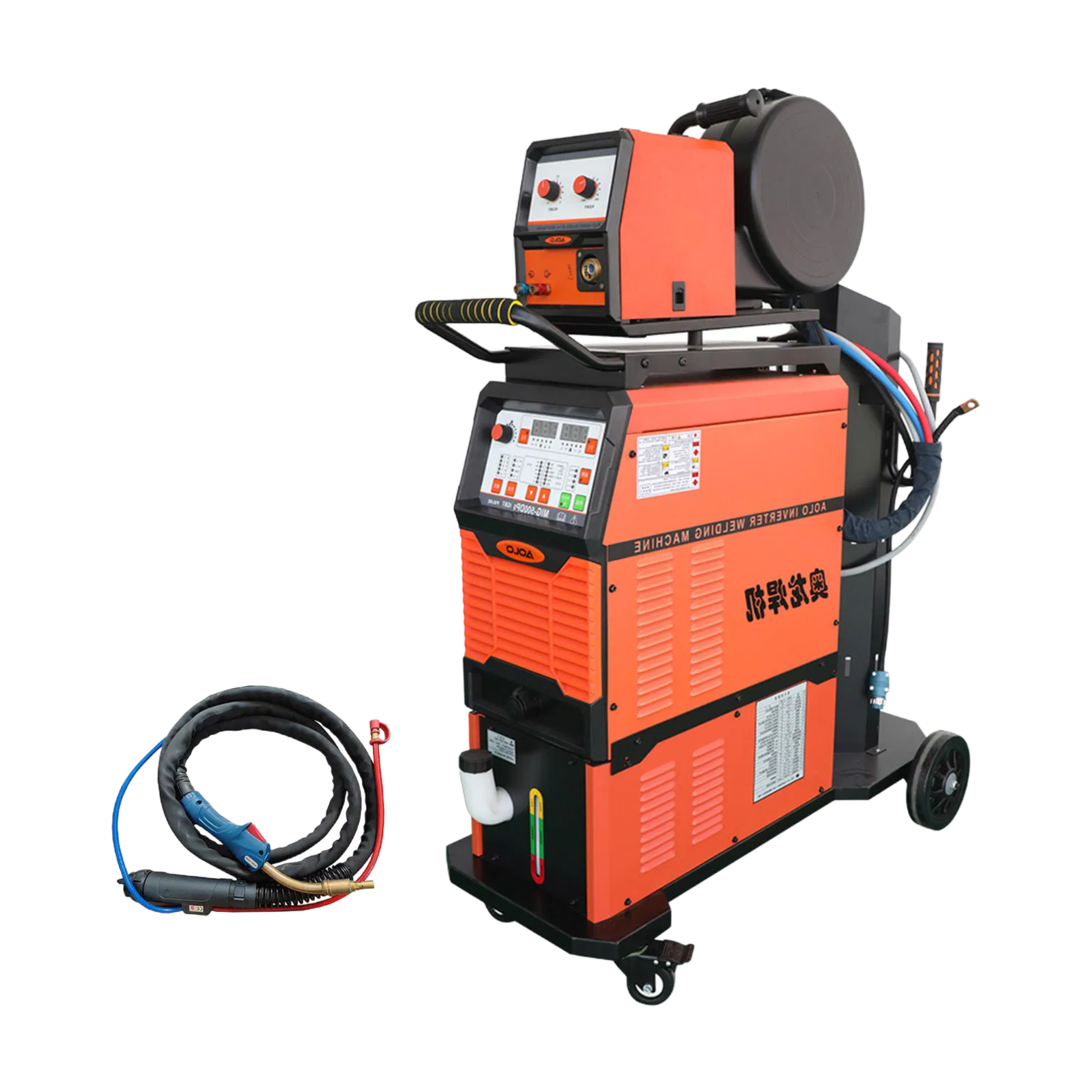
![[Doubao Exception]: The request was canceled due to the configured HttpClient.Timeout of 60 seconds elapsing.](https://img.manufactry.com/1631014_0.webp)