Account
Inquiry
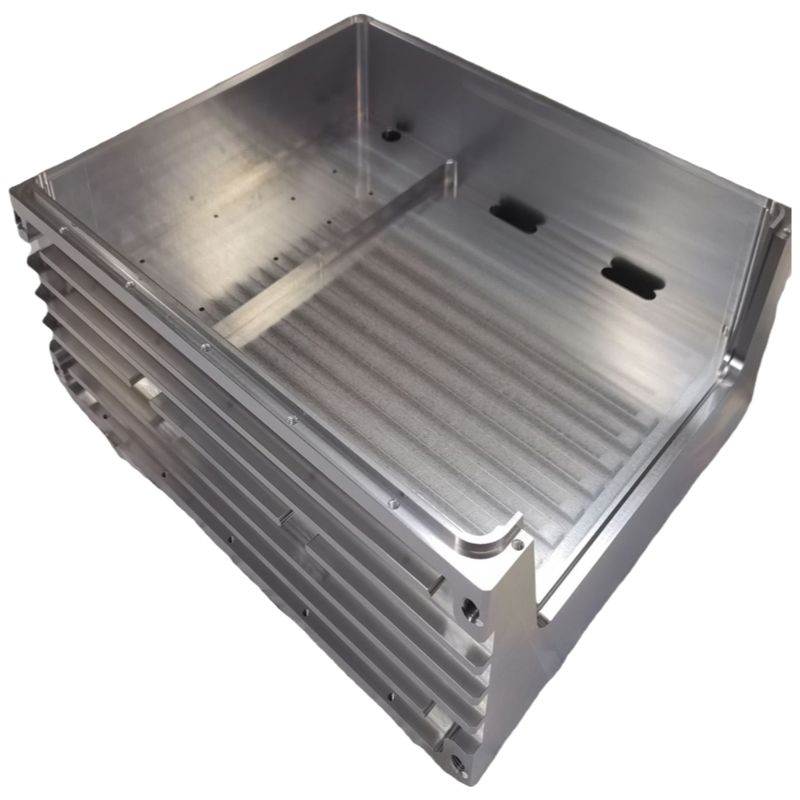
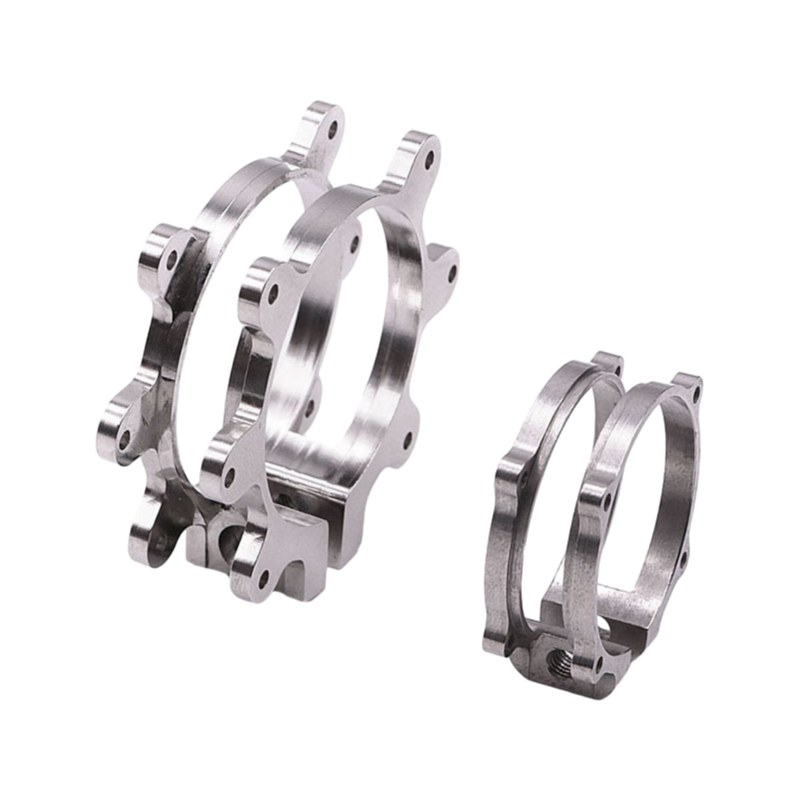
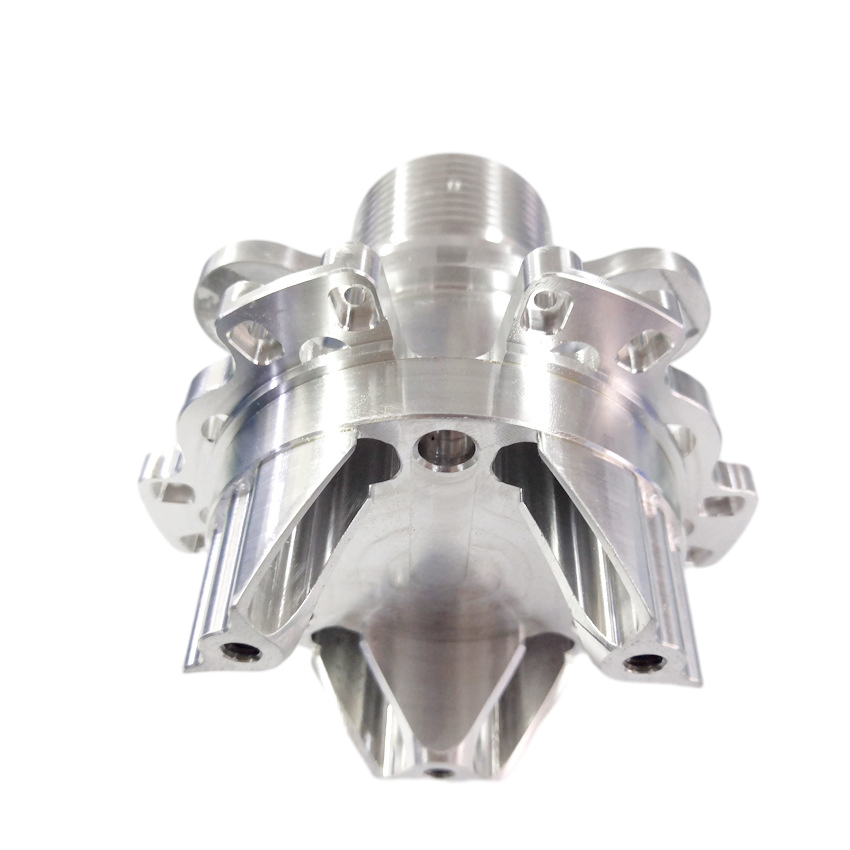
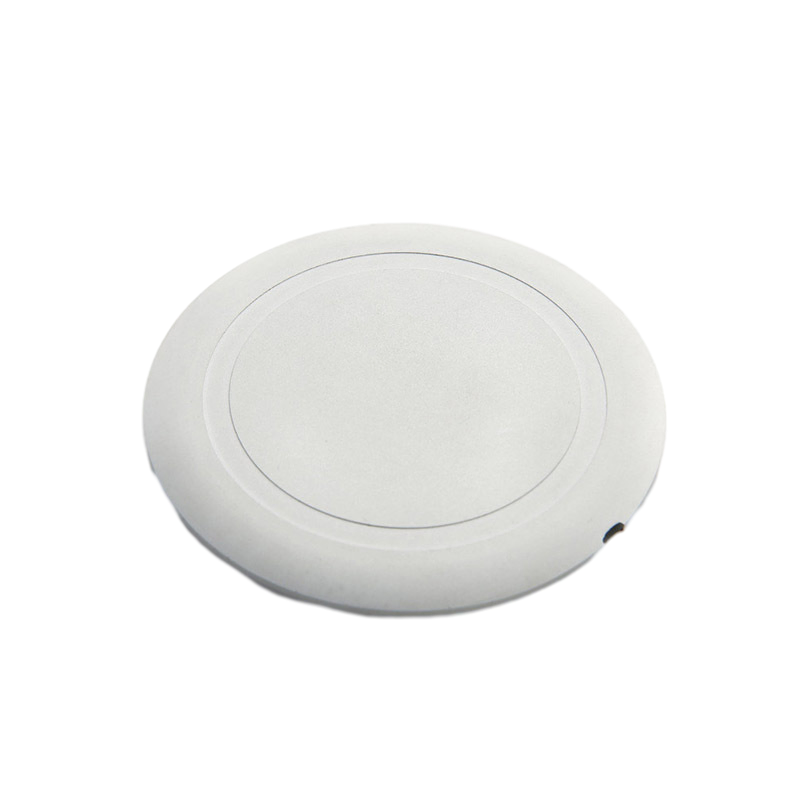
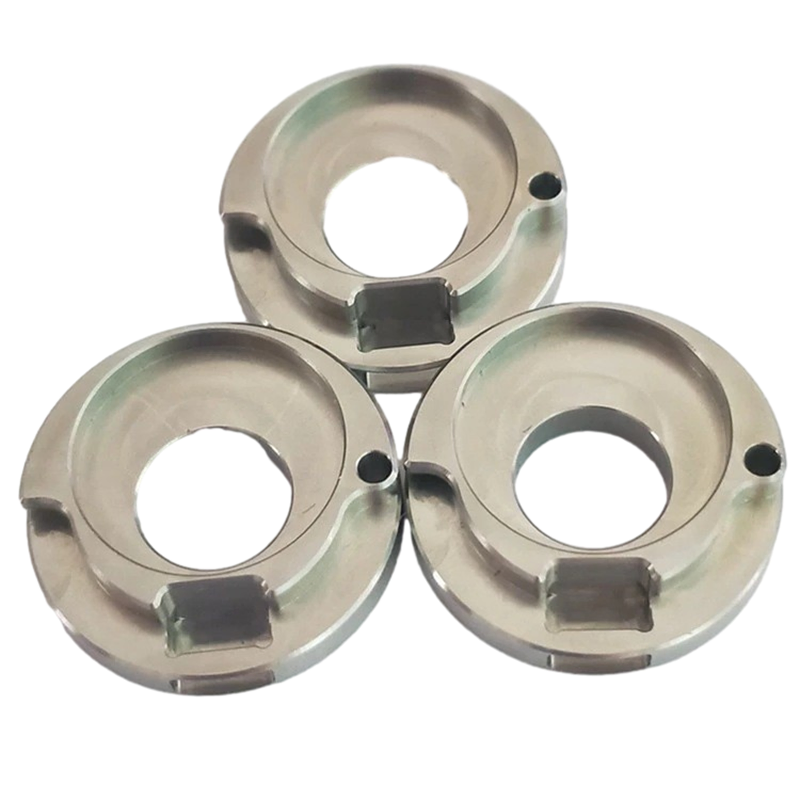
When you're running a tight prototype run and need that first batch of surgical instrument parts turned around in under a week, we've got bandwidth—3 to 7 days for samples is pretty standard, but confirm lead time if you're pushing teh 2200mm length limit.
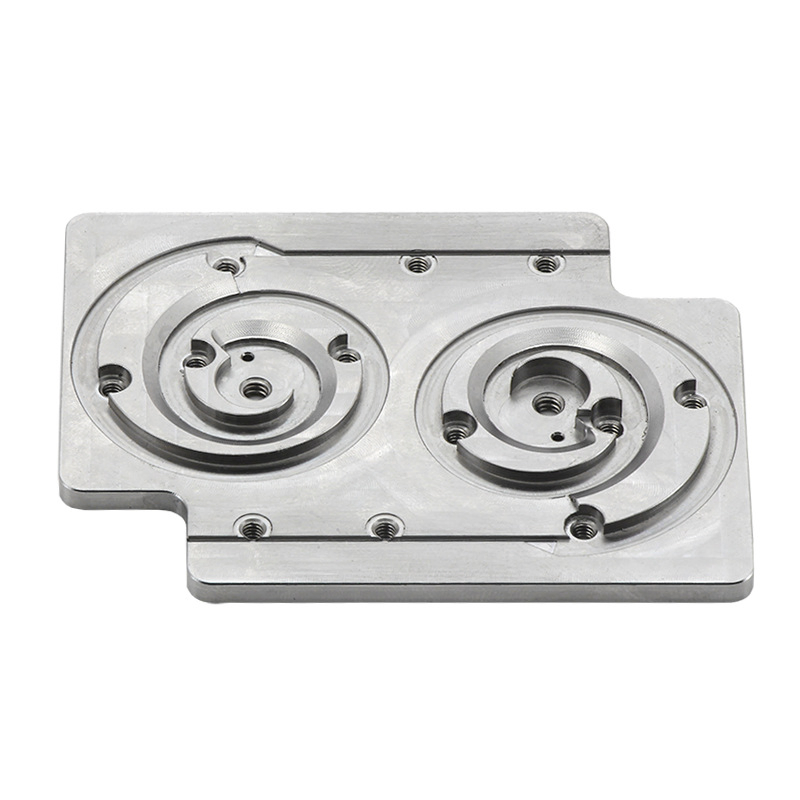
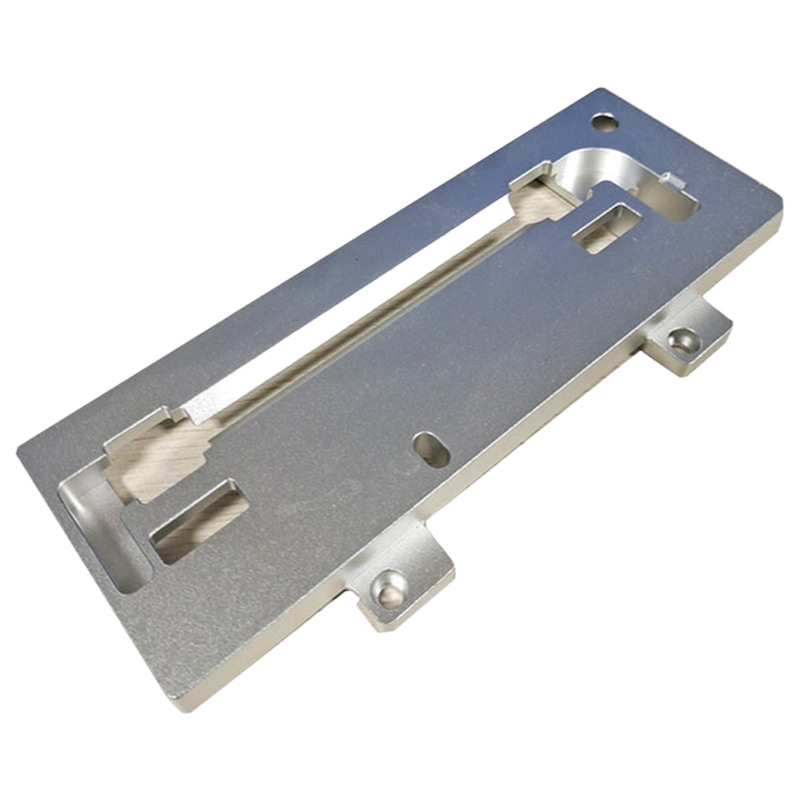
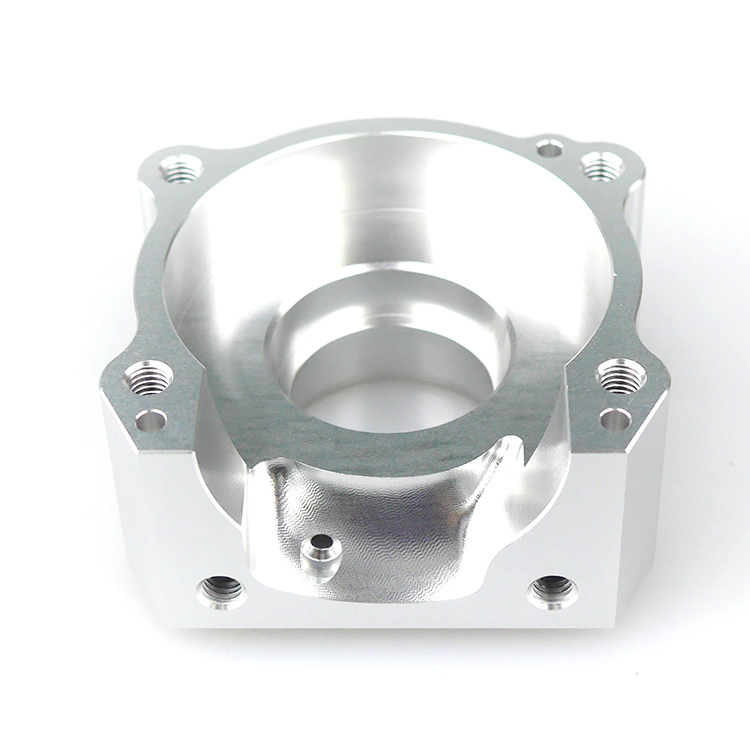
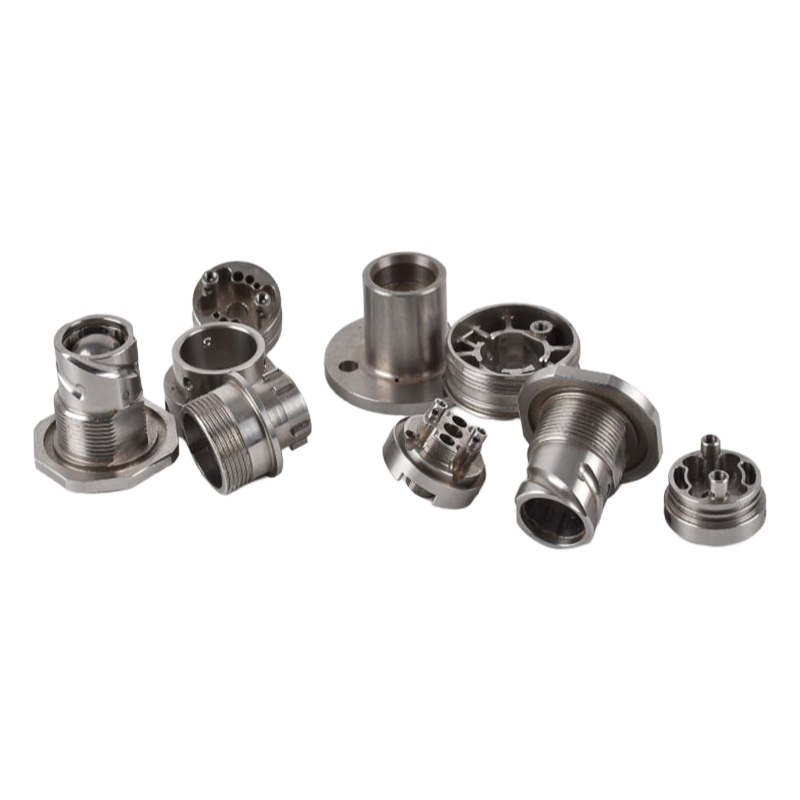
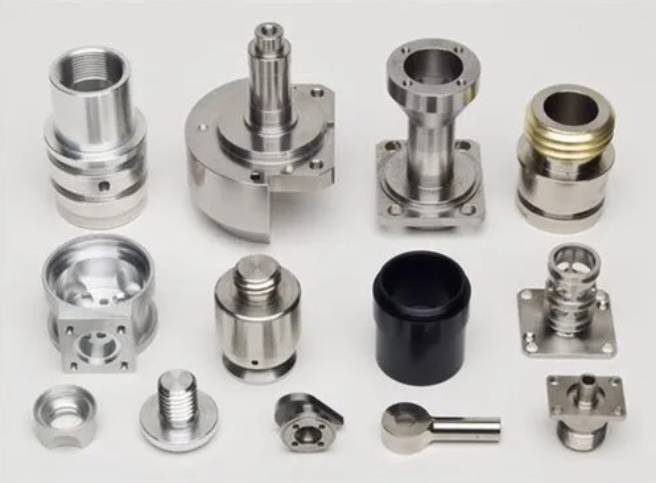
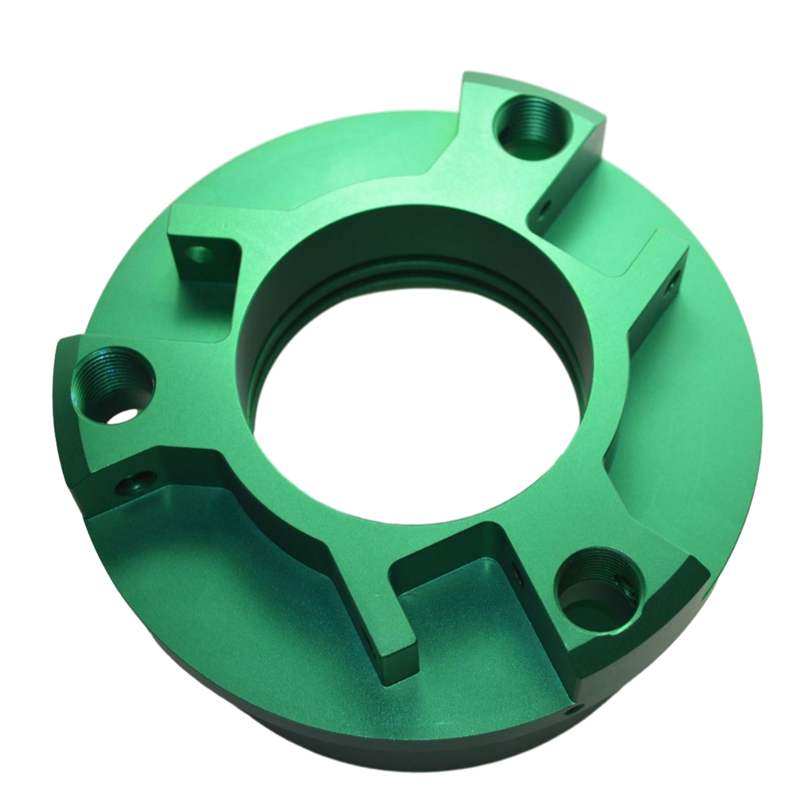
Tolerance sits at ±0.01mm to ±0.05mm depending on geometry, which is better than most standard ISO 2768 M work, and surface roughness can go form Ra 0.1 up to 3.2—usually we see buyers specifying Ra 0.8 for implantable parts. Material options cover alumnum, brass, bronze, steel, stainles, titanium, and plastic; we're running about 150,000 pieces a month across 5-axis centers, CNC lathes, and mill-turn machines.
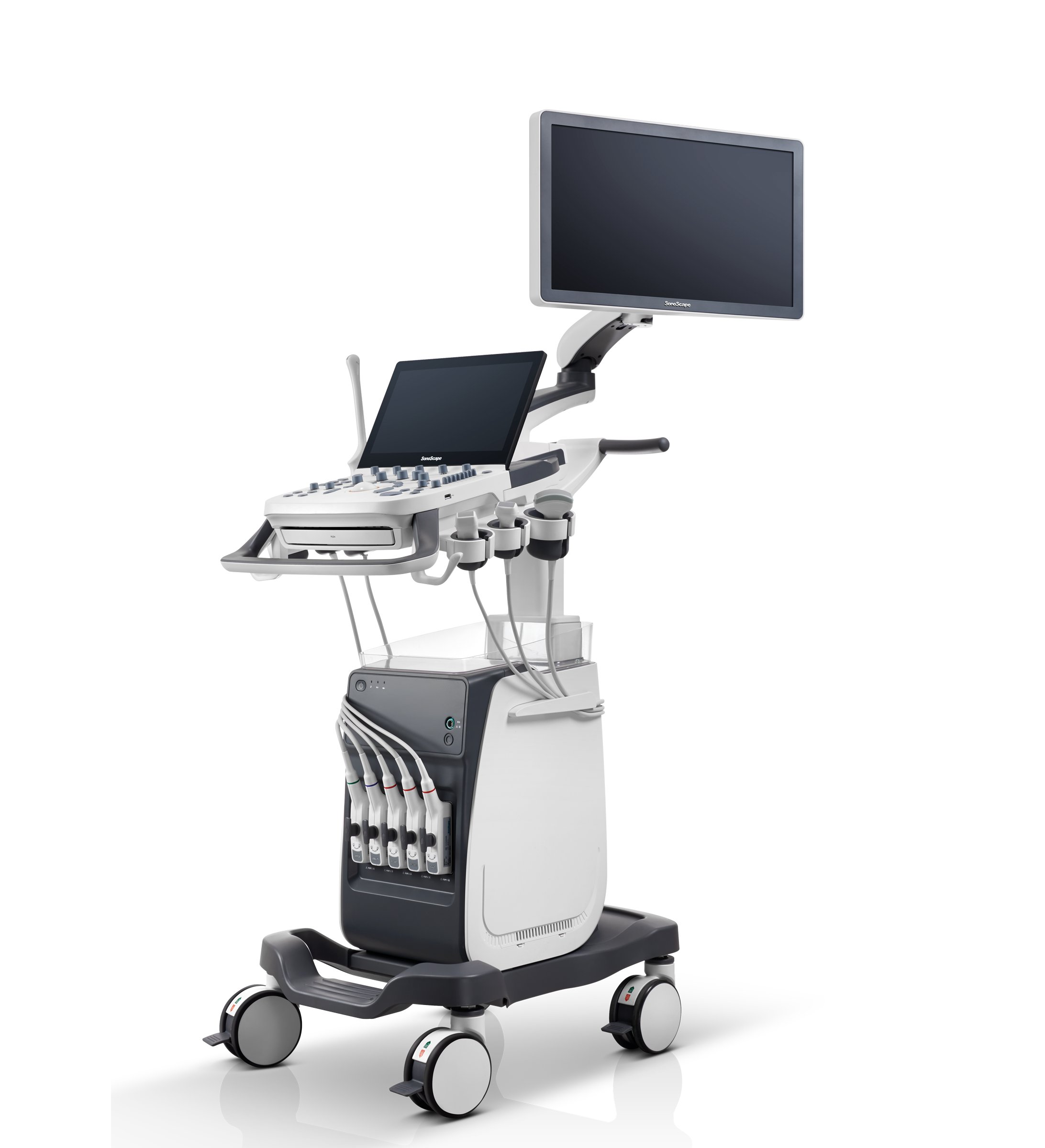
It handles M1×0.25mm threads no problem, and for medical stuff like diagnostic equiment or implantable parts, it's solid—though it's not suited for anything requiring sub-micron tolerances or exotic alloys like Inconel (that's a different setup). Surface treatments include anodizing, powder coating, electropolishing, and plating, but you'll want to specify early if you need electropolishing because of that it adds roughly 5 days or so.
Anyway, you send a STEP or IGS file, we quote in a day or two, and bulk orders run 20 to 30 days typically. It basically works for both one-off prototypes and mass production—just don't expect miracles on lead time if you're ordering 50,000 units overnight.
We don't have a strict MOQ for prototypes—we can handle as few as 1 piece for sampling. For bulk production, we typically start at 100 pieces, but we can flex based on your project needs.
Yes, we can hit that tolerance in titanium within the standard 3-7 day window for samples, as long as the part size stays under 2200×1800×150mm. The 5-axis setup lets us hold tight tolerances even on harder materials.
We ship ISO 2768 M compliance documentation standard with every bulk order. If you need a specific tolerance class or custom spec—like for medical implantables—we can certify to that too, just note it in your file upload.
Absolutely. Our 5-axis machines can reach Ra 0.1 on complex geometries, and electropolishing works well on internal features in stainless steel. Just make sure your STEP or IGS file clearly defines those surfaces.
We custom-pack each part based on its dimensions and finish—think foam-lined crates for large aluminum pieces and anti-corrosion wrapping for machined surfaces. For bulk orders over 500 pieces, we use standardized cartons with internal dividers.
Communication from the seller was clear and prompt from the moment of order placement. The entire process was handled with a high degree of professionalism. Regarding logistics, the shipment was dispatched swiftly and arrived well within the estimated timeframe. The packaging was exceptionally robust and secure, ensuring the equipment was perfectly protected during transit. There was no sign of damage or mishandling, which is a testament to their careful packing standards. The quality of the machining center itself is immediately apparent. It is a solid, well-constructed piece of industrial equipment. Initial inspections show excellent fit and finish, with all components appearing to be of high-grade materials. The precision and build quality seem to align perfectly with the descriptions provided. Customer service has been outstanding. Any preliminary questions I had were answered thoroughly and without delay. The team was knowledgeable and helpful, making the acquisition process smooth and reassuring. This level of service instills great confidence in the supplier. Overall, this has been a very positive experience based on logistics, perceived quality, and service. The efficient delivery and secure packaging removed any potential stress from the shipping phase. The initial quality inspection meets all expectations for industrial machinery. The supportive and clear communication throughout has been excellent. I am looking forward to integrating this machine into our production workflow. Based on these aspects alone, I would not hesitate to consider this supplier for future needs. The combination of reliable logistics, apparent high quality, and top-tier service is exactly what one hopes for in this industry.
Yikes, the shipping was incredibly fast and well-handled. The packaging was secure and professional, ensuring the machine arrived in perfect condition without any delays or damage. The quality of the machining center is outstanding, with robust construction and precise engineering that meets high industrial standards. Customer service was responsive and helpful, providing clear communication and support throughout the process. Overall, a very reliable and satisfactory experience from start to finish.
Rapid and reliable delivery was the first thing I noticed. The shipment arrived ahead of schedule, which was a fantastic start. Regarding the quality, the components appear to be manufactured with exceptional precision; the finish on the metal parts is smooth and meets the specifications I provided. The service communication was prompt and professional throughout the entire process. My inquiries were answered clearly and in a timely manner. Overall, a very satisfactory experience from logistics to the final product quality and customer support. I would certainly consider this supplier for future projects requiring complex machined parts.
Hats off to the exceptional logistics team! The delivery was handled with remarkable precision and speed. From the moment the order was confirmed, I received timely updates, and the machining center arrived ahead of schedule, impeccably packaged. The quality inspection upon unboxing revealed a robust and meticulously crafted piece of equipment. Every surface and component exudes superior craftsmanship, meeting the highest industrial standards. Furthermore, the customer service was highly responsive and professional, promptly addressing all pre-sale inquiries with detailed expertise. This seamless integration of efficient logistics, outstanding build quality, and attentive support made the entire procurement process thoroughly satisfactory and reliable.
The delivery was incredibly swift and well-handled. I was thoroughly impressed with the logistics; the item arrived ahead of schedule and was packaged with exceptional care to prevent any damage during transit. This level of attention to logistical detail is commendable and greatly appreciated. Turning to the product itself, the quality is outstanding. The craftsmanship is precise, and the materials used feel robust and durable, meeting high industrial standards. It’s clear that quality control is a top priority here. Regarding customer service, the support team was responsive, polite, and helpful throughout the entire process. They provided clear communication and were quick to address any preliminary questions I had, making the experience smooth and worry-free. Overall, this was a seamless transaction from start to finish, combining efficient logistics, superior quality, and excellent service. I would not hesitate to recommend this provider to others in need of reliable machining services. The entire experience has been positive and reinforces confidence in future dealings. Thank you for such a professional and satisfactory experience.
I was thoroughly impressed with the overall experience. The logistics were handled exceptionally well; the shipment arrived ahead of schedule, which was a pleasant surprise given the complexity and size of the equipment. Every step of the delivery process was communicated clearly, and the packaging was robust, ensuring everything arrived in perfect condition without a single scratch or dent. The quality of the machining center itself is outstanding. It feels solid, well-engineered, and precisely constructed, meeting the high standards we require for our industrial operations. The service provided by the team was equally commendable. From the initial inquiry to the post-delivery support, the staff was knowledgeable, responsive, and genuinely helpful, addressing all our questions promptly and professionally. It is rare to find a supplier that excels in all these areas simultaneously. This level of performance in logistics, quality, and service gives us great confidence in our partnership and future projects. We look forward to continuing to work with them and highly recommend their services to others in need of reliable and high-performance machining solutions.
Quick delivery and excellent packaging. The parts arrived well-protected and on schedule. Quality appears very high based on initial inspection; the metal components have a precise finish with no visible burrs or imperfections. Customer service was responsive and helpful when I had a question about the order status. Overall, a very satisfactory experience regarding logistics and support. The communication was clear throughout the process. I am impressed with the professional handling of this shipment. The items were exactly as described in terms of dimensional specifications. The supplier seems reliable and efficient. I would certainly consider ordering again for future projects. The attention to detail in both the product and the service is commendable. It’s refreshing to work with a company that prioritizes customer satisfaction so clearly. The entire transaction was smooth from start to finish. No issues were encountered, which is always a positive sign. The parts were securely fastened within the packaging to prevent any movement during transit. This level of care demonstrates a commitment to quality assurance. I appreciate the prompt updates provided during the shipping phase. It made tracking the order straightforward and stress-free. The service team was knowledgeable and courteous, addressing my inquiry swiftly. Based on this interaction, I have confidence in their operational standards. The machining precision is evident even upon a casual visual review. Tolerances appear to be tightly held, which is crucial for industrial applications. I am pleased with the overall value provided. The combination of reliable logistics, high-quality output, and supportive service makes this a standout vendor. They have met all my expectations for this procurement. I look forward to potential future collaborations. This experience has been entirely positive and hassle-free. The company’s professionalism is evident in every aspect of the engagement. I would not hesitate to recommend their services to colleagues in the industry. The consistency in quality and service is impressive. It’s clear they have robust processes in place to ensure customer needs are met efficiently. A truly reliable partner for manufacturing needs.
Xceptional experience from start to finish. The logistics were handled with remarkable precision; the shipment arrived ahead of schedule, which was a fantastic surprise. Every step of the delivery process was communicated clearly, and the packaging was robust, ensuring the equipment arrived in pristine condition. The quality of the machining center itself is outstanding. It feels incredibly solid and well-engineered, with a finish that speaks to high manufacturing standards. The attention to detail in the construction is immediately apparent, and it inspires confidence for both prototyping and high-volume production runs. Regarding service, the support team was exemplary. They were responsive, knowledgeable, and genuinely helpful from the initial inquiry through to post-delivery. Any questions were answered promptly and thoroughly, making the entire process smooth and stress-free. This level of customer care is rare and greatly appreciated. Overall, this was a seamless transaction backed by a superior product and a team that clearly values its clients. Highly recommended for anyone in need of reliable, high-precision manufacturing equipment.
Wow, the shipping speed was absolutely phenomenal. The entire logistics process from order placement to delivery was seamless and incredibly transparent with regular updates. The packaging itself was exemplary, demonstrating a clear commitment to ensuring the product arrived in perfect condition, which it certainly did. Regarding the build quality, it is immediately apparent that this is a piece of industrial-grade equipment. The machining center feels robust, solid, and meticulously assembled. The attention to detail in the construction is remarkable, from the smooth operation of the axes to the overall fit and finish. It exudes a sense of durability and precision engineering that inspires confidence right from the unboxing. The customer service team deserves special mention for their outstanding support. They were consistently responsive, knowledgeable, and genuinely helpful throughout the entire pre-sales and post-delivery process. Every inquiry was met with a prompt and thorough answer, making the entire experience smooth and worry-free. Their professionalism and dedication to customer satisfaction were truly impressive. Overall, the combination of rapid and reliable logistics, exceptional physical quality, and top-tier service support makes this a highly commendable purchase. The entire experience from start to finish was handled with the utmost professionalism and care. It is clear that the supplier prioritizes quality and customer experience at every stage, which is a rare and valuable trait in industrial equipment procurement. I would not hesitate to recommend them to any business looking for reliable and high-performance machining solutions. The peace of mind that comes with such a well-executed transaction is invaluable.