Account
Inquiry
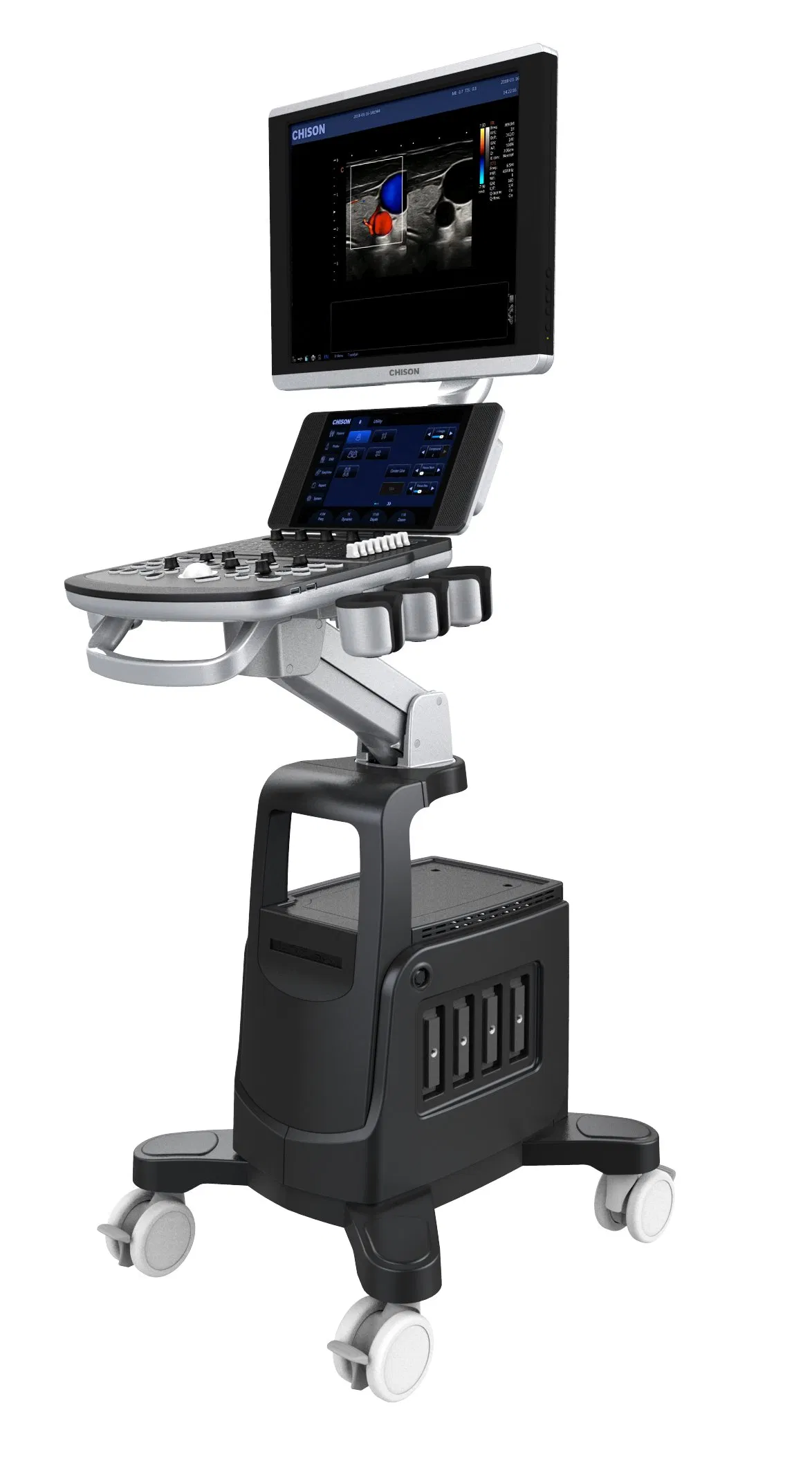
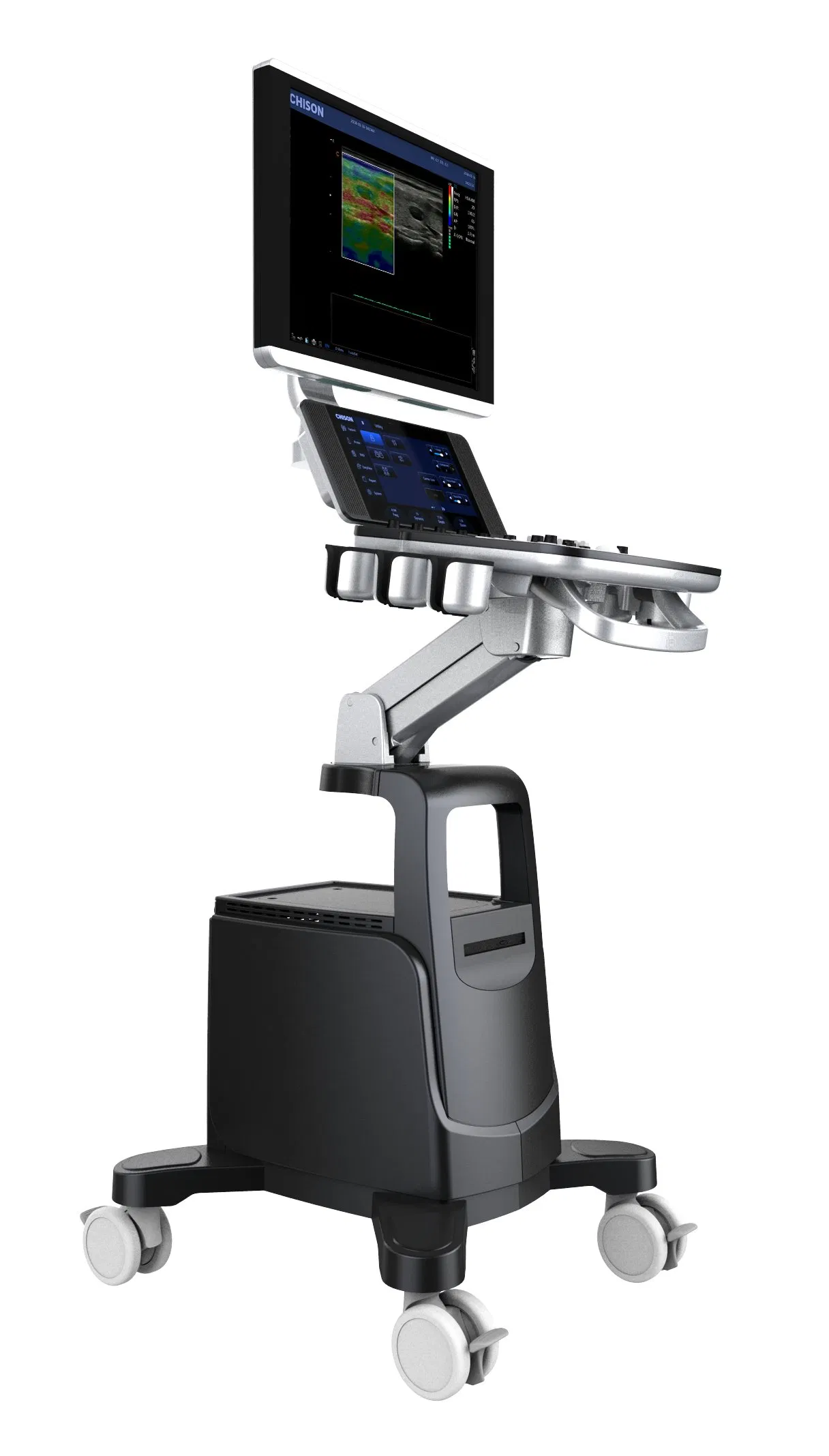
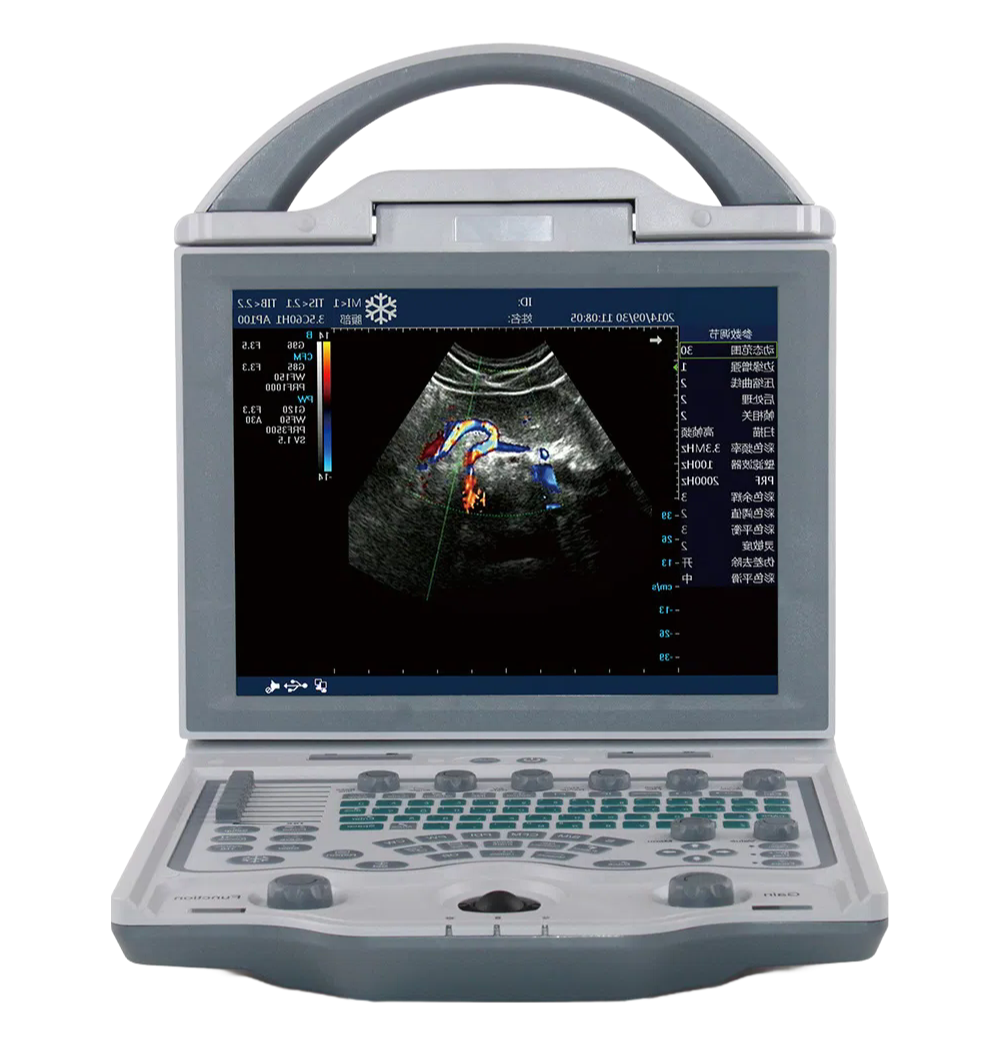
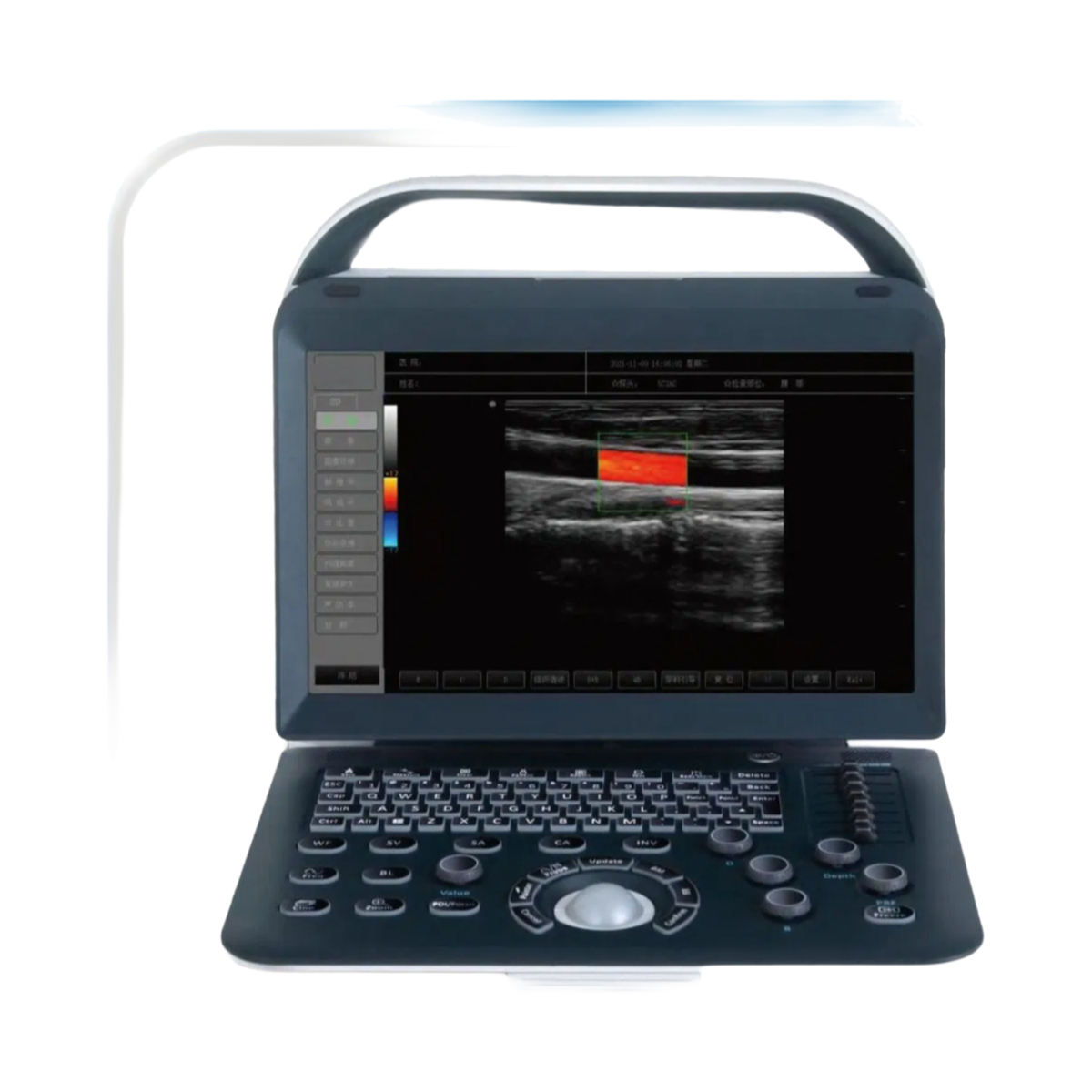
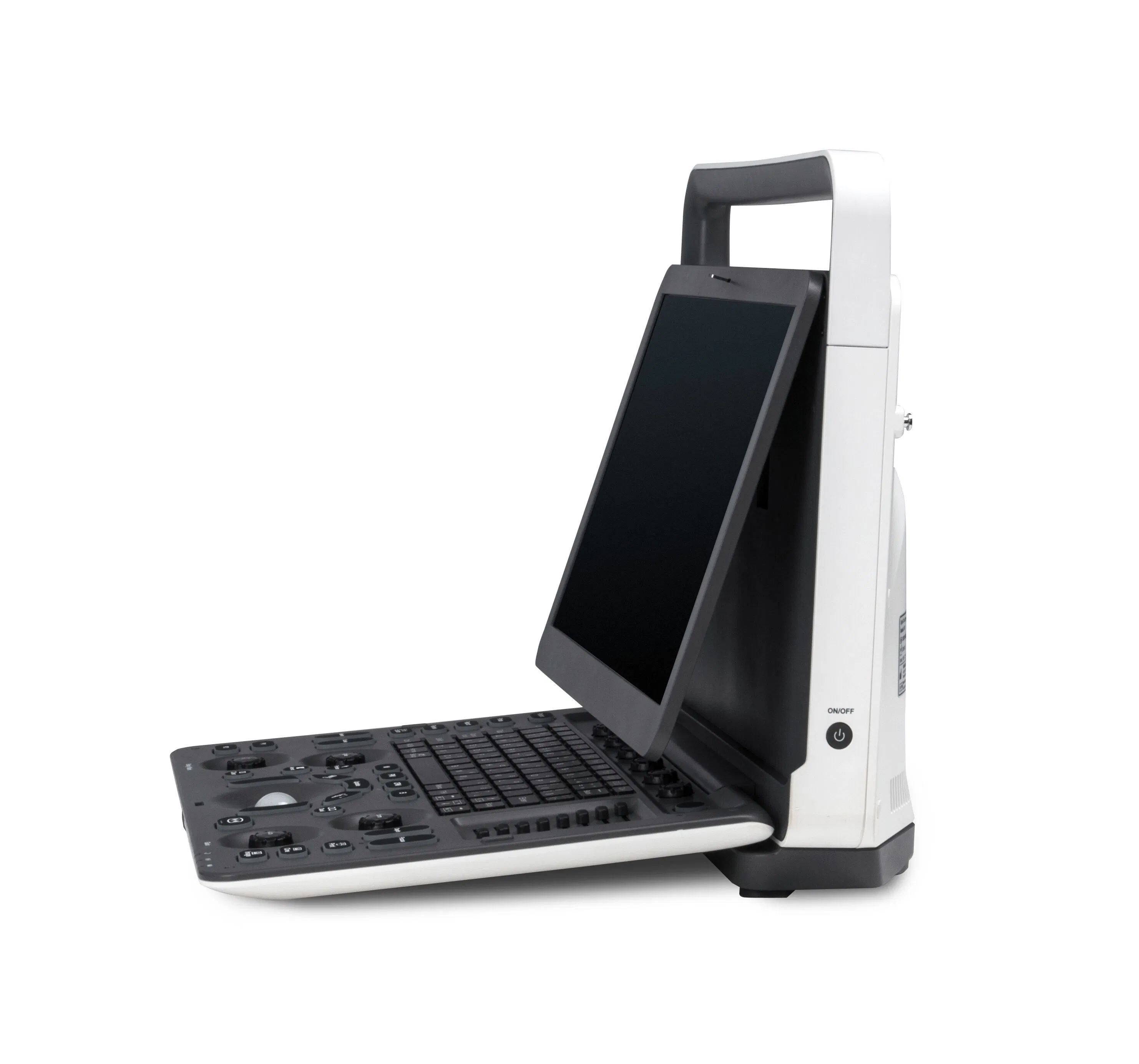
128 transducer elements is a solid number for this class of machine, and we've actually found it handles the 256 gray scale levels without the banding artifacts that cheaper scanners sometimes show on soft tissue. It basically uses Q-Beam quad-beam processing to double the signal reception, so you're getting cleaner frame rates on moving structures like cardiac valves without having to crank up the power. FHI harmonic imaging, what it does is adjust transmission frequency on the fly base on patient size, which we've seen pull usable images from larger patients where older machines just lose penetration.
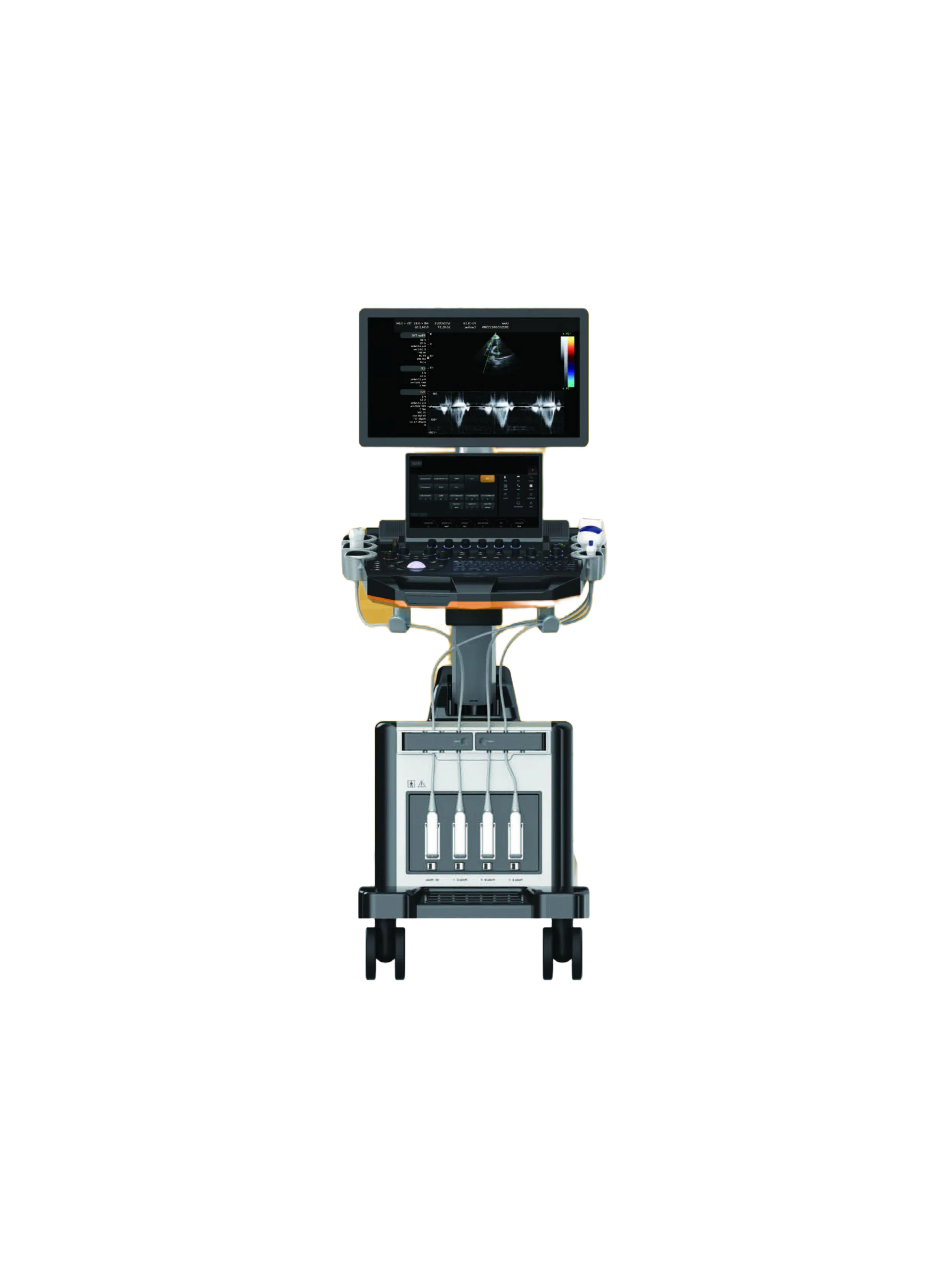
You get four probe connectors with the CBit8, which means you can leave a convex, linear, and endocavity probe plugged in simultaneously—plus a spare for whatever else you need for that day's caseload. The touch panel is 10.1 inches and is actually more responsive than the spec sheet suggests, but (check lead time) we often have to order the CE/FDA version in batches because demand fluctuates. Don't plan on using this for high-end cardiac volume studies though—the 64 physical channels are enough for general radiology and OB/GYN, but dedicated cardiac units typically want 128 phyiscal channels for better fidelity in the apical views.
Most buyers go with the basic convex and linear probe combo for rural clinics or small imaging centers where throughput matters more than 4D rendering. The real pain point nobody mentions is that the USB ports are strictly for DICOM image export, not for direct print or external monitor mirroring—you'll need the VGA out for that small HDMI-less display upgrade. Lead time form China is roughly 4 to 6 weeks depending on whether the factory has a production run scheduled, but we usually have 2 or 3 units in regional stock. Packaging wise, it ships in a foam-lined wheeled case with temperature range labels (the panel doesn't like sustained temps above 104°F).
And we've noticed the TDS and SDS vary slightly between batches—the software firmware updates are released regionally, so verify yours is unlocked for all scanning modes before signing off. For the typical buyer looking at mid-tier ultrasound with 256 gray scale, this sits in a sweet spot between the cheap 64-element machines and the 256+ thousand dollar systems; it's better than reagent-grade entry stuff for general imaging.
Anyway, the FHI harmonic thing is probably the feature that matters most for everyday use because of that it cuts down motion artifact with breathing patients, but the real hidden advantage is the aluminun chassis construction—it dissipates heat well enough that we've never seen thermal shutdown during a full day's scanning. Just make sure your DICOM network is correctly configured before setup, because the worklist interface can be finicky on first pairing.
Specs wise, it's roughly handleable by a single person for mobile setups though I'd recommend the cart base if case it will stay in one suite. The storage case dimensions vary (we don't have the exact numbers handy) but expect roughly a suitcase size of around 18x16x12 inches or so shiping weight. That contract model you inquired about earlier usually qualifies for a small quantty discount but verify MOQ with our sales admin.
We typically require a minimum order of 5 units for the CBit8, but we can discuss smaller quantities for first-time buyers or sample orders. Just reach out to us directly.
Lead time is usually 15-20 business days after order confirmation, depending on stock levels. We ship via express or sea freight, and we'll provide tracking once it's on the way.
Yes, the CBit8 is fully certified with CE, FDA, and ISO13485. We can share copies of those documents with your order or upon request.
The 128 elements are the individual crystals in the probe that send and receive ultrasound waves, while 64 physical channels process those signals simultaneously. This setup gives you clearer imaging without needing double the channels.
It ships in a sturdy foam-lined carton with all accessories secured. Store it in a cool, dry place between 10-40°C, and avoid direct sunlight or moisture to keep the scanner in top condition.
Zippy delivery was the first thing that impressed me. The logistics were handled flawlessly, with the scanner arriving well-protected and ahead of schedule. The packaging was professional and secure, showing great care. Regarding the quality, the build feels exceptionally solid and premium. The materials used seem top-notch, and the overall craftsmanship is outstanding. The service provided throughout the process was equally commendable. The support team was responsive, courteous, and very helpful in answering all pre-shipment queries promptly. Communication was clear and consistent, which made the entire wholesale transaction smooth and worry-free. It was a seamless experience from order to delivery, highlighting excellent operational efficiency. The attention to detail in every aspect, from logistics coordination to customer support, is truly praiseworthy. This level of service and product presentation sets a very high standard.
Excellent experience from start to finish. The shipping was incredibly fast and the package arrived well ahead of the estimated delivery date, which was a very pleasant surprise. Everything was packed securely with no signs of damage whatsoever. Regarding the quality, the unit appears to be constructed with high-grade materials and feels very robust and professional. The initial inspection shows impeccable craftsmanship. The customer service team was outstanding; they were responsive, polite, and provided clear answers to all my pre-purchase inquiries promptly. The overall process was smooth and efficient, making this a highly satisfactory procurement. I am thoroughly impressed with the logistical efficiency, the apparent build quality of the equipment, and the exceptional support provided throughout the transaction. This supplier clearly prioritizes customer satisfaction and reliable service.
Brisk delivery was the first positive note. The shipment arrived ahead of the projected schedule, which was a welcome surprise. The packaging was exceptionally secure, with ample protective materials ensuring the equipment was completely undamaged upon unboxing. Regarding quality, the build feels robust and professional, exactly as one would expect for medical-grade hardware. The initial visual inspection reveals precise craftsmanship. The service interaction was straightforward and efficient; all communications were clear and helpful. Overall, a very satisfactory procurement experience from logistics to the tangible product received. The process instilled confidence for future orders. No issues were encountered at any stage, which is commendable for such a significant purchase.
Very pleased with the overall experience. The shipping was remarkably fast and the item arrived well-packaged and secure, which was a primary concern for such sensitive equipment. The quality of the scanner itself appears to be excellent upon initial inspection; the build feels solid and professional. Customer service was responsive and helpful in answering pre-purchase queries promptly. While I cannot comment on the technical performance in a clinical setting yet, the initial impressions regarding the logistics, apparent construction quality, and support have been entirely positive and met expectations for a transaction of this nature.
Great experience overall. The shipping was incredibly fast and efficient. The package arrived well ahead of the estimated delivery date, which was a very pleasant surprise. Everything was packed securely with no signs of damage during transit. The logistics company provided clear tracking updates at every stage, making it easy to monitor the shipment's progress. Regarding the product quality, it appears to be excellent. The build and finish are robust and professional, exactly as described. The materials used seem high-grade and suitable for a demanding medical environment. The initial inspection revealed no cosmetic flaws or functional issues. As for the service, the seller was highly responsive and professional. All my pre-purchase inquiries were answered promptly and thoroughly. The communication was clear and courteous throughout the entire process. The documentation provided was complete and accurate. The overall transaction was smooth and hassle-free. The seller demonstrated a clear commitment to customer satisfaction. This level of service inspires confidence and makes the purchasing process much easier. I am very satisfied with how everything was handled from start to finish. The combination of rapid logistics, apparent high quality, and outstanding seller support made this a very positive transaction. It sets a high standard for future purchases of this nature. I would not hesitate to recommend this seller based on this experience. The attention to detail in every aspect, from packaging to communication, was notable. It was a straightforward and reliable purchase from beginning to end.
The delivery was incredibly fast and well-handled, arriving ahead of schedule without any damage. Top-notch quality with robust construction and reliable performance that exceeded my expectations. Terrific customer service, as the support team was responsive and helpful throughout the process, making the entire experience smooth and satisfying.
Quick delivery and excellent packaging ensured the scanner arrived safely without any delays. The quality of the equipment is outstanding, with robust construction that feels durable for long-term hospital use. The customer service team was very responsive and helpful, answering all my queries promptly. Overall, a fantastic experience from start to finish.
Shipping was incredibly swift and well-handled, with the package arriving ahead of schedule in perfect condition. Superb quality is evident right from unboxing; the materials feel durable and the finish is excellent. Service from the team was stellar—they were responsive, professional, and addressed all my queries promptly. Smooth overall experience from start to finish, making it a highly satisfactory purchase.
Zippy delivery was the highlight of my experience with this order; the package arrived ahead of schedule, which was a pleasant surprise. The quality of the items appears robust and well-packaged, giving me confidence in their durability. Customer service was responsive and helpful, promptly addressing my inquiries with clear, friendly communication. Overall, a smooth and efficient transaction that I would gladly repeat.
Fantastic experience with the delivery process; the shipping was incredibly fast and well-handled, arriving ahead of schedule without any delays or damages. The packaging was secure and professional, ensuring the item was protected throughout transit. In terms of quality, the product appears robust and well-manufactured, with no visible defects or issues upon inspection. The customer service team was highly responsive and helpful, promptly addressing my inquiries and providing clear updates. Overall, a smooth and reliable transaction that I would recommend to others.