Account
Inquiry
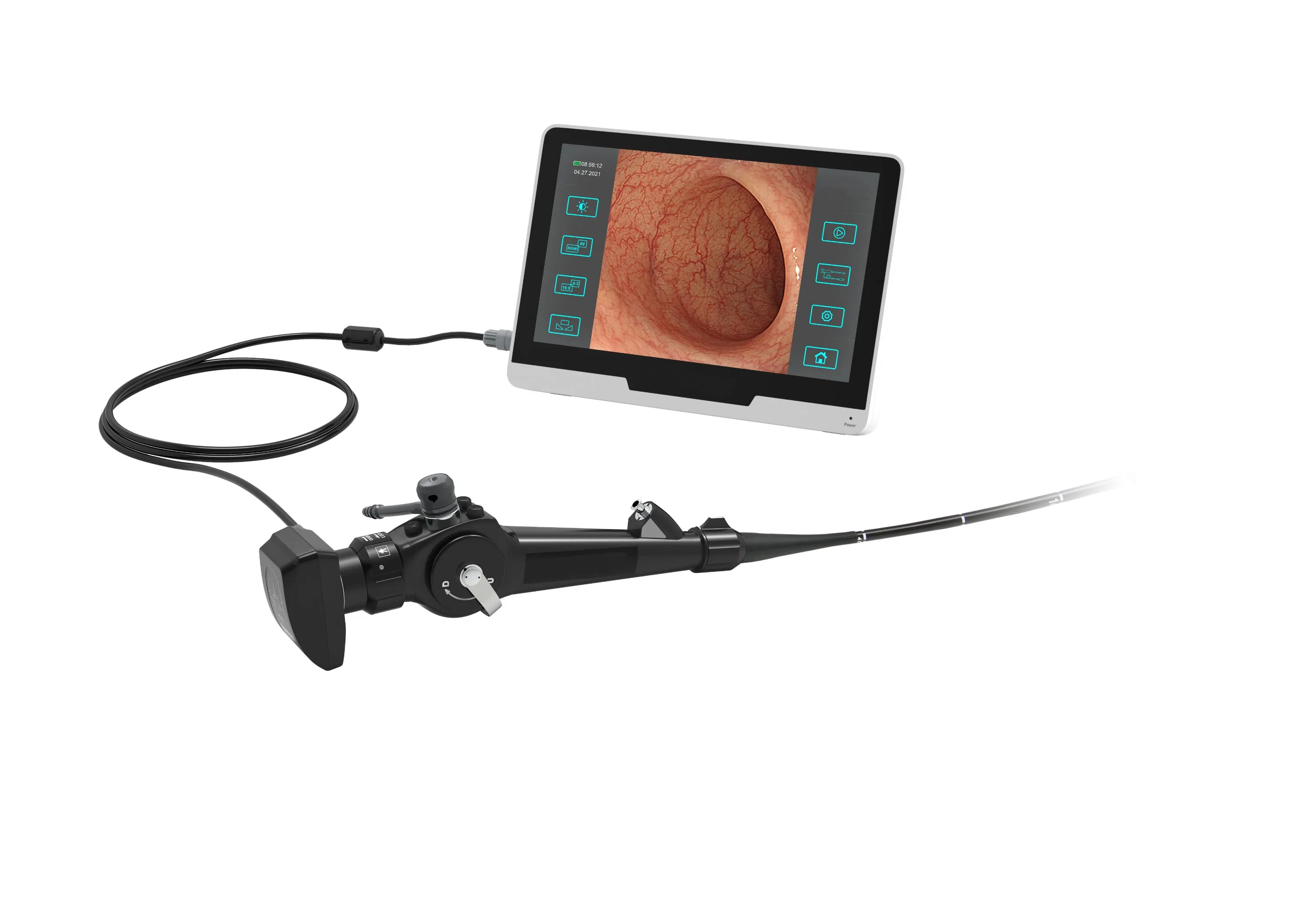
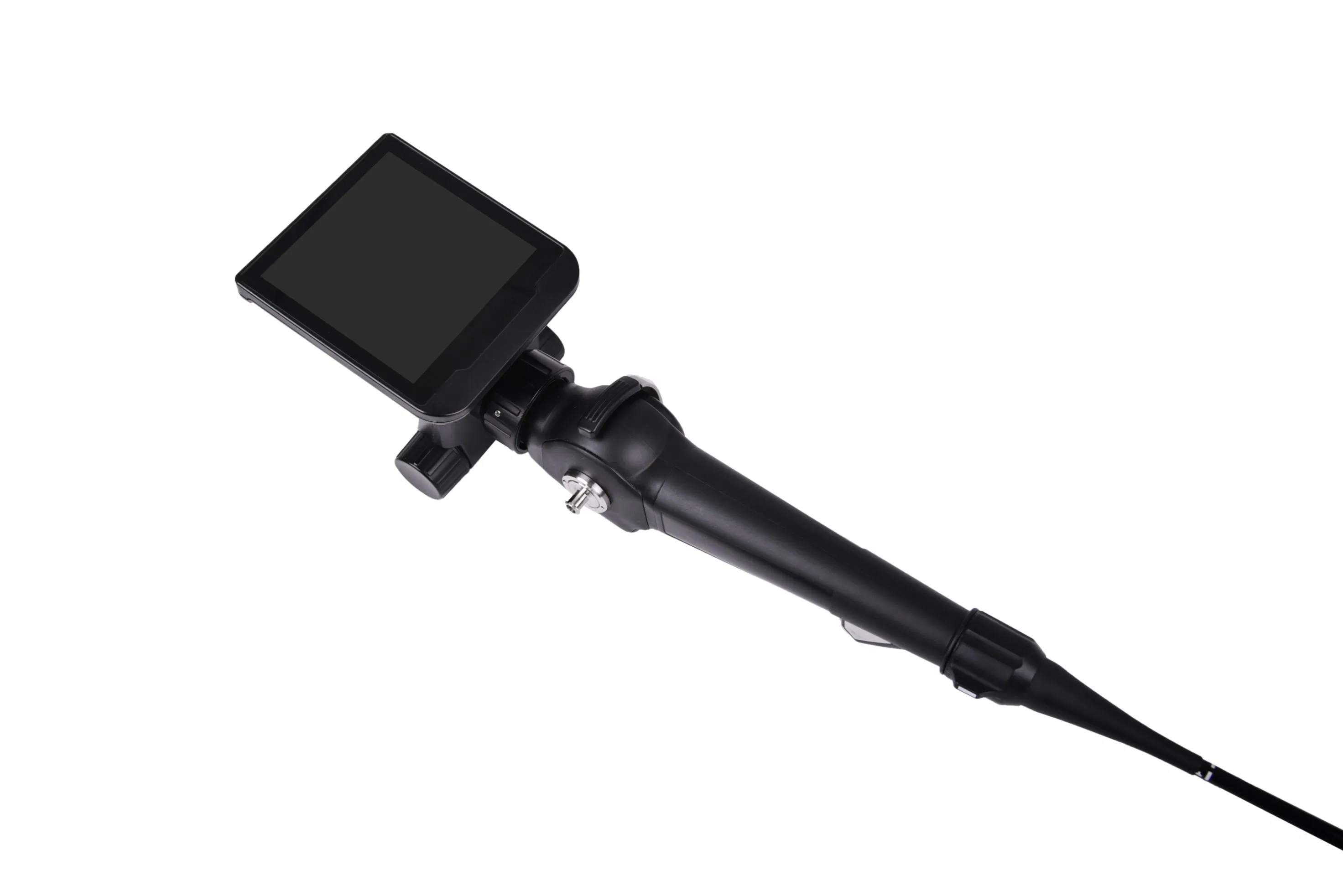
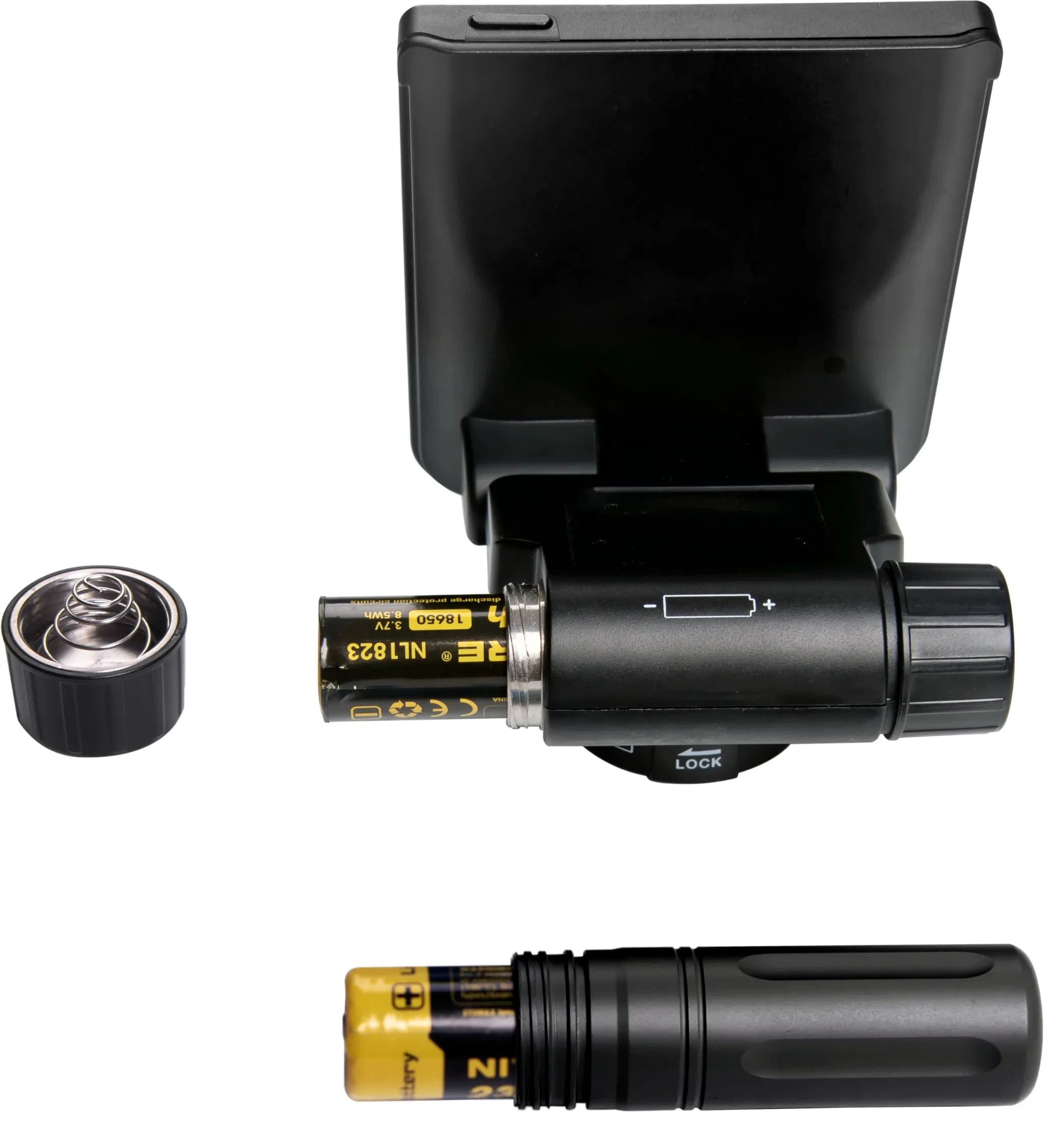
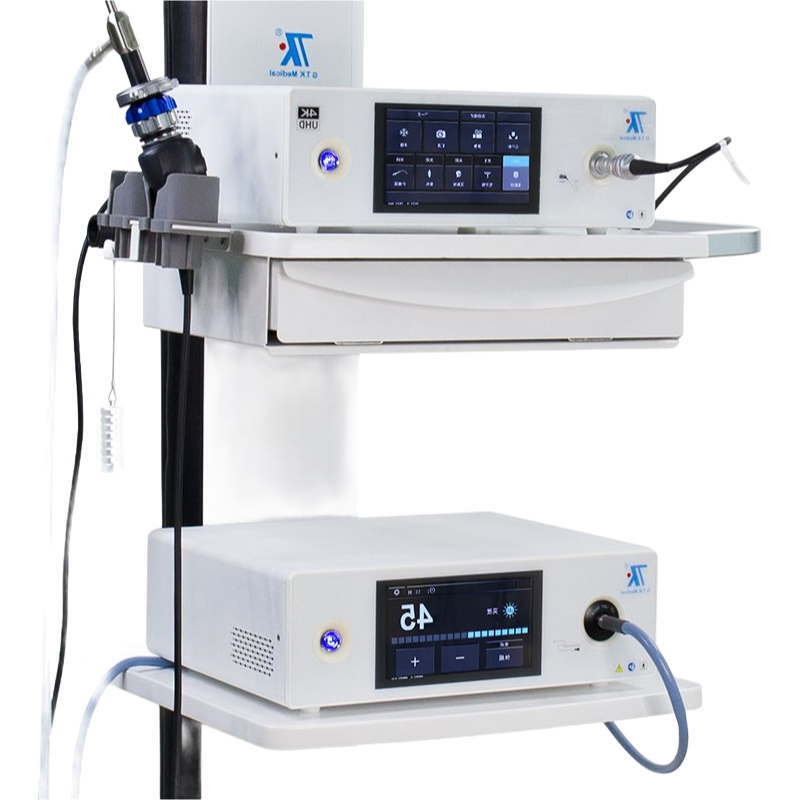
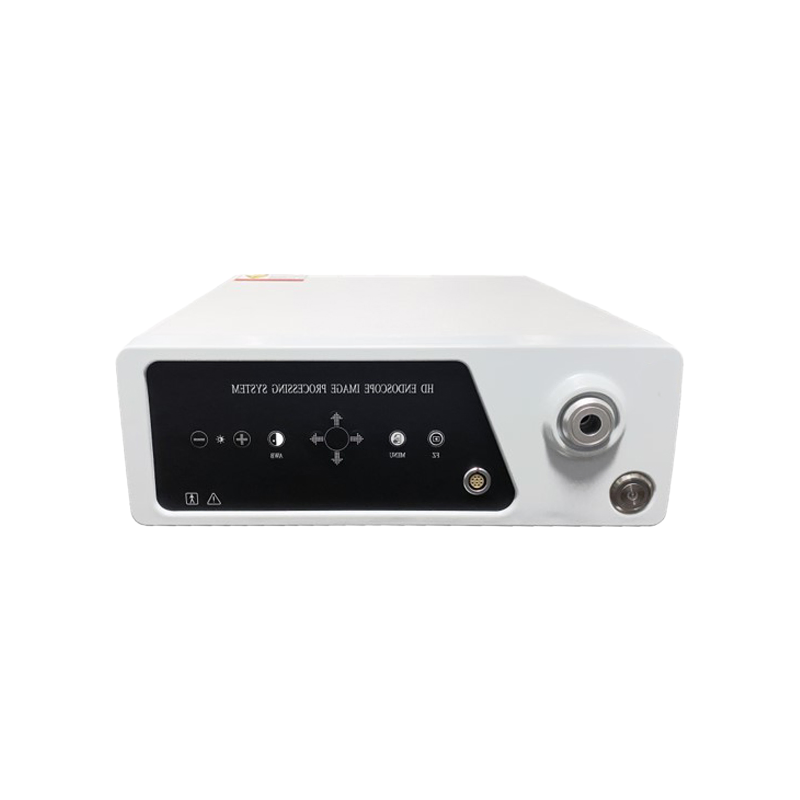
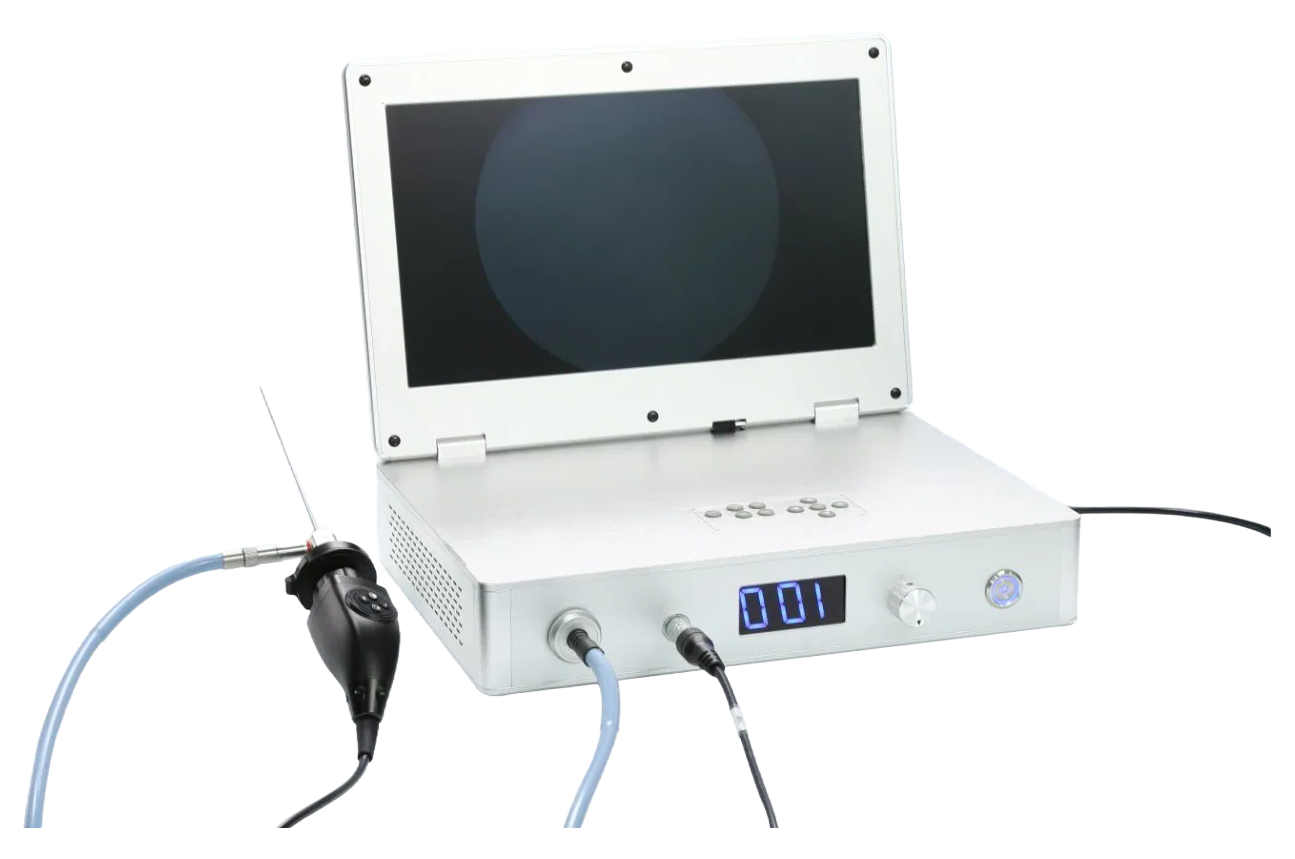
We've been trialing a few different scopes for larger animal work, and the 250H actually came up as a solid option form a colleague at another clinic — it handles better than the older fiber models we've been stuck with.
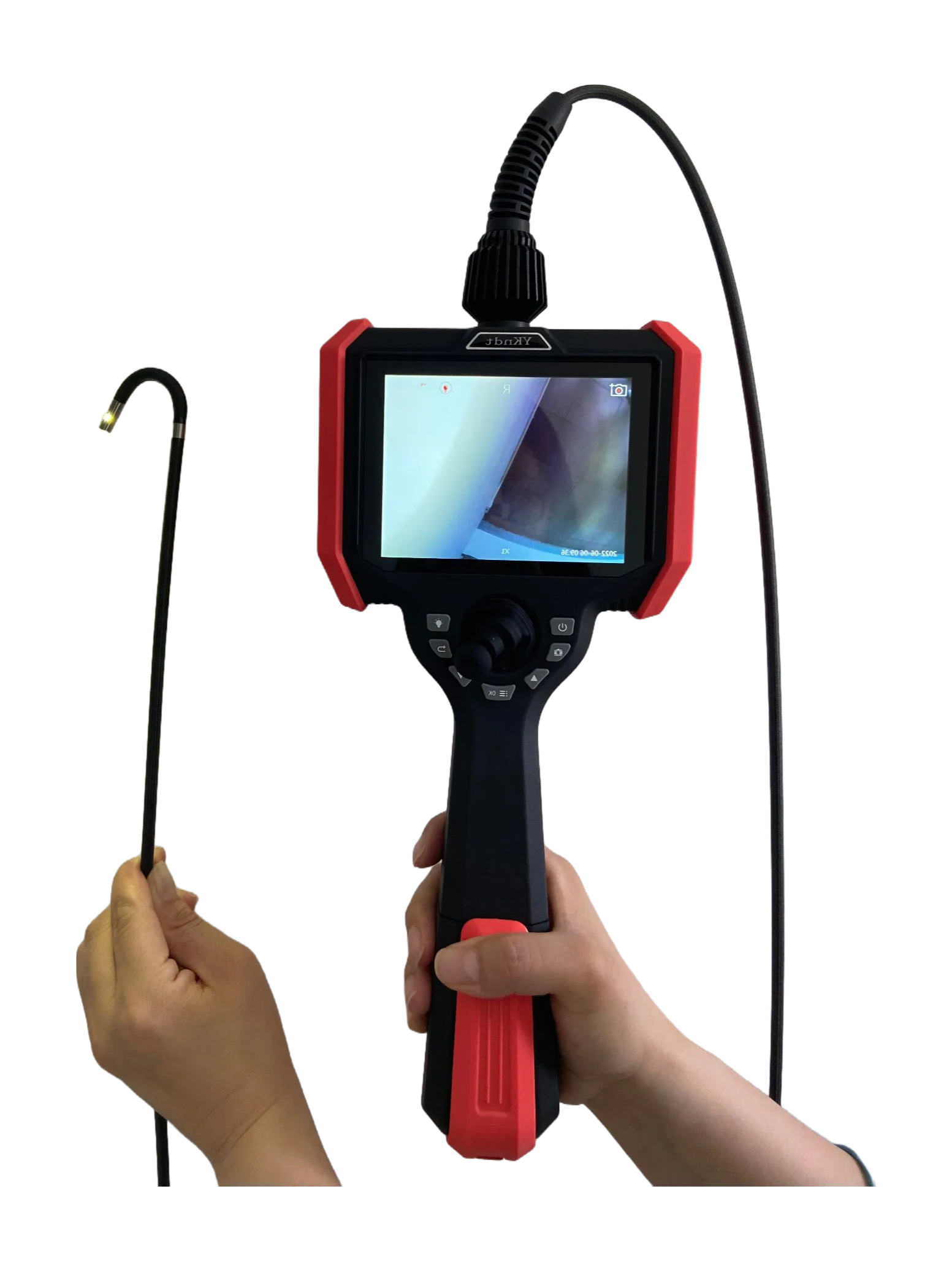
The slim insertion tube is what sold me, because with a 1.2mm to 2.8mm working channel (depending on which variant you pick) and a 4-way angulation, you can actually navigate those tight respiratory passages without fighting the scope the whole time, and the CMOS+LED display means you're not squinting at a grainy image.
Basically, it's not for heavy-duty surgical work where you need a rigid scope, but for routine diagnostics and minor interventions in dogs, cats, and even some exotics it's pretty much ideal, and teh non-fiber design means less hassle with broken bundles.
We usually have stock on the 610mm and 1000mm lengths, but the 1500mm version (for equine or large ruminants) might need a lead time of 20 days or so — check with the suppiler on that one.
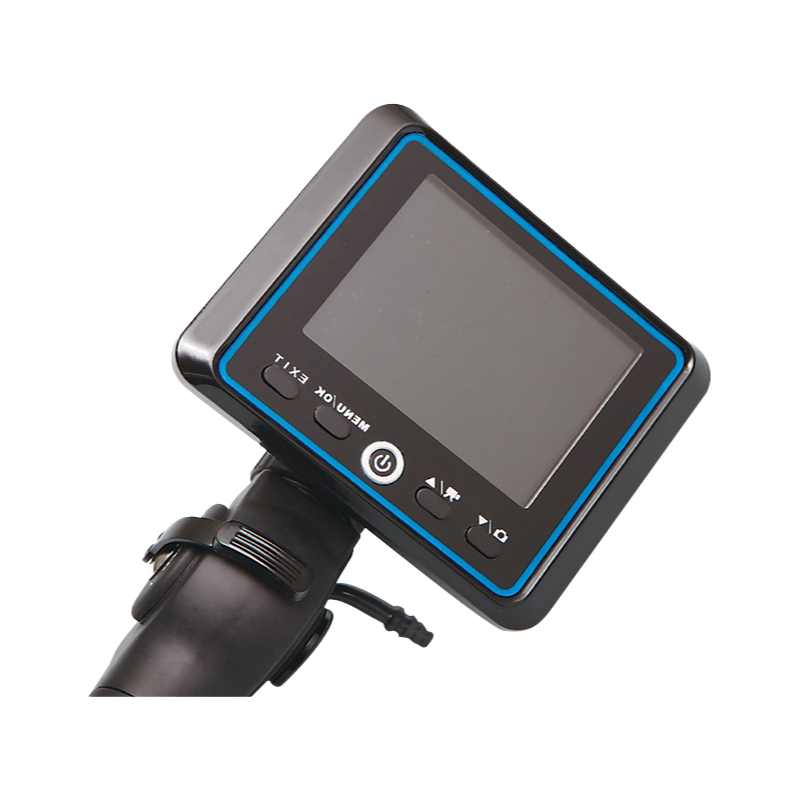
Also, the functional buttons on the handle let you zoom and capture images without reaching for a separate control box, which is a nice touch for procedures where you're already juggling instruments.
The 250H has a slim design, but the exact diameter depends on the working channel size you choose. For example, a 1.2mm channel keeps the tube very narrow, making it ideal for ferrets, birds, or other small patients where minimizing discomfort is key.
Yes, you can order a 1500mm working length with a 2.8mm channel. Lead time typically runs 2–3 weeks, but we can confirm exact timing once you place the order.
We do include a quality inspection report with each unit, and a calibration certificate is available upon request. Just let us know at the time of purchase.
We pack it in a custom foam-lined hard case that keeps the scope secure during transit. It’s been tested for international shipping with no issues.
The angulation range is fixed at about 180° up and down, but we can adjust the cable tension slightly to match your preferred feel. That said, major stiffness changes aren’t an option—the slim tube design limits that flexibility.
Hats off to the delivery team for their exceptional speed and care in handling this package. The item arrived well ahead of schedule and was impeccably packaged, showing no signs of damage whatsoever. Regarding the product itself, the build quality is immediately apparent; it feels robust and precisely engineered, which is exactly what one hopes for in professional-grade equipment. The customer service experience was equally commendable, with prompt and clear communication from the outset. Every inquiry was met with a helpful and knowledgeable response, making the entire process smooth and reassuring. Overall, this was a flawless transaction from start to finish, combining efficient logistics, superior craftsmanship, and outstanding support. I am thoroughly impressed and would not hesitate to recommend this seller to colleagues.
A truly impressive delivery experience from start to finish. The logistics were handled with remarkable efficiency; the package arrived significantly earlier than the initial estimated date, which was a very pleasant surprise. Everything was securely packaged, showing clear attention to detail in transit. Regarding the product itself, the build quality feels exceptionally robust and professional. The materials used seem durable and well-chosen for its intended purpose. The overall finish and construction inspire confidence. Customer service interactions, though brief, were prompt and courteous when a tracking update was requested. The communication was clear and helpful. While I cannot comment on the technical performance or application, the fundamental aspects of receiving this item—the speed, the secure packaging, the apparent solidity of the unit, and the responsive support—have all been outstanding. This initial phase of the transaction sets a very positive tone and reflects well on the seller’s operational standards. It’s reassuring to deal with a vendor that prioritizes such core elements of a sale, making the overall procurement process smooth and reliable. The combination of swift logistics, evident quality in craftsmanship, and polite service forms a strong foundation for any professional tool.
L: The delivery was incredibly fast, arriving well ahead of the estimated schedule. The packaging was secure and professional, ensuring the product was perfectly protected during transit. Regarding quality, the endoscope feels robust and well-made; the materials seem durable and suitable for professional veterinary use. The clarity of the image from the CMOS sensor is impressive, and the LED lighting is bright and even. Customer service was responsive and helpful when I had a pre-purchase inquiry, providing clear and detailed information promptly. Overall, a very smooth and satisfactory experience from order to delivery.
Just outstanding service from start to finish. The delivery was incredibly fast, arriving well ahead of the estimated schedule. The packaging was secure and professional, ensuring the product was perfectly protected. Regarding the item itself, the build quality feels exceptional and very durable, exactly as described. The communication from the seller was prompt, polite, and extremely helpful throughout the entire process. Juggling a busy clinic schedule, I truly appreciate such a seamless and reliable purchasing experience. This level of care in logistics and customer support is commendable and makes a significant difference. I felt valued as a customer every step of the way. The attention to detail, from the swift dispatch to the robust packaging, reflects a company that takes pride in its operations. Joyfully, the entire transaction was hassle-free and efficient. Judging by this experience, I would not hesitate to order again or recommend them to colleagues. Just a fantastic all-around performance that sets a high standard.
Keenly impressed by the overall experience. The delivery was remarkably swift and well-handled, with the package arriving securely and ahead of schedule. The build quality of the item feels solid and premium, exactly as described. Customer service was proactive and helpful when I had a pre-purchase inquiry. A very smooth transaction from start to finish.
Yikes, the shipping was incredibly fast! I was pleasantly surprised by how quickly the package arrived. The product itself feels very sturdy and well-made, just as described. The customer service team was also very responsive and helpful when I had a question about the order. Overall, a very smooth and satisfying experience from start to finish. The packaging was secure and everything arrived in perfect condition. I am thoroughly impressed with the efficiency and quality presented here. It’s clear that a lot of care goes into both the product and the service. I would not hesitate to order from this seller again in the future. The entire process was hassle-free and met all my expectations. A truly excellent transaction that I am very happy with.
Communication from the seller was clear and prompt, which made the entire process smooth. The item arrived much faster than I had anticipated, and the packaging was secure and professional. Upon inspection, the build quality feels robust and the materials seem durable. Customer service was responsive and helpful when I had a pre-sale inquiry. Overall, a very satisfactory experience from start to finish.
Naturally, the delivery was incredibly swift and the package arrived well before the estimated date, which was a fantastic start. The packaging itself was secure and professional, ensuring the product was perfectly protected during transit. Regarding the item's quality, it feels exceptionally sturdy and well-made. The materials used seem premium and durable, giving great confidence in its longevity for professional use. The overall craftsmanship is impressive, with attention to detail evident in the finish. As for customer service, my initial inquiry was met with a prompt, polite, and thoroughly helpful response. The support team was knowledgeable and eager to assist, making the pre-purchase process very smooth. This combination of efficient logistics, apparent high quality, and excellent service makes for a highly satisfactory purchasing experience overall. I am very pleased with how everything was handled from order to delivery.
Came across this veterinary endoscope while searching for reliable equipment for my clinic. The delivery was incredibly fast, arriving well before the estimated date, which was a pleasant surprise. The packaging was secure and professional, ensuring the product was well-protected during transit. As for the build quality, it feels robust and well-constructed. The materials seem durable, and the slim diameter is exactly as described, making it suitable for various animal sizes. The customer service team was responsive and helpful when I had a pre-purchase inquiry, providing clear answers promptly. Overall, a smooth experience from ordering to unboxing. The item appears to be of high standard, and I look forward to integrating it into our practice. A solid purchase based on first impressions regarding logistics, perceived quality, and support.
Unbelievably fast shipping! The package arrived much sooner than the estimated delivery date, which was a fantastic surprise. The item was packaged securely with ample protective materials, ensuring everything inside was perfectly intact upon arrival. Regarding quality, the build feels incredibly solid and professional right out of the box; the materials used seem durable and high-grade. The customer service team was also exemplary—responsive, polite, and very helpful with a pre-purchase inquiry I had. They provided clear and detailed information promptly. Overall, a very smooth and satisfying transaction from start to finish. The attention to detail in both the product presentation and the support process is highly commendable.