Account
Inquiry
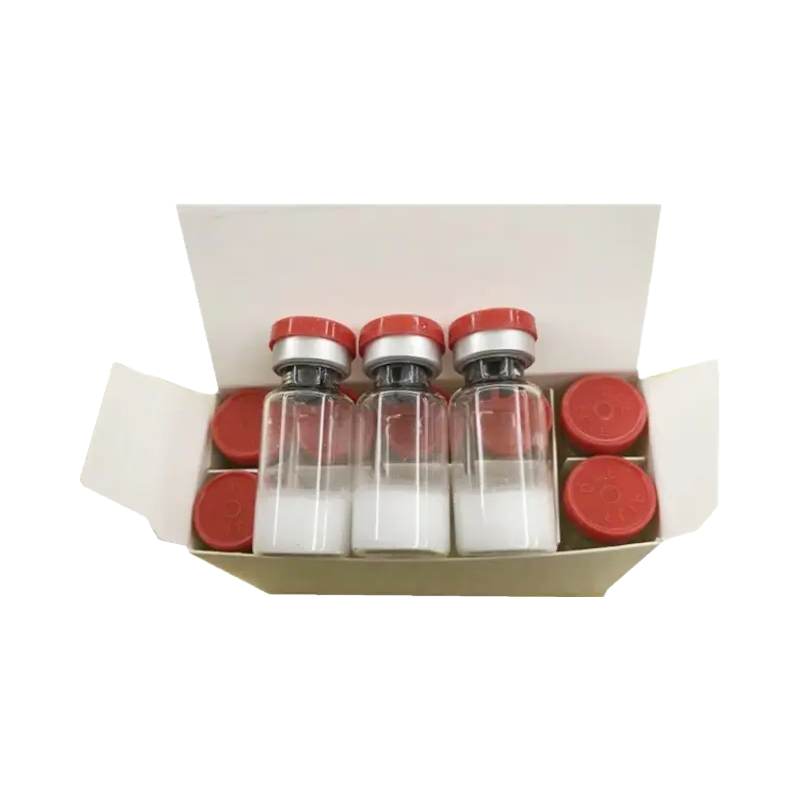
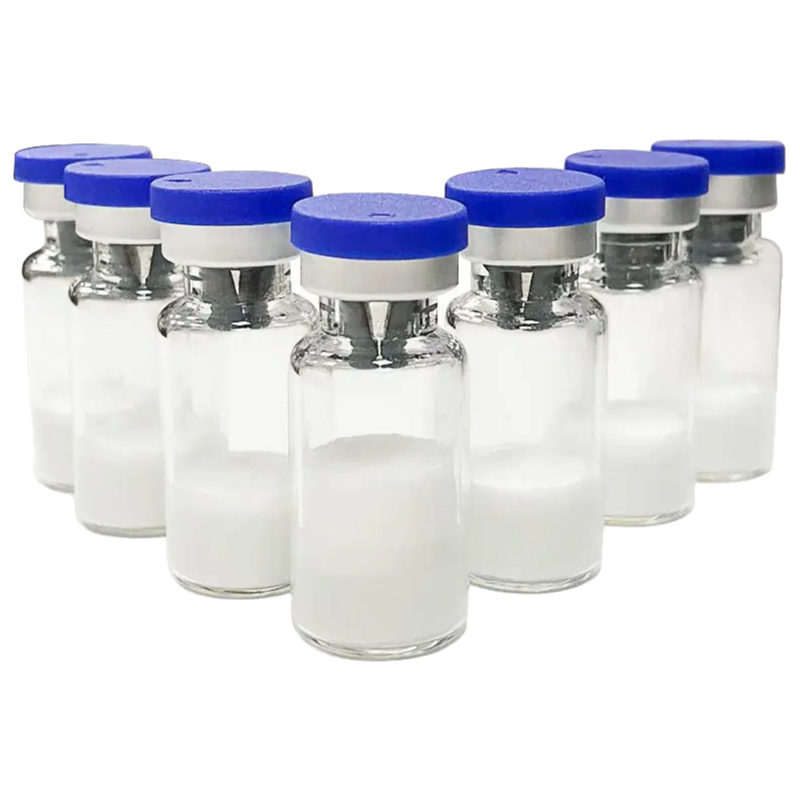
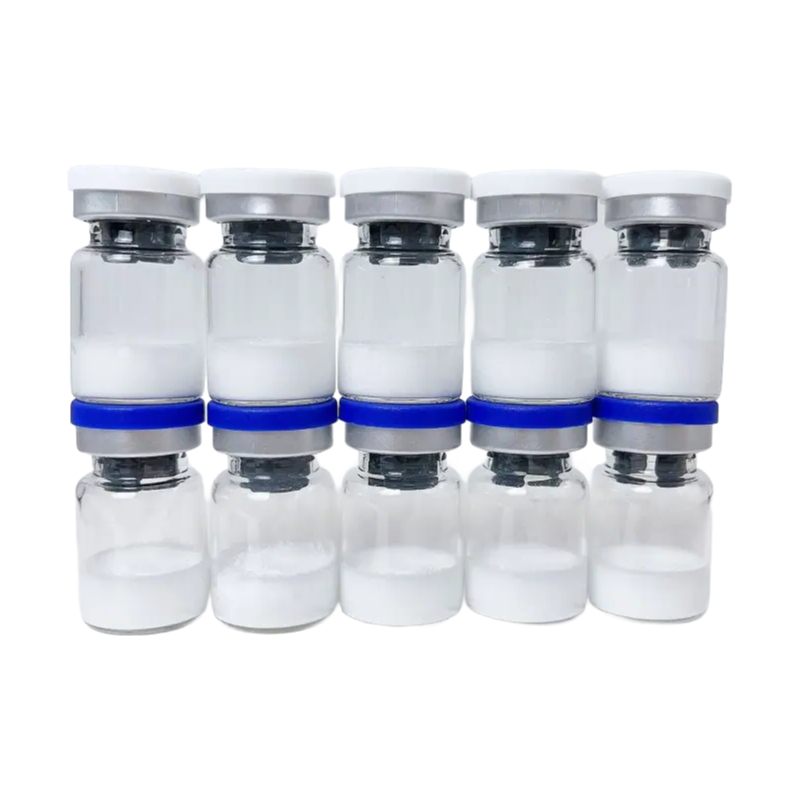
Originally developed as a triple agonist candidate, LY3437943 targets GCGR, GIPR, and GLP-1R with distinct EC50 values—5.79 nM for human GCGR, 0.0643 nM for GIPR, and 0.775 nM for GLP-1R—and those murine model numbers shift slightly: 2.32, 0.191, and 0.794 respectively.
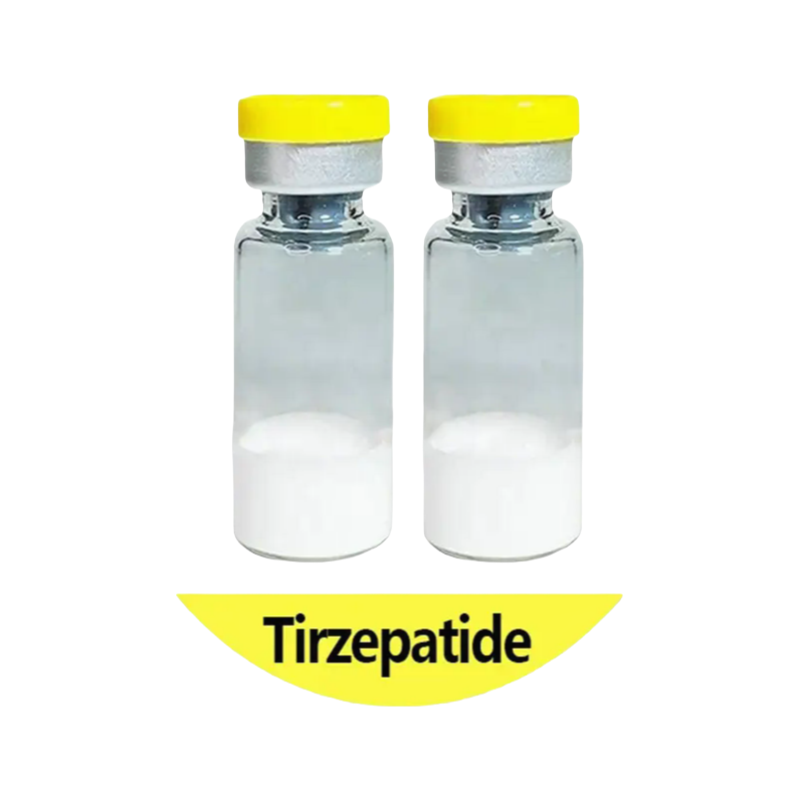
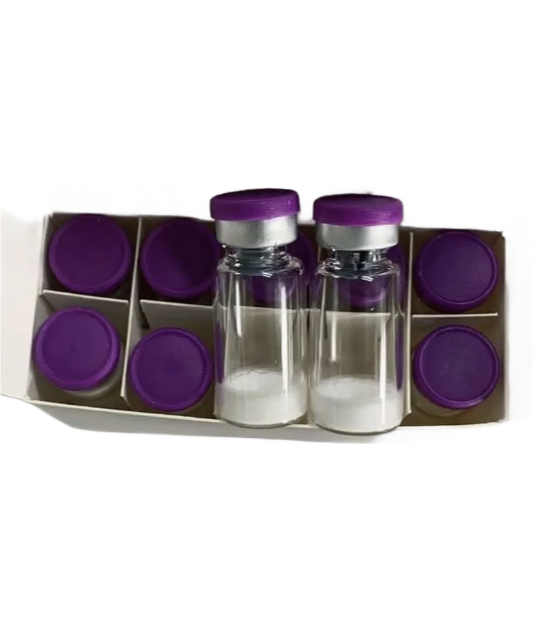
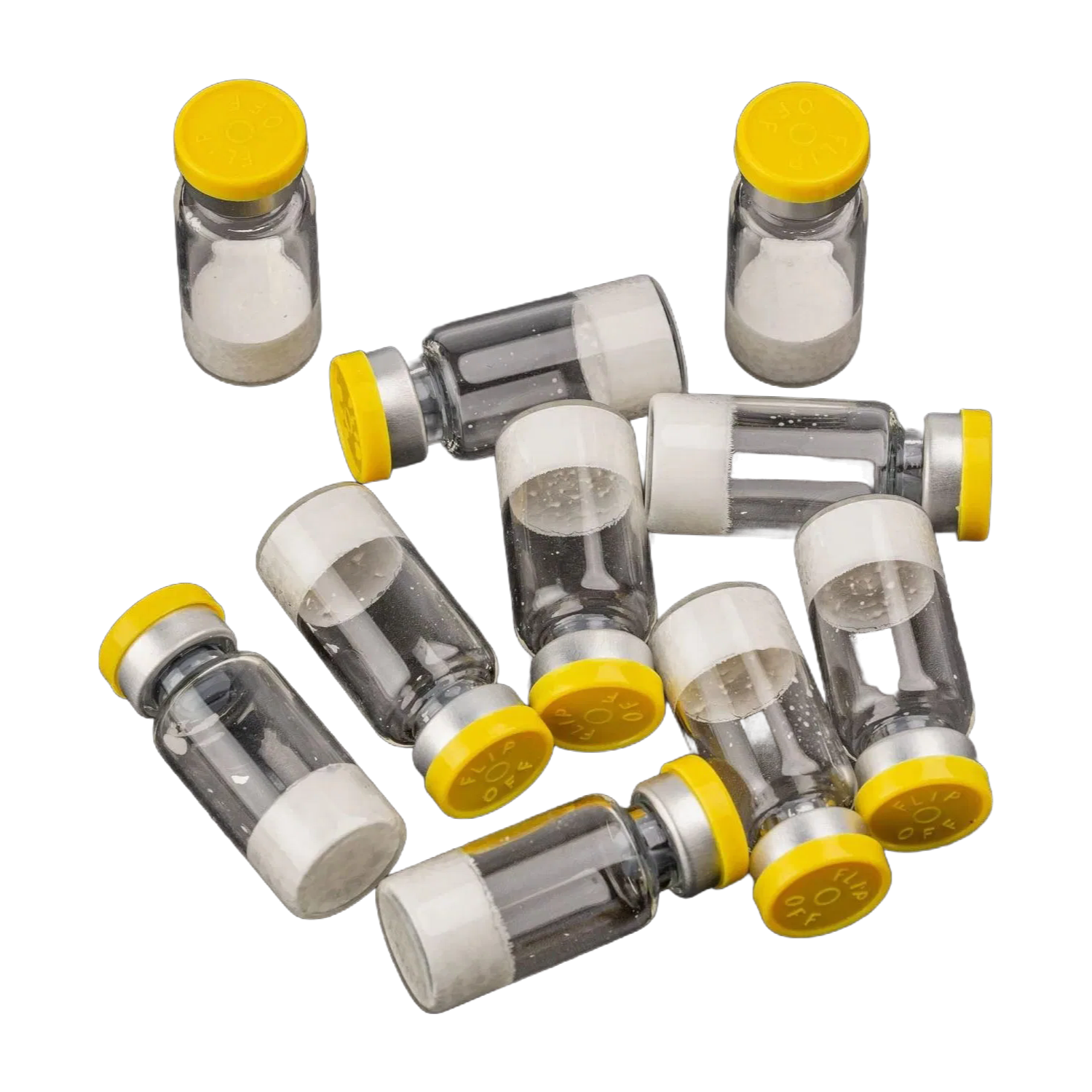
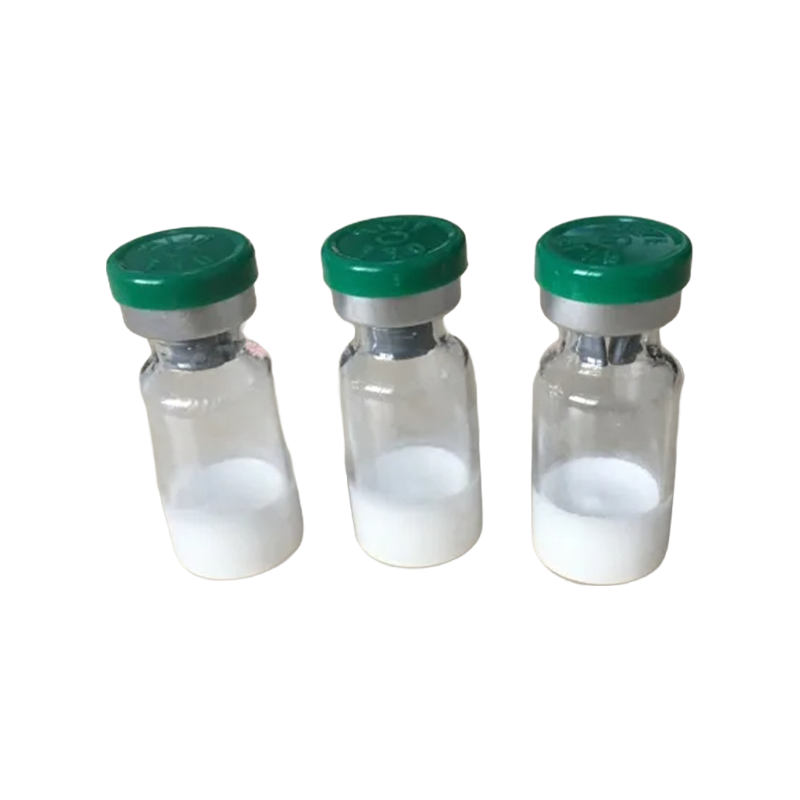
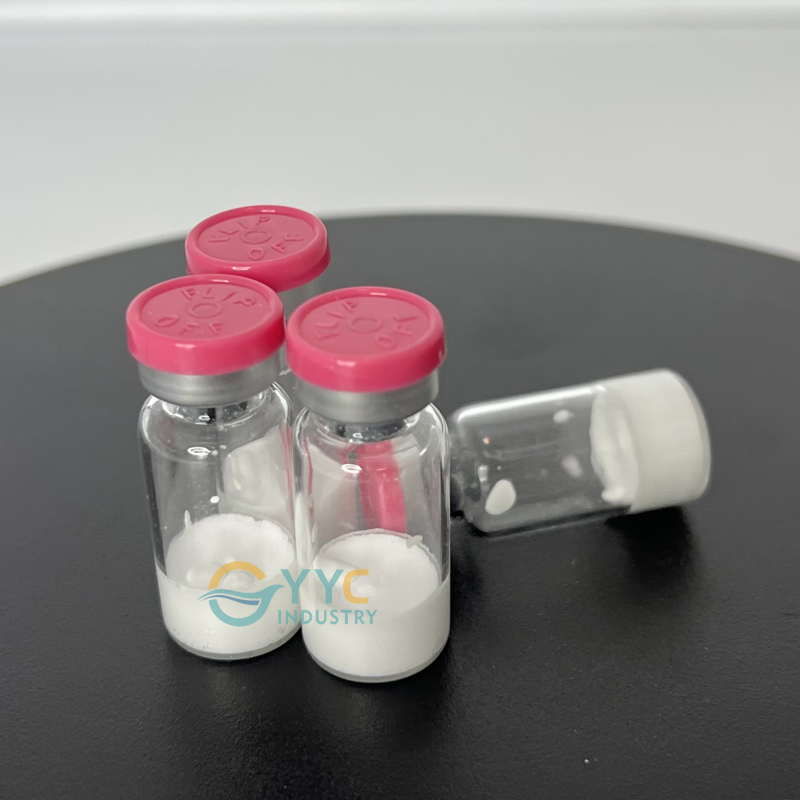
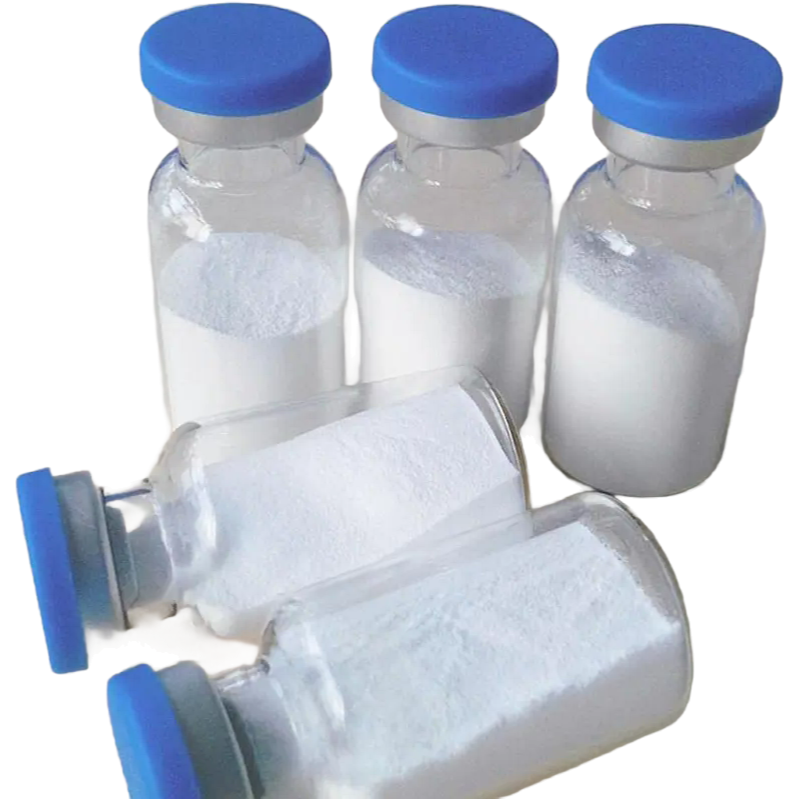
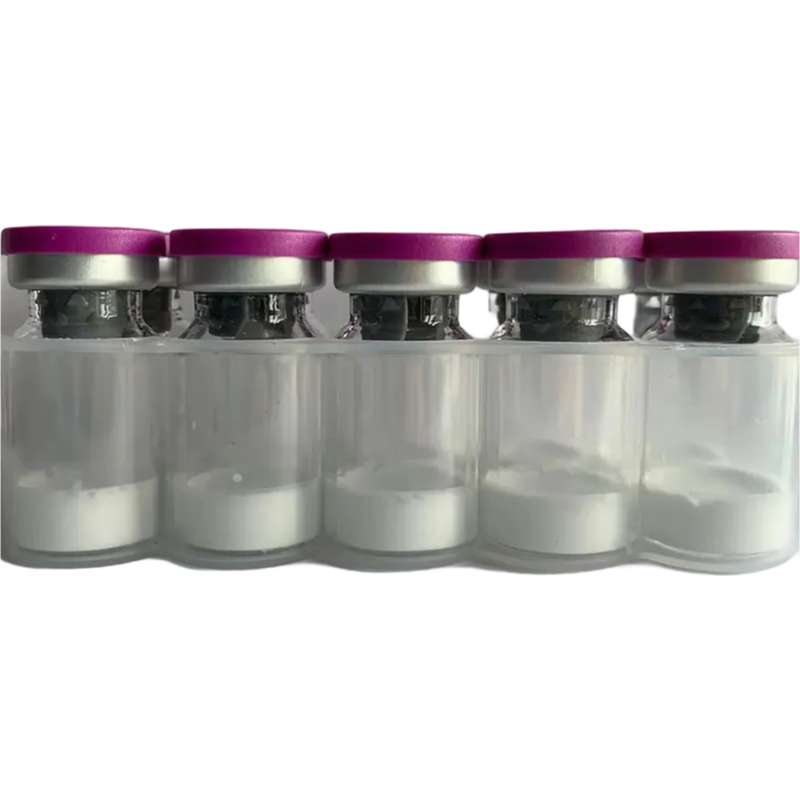
2, we supply it as a, purity ≥99% by HPLC, and single impurity ≤1%, so you’re looking at tight specs typical for in vivo or in vitro work. Peptide content runs ≥80%, moisture ≤10%, sodium between 5% and 12% (usually closer to 8% in the vials we’ve tested). Teh molecular weight clocks in at about 4731.33 g/mol, and the CAS is 2381089-83-2. For storage, keep it at 2-8°C short term, or -20°C to -80°C with desiccant if you’re holding it long; we usually have stock in 20mg vials, but the 5mg or 10mg options are what most labs order first. It’s not suited for anything beyond research—definately not clinical or human use, no matter how tempting weight management angle looks.
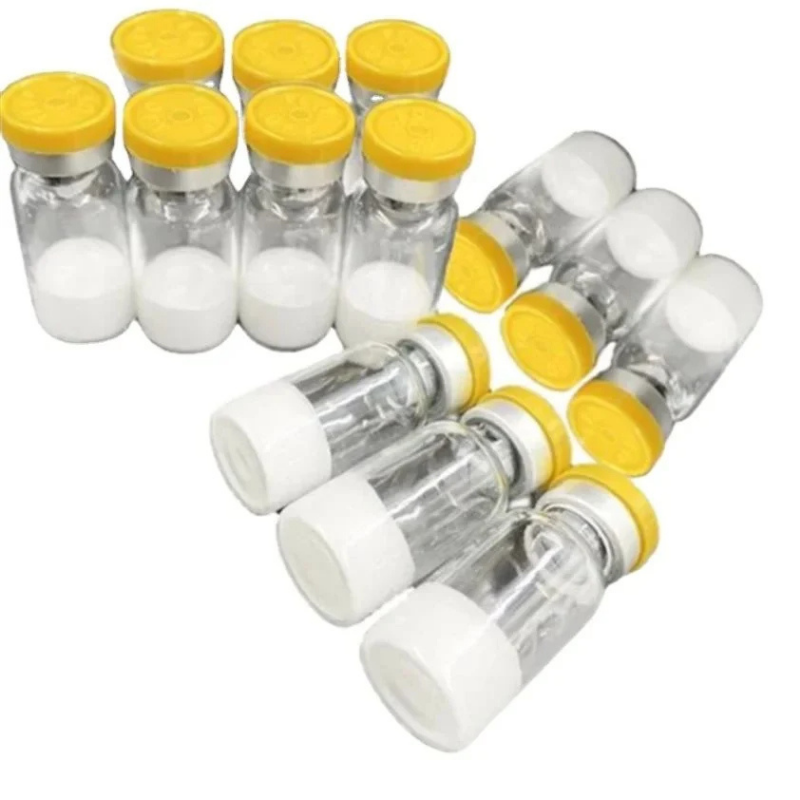
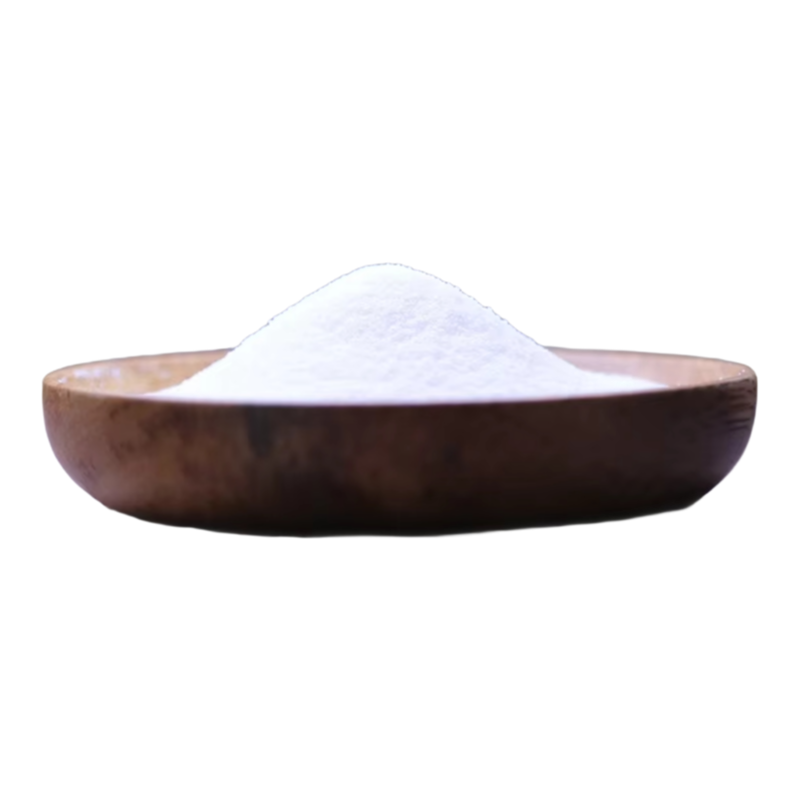
Anyway, one thing you don’t often see on spec sheets is how the lyophilized cake holds up during reconstitution. It basically dissolves cleanly in water or PBS without that stubborn clumping you sometimes get with high-MW peptides, though you’ll want to vortex gently—about 20 seconds at low speed does it.
1.0% single impurity might seem generous, but for triple agonists like this, that’s tighter tolerance than most GCGR-targeting analogues we’ve handled, and it shows in the reproducibility of. We’ve seen researchers push it for glucose tolerance assays and energy expenditure studies, but it performs pretty well in murine models for weight regulation too.
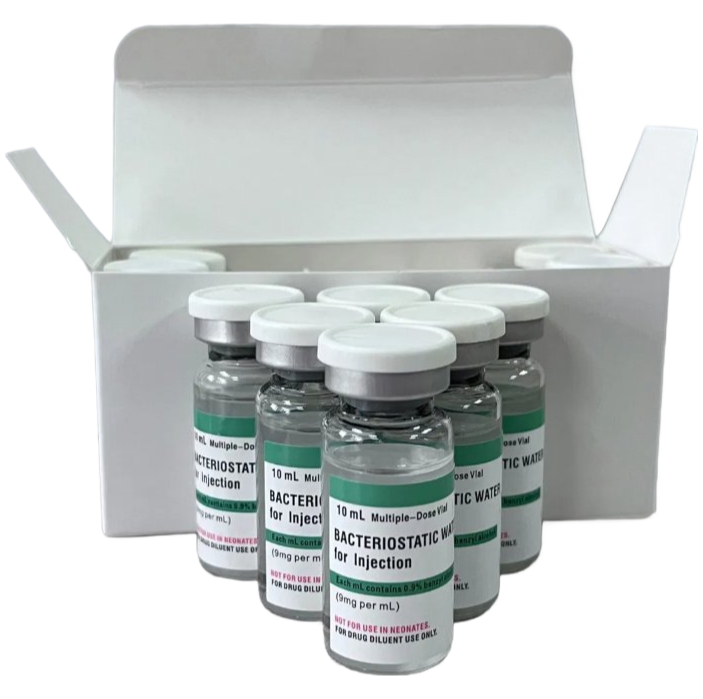
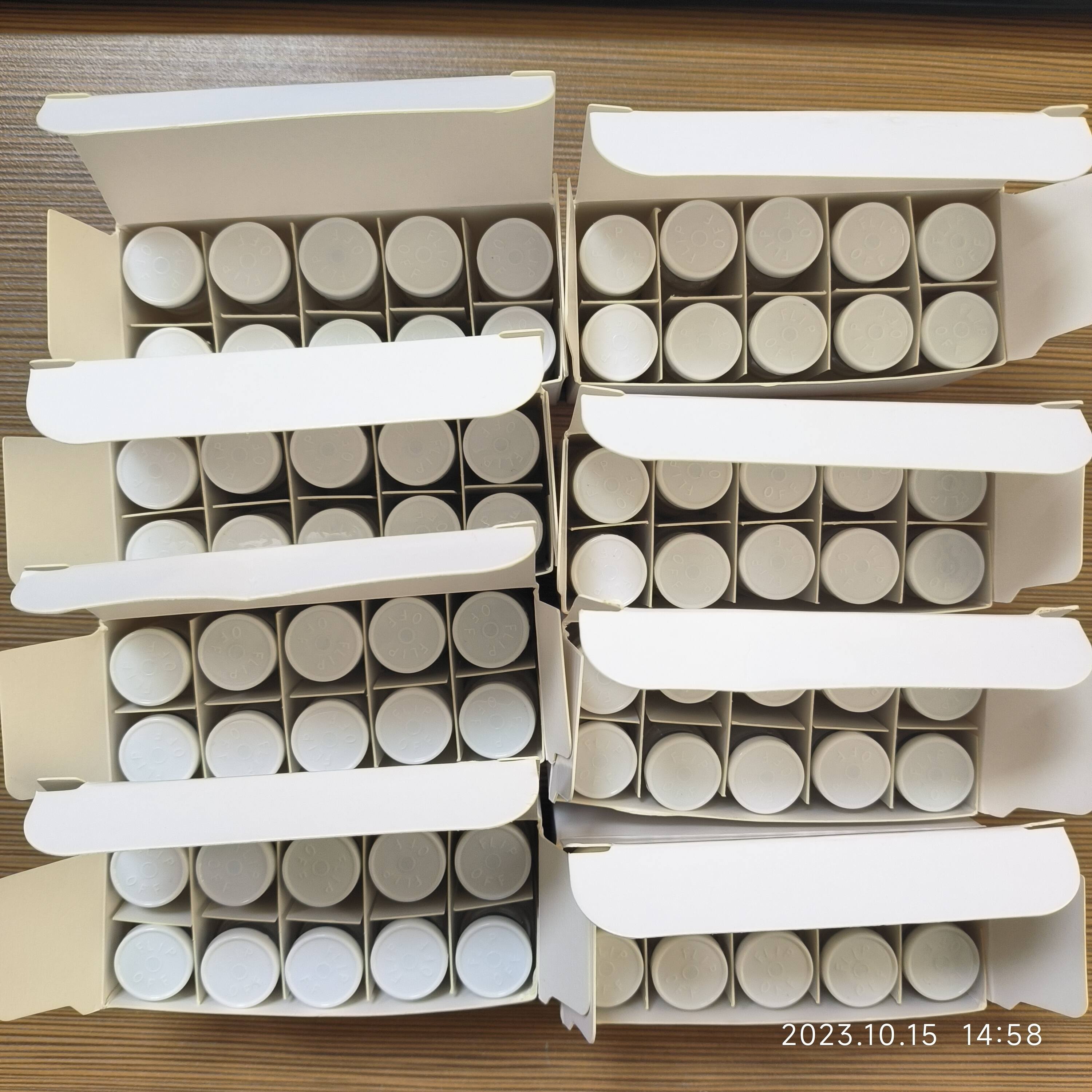
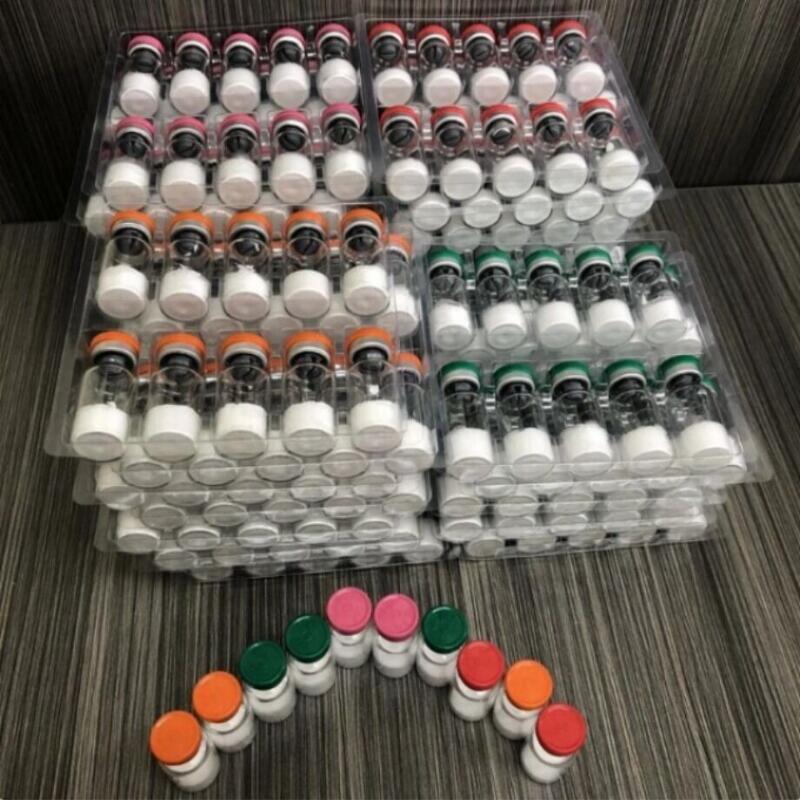
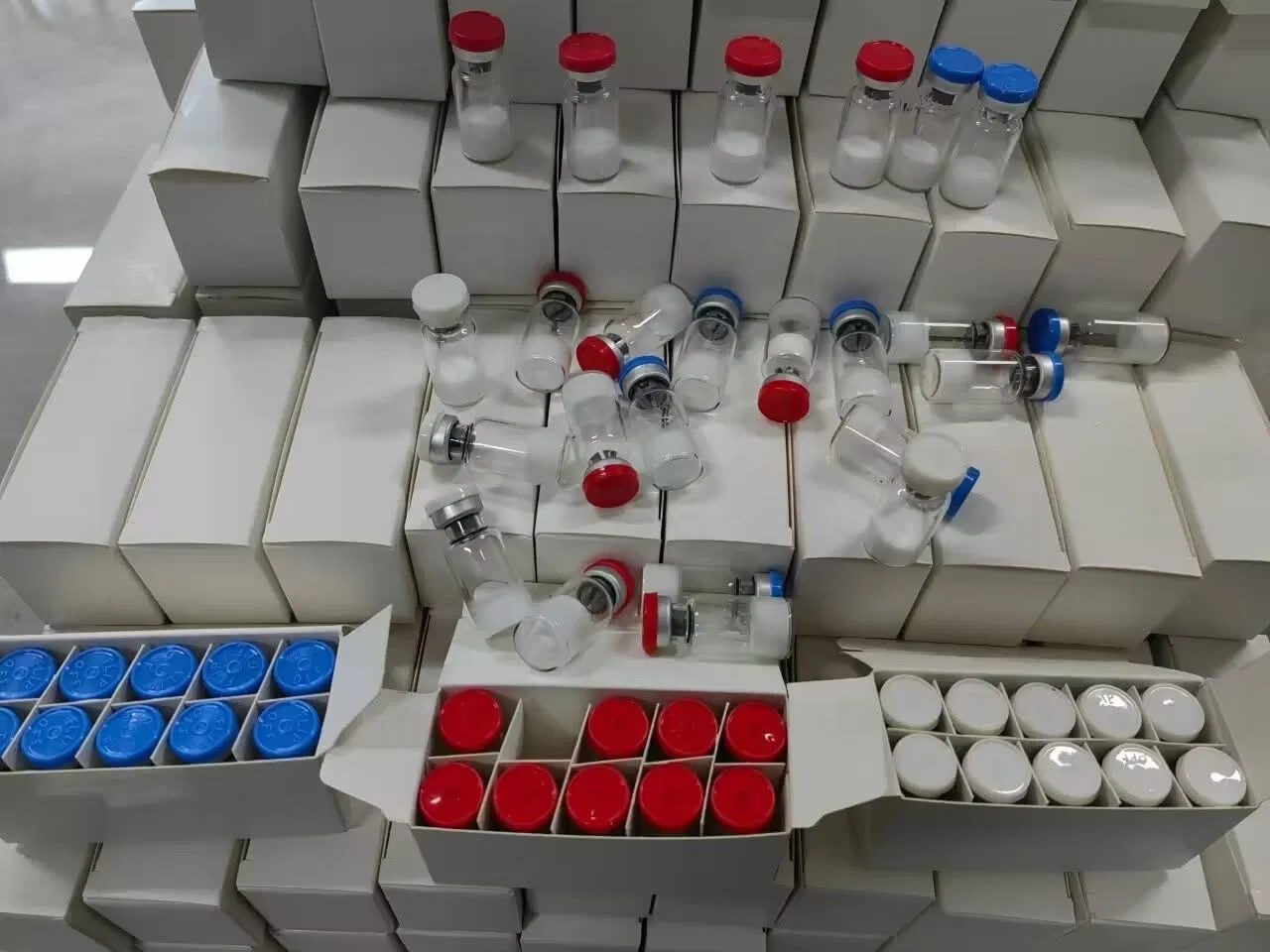
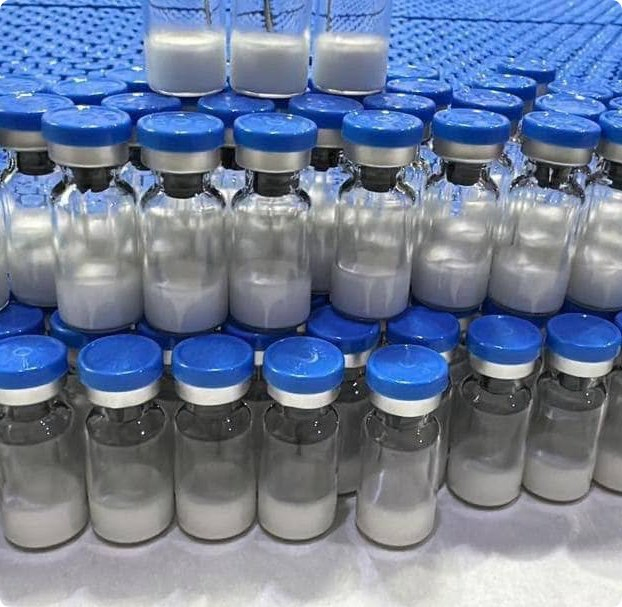
The 10mg vial is what it is—most buyers go with that for initial batch testing before scaling to 20mg vials, though some grab multiples for replicates. Check lead time if you need over 50 vials or so, since we usually batch at roughly 200 vials per lot.
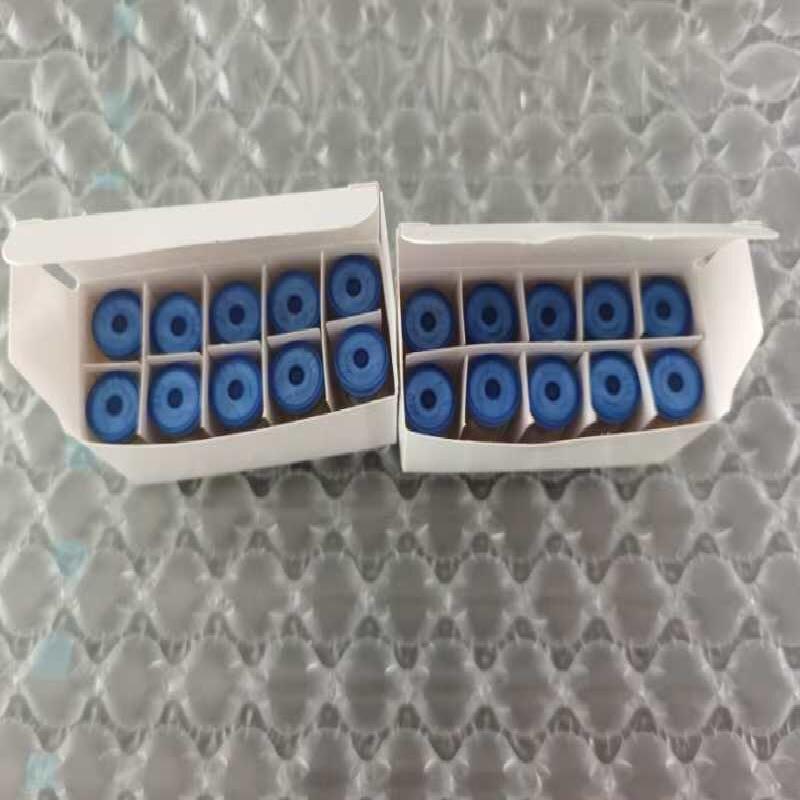
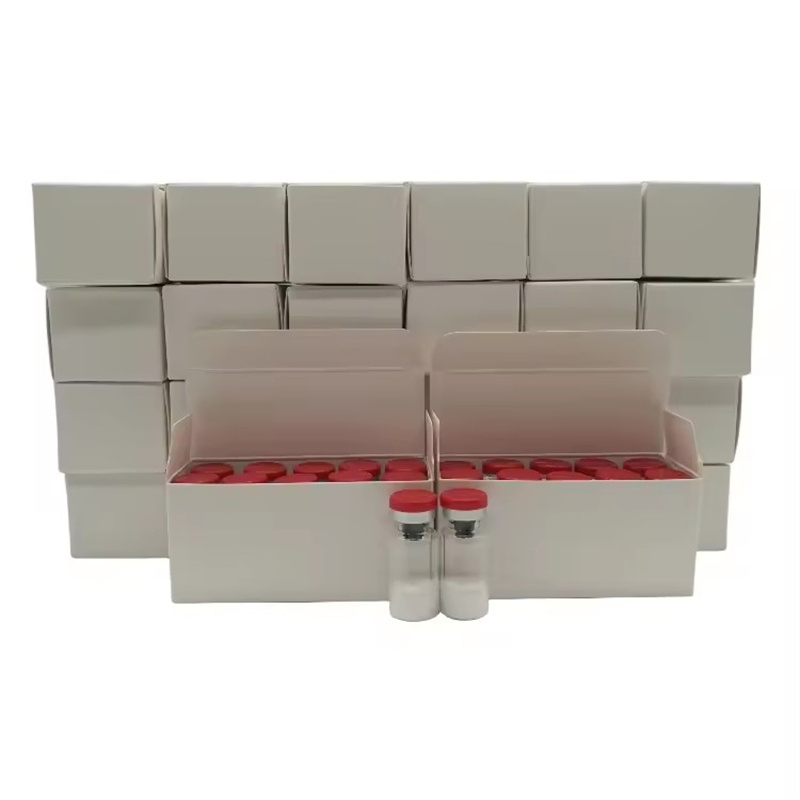
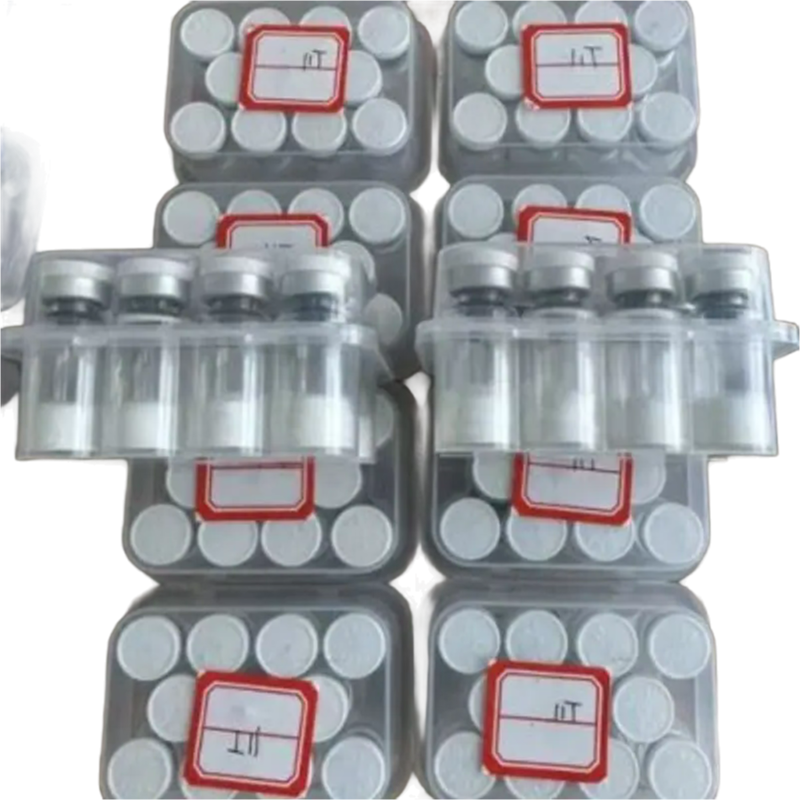
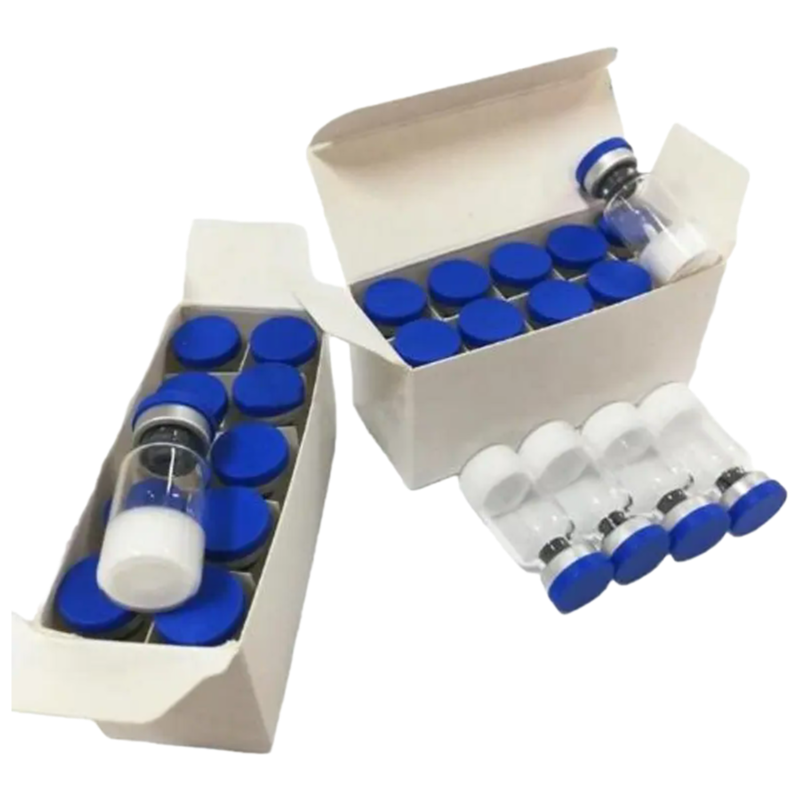
You can order as little as one box (10 vials) for any size — 5mg, 10mg, or 20mg. If you need a custom MOQ for bulk, just reach out and we can adjust.
Yes, every batch comes with a COA showing HPLC purity (≥99.0%), individual impurities, peptide content, moisture, and sodium levels. Just request it with your order.
For short-term (up to a month), keep it at 2-8°C. For long-term storage, pop it at -20°C or -80°C with a desiccant. That keeps the powder stable and moisture-free.
We offer standard 5mg, 10mg, and 20mg vials, but we can discuss custom vial sizes or bulk packaging for larger orders. Let us know your needs and we'll see what we can do.
Yes, that range is standard for retatrutide acetate as a salt form. The sodium content varies slightly batch to batch due to the counterion balance during synthesis, but it's always within 5-12% and doesn't affect purity or performance.