Account
Inquiry
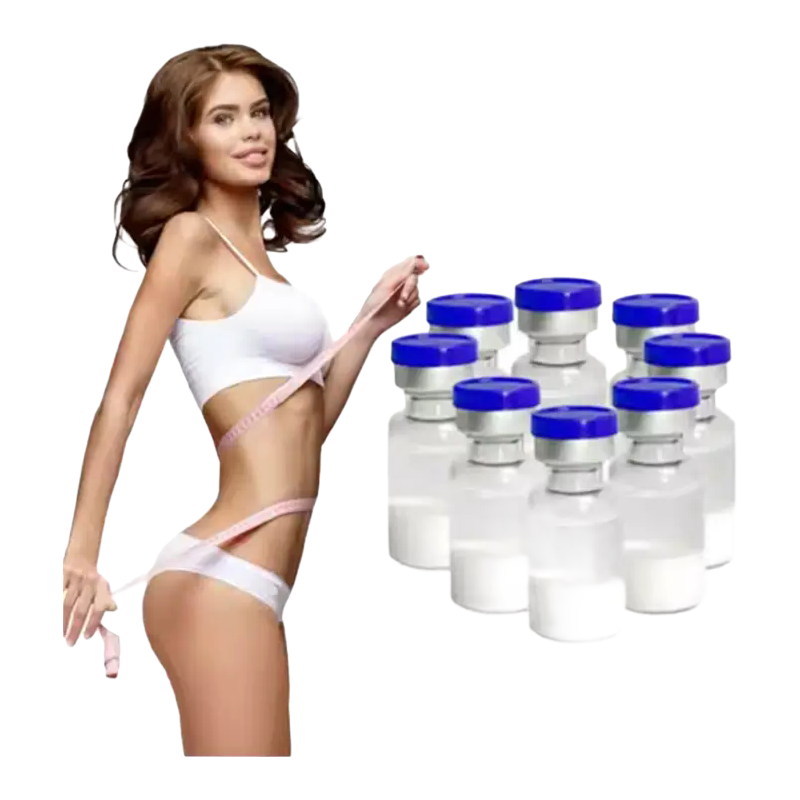
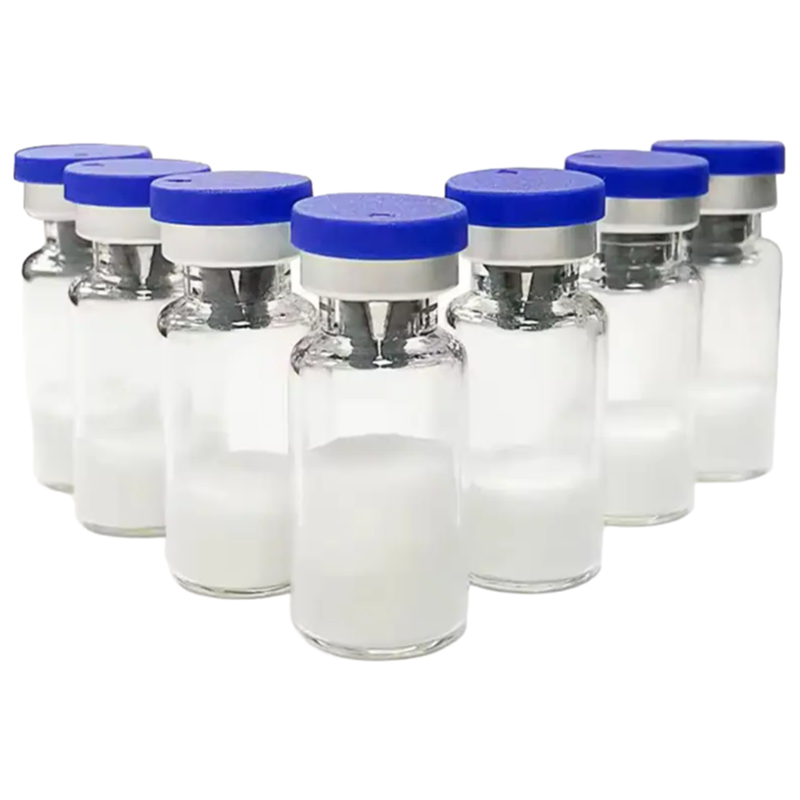
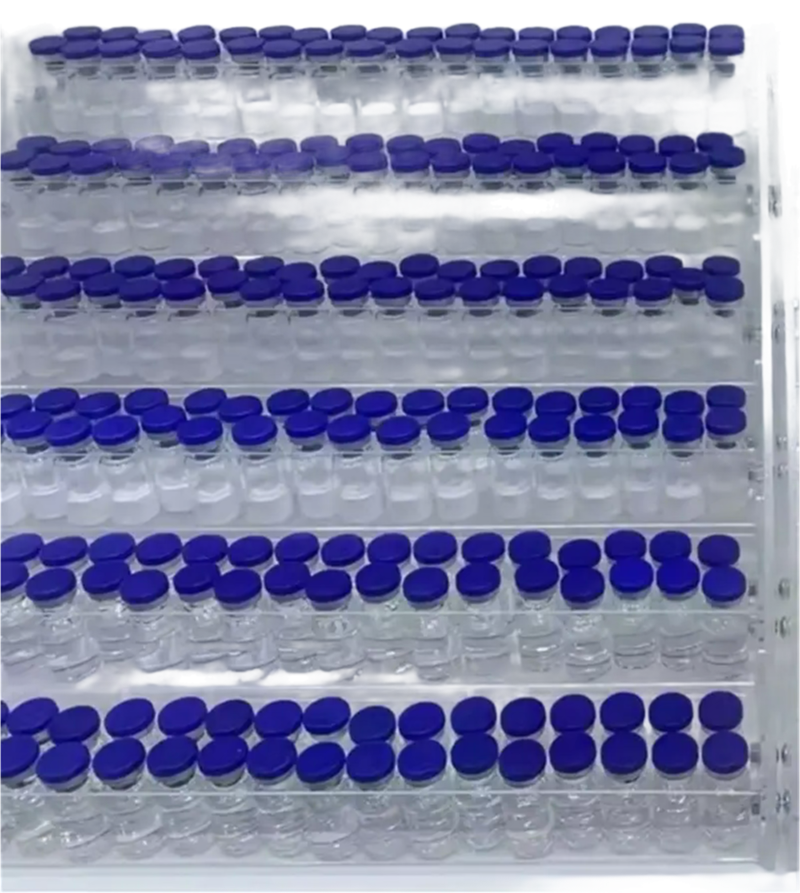
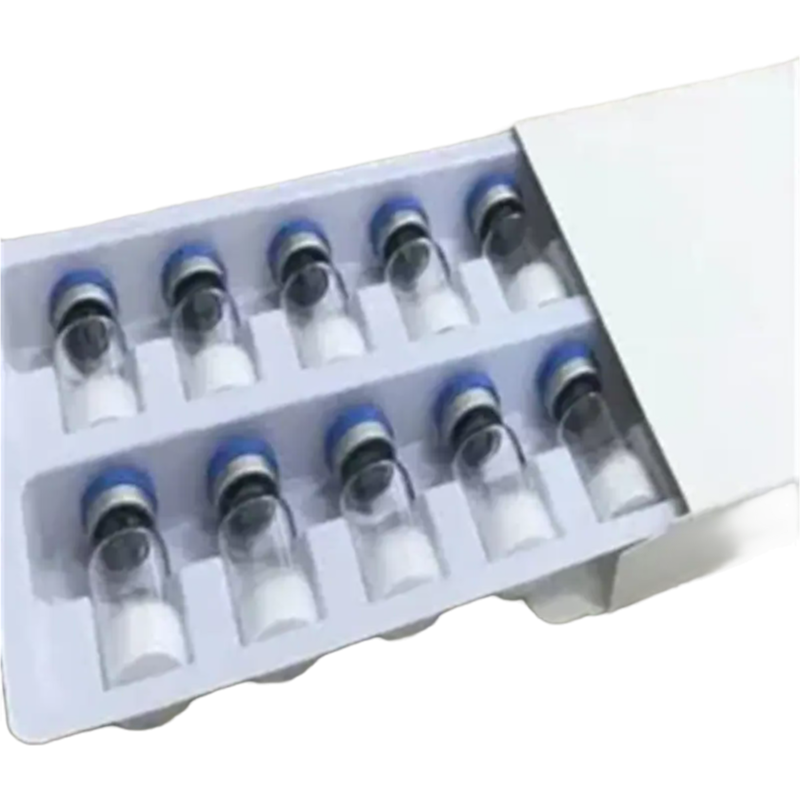
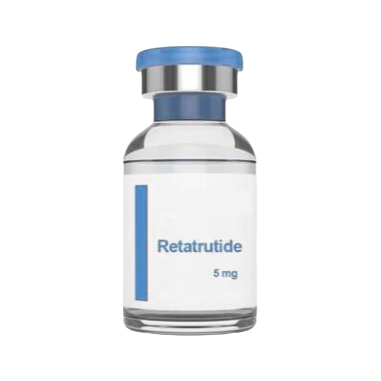
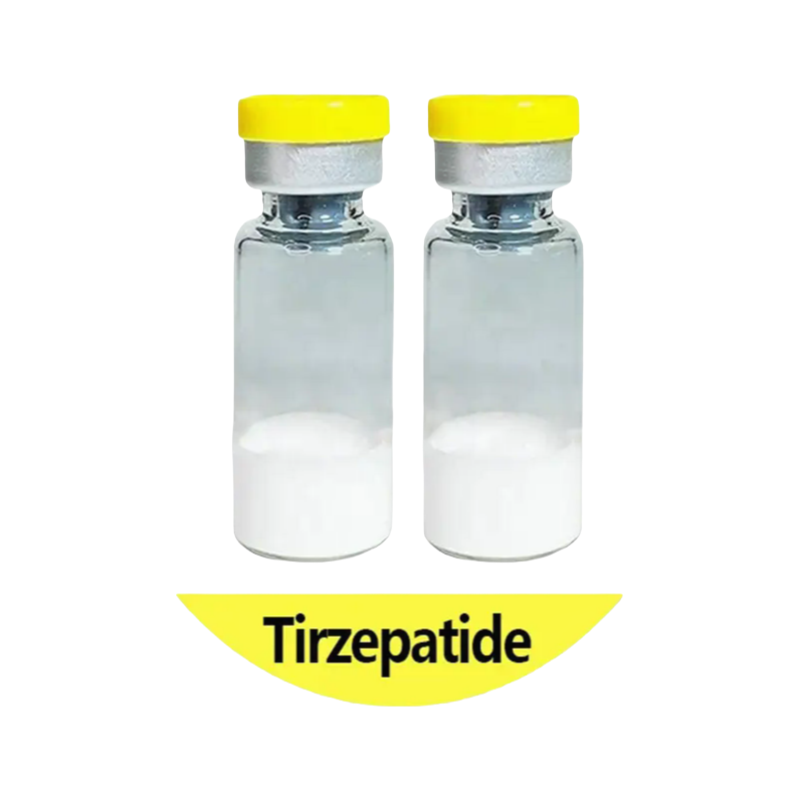
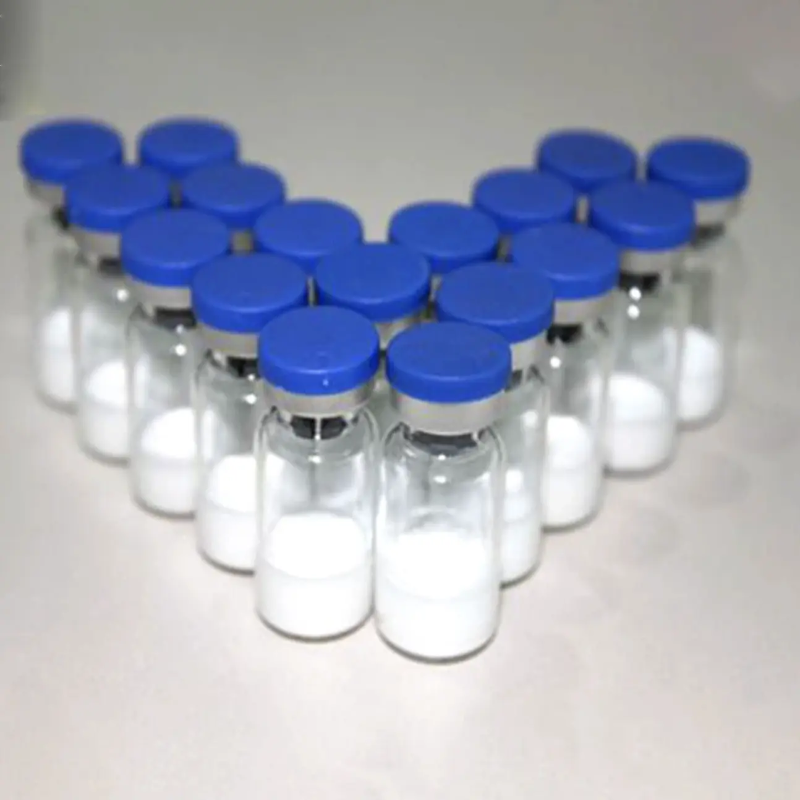
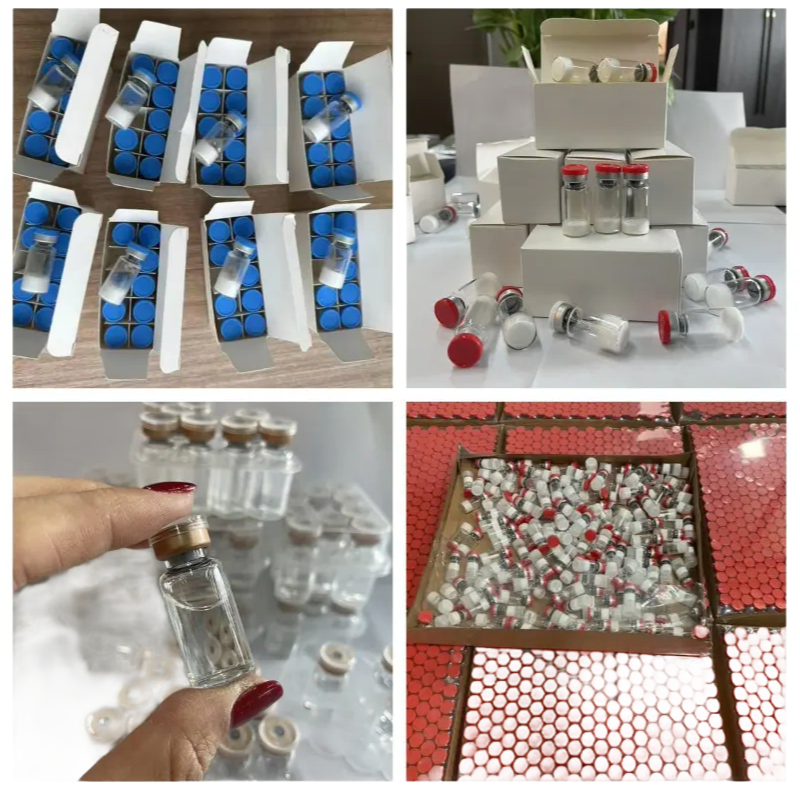
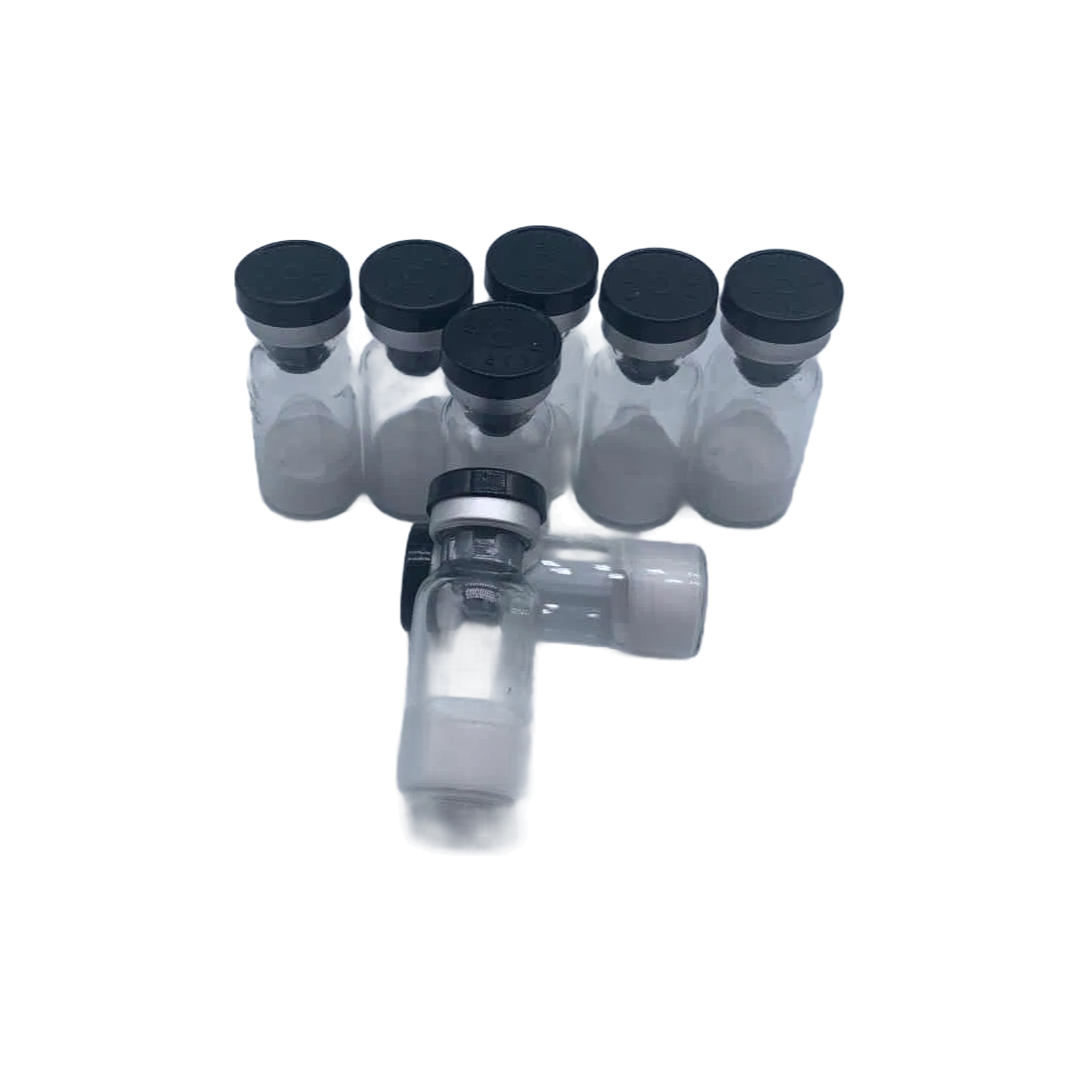
We've been moving this peptide for a while now, and it's pretty much become the go-to for researchers who want something that hits both GIP and GLP-1 receptors. The 10mg vial is what most buyers go with for standdard protocols.
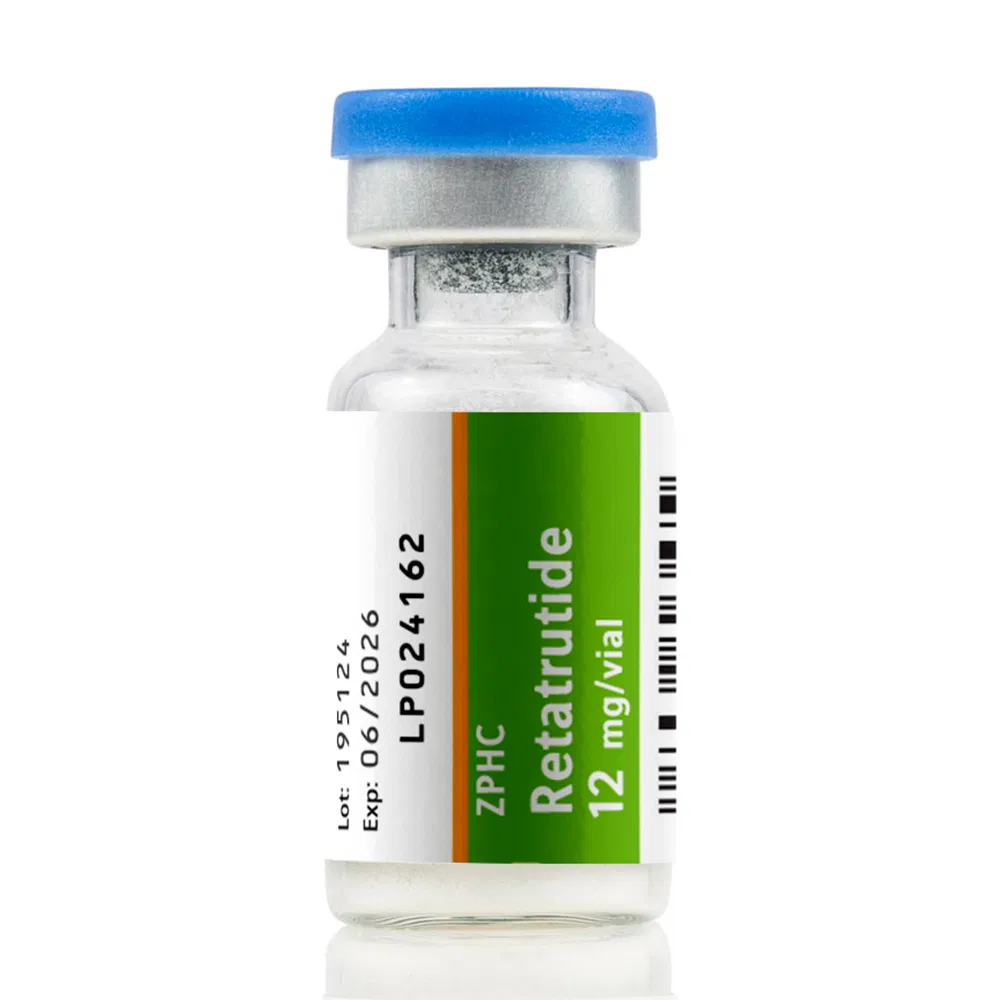
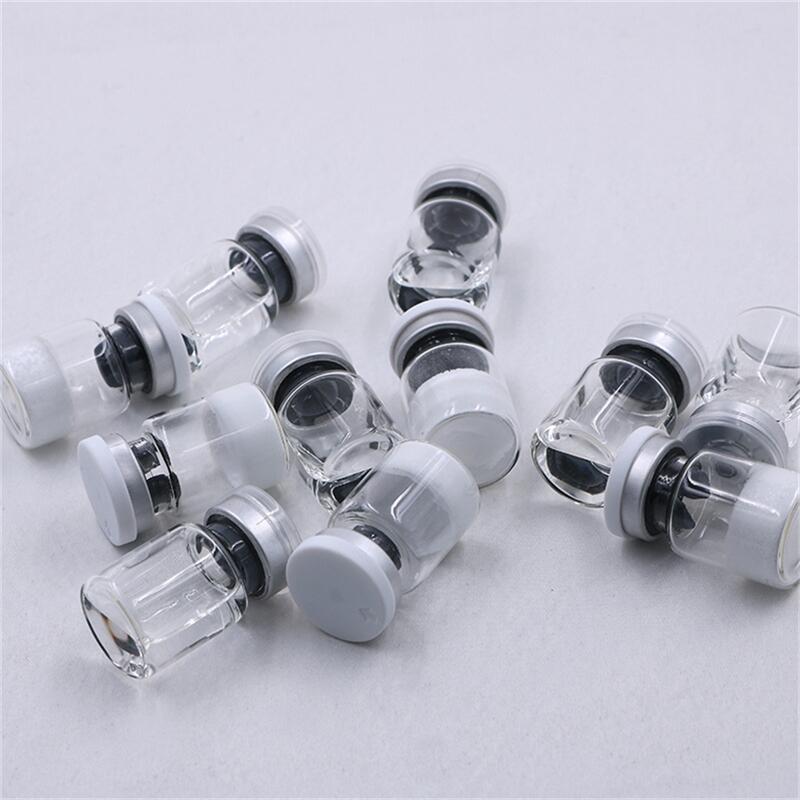
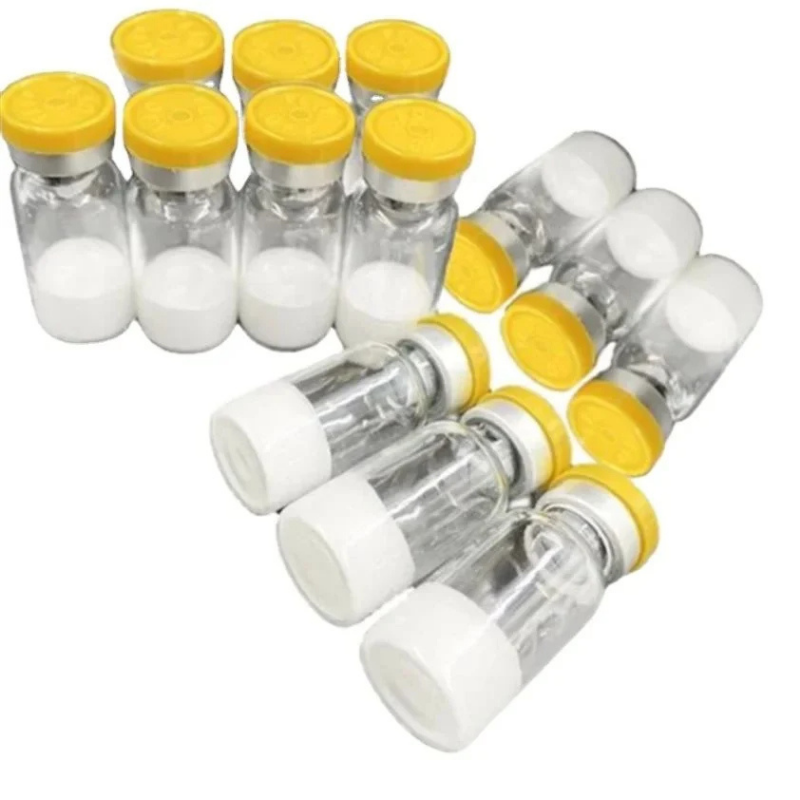
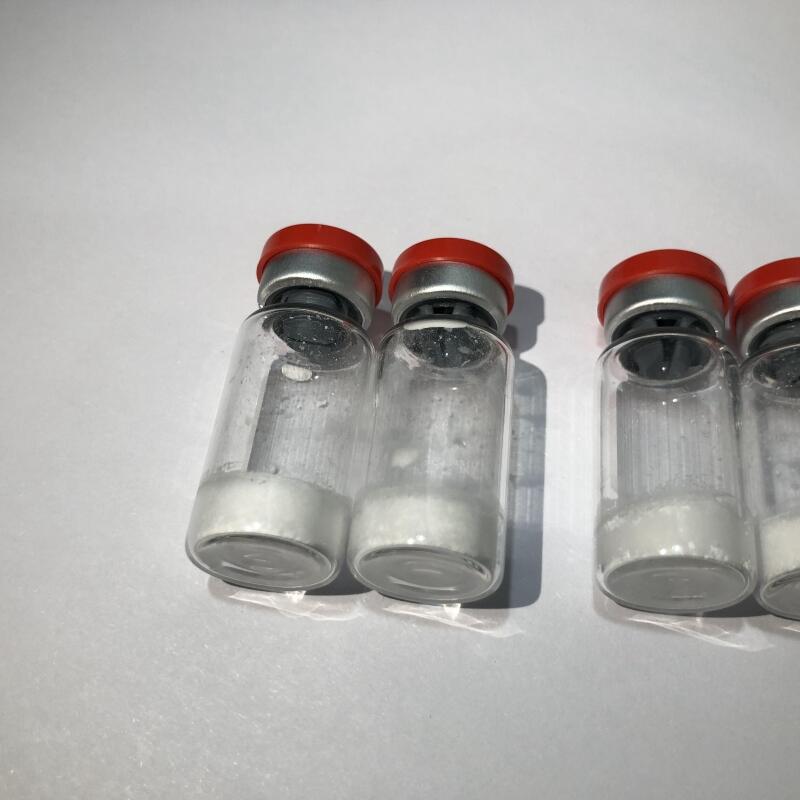
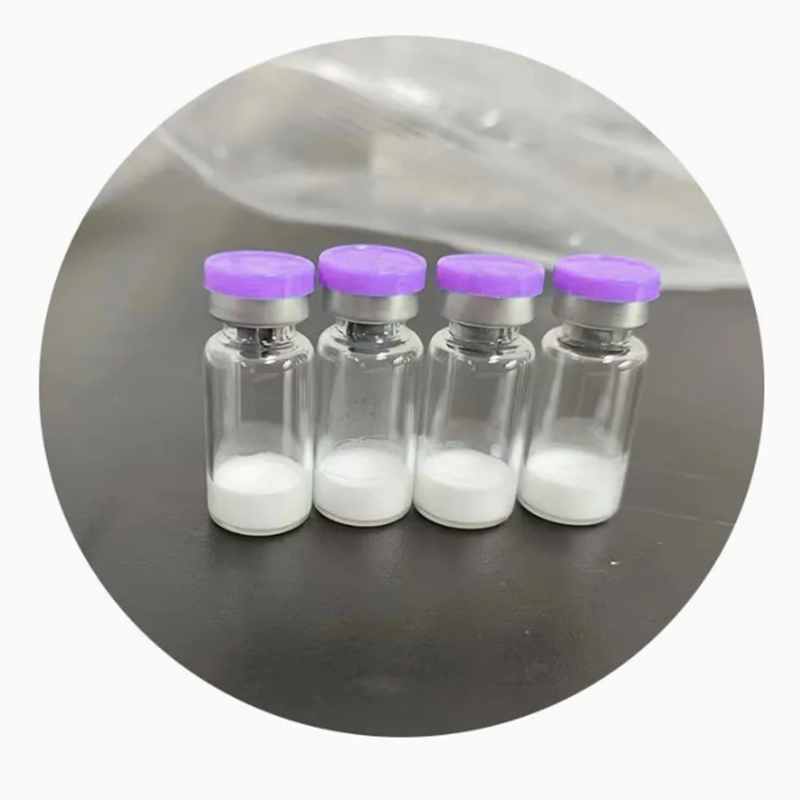
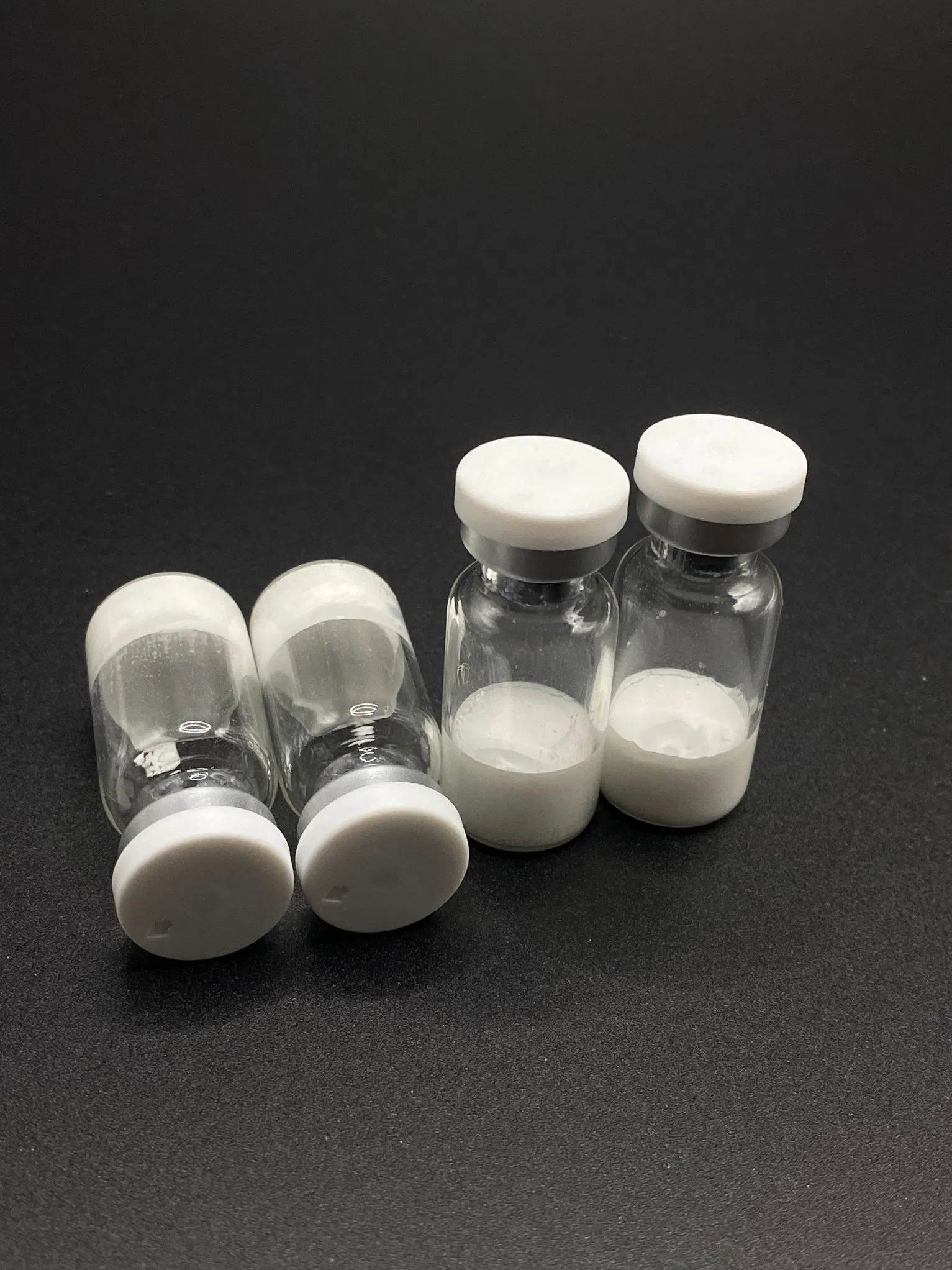
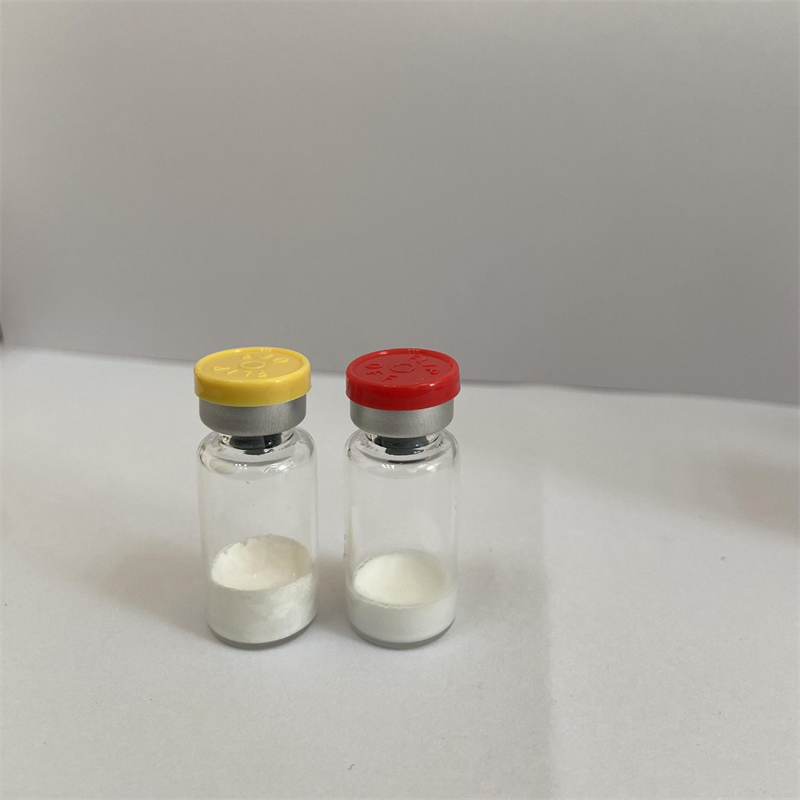
Purity is 99% by HPLC, so you're not wasting time with a lot of junk in the powder. Lyophilized, white to off-white, and it reconstitutes cleanly—no clumping or weird residue. Most people reconstitute with bacteriostatic water and store it in the fridge short term, about 2-4 weeks.
It's not for human consumption, obviously, and if you're running a study that needs a lot of materail, the 30mg vial saves you money. But honestly, the 10mg is easier to handle if you're just starting out and don't want to waste product.
We usually have stock, but confirm lead time—sometimes it's 20 days or so if we're between batches. COAs come with every order, and our company can send you SDS if you need it for your lab's paperwork.
One thing you might not think of: teh powder is hygroscopic, so keep the vial sealed until you're ready to reconstitute. We've had a few people leave it open and then wonder why it's not dissolving right. Store it dry and dark, 0-4°C for a few months, or -20°C long term.
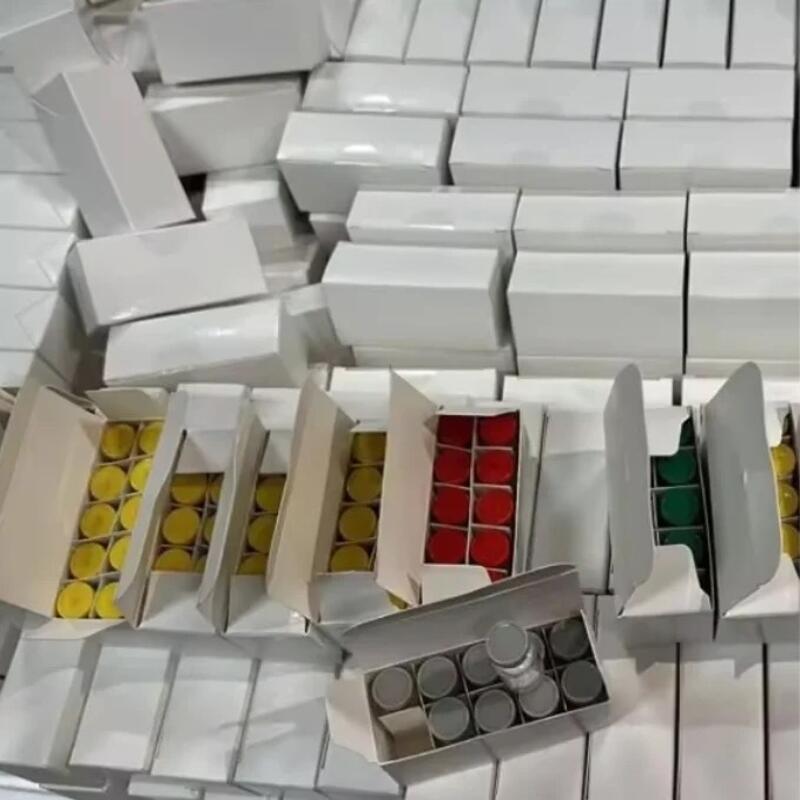
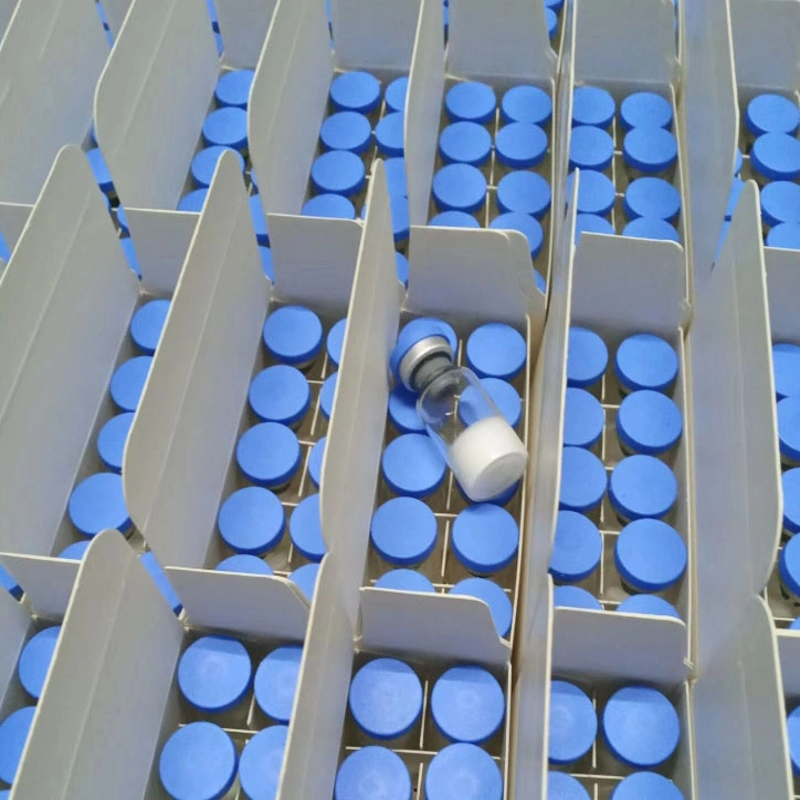
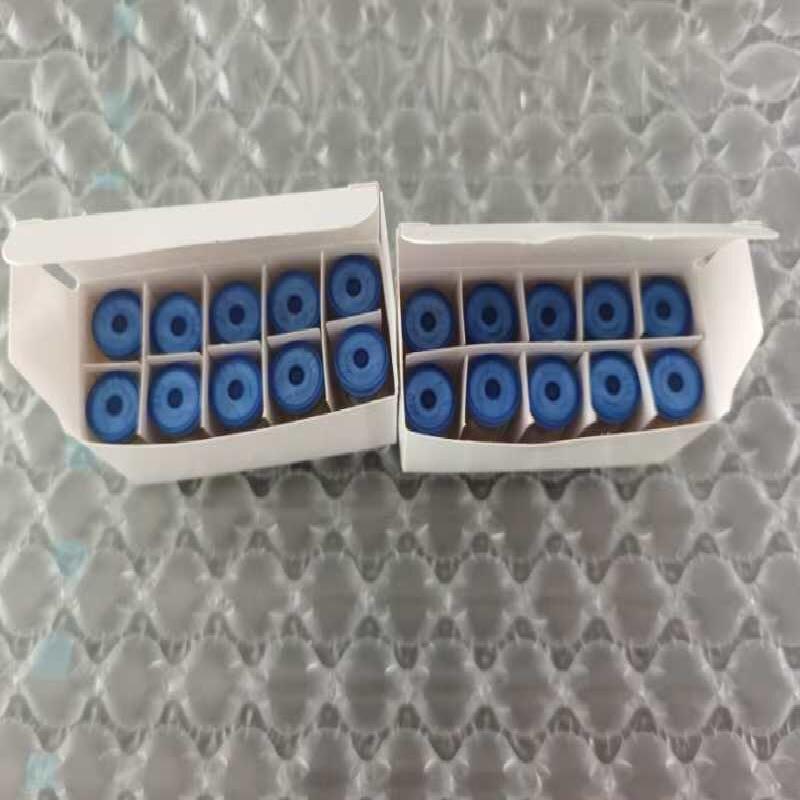
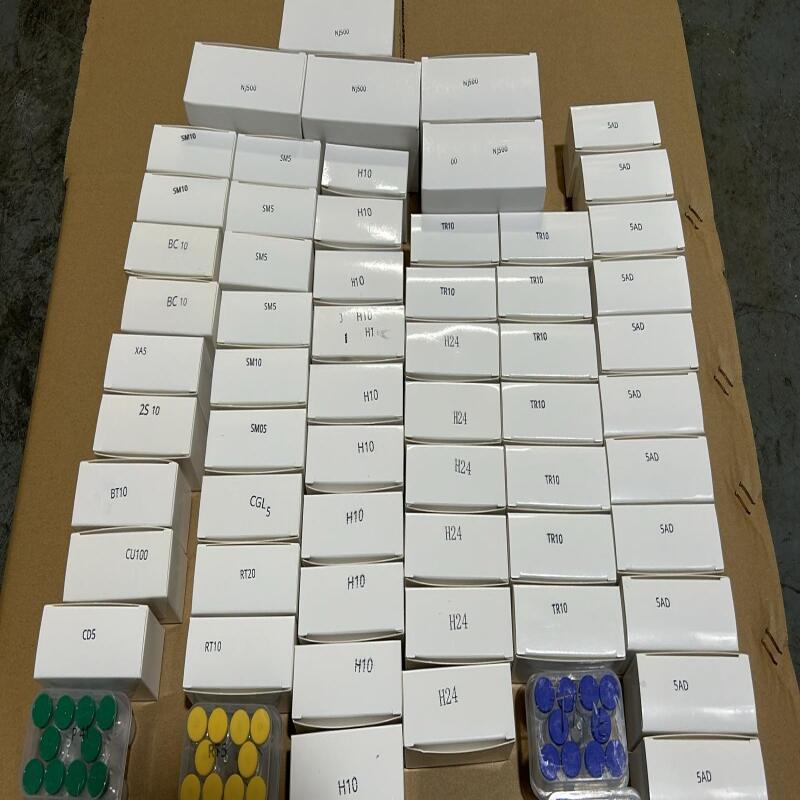
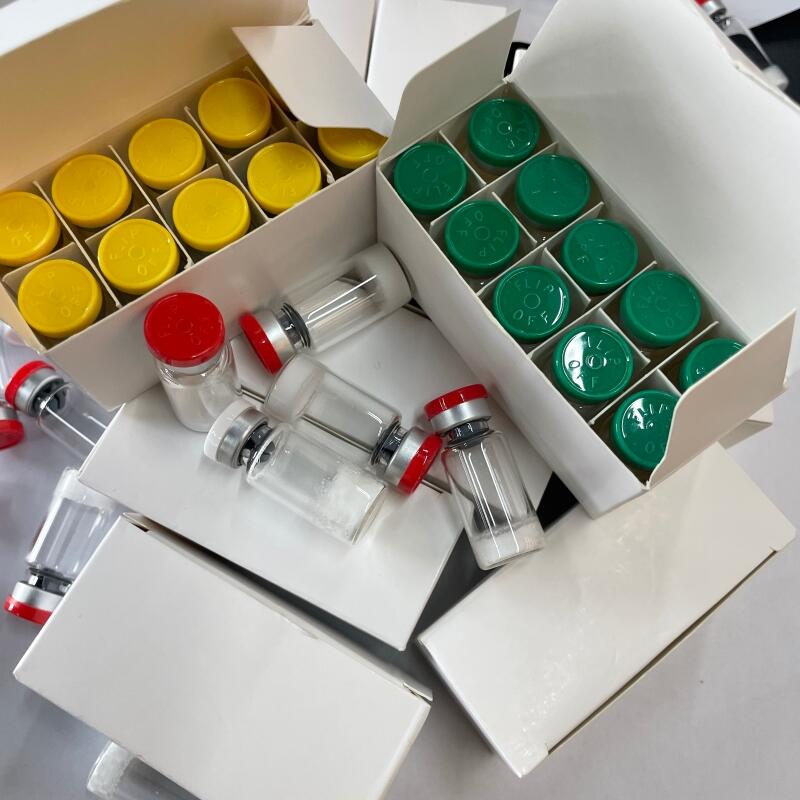
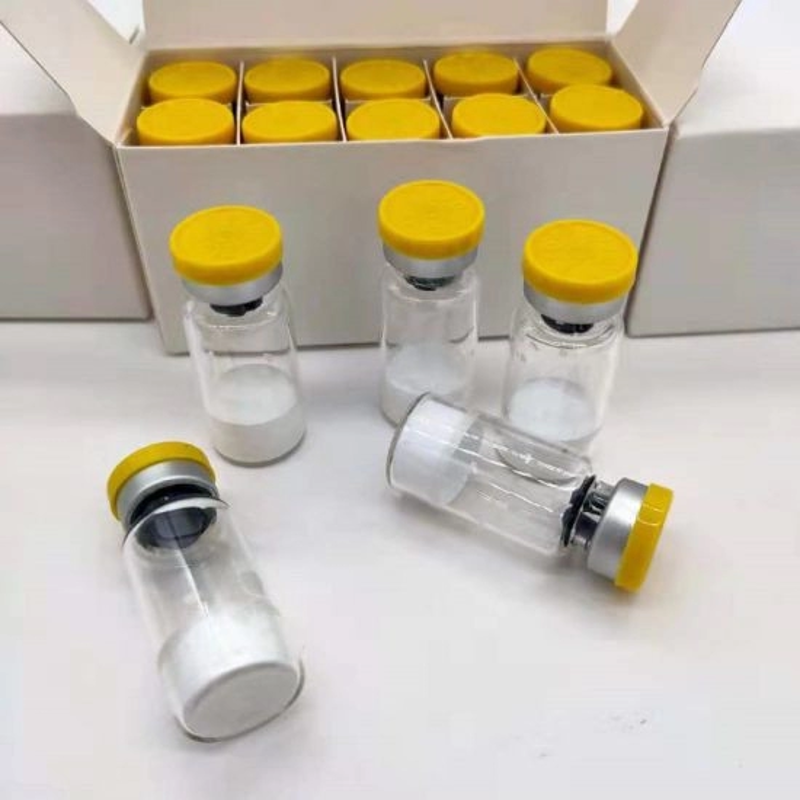
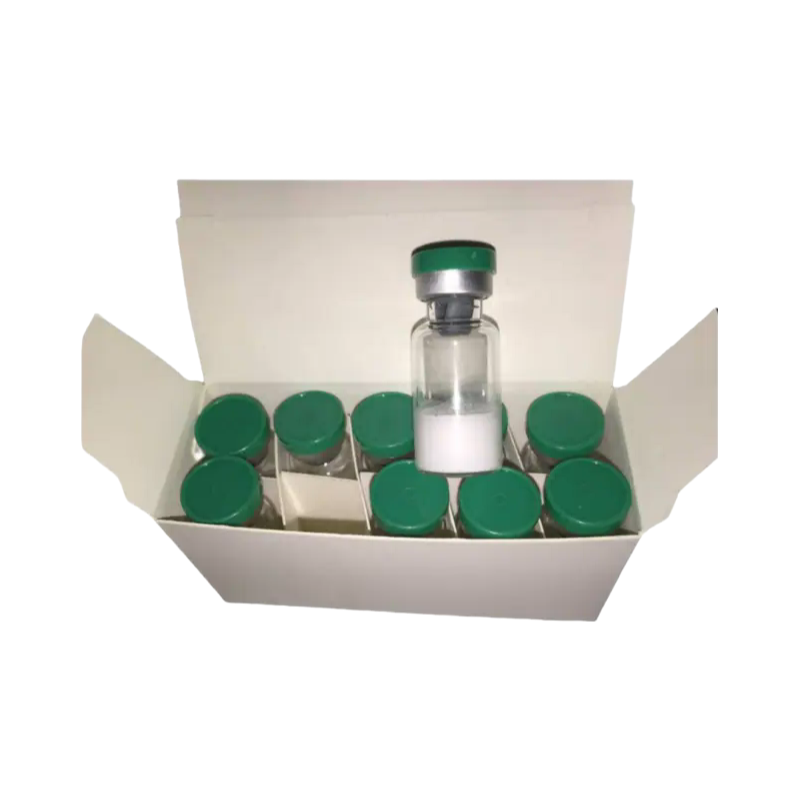
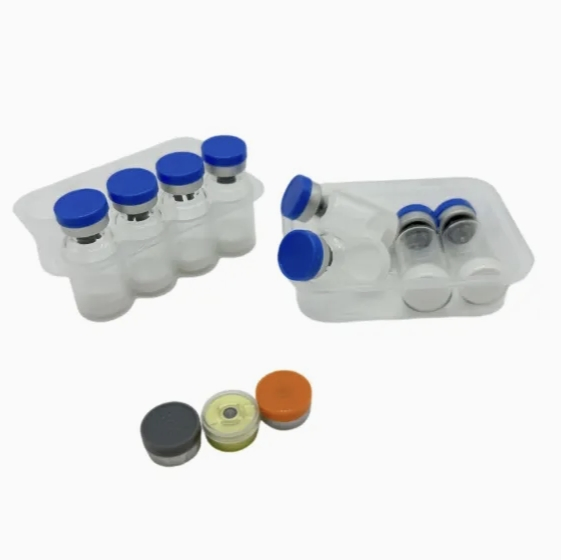
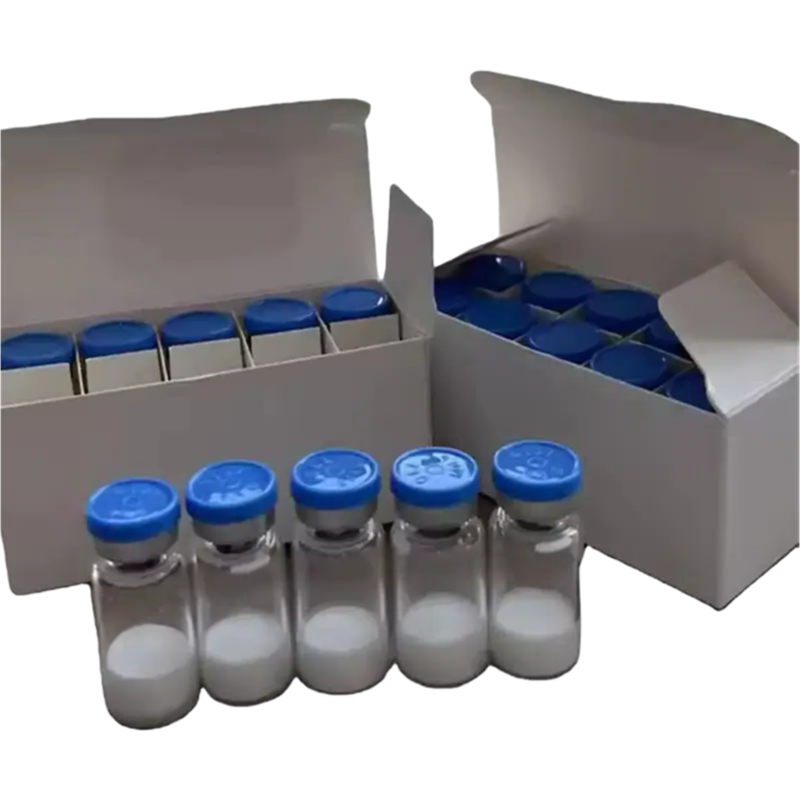
We typically sell by the box, so MOQ is 10 vials per box. If you need a smaller trial order, just ask—we can sometimes accommodate single vials for first-time buyers.
Standard shipping takes 5-10 business days. For the lyophilized powder, we ship with ice packs and insulated pouches to keep it cool during transit, but you’ll want to store it at 0-4°C short term or -20°C long term once it arrives.
Yes, we include a COA with every batch that confirms the 99% purity and other specs like appearance and molecular weight. Just request it when you place your order.
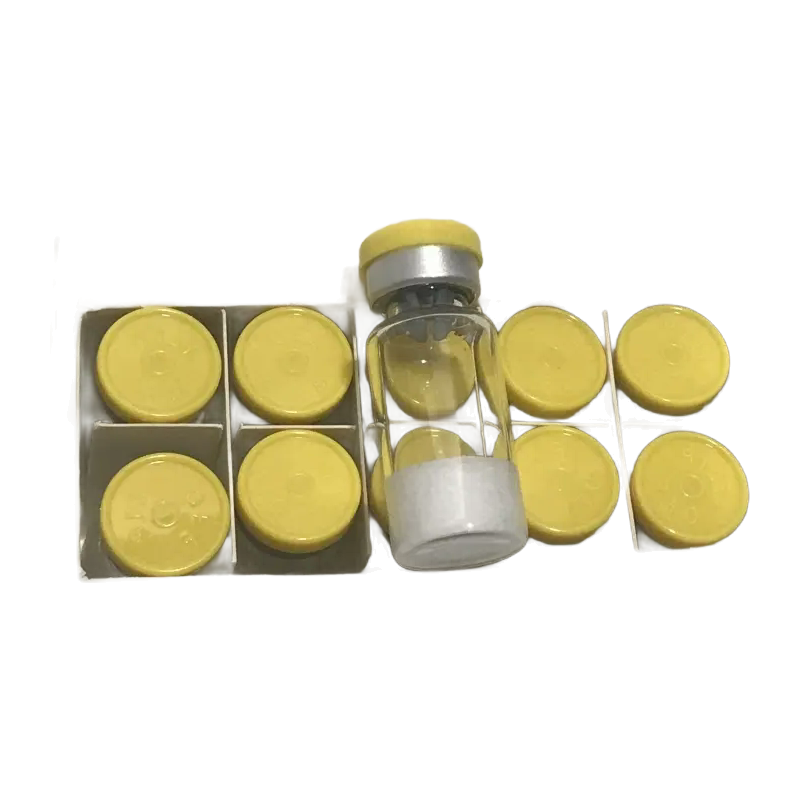
We can customize the vial label with your company details or batch number, but packaging stays at 10 vials per box. Let us know your requirements and we’ll quote you.
More than 2 years if stored properly in a dry, dark place at -20°C. For short-term use, 0-4°C is fine, but avoid freeze-thaw cycles to keep the potency stable.