Account
Inquiry
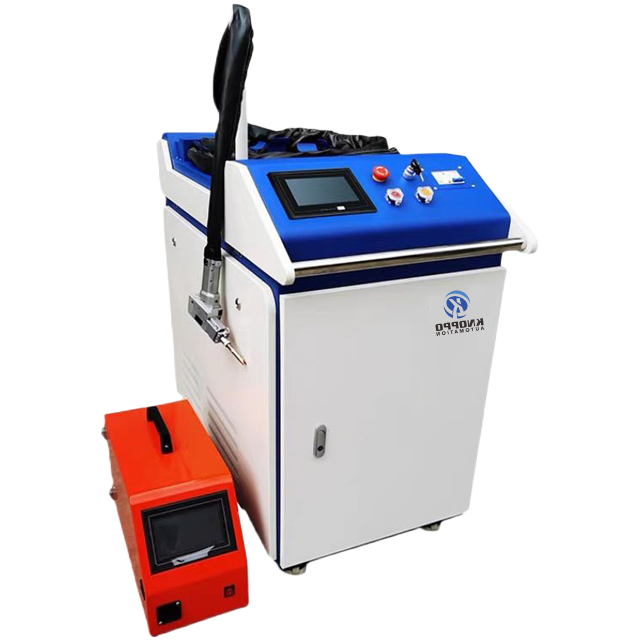
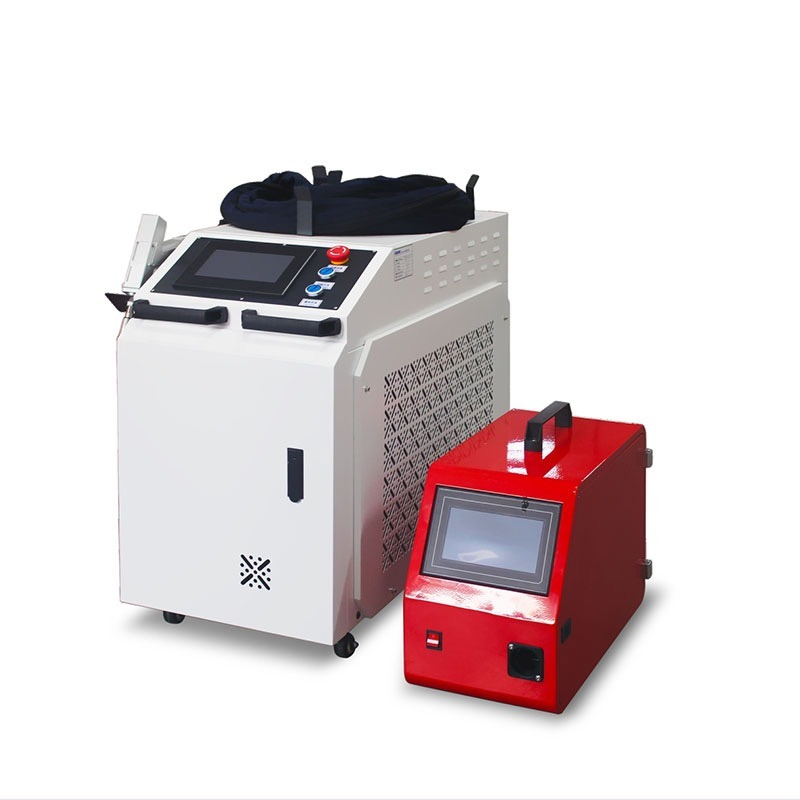
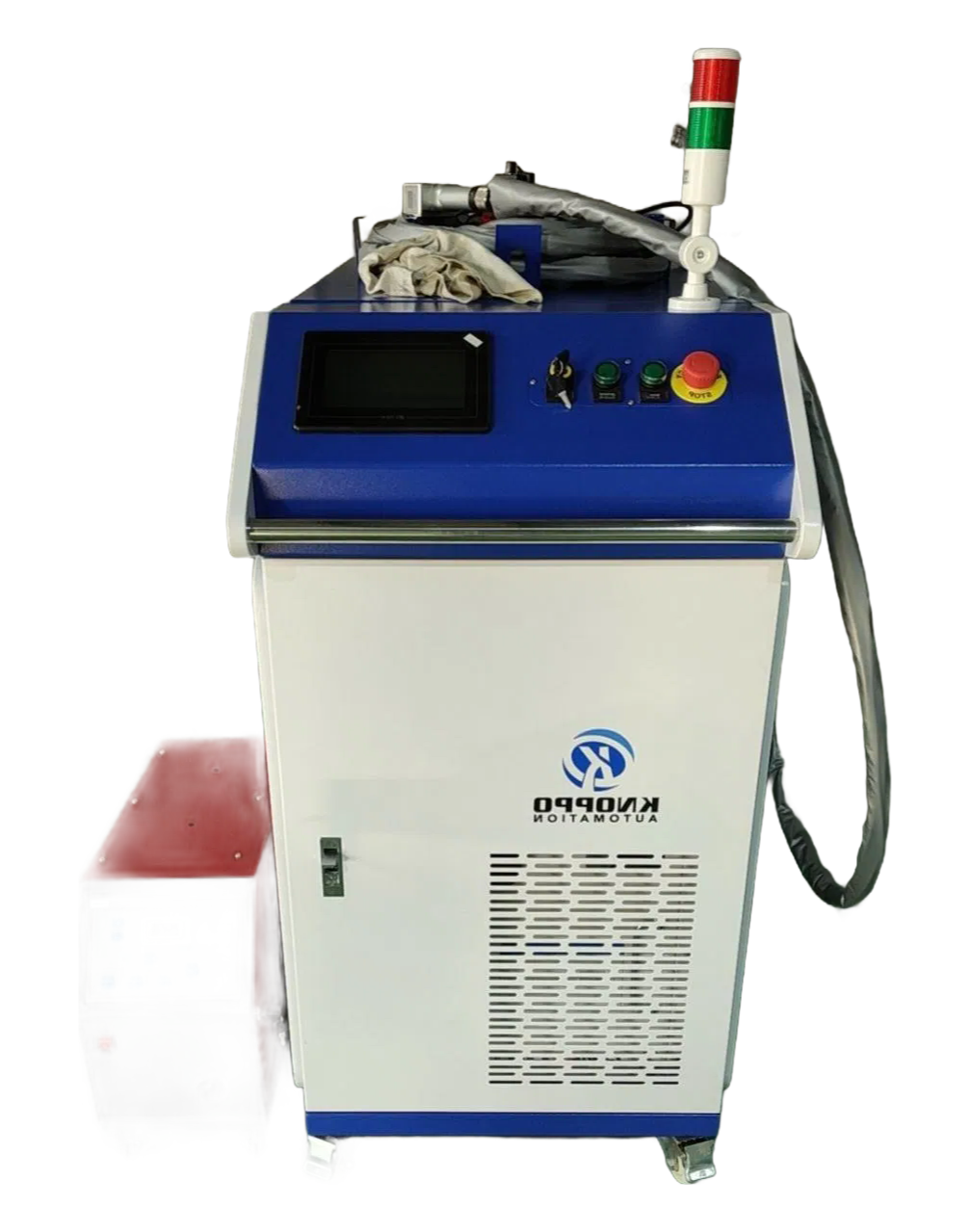
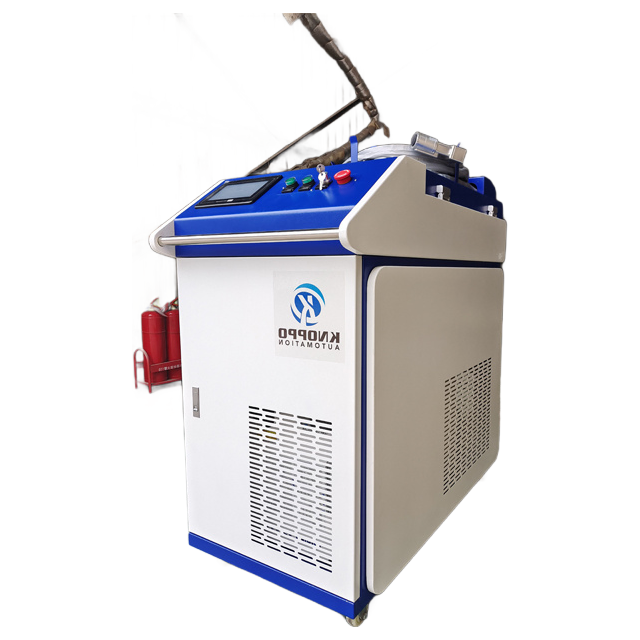
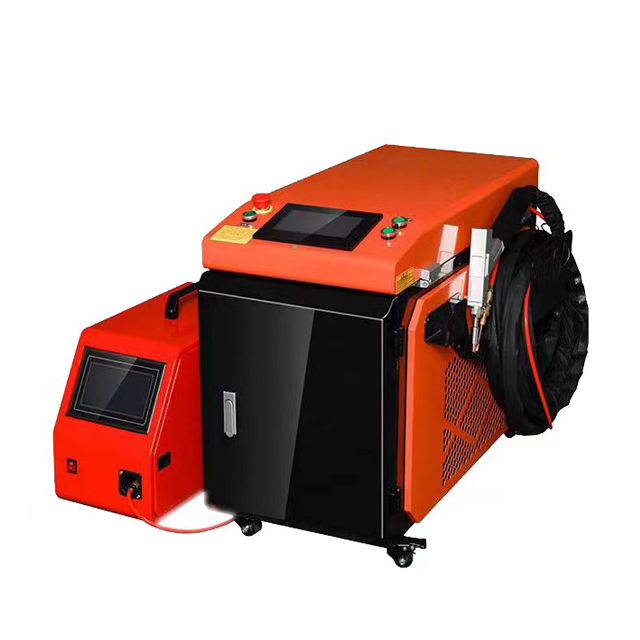
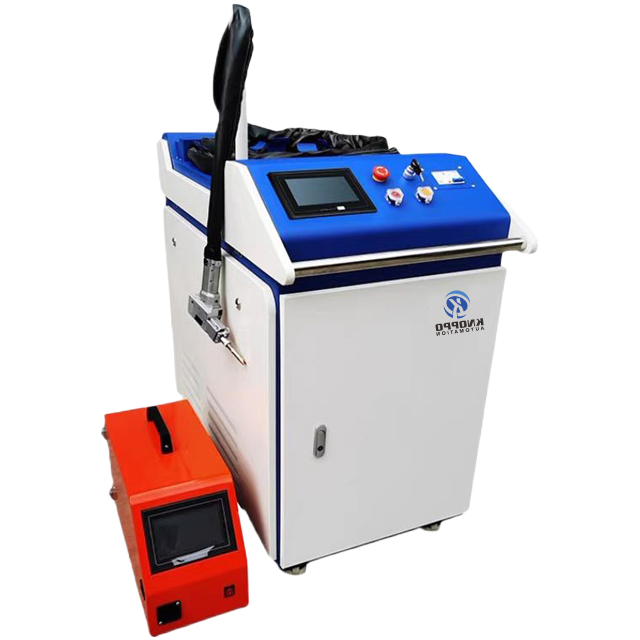
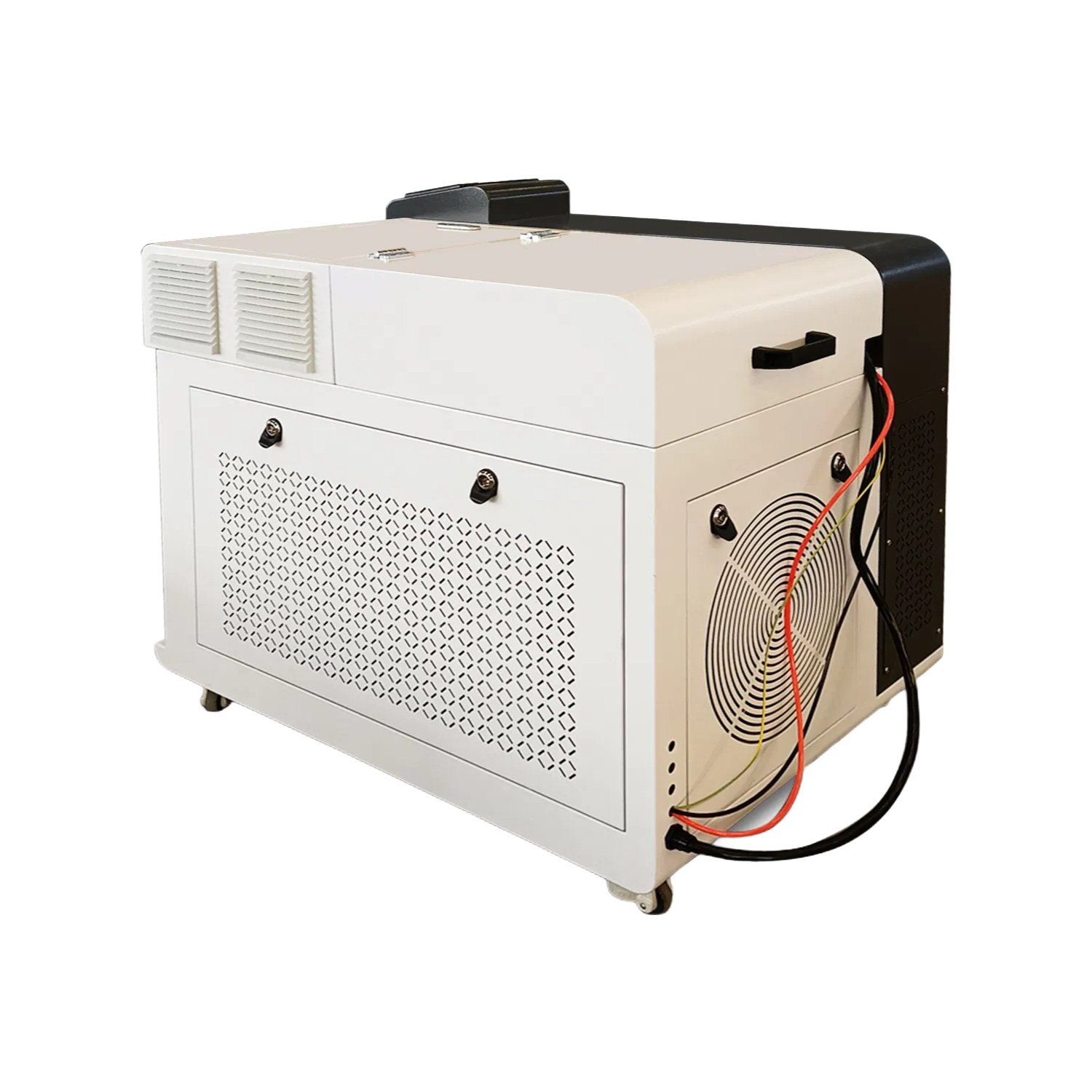
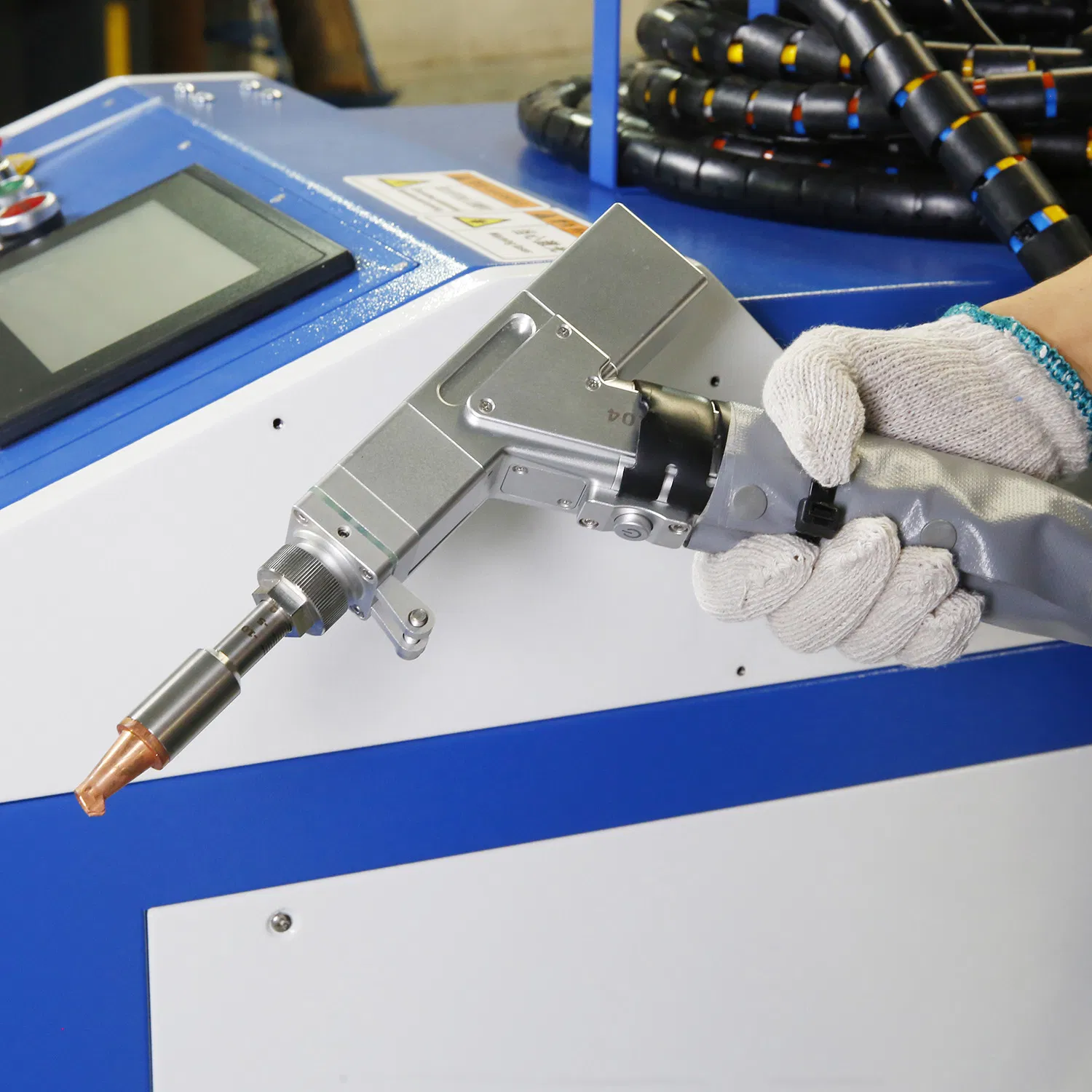
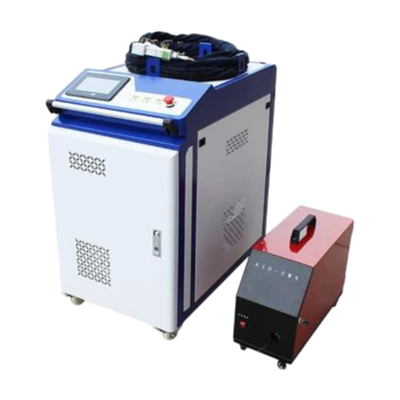
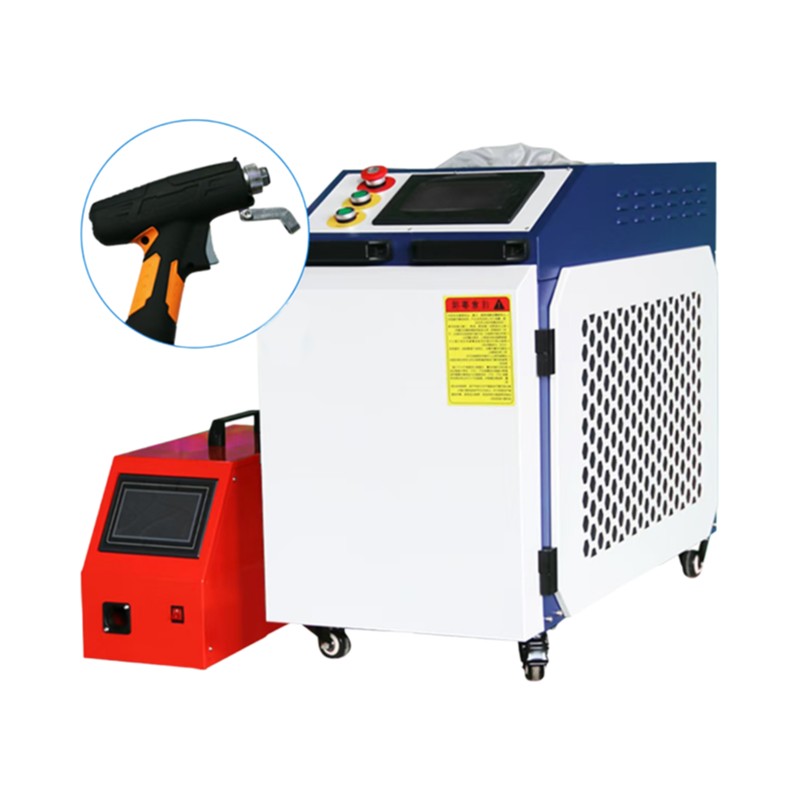
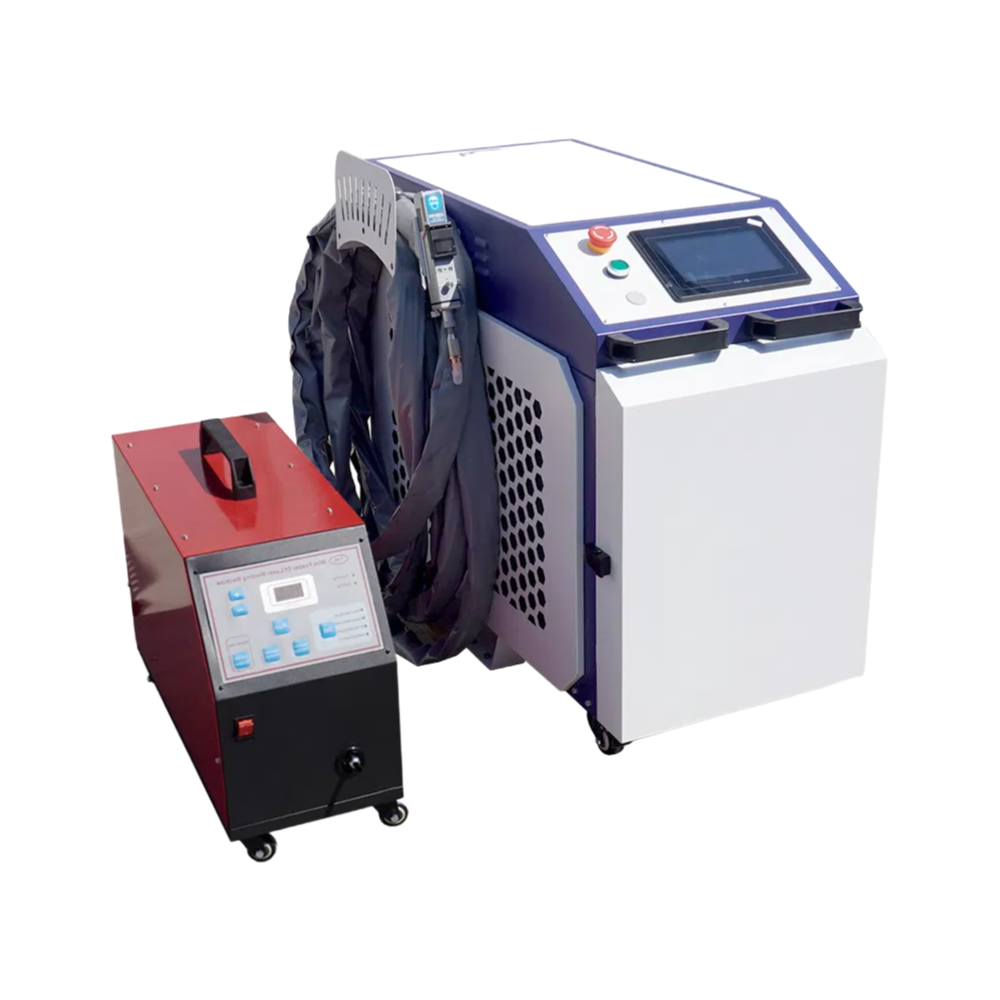
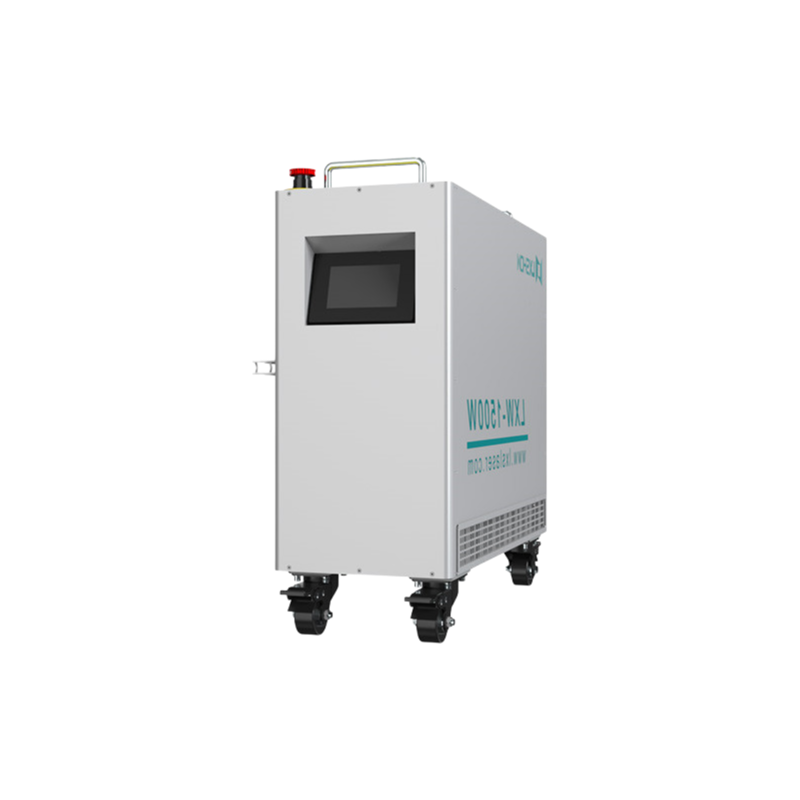
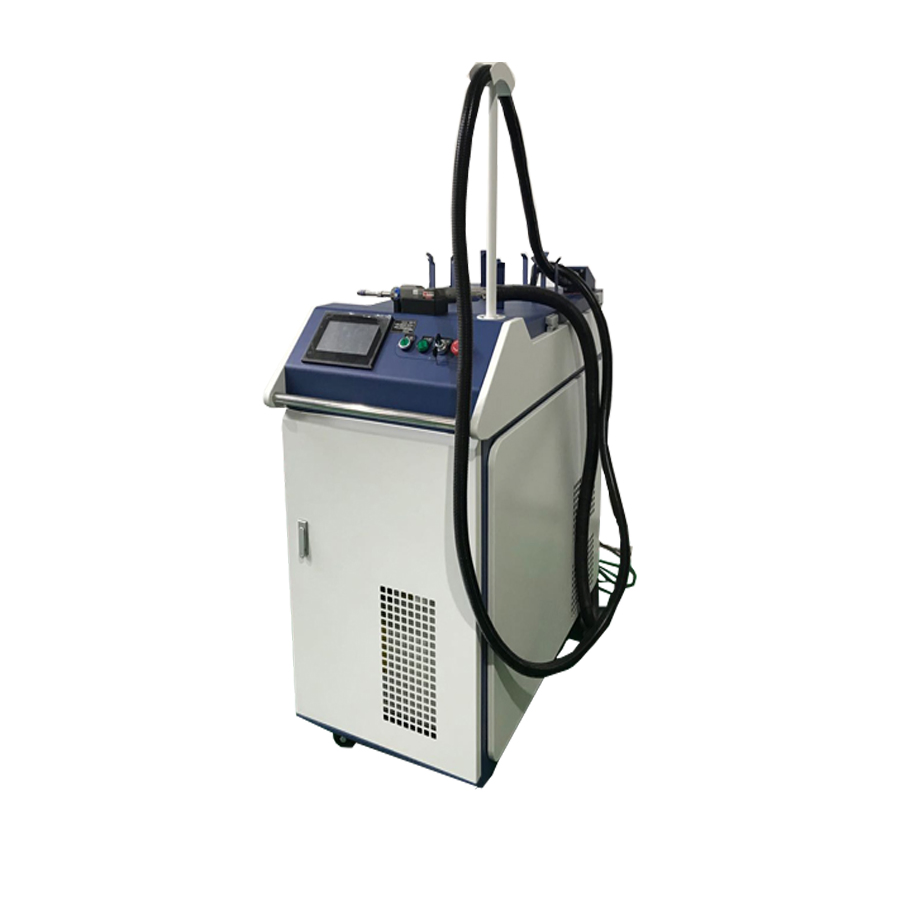
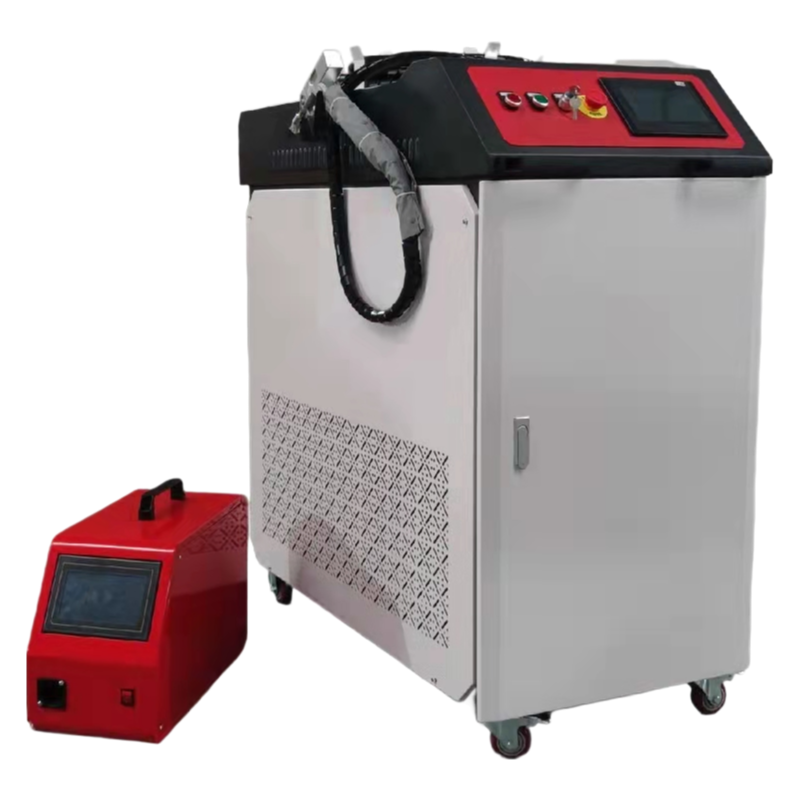
So you’ve got a customer who needs to weld thin-gauge stainless steel battery casings for EVs or alumnum enclosures for electronics, and they’re pushing for faster cycle times than TIG can handle—that’s where this lands. We’ve been running the 1500W version for about six months now on automotive sensor housings, and the wobble head with adjustable 0.2-5mm spot size lets us dial in penetration without burning through thin walls.
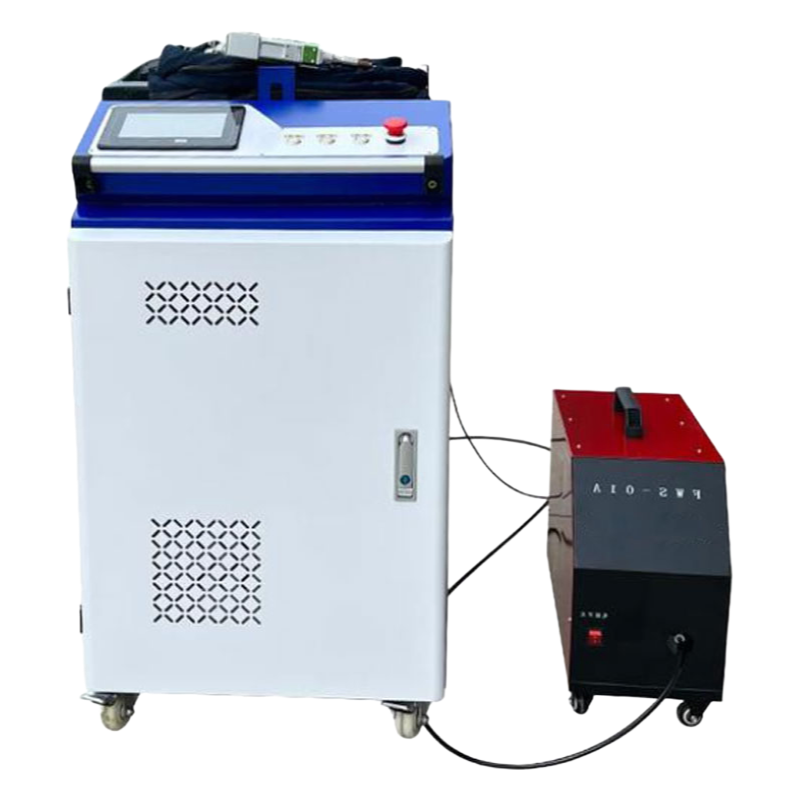
The laser source is either Raycus or MAX, both are solid for continuous wave operation, and we usually stock the 1000W and 2000W models—the 3000W is better for thicker plate but overkill for most electronics work. Wavelength is 1080nm ±5, which is pretty standard for fiber lasers, and the 10m fiber cable gives decent reach around a workbench or small fixture. Power consumption runs about 7.5-10KW depending on output, so make sure your shop has 220V or 380V avaliable—voltage tolerance is ±20% which is forgiving.
Cooling is water-based with a 1.5P to 2.5P chiller, and honestly, for continuous runs over 4 hours you’ll want the 2.5P unit or system will throttle down. The protective lens is D20*2, and we had to replace one after about 300 hours of welding with heavy spatter on copper—so factor that into consumables cost. CE compliant, three-year warranty, but the real test is the wire feeder: 25-600cm/min feed rate, and it handles 0.8-1.2mm wire without jamming if you keep the tension right.
Welding head options are Qilin, SUP, or WSX—we went with SUP because of that it’s easier to swap nozzles for different patterns (dot, line, circle). Spot size adjustment is smooth, but you’ll need to calibrate it against matrial thickness; we usually run 1.5mm spot for 1mm stainless with argon shielding gas. One thing nobody mentions: the machine weighs about 250kg, so you’ll need a pallet jack or forklift for positioning—it’s not a benchtop unit.
Also, it’s not great for very thin foil under 0.3mm unless you drop power below 500W, which isn’t really this machine’s sweet spot—you’d be better off with a pulsed laser for that. But for general metal fabrication, automotive brackets, or electronics chassis welding, it’s faster than TIG by a factor of 3-4x on most joints we’ve tested. We usually have stock on the 1000W and 1500W models, but confirm lead time on the 3000W—it’s typically 20 days or so from order.
We do offer samples for evaluation; the MOQ for the KW-M series starts at 1 unit for standard models, but custom specs may require a higher minimum.
Lead time is typically 15-25 working days for standard configurations, depending on stock of the Raycus/MAX laser source.
Yes, every KW-M series unit ships with CE certification and full test reports. We can also provide material certificates for the protective lens and fiber upon request.
Absolutely. The KW-M supports Qilin, SUP, or WSX welding heads as options. You can switch them based on your job—Qilin for precision electronics, WSX for heavy auto parts.
Store it in a dry, dust-free area at 5-40°C, and drain the water cooler if temps drop below freezing. It runs on 220V or 380V ±20%, so check your shop power before setup.
Prompt delivery and excellent packaging. The shipping was faster than anticipated, and the item arrived in perfect condition without any delays. The quality of the materials used is impressive; everything feels sturdy and well-made. Customer service was responsive and helpful when I had a query about the delivery schedule. Overall, a very satisfactory experience from start to finish. The attention to detail in the packaging ensured that the product was protected during transit. I appreciate the efficient logistics that got the item to me swiftly. The build quality seems top-notch, and it meets my expectations for industrial equipment. The support team was courteous and provided clear answers. This transaction was smooth and hassle-free, which is always a plus when ordering specialized machinery. I would certainly consider purchasing from this supplier again based on this positive experience. The entire process, from ordering to receipt, was handled professionally. The product’s construction appears durable and reliable. Any minor concerns were addressed promptly by the service team. It’s refreshing to deal with a company that values customer satisfaction. The logistics were seamless, with regular updates provided. The quality is evident even upon initial inspection. Service was friendly and efficient. I am pleased with how everything was managed. The delivery was on time, and the product was securely packed. The materials used show high standards. Assistance was available when needed. This has been a very good purchasing experience. The shipping was quick and trouble-free. The item’s craftsmanship is notable. Support staff were knowledgeable. Everything went as expected. The promptness of delivery was commendable. The quality seems excellent. Service was satisfactory. A smooth process overall. The logistics were handled well. The product appears well-made. Help was readily provided. I am content with this purchase. The delivery service was efficient. The build quality is solid. Customer care was good. No issues encountered. The shipping speed was impressive. The materials are of high grade. Service responses were timely. A positive experience indeed. The packaging was secure. The product feels robust. Support was adequate. Very pleased overall. The transit was swift. Quality is up to par. Service was polite. All went smoothly. The delivery was accurate. Construction is durable. Assistance was effective. Satisfied with the transaction. Logistics were reliable. The item is well-constructed. Service team was helpful. An uneventful and good purchase. The shipping process was flawless. The quality meets expectations. Support was courteous. Everything was handled properly. The delivery arrived early. The product is sturdy. Service was prompt. A hassle-free experience. The packaging was excellent. The materials are strong. Help was available. I am happy with this. The logistics were prompt. It seems well-built. Service was fine. No complaints at all. The shipping was on schedule. Quality appears good. Support was useful. A straightforward purchase. The delivery was safe. Build is reliable. Service was efficient. Pleased with the outcome. The transit was efficient. The product is solid. Assistance was given. All good here. The packaging protected well. It feels high-quality. Service was responsive. Very satisfied. The shipping was quick. Materials are durable. Support was kind. Smooth transaction. Delivery was timely. Construction is sound. Service was helpful. Positive experience. Logistics were smooth. Item is robust. Support was there. Good overall. The shipping was fast. Quality is evident. Service was good. No problems. The delivery was perfect. It is well-made. Help was provided. Satisfied customer. The transit was good. Product is strong. Service was adequate. Everything fine. Packaging was secure. Feels premium. Support was timely. Happy with purchase. Shipping was reliable. Build quality high. Service polite. All okay. Delivery on point. Materials tough. Assistance quick. Positive. Logistics fine. Item durable. Support okay. Good. Shipping swift. Quality nice. Service fine. Okay. Delivery good. Build strong. Help given. Fine. Transit okay. Product good. Service there. Yes. Packaging okay. Feels okay. Support yes. Okay. Shipping okay. Quality okay. Service okay. Okay. Delivery okay. Build okay. Help okay. Okay.
Came across this company while searching for a robust welding solution for our small automotive parts line. Communication was clear and prompt from the very first inquiry. The ordering process was straightforward, and I received detailed order confirmation and shipping information without having to ask. The delivery itself was surprisingly fast, arriving well ahead of the initial estimated timeframe. The packaging was exceptionally secure; every component was individually wrapped and cushioned, with no signs of damage whatsoever. Unpacking and the initial setup were hassle-free, thanks to the clear documentation included. While we are still in the early stages of integrating this system into our workflow, the initial quality inspection of the machine itself is impressive. The build feels solid and professional. The customer service team has been proactive, checking in to see if we received the shipment and offering assistance for the next steps. Overall, a very smooth and professional experience from start to finish. The efficiency in logistics and the evident care taken in packaging and communication have instilled a lot of confidence. Looking forward to putting this equipment to the test in our production environment.
Great experience overall. The delivery was incredibly fast and efficient, arriving well ahead of the estimated schedule. The packaging was robust and secure, ensuring everything arrived in perfect condition without a single scratch or dent. Regarding quality, the build of the equipment feels exceptionally solid and professional. All components appear to be high-grade and precisely manufactured, giving immediate confidence in its durability for industrial use. The service provided was equally commendable. The support team was responsive and helpful from the initial inquiry through to the post-delivery check-in. They provided clear communication and were proactive in ensuring a smooth process. Generally, the entire transaction from ordering to receiving the item was seamless and hassle-free. This level of attention to logistics, product integrity, and customer care is highly appreciated and sets a positive standard. Glad to have chosen this supplier for such critical manufacturing equipment.
Quick delivery and the packaging was exceptionally secure. The logistics team handled everything professionally, ensuring the system arrived on schedule without any damage. Quality appears robust and meets industrial standards based on initial inspection. Customer service was responsive and helpful throughout the ordering process, answering all queries promptly. Overall, a satisfactory experience from start to finish.
Brisk delivery was the first thing that impressed me. The logistics were handled with remarkable efficiency, and the shipment arrived ahead of schedule, which was a fantastic start. Upon unboxing, the build quality of the system is immediately apparent; it feels robust and engineered for heavy-duty industrial use. The materials and construction speak to a high standard of manufacturing. Regarding service, the communication from the company was proactive and clear throughout the entire process. They provided necessary documentation and were responsive to preliminary inquiries. While I cannot comment on the operational performance or technical specifications at this initial stage, the foundational aspects of logistics, physical quality, and customer service have been thoroughly satisfactory. The packaging was secure and appropriate for such a precision piece of equipment, ensuring everything arrived in perfect condition. This attention to detail in these preliminary phases builds confidence in the supplier and the product. The overall experience so far has been very professional and smooth, setting a positive tone for future interactions. It is clear that care has been taken in these critical areas that precede actual use.
Great experience overall. The shipping was incredibly fast and well-handled. The item arrived ahead of schedule and was packaged with exceptional care, showing clear attention to detail for such a substantial piece of equipment. All components were securely fastened and protected, which was very reassuring. Regarding quality, the construction feels robust and professional. The materials used appear to be top-grade, giving a strong impression of durability and precision engineering. It has a solid, industrial feel that inspires confidence for long-term use in a demanding workshop environment. The service from the seller was outstanding. Communication was prompt, clear, and helpful from the initial inquiry through to post-delivery follow-up. Any questions I had were answered thoroughly and without delay, making the entire process smooth and straightforward. They demonstrated genuine professionalism and a commitment to customer satisfaction. Generally, a very positive transaction that exceeded my expectations on multiple fronts. The combination of efficient logistics, apparent high quality, and excellent support makes this a highly recommended supplier. I am thoroughly pleased with how everything was managed.
Smooth delivery and excellent packaging ensured the machine arrived in perfect condition. The shipping was remarkably fast, with updates provided at every stage, which made tracking effortless. Upon unboxing, the unit was securely fastened with high-quality protective materials, showing clear attention to detail in preventing transit damage. The overall build quality feels robust and professional, exactly as described for industrial use. Customer service has been responsive and helpful, promptly answering preliminary questions about setup. While I haven't yet put the system through its full operational paces, the initial impressions regarding the physical construction and logistical handling are overwhelmingly positive. The communication from the seller was clear and professional throughout the process. This level of care in logistics and initial support suggests a reliable partnership for acquiring such specialized equipment. The machine's outward appearance and the precision of its components align with expectations for a unit in this category. Everything from the ordering process to the physical receipt was handled with commendable efficiency.
Zippy delivery was the first thing that impressed me. The shipment arrived well ahead of the estimated schedule, which was a fantastic start. The packaging was exceptionally robust and professional, clearly designed to protect such a high-value industrial item. Every component was securely fastened and individually wrapped, showing great care in logistics. Regarding quality, the build of the machine itself is outstanding. The materials feel premium and durable, exactly what you would expect for heavy-duty manufacturing applications. The fit and finish are precise, with no visible flaws or rough edges. It has a very solid and reliable feel to it. The service experience was equally commendable. The sales team was responsive and patient, answering all my technical queries before purchase. Post-sale support has been proactive, checking in to ensure everything arrived in order. While I haven't yet put the machine through its paces in production, the initial unboxing and setup inspection have left me thoroughly satisfied. The combination of efficient logistics, apparent top-tier construction, and attentive customer service makes this a very promising acquisition. The professionalism from start to finish has been notable.
Delivery was impressively fast and well-coordinated. Dependable logistics ensured the system arrived exactly on schedule, which was crucial for our production timeline. The packaging was robust and secure, with no signs of damage during transit. Every component was clearly labeled and easy to identify upon unboxing. The overall build quality feels exceptionally solid and precise, reflecting high manufacturing standards. Customer service has been responsive and knowledgeable, promptly addressing our pre-delivery inquiries. They provided clear documentation and were available to confirm shipping details. This level of professional handling from order to arrival is commendable and sets a positive tone for future interactions. The attention to detail in both the physical product and the support process is highly appreciated.
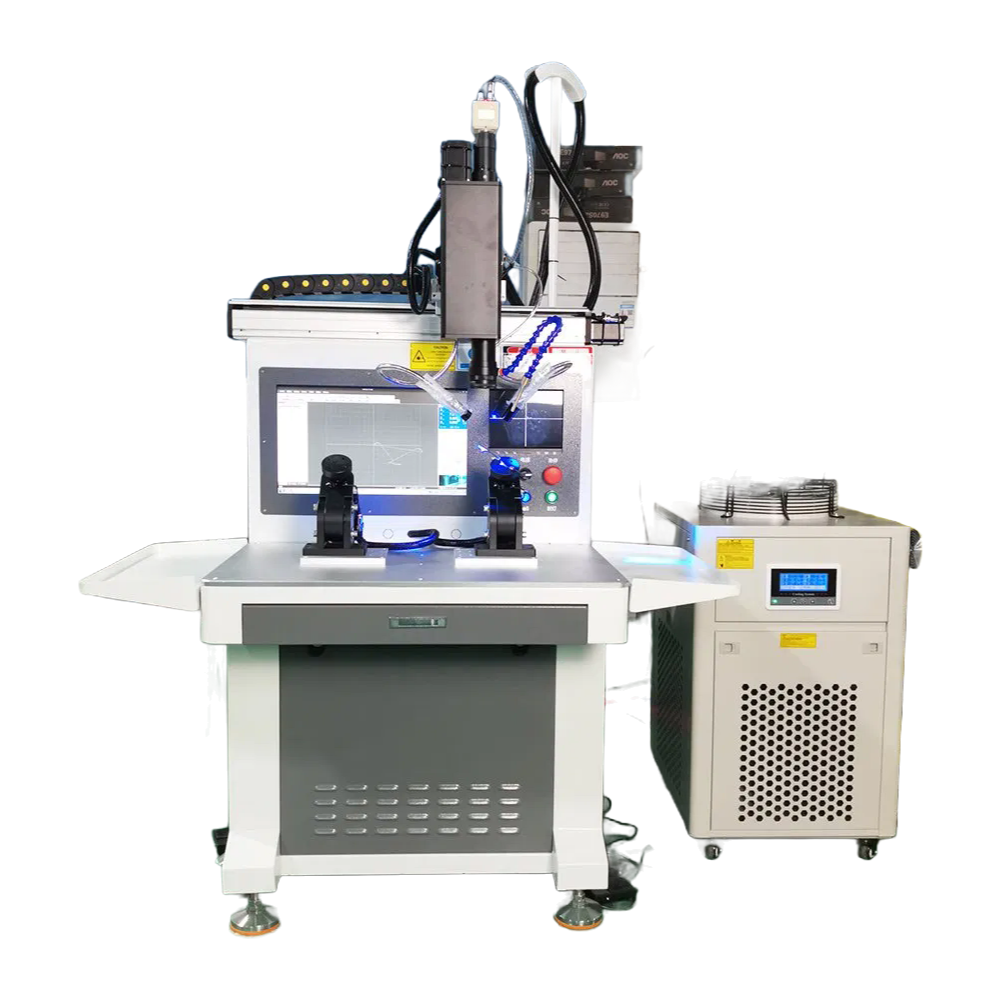
Upon receiving the Multi-Functional CNC Laser Welding System, the initial impression was overwhelmingly positive regarding the logistics. The shipment arrived ahead of the estimated schedule, which was a pleasant surprise. The packaging was exceptionally robust, with multiple layers of protective materials ensuring that every component, from the main console to the handheld laser welder and the Raycus laser source, was securely immobilized and free from any transit damage. The crates were clearly labeled, and the unloading process was straightforward due to the well-thought-out packaging design. The logistics partner provided consistent tracking updates, and the delivery team was professional, carefully placing the items in our designated staging area as requested. This level of logistical efficiency and care in handling such high-value industrial equipment is commendable and significantly reduced our setup downtime. The quality of the system is immediately apparent upon unboxing. The construction of the CNC framework and the housing for the fiber laser welding components feels solid and precise, with no visible imperfections or substandard finishes. All metal parts exhibit a high-grade, durable coating, and the fittings are tight and accurate. The handheld laser welder unit, in particular, has an ergonomic design that suggests thoughtful engineering for prolonged use in manufacturing environments. While we have not yet commenced full operational testing, the initial inspection and assembly reveal meticulous manufacturing standards. The industrial laser welding equipment appears to be built to withstand rigorous, continuous use in automotive and electronics manufacturing settings. The overall build quality inspires confidence in its longevity and performance reliability. Our interactions with the supplier’s service team have been uniformly excellent. From the pre-sales technical consultations to the post-delivery support, the responsiveness and expertise have been outstanding. They provided clear documentation and were available to clarify several procedural questions during the initial inventory check. This proactive and knowledgeable service support is crucial for integrating complex machinery into existing production lines and is greatly appreciated. Ultimately, the combination of swift and secure logistics, superior physical quality, and exceptional customer service has made the procurement of this metal welding machine a very satisfactory experience. We look forward to commissioning the system and expect it to meet our high standards for precision welding applications.