Account
Inquiry
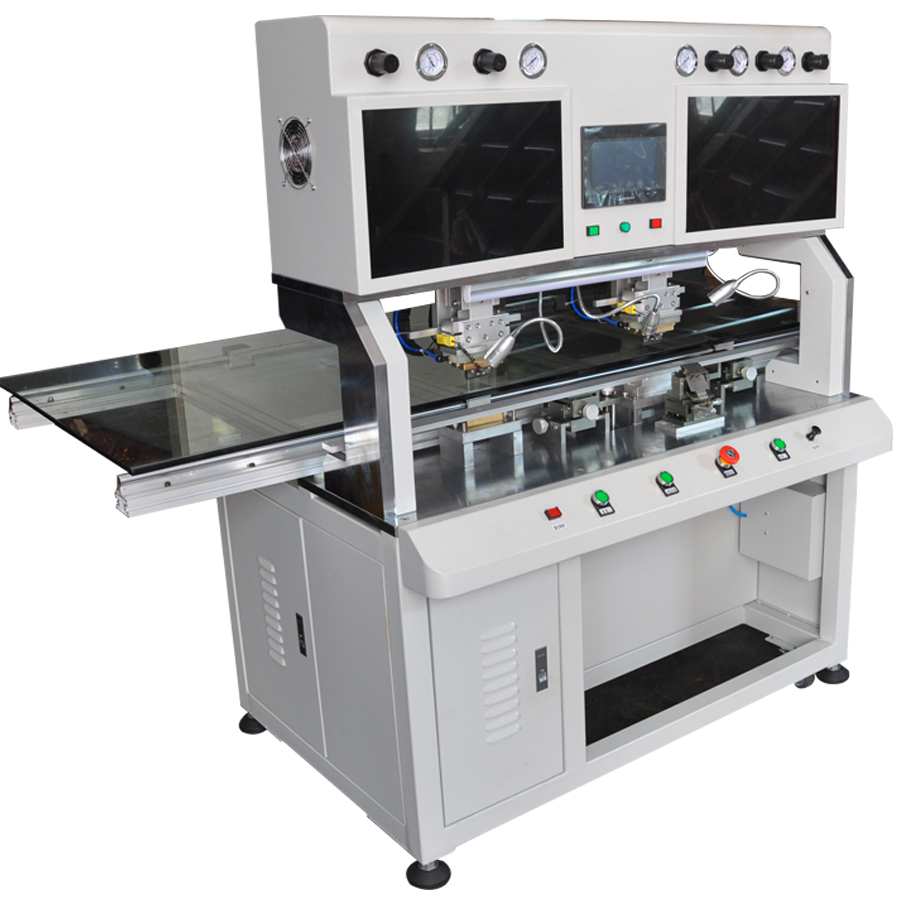
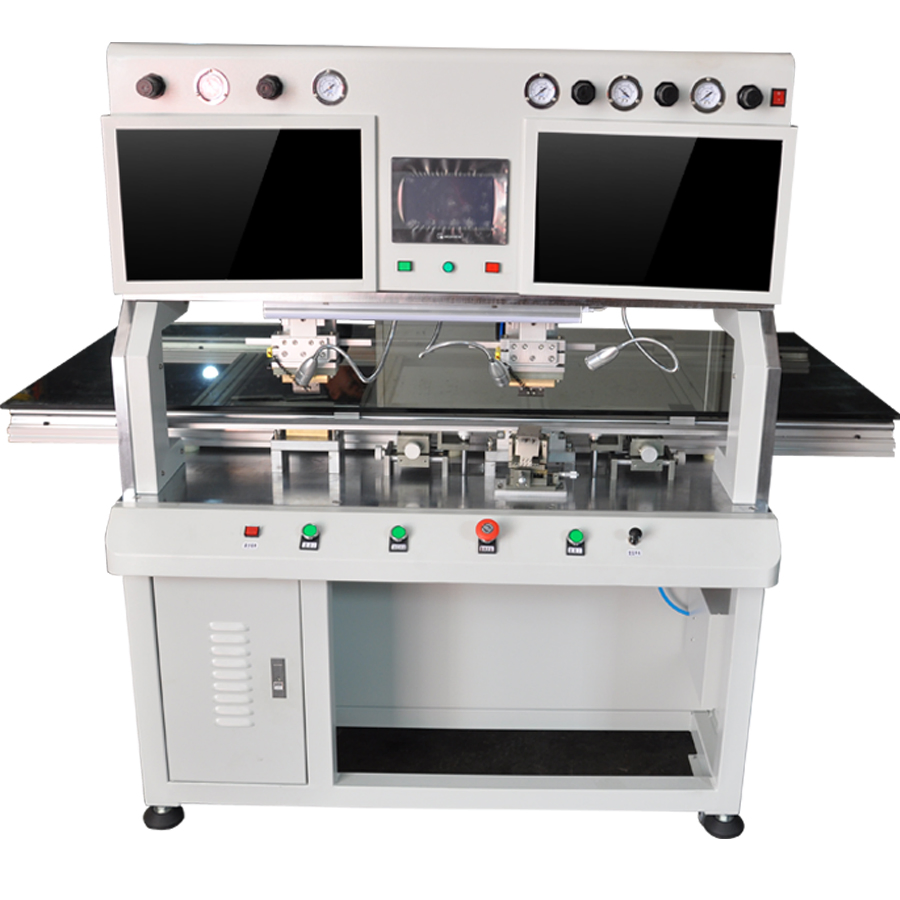
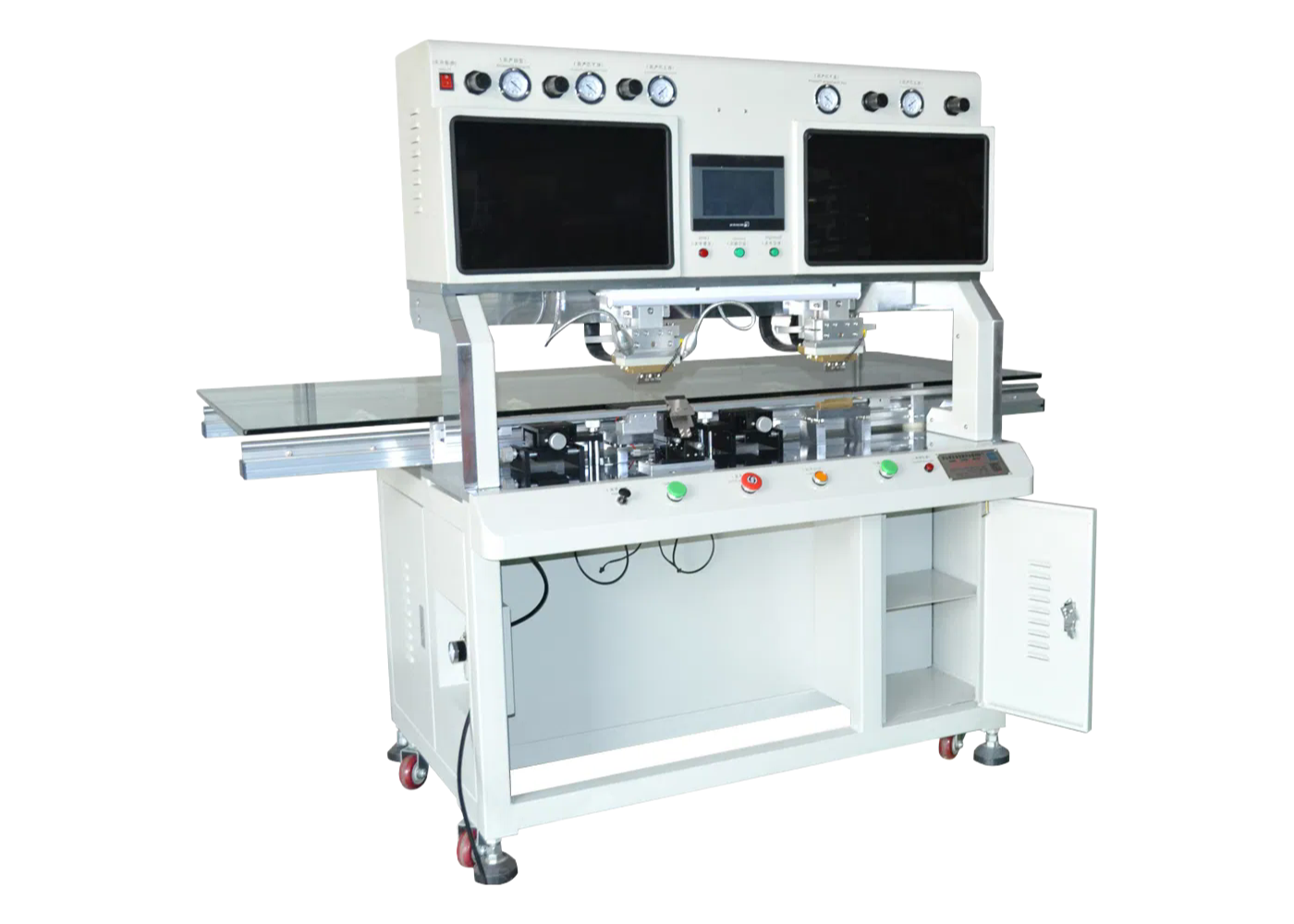
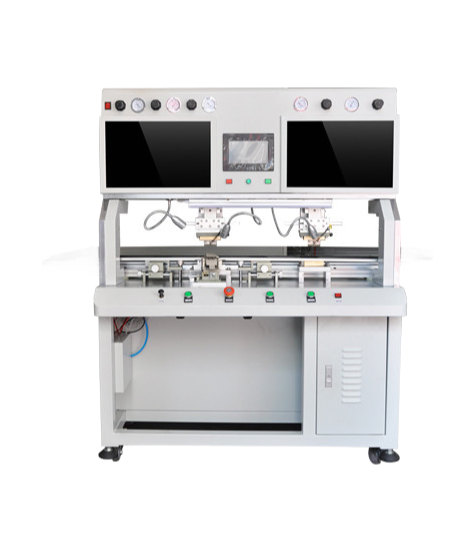
We're getting a call from small repair shops who are trying to fix 80-inch LED TVs with that dreaded black line running down teh panel, and the 618SH is really the only way to handle a TAB bonding job at th without just tossing the whole TV.
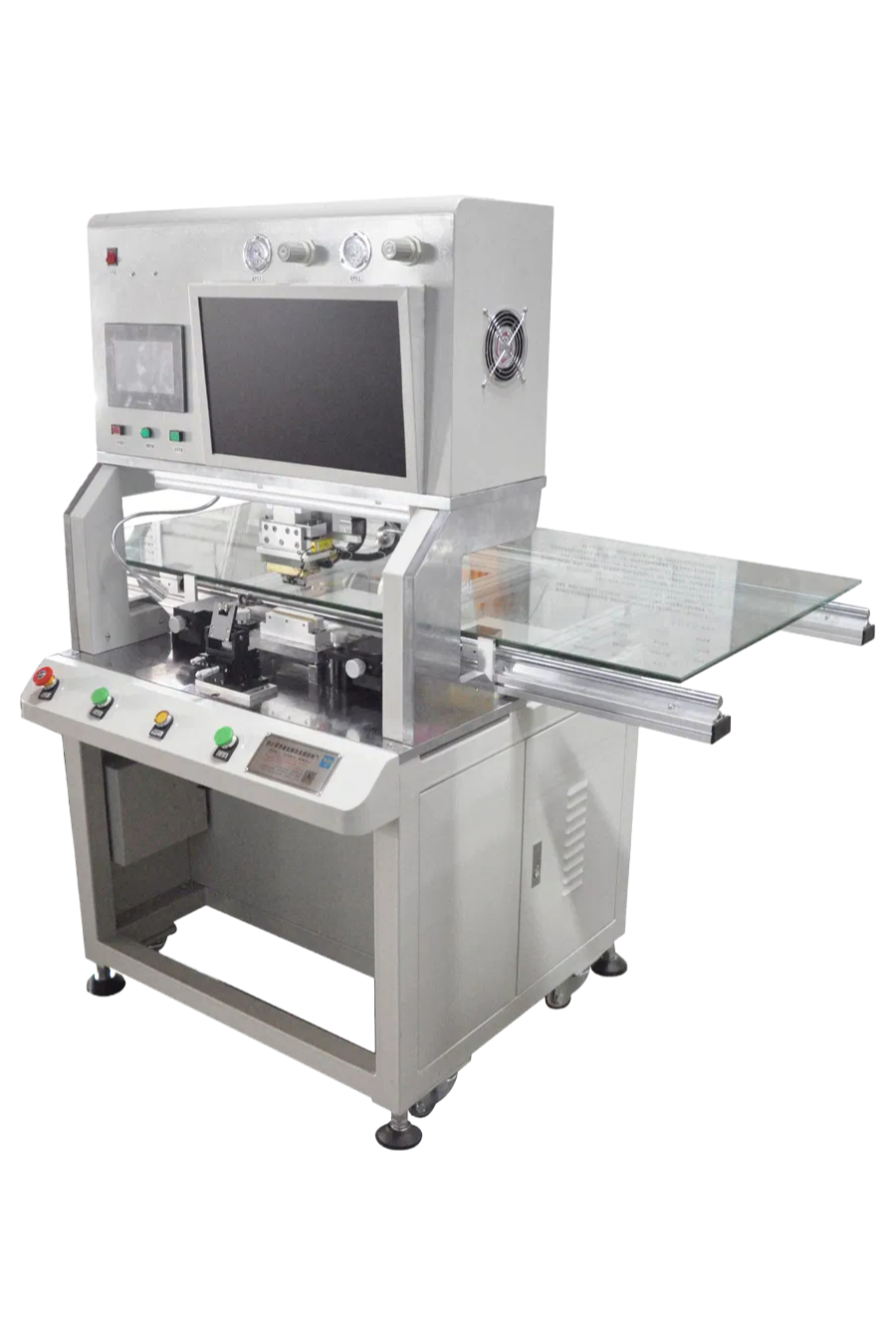
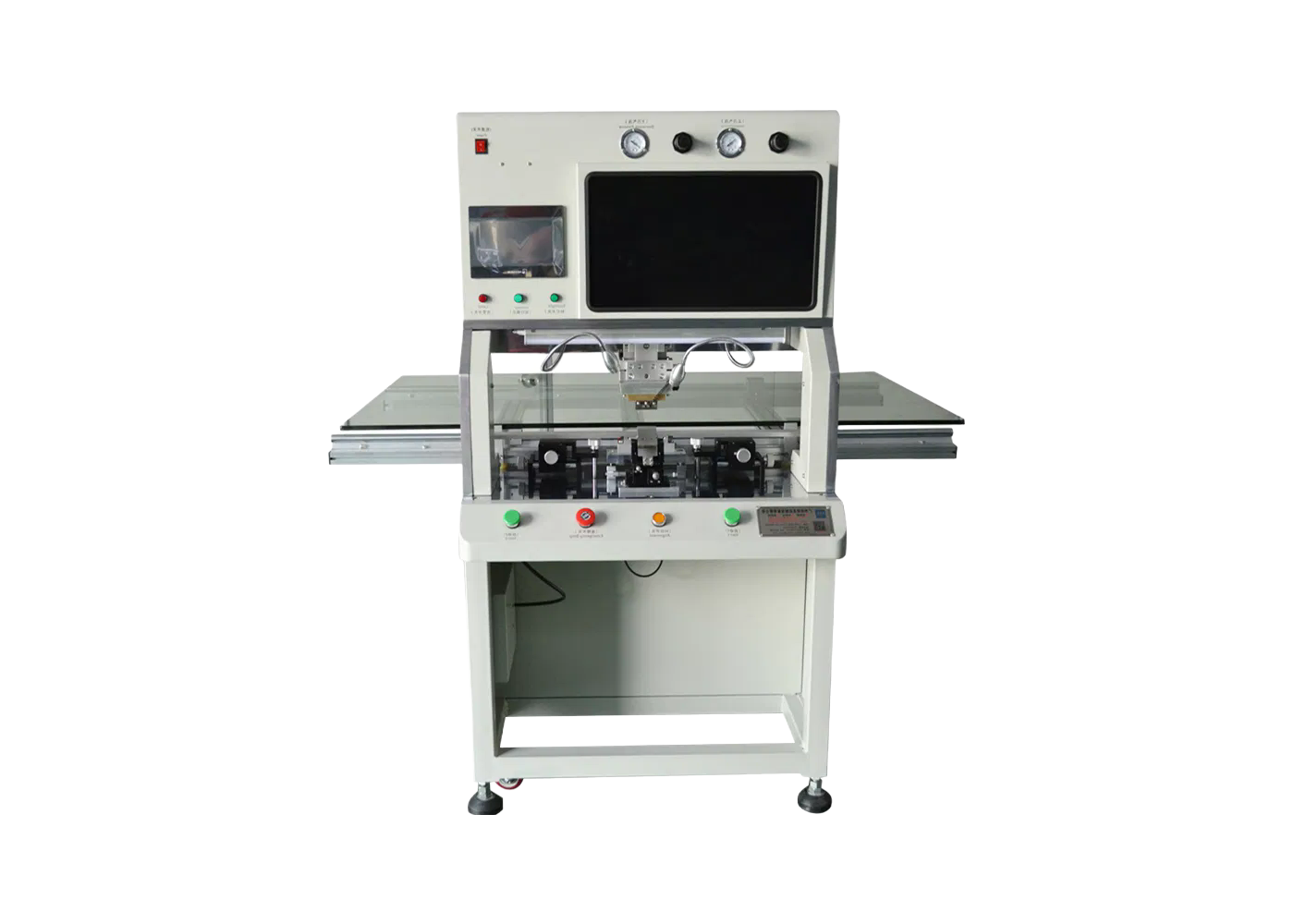
So basically it's a 1500W pulse heating system with a Siemens PID controller and titanium alloy head—the 0.005mm plane precision on the hot-pressing side is tighter than most units in this class, and that matters when you're aligning those ultra-fine COF ribbons.
The optical alignment uses a 19-inch display and a microscope that goes 20 to 100 times continuous zoom, which is actually pretty useful for those high-density TAB bonds where you'd normally struggle to see if pad is even making contact.
Peak temperature stays within ±0.3°C, which sounds like overkill but when you're reflowing those delicate flex circuits you really don't want thermal runaway—we usually have stock on these but confirm lead time, it's about 20 days or so.
The whole thing weighs 450kg and takes up 1800x1200x1520mm of floor space, so we'll need to clear a spot ahead of time and maybe reinforce the bench (check load rating).
One thing this definately isn't for is small phone screen repairs or chip-level work—it's built for those 100-inch panels and TAB bonding where you need the trimming unit accuracy at 0.01mm, and the COF trimming unit itself comes form Taiwan.
We usually start at 1 unit for the 618SH, but we can discuss bulk pricing if you're ordering 5 or more.
Standard lead time is about 15-20 working days from order confirmation, depending on current stock and component availability.
Yes, we can supply a certificate of compliance for the Siemens PID controller and a factory calibration report for the ±0.3°C peak temperature accuracy.
Absolutely, the hot pressing time is user-adjustable via the touch screen, and we can configure the machine for other voltage inputs like AC110V on request.
It ships on a heavy-duty wooden pallet with foam padding, and should be stored in a dry, clean environment at room temperature to protect the optical alignment and microscope.
Prompt delivery and excellent packaging. The shipping was faster than anticipated, and the item arrived in perfect condition without any damage. The quality of the materials feels robust and well-made, exactly as described. Customer service was responsive and helpful when I had a pre-sale inquiry. Overall, a very satisfactory purchasing experience from start to finish. I would definitely consider ordering from this seller again for future needs. The attention to detail in both the product and the service provided is commendable.
Absolutely outstanding experience from start to finish. The shipping was incredibly fast, arriving well ahead of the estimated schedule, which was a fantastic surprise. The packaging was exceptionally secure, with multiple layers of protection ensuring every component arrived in pristine condition without a single scratch. Regarding quality, the construction feels remarkably solid and premium; the titanium alloy head has a substantial heft and precision finish that inspires immediate confidence. The overall machine assembly appears flawless, with tight tolerances and robust materials used throughout. Customer service was equally impressive, providing clear, proactive communication and prompt, helpful responses to my pre-shipment inquiries. The entire process felt seamless and professional. A truly top-tier transaction that exceeded all expectations in every logistical and qualitative aspect.
Q: The delivery was exceptionally fast, arriving well ahead of the estimated schedule. The packaging was robust and secure, ensuring all components of the Bulk Order 618SH arrived in perfect condition without a single scratch or dent. Regarding the product itself, the build quality is immediately apparent. The titanium alloy head feels incredibly durable and precise, suggesting a long operational life. The overall construction of the machine seems solid and well-engineered, instilling confidence for heavy-duty use in our repair shop. As for service, the communication from the seller was proactive and clear. They provided tracking information promptly and followed up to ensure the shipment was received. While I cannot comment on the specific performance or technical parameters yet, the initial impressions based on logistics, physical quality, and customer service are overwhelmingly positive. The entire process from ordering to unboxing was seamless and professional. This level of attention to detail in shipping and presentation often reflects the quality of the product itself, and so far, that seems to be the case here. The machine looks every bit as professional as described, and we are looking forward to integrating it into our workflow. A very satisfactory purchase experience on these fronts.
Delivery was exceptionally prompt and handled with great care. The packaging was robust and secure, ensuring all components arrived in perfect condition without any signs of damage. From the moment the order was placed, communication was clear and updates were provided regularly, which made the entire process smooth and predictable. The quality of the equipment appears outstanding upon initial inspection; the materials feel premium and the construction is solid, reflecting a high standard of craftsmanship. Customer service has been responsive and helpful, addressing pre-sale inquiries with detailed and informative answers. Overall, a very satisfactory experience from start to finish, highlighting reliable logistics and commendable attention to detail in both product presentation and support. Definitely a positive transaction that builds confidence in future purchases. The efficiency and professionalism observed throughout this order are truly appreciated.
My experience with this order was quite positive overall. The shipping was surprisingly fast, arriving well ahead of the estimated schedule. The packaging was exceptionally secure, with ample protective materials ensuring everything arrived in perfect condition. Regarding the quality, the initial inspection reveals solid construction. The titanium alloy components feel robust and precisely machined. The overall build of the machine appears durable and professional. The service aspect was commendable; the communication from the seller was clear and proactive, providing timely updates. While I haven't yet tested the machine's full capabilities, the out-of-box presentation and the efficiency of the delivery process have made a very strong first impression. The logistical handling was flawless, and the product's physical attributes meet expectations based on the description. Customer support was responsive to my pre-shipment inquiry, which I appreciated. This initial phase of the transaction has been smooth and reliable.
Keenly awaited this bulk order and the logistics aspect was handled with remarkable efficiency. The shipment arrived ahead of the projected schedule, which was a fantastic start. Every piece in the consignment was securely packaged, with no signs of damage or mishandling during transit—a testament to careful shipping practices. Regarding the physical quality, the equipment feels exceptionally robust. The titanium alloy components have a substantial, premium heft, and the overall construction appears precise and durable, meeting the expectations set by the product descriptions. The service experience, from initial inquiry to post-delivery, has been consistently professional and responsive. The support team was proactive in providing tracking updates and confirmed receipt promptly. While I cannot comment on the operational specifics or technical parameters, the foundational elements of delivery, build quality, and customer engagement have been thoroughly satisfactory. This transaction reflects a well-coordinated supply chain and a commitment to quality that is evident upon initial inspection. The entire process, from warehouse to doorstep, was seamless and instills confidence for future procurement needs.
Very satisfied with the overall experience. The shipping was remarkably fast and the package arrived well ahead of the estimated schedule, which was a fantastic start. The logistics were handled efficiently, with clear tracking updates provided throughout the journey. Regarding the quality, the equipment feels exceptionally sturdy and well-constructed; the materials used, particularly the titanium alloy components, appear to be of high grade and durable. The service from the seller was also commendable—they were responsive to my initial queries and provided helpful information promptly. Everything was packaged securely to prevent any damage during transit, which shows great attention to detail. While I haven't had the chance to use the machine extensively yet, the initial inspection and setup process were straightforward, and all parts were present as described. The communication was clear and professional, making the entire purchasing process smooth and worry-free. This level of care in logistics, apparent quality, and customer support makes me confident in this purchase and the seller. I would certainly consider ordering from them again for future needs, based on this positive first impression.
Came across this seller for a bulk order of the 618SH machine and the entire process was surprisingly smooth. The shipping was incredibly fast, arriving well ahead of the estimated schedule, which was a major relief for our workshop's planned projects. Every piece in the order was meticulously packed, with no signs of damage or missing components—a testament to their careful logistics handling. As for the equipment itself, the build quality is immediately apparent. The titanium alloy head feels robust and precise, exactly as described, promising durability for high-volume repair work. The optical alignment system appears well-calibrated and clear. While I haven't put it through its full paces yet, the initial inspection leaves no doubt about the solid manufacturing. Customer service was proactive and communicative, providing clear updates without needing to be chased. They were also very responsive to a pre-shipment inquiry, which is always appreciated. Overall, a very professional transaction from start to finish, focusing on reliable delivery and a product that seems built to last. Would certainly consider them for future equipment needs.