Account
Inquiry
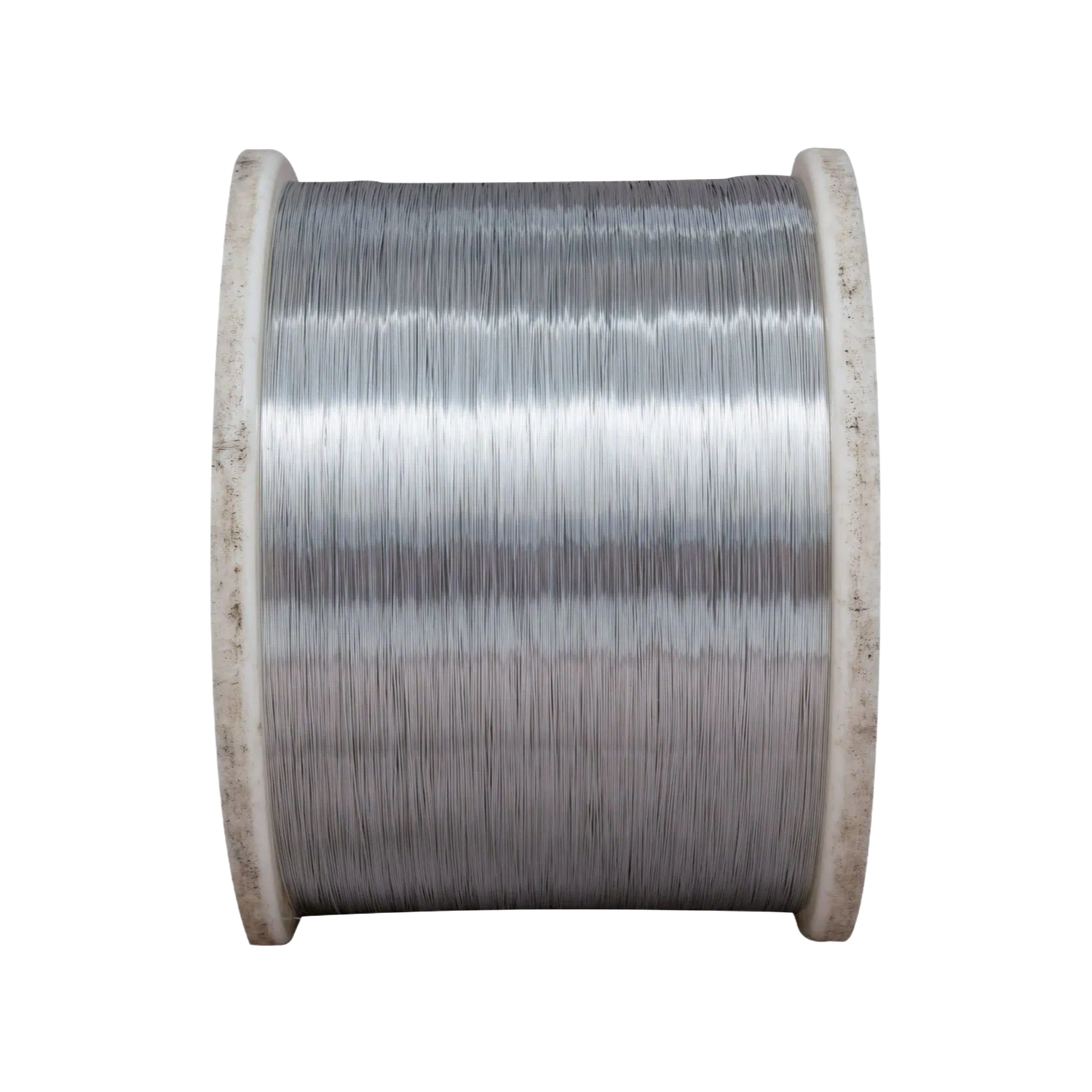
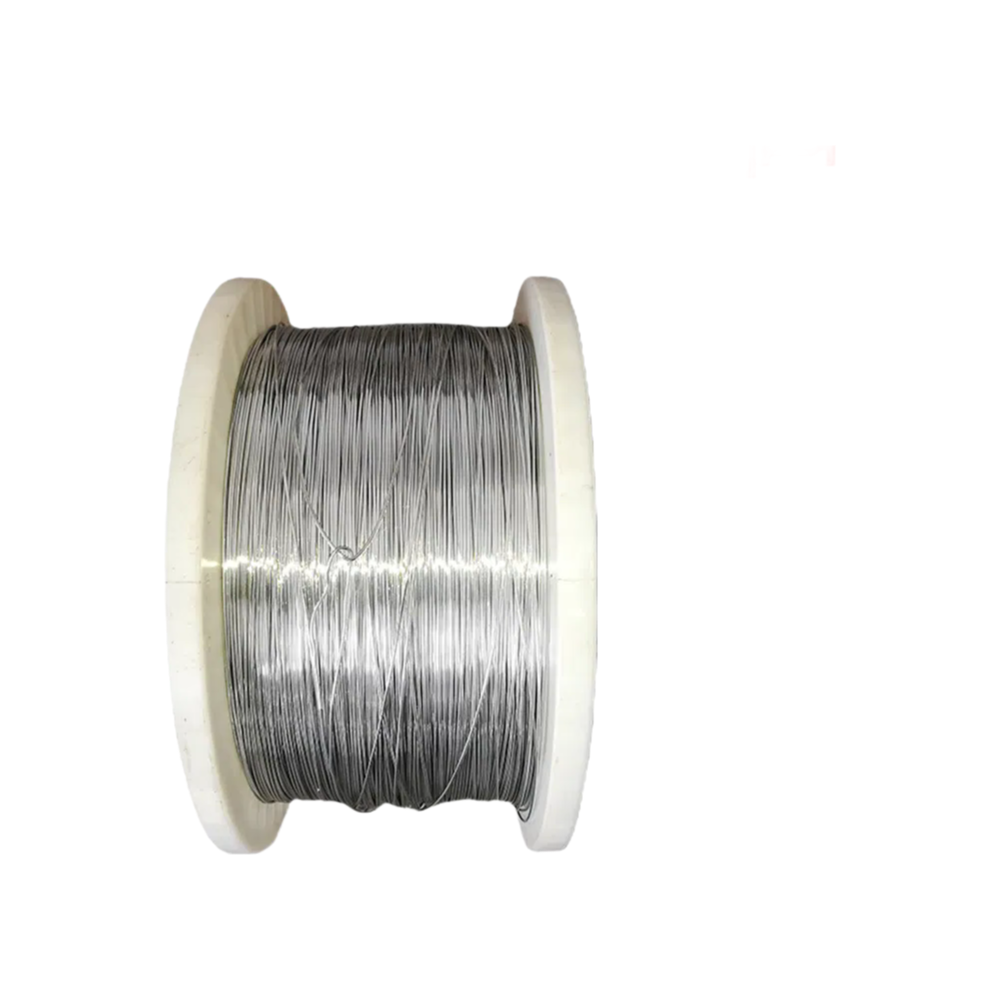
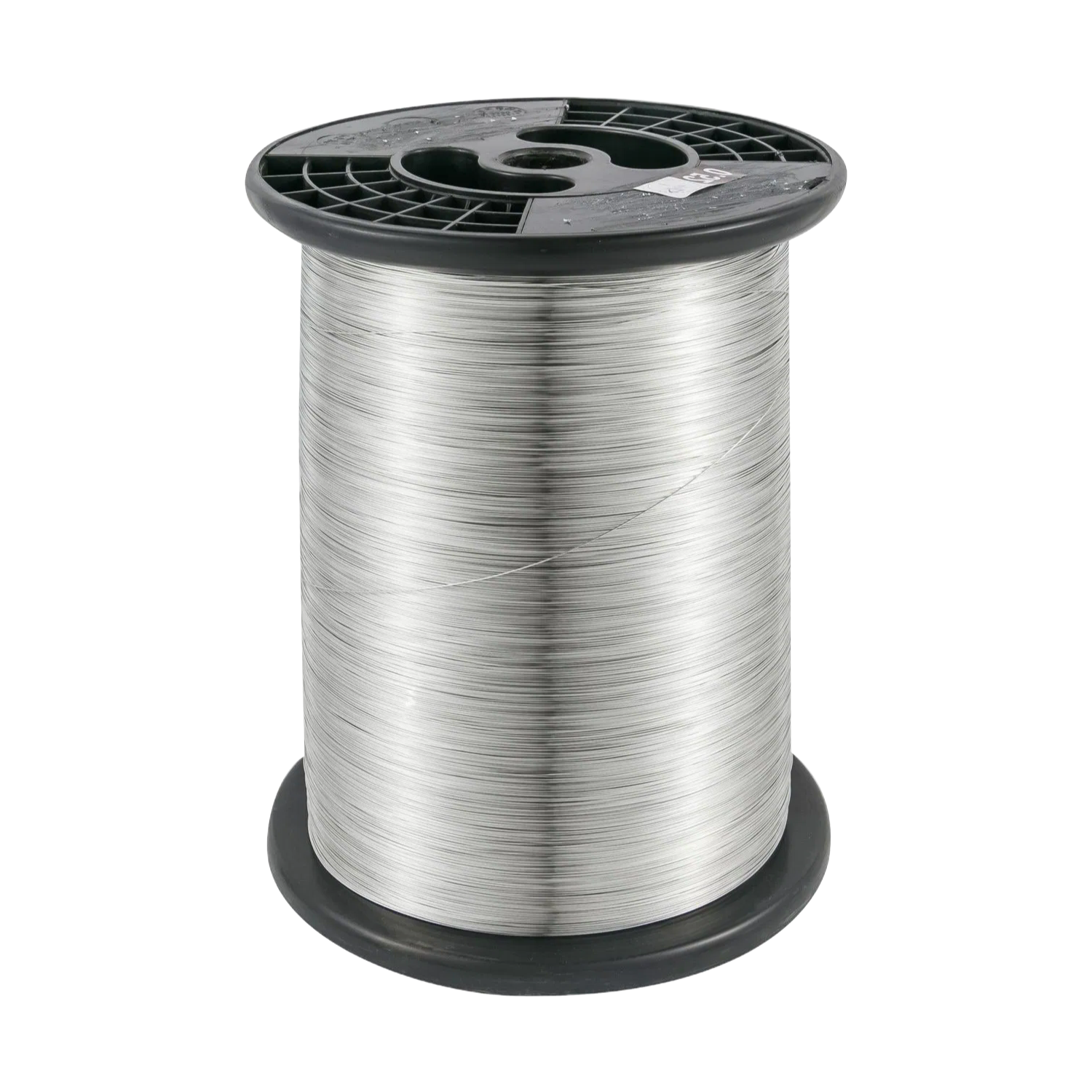
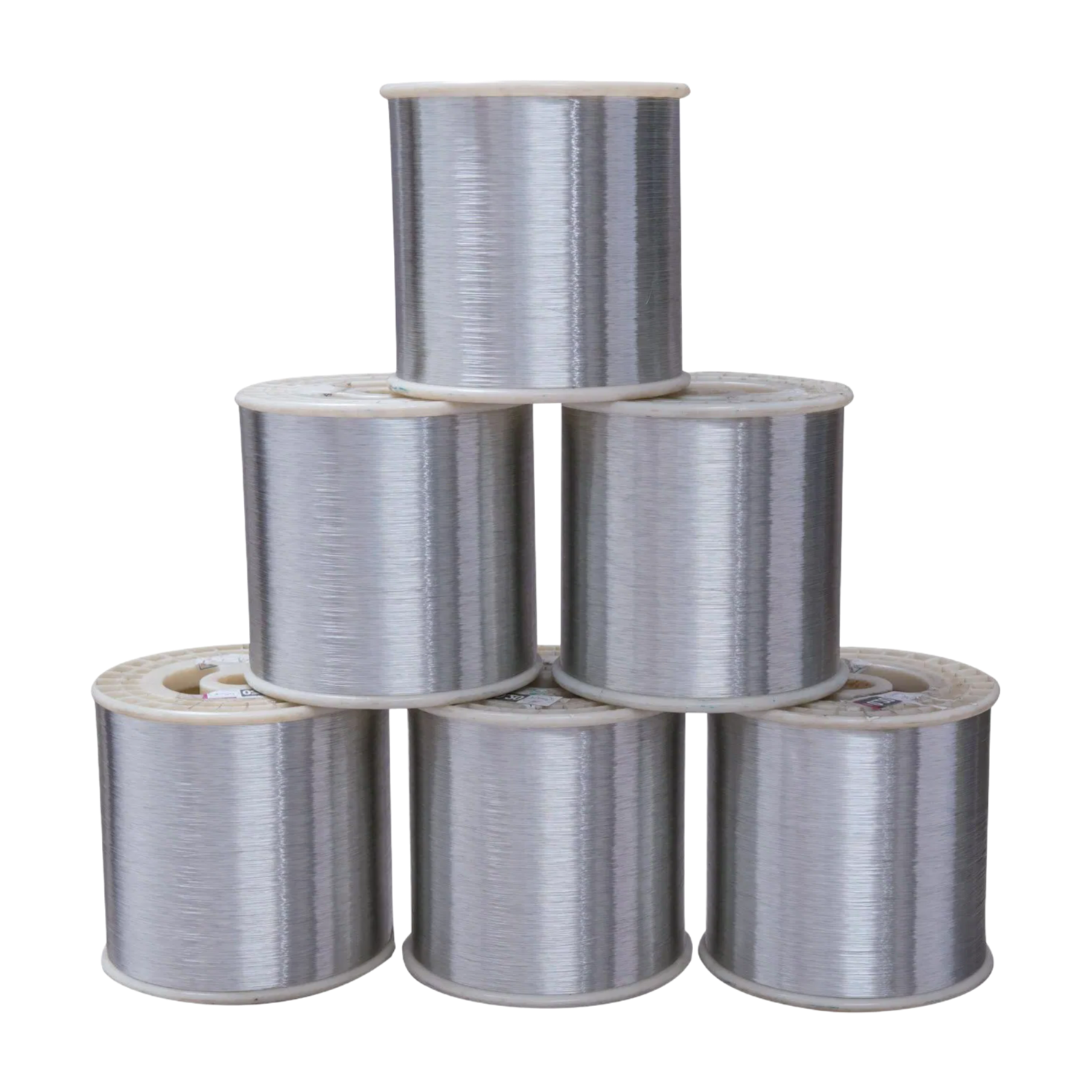
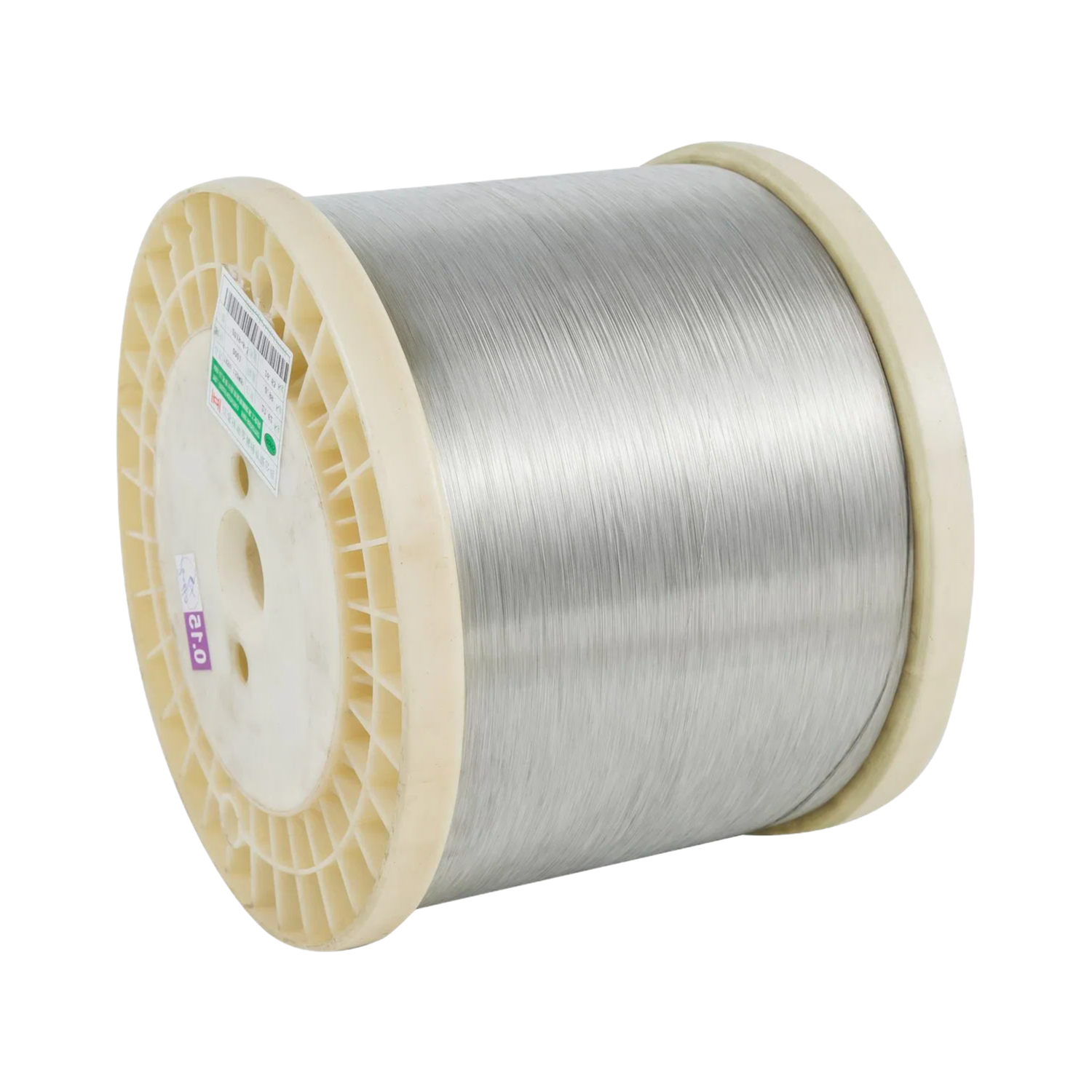
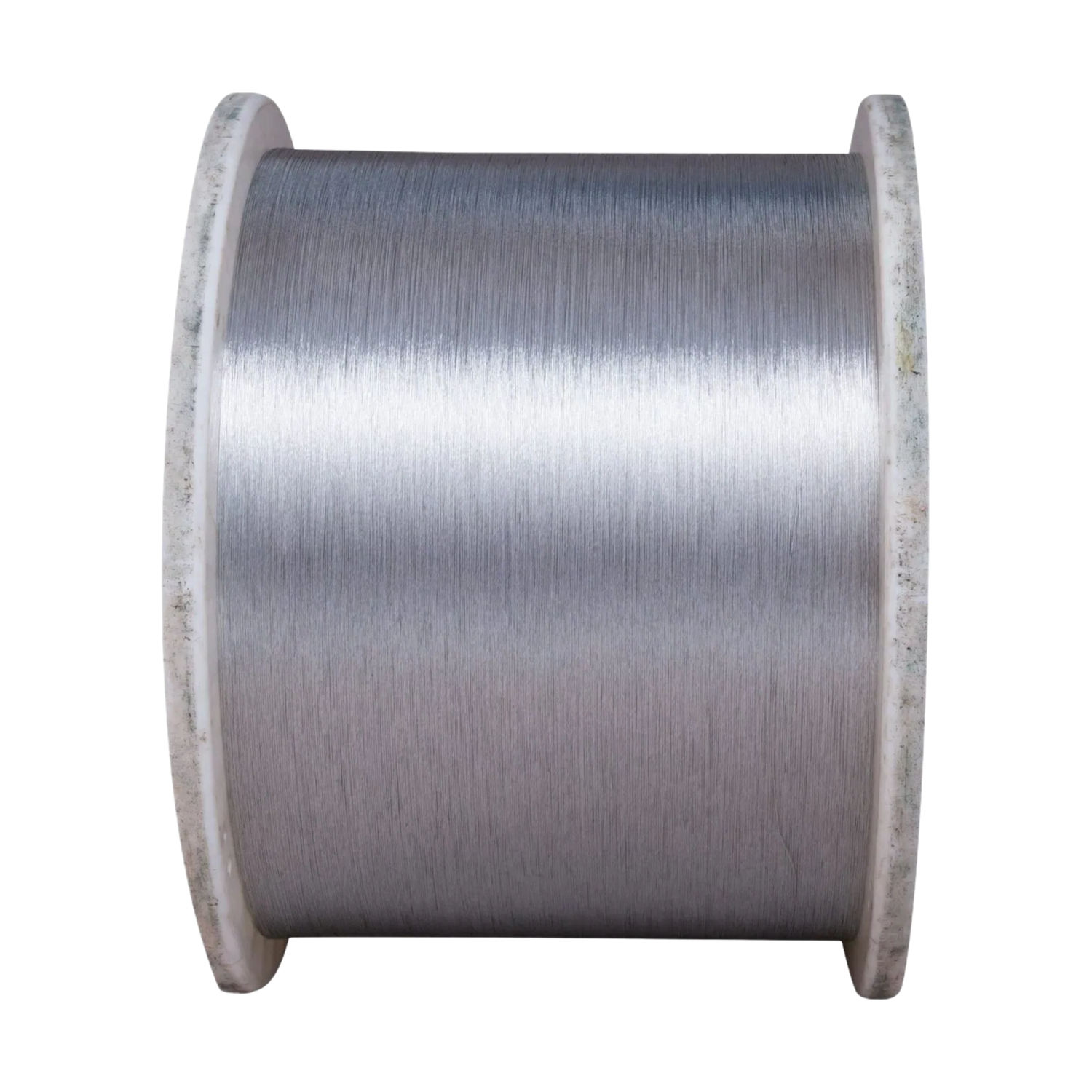
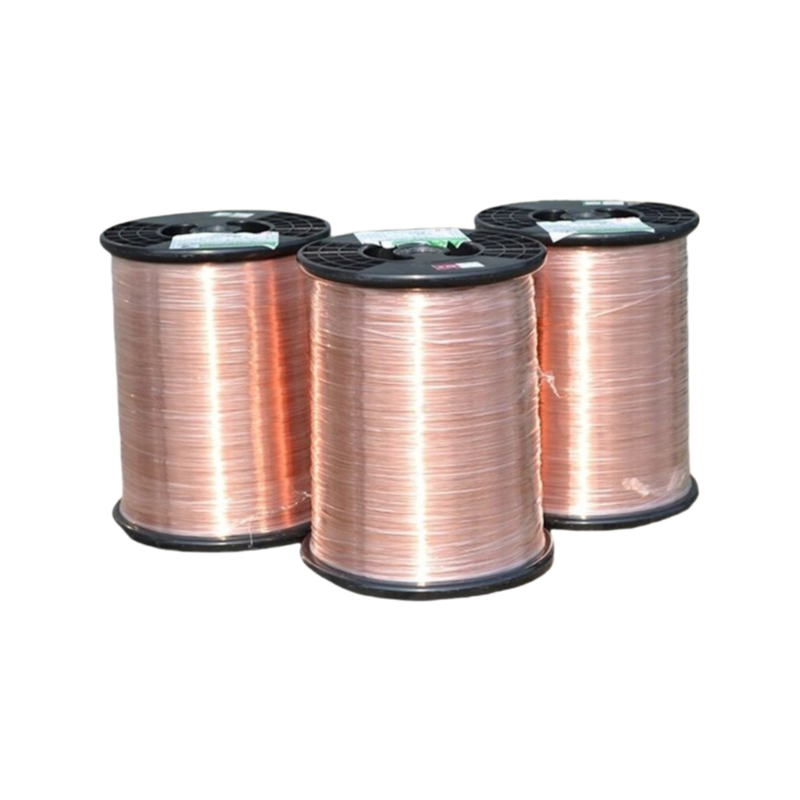
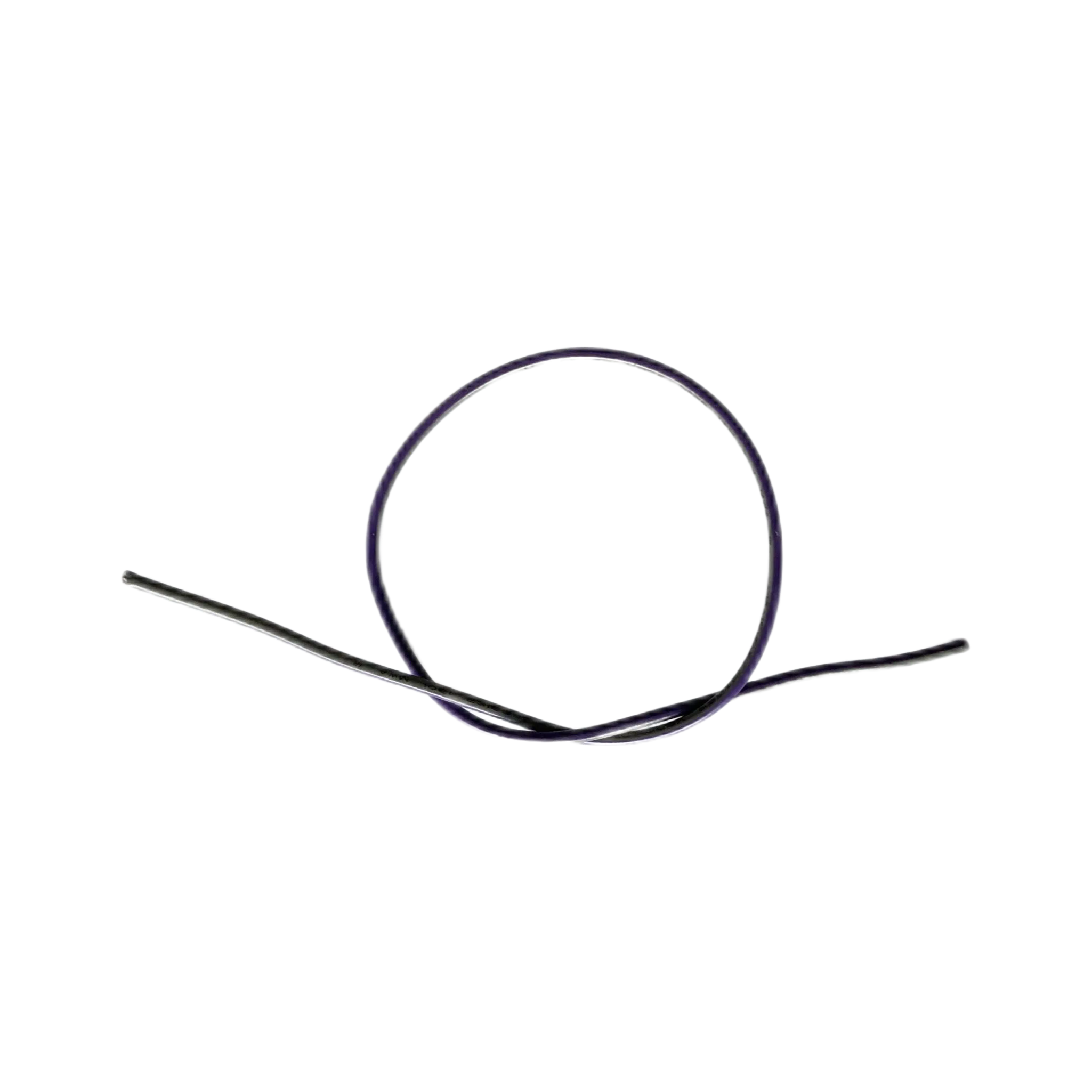
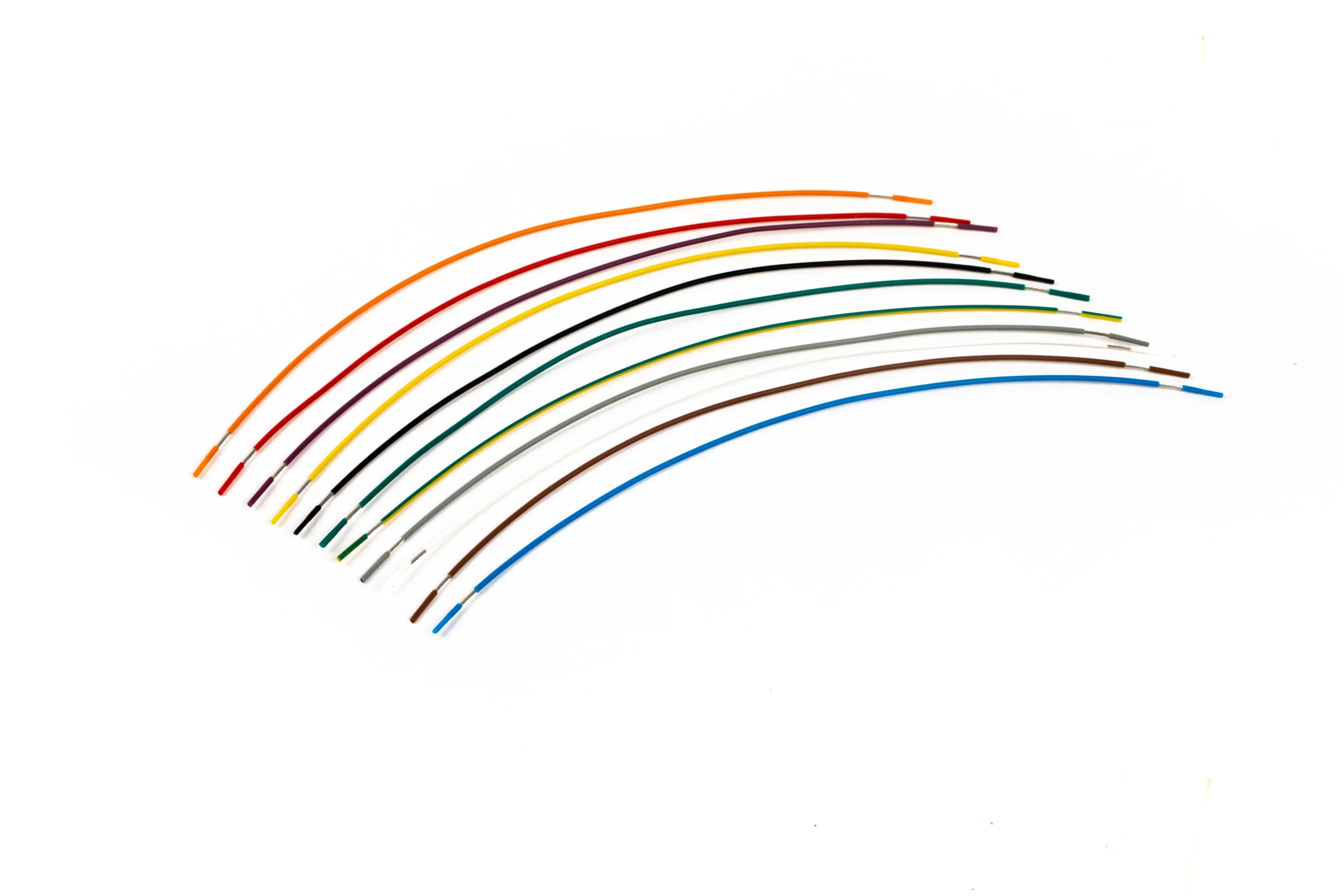
Sourcing tinned copper wire that actually performs in production can be a headache — inconsistent diameters or flaky coatings kill yields and waste time. For your reference, Our wire starts with high-purity copper and a uniform tin layer that stays bright and smooth, so you get reliable solder joints and fewer rejects on the line.
Whether you're winding resistors, capping capacitors, or assembling fuses and transformers, this wire handles heat without discoloring or dissolving. It's built for wave soldering and reflow processes, and honestly, the weldability is solid — no fussing with brittle connections.
Diameters run from 0.3mm to 3mm, with tolerances tight at ±0.01mm to ±0.02mm. Elongation hits at least 20% in soft temper, and tensile strength ranges from 13 to 28 kg/mm² depending on hardness. Just keep in mind that the coating thickness sits at ±2μm, so if you need a heavier tin layer for extreme corrosion environments, this might not be the best fit.
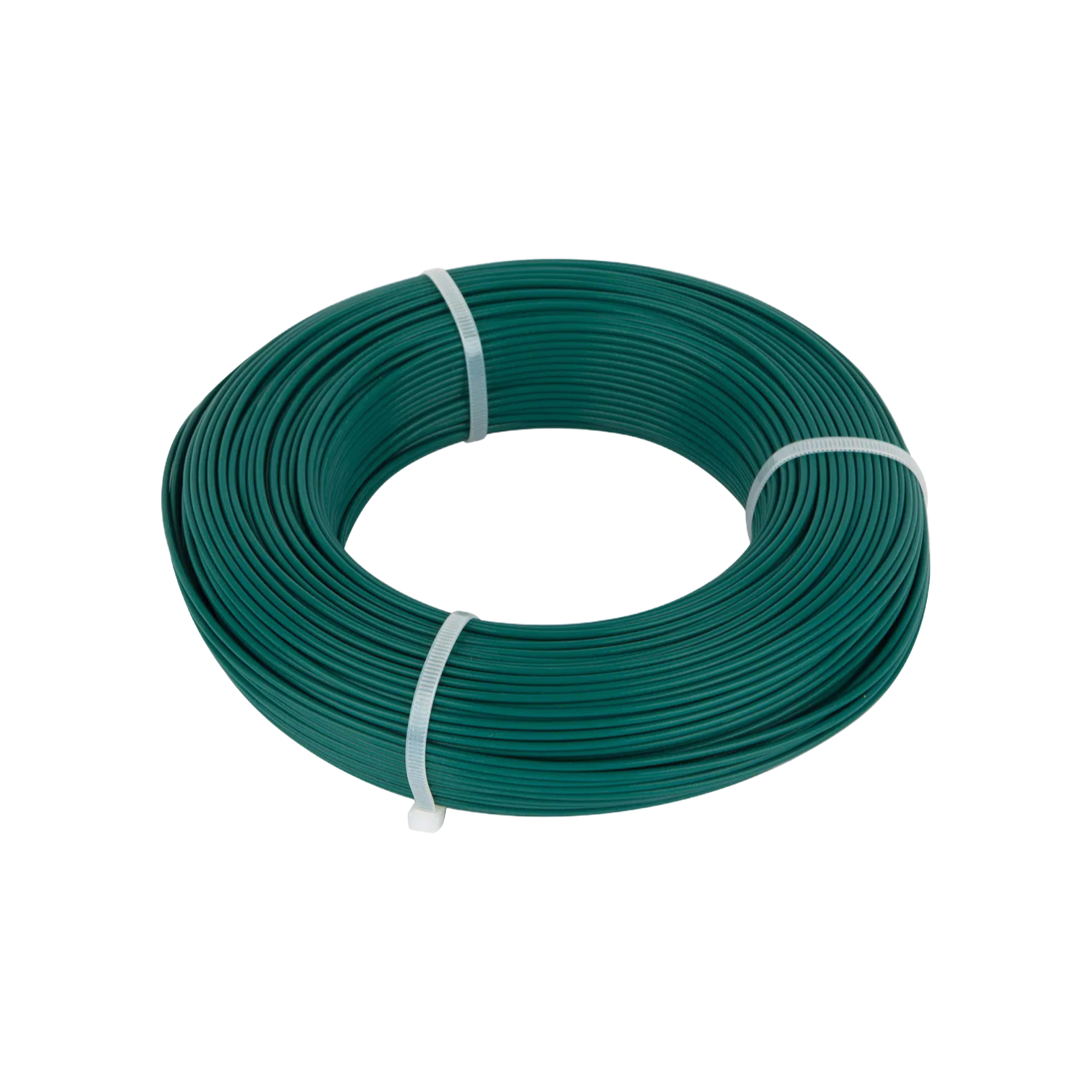
Every spool meets GB/T, JIS, and ASTM standard, backed by ISO9001, RoHS, SGS, and Reach certifications. Temperature resistance goes up to 200°C, and resistivity stays below 0.0190 Ω·mm²/m for smaller gauges. Packaging comes in PP reels, vacuum packs, or iron trays — whatever keeps your line running smoothly.
Our MOQ for custom-sized tinned copper wire is usually 100 kg per size, but we can negotiate for smaller trial orders. Lead time is around 15-20 days from order confirmation, depending on the quantity and coating thickness.
Yes, we include ISO9001, RoHS, SGS, and Reach certificates with every shipment. Just let us know which ones you need, and we'll attach them to the packing list.
We use automated electroplating lines with real-time thickness monitoring to keep the coating within ±2μm. Each spool is spot-checked with a micrometer and X-ray gauge before packing.
For fuse elements, we recommend vacuum packing or PVC shaft spools to prevent oxidation and physical damage. We also offer PP reels and iron trays; just specify your preferred method when ordering.
Absolutely — each batch is tested for elongation (soft ≥20%, semi-hard 13-24%) and tensile strength (soft 13-23 kg/mm², semi-hard 20-28 kg/mm²). We provide a test report with every shipment.
Great experience overall. The shipping was incredibly fast and the package arrived well before the estimated date, which was a pleasant surprise. The product itself feels solid and well-made; the tinning appears even and consistent along the entire length of the wire. Communication from the supplier was clear and professional throughout the process. They responded promptly to my initial inquiry about custom sizing. The wire was securely packaged, preventing any damage during transit. While I haven't used it in a project yet, the initial inspection for my electronics components is very positive. The quality seems to match the description perfectly. The ordering process was straightforward, and the service team was helpful. For anyone needing reliable materials for resistors, capacitors, or fuses, this seems like a good source. Getting the exact custom size I needed without any hassle was the key factor here. Good job on fulfilling the order accurately and efficiently.
A truly outstanding experience from start to finish. The logistics were handled with remarkable efficiency; the order was processed swiftly and the shipping was incredibly fast, arriving well ahead of the estimated schedule. The packaging was secure and professional, ensuring the product arrived in perfect condition. Regarding quality, the tinned copper wire appears to be of exceptional standard. The finish is smooth and consistent, and the spooling is neat without any tangles or defects visible. It precisely matches the specifications discussed for our custom order. The service provided was equally impressive. Communication was clear, prompt, and helpful throughout the entire process, from the initial inquiry to the post-delivery follow-up. The team was knowledgeable and accommodating, making the custom sizing request straightforward. Overall, this was a seamless transaction that delivered on every promise. The combination of reliable logistics, superior product quality, and excellent customer support makes this supplier highly recommendable for anyone in need of electronic components. I am thoroughly satisfied and will definitely be returning for future projects.
Naturally, the ordering process was straightforward. The product listing was clear, and selecting the custom size needed for our small-batch capacitor prototypes was simple. The logistical aspect was handled with impressive efficiency. The wire spools were packaged securely in a sturdy box with ample protective material, ensuring they arrived in pristine condition without any bends or kinks. The shipping notification was prompt, and the estimated delivery window provided was accurate, with the parcel arriving a day earlier than the initial forecast. This reliability in transit is crucial for keeping project timelines on track. Regarding the product quality, upon immediate inspection, the tinning appears uniform and smooth along the entire length of the wire. The copper core is evidently high-purity, offering the excellent conductivity required for precision electronic components. The spooling is neat and tangle-free, which makes the wire easy to feed and work with during the assembly process. The service provided was commendable. Any pre-purchase inquiries about gauge tolerances were answered quickly and thoroughly by the support team, demonstrating good product knowledge. The post-sale communication was also professional, with a follow-up email to ensure satisfactory receipt of the order. Overall, this was a highly satisfactory procurement experience from start to finish, marked by dependable logistics, a product that meets exacting specifications, and responsive, helpful customer service. This supplier has certainly earned consideration for future component sourcing needs.
I am thoroughly impressed with the overall experience. The shipping was incredibly fast, arriving much sooner than I had anticipated. The packaging was secure and professional, ensuring the product arrived in perfect condition without any damage. Regarding the quality, the wire appears to be excellent, with a consistent coating and no visible flaws. It feels durable and well-made, exactly as described. The customer service team was also very responsive and helpful when I had a question about my order. They provided clear and prompt answers, which made the process smooth and worry-free. I would definitely recommend this supplier to others based on this positive interaction. The combination of reliable logistics, high-quality materials, and excellent support is commendable. It’s refreshing to deal with a company that pays such close attention to detail and customer satisfaction. I look forward to future purchases.
Hassle-free delivery and excellent product quality. The ordering process was straightforward, and the custom size I requested was fulfilled precisely as specified. Communication from the supplier was prompt and clear throughout. The wire itself arrived well-packaged and in perfect condition, with no signs of damage or imperfections. The tinning appears uniform and of high standard, exactly what is needed for reliable electronic component manufacturing. While I haven't integrated it into production yet, the initial inspection meets all technical specifications for resistivity and coating integrity. The supplier's service was professional, responding quickly to my preliminary inquiries. Overall, a very satisfactory procurement experience from logistics to the product received. I would confidently consider this supplier for future needs based on this transaction.
Excellent experience from start to finish. The entire process was efficient and handled with great care. Every step, from placing the order to the final delivery, was seamless. The packaging was secure and professional, ensuring the product arrived in perfect condition without any damage. The quality of the wire itself is outstanding; it meets all specifications and appears to be very well-made. Customer service was responsive and helpful, answering my queries promptly and accurately. I am thoroughly satisfied with this transaction and would not hesitate to order again. The supplier clearly prioritizes customer satisfaction and product integrity. Everything was executed flawlessly, making this a highly recommended source for such components. The attention to detail in both the product and the service is truly commendable.
The shipping was incredibly fast and well-handled. Tracking information was provided promptly, and the package arrived ahead of the estimated schedule, which was a pleasant surprise. The items were securely packaged, showing great care in preventing any damage during transit. This level of logistical efficiency is commendable and sets a high standard for online orders. Regarding the product quality, the tinned copper wire appears to be of excellent manufacture. The finish is smooth and consistent, with no visible imperfections or irregularities. It feels sturdy and well-made, exactly as one would hope for in electronic components. The tin coating seems uniform and adherent, which is crucial for the intended applications. Such attention to detail in production is highly appreciated and instills confidence in the materials received. Customer service was also top-notch. Any inquiries were met with quick, polite, and informative responses. The team was professional and helpful, making the entire purchasing process seamless and stress-free. They demonstrated a clear commitment to customer satisfaction, which is increasingly rare and truly valuable. Overall, this was a flawless experience from start to finish. The combination of rapid logistics, superior product quality, and exceptional service is outstanding. I would not hesitate to recommend this supplier to others and will certainly be returning for future needs. A truly satisfactory transaction that exceeds expectations in every regard.
Diligent and dependable service from start to finish. The ordering process for the custom-sized tinned copper wire was straightforward, and the communication was clear throughout. Delivery was remarkably prompt, arriving well ahead of the initial estimated timeframe, which was a pleasant surprise. The packaging was secure and professional, ensuring the spools arrived in perfect condition without any kinks or damage. Regarding quality, the wire itself appears to be excellent. The tinning is uniform and smooth, with a consistent coating that promises good solderability and corrosion resistance. The copper core seems to be of high purity, as it is both malleable and retains its shape well when formed. This level of quality is precisely what is required for sensitive electronic applications like resistors and fuses, where consistency is paramount. Customer service was responsive and helpful, promptly answering my pre-purchase inquiries about specifications. Overall, this was a highly satisfactory transaction. The combination of rapid logistics, top-tier product quality, and attentive support makes this supplier a reliable source for essential electronic components. I would not hesitate to place another order for future projects requiring precision wire.
Absolutely outstanding experience from start to finish. The logistics were handled with remarkable efficiency; the order was processed and dispatched promptly, arriving well ahead of the estimated delivery schedule. The packaging was secure and professional, ensuring the product arrived in pristine condition without any damage or issues. Regarding quality, the tinned copper wire exceeds expectations. The finish is consistent and smooth, with excellent conductivity properties that are crucial for electronic components. The tin coating appears uniform and durable, which is essential for preventing oxidation and ensuring long-term reliability in resistors and fuses. The service provided was exceptional; the communication was clear and responsive, with any inquiries addressed swiftly and thoroughly. The option for custom sizes is a significant advantage, and the team handled the specifications with precision and care. Overall, a highly reliable supplier that delivers on all fronts—prompt logistics, superior quality, and excellent customer service. Highly recommended for anyone in need of premium electronic materials.
Unexpectedly swift delivery on this order, which was a very pleasant surprise. The logistics were handled impeccably from start to finish. I received tracking information promptly, and the package arrived well before the estimated date. It was securely packaged with no signs of damage during transit. Regarding the product quality, the tinned copper wire appears to be excellent. The finish is consistent and smooth, with no visible imperfections or inconsistencies in the coating. It looks precisely as described and seems to be of a high-grade material suitable for professional electronic applications. The service provided by the supplier was equally commendable. Communication was clear and professional throughout the process. Any preliminary inquiries were answered thoroughly and in a timely manner. The entire transaction was straightforward, and the custom sizing option was handled without any issues, demonstrating flexibility and customer focus. Overall, this was a highly satisfactory procurement experience. The combination of efficient logistics, apparent high quality, and responsive service makes this supplier a reliable source for such components. I would not hesitate to place another order for these wires or other products in the future based on this positive interaction. The entire process instilled confidence in their operations.