Account
Inquiry
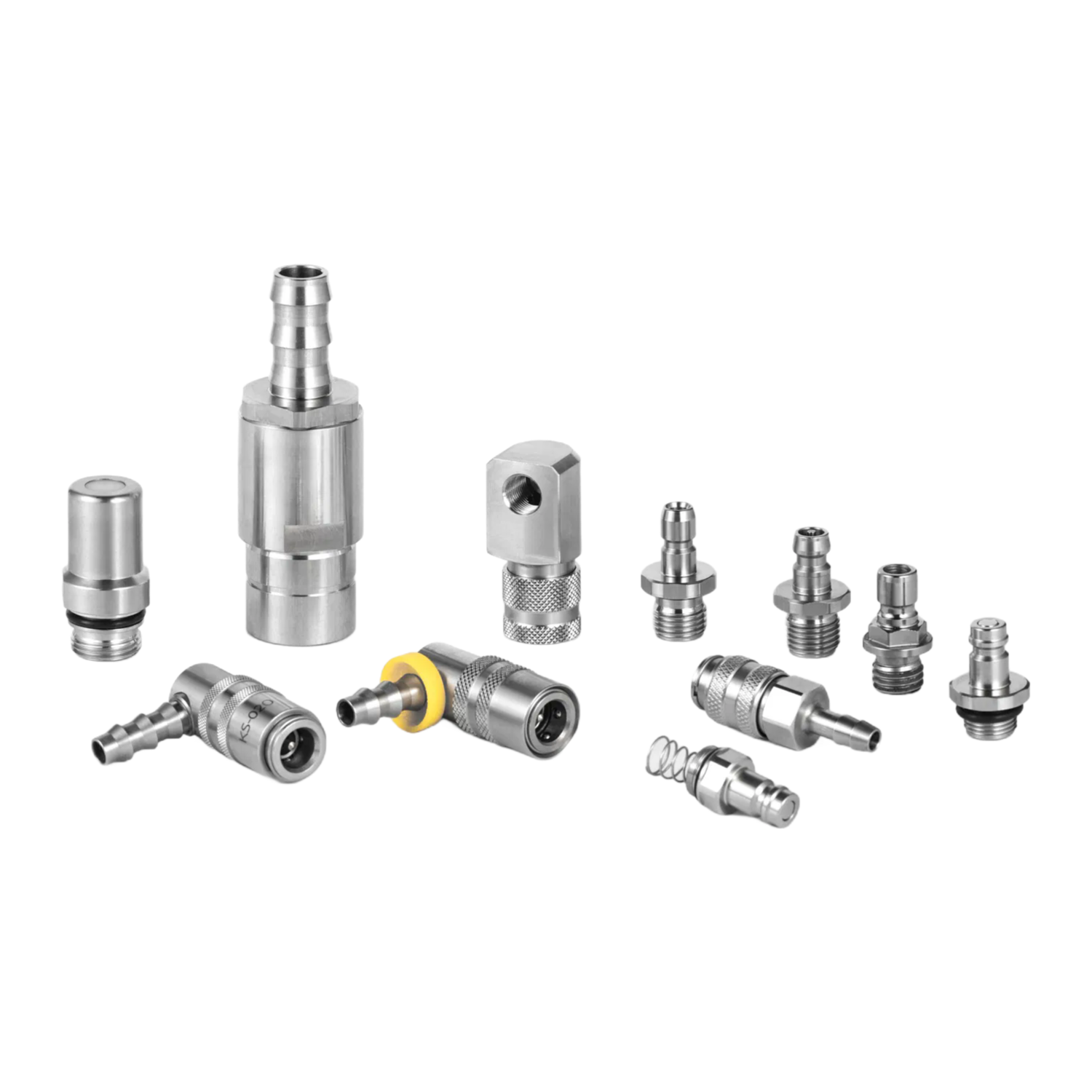
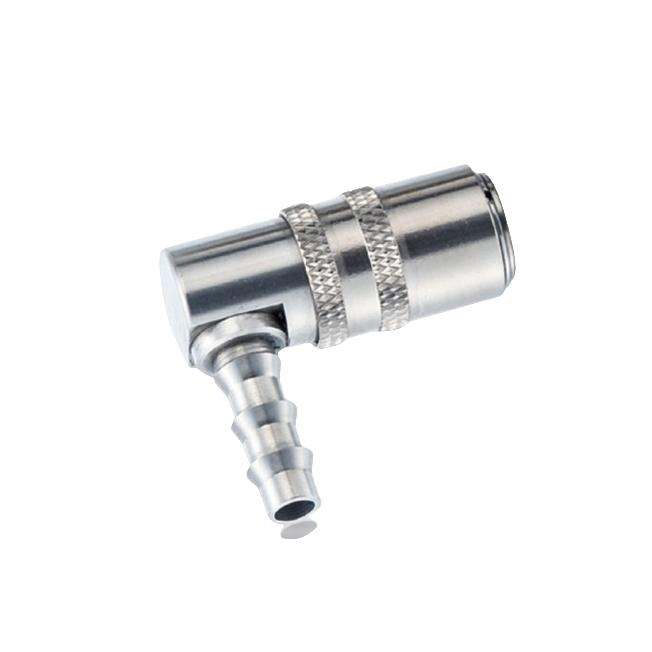
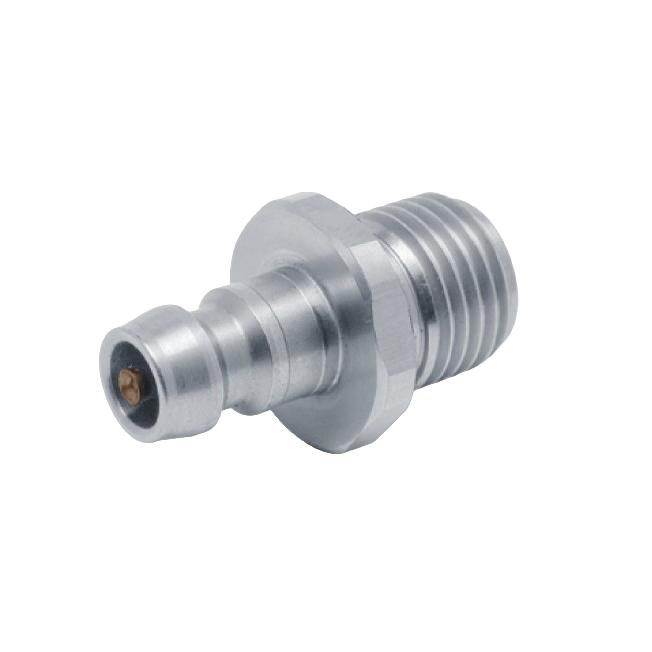
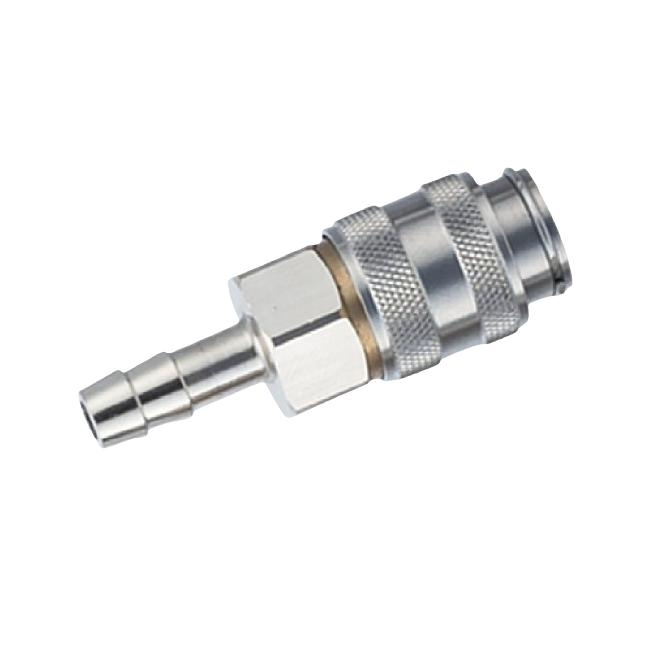
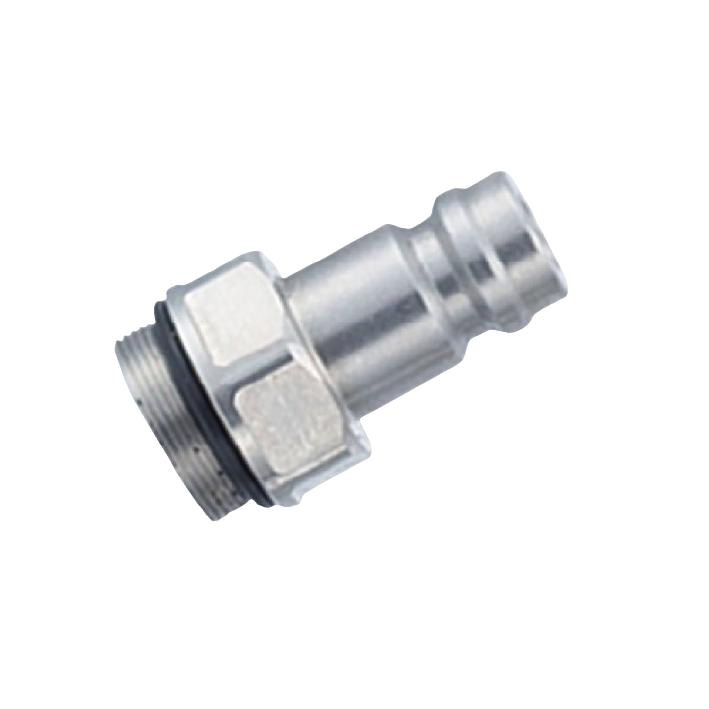
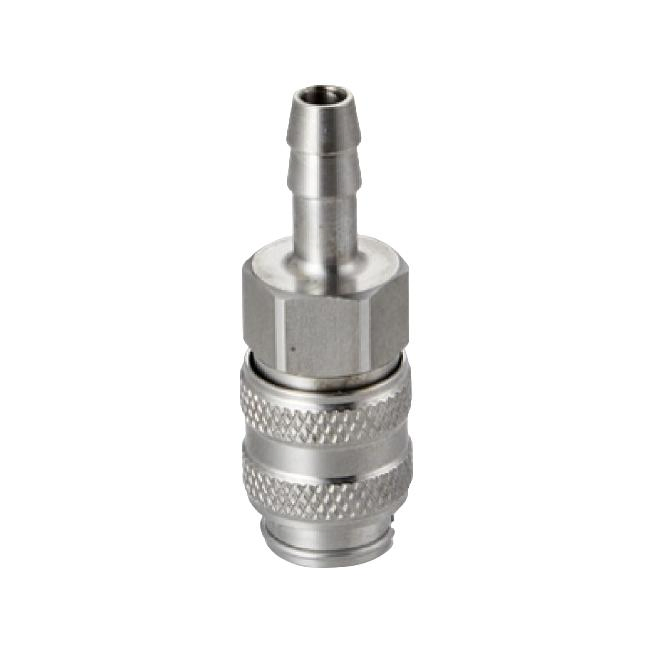
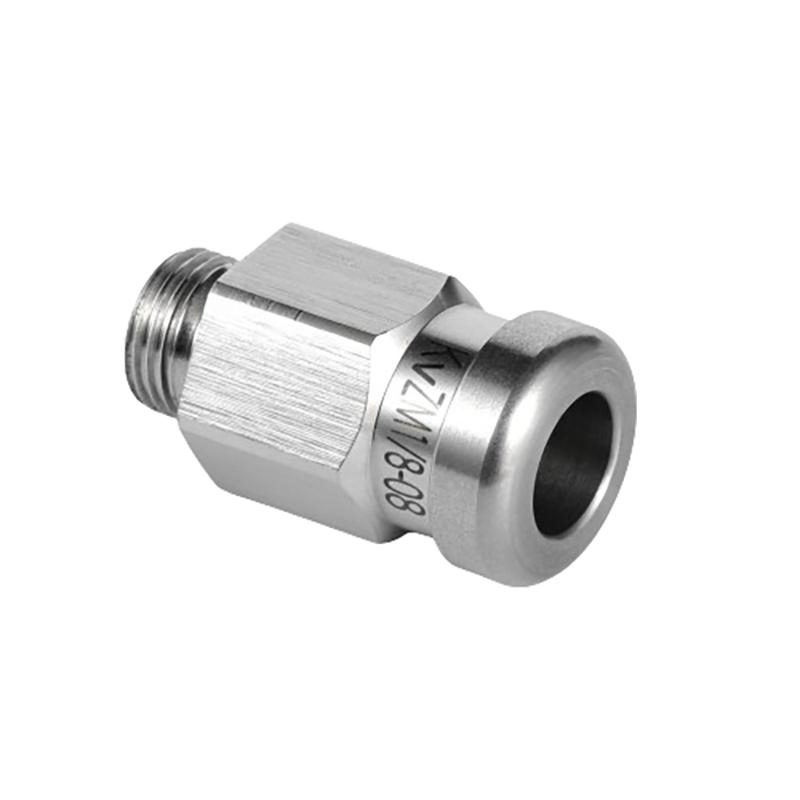
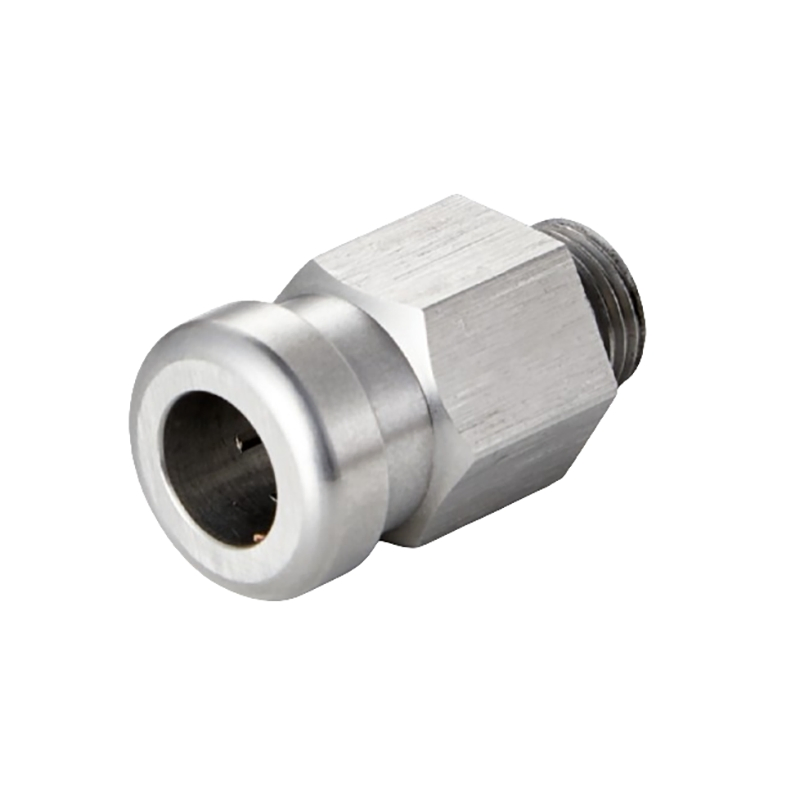
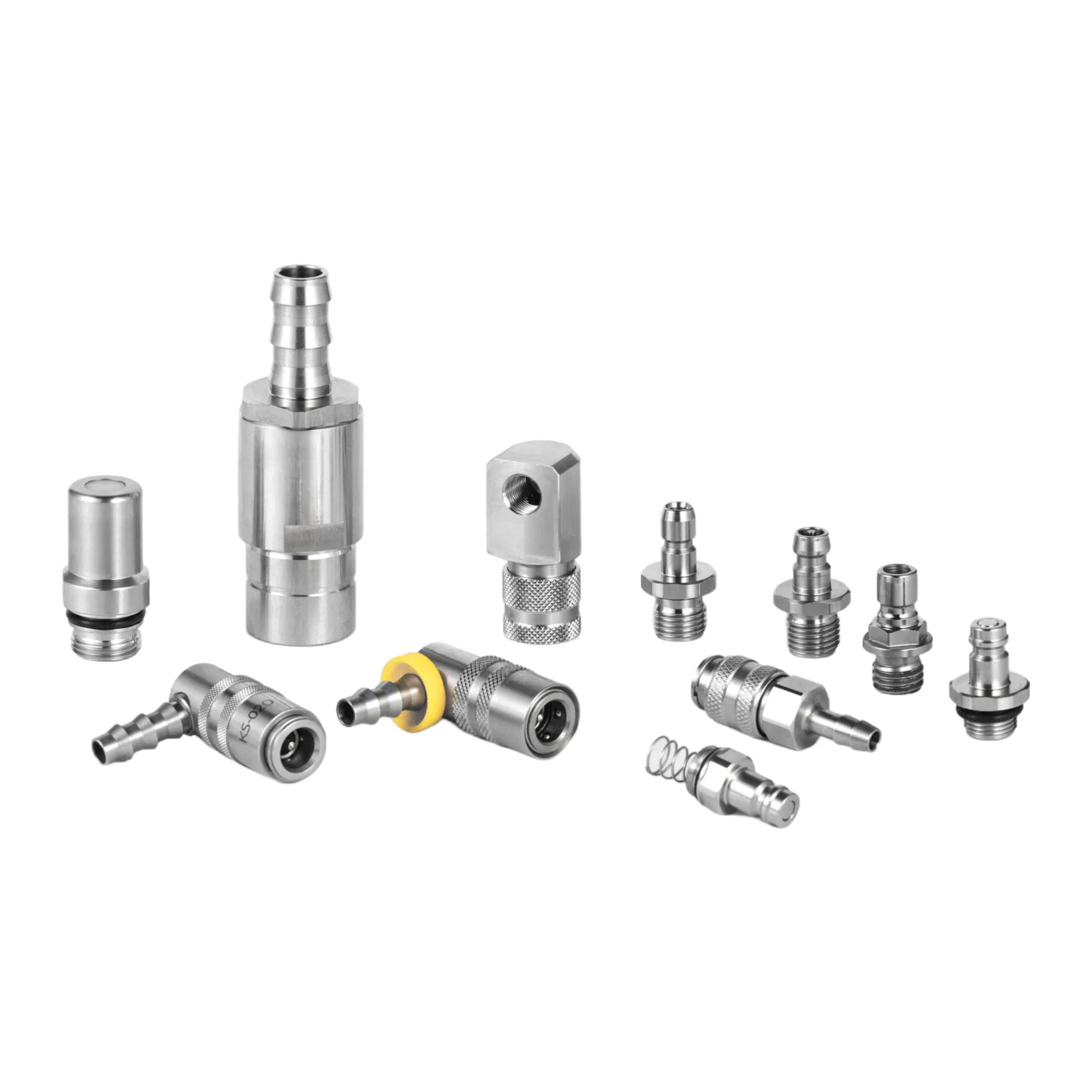
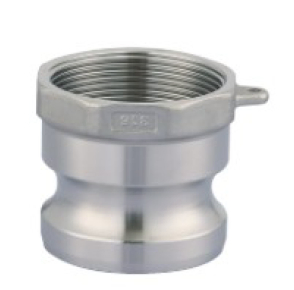
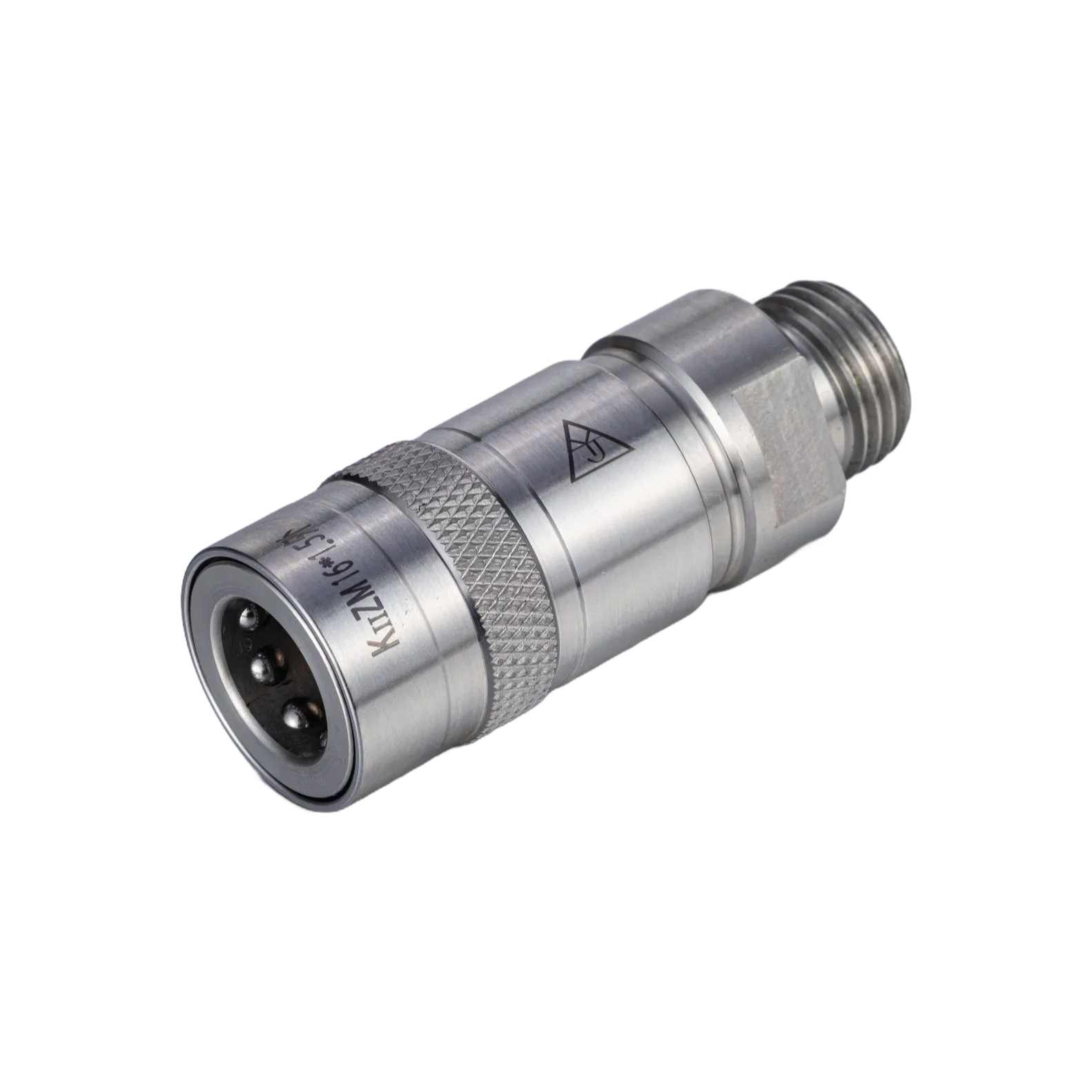
Actually got your RFQ here and we've been running teh KS series in our fluid systems for about eight months now, the 304 stainlss holds up better than some of the plated brass fittings we tried before—especially in those environments where you're cycling connections multiple times a shift.
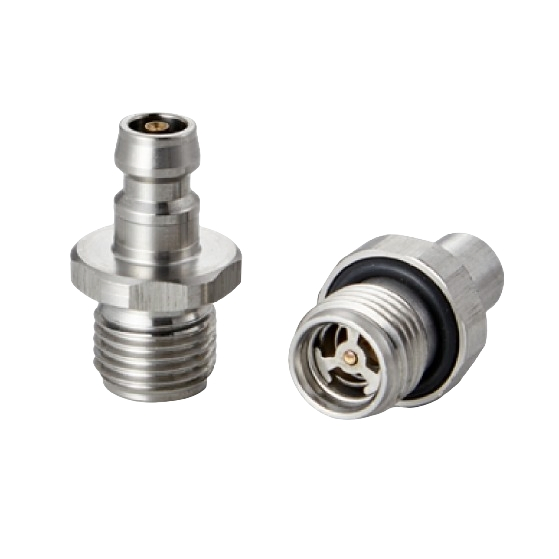
We're pushing up to 150 PSI on our main line and the integrated O-ring seal hasn't given us a single leak so far, though the tempearture range of -20°C to 120°C is pretty much standerd for this type of work and most buyers go with the K2 spec for general indutrial use.
One thing you'll notice right away is the vacuum processing on the surface, it basically makes the round head slide into place smoother than the raw metal versions we used to get, but don't expect it to hold up in caustic washdown zones (we learned that the hard way).
Lead time on these is roughly 20 days or so depending on your MOQ, we ordered 150 units last batch and they came in a plastic inner with a carton outer, no damage, and threads matched our existing ANSI couplings without any fuss.
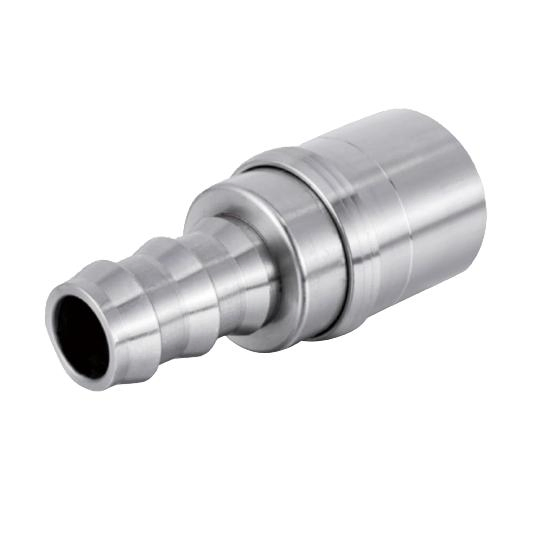
The high flow design is what it does best—we swapped out some older quick connects and saw a noticeable difference in cycle speed on the fill stations, though if you're running a closed loop with fine particulates you'll want to check the seal compatibility first.
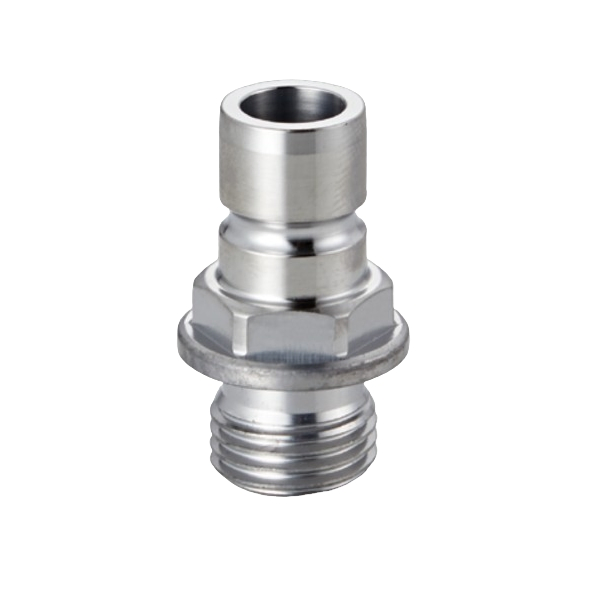
K2 refers to the dimensional and performance standard for the quick connect coupling. It ensures the male joint fits properly with standard K2-series sockets and maintains the rated flow and pressure.
We primarily stock standard industrial threads, but we can discuss custom thread options for larger volume orders. Just reach out with your specific thread requirements and MOQ.
We provide a material test certificate for the 304 stainless steel upon request. The fittings also comply with DIN and ANSI standards, and we can include a certificate of conformance with your shipment.
For standard sizes and quantities under 500 pieces, lead time is usually 7-10 business days. Larger orders may take 2-3 weeks, depending on stock.
Each fitting is packed in a plastic inner bag, then placed in a carton outer box. They can be stored for years in a dry, clean environment—just keep them away from corrosive chemicals.