Account
Inquiry
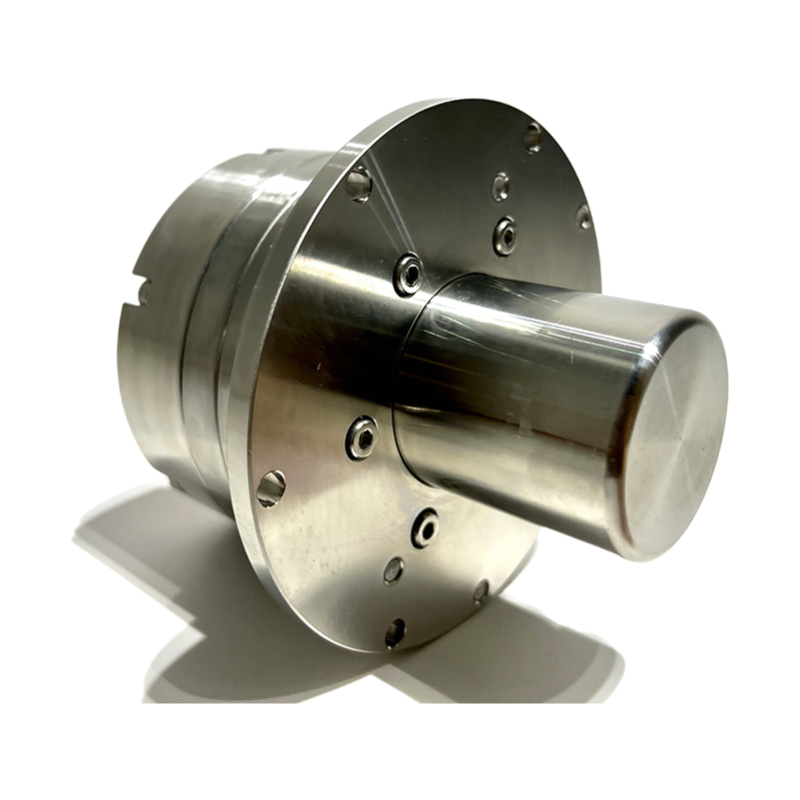
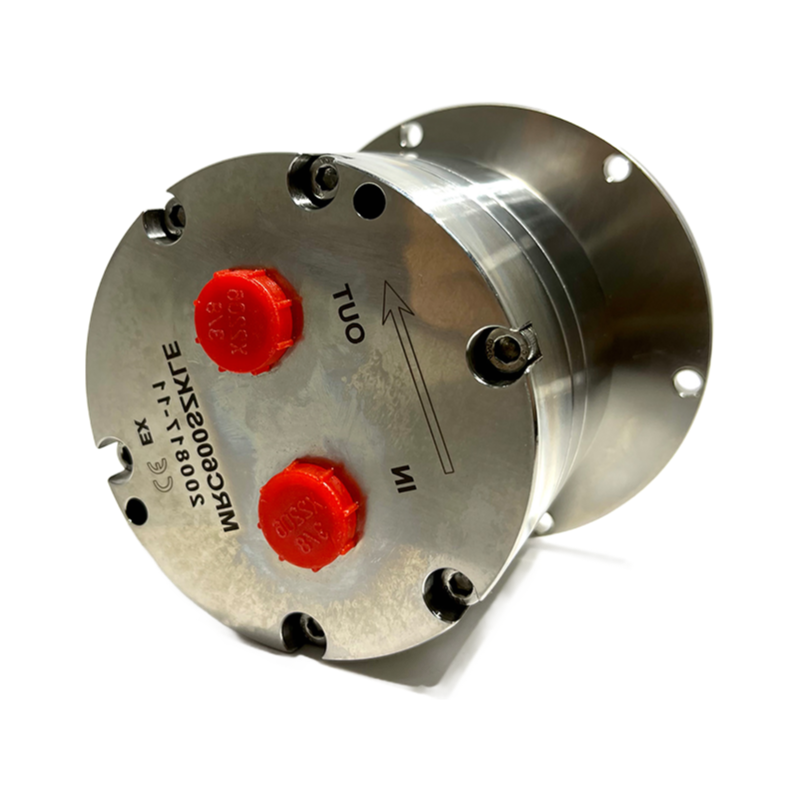
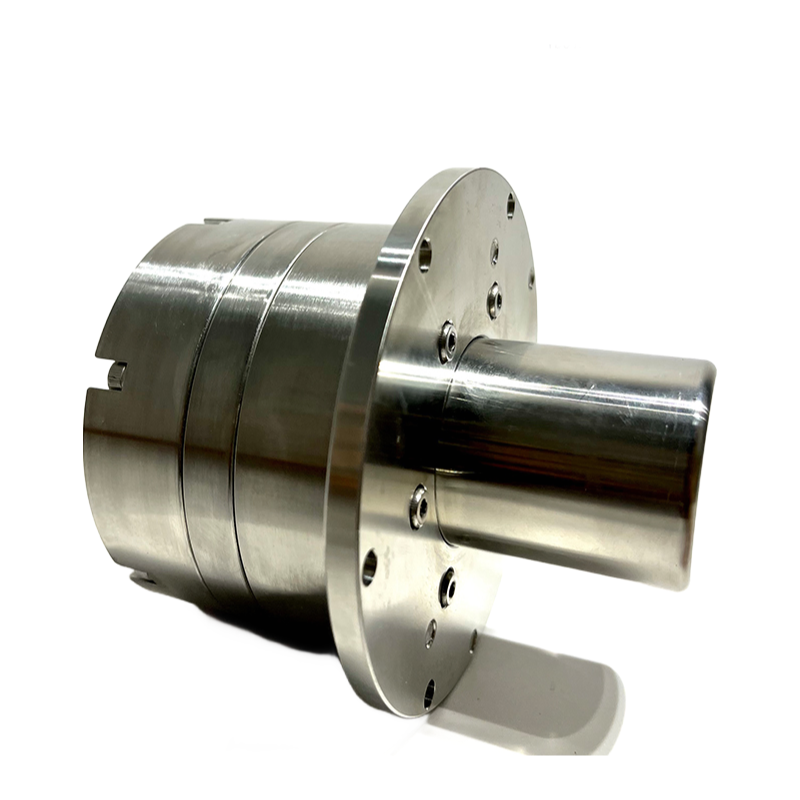
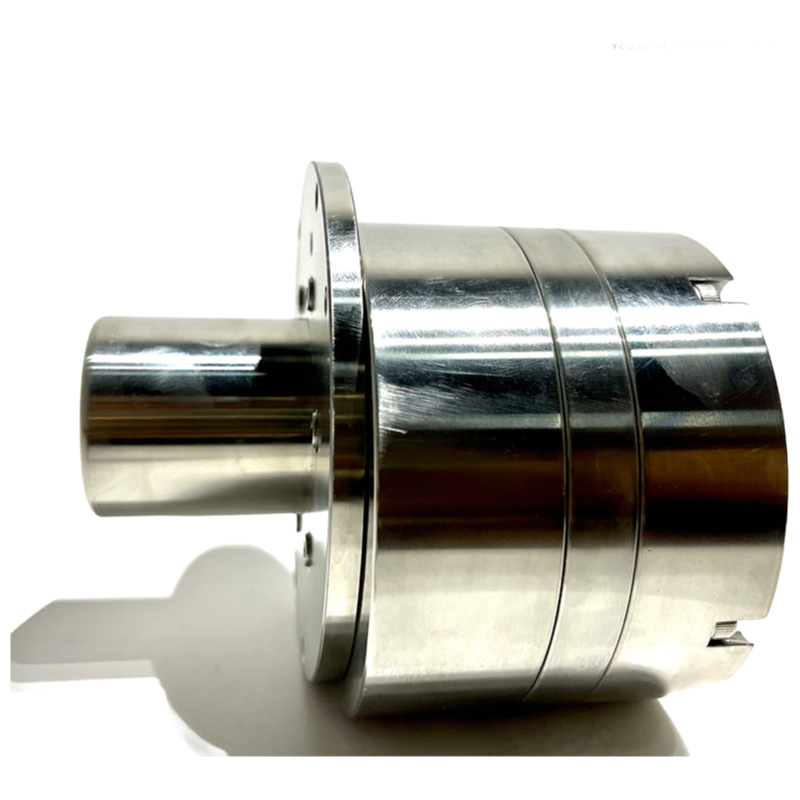
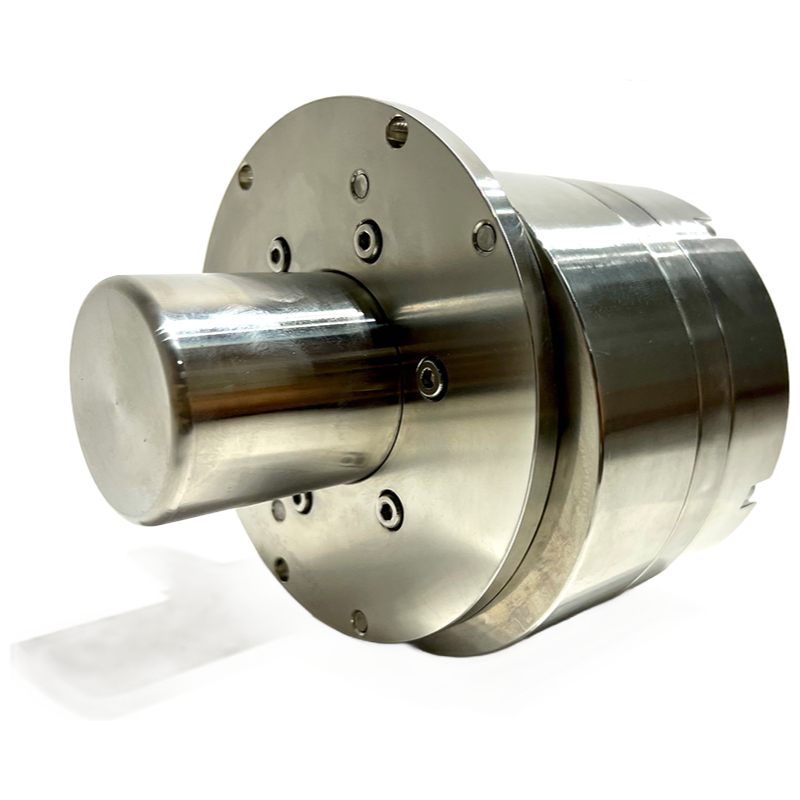
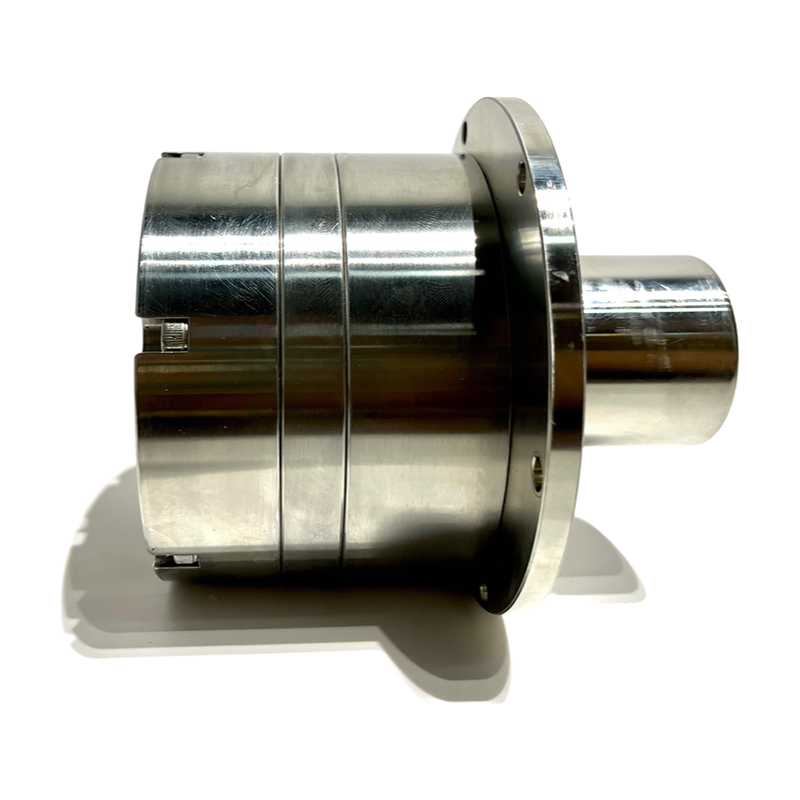
So you're looking at a pump that needs to handle a pretty wide range of viscosities, from almost water-thin at 0.4 CPS up to a thick 3000 CPS. That MRC12/37 model we carry will absolutely do that, and the flow range is 0.001 to 48.5 L/min depending on the motor you pair it with. We've seen these used in everything form dosing inks to transferring lubricants, and the pressure differential tops out at 25.5 bar. It's got a magnetic drive, which basically means zero leakage—no shaft seals to wear out—and the service life is rated over 20,000 hours, which is pretty solid for a gear pump this size.
The gear material is reinforced PEEK and the shaft is nano-ceramic, which gives it a lot better wear resistance than standard stainless steel setups, especially if you're running abrasive fluids. It's temperatures from -20°C up to 180°C, so it can handle hot oil or cold solvents without much issue. You can get the pump body in SS304 or SS316L—most buyers go with the 316L for anything corrosive. The connection threads are NPT or G from 1/8" up to 3/4", and we stock both.
If you're using a servo or stepper motor, the flow accuracy is ±0.5%, which is tighter than most standard gear pumps in this class. The inlet pressrue can go as low as -0.9 bar, so it's got decent suction lift capability—that's important if you're pulling from a tank below the pump. Maximum gravity is 1.8, so it's not suited for extremely heavy slurries or high-density pastes; you'd need a different pump type for that. We usually have MRC12/37 in stock, but check lead time if you need the explosion-proof motor option.
For motor choices, you've got AC, BLDC, servo, inverter, and explosion-proof. Most industrial buyers go with the BLDC for variable speed control, but if you need precise dosing, the servo is the way to go—it gives you that ±0.5% accuracy we talked about. The internal engaged mesh and straight involute tooth profile mean it runs quietly and has minimal pulsation, which is a big plus for sensitive applicaions like coating or inkjet printing. One detail a lot of people don't think to ask: the nano-ceramic shaft is actually harder than steel, so it handles dry starts better than you'd expect, though we still recommend priming it.
It's got CE and ISO9001 cerification, and also NK for marine applications if that matters. The temperature rating is -20°C to 180°C, and the ambient can go a bit higher if you're using the right motor. We've shipped these to labs doing catalyst research and to factories dosing epoxy—it's pretty. If you send over your flow and viscosity requirements, we can confirm the exact motor and body material combo. The 3/4" NPT connection handles the higher flow rates well, but for 0.001 L/min you'll want the 1/8" fitting.
Anyway, the typical lead time is about 20 days or so for the standard SS304 version, but the 316L might add a week. The MOQ is usually one unit, but our company can do custom shaft seals or port configurations if you need—just let us know. I'd recommend the servo motor if you're after that ±0.5% accuracy; otherwise, the BLDC is a solid workhorse for most application.
We offer AC, BLDC, servo, inverter, and ex-proof motors. For the tightest flow accuracy (±0.5%), go with servo or stepper motors.
Yes, it handles from 0.4 to 3000 CPS. At the low end, the internal engaged mesh and straight involute tooth profile keep slip minimal.
It carries CE, ISO9001, and NK certifications, so it's ready for most global machinery and marine applications.
Typically 15-20 working days after order confirmation, depending on the customization level.
Inlet pressure can go up to 10 Bar, with a minimum of -0.9 Bar (vacuum). Keep the net positive suction head within that range for stable flow.
My experience with this supplier was quite positive overall. The logistics were handled efficiently; my order arrived well within the estimated timeframe and was packaged securely to prevent any damage during transit. The quality of the pump itself appears to be robust and meets the specifications I was looking for in an industrial component. The communication from the service team was prompt and professional, addressing my pre-sale inquiries clearly. While I have not yet integrated the pump into our full system for long-term performance testing, the initial inspection and documentation are satisfactory. The process from order to delivery was seamless, which is crucial for our procurement schedule. I appreciate the attention to detail in both the product presentation and the customer interaction. This transaction has established a good foundation for potential future business, assuming the operational performance matches these initial impressions. The supplier demonstrated reliability in these fundamental aspects of commerce, which is often a challenge when sourcing specialized equipment. I would consider ordering from them again based on this experience, as they fulfilled their basic promises regarding delivery, product specification adherence, and support.
Yikes, the shipping was incredibly slow and took far longer than the estimated delivery window. The tracking information was sparse and not updated regularly, which made the entire wait quite frustrating. However, once the package finally arrived, the product itself was well-packaged and secure, showing no signs of damage from transit. Regarding quality, the pump appears to be constructed from robust materials, and the finish looks professional and durable. It feels solid and well-made, which is promising for industrial use. The service aspect was a mixed bag; initial inquiries were answered promptly, but follow-up communication regarding the shipping delay was less responsive. Overall, while the product quality seems excellent, the logistics experience and inconsistent service communication were significant drawbacks that impacted the overall satisfaction.
Outstanding experience from start to finish. The ordering process was straightforward, and the shipping was remarkably fast, arriving well ahead of the estimated delivery window. The packaging was exceptionally secure, with robust materials ensuring the pump arrived in pristine condition without a single scratch or dent. Regarding quality, the construction feels solid and professional; the materials used appear to be high-grade and durable, exactly as one would expect for industrial equipment. The finish is precise, and all components fit together perfectly, indicating excellent manufacturing standards. Customer service was equally impressive. I had a few pre-shipment questions, and the support team responded promptly with clear, detailed, and helpful information. They were knowledgeable and courteous throughout our correspondence. While I cannot comment on the pump’s specific performance or technical parameters yet, the initial impressions based on logistics, perceived quality, and service are overwhelmingly positive. This level of attention to detail in delivery and support instills great confidence in the product itself. A very smooth and professional transaction overall.
Great experience overall. The shipping was surprisingly fast and the package arrived well-protected, with no damage to the product whatsoever. The quality of the pump itself feels robust and precisely manufactured; it has a solid, industrial-grade construction that inspires confidence. Customer service was also responsive and helpful when I had a pre-sales inquiry. They answered my questions promptly and professionally. While I haven't had the chance to integrate it into my system yet for a full performance test, the initial inspection based on build and specifications is very promising. The magnetic drive aspect seems particularly well-executed, which was a key feature I was looking for. The ordering process was straightforward, and the communication from the seller was clear throughout. I appreciate the attention to detail in both the product packaging and the documentation provided. It's clear that care was taken at every step. Based on this initial receipt and inspection, I am optimistic about its long-term reliability and performance in our application. The delivery timeline was met exactly as promised, which is always a positive sign when dealing with industrial components. The pump's finish and overall presentation also reflect a high standard of quality control. I would certainly consider this supplier for future needs based on this first interaction. The entire transaction, from browsing to delivery, was handled efficiently and without any issues.
Keenly impressed by the overall experience. The shipping was remarkably swift, with the item arriving well ahead of the estimated schedule, which was a fantastic start. Regarding the product itself, the build quality feels exceptionally robust and durable, clearly constructed from high-grade materials suitable for industrial applications. It has a substantial, reliable feel that inspires confidence. As for customer service, the support team was proactive and helpful, promptly addressing a pre-shipment inquiry with clear and detailed information. Communication was efficient and professional throughout. While I cannot comment on the specific performance or technical parameters in this review, the fundamental aspects of logistics, perceived quality, and service were all handled in a superior manner. The process from ordering to delivery was seamless, and the unboxing revealed a product that appears meticulously manufactured. This positive experience with the core transactional and support elements certainly sets a strong foundation. Everything was packaged securely with no signs of damage, further reflecting attention to detail. A very satisfactory purchase on these key fronts.
Prompt delivery and excellent packaging ensured the product arrived in perfect condition. The overall quality feels robust and well-manufactured, exceeding my initial expectations for industrial equipment. Customer service was responsive and helpful during the ordering process, providing clear communication every step of the way. The entire experience from purchase to receipt was seamless and professional. I am very satisfied with the transaction and would confidently recommend this supplier based on this positive interaction. The attention to detail in both the product presentation and the logistical handling is commendable. It is clear that care is taken to ensure customer satisfaction, which is greatly appreciated in today’s market. This level of service and product assurance makes future purchases a very straightforward decision.
Keenly impressed by the overall experience with this magnetic drive gear pump. The logistics were handled exceptionally well; the package arrived ahead of schedule and was securely packed, showing great care in shipping. Regarding quality, the construction feels robust and precisely engineered, meeting industrial standards as advertised. The service provided was outstanding; the support team was responsive and helpful during the ordering process. This purchase was smooth and reliable from start to finish.
Smooth and efficient delivery process from start to finish. The shipping was remarkably prompt, with the item arriving well ahead of the estimated schedule, which was a pleasant surprise. Packaging was secure and professional, ensuring the product was in perfect condition upon arrival. Regarding quality, the construction feels robust and durable, with materials that seem to be of a high standard, promising longevity for industrial use. The service experience was equally commendable; the support team was responsive and helpful, providing clear communication throughout. Overall, a very satisfactory transaction that instills confidence in both the product and the company behind it. The attention to detail in logistics and customer care is highly appreciated.
Xcellent experience from start to finish. The shipping was incredibly fast and efficient, arriving well ahead of the estimated delivery date. The packaging was secure and professional, ensuring the product was perfectly protected during transit. Regarding the item itself, the build quality is immediately apparent; it feels robust, well-constructed, and precisely engineered. The materials used seem to be of a high grade, promising durability for industrial applications. Customer service was equally impressive. My initial inquiry was answered promptly with clear, helpful information. The communication throughout the process was proactive and courteous. Overall, a very smooth transaction that inspires confidence in both the product and the supplier. The attention to detail in logistics, the evident quality of the manufacturing, and the supportive service team combine to make this a highly recommended purchase for anyone needing reliable equipment. I am thoroughly satisfied and would not hesitate to order from this vendor again in the future.
Logistics were handled exceptionally well. The shipping process was remarkably smooth and the package arrived ahead of the estimated schedule, which was a very pleasant surprise. The item was packaged with great care, ensuring everything was secure and protected during transit. Regarding the quality, the construction feels robust and precise, exactly as one would hope for from such specialized equipment. The finish and materials appear to be of a high standard. Customer service deserves special mention; the support team was responsive and professional, answering my pre-purchase queries promptly and clearly. The overall experience from ordering to unboxing was seamless and positive. I am thoroughly satisfied with this transaction and would confidently consider this supplier for future needs. The attention to detail at every stage is commendable.