Account
Inquiry
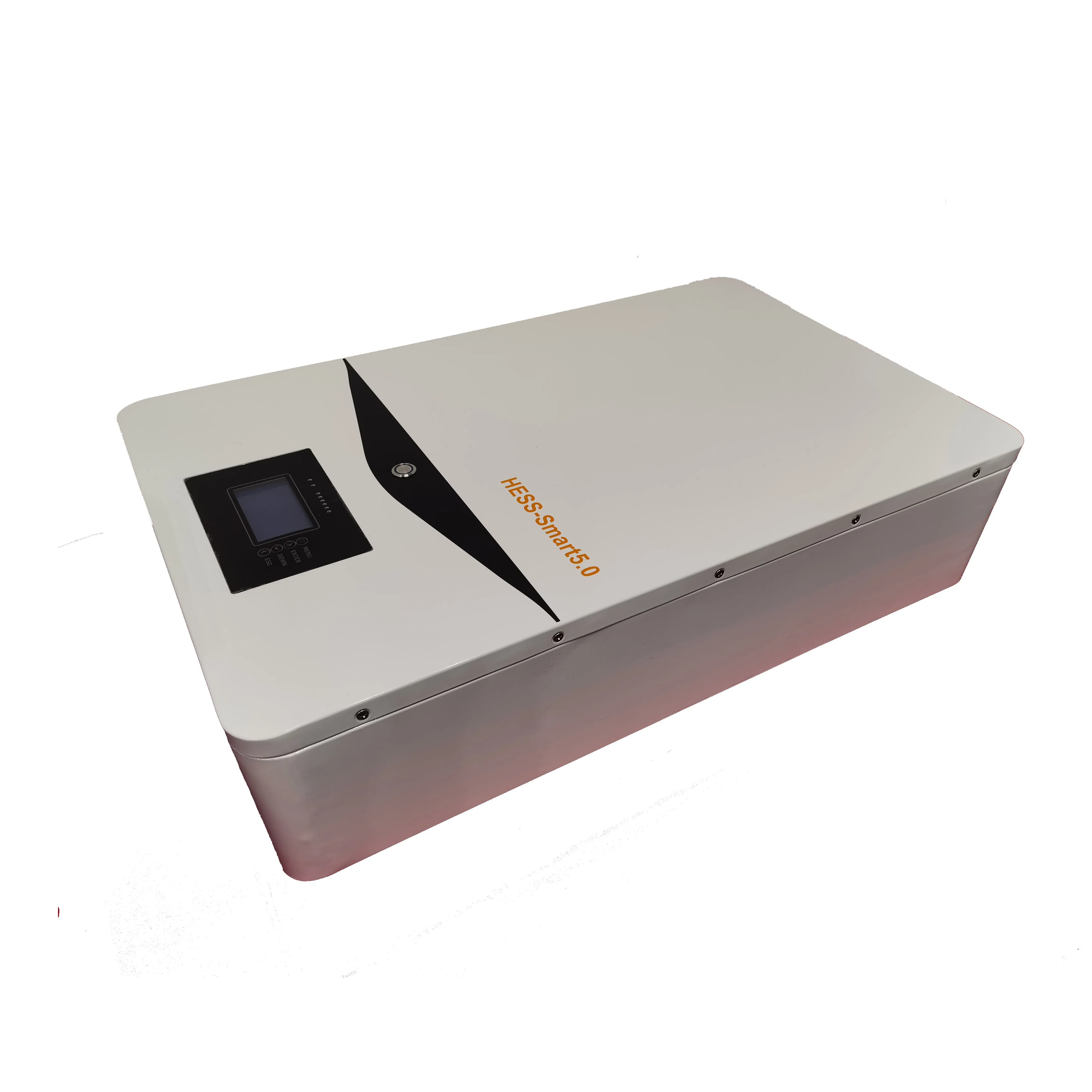
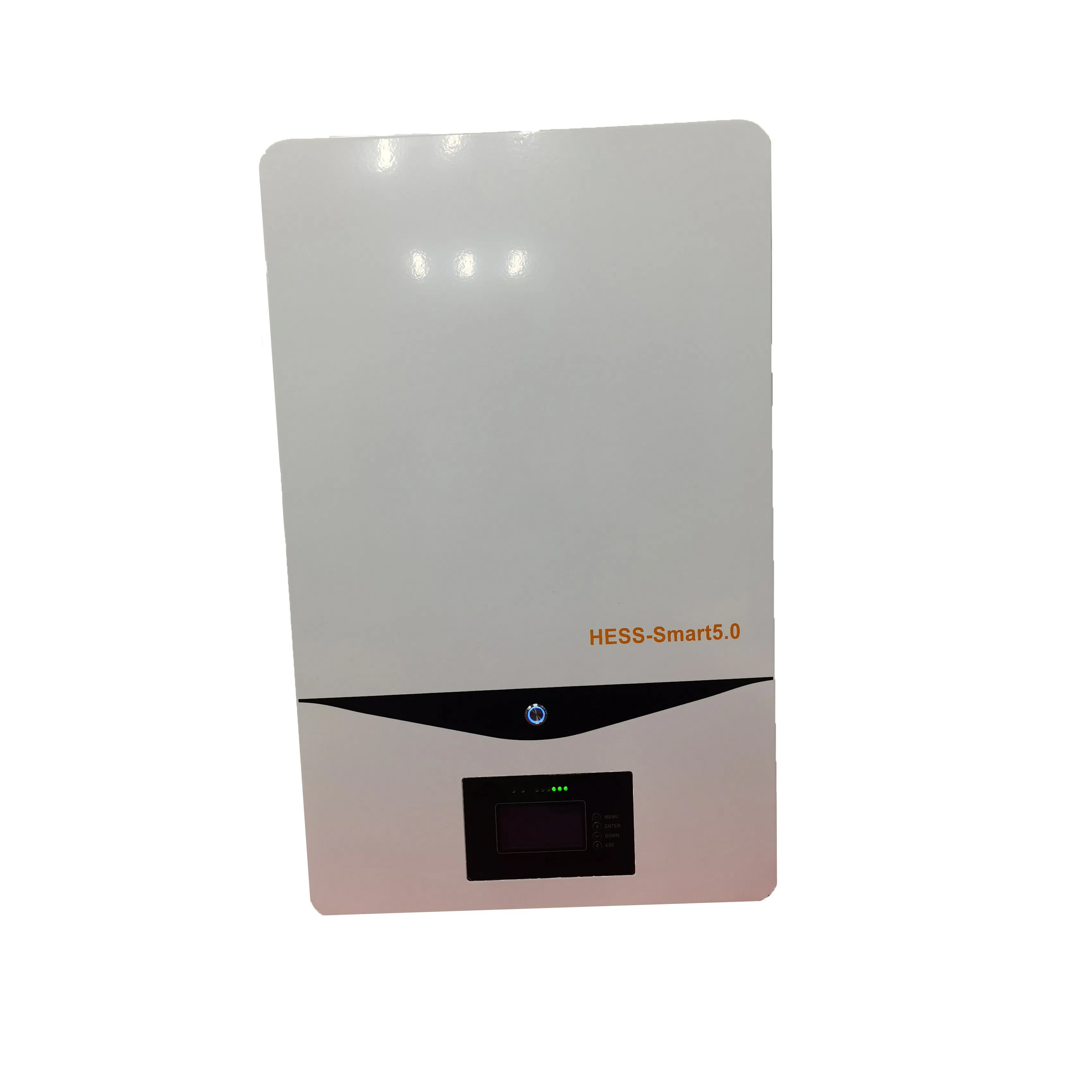
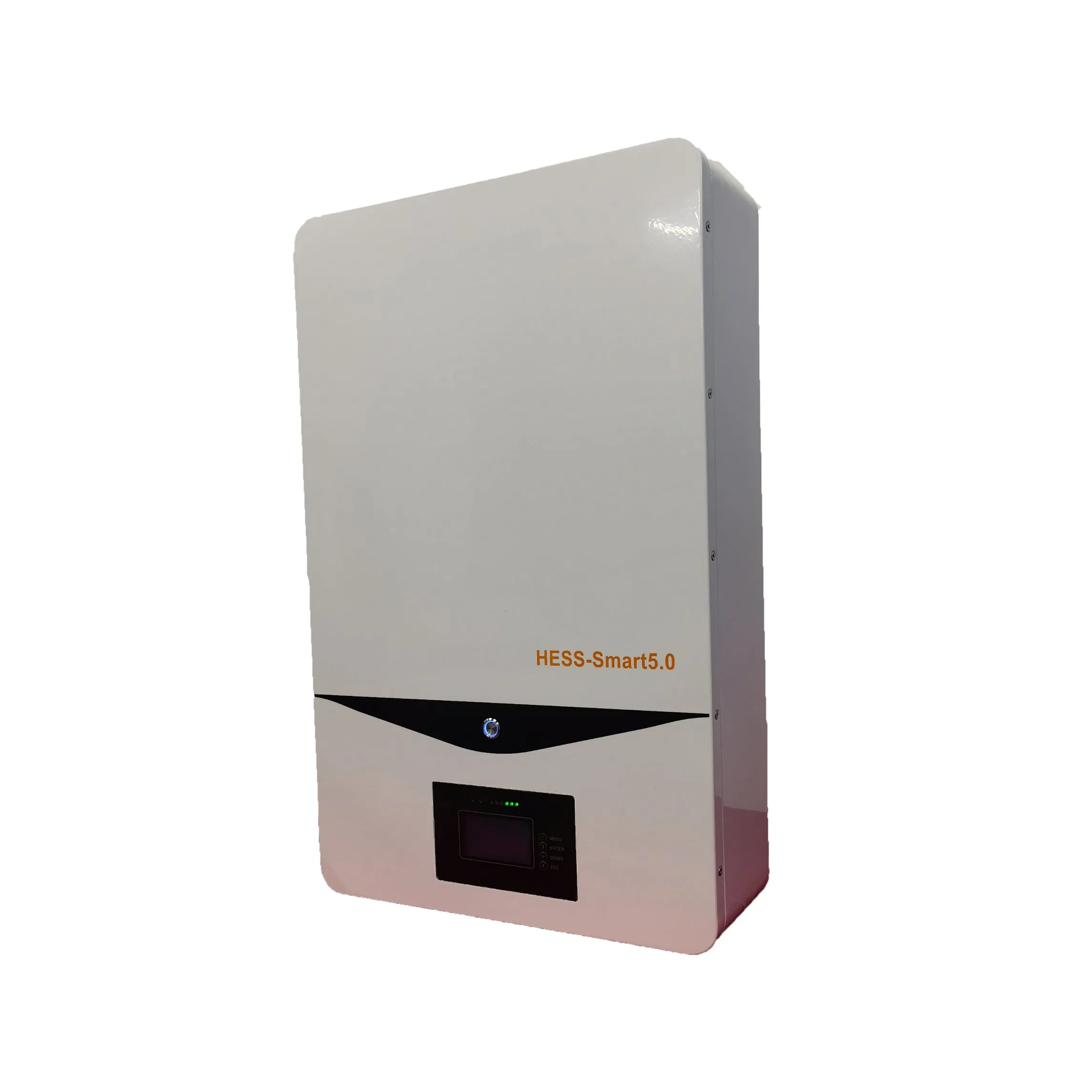
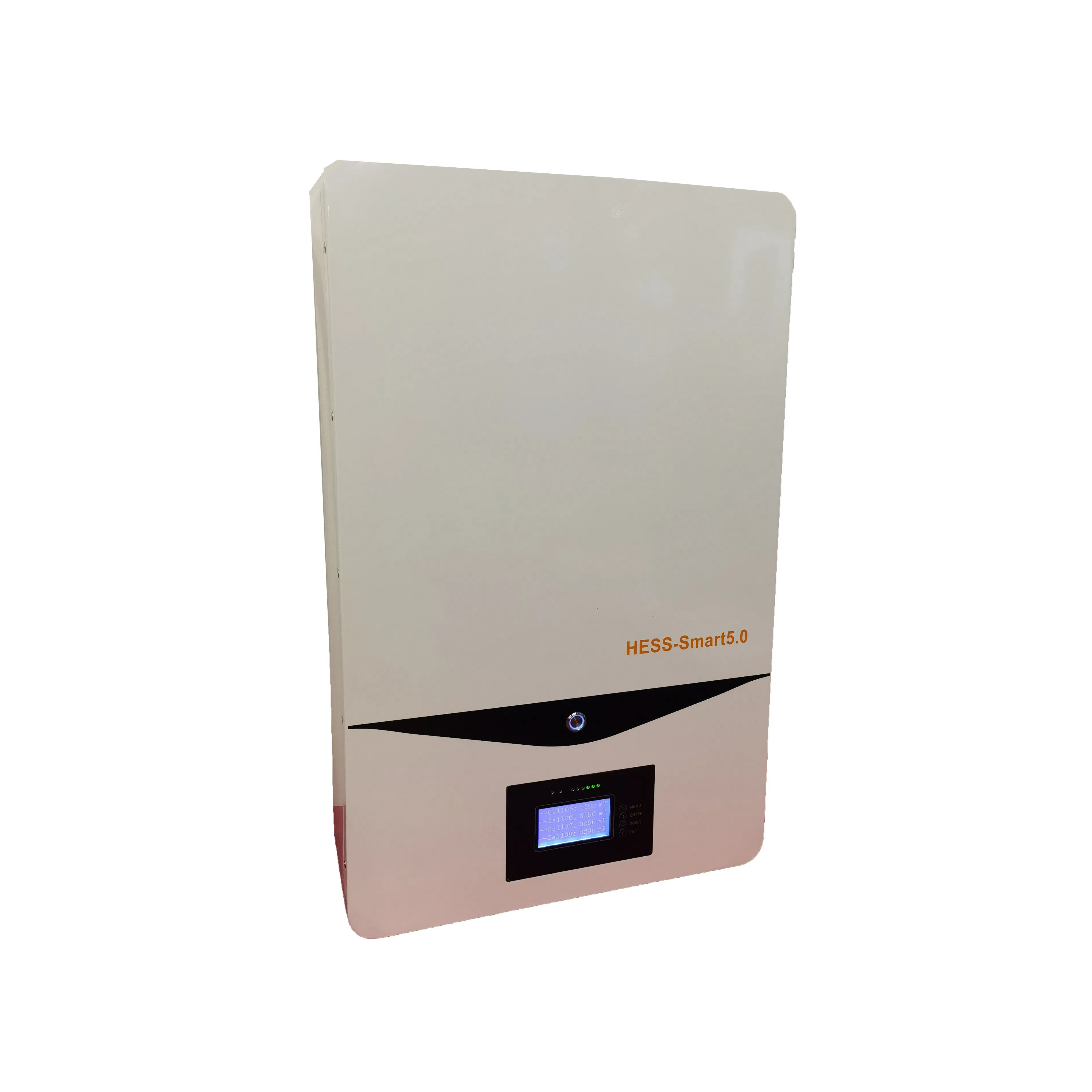
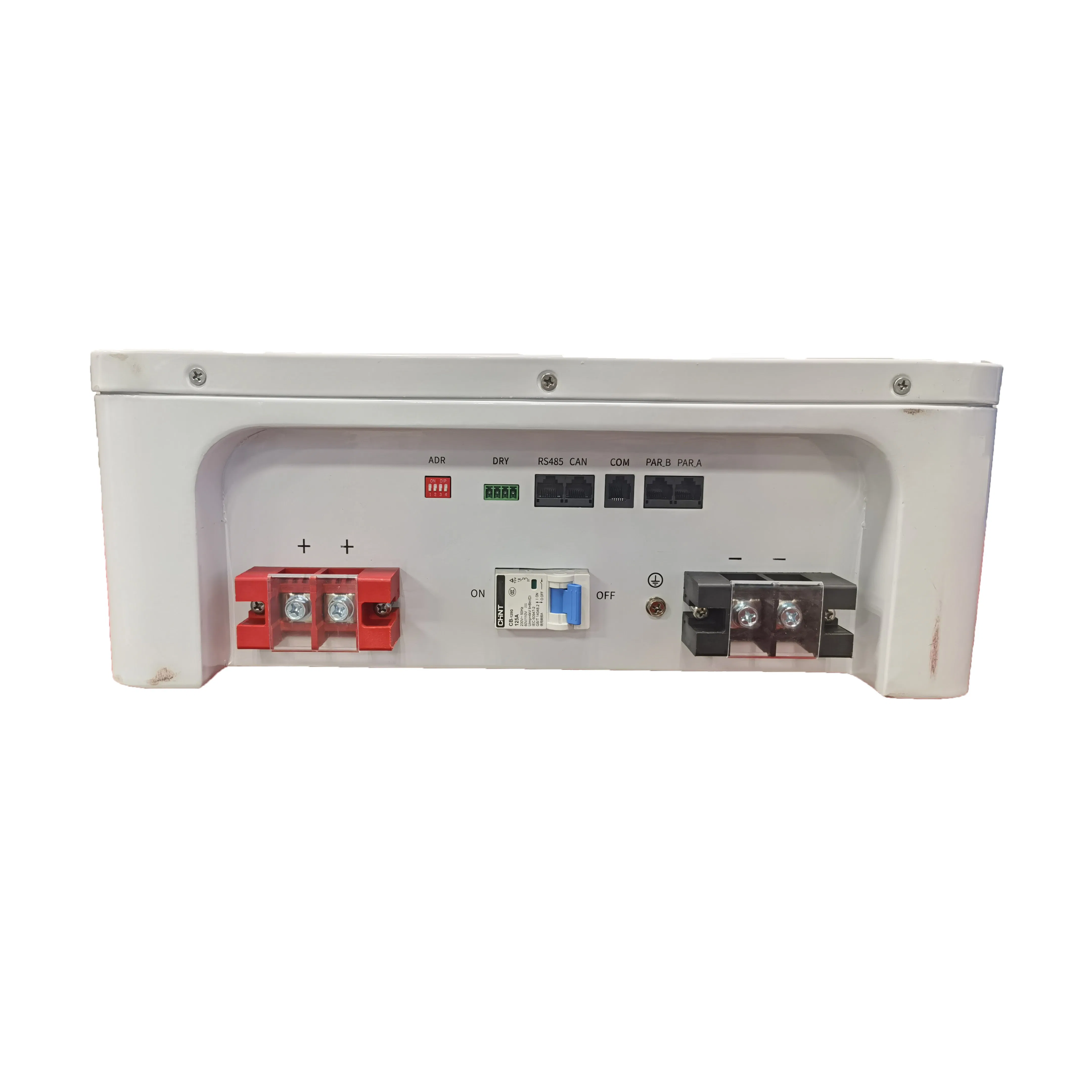
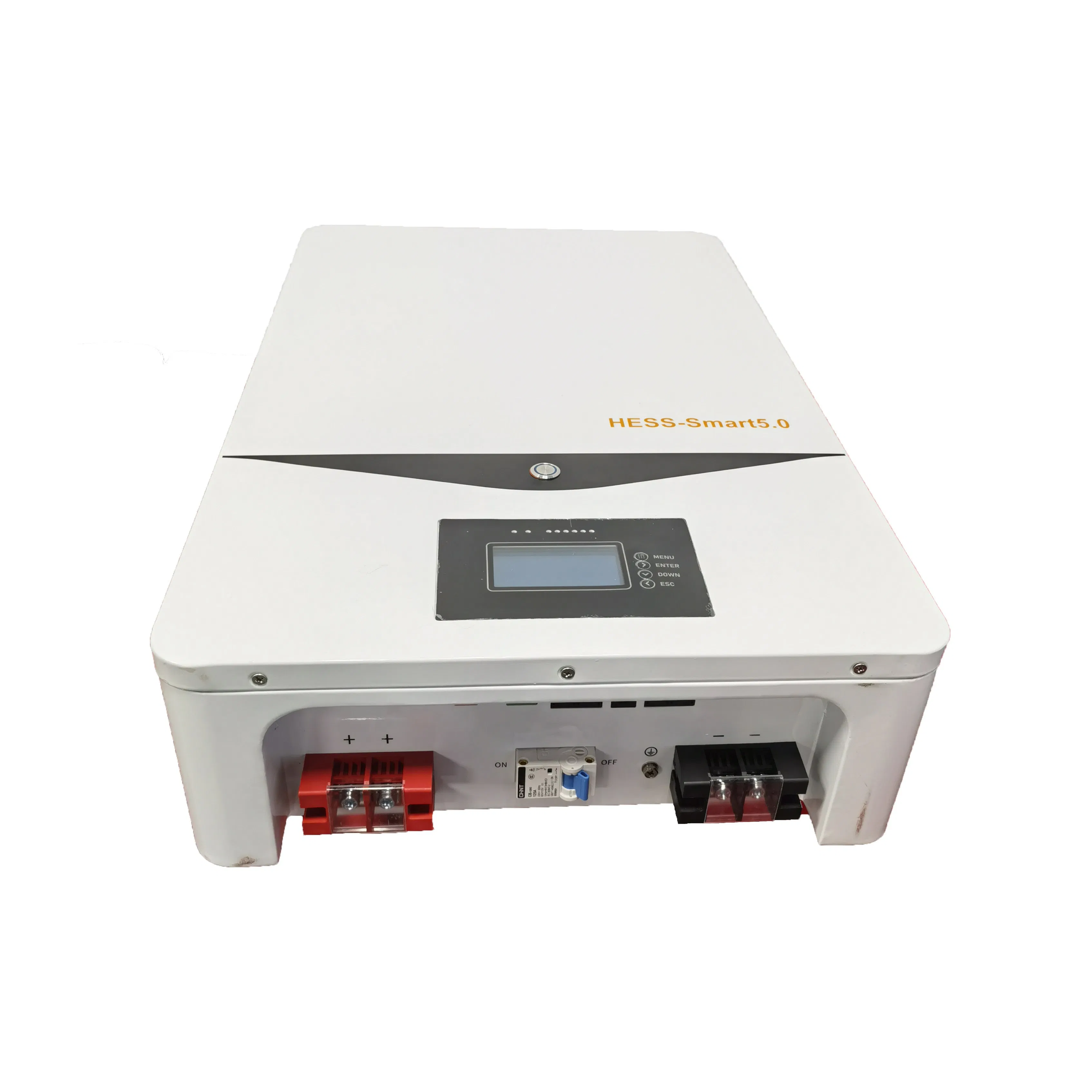
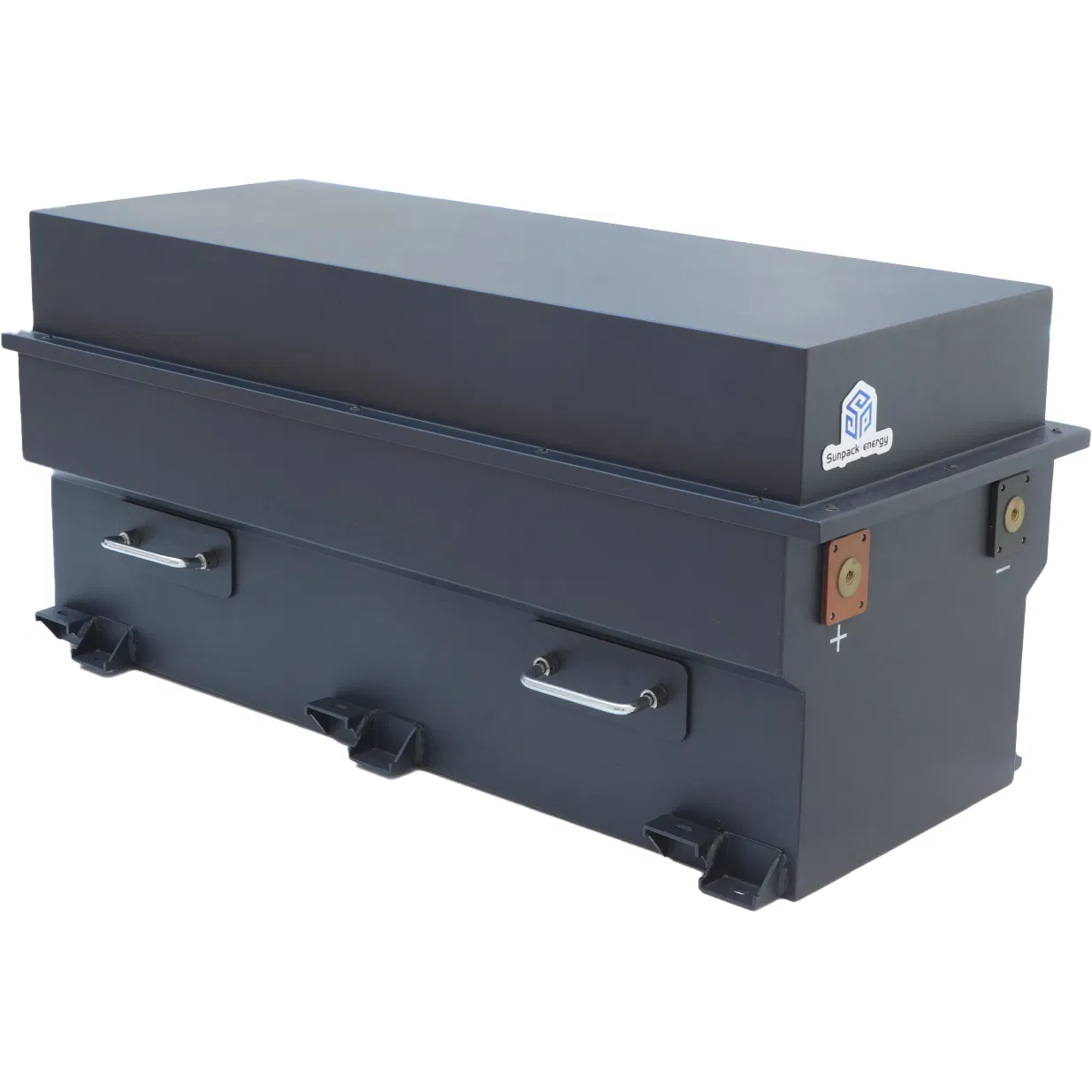
We've had quite a few folks in off-grid solar setups come to us needing something that can handle daily cycling without dying after a couple years, and this 5KWh pack pretty much checks all those boxes for them—the LiFePO4 chemistry gives you roughly 4000 cycles at 80% depth of discharge, which is better than lead-acid for this kind of steady draw.
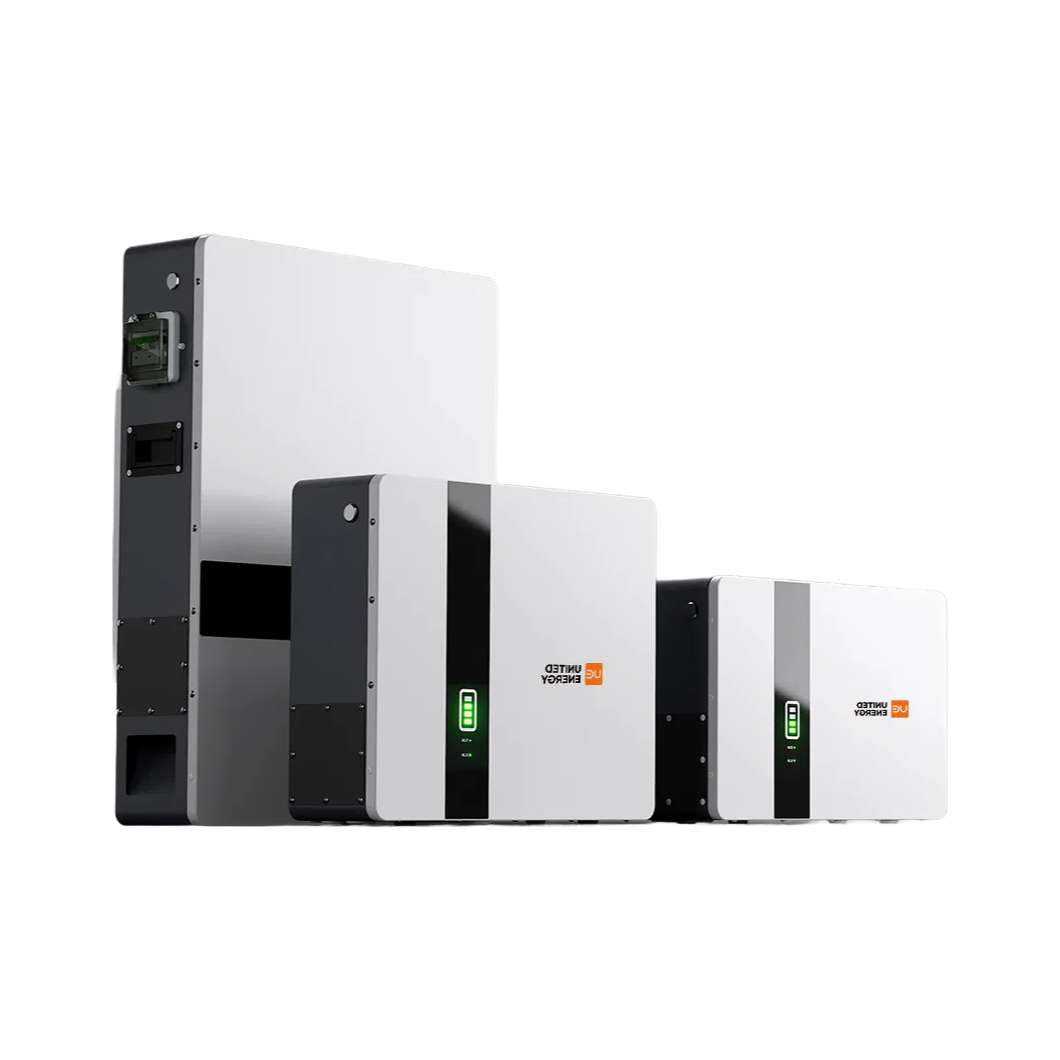
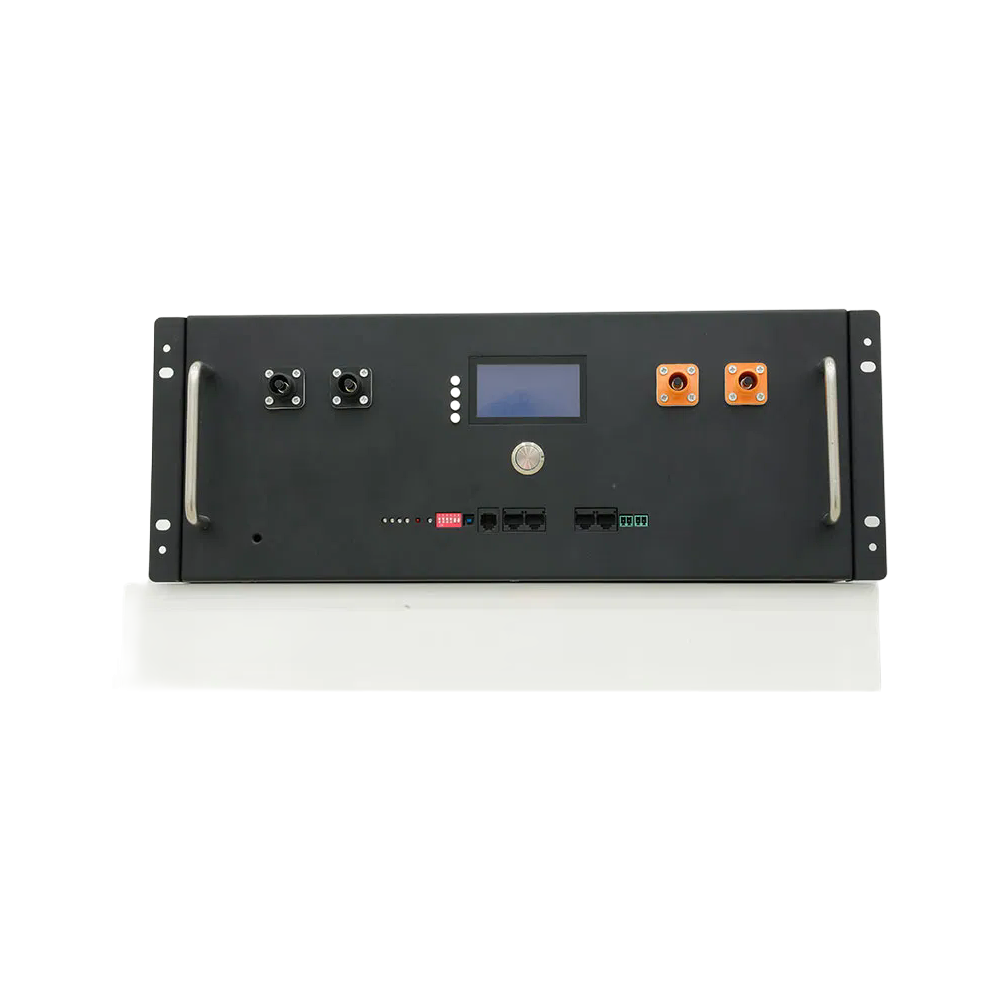
What it does is pack 51.2V nominal and 100Ah capacity into a wall-mounted unit that weighs about 45kg, so you'll want two people for insallation, and the continuous discharge rate of 100A means you can pull about 5kW steady with peaks up to 200A for three seconds or so—that's enough for most residential loads, but don't plan on running a welder off it.
Actually, one thing buyers don't always think about is that the charge voltge tops out at 58.4V and the discharge cut-off is at 40V, which gives you a pretty tight operating window, and while the Bluetooth/WiFi app monitoring is handy, IP54 rating means it's fine indoors or under cover but not for direct outdoor exposure in heavy rain. It's not suited for high-tempearture environments above 60°C during discharge either, so keep that in mind if you're mounting it near a heat source.
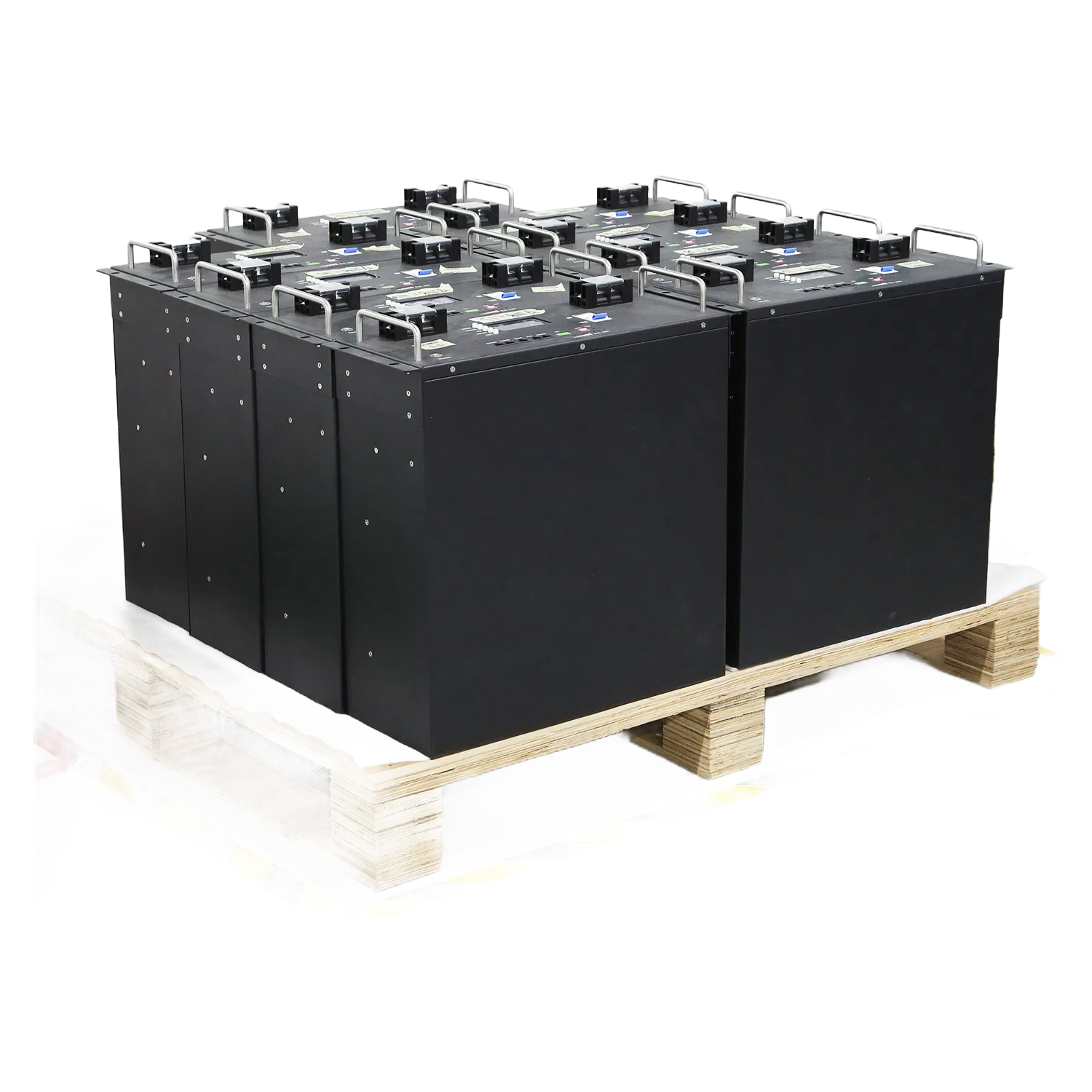
For bulk orders we usually have stock, but lead times can stretch to 20 days or so depending on customiztion—dimensions are customizable, but the 100A continuous discharge stays fixed. Most buyers just go with the standard 5KWh pack and parallel up to 16 units if they need more capacity.
The MOQ is typically 50 units, but we can accommodate a sample order of 1-2 units for testing and evaluation first.
Lead time is around 25-30 days after order confirmation and payment, depending on the quantity and any customizations needed.
Yes, we have CE and UN38.3 certifications available. UL is optional and can be arranged at an additional cost if required.
Absolutely—the dimensions are customizable to fit your space, and we can adjust the weight slightly by modifying the casing materials.
Store it in a dry place between -10°C and 25°C, and recharge every 3-6 months to keep the self-discharge rate below 2% per month.