Account
Inquiry
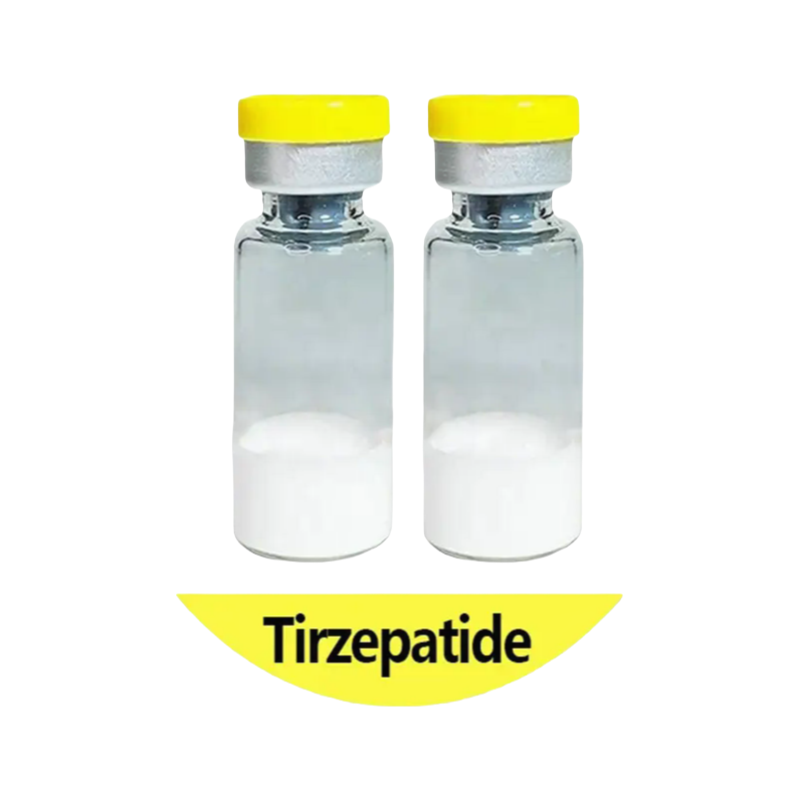
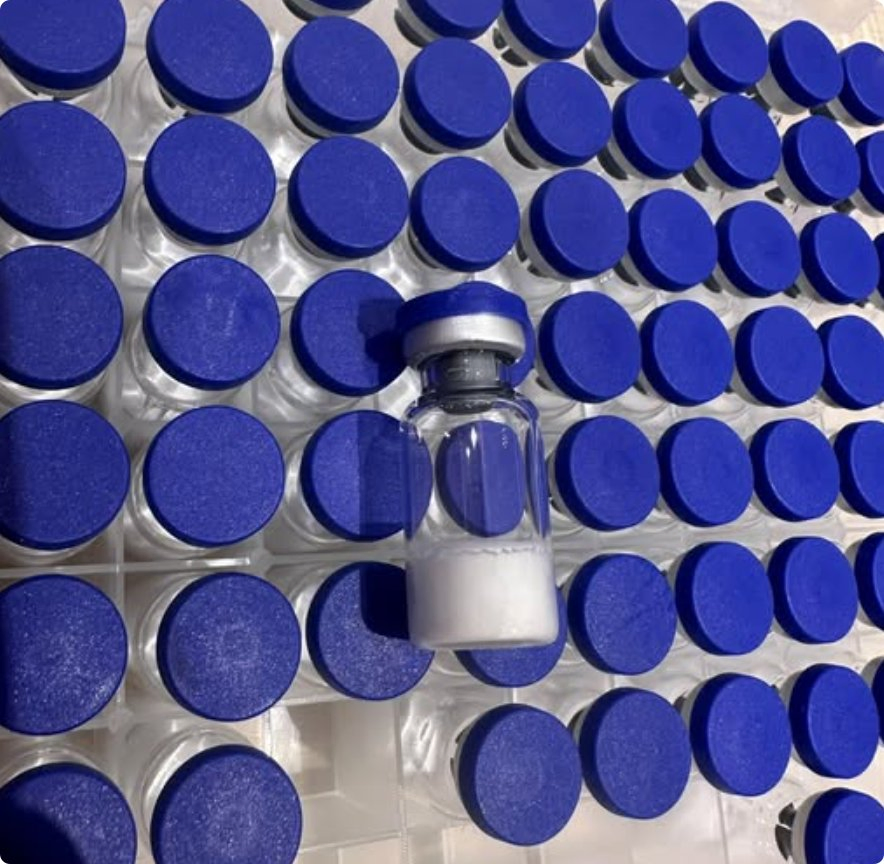
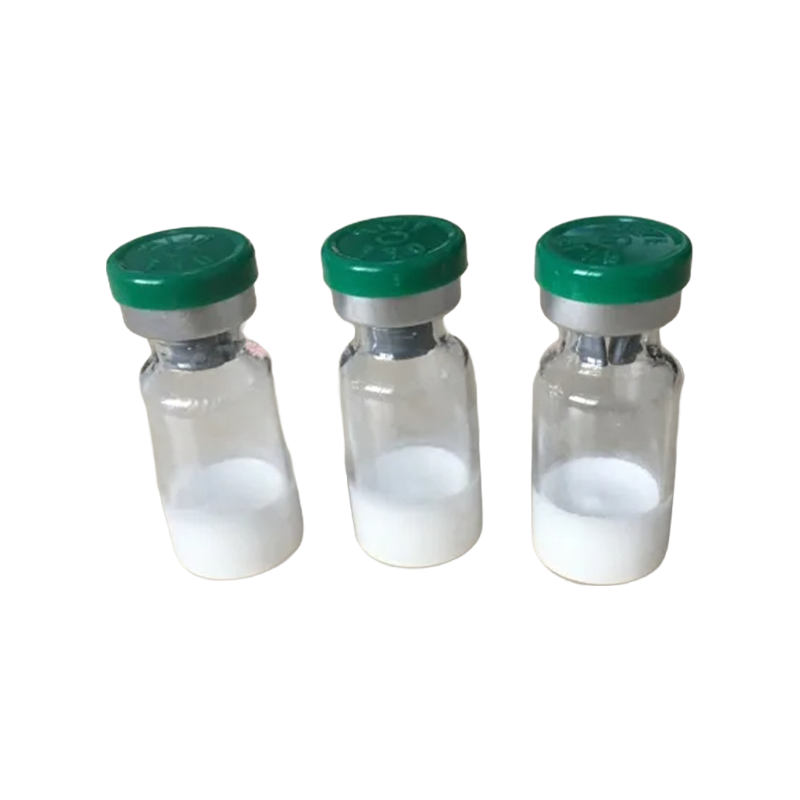
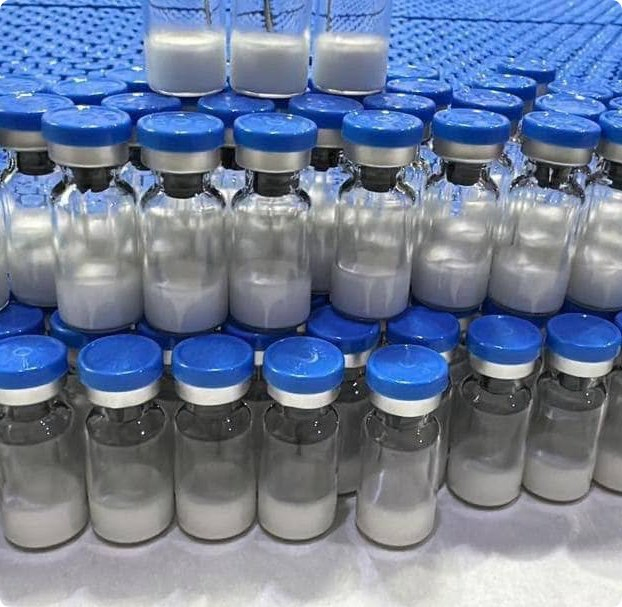
You’re running a receptor binding assay for GLP-1 agonism, and the researcher needs a batch that doesn’t spike the baseline with degradation fragments—so you’ll want this lyophilized powder at 99% purity by HPLC, which keeps the dose-response curve clean without extra cleanup steps.
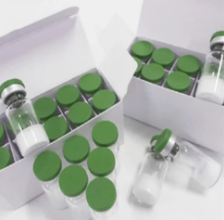
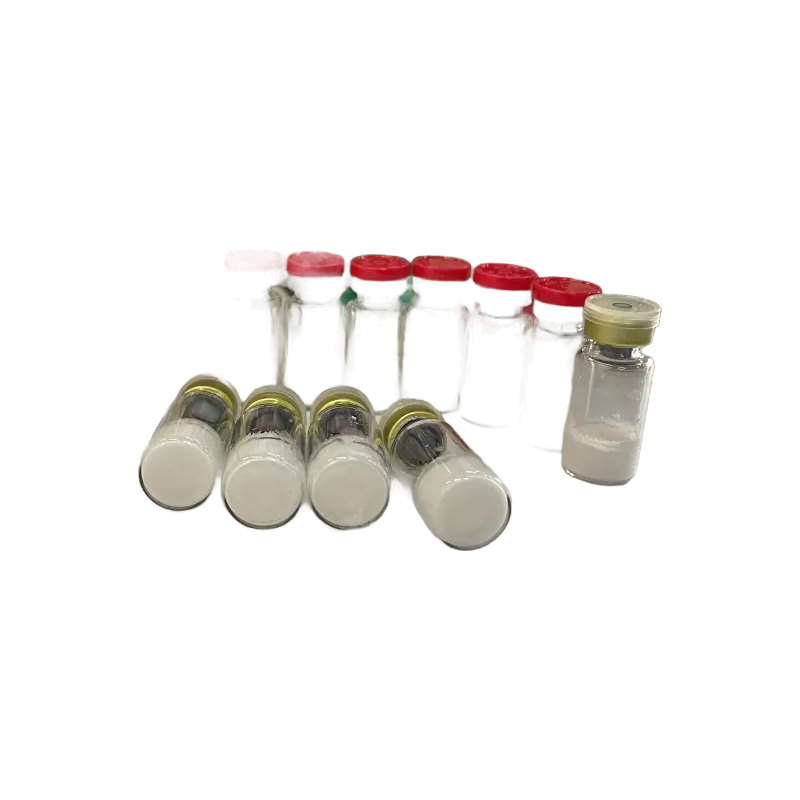
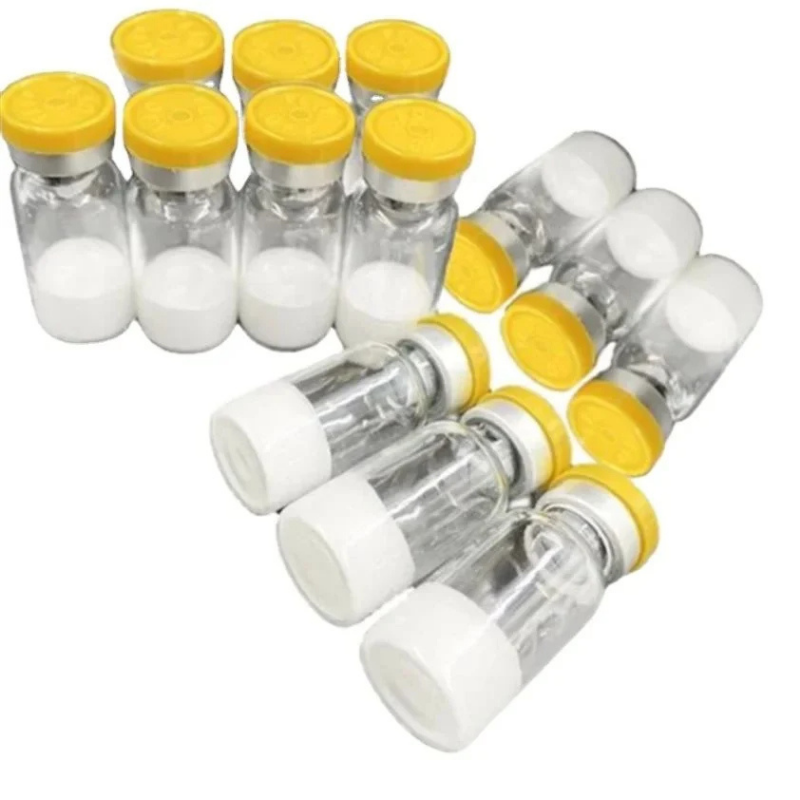
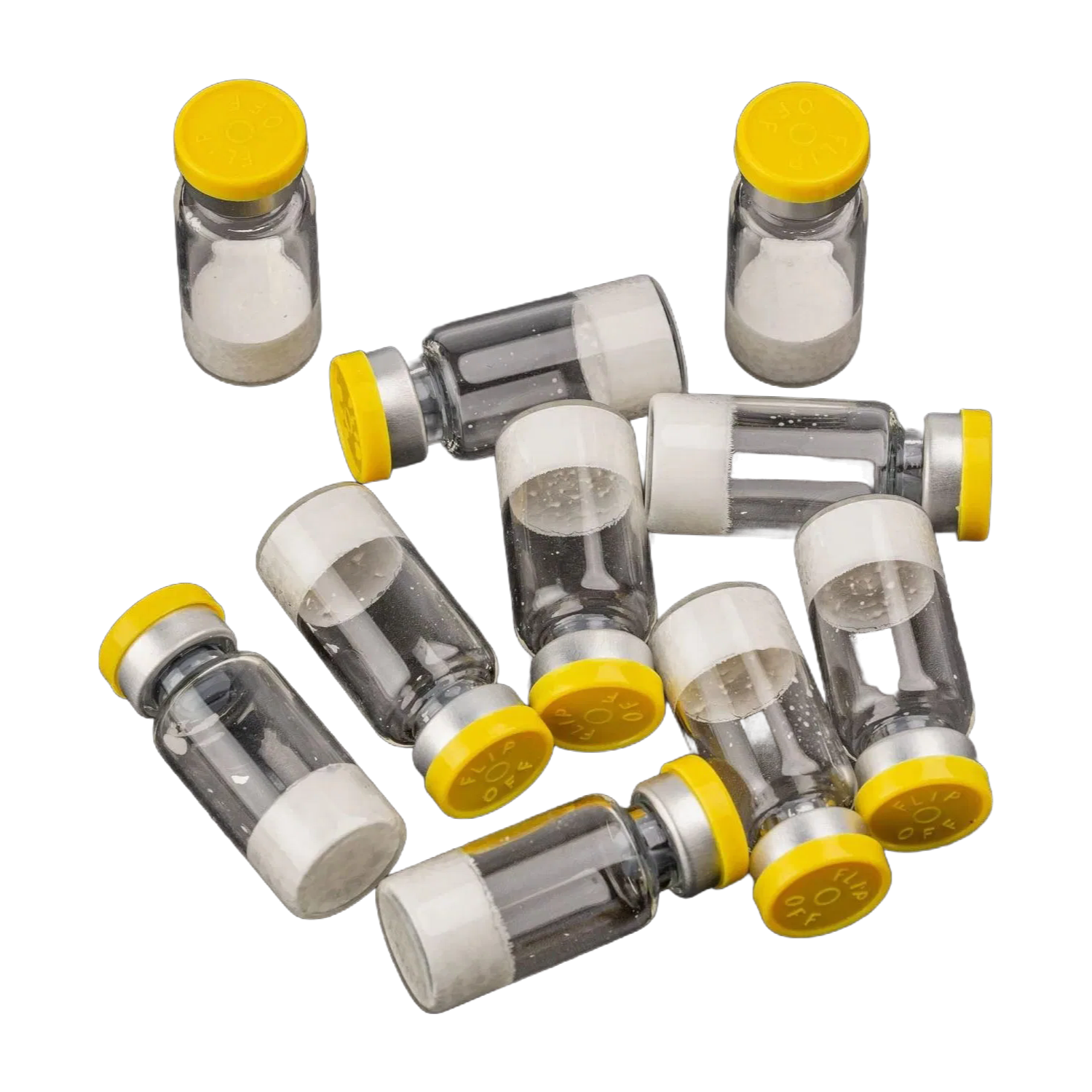
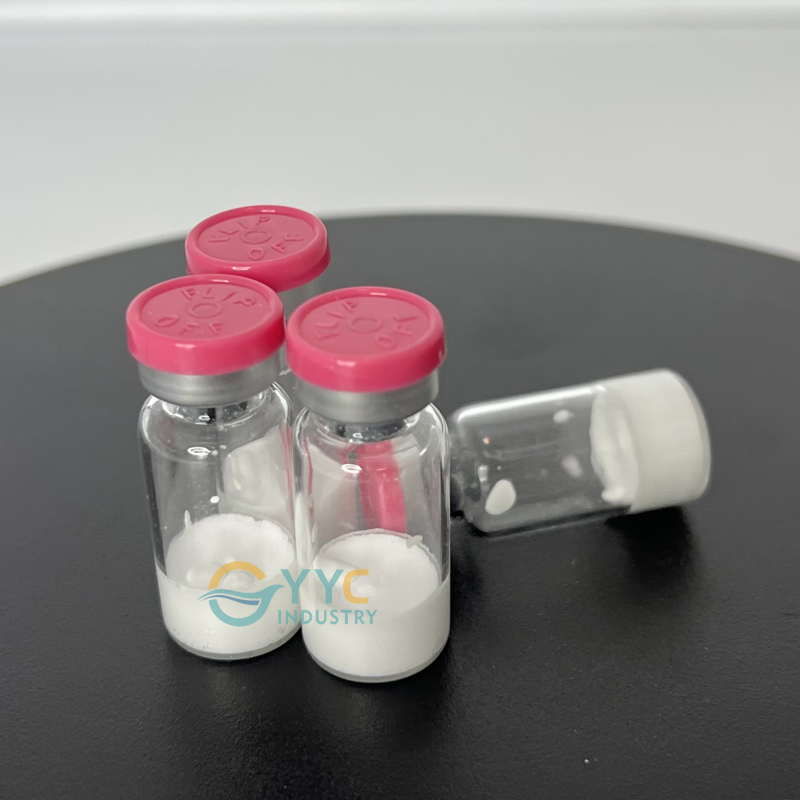
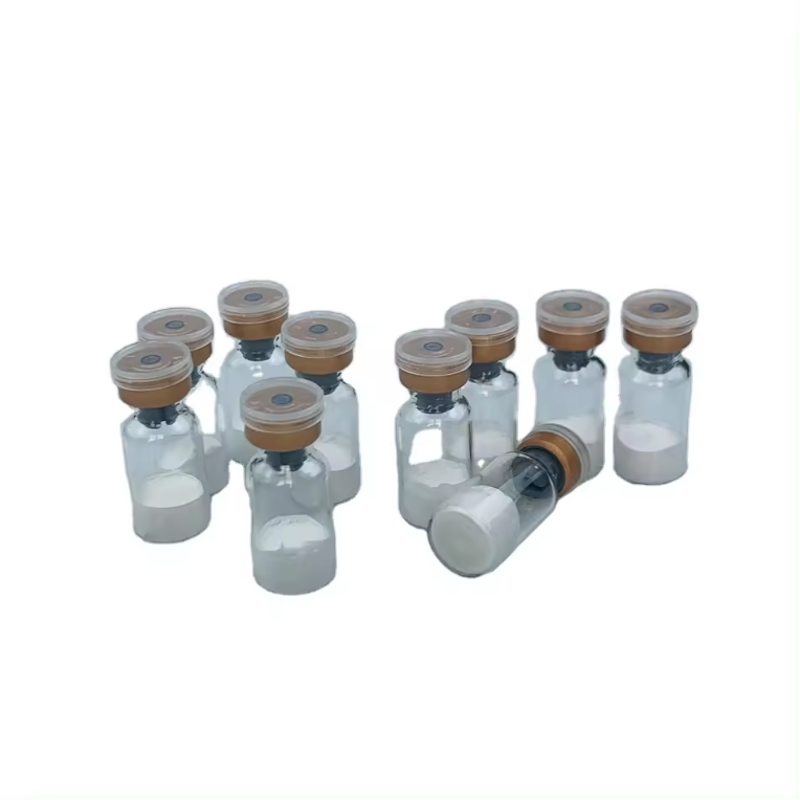
We’ve been moving these vials for about eight months now, and what we see is that most buyers go with the 10mg per vial for their in vitro work, but the 5mg option is actually better if you’re running a pilot with limited sample volume—the 15mg is there too, but it’s more for repeat runs on the same target.
It’s pretty much the same peptide backbone as the branded stuff, but the CAS is 2381089-83-2 and we’ve tightened the tolerance on residual solvents compared to what you’d get form a standerd bulk suppiler—basically, the COA shows less than 0.1% acetonitrile, which matters if you’re dosing into cell culture without a dialysis step.
Storage is straightforward: keep it dry and dark at 0-4°C for short term (usually 2-4 weeks), or drop it to -20°C for anything beyond that—shelf life is over 2 years if you don’t let it sit on a warm bench, and we’ve had customers use it past that with no loss of activity, but our company can’t guarantee it past 24 months.
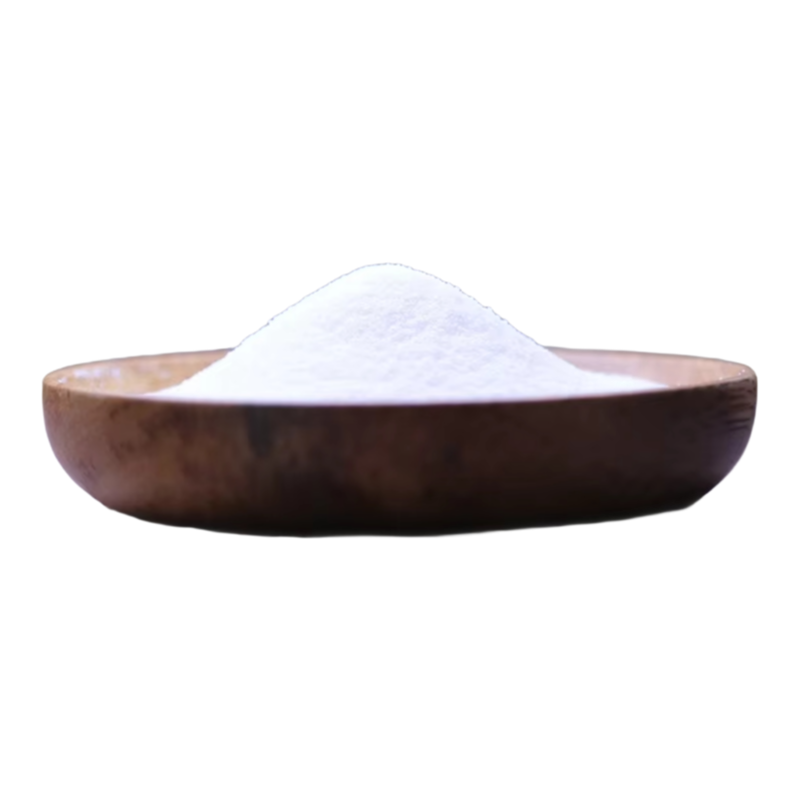
One thing you won’t see in the spec sheet is that the powder reconstitutes in less than 30 seconds in PBS at pH 7.4—that’s faster than most retatrutide batches we’ve tested, and it means less vortexing time and fewer bubbles in the vial.
This isn’t suited for oral dosing or any in vivo work without proper formulation, obviously, and the price is roughly 40% below what you’d pay for semaglutide at equivalent purity, so if you’re on a grant budget, it’s a solid alternative for your binding studies.
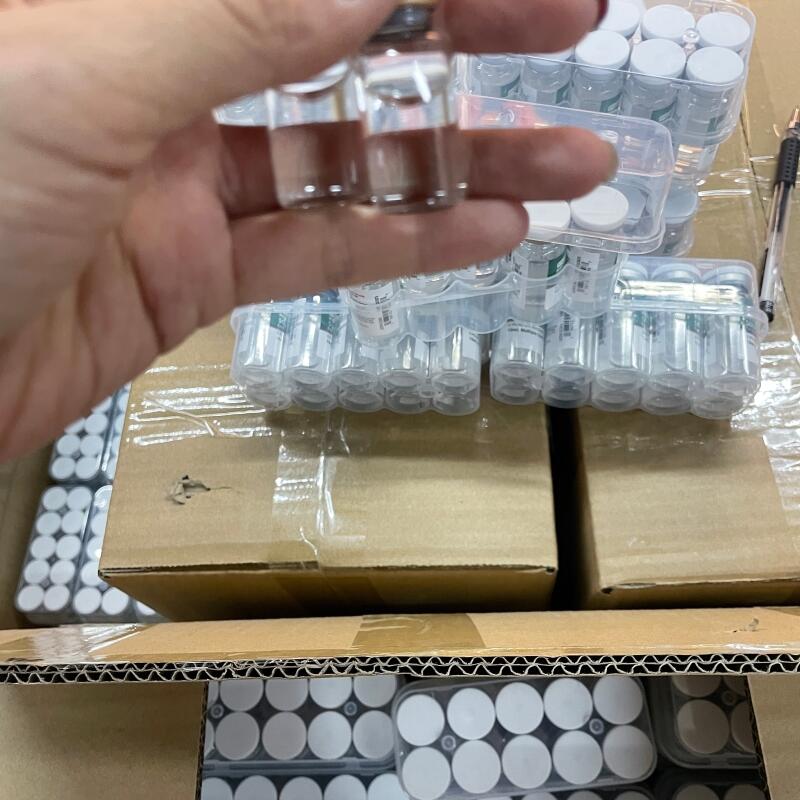
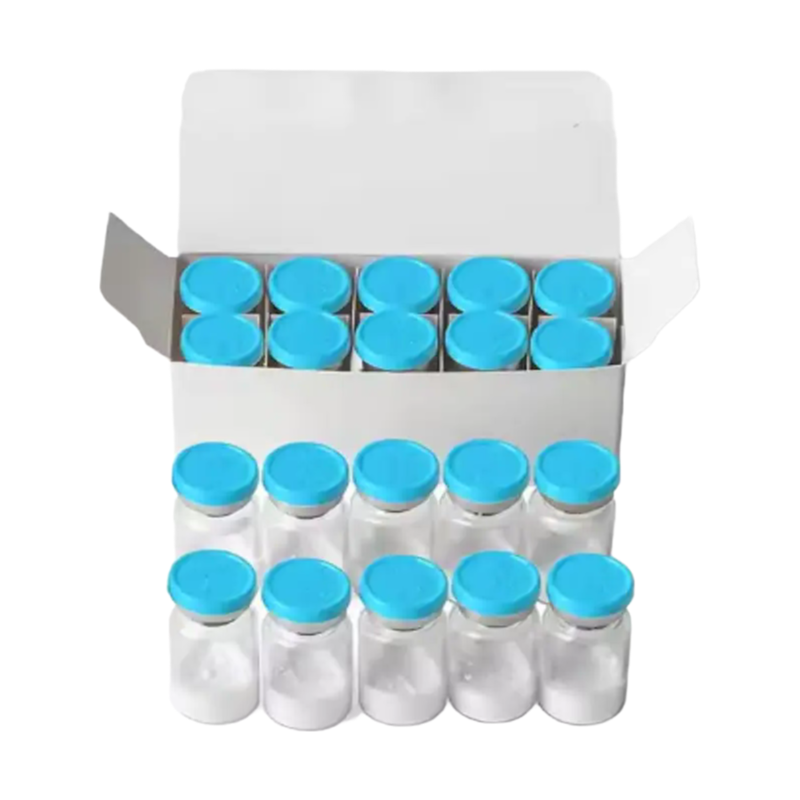
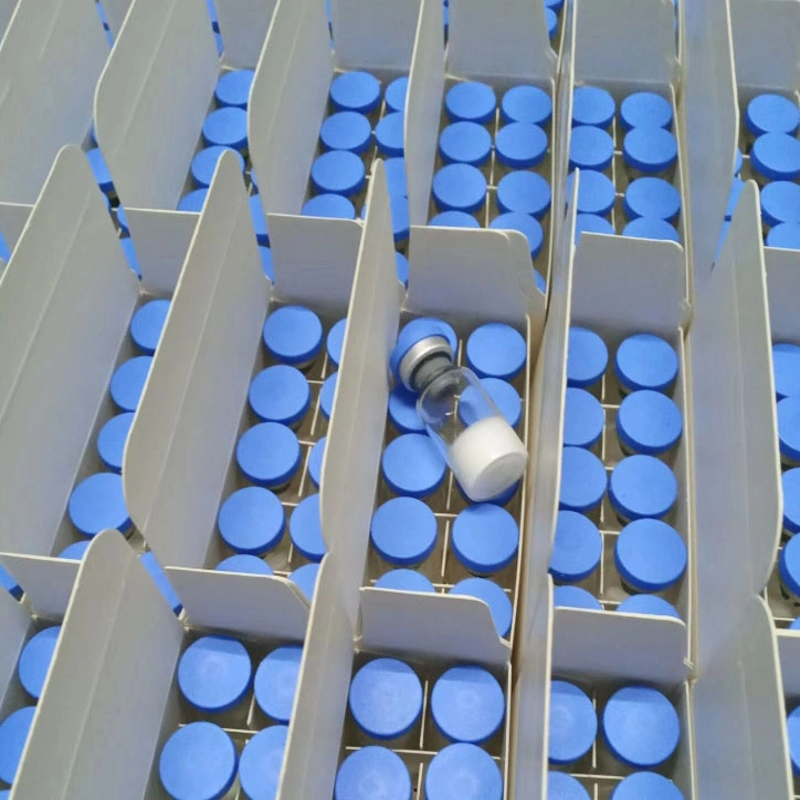
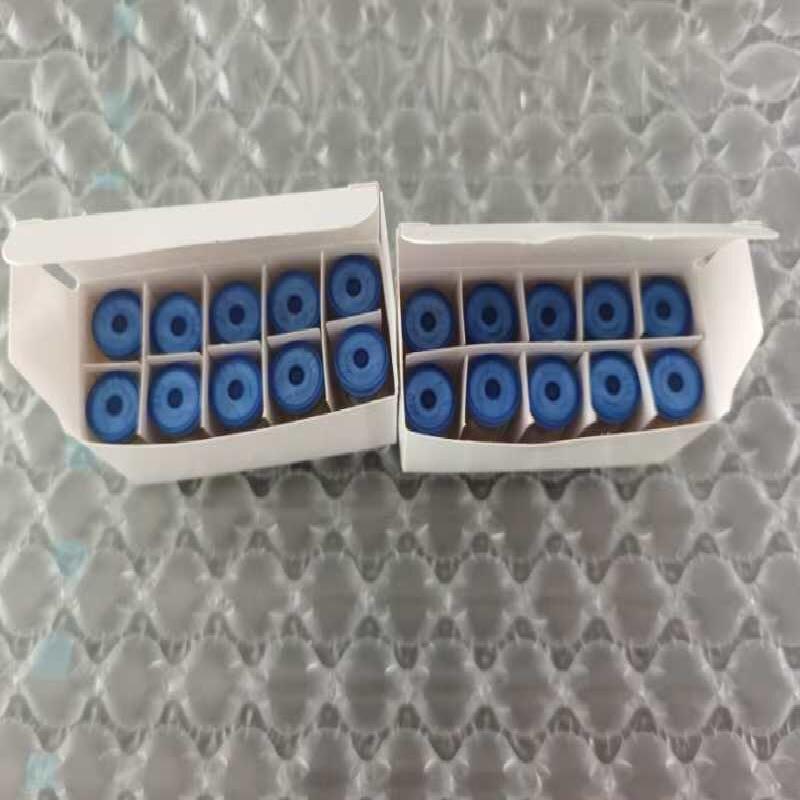
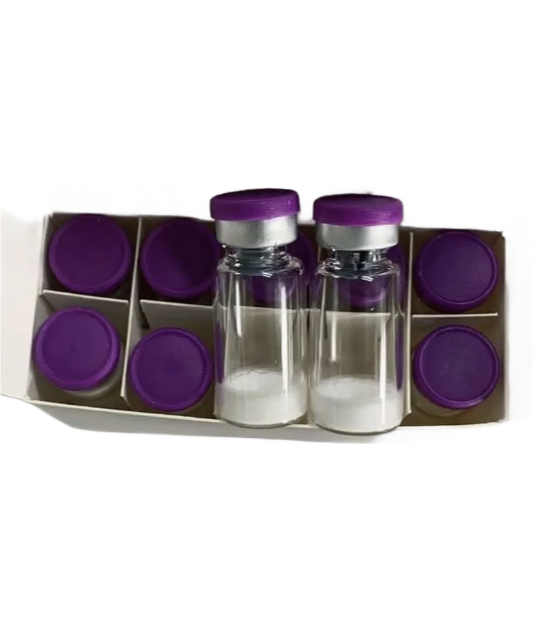
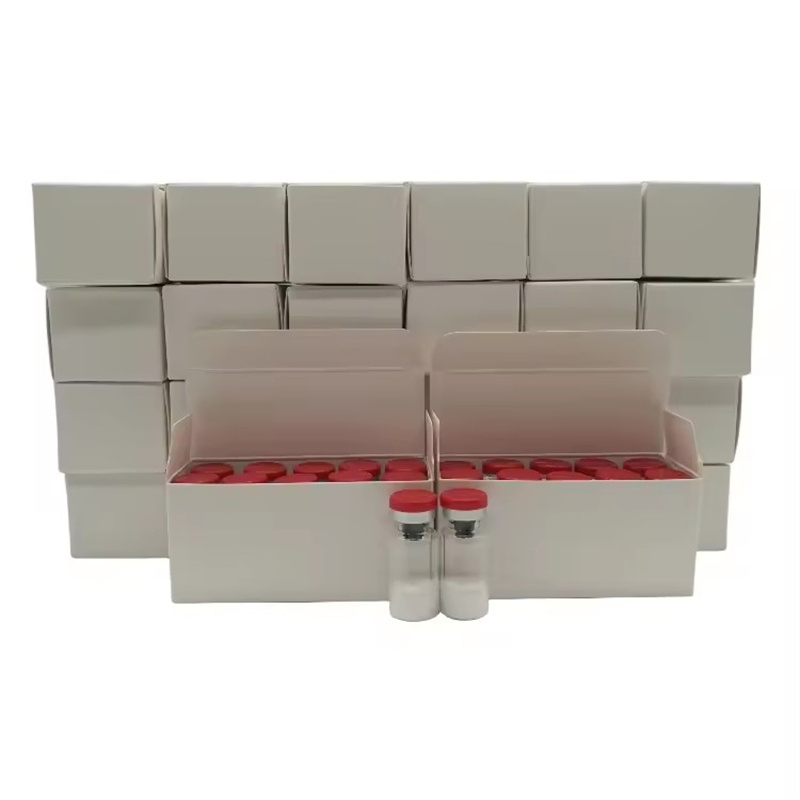
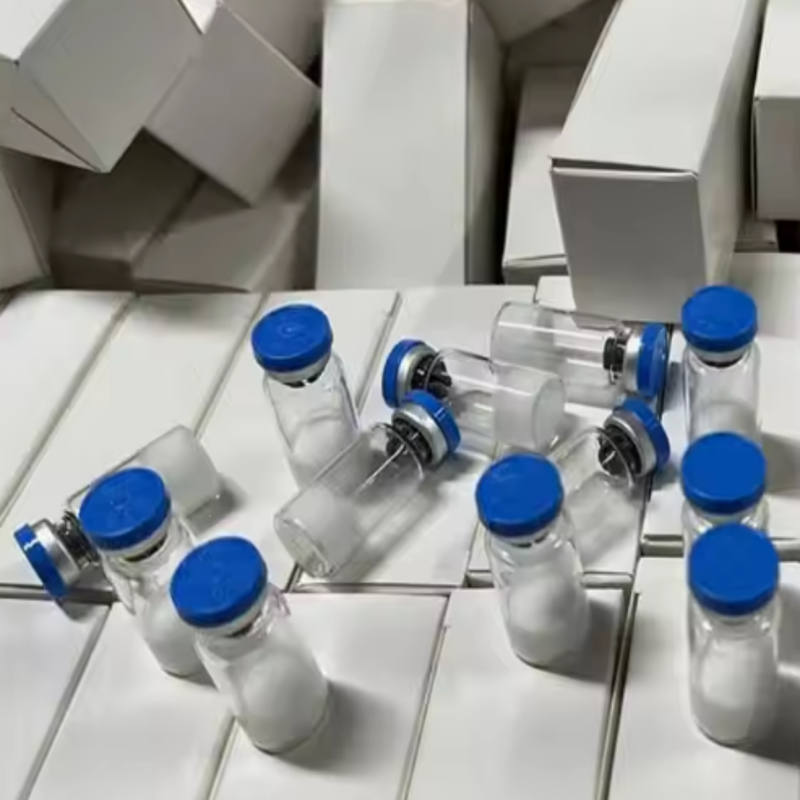
You can order as few as 10 vials per box. So if you want 15mg vials, that's 10 vials per box minimum, no forced bulk commitment.
Yes, we supply a CoA with every batch so you can verify the purity and identity. Just request it when you place your order.
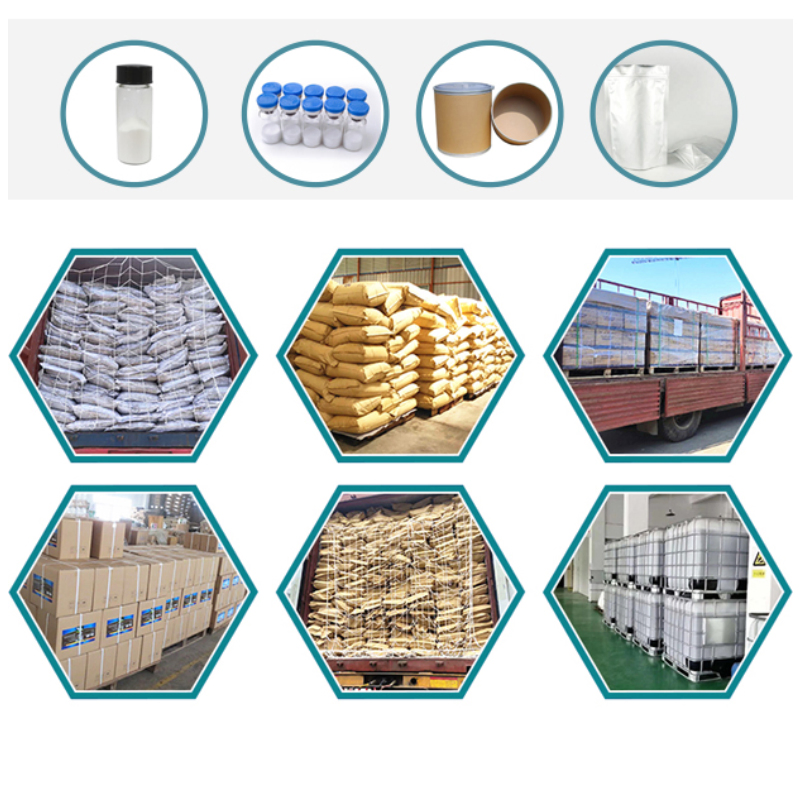
Custom labels usually add 5-7 business days to production. Standard packaging ships within 3-5 days after order confirmation.
We recommend 0-4°C for short-term storage. Room temperature may degrade the product over time, so keep it refrigerated if you plan to use it within a few weeks.
We stick to 10 vials per box as the minimum, even for the 5mg size. It's the smallest pack we can offer, but it's perfect for initial research trials.