Account
Inquiry
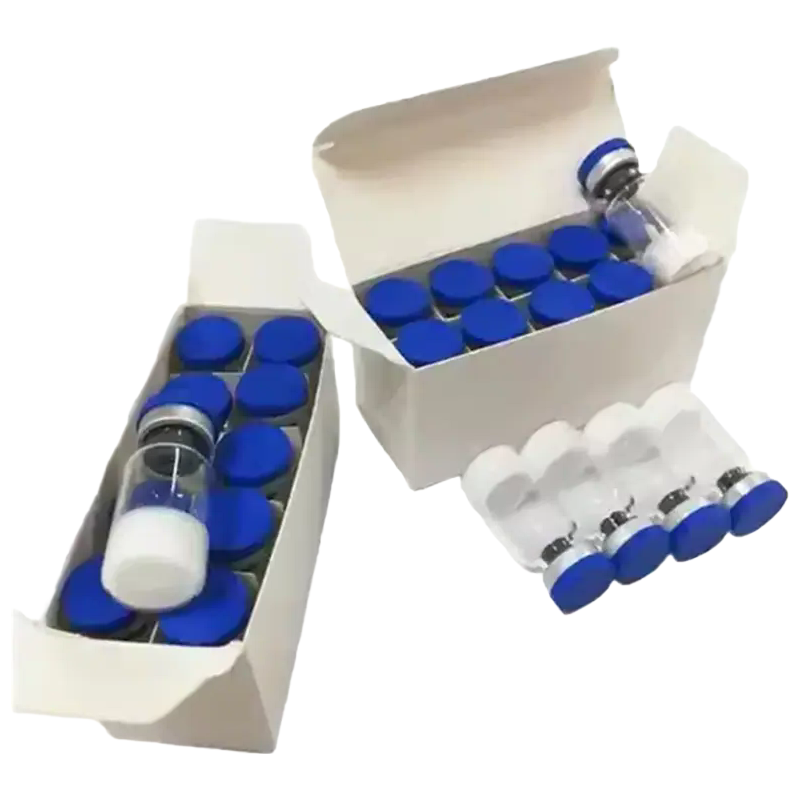
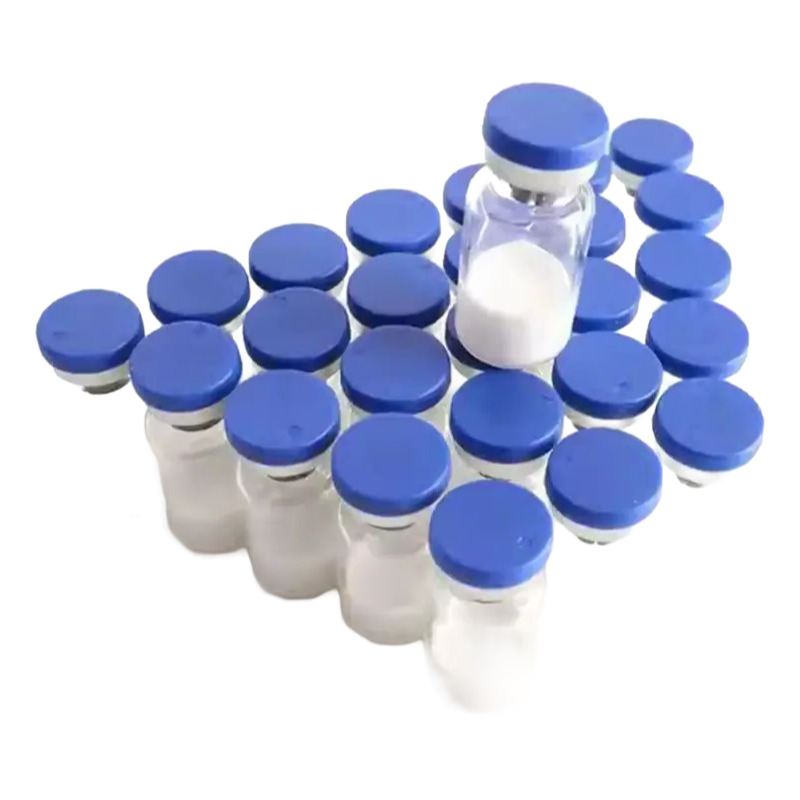
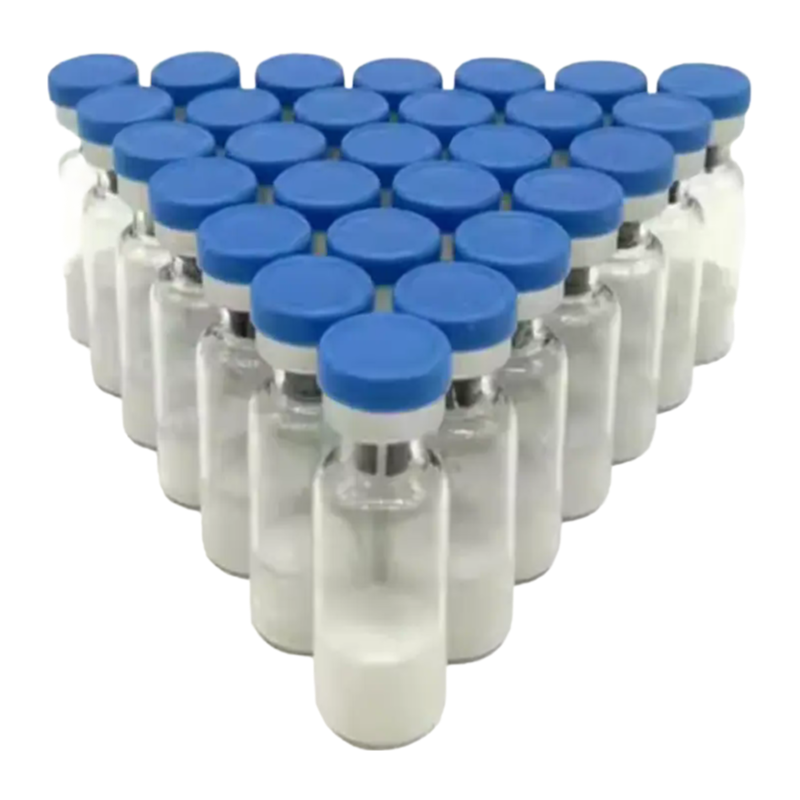
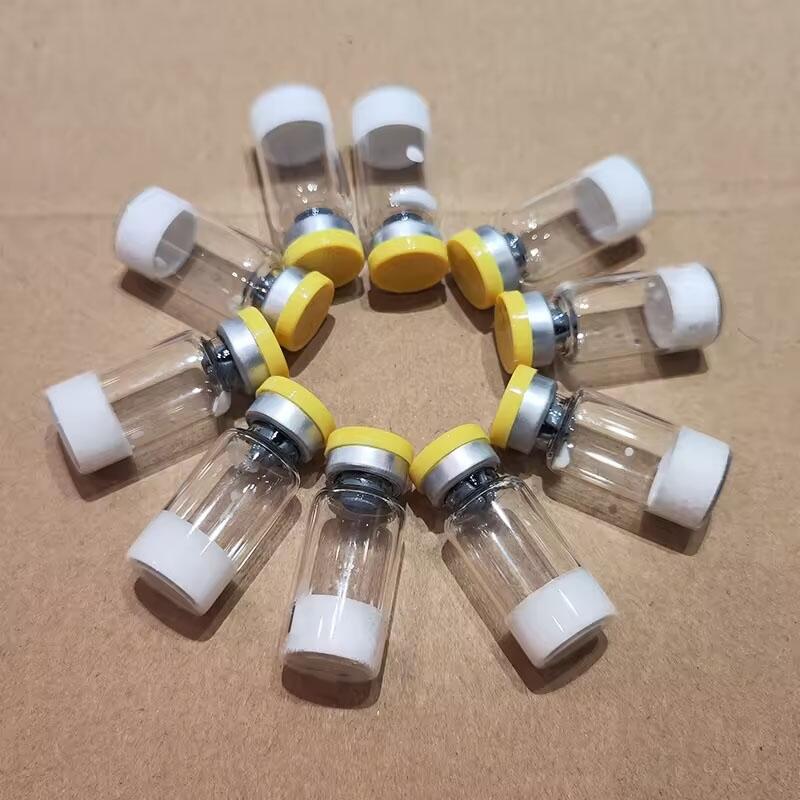
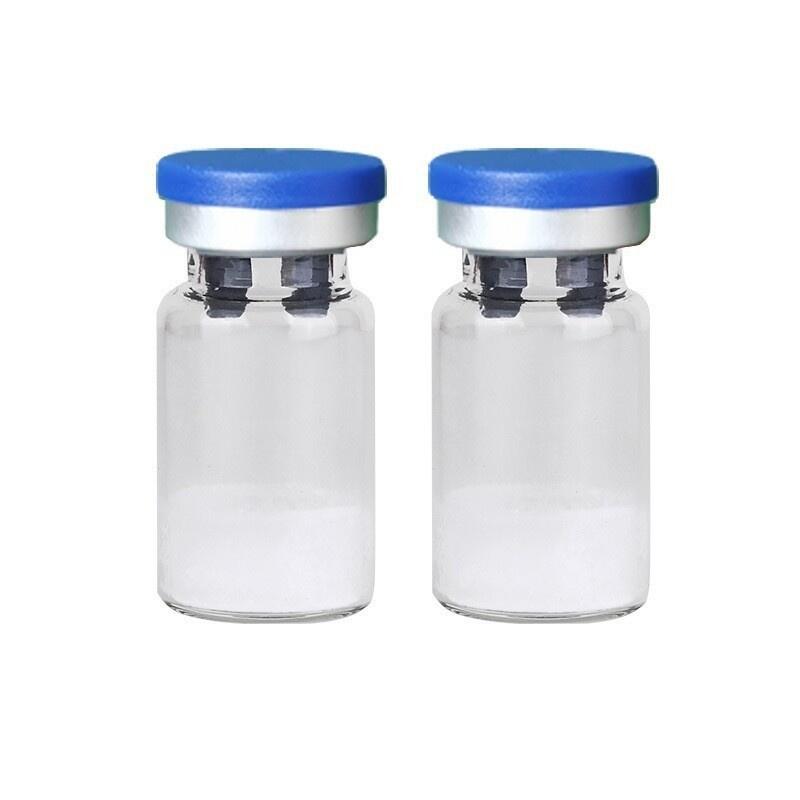
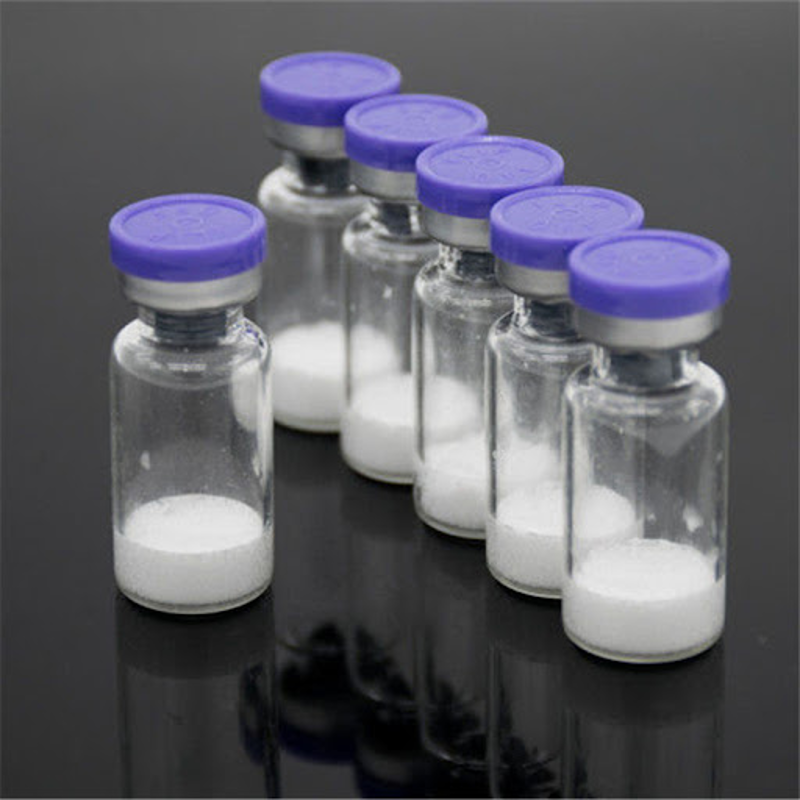
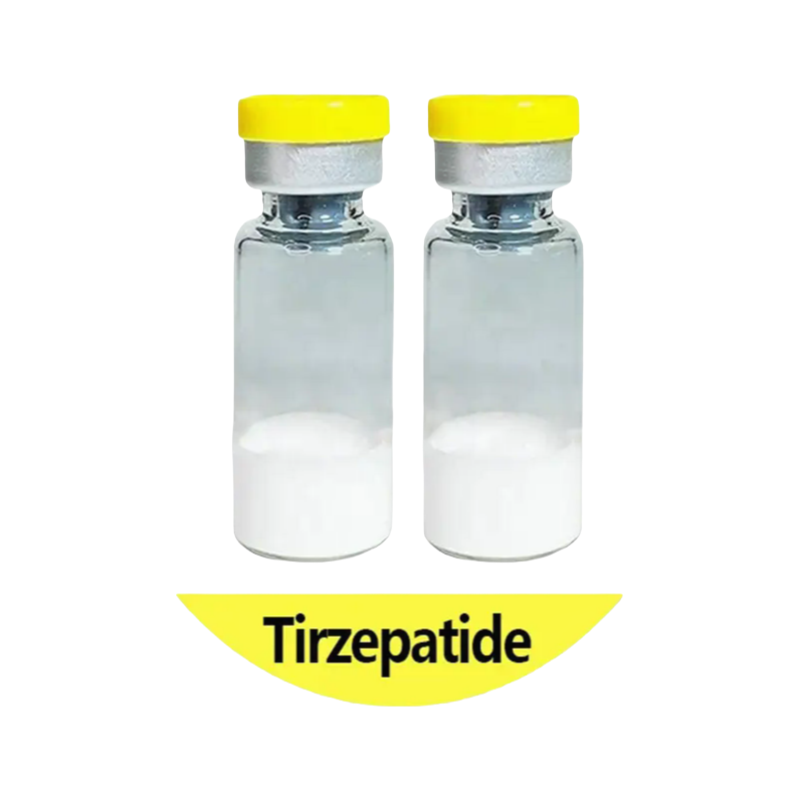
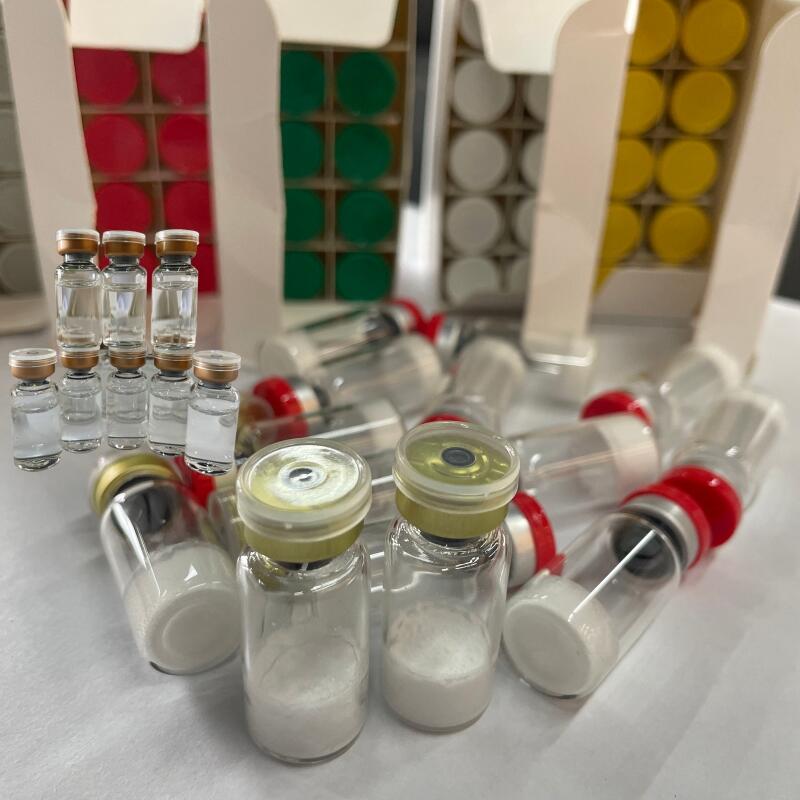
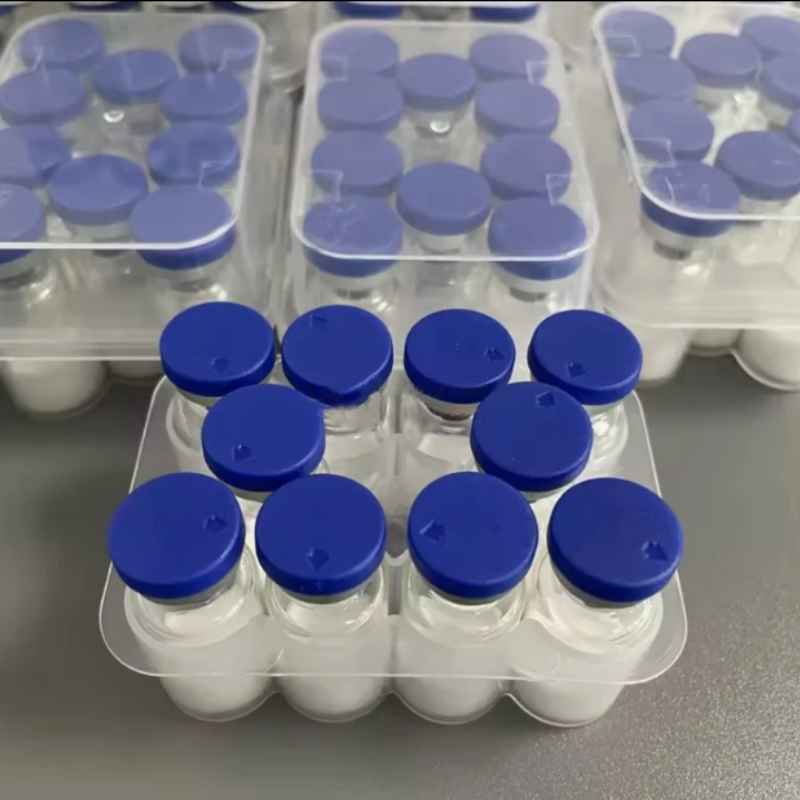
CAS 910463-68-2 sits right there on the vial label, and for anyone working with GLP-1 analogs, that’s the standerd reference — it’s a lyophilized powder, so you reconstitute it yourself, which we’ve found gives better control over concentration than pre-mixed solutions that degrade faster.
Purity’s listed at 99% by HPLC, and form what we’ve seen in our own stability tests, that holds up well for about two years or so if you keep it dry and dark — short-term storage at 0-4°C is fine, but for anything beyond a month, we usually recommend -20°C, and honestly, most buyers go with the 10mg vials because they balance batch size with handling ease.
It’s research grade, not for human use — we’re pretty clear on that — but in our lab, it worked better than reagent grade for binding assays, and the tighter tolerance on peptide content made more consistent (usually within ±2% of the claimed amount per vial).
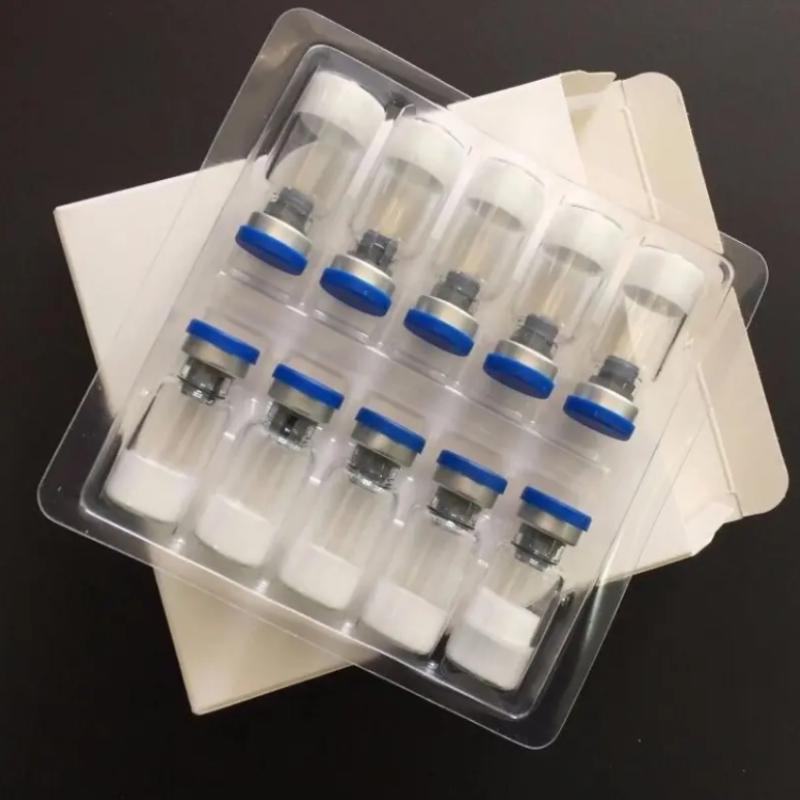
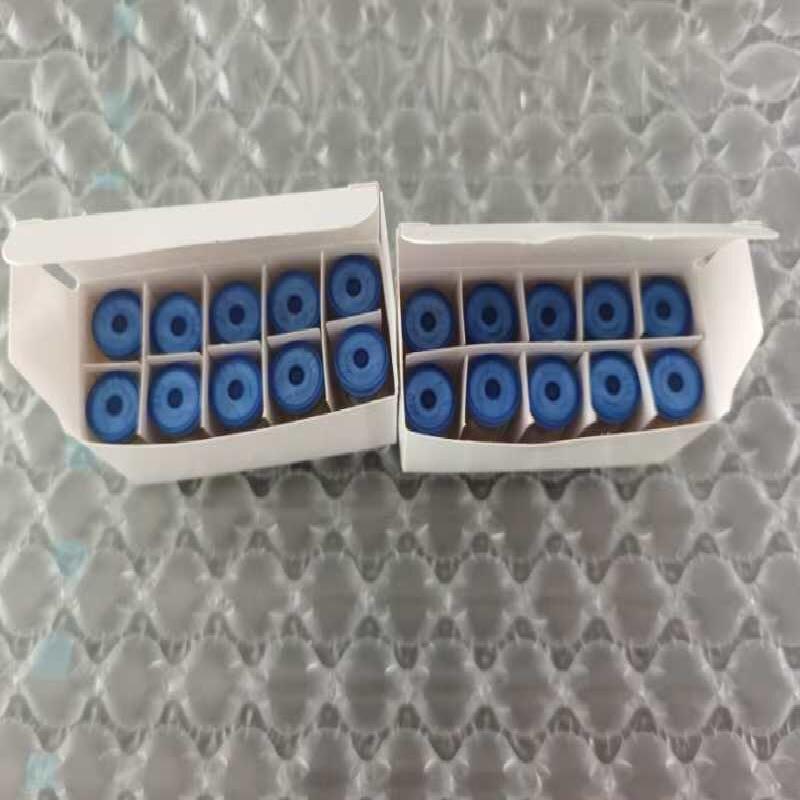
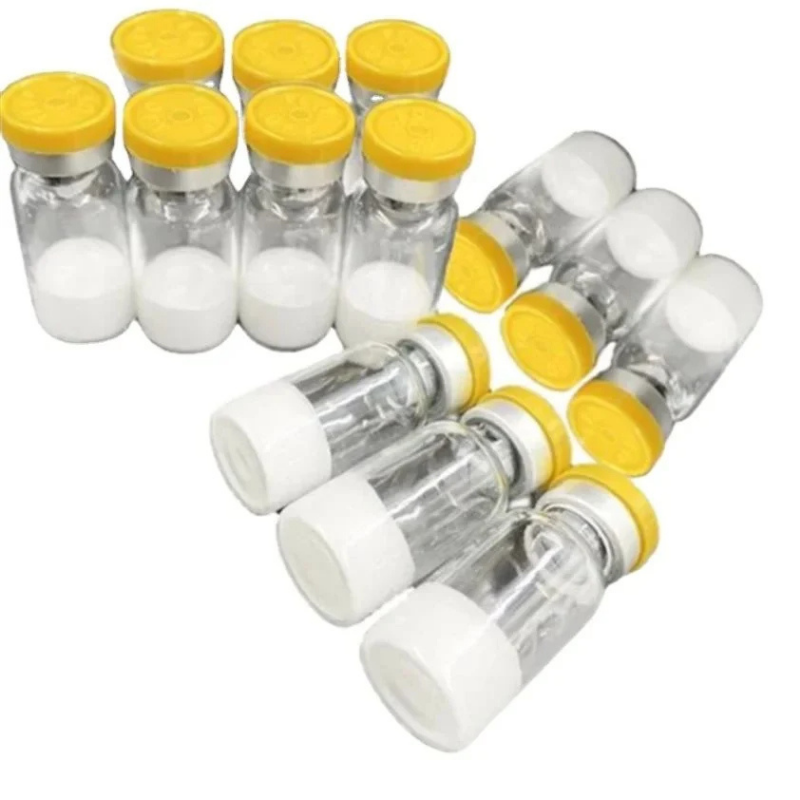
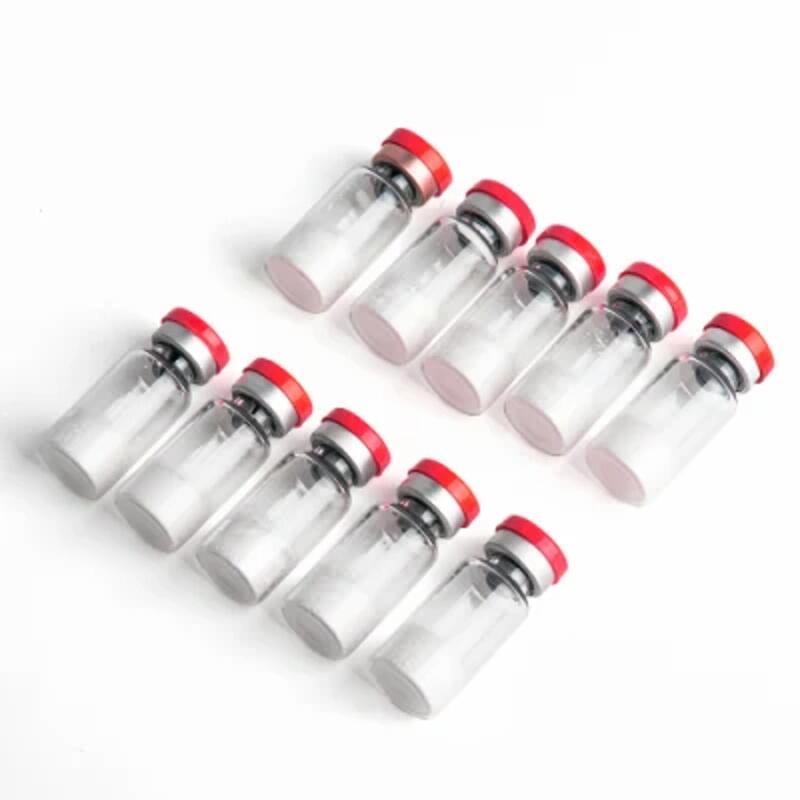
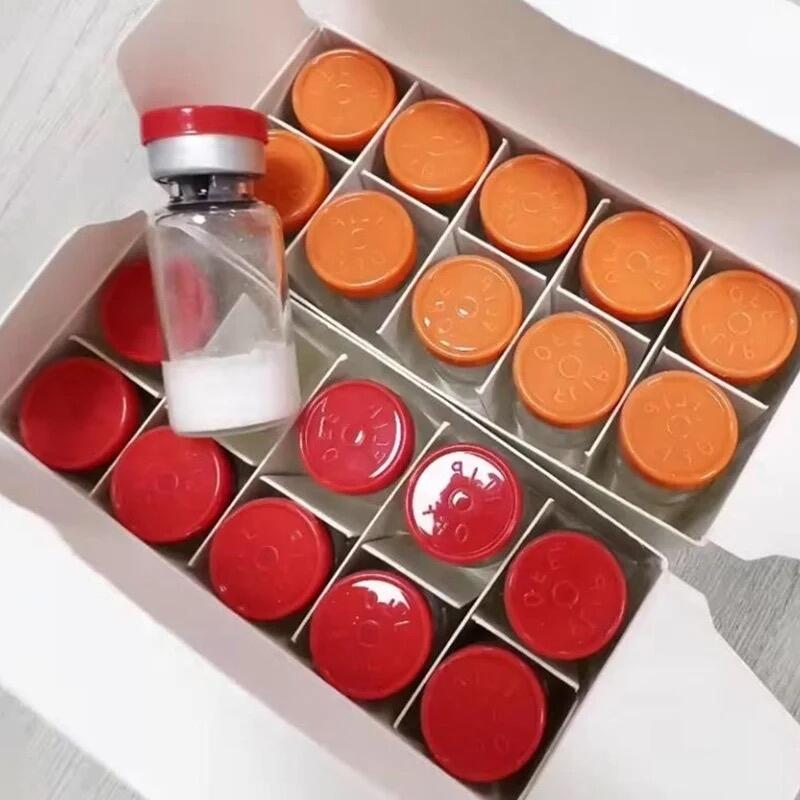
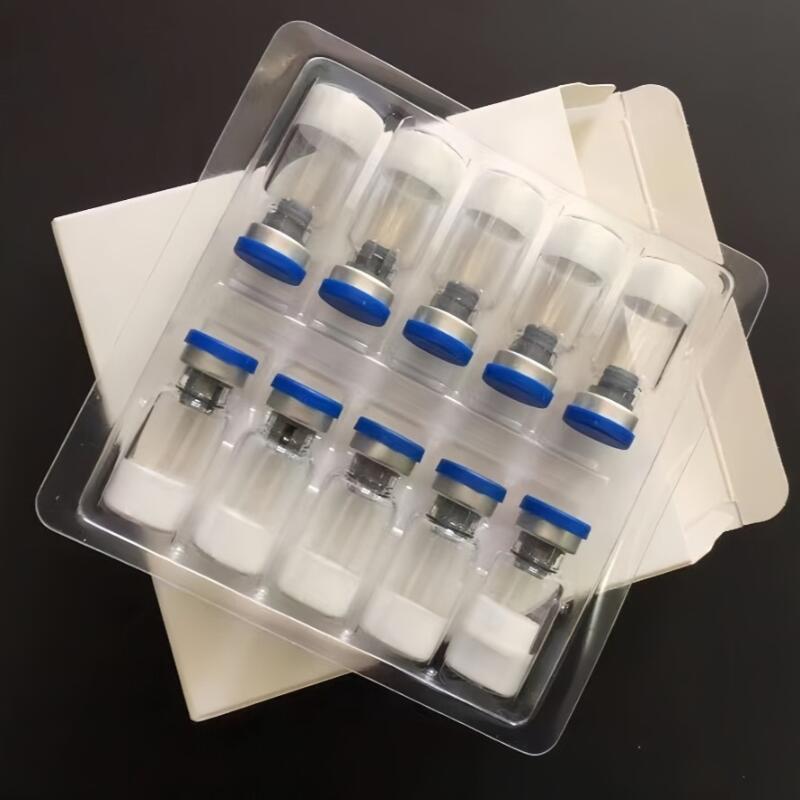
Each box comes with ten vials, and the 5mg or 10mg sizes are the most common choices for studies involving metabolic pathways or appetite regulation, though one thing that caught us off guard initially was that teh powder is slightly hygroscopic — so you’ll want to equilibrate to room tempearture in a desiccator before opening, otherwise moisture pickup can shift net weight by a milligram or two.
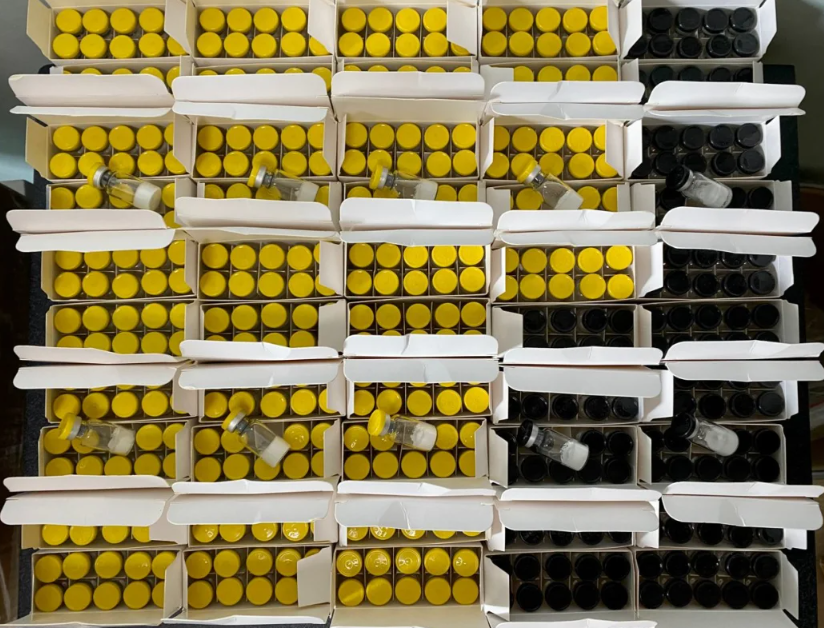
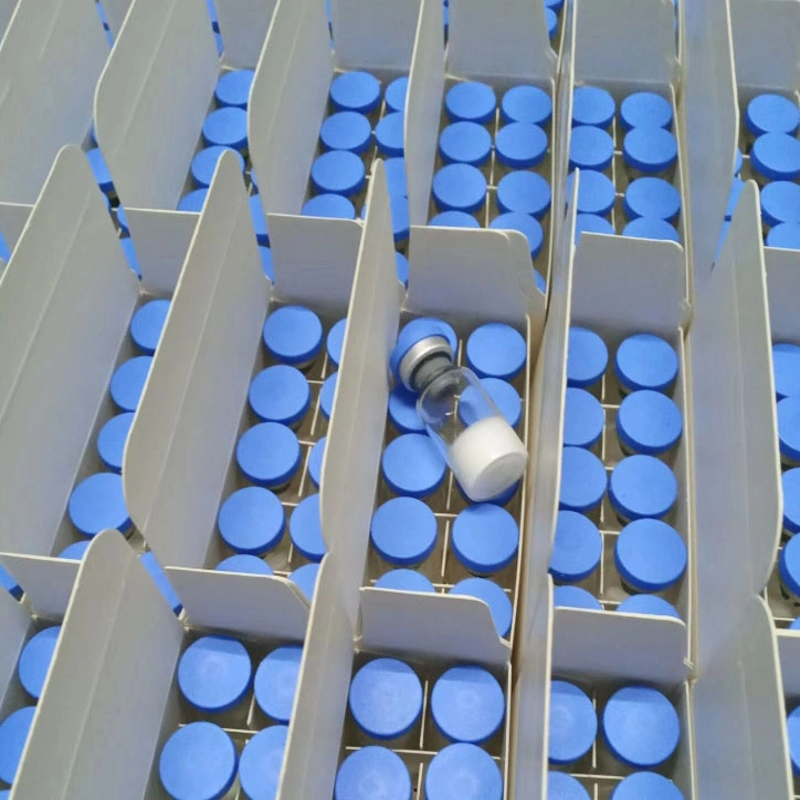
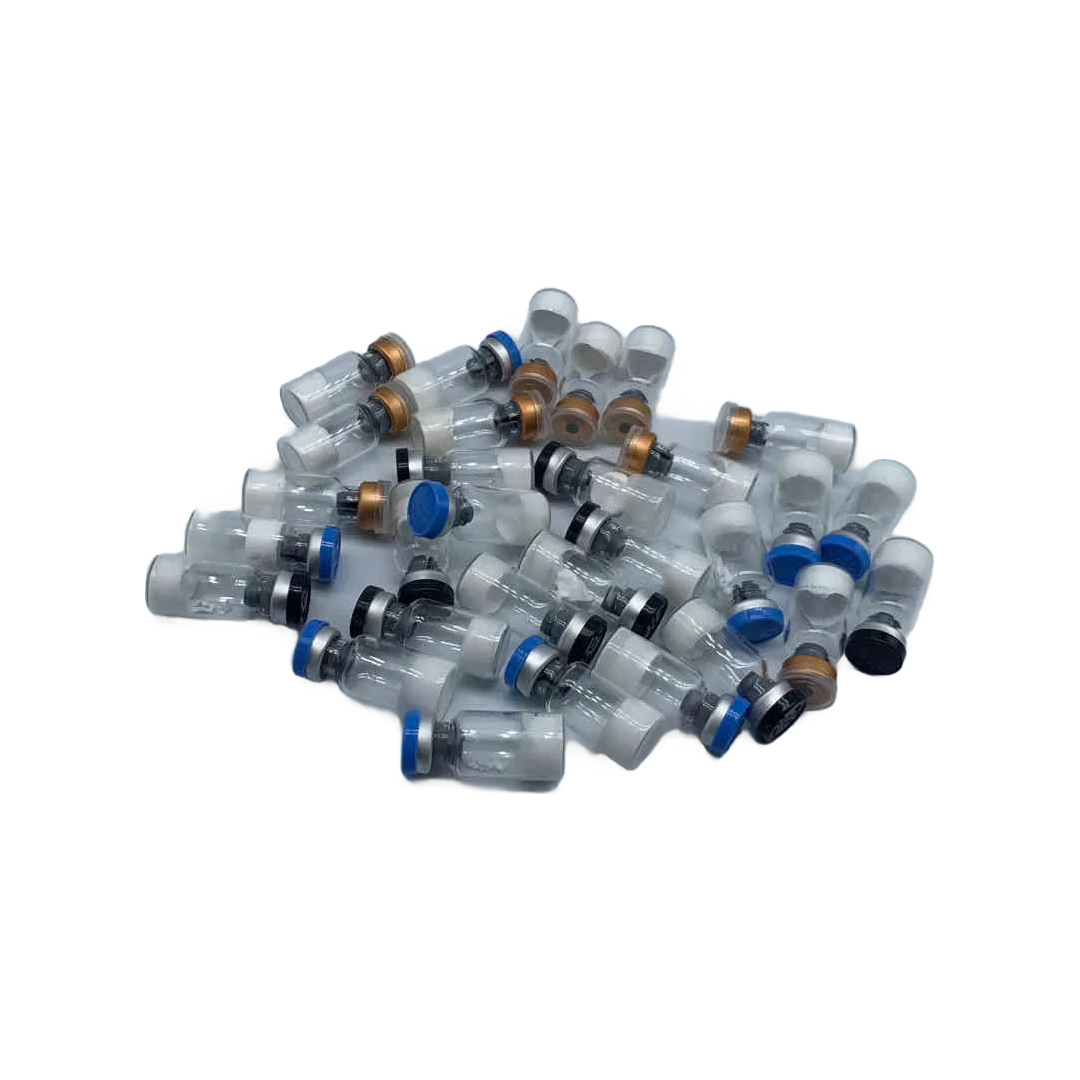
We typically stock 50 units or more of the 10mg vials, but custom batch sizes for bulk orders take about 20 days if they need to lyophilize fresh matrial — check lead time if you’re planning a large study, because the MOQ scales differently for the 15mg format.
We offer 10 vials per box as standard, but if you need a smaller trial batch, we can sometimes arrange 1–2 vials for first-time buyers — just ask.
Keep it in a dry, dark place. For short-term storage, 0–4°C in a fridge works well; for long-term, pop it in the freezer at -20°C. That way it stays stable for over 2 years.
Yes, we include a Certificate of Analysis with each batch, showing the 99% purity by HPLC. If you need extra docs like an MSDS, just let us know and we'll send them over.
We usually pack it in 5mg, 10mg, or 15mg vials with 10 vials per box. For custom sizes or bulk orders, we can adjust the packaging — reach out and we'll sort it.
It's strictly research grade — not for human or veterinary use. It's meant for lab studies only, so handle it with proper safety gear and follow your local regulations.