Account
Inquiry
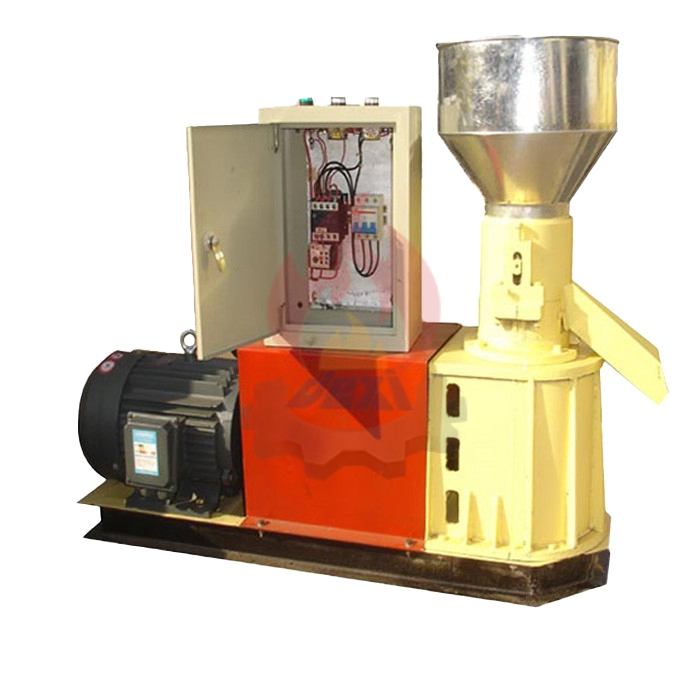
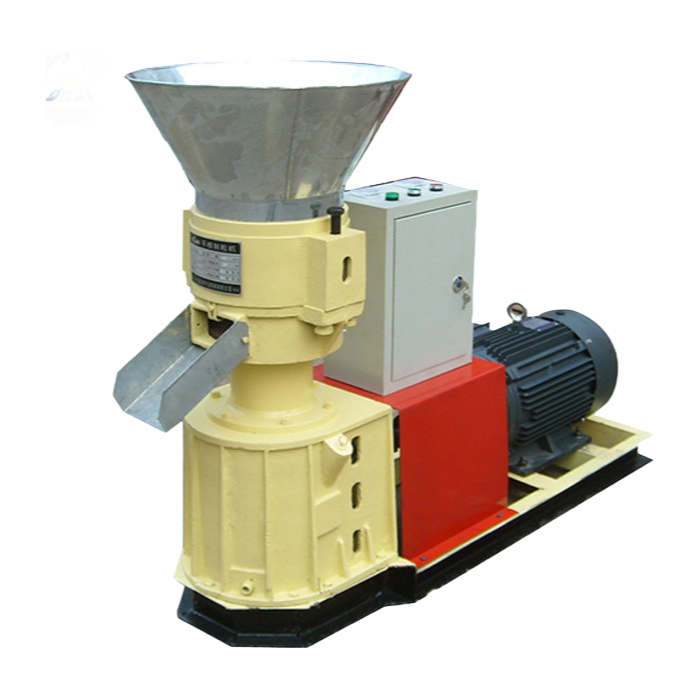
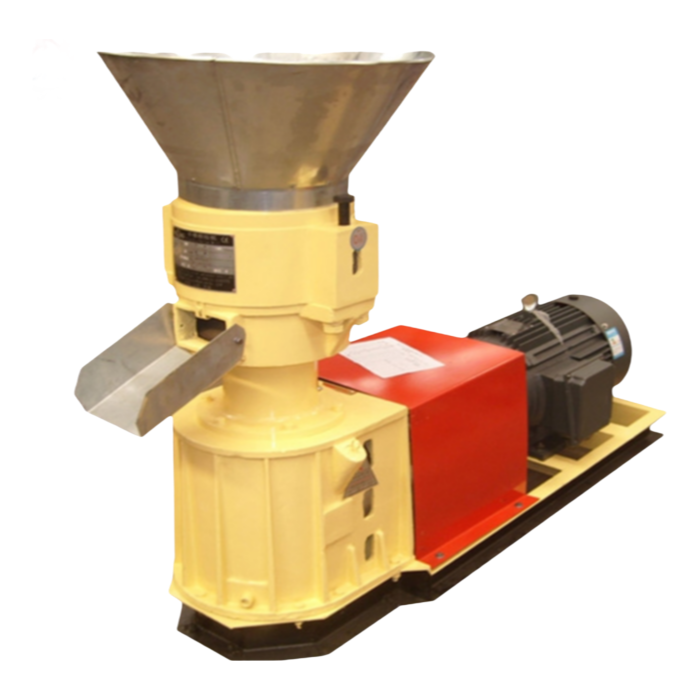
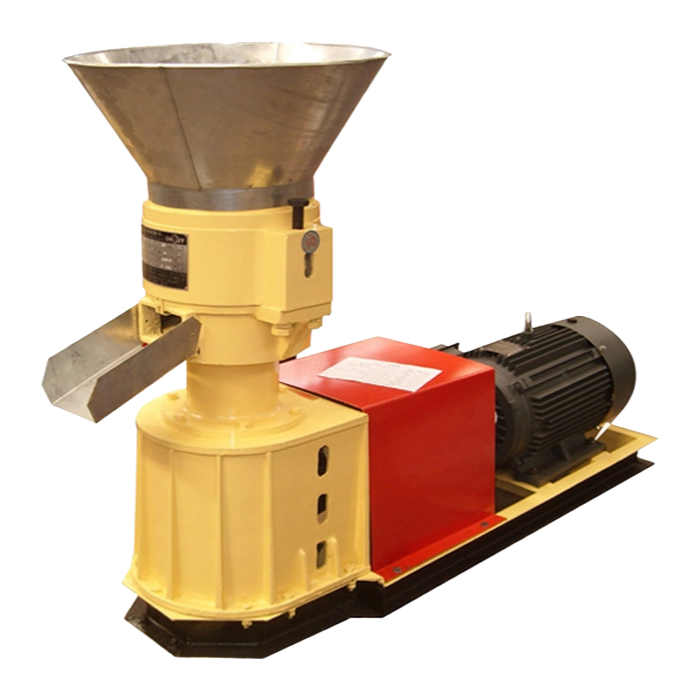
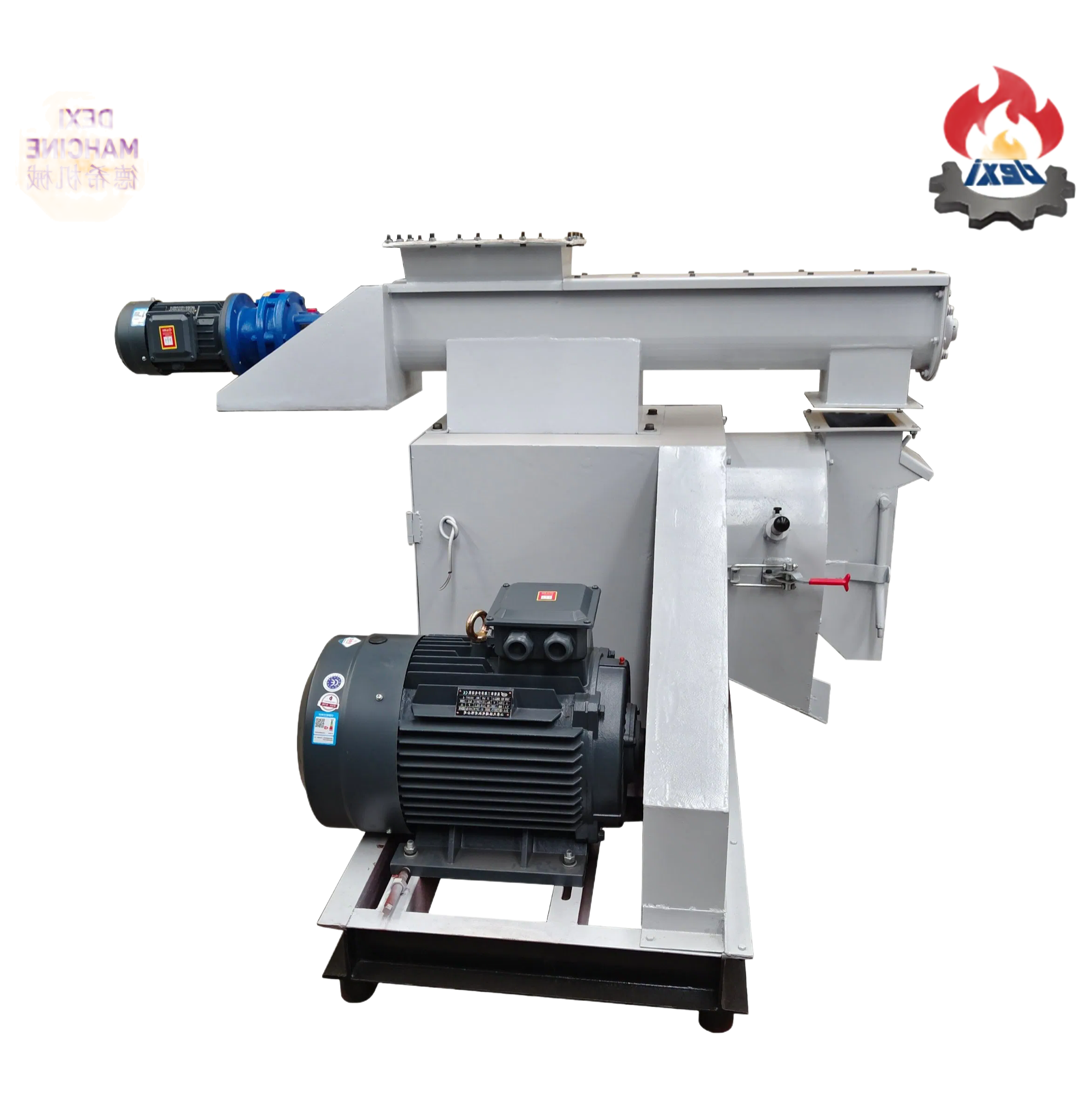
gearbox does most of the heavy lifting here—it keeps teh flat die spinning steadily so you’re not fighting clogs mid-run, and honestly that’s where most cheap machines fail within six months.
It pulls about 15KW, you’ll need 220V or 318V three-phase, and the throughput usually lands somewhere between 500 and 700kg per hour depending how dry your corn or wheat is going in—moisture content wants to be 15 to 20 percent on the input side, and you’ll see it drop to about 11 to 13 percent after pressing, which is pretty standerd for good pellet hardness.
What it does is it cranks out pellets form 2mm up to 8mm diameter, so you can switch between chick feed and sheep rations just by swapping the die, and the whole machine weighs 550kg, which actually makes it heavy enough to stay put but not so big you need a forklift for delivery—dimensions are roughly 1400 by 600 by 1000mm.
We usually stock these, but lead time is typically 20 days or so depending on whether the gearbox suppiler has their act together—check with us before you order if you need it in under four weeks.
It’s not really suited for high-moisture silage or anything wet like that—you want dry grain like corn, wheat, or rice shell, and some buyers have tried adding a little molasses but that gums up the presure rollers pretty fast (we don’t recommend it).
Anyway, most orders come in for farms feeding between 50 and 200 head of poultry or livestock, and the 550kg weight means you’ll need a concrete floor or at least a reinforced pallet—also, one detail you might not think of is that the flat die is a replaceable wear part, so keep a spare on hand if you’re running it daily.
Our MOQ is 1 unit, so you can order just one machine to start testing or small-scale production.
Lead time is typically 7-15 days, depending on your location and shipping method. We'll confirm the exact timeline when you order.
Yes, we can supply a CE certificate and a factory test report with each machine, plus any other paperwork you need for customs or quality checks.
Aim for 15-20% moisture in your corn, wheat, or rice shell before feeding. If it's too dry, add a little water and mix; if too wet, air-dry or add dry material. The machine will then reduce it to 11-13% in the finished pellets.
Keep it in a dry, covered area to avoid rust, especially on the flat die and rollers. For shipping or storage over a month, grease the core parts and wrap them in plastic. We usually pack it in a plywood crate with foam padding.
The delivery was incredibly fast and efficient; the package arrived well ahead of schedule without any delays. The quality of the machine appears robust and durable, with solid construction that inspires confidence. Customer service was top-notch, providing quick and helpful responses to all my inquiries.
My experience with this purchase was outstanding. The delivery was incredibly fast, arriving much sooner than I anticipated, and the packaging was secure with no damage. The quality of the machine appears robust and well-constructed, giving me confidence in its durability for farm tasks. Customer service was responsive and helpful, promptly answering all my queries. Overall, a very satisfying transaction that I would recommend to others.